
New 2027 Other Trailers For Sale
Shop new 2027 other trailers including specialty, heavy-haul, container, and tender trailer types with application-focused specs.

Selling a new 2027 other trailer? List your new 2027 other trailer for sale and reach thousands of commercial buyers.
New 2027 Other Trailers
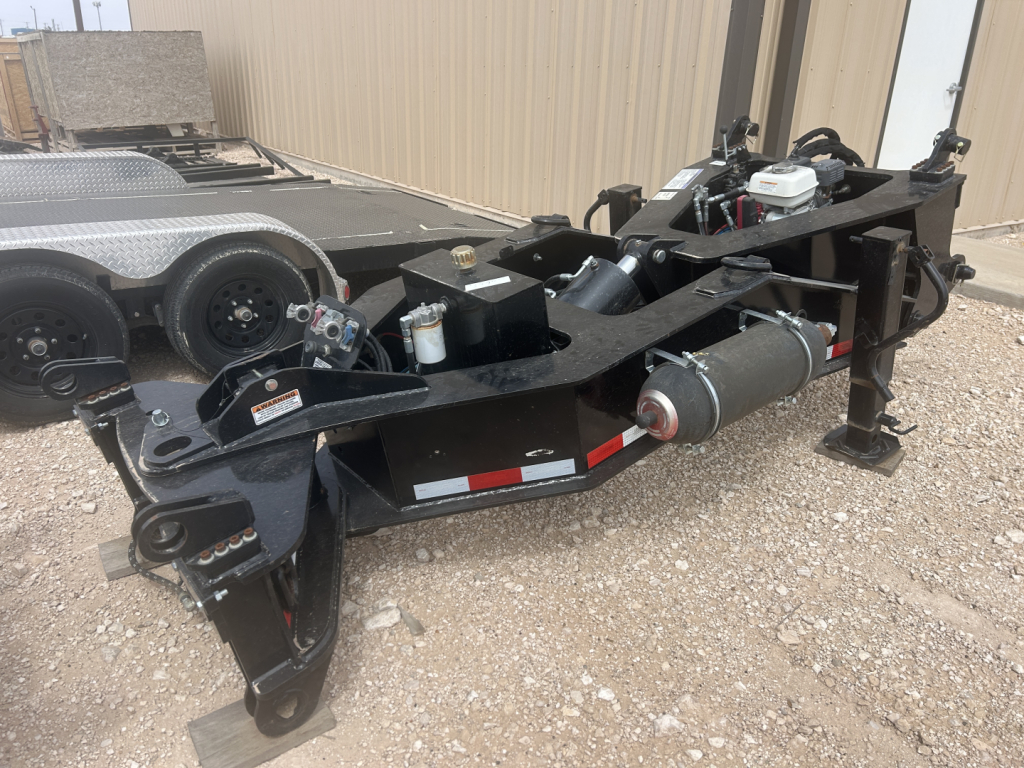
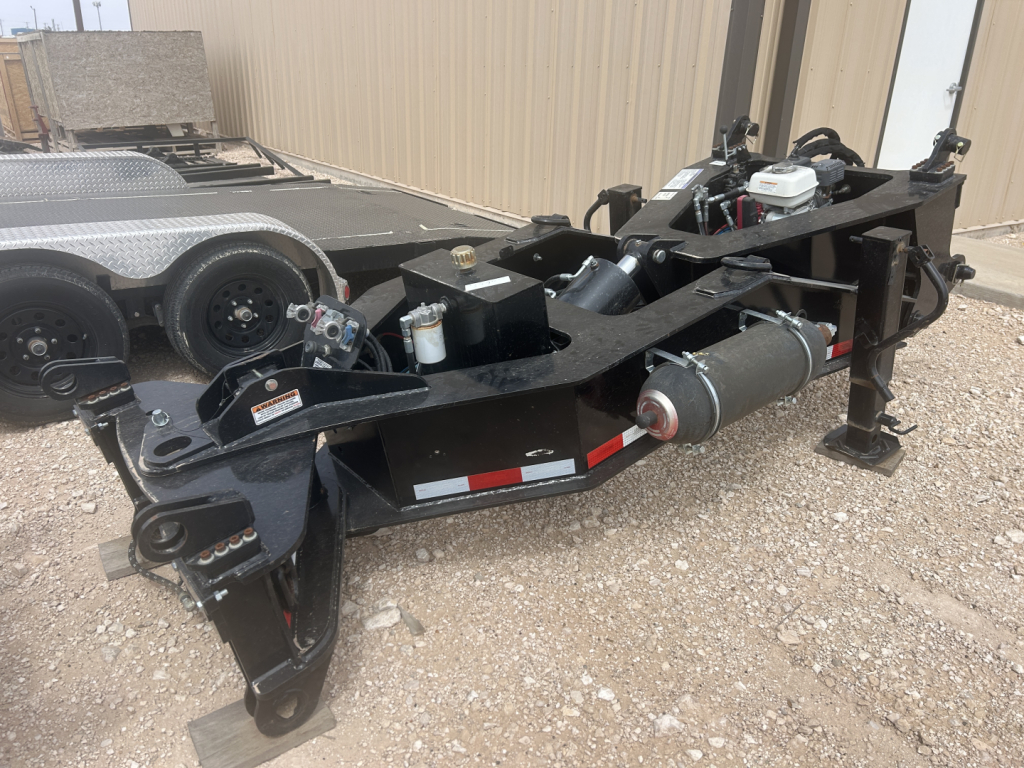
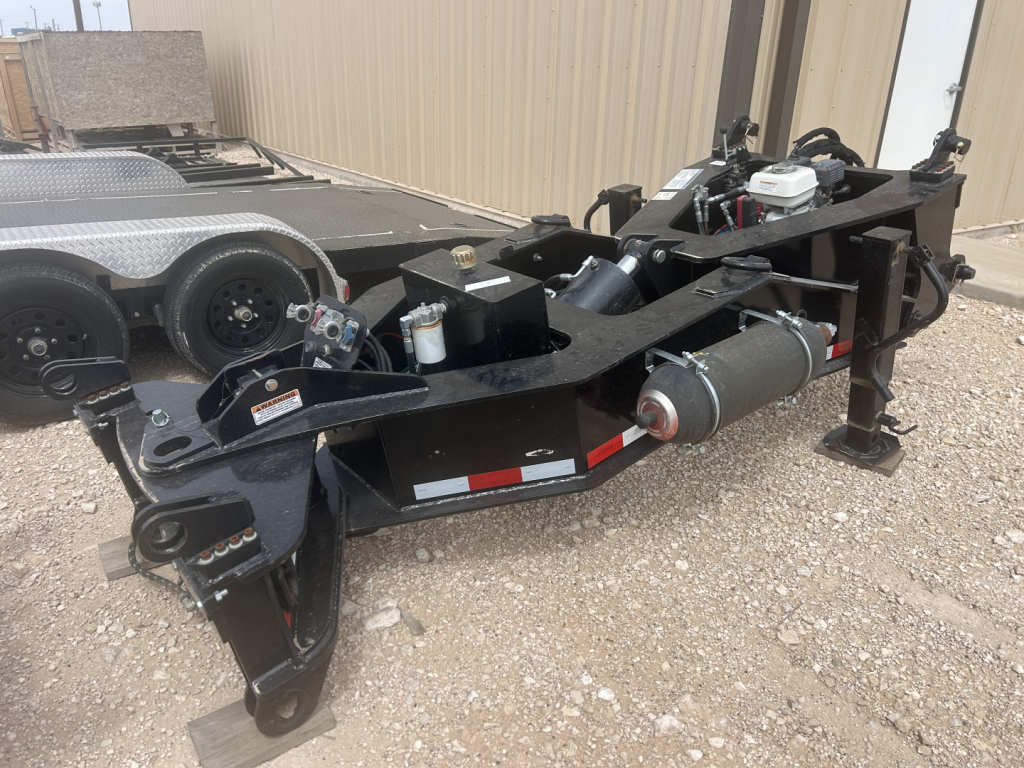
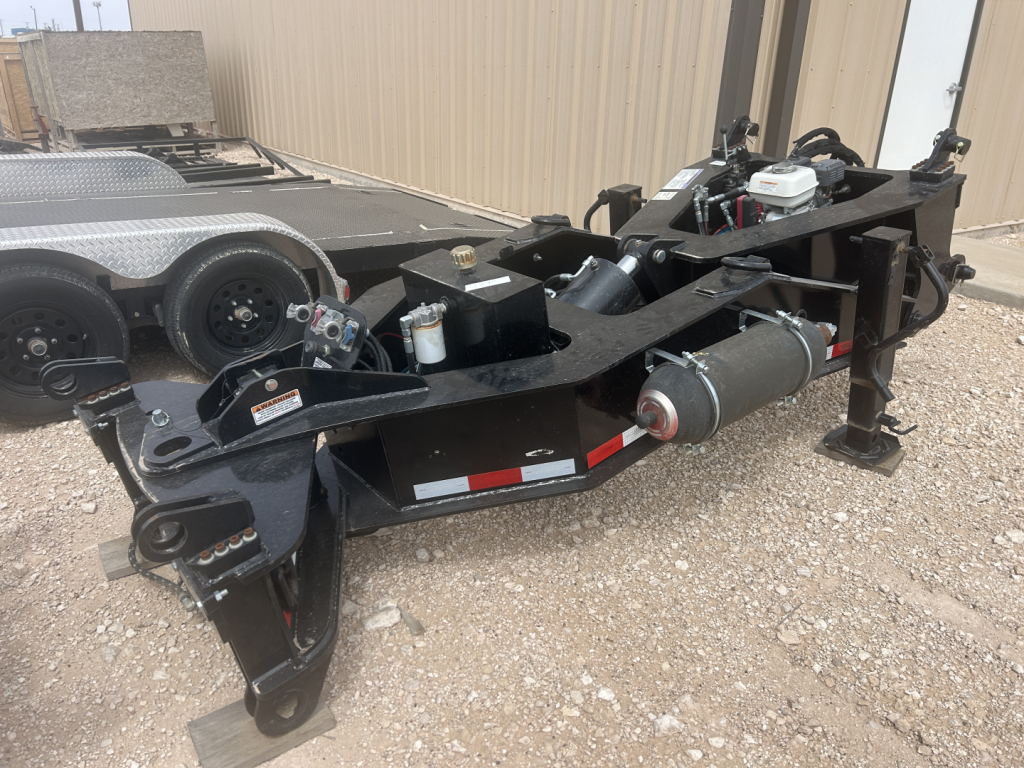
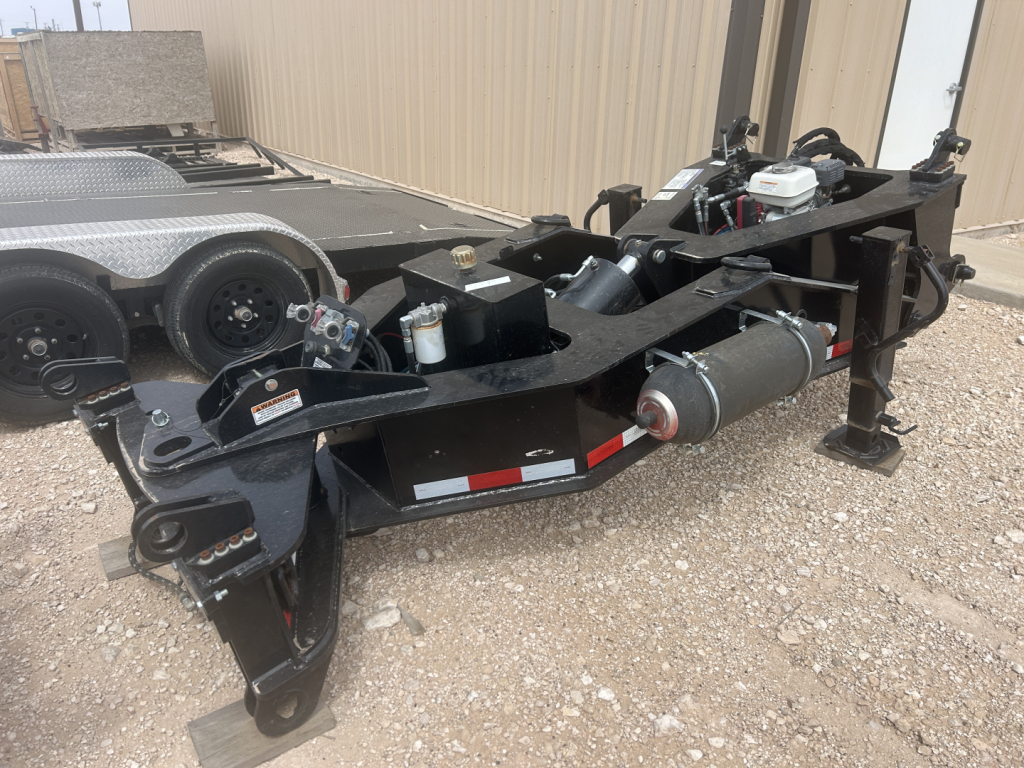
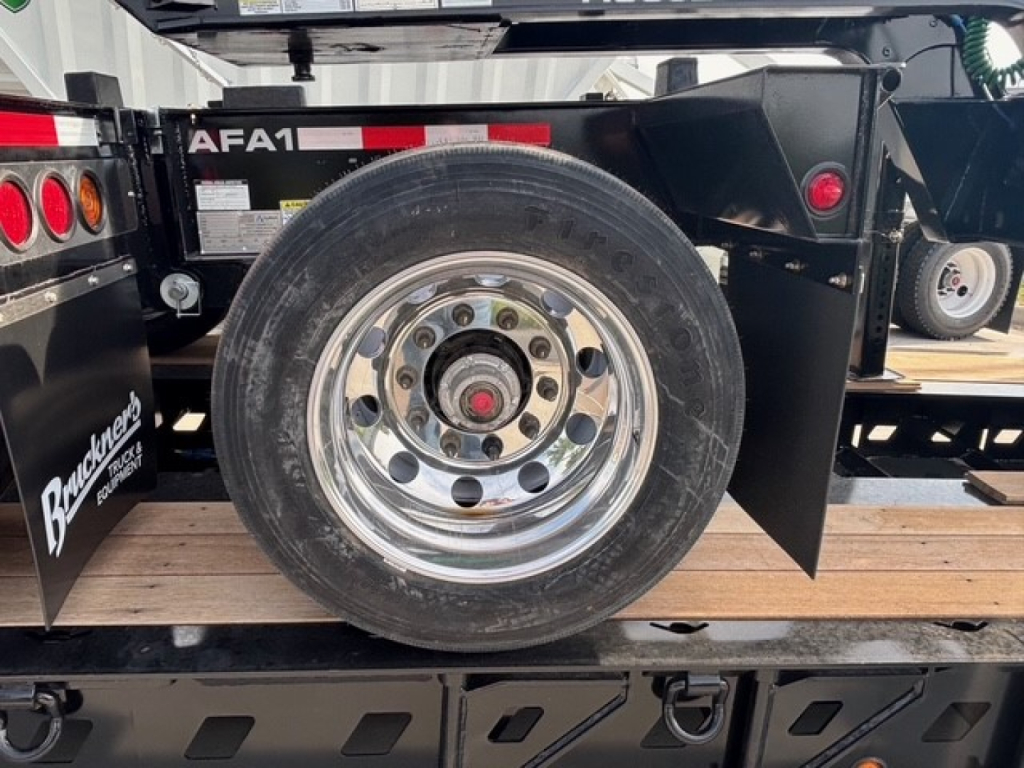
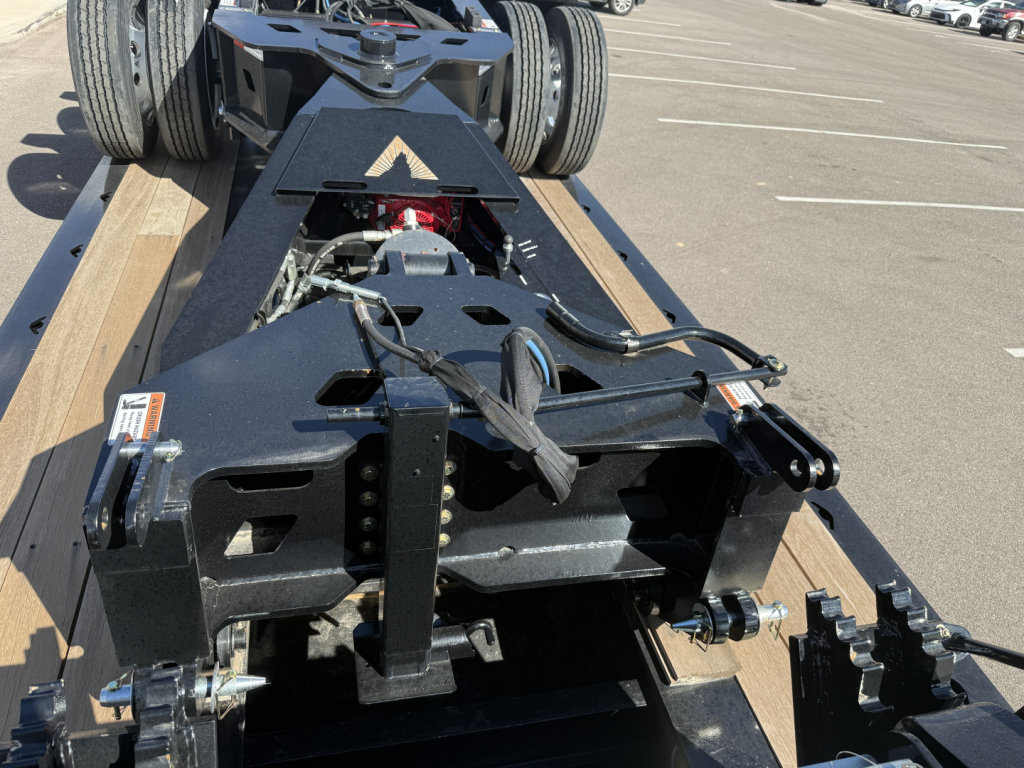
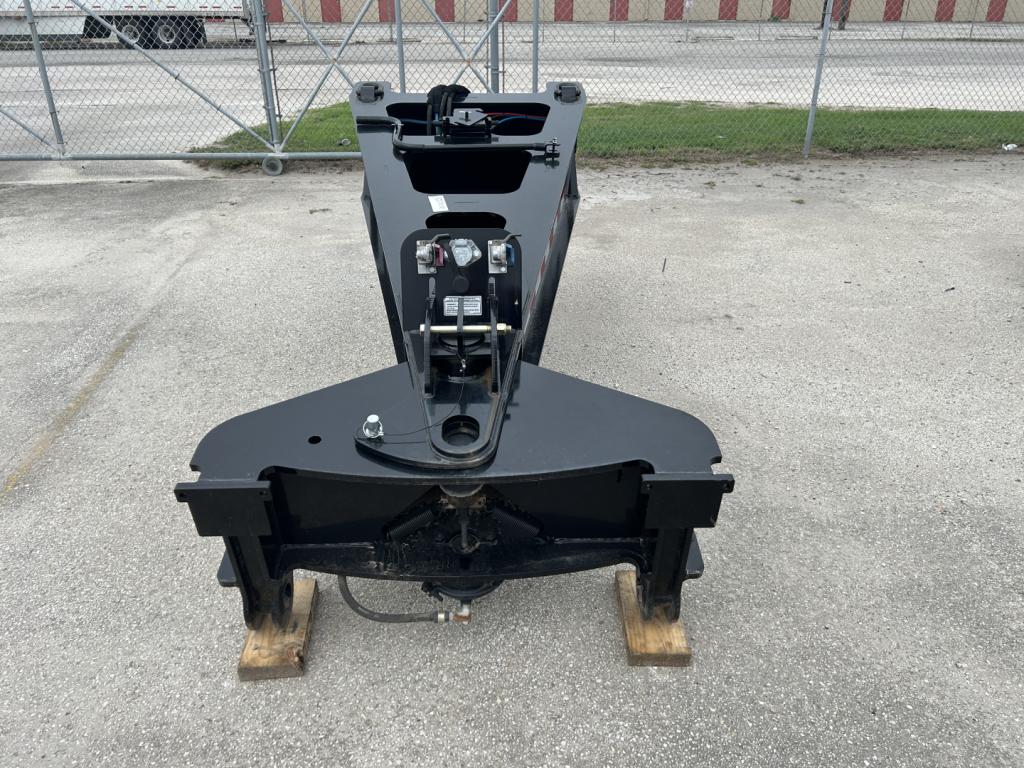
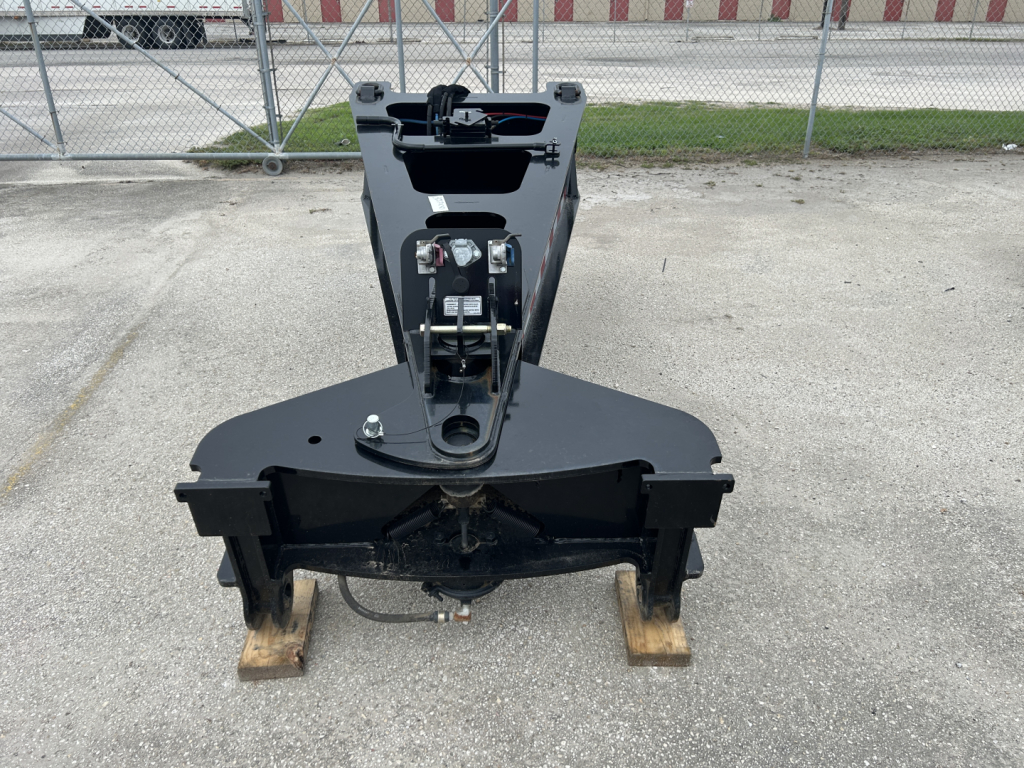
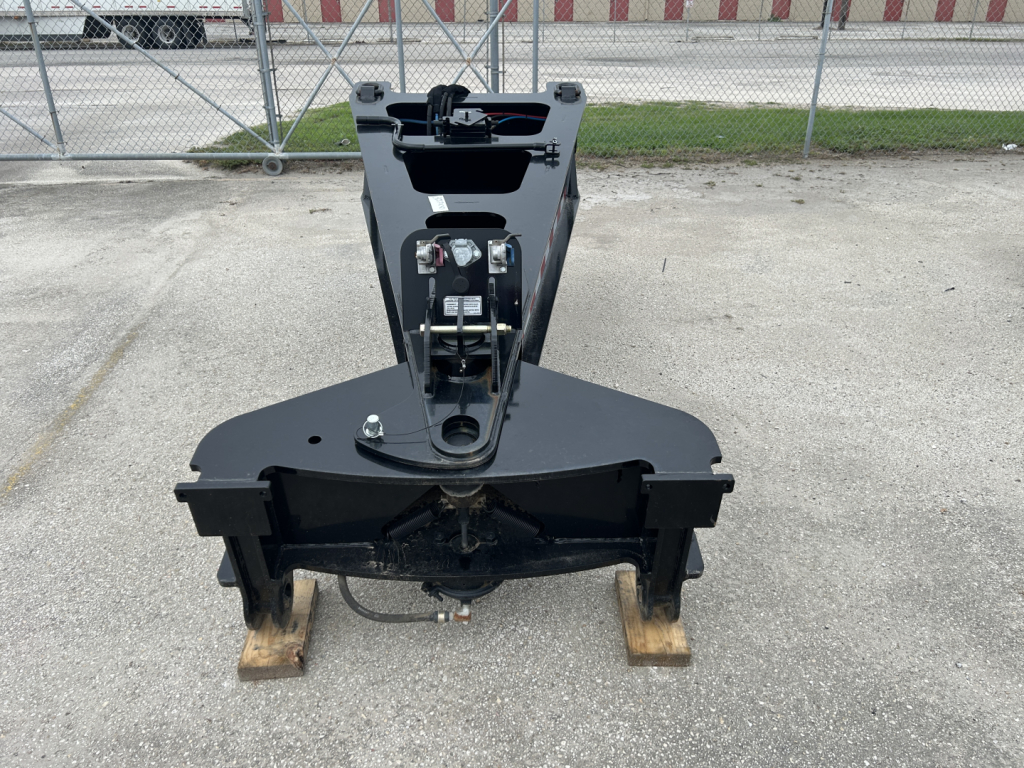
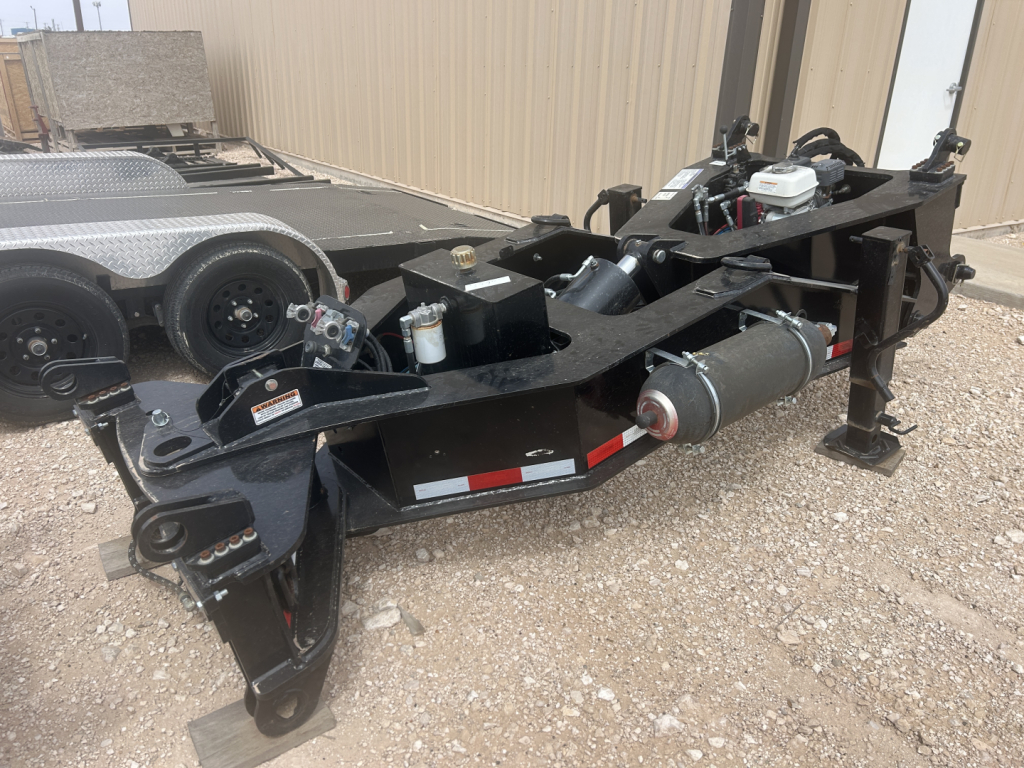
On heavy-haul related units, the first questions should be about how the trailer integrates into your current setup. Spreader bars, booster-style components, and flip axles are used to adjust axle spacing, distribute weight, and help meet bridge law requirements on oversize and overweight loads. Pay close attention to rated tonnage, axle spacing dimensions, air and electrical hookups, lock pin systems, and whether the unit is designed for one or two flip axles. Compatibility with the parent trailer is critical, especially on double drop and lowboy applications where kingpin setting, ride height, and deck geometry affect how the entire combination performs.
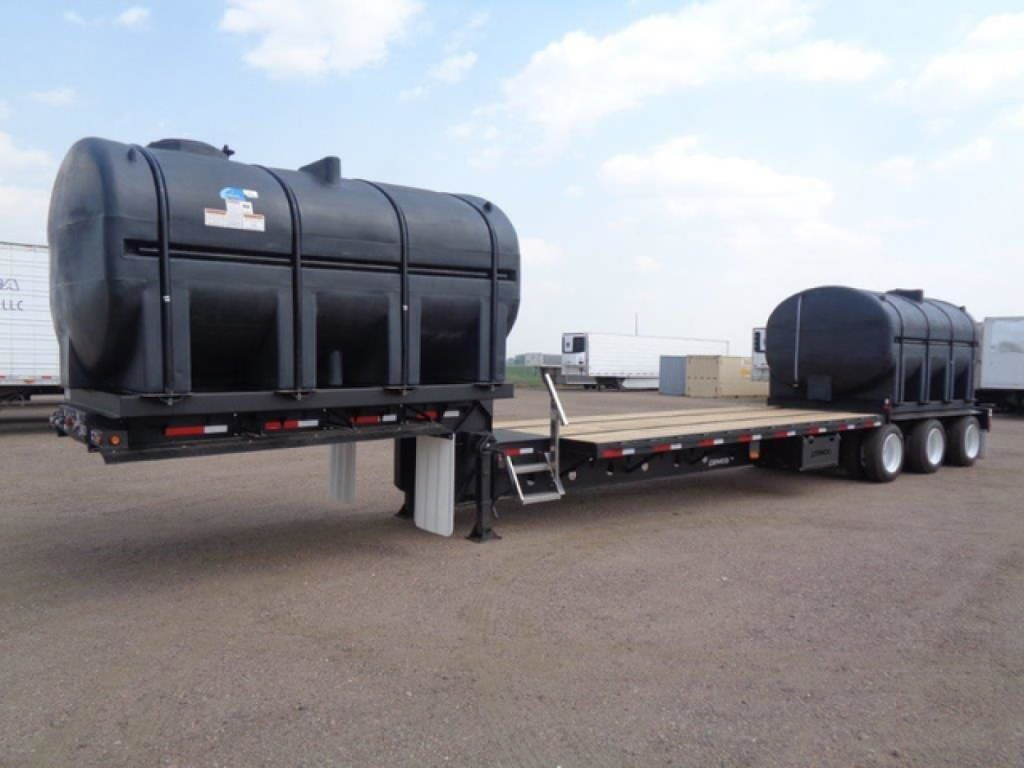
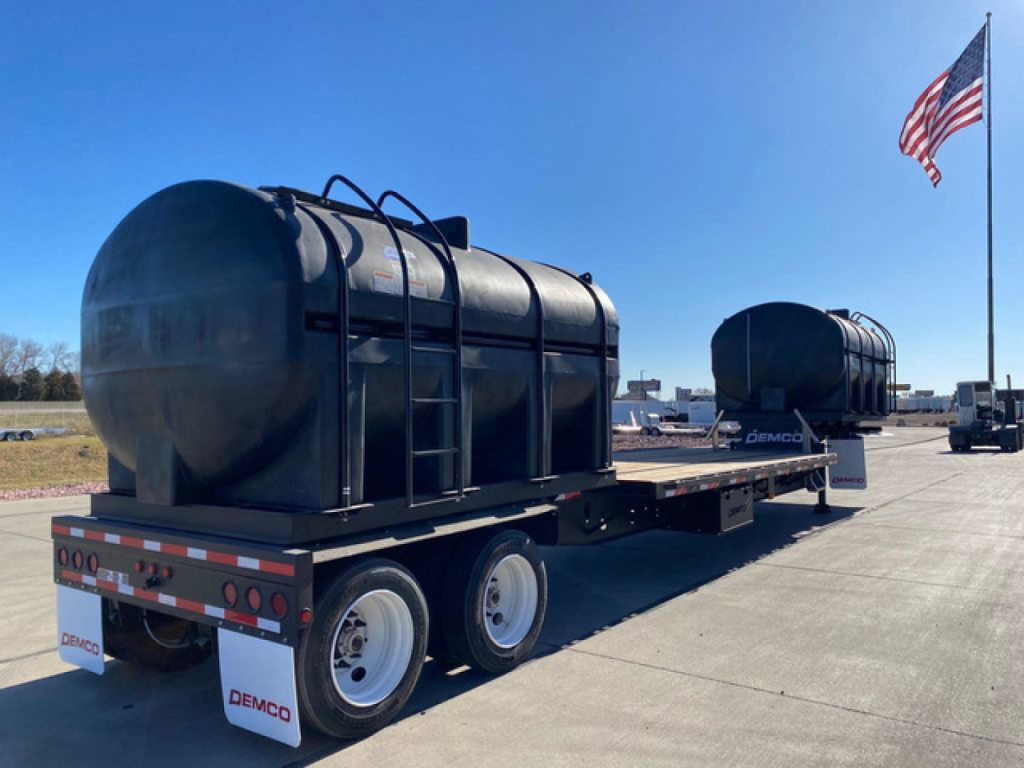
Other specialty trailers in this class are built around a narrow task. A container trailer may be equipped with a winch system, sliding axle arrangement, air-ride suspension, and remote hydraulic or cable controls to load, unload, or position specialized containers. A liquid tender trailer is typically set up for agricultural or field support work, where tank layout, pump provisions, plumbing access, suspension type, and tire package all influence daily use. Because these trailers are purpose-built, buyers should review frame construction, crossmember spacing, suspension choice, brake spec, wheel and tire size, and serviceability just as closely as the headline application.
New 2027 other trailers appeal to fleets and owner-operators that need current-spec equipment for a very specific operation. The advantage is tighter fit for the job, updated component availability, and the ability to standardize around modern suspension, lighting, and brake systems. The tradeoff is that specialty trailers leave less room for a poor spec choice than general-purpose trailers do. Buyers should confirm legal operating requirements, load profile, connection compatibility, and parts support before comparing price alone. In this category, the best purchase is usually the trailer that fits your exact work cycle, not the one with the broadest generic description.
Frequently Asked Questions about New 2027 Other Trailers
What is included in the “other trailers” category?
The “other trailers” category typically includes specialty and niche trailer types that do not fall cleanly into standard segments such as dry vans, reefers, flatbeds, dumps, or tank trailers. Common examples include spreader bars, flip axles, container handling trailers, liquid tender trailers, and other purpose-built units designed around a specific hauling or support task. The exact equipment can vary widely, so buyers should focus on application, capacity, and compatibility rather than category name alone.
How do I choose the right heavy-haul specialty trailer or attachment?
Start with the load and the trailer you already run. Heavy-haul specialty equipment such as spreader bars and flip axles must match the parent trailer’s design, required axle spacing, and intended gross load. Buyers should verify ton rating, axle spacing dimensions, hookup requirements for air and electrical systems, lock mechanism style, and whether the setup is approved for the specific lowboy or double drop platform in use. Small spec mismatches can create operating, legal, and service issues.
What should I check on a container or application-specific trailer?
Container and other task-specific trailers should be evaluated by operating system and chassis design. Winch capacity, control type, suspension, axle layout, wheelbase or sliding axle arrangement, and brake configuration all affect how the trailer performs in the field. It is also important to review how the trailer loads, secures, and unloads its intended body or container style, because these units are usually engineered around a narrow range of applications rather than general freight use.
Why does axle spacing matter so much on specialty trailers?
Axle spacing affects weight distribution, bridge compliance, turning behavior, and how the trailer interacts with escorts, permits, and route restrictions. On heavy-haul combinations, spreader bars and flip axles are often selected specifically to increase spacing between axle groups and spread load over more points. If the spacing is wrong for the loads you move or the states you run, the trailer may limit legal payload or create permitting complications.
Are new specialty trailers a better choice than used ones?
New specialty trailers can offer advantages in component life, current brake and lighting systems, and consistency with a fleet’s existing maintenance standards. That can be especially valuable on niche equipment where downtime is expensive and replacement parts need to match current production specifications. The main consideration is making sure the trailer is correctly spec’d for the exact job, because a new but poorly matched specialty trailer can be less useful than a used unit built for the right application.