
New 2027 Alpha Other Trailers For Sale
Shop new 2027 Alpha other trailers, including flip axles and spreader bars built for heavy haul capacity, axle group flexibility, and permit loads.

Selling a new 2027 alpha other trailer? List your new 2027 alpha other trailer for sale and reach thousands of commercial buyers.
New 2027 Alpha Other Trailers
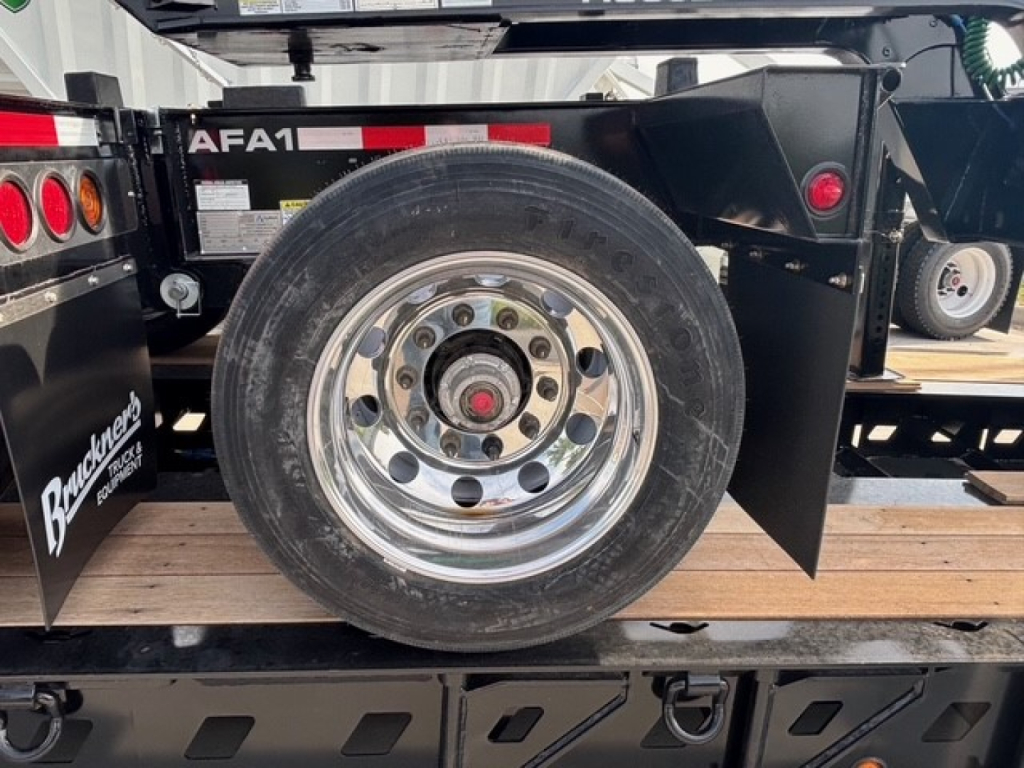
A flip axle is designed to attach at the rear of a compatible trailer to add carrying capacity and distribute weight across more axles. Key specs to compare include axle rating, axle spacing, overall width, suspension type, brake package, tire size, and connection hardware. In this group, common details include 25,000 lb axle capacity, 54.5-inch axle spacing, air ride suspension, drum brakes, and 275/70R22.5 rubber. Buyers should confirm the exact top link setup, connection pins, shims, and tail channel compatibility with the main trailer. Those small fitment details matter because a mismatched flip axle can create hookup issues, poor tracking, or compliance problems when the trailer is loaded to its intended rating.
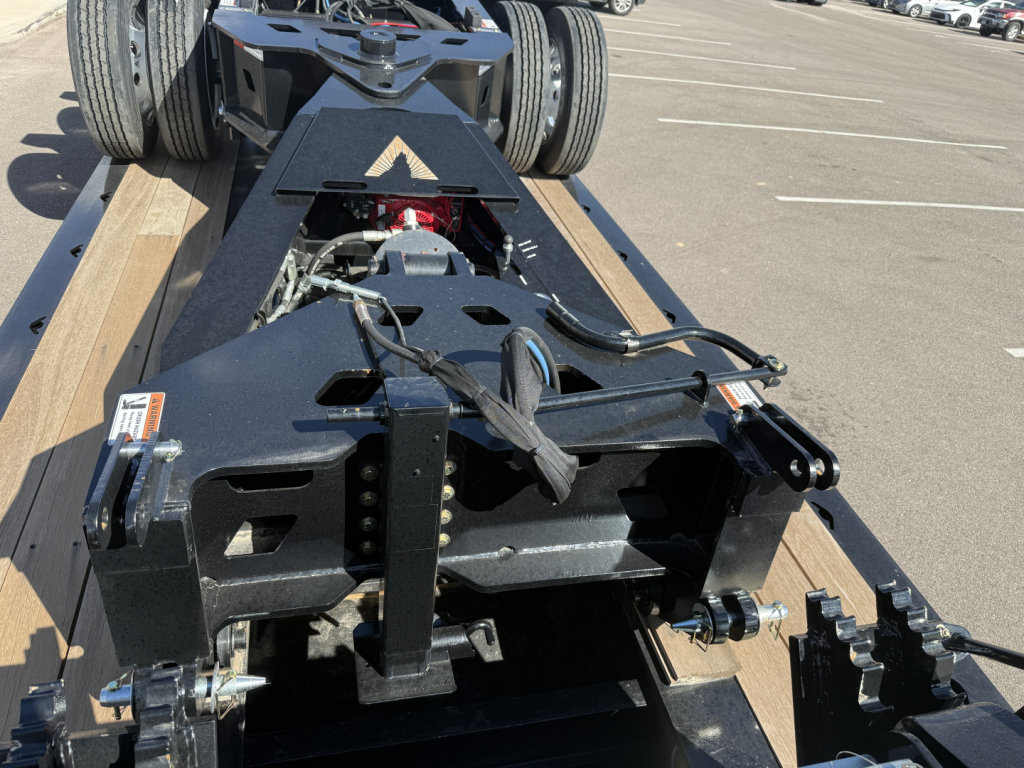
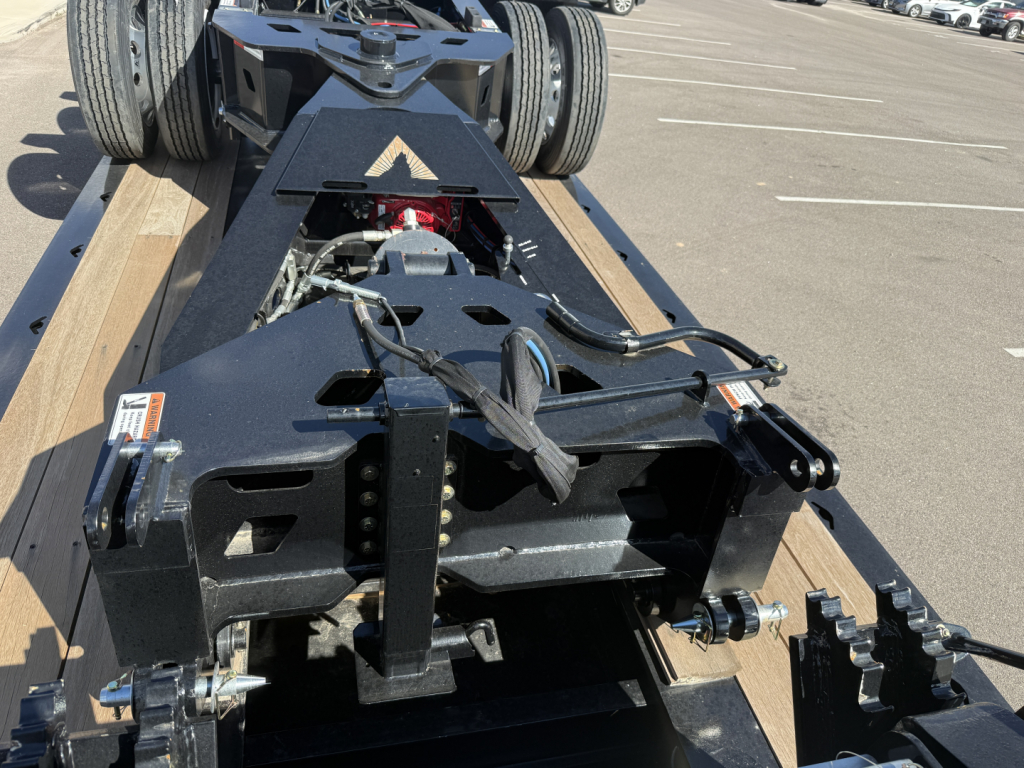
A spreader bar, also known in some heavy haul applications as a jeep or flip-axle spreader component depending on the configuration, is used to create distance between axle groups and help manage bridge law requirements. A 60-ton spreader bar rated for two flip axles is built for operators running serious weight and needing more flexibility in how the rear group is configured. When comparing spreader bars, look closely at rated capacity, width, electrical harness protection, landing gear design, and power unit specifications if hydraulic or nitro functions are involved. A sealed 12V harness, drop leg landing gear, and a self-contained Honda power unit are practical features because they reduce setup time and improve durability in real jobsite conditions.
For a buyer evaluating new 2027 Alpha heavy haul accessories in the other trailer category, the real question is compatibility with the rest of the trailer system and the kind of permits the operation regularly pulls. Width, suspension, brake type, lighting, D-rings, stake pockets, flag holders, and backup electrical connections all affect day-to-day usability. New equipment in this class appeals to fleets that want current specs, clean maintenance baselines, and less downtime tied to worn bushings, tired suspensions, or outdated wiring. If the trailer will run multi-state heavy haul, it is worth verifying axle spacing, rated combinations, and connection geometry before purchase so the flip axle or spreader bar matches both the trailer and the freight profile.
Frequently Asked Questions about New 2027 Alpha Other Trailers
What is a flip axle used for on a heavy haul trailer?
A flip axle is used to add an extra axle group to the rear of a compatible lowboy or detachable trailer. Its main purpose is to increase legal payload capacity and improve weight distribution so the trailer can meet state bridge and axle requirements. In practice, it helps operators move heavier concentrated loads while keeping axle weights in line with permit conditions.
How do I know if a flip axle will fit my trailer?
Fit depends on more than width and axle rating. Buyers need to confirm the connection style, top links, pin arrangement, shim requirements, axle spacing, and the rear frame or tail channel design of the host trailer. The safest approach is to match the flip axle to the trailer manufacturer’s specifications and verify that the suspension height and brake connections align with the main unit.
What does a spreader bar do in a heavy haul setup?
A spreader bar creates additional distance between axle groups, which can improve bridge formula compliance and make it easier to permit heavy loads. It is often used with flip axles or other auxiliary axle components when the load requires a longer axle spread. That added spacing can be critical for moving high-weight machinery or equipment through jurisdictions with strict axle and bridge rules.
Why does axle spacing matter on flip axles and spreader bars?
Axle spacing directly affects how weight is distributed and how a combination is treated under state permitting formulas. A setup with the right spacing can help reduce per-axle load concentration and support a higher legal gross weight. It also affects trailer tracking, turning behavior, and how the rear group performs on uneven pavement or jobsite approaches.
Are new heavy haul components worth it compared with used ones?
New flip axles and spreader bars give buyers a known starting point on suspension condition, brake life, wiring integrity, and structural wear. That matters in heavy haul because these components operate under high stress and any slack in bushings, pins, or electrical systems can create downtime fast. For fleets that need reliable permit loads and predictable maintenance, new equipment often makes sense even at a higher upfront cost.