
New 2027 Load King Trailers For Sale in Kansas
Shop new 2027 Load King trailers for sale in Kansas, including lowboy and heavy haul trailer configurations built for demanding transport work.
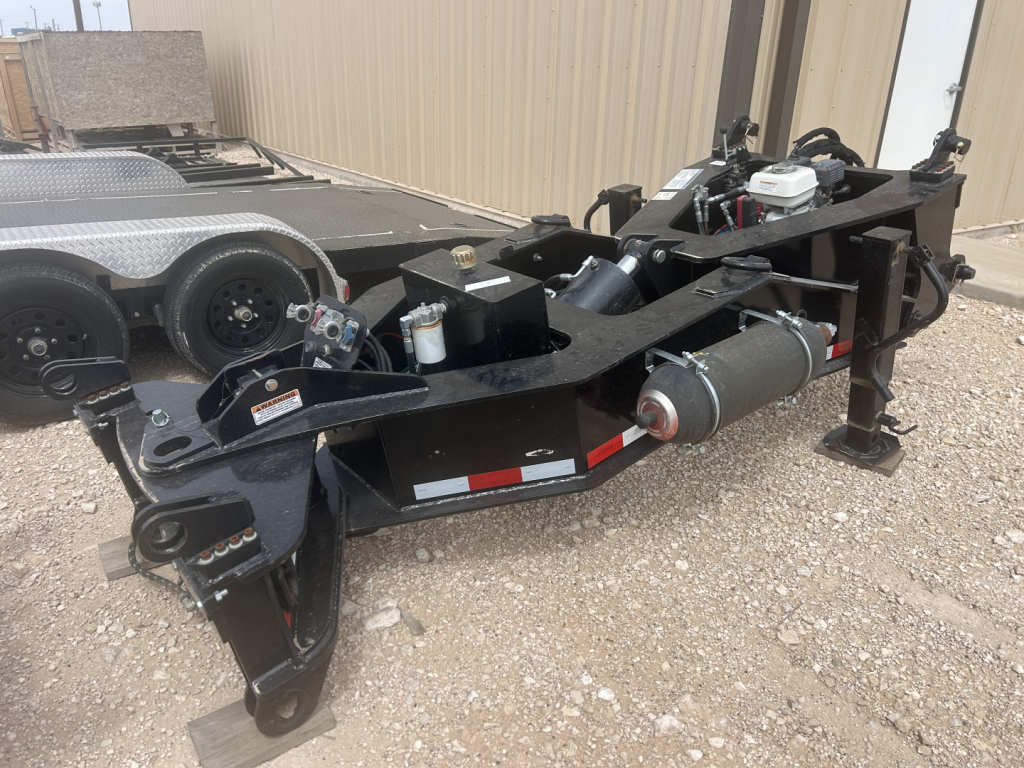
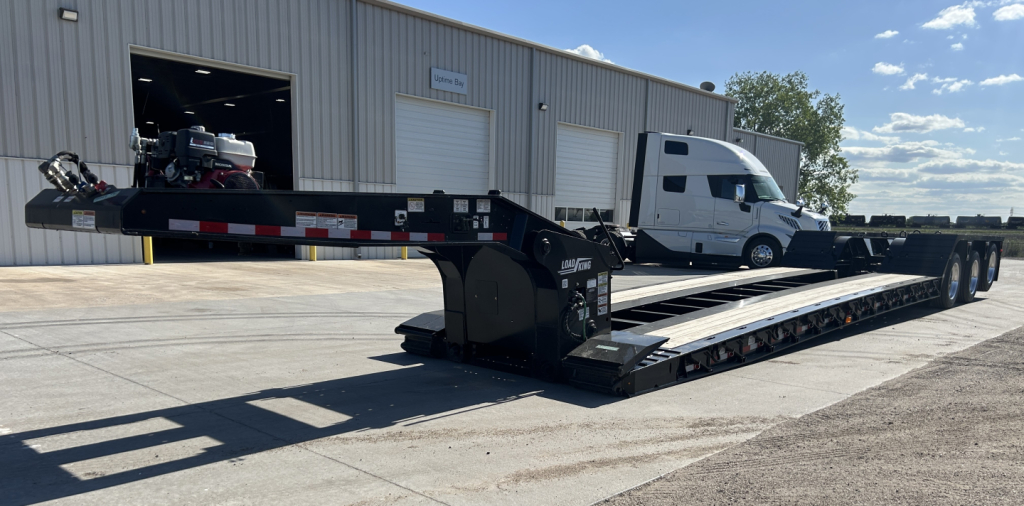
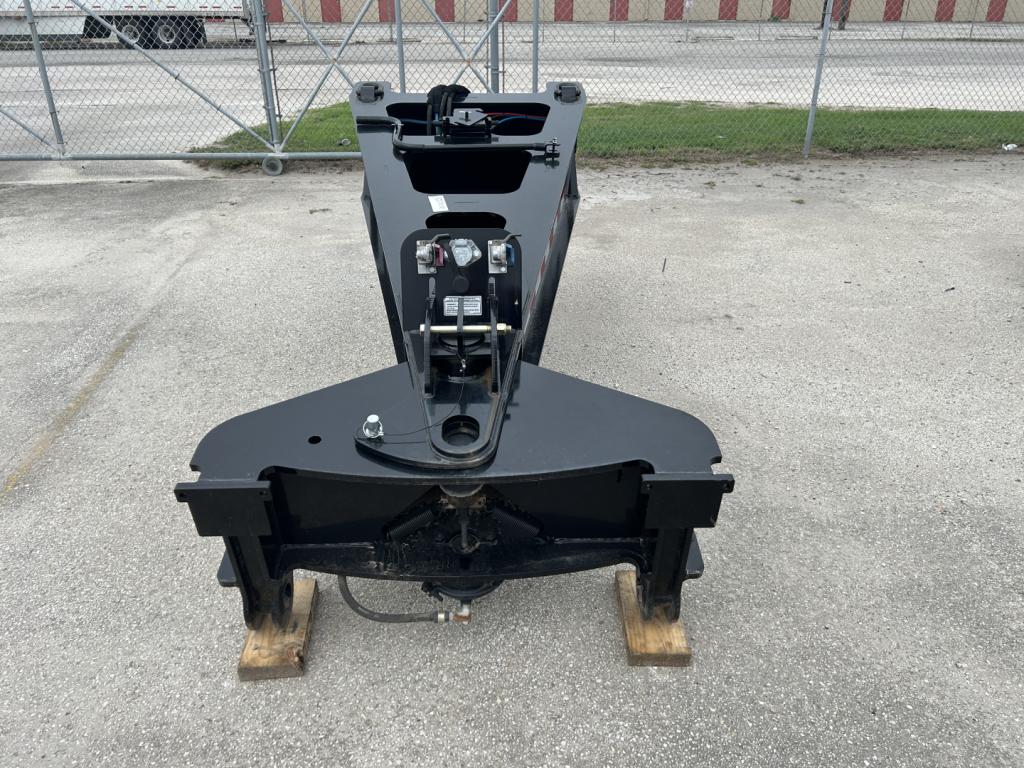
Selling a new 2027 load king trailer? List your new 2027 load king trailer for sale and reach thousands of commercial buyers.
New 2027 Load King Trailers in Kansas
A lot of buying decisions in this category come down to matching the trailer to the freight before looking at paint, trim, or nonessential options. On a Load King lowboy, key specs usually include rated capacity in a defined load concentration, overall deck length, loaded deck height, neck style, swing clearance, axle spacing, suspension type, and whether the unit is set up for future flip axles or a stinger. Common features seen on this brand include hydraulic detachable necks, air ride suspension, 27,500 lb axles, lift axles, LED lighting, chain slots, swingout outriggers, D-rings, and Apitong decking. On the heavy haul side, add-on equipment like flip axles and spreaders can substantially change bridge spread and legal carrying potential, so compatibility with the base trailer is a major point to verify.
Load King trailers are often chosen for moving dozers, excavators, crushers, pavers, transformers, and other concentrated equipment that will punish a lightly built platform. Buyers should pay close attention to deck construction, crossmember design, neck geometry, loaded ground clearance, and ramp arrangement if regular loading involves low-clearance machines or uneven jobsite approaches. In Kansas and surrounding states, buyers also tend to look closely at tire size, brake spec, wheel type, and suspension setup because long highway miles and mixed rural road use put a premium on serviceability and tire life. If the trailer may work interstate, it is smart to think ahead about axle group expansion, kingpin setting, and permit-friendly dimensions rather than buying only for the first load.
Condition matters on any trailer purchase, and new 2027 Load King trailers appeal to buyers who want current-spec equipment, fresh structural life, and the ability to start with known maintenance history. New units can also be a better fit when fleet standardization is important, especially if you want matching axle spacing, common tire and brake packages, or consistent accessory layouts across multiple trailers. The strongest value in this category usually comes from choosing the right configuration for the loads you actually haul: a lowboy with the right deck and neck setup, or a heavy haul package with the proper flip axle, spreader, or jeep compatibility to stay productive and permit-ready.
Frequently Asked Questions about New 2027 Load King Trailers in Kansas
What types of trailers are commonly sold under the Load King trailer category?
Load King trailers commonly include lowboy trailers, hydraulic detachable gooseneck trailers, and heavy haul support equipment such as flip axles, spreaders, jeeps, and converter-style components. The exact configuration matters because many Load King products are designed to work together as a system, allowing a base trailer to gain bridge length, axle count, or legal payload flexibility for specialized hauling.
What specs matter most when comparing a Load King lowboy trailer?
The most important specs are rated capacity, load concentration, deck length, loaded deck height, neck design, axle count, axle spacing, suspension type, and compatibility with future axle additions. Buyers should also review swing clearance, ground clearance, ramp or load angle, tie-down equipment, decking material, and whether the trailer is prepped for a stinger or flip axle. Those details determine how well the trailer will handle both the machine being hauled and the permit environment it will run in.
Why are flip axles and spreaders important on heavy haul trailers?
Flip axles and spreaders help distribute weight across a longer axle group, which can improve legal loadability under bridge and axle regulations. A spreader changes the distance between axle groups, while a flip axle adds carrying capacity and can often be attached or removed depending on the load. For heavy haul buyers, these components are not minor accessories. They are central to how the trailer performs on permitted loads and whether a given setup works efficiently in a specific state or multistate operating area.
Are new 2027 Load King trailers a good fit for Kansas-based operations?
They can be a strong fit for Kansas fleets and owner-operators handling construction equipment, agricultural machinery, aggregate-related equipment, and oilfield support freight. Kansas operators often need trailers that balance highway stability with jobsite practicality, and Load King equipment is commonly configured with air ride suspension, heavy-duty tie-downs, detachable neck options, and axle packages suited for both regional and interstate heavy haul work. The right choice depends on the weight profile and dimensions of the equipment being moved most often.
How do I know if a Load King trailer is set up for future expansion?
Look for mentions of preparation for future stingers, compatibility with one or more flip axles, spreader bar support, and axle spacing designed around a heavier permit configuration. Buyers should also confirm kingpin settings, neck compatibility, electrical connections, brake setup, and structural ratings for the intended expanded configuration. A trailer that is expansion-ready can be easier to adapt as freight requirements change, which may protect resale value and reduce the need for a full trailer replacement later.