
New 2027 Flips/Converter Dollies/Jeeps Trailers For Sale in Kansas
Shop new 2027 flip axles, converter dollies, and jeeps for heavy haul setups, with key specs on width, axle spacing, suspension, and capacity.

Selling a new 2027 flips/converter dollies/jeeps trailer? List your new 2027 flips/converter dollies/jeeps trailer for sale and reach thousands of commercial buyers.
New 2027 Flips/Converter Dollies/Jeeps Trailers in Kansas
For flip axles, the first things to verify are the trailer series it was built to fit, the axle spacing, and the intended tonnage range. Many new units in this class are built around 102-inch or 108-inch widths, with 54-inch, 54.5-inch, or 60-inch axle spacing depending on the application. Single-axle flip configurations in the 25,000 to 27,500 lb range are common, often paired with air ride suspension, 255/70R22.5 or 275/70R22.5 tires, and 16.5-inch brake packages. Features like independent leveling valves, suspension isolation kits, nitro booster brackets, limit chains, and 4-way electrical plugs are not minor details. They affect ride height control, braking response, and how easily the axle integrates into the trailer during field use.
Jeeps and converter dollies serve a similar legal load management purpose, but they change the geometry of the haul more significantly by adding axle groups ahead of or between components in the combination. A jeep is typically used between the tractor and lowboy to shift kingpin weight and improve axle spread for permitted loads. A converter dolly is more commonly associated with towing configurations and can vary widely in drawbar design, pintle setup, suspension, and brake controls. In Kansas and other permit-driven heavy haul markets, buyers should pay close attention to state routing, bridge formula considerations, and the axle grouping required for the freight they move most often. The right configuration can make the difference between a permitable load and a load that needs a different trailer combination entirely.
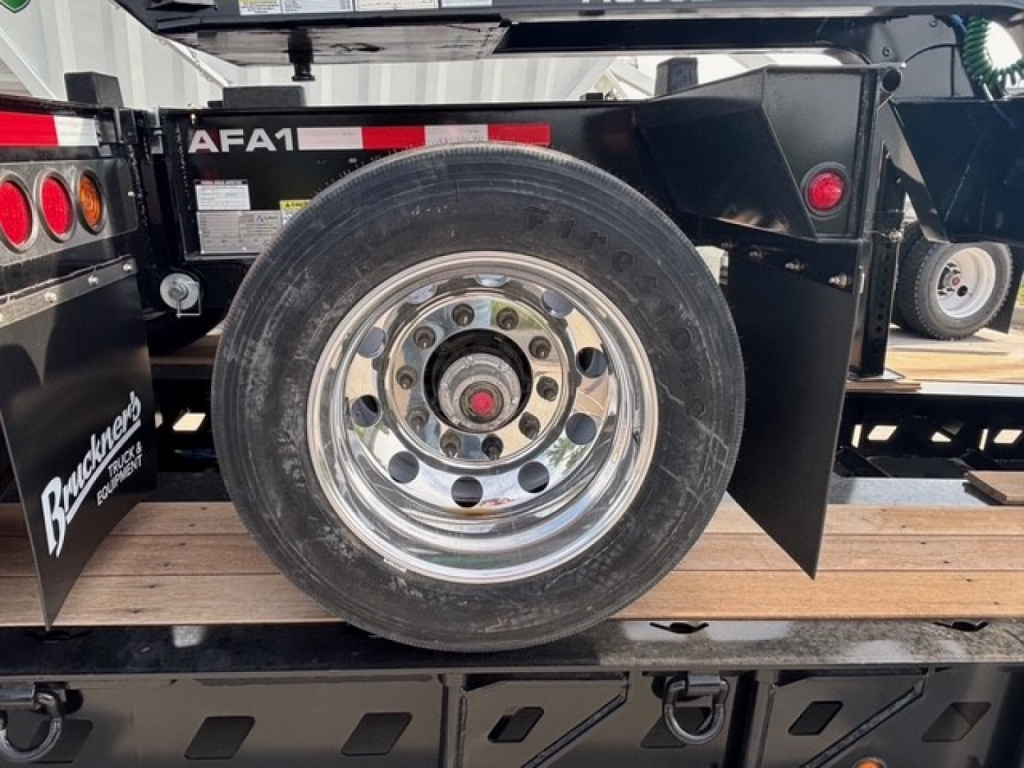
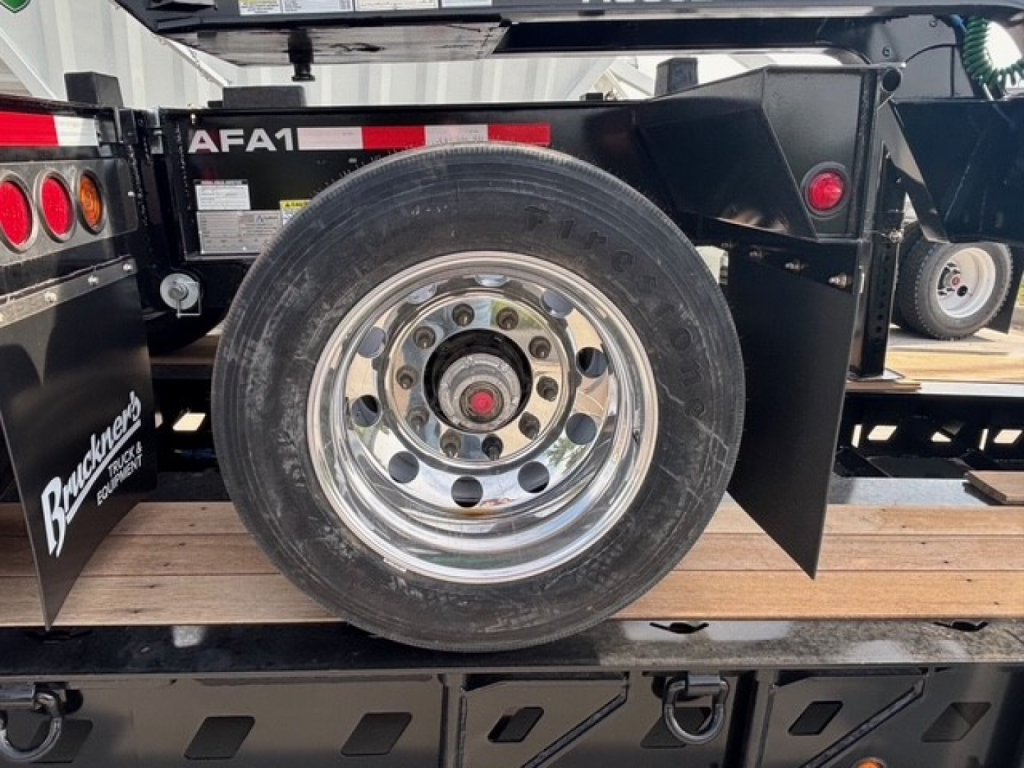
New 2027 units appeal to buyers who want current lighting, wiring, and suspension components from the start, especially on fleets standardizing around specific trailer brands. LED lighting, sealed harnesses, polished outer wheels, rear D-rings, flag holders, stake pockets for wide load signs, and battery-backed strobe packages are common practical features on this equipment. The best buying approach is to spec the attachment around the trailer it will work with, not just the axle rating on paper. Matching ride height, connection points, brake compatibility, deck or frame width, and permit strategy will usually matter more than choosing the highest nominal capacity available.
Frequently Asked Questions about New 2027 Flips/Converter Dollies/Jeeps Trailers in Kansas
What is the difference between a flip axle, a jeep, and a converter dolly?
A flip axle is an auxiliary axle assembly added to the rear or intermediate position of a heavy haul trailer to increase legal capacity and improve axle distribution. A jeep is a separate axle group installed between the tractor and the trailer, usually to shift weight off the tractor drives and spread the load for permit compliance. A converter dolly is a towing axle assembly, often with a drawbar or pintle connection, used to connect one unit to another. All three help with weight distribution, but they serve different positions in the combination and are not interchangeable without considering the full trailer setup.
What specs matter most when buying a new flip axle or jeep?
The most important specs are compatibility with the trailer, axle spacing, rated capacity, suspension type, brake size, tire size, ride height, and electrical connections. Width is also important, with 102-inch and 108-inch configurations being common in heavy haul. Buyers should also check the specific trailer series or manufacturer fitment, because pin connections, frame dimensions, and support bracket locations vary. A correctly matched attachment will perform better and create fewer problems with loading, tracking, and permitting.
Why is axle spacing so important on heavy haul attachments?
Axle spacing directly affects bridge law compliance, permit approval, and how weight is distributed across the combination. A 54-inch, 54.5-inch, or 60-inch axle spacing can change the legal axle grouping available to the load. It also affects how the trailer tracks and how the suspension reacts under load. Buyers should choose spacing based on the freight they move, the states they run in, and the trailer design they are pairing it with rather than treating spacing as a minor dimensional detail.
Are air ride suspensions common on new flip axles and jeeps?
Yes. Air ride suspension is very common on new heavy haul attachments because it helps manage ride height, distributes load more evenly, and can improve load stability on uneven surfaces. Many units also include leveling valves or on-off controls to fine-tune suspension behavior during loading and transport. Air ride does add components that need maintenance attention, but for many heavy haul applications it is the preferred setup because of how it supports permitted loads and trailer compatibility.
How do buyers know if a flip axle or jeep will work with their trailer?
The safest approach is to confirm the trailer manufacturer, trailer series, connection style, ride height, and intended axle group configuration before buying. Heavy haul attachments are often built for specific trailer families, and even when the width and capacity appear correct, the mounting points or geometry may not match. Brake and lighting compatibility should also be confirmed, along with any permit strategy for the states where the equipment will operate. On this category of equipment, exact fitment is usually more important than broad tonnage claims.