
New 2027 Flips/Converter Dollies/Jeeps Trailers For Sale
New 2027 flip axles, converter dollies, and jeeps for heavy haul setups. Compare axle ratings, spacing, suspension, brakes, and fitment.

Selling a new 2027 flips/converter dollies/jeeps trailer? List your new 2027 flips/converter dollies/jeeps trailer for sale and reach thousands of commercial buyers.
New 2027 Flips/Converter Dollies/Jeeps Trailers
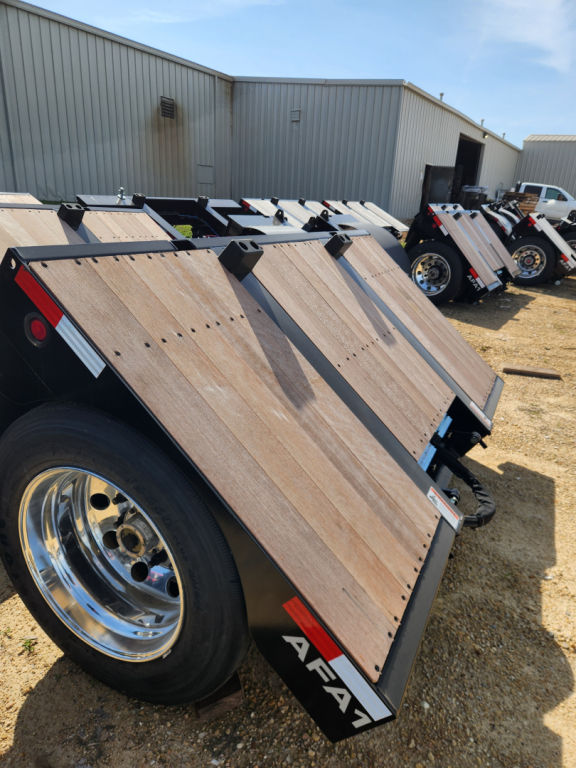
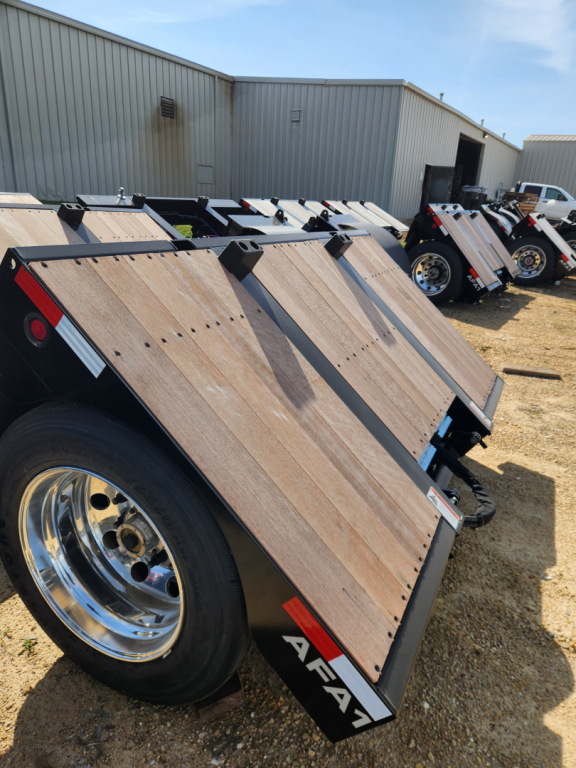
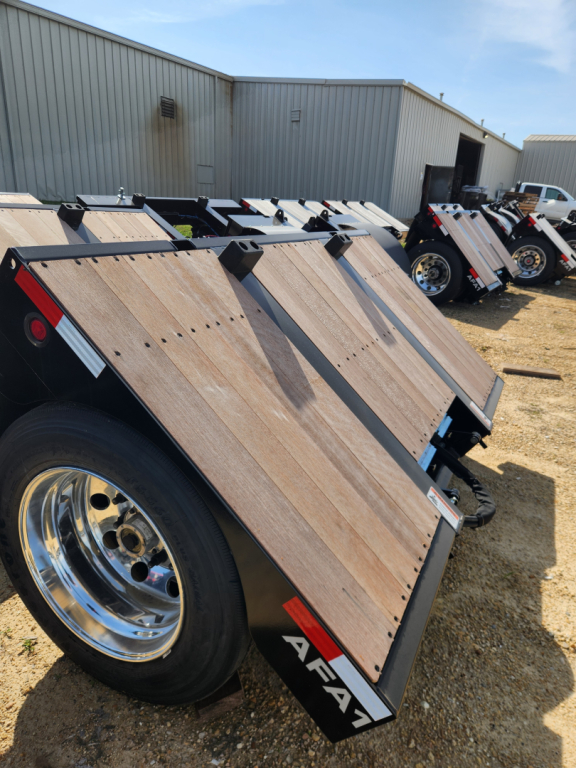
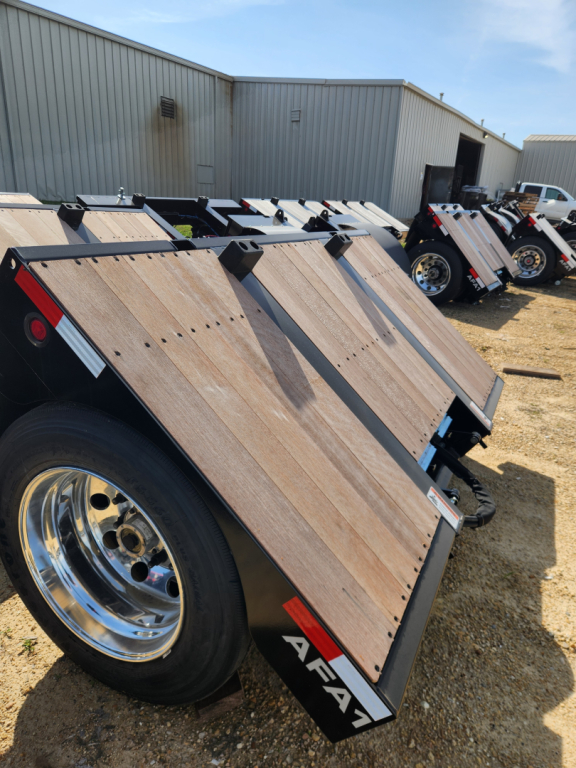
Flip axles, also called flip attachments or intermediate flip axles, are used to add capacity and spread weight on lowboy, detachable gooseneck, and other heavy haul trailer combinations. Jeeps are used ahead of the trailer to transfer load and create additional bridge length, while converter dollies are typically used to connect trailer combinations or support specialized hauling arrangements. The exact job changes by state and route, so buyers should think in terms of permit strategy as much as hardware. A hydraulic flip axle can speed hookup and removal, while a mechanical setup may stay simpler for fleets that want fewer hydraulic components to maintain. For legal payload planning, the key questions are how the added axle group affects bridge compliance, how the unit tracks with the trailer, and whether the suspension and brake package match the loads you actually intend to permit.
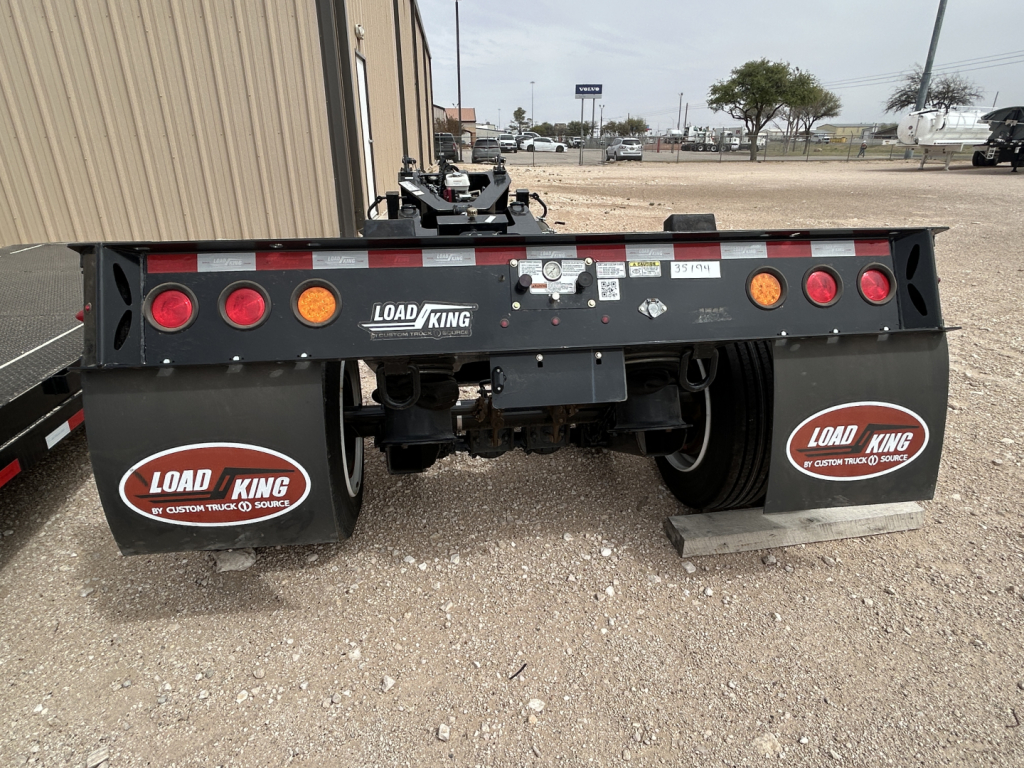
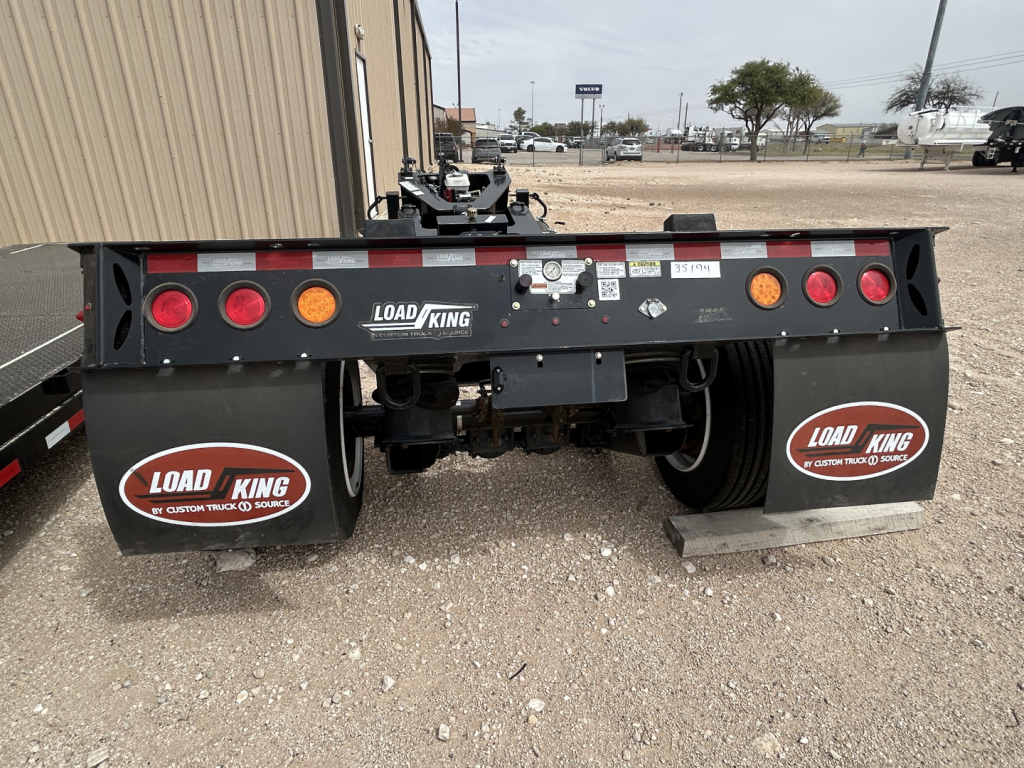
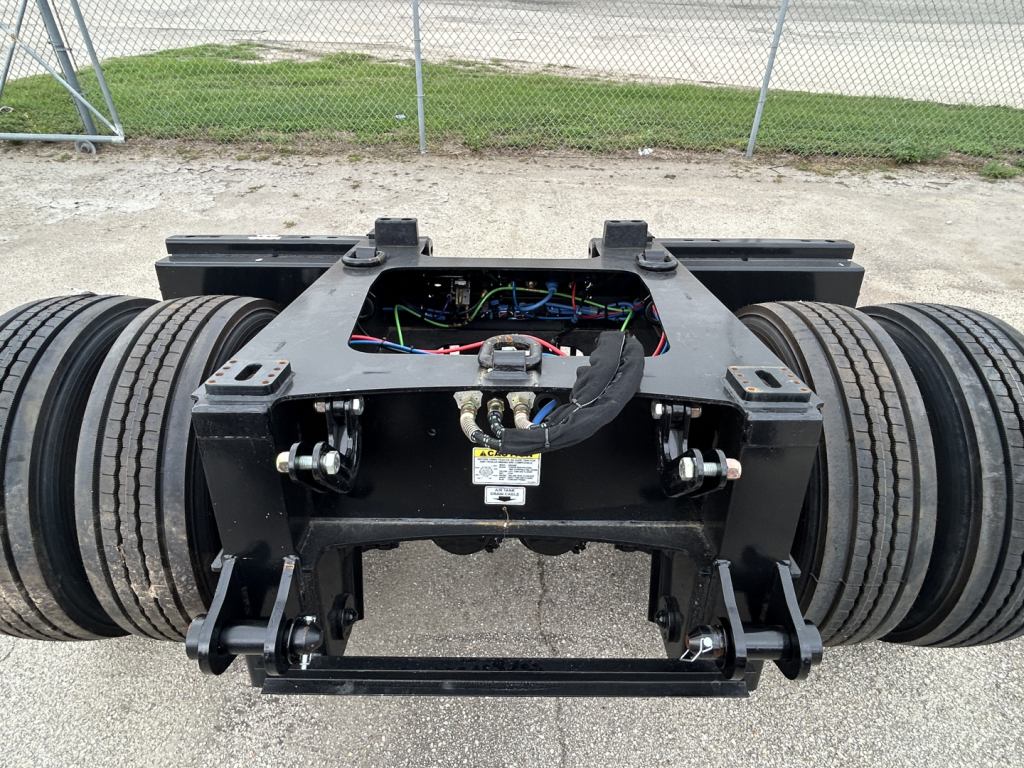
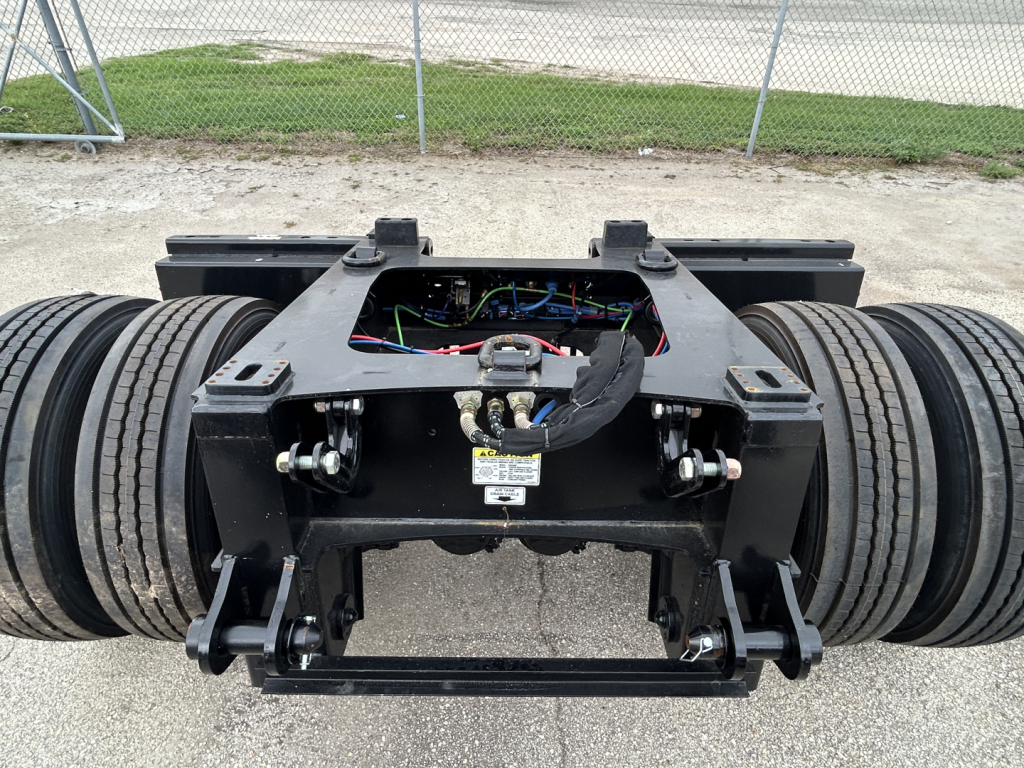
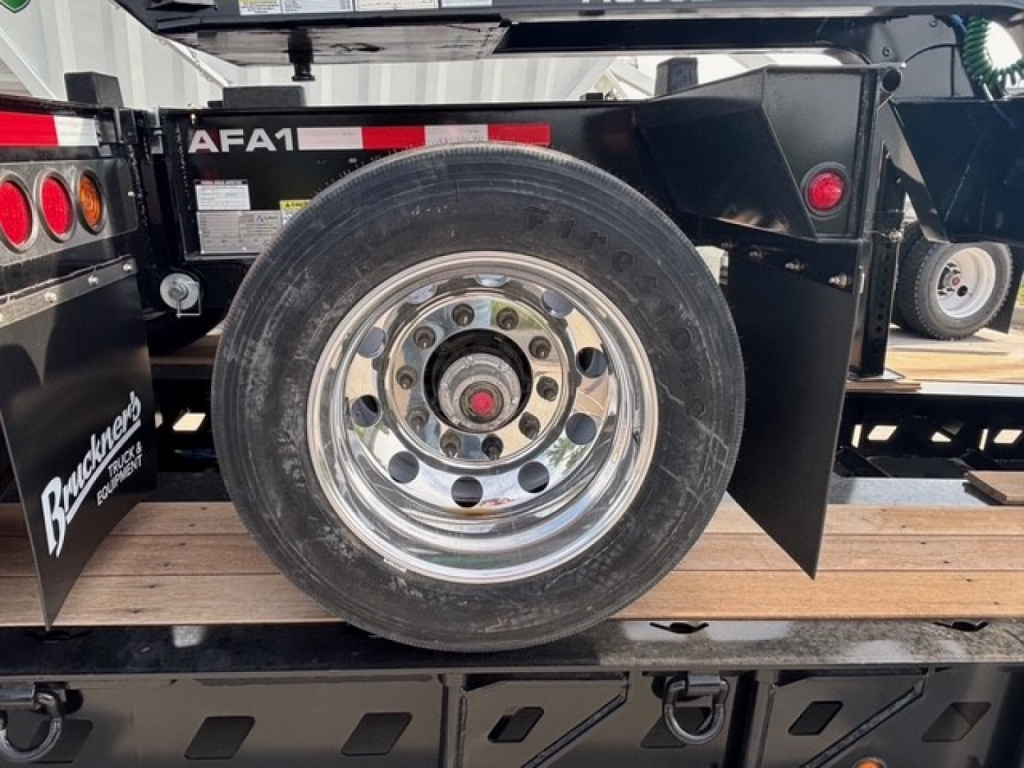
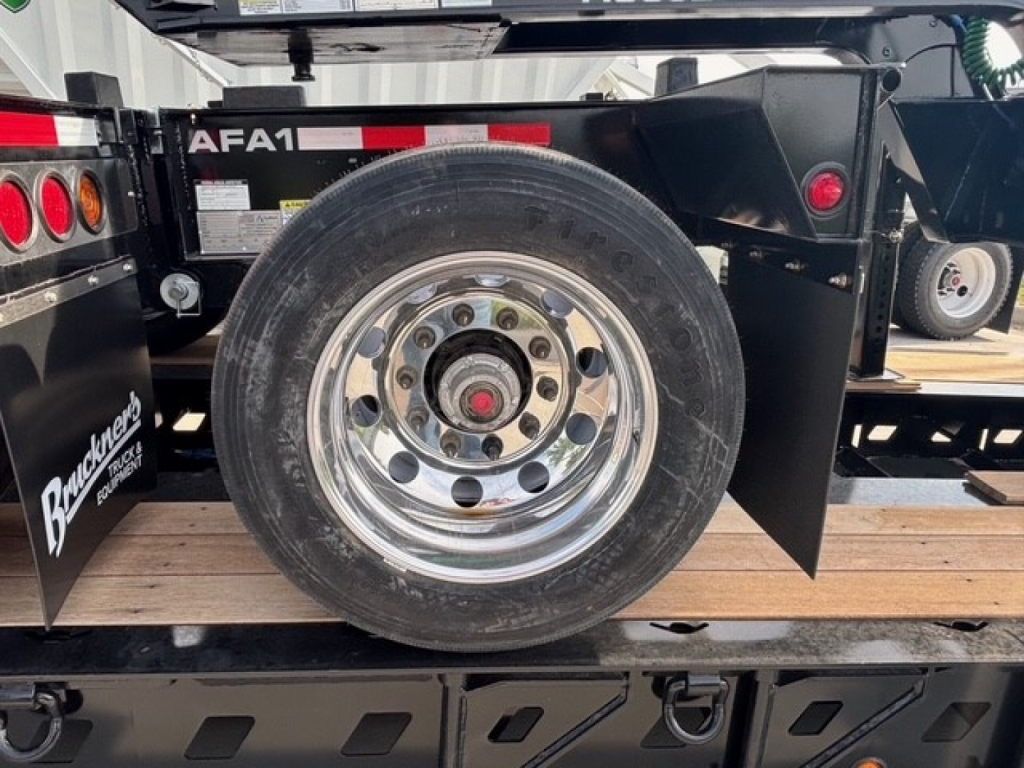
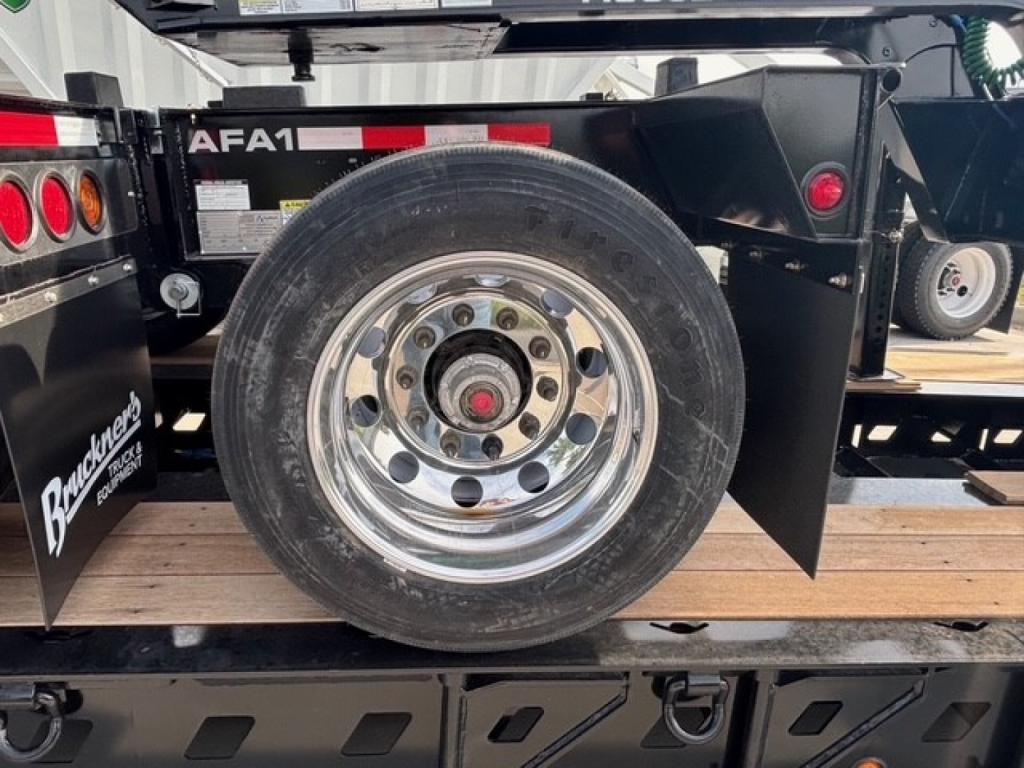
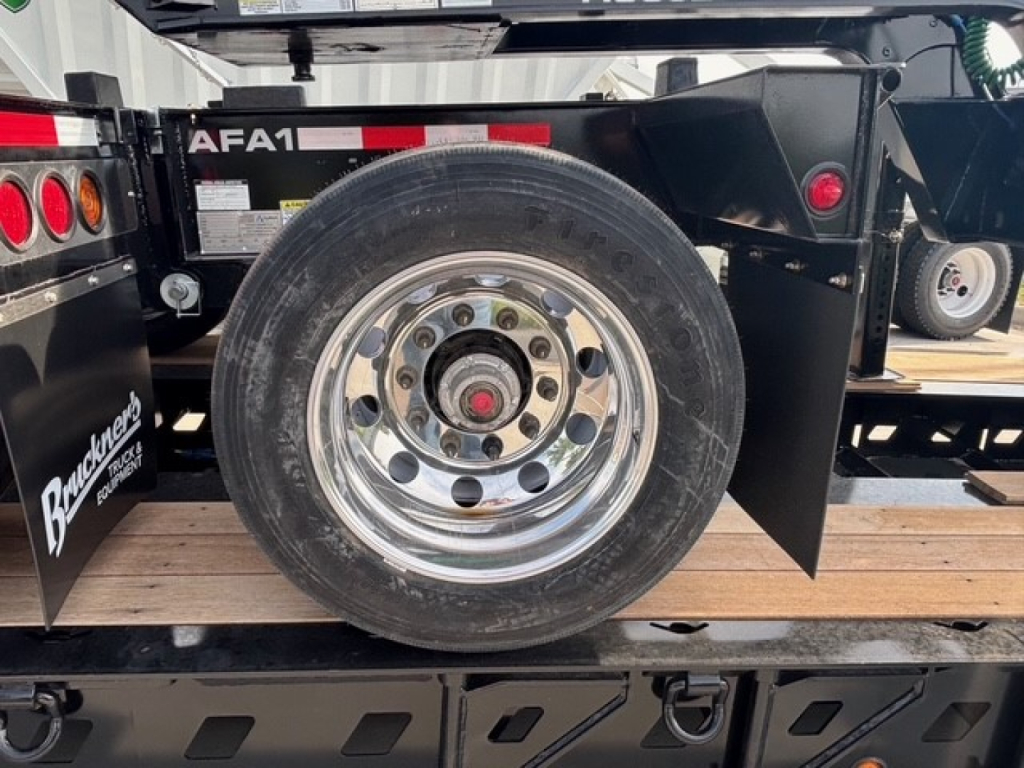
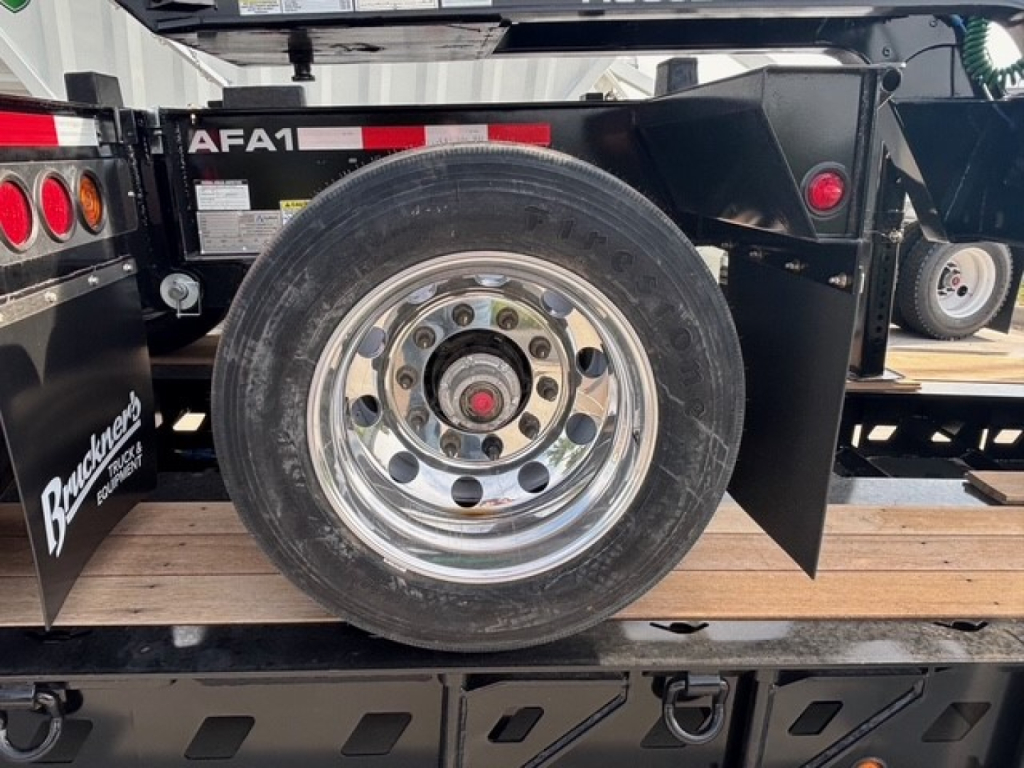
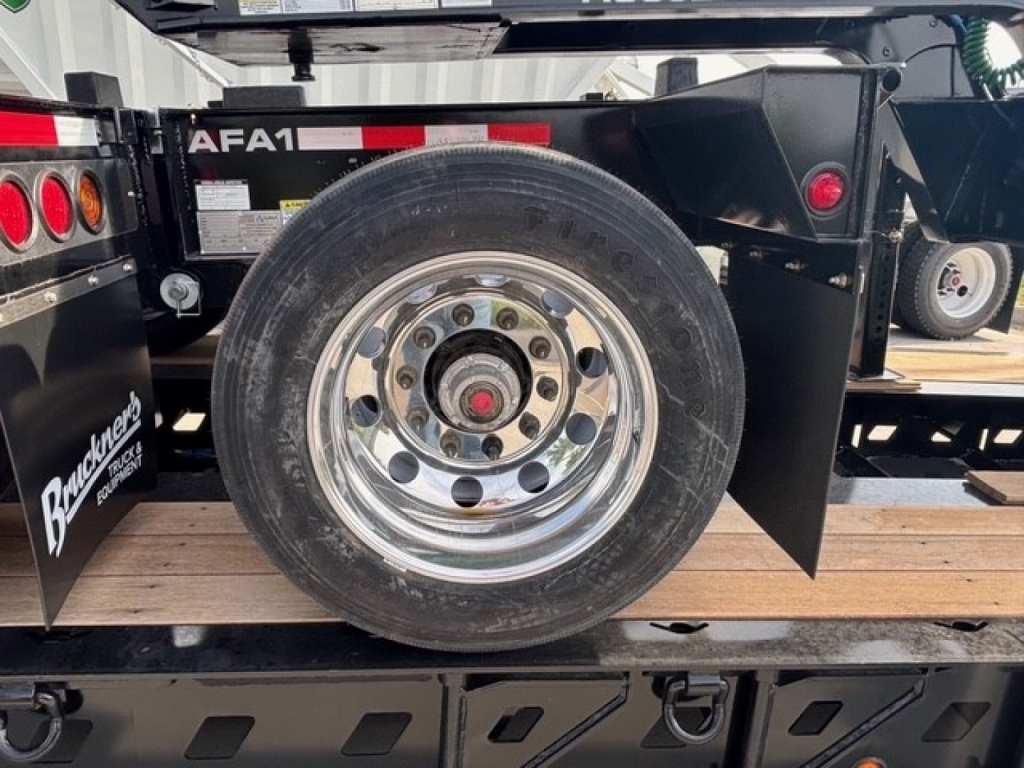
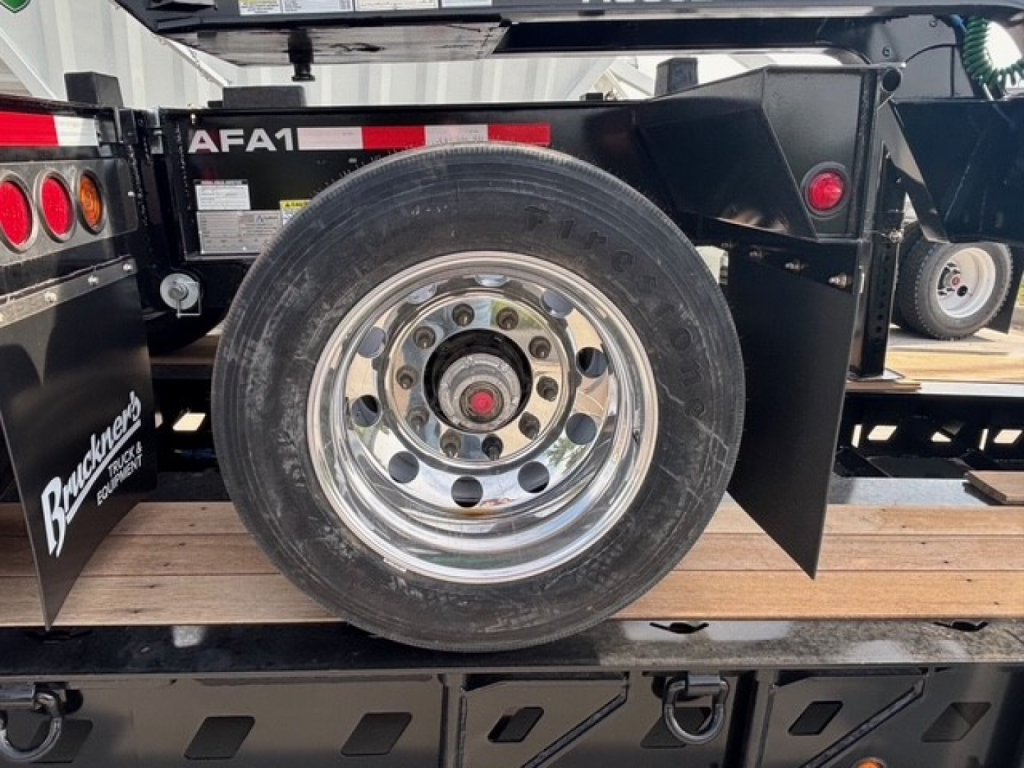
Most buyers in this segment look closely at suspension and running gear. Heavy-spec single axles around 25,000 to 27,500 pounds are common on many flip configurations, often with Hendrickson or similar air ride suspensions, 255 or 275 series 22.5 tires, mixed steel inside and aluminum outside wheel setups, and 16.5-inch drum brakes. Lighting and rear visibility equipment also matter because these units often run on overwidth or oversize loads. Flag holders, stake pockets for wide load signs, strobes, sealed wiring harnesses, 4-way plugs, D-rings, and tail light packages are practical details, not cosmetic extras. If the unit will be moved on and off frequently, look at pin design, support brackets, wheel covers, limit chains, and how protected the air and electrical connections are from road damage.
A good buyer compares these units by compatibility first, then by serviceability. Brake parts, suspension components, tire size commonality, and parts support across the rest of the fleet all affect long-term cost. New 2027 flips, converter dollies, and jeeps are often chosen by specialized carriers, crane service operators, construction haulers, and anyone building a legal heavy haul combination around specific state bridge laws. The best choice is usually the one that fits your trailer model, kingpin and axle group strategy, and day-to-day load profile without forcing custom work after delivery.
Frequently Asked Questions about New 2027 Flips/Converter Dollies/Jeeps Trailers
What is the difference between a flip axle, a jeep, and a converter dolly?
A flip axle is an add-on axle assembly mounted behind or within a heavy haul trailer configuration to increase capacity and improve axle group spacing. A jeep is positioned between the tractor and the trailer, usually to add axles ahead of the trailer and increase bridge length for permitting. A converter dolly is a separate axle-and-drawbar assembly used to connect trailer combinations or specialized setups. All three help distribute weight, but they do it in different positions within the combination and for different legal and operational purposes.
How do I know if a new flip axle or jeep will fit my trailer?
Start with the trailer manufacturer, model, and exact connection style. Width, axle spacing, ride height, pin and bracket dimensions, hydraulic or mechanical interface, electrical plug type, and brake compatibility all need to match the host trailer or tractor setup. On heavy haul equipment, small differences in connection geometry can create major fitment problems. Buyers should verify OEM compatibility, required hardware, and intended use by state permit configuration before purchase.
Are hydraulic flip axles better than standard mechanical flip axles?
Hydraulic flip axles usually make attachment and removal faster and can reduce manual handling during setup, which is useful for fleets that reconfigure trailers often. Mechanical units can be simpler, less expensive, and easier to maintain in operations that keep a more consistent configuration. The better choice depends on how often the axle is installed or removed, the skill level of the crew, and how much value the operation places on quicker turnaround versus lower system complexity.
What specs matter most when buying a flip axle, converter dolly, or jeep?
The most important specs are axle rating, axle spacing, overall width, suspension type, brake size, tire size, and connection compatibility. After that, look at lighting, wiring protection, leveling valve setup, support brackets, D-rings, flag holders, and any included shims or pin kits. These units operate in permit-heavy, high-consequence applications, so fit, legal weight distribution, and parts serviceability matter more than cosmetic options.
Why is axle spacing so important on heavy haul flip axles and jeeps?
Axle spacing affects how weight is distributed across the combination and how the load is evaluated under bridge formulas and state permit rules. A unit with the wrong spacing may still physically attach, but it may not help the combination achieve the legal configuration needed for a given route or load. Proper spacing also affects tracking, tire wear, and how the suspension shares weight across the axle group. That is why spacing is one of the first details experienced heavy haul buyers verify.