
New 2027 Flips/Converter Dollies/Jeeps Trailers For Sale in Texas
New 2027 flip axles, converter dollies, and jeeps for sale in Texas. Compare widths, axle spacing, suspension, brakes, and heavy-haul specs.
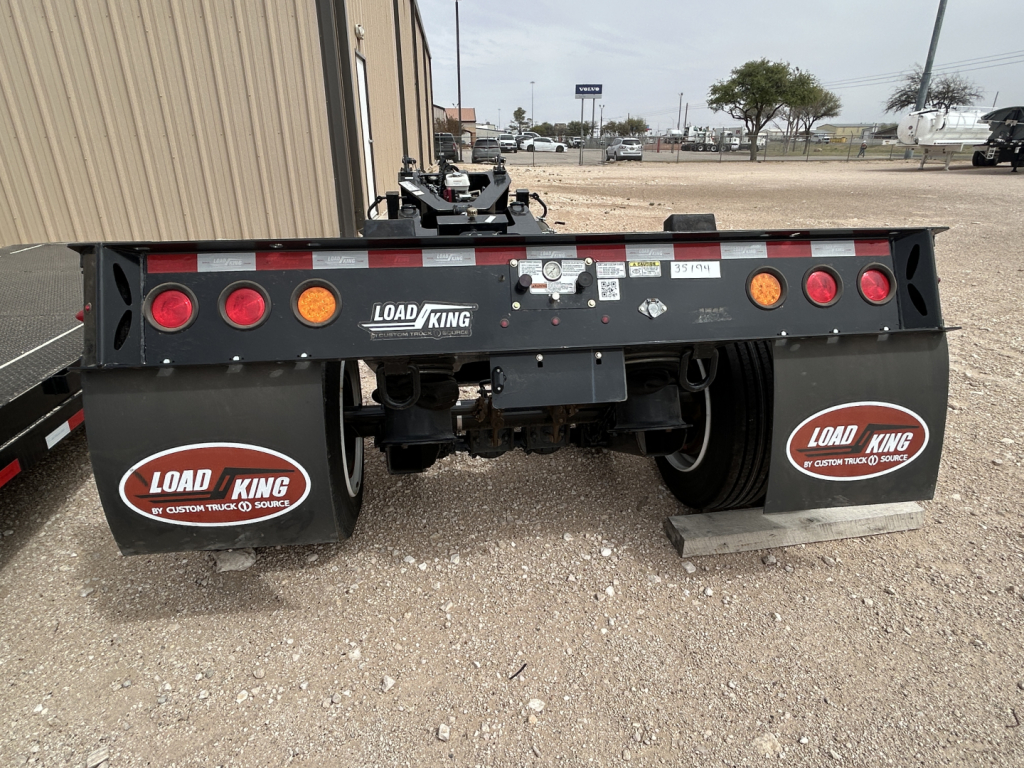
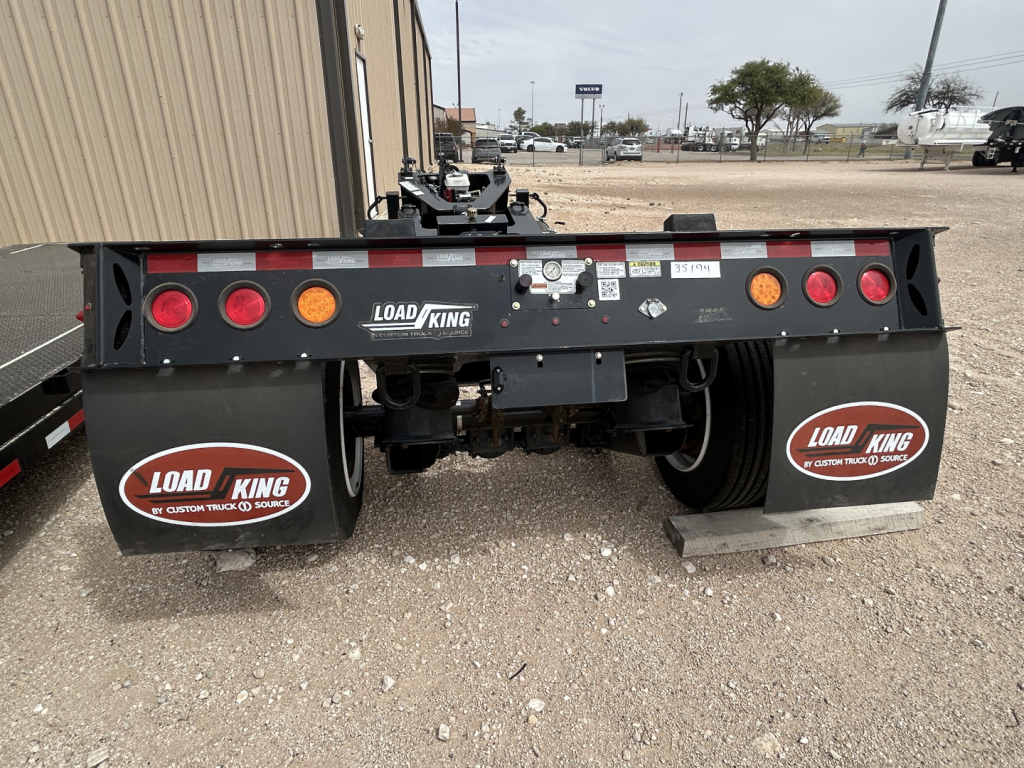
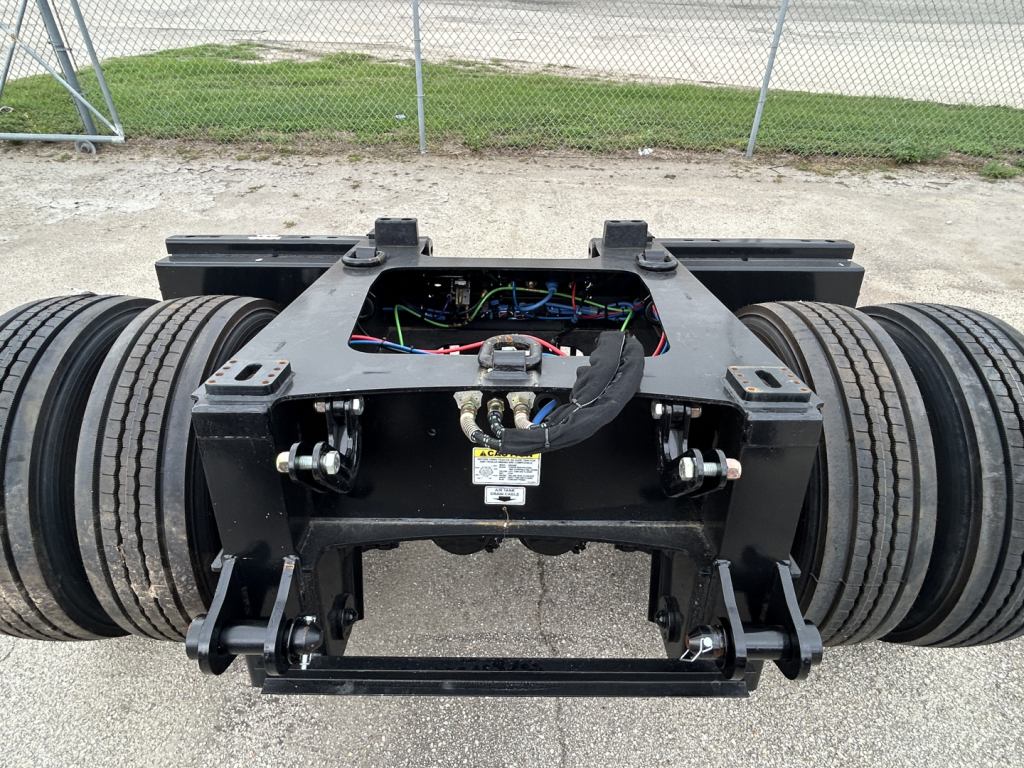
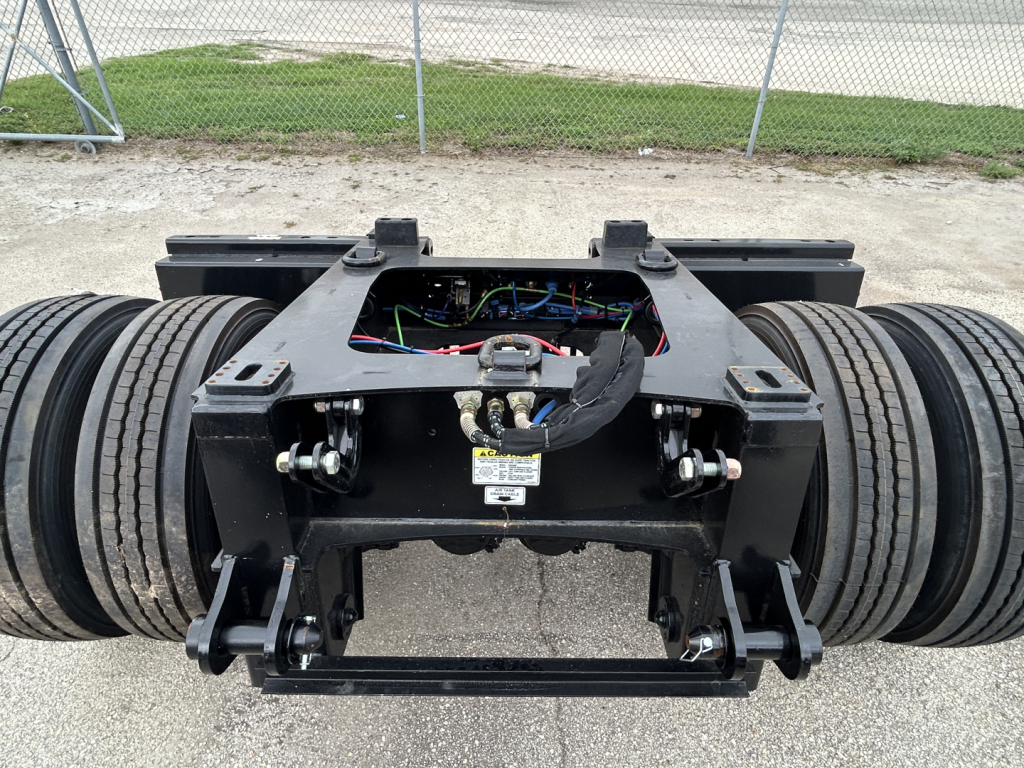

Selling a new 2027 flips/converter dollies/jeeps trailer? List your new 2027 flips/converter dollies/jeeps trailer for sale and reach thousands of commercial buyers.
New 2027 Flips/Converter Dollies/Jeeps Trailers in Texas
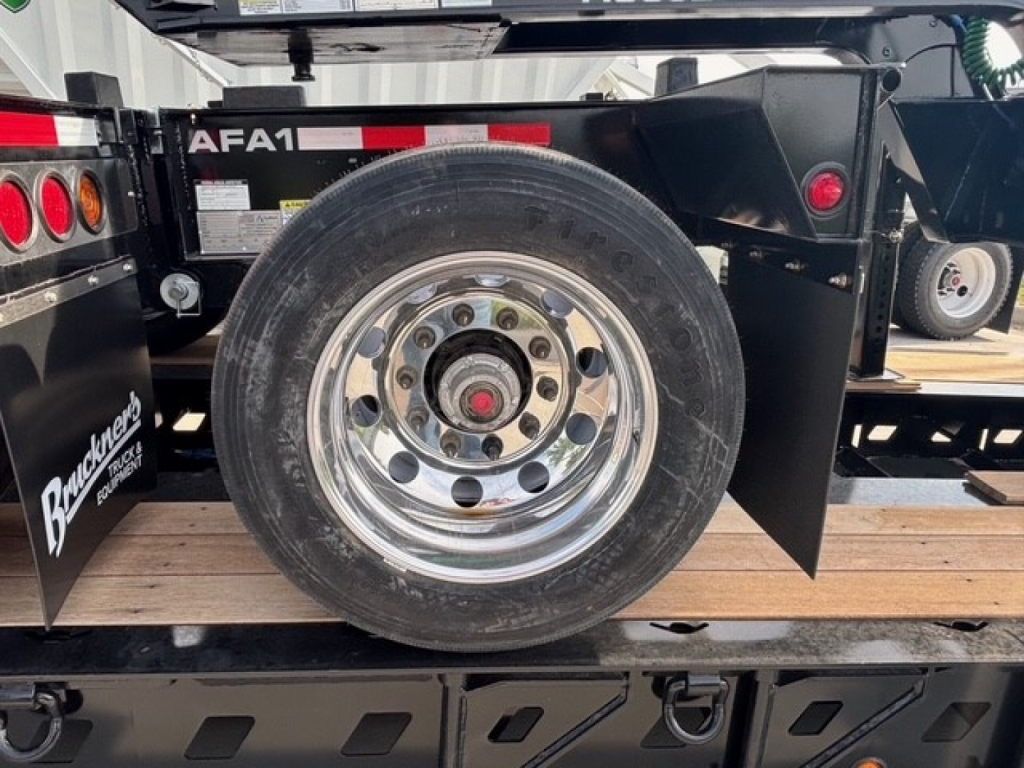
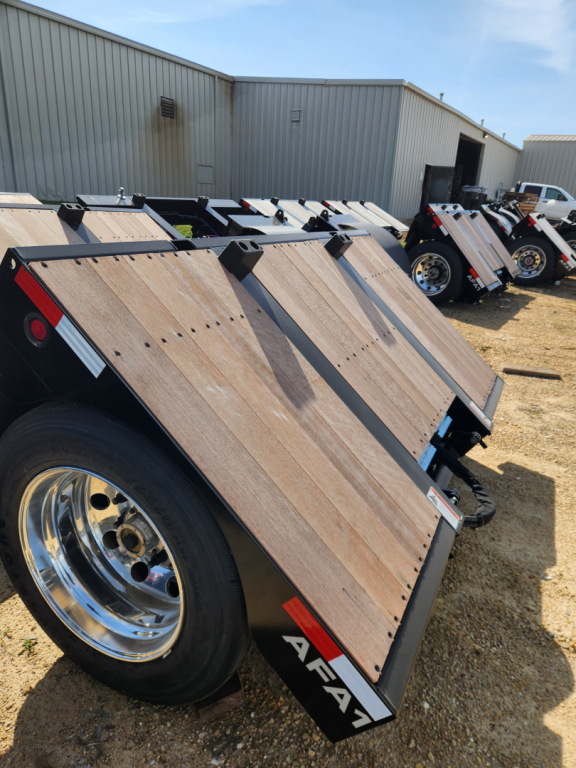
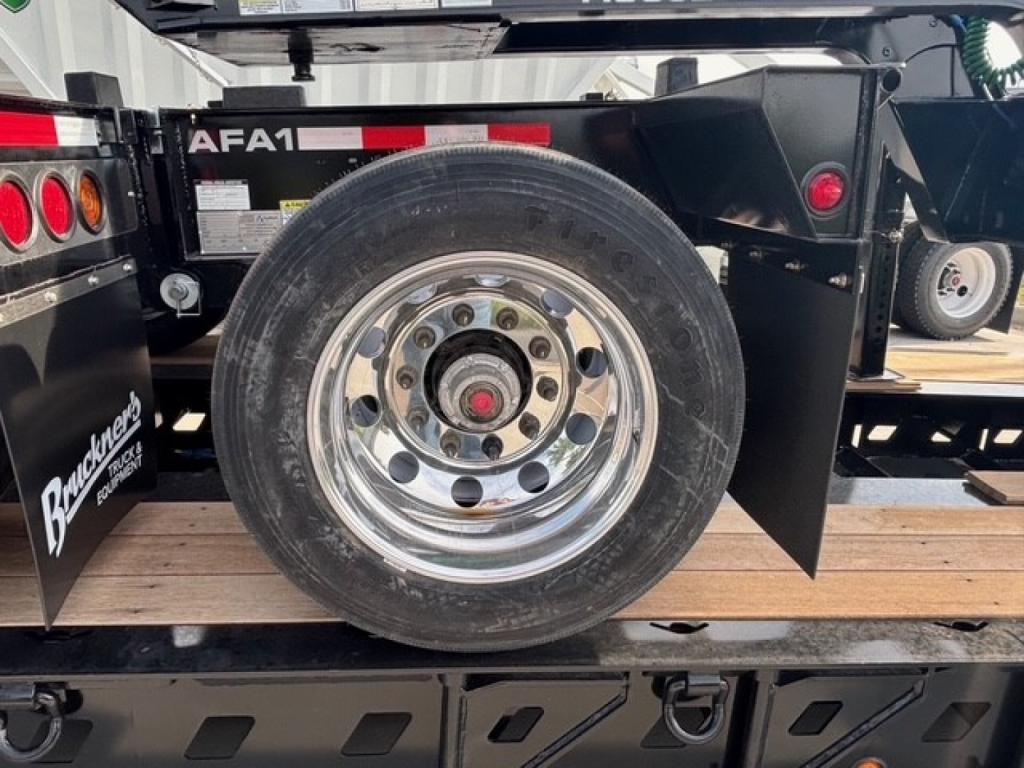
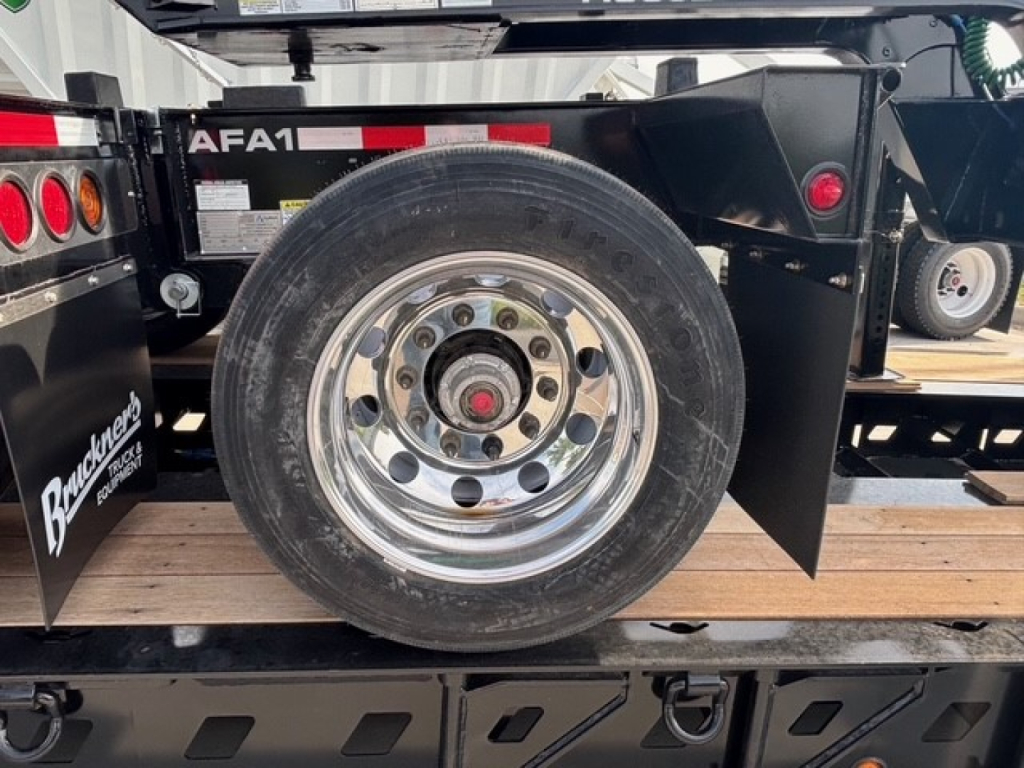
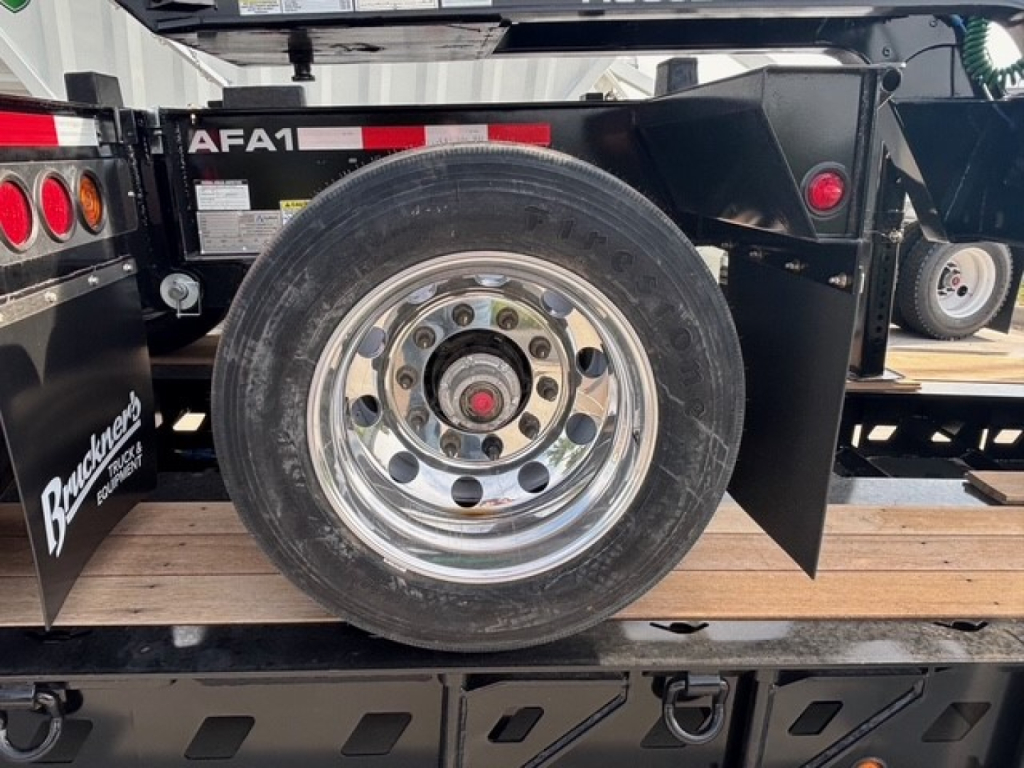
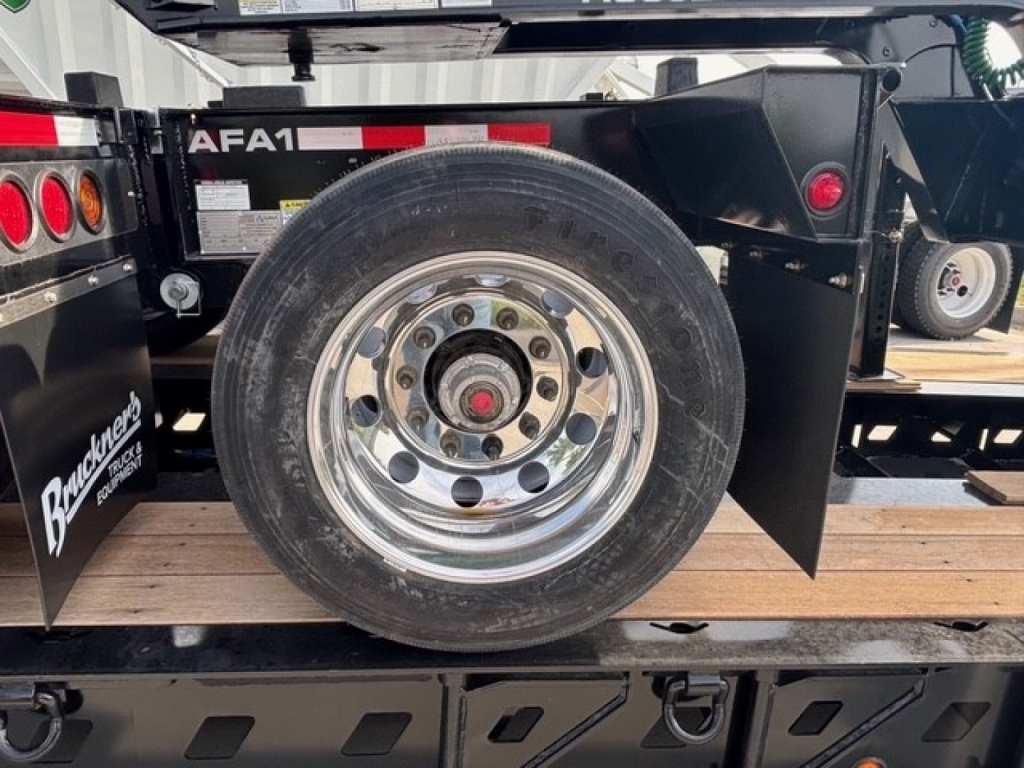
Flip axles are commonly used at the rear of a lowboy or detachable trailer to increase capacity for concentrated loads such as construction equipment, dozers, excavators, transformers, or other over-dimensional freight. Common specs in this class include 102-inch to 108-inch overall width, axle spacing around 54 to 60 inches, 25,000 to 27,500 pound axle ratings, air ride suspension, and 16.5-inch brake packages. Many new units also come with 255/70R22.5 or 275/70R22.5 tires, hub-piloted axles, LED lighting, polished outer aluminum wheels, limit chains, and provisions for wide-load signs, flag holders, and strobe lighting. On heavy-haul work, details like decking, D-rings, and leveling valve controls matter because they affect hookup time, securement options, and how the axle behaves under varying load conditions.
Converter dollies and jeeps serve a different but equally important role. A converter dolly is typically used to convert a semitrailer for towing or to create additional articulation in multi-piece combinations, while a jeep is installed between the tractor and the trailer to shift kingpin load and add axle group capacity. Jeep selection usually comes down to axle count, kingpin setting, fifth wheel height, drawbar dimensions, and state bridge formula requirements. For buyers running regional heavy-haul routes in Texas and surrounding states, permit consistency matters as much as raw capacity. The right jeep or dolly should fit the intended trailer and tractor combination without forcing repeated changes to ride height, neck geometry, or turning characteristics.
New 2027 units in this category appeal to fleets and owner-operators who want current brake, lighting, and suspension components with minimal setup wear. When comparing listings, pay attention to the trailer tonnage the flip or jeep is designed to match, not just the axle rating stamped on the running gear. A flip built for a 35 to 45 ton trailer is a different tool than a heavy-duty axle package intended for a 60 ton setup. It also pays to confirm electrical connections, air hookups, brake controls, wheel-end spec, and any included hardware such as booster brackets or shims. In this category, proper fitment and legal load distribution are the real buying criteria. Paint, wheel finish, and accessory packages matter, but only after the geometry and capacity are right.
Frequently Asked Questions about New 2027 Flips/Converter Dollies/Jeeps Trailers in Texas
What is the difference between a flip axle, a converter dolly, and a jeep?
A flip axle is an auxiliary axle assembly added to the rear of a lowboy or specialized trailer to increase carrying capacity and help distribute weight. A converter dolly is a separate axle-and-drawbar assembly used to tow a semitrailer or create a multi-piece combination. A jeep is installed between the tractor and the trailer, usually ahead of the neck, to add axle capacity and shift weight away from the tractor drives and trailer deck. Each serves a different function in heavy-haul weight distribution and permit compliance.
How do I know if a flip axle or jeep will fit my trailer?
Fitment starts with the trailer manufacturer’s design and the exact connection style used on the trailer. Buyers should confirm overall width, axle spacing, suspension type, ride height, brake size, tire size, wheel-end spec, and the rated tonnage the component was built to match. On jeeps, kingpin setting, fifth wheel height, and drawbar dimensions are also critical. Even if the axle rating looks correct on paper, poor geometry or incompatible hookup points can make the combination impractical or illegal to run.
What specs matter most when buying a new flip axle in Texas?
The most important specs are axle capacity, axle spacing, trailer compatibility, and the permit requirements for the routes being run. Texas heavy-haul buyers also pay close attention to lighting, wide-load sign provisions, flag holders, brake package, suspension type, and tire size because these affect both legal compliance and day-to-day usability. Air ride suspension, 16.5-inch brakes, and 22.5-inch rubber are common on newer units, but the real priority is matching the flip to the trailer’s design and intended load range.
Why does axle spacing matter on flips, dollies, and jeeps?
Axle spacing directly affects bridge law calculations, turning behavior, and how weight is carried across the combination. A small change in spacing can influence permit approvals, allowable gross weight, and the way the trailer tracks through corners or jobsite approaches. On heavy-haul equipment, spacing is not just a mechanical dimension. It is a legal and operational specification that should match the trailer design and the jurisdictions where the equipment will be used.
Is a new 2027 unit worth considering over an older used flip axle or jeep?
A new unit can reduce the risk of worn suspension parts, brake issues, outdated lighting, and unknown fitment modifications made by prior owners. That is especially important on specialized heavy-haul gear, where alignment, structural condition, and exact geometry affect load legality and towing behavior. Newer units also tend to offer current LED wiring, cleaner air systems, and more standardized component packages, which can simplify maintenance and reduce downtime once the equipment is put to work.