
New 2027 Alpha Flips/Converter Dollies/Jeeps Trailers For Sale
Shop new 2027 Alpha flips, converter dollies, and jeeps built for heavy haul axle capacity, bridge compliance, and modular trailer setups.
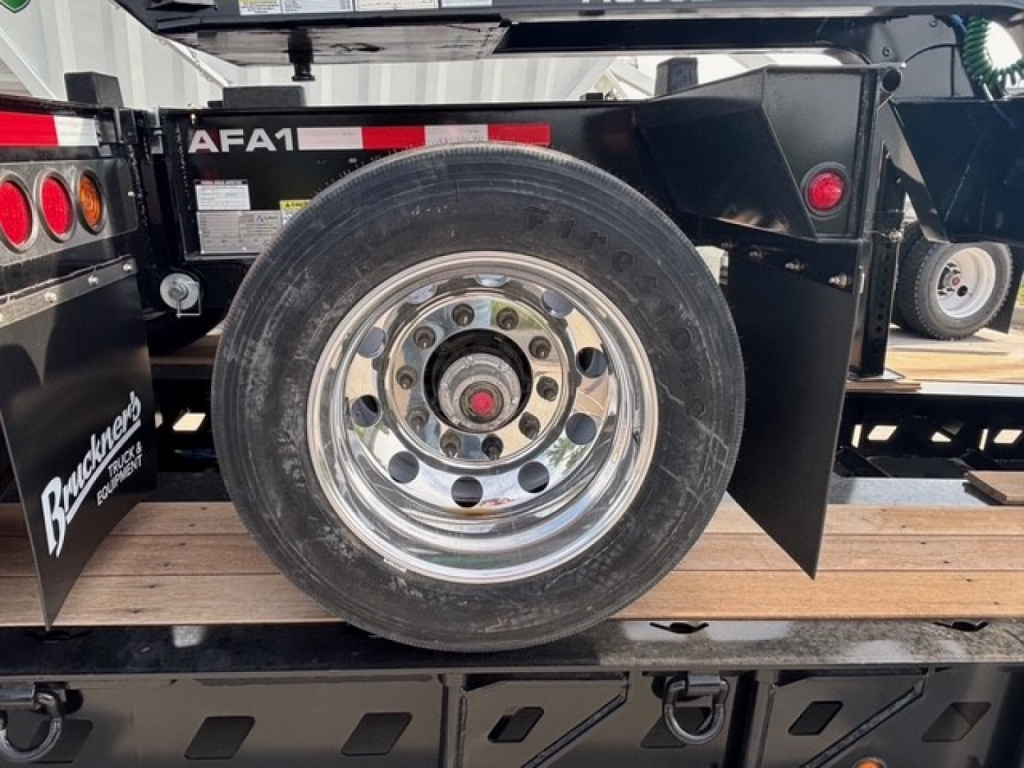
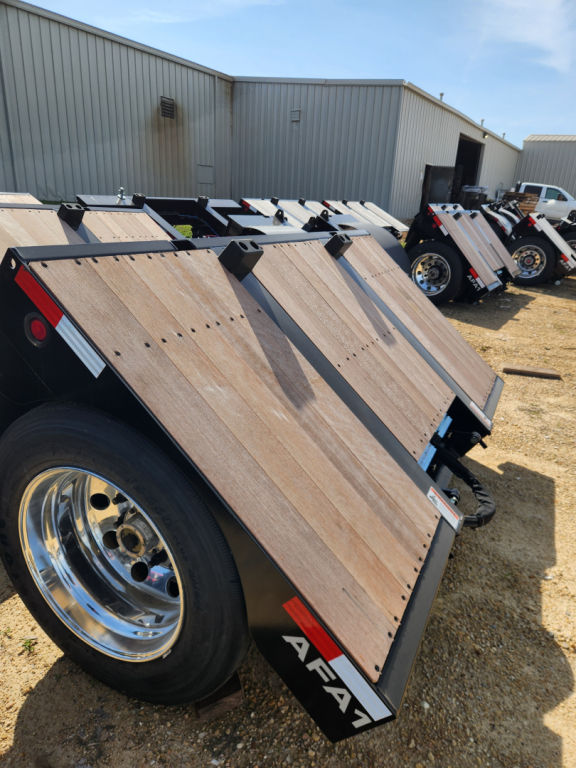
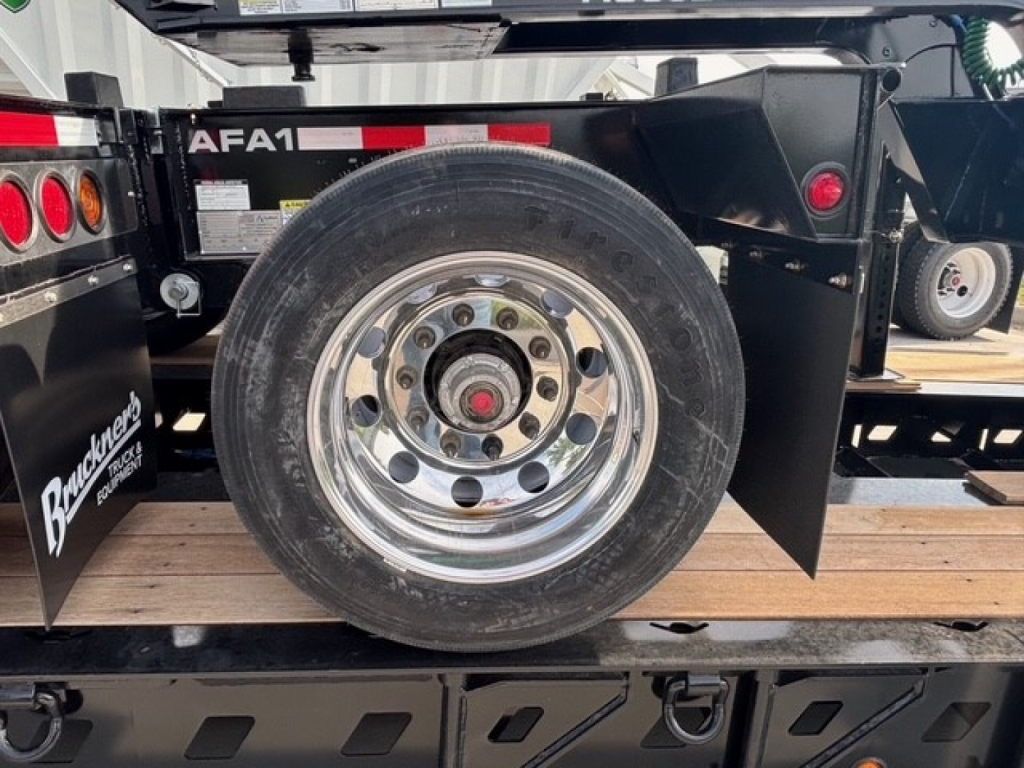
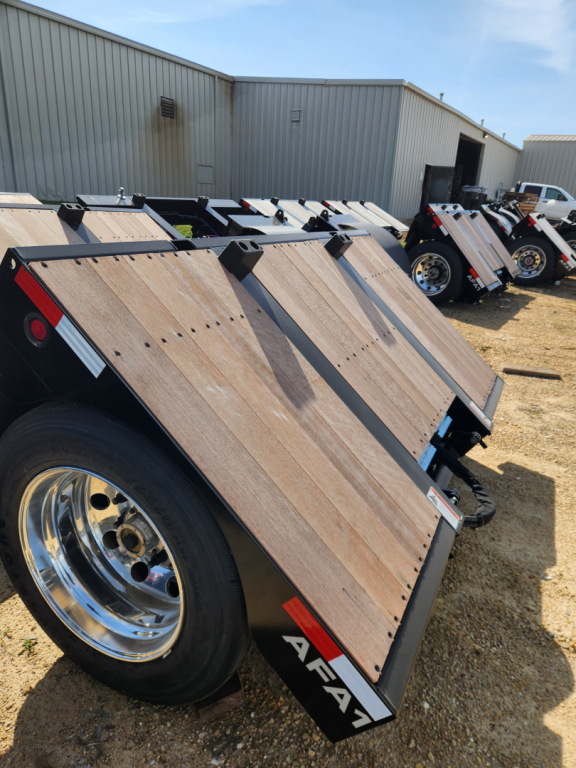
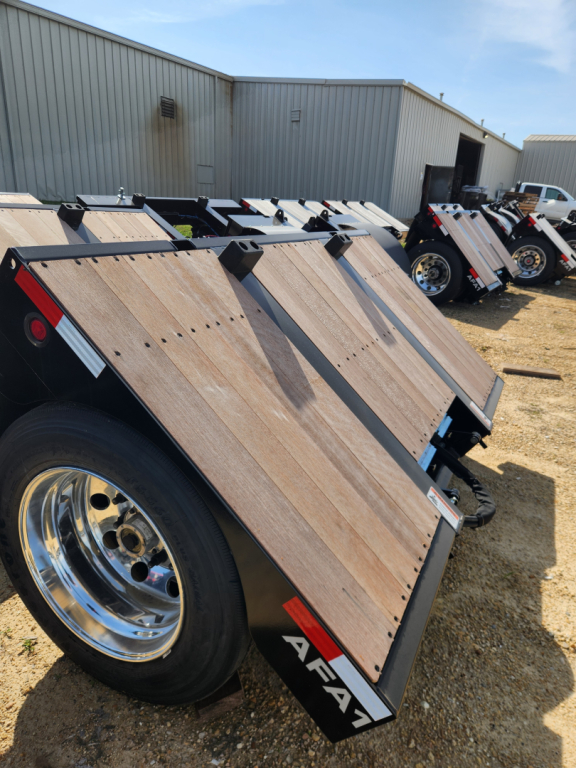
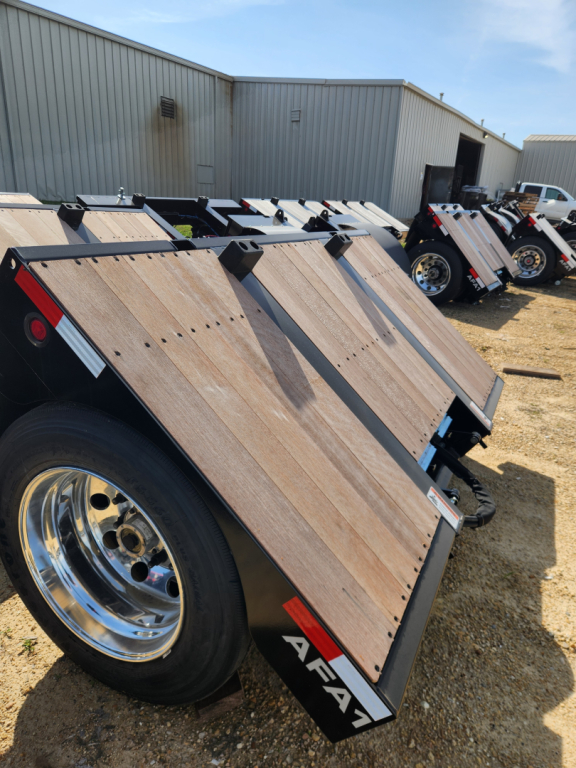
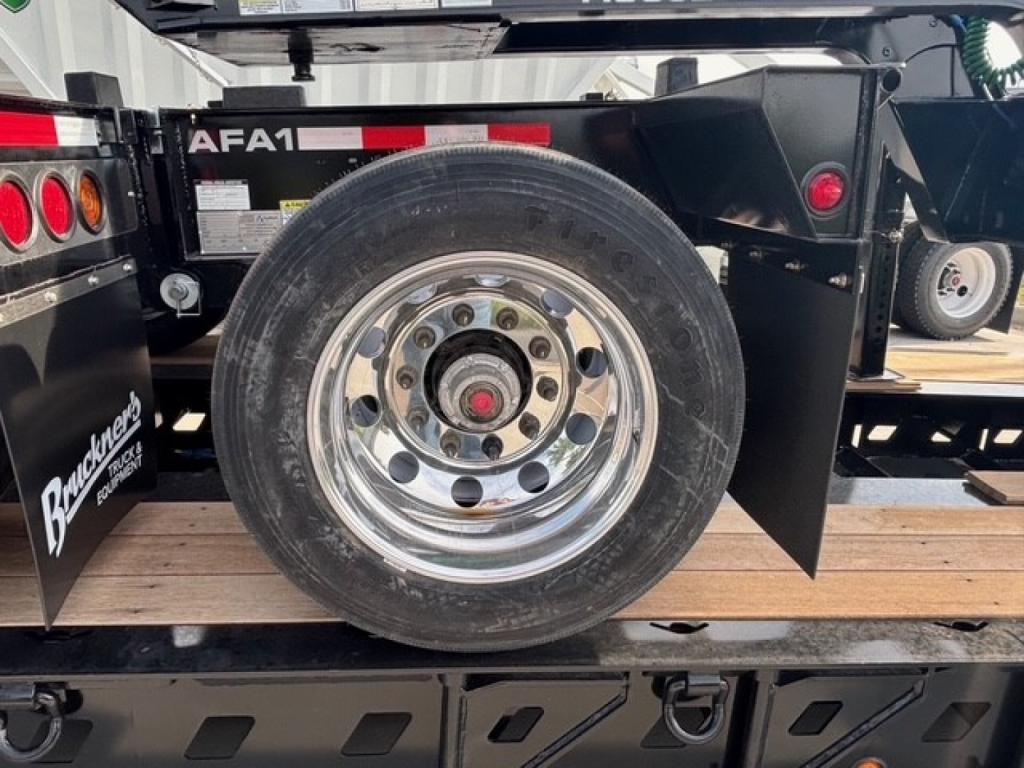
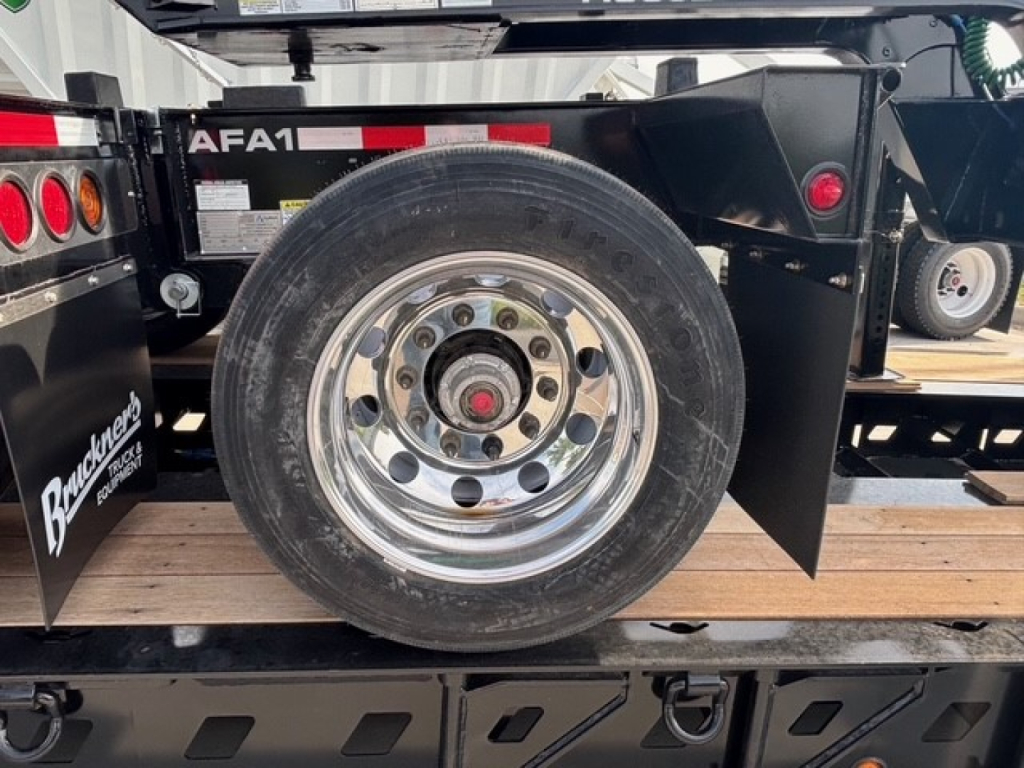
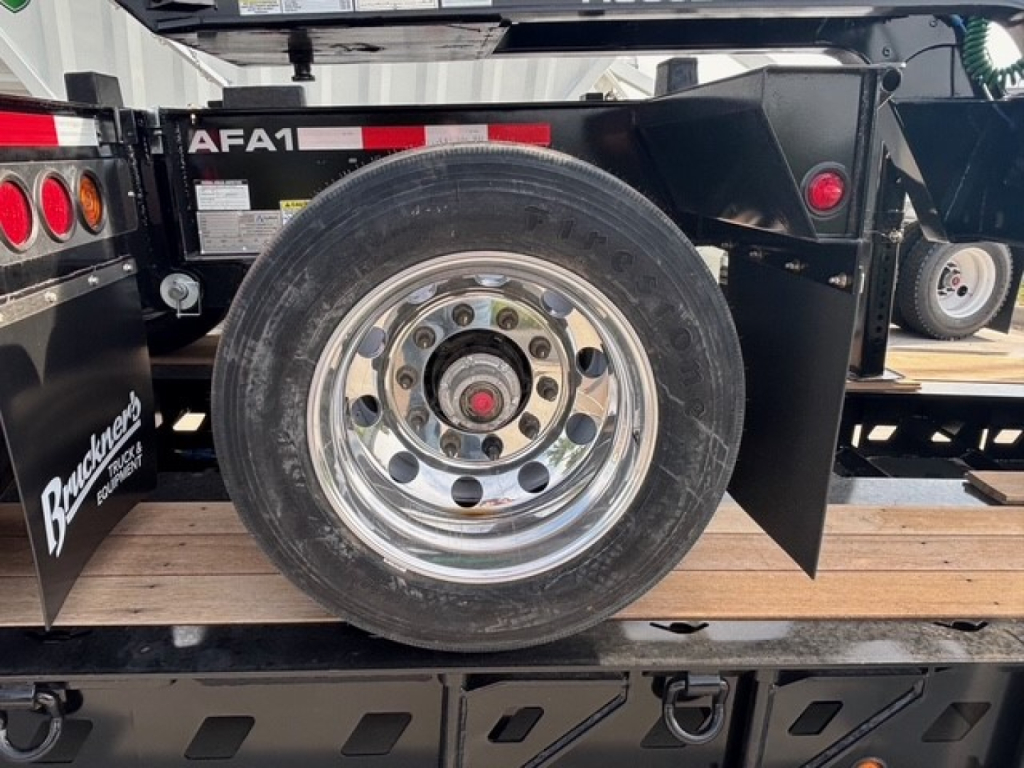
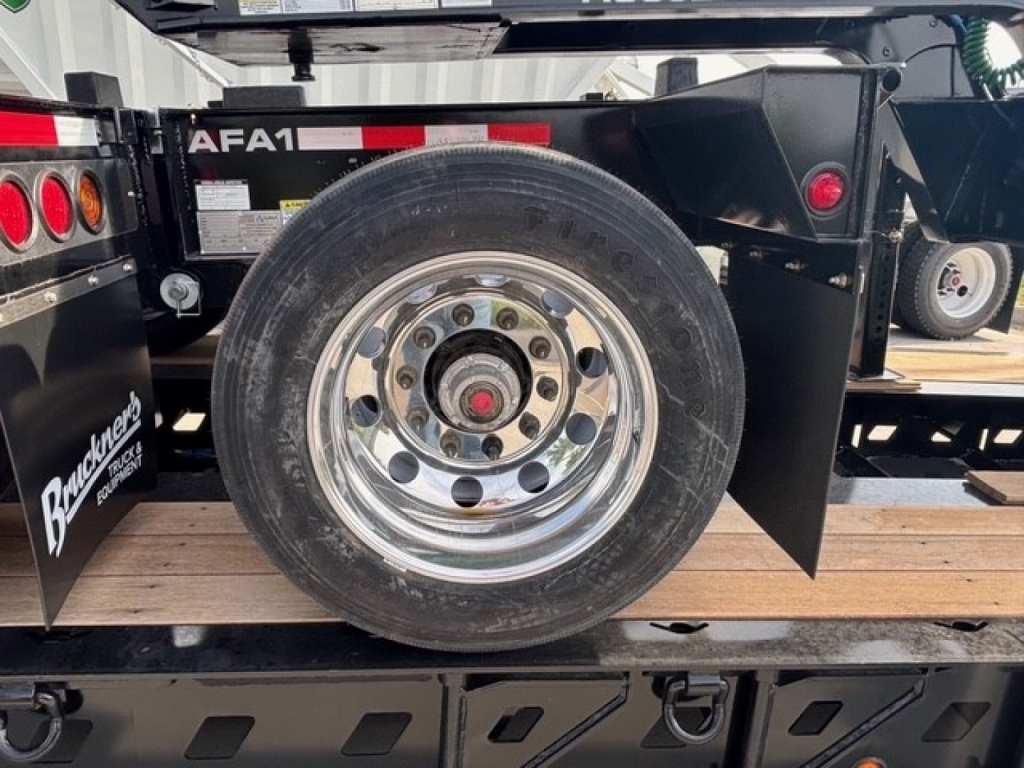
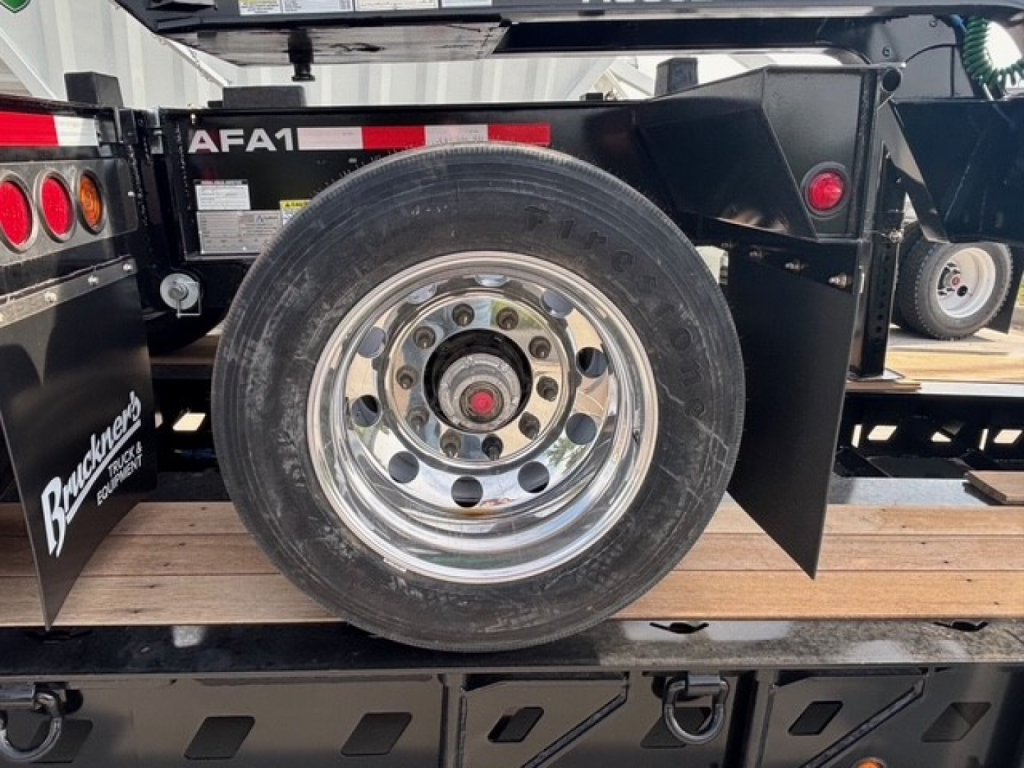

Selling a new 2027 alpha flips/converter dollies/jeeps trailer? List your new 2027 alpha flips/converter dollies/jeeps trailer for sale and reach thousands of commercial buyers.
New 2027 Alpha Flips/Converter Dollies/Jeeps Trailers
The most important spec decisions are axle rating, axle spacing, overall width, and connection style. Typical examples in this class include 25,000 lb axles, air ride suspension, 16.5 x 7 drum brakes, and 102-inch or 108-inch widths. Axle spacing such as 54 inches, 54.5 inches, or 60 inches matters because it affects bridge spacing, turning behavior, and how the added axle group carries weight under load. Buyers should also confirm tire size, wheel configuration, and whether the unit uses hub-pilot running gear, since those details affect service commonality across the fleet. On heavy haul attachments, practical items like top links, shims, connection pins, limit chains, and leveling valves with on-off control are not minor options. They directly affect hookup time, load distribution, and how well the axle tracks in real working conditions.
Lighting and rear equipment also deserve attention because these units regularly operate on oversize loads. Common features include LED lighting, sealed harnesses, stainless taillight packages, strobe provisions, rear D-rings, flag holders, and stake pockets for wide load signs. For operators crossing multiple states, that hardware can save time during inspections and make permit compliance easier. Air ride is the standard choice for many buyers because it helps protect the trailer and load while improving equalization across the axle group, especially on rough roads and jobsite approaches. If the flip axle will be attached and removed often, pay close attention to how the suspension, booster brackets, and linkage package are set up, because small differences in design can affect labor, adjustment, and downtime.
A good buyer compares these units as part of a complete hauling system, not as standalone attachments. The right flip, dolly, or jeep should match the trailer's tonnage class, deck height, load profile, and the states where it will run. A jeep is typically used to spread weight between the tractor and trailer, while a converter dolly changes how a trailing axle group or trailer section is supported and connected. A flip axle, also called a flip or booster axle in some operations, is commonly added at the rear of a lowboy or detachable to increase legal payload and improve weight distribution. When spec'd correctly, these components add flexibility to a heavy haul operation and help keep specialized loads moving without compromising compliance or serviceability.
Frequently Asked Questions about New 2027 Alpha Flips/Converter Dollies/Jeeps Trailers
What is the difference between a flip axle, a converter dolly, and a jeep?
A flip axle is an attachable rear axle group used primarily on lowboy and detachable trailers to increase axle count and legal carrying capacity. A jeep is installed between the tractor and the trailer to spread weight and create additional bridge length, which is critical on heavier permitted loads. A converter dolly is used to support and connect a trailer section or axle group, and its application depends on the trailer design and hauling configuration. All three are weight-distribution tools, but they serve different positions in the combination.
What specs matter most when buying a heavy haul flip axle or jeep?
The key specs are axle rating, axle spacing, width, suspension type, brake package, tire size, and connection compatibility with the main trailer. Buyers should verify that ride height, pin arrangement, linkage, and included hardware such as top links, shims, and connection pins match the trailer they intend to run. Axle spacing is especially important because it affects bridge compliance and permit flexibility. Standard service items such as tires, brake components, and wheel ends should also align with the rest of the fleet whenever possible.
Why does axle spacing matter on flips and jeeps?
Axle spacing affects both legal weight distribution and how the trailer combination behaves on the road. Spacing such as 54 inches, 54.5 inches, or 60 inches changes the bridge measurement used in permit calculations and can influence the states or routes where a load can move legally. It also affects turning scrub, tracking, and how evenly the load is shared across the axle group. For heavy haul buyers, spacing is a planning decision as much as a mechanical one.
Is air ride suspension preferred on new flip axles and jeeps?
Air ride is preferred in many heavy haul applications because it improves load equalization and helps reduce shock transferred into the trailer and cargo. It also gives operators more control over ride characteristics and can help when connecting or adjusting the axle group, especially when combined with a leveling valve. Mechanical suspensions still exist in some applications, but air ride is common on newer heavy haul equipment where cargo protection, smoother tracking, and adjustment flexibility matter.
What rear equipment is important for oversize and permitted hauling?
Rear equipment should support both safety and permit compliance. Buyers usually look for LED lights, sealed wiring harnesses, taillight protection, strobe light provisions, flag holders, stake pockets for wide load signs, and D-rings for securement or accessory mounting. These items matter because flip axles and related components often run on oversize loads that require clear marking and dependable lighting. Well-equipped rear hardware can reduce setup time and help avoid problems during roadside inspections.