
New Alpha Flips/Converter Dollies/Jeeps Trailers For Sale
New Alpha flip axles, converter dollies, and jeeps built for heavy haul setups with dependable load distribution, braking, and axle spacing.
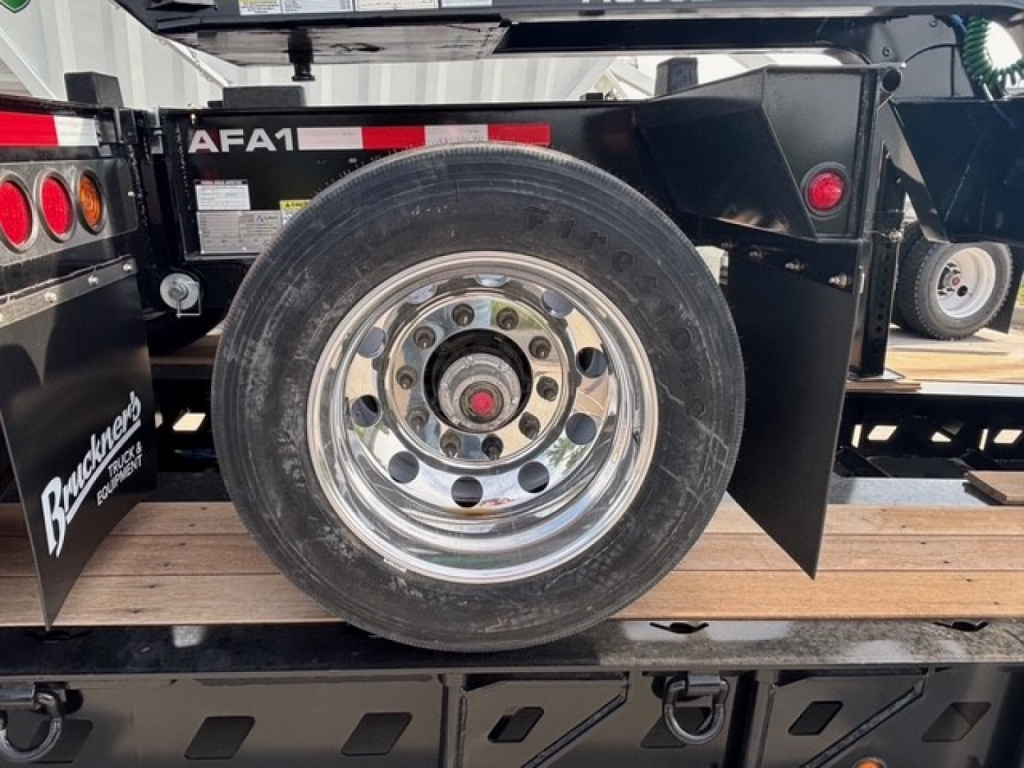
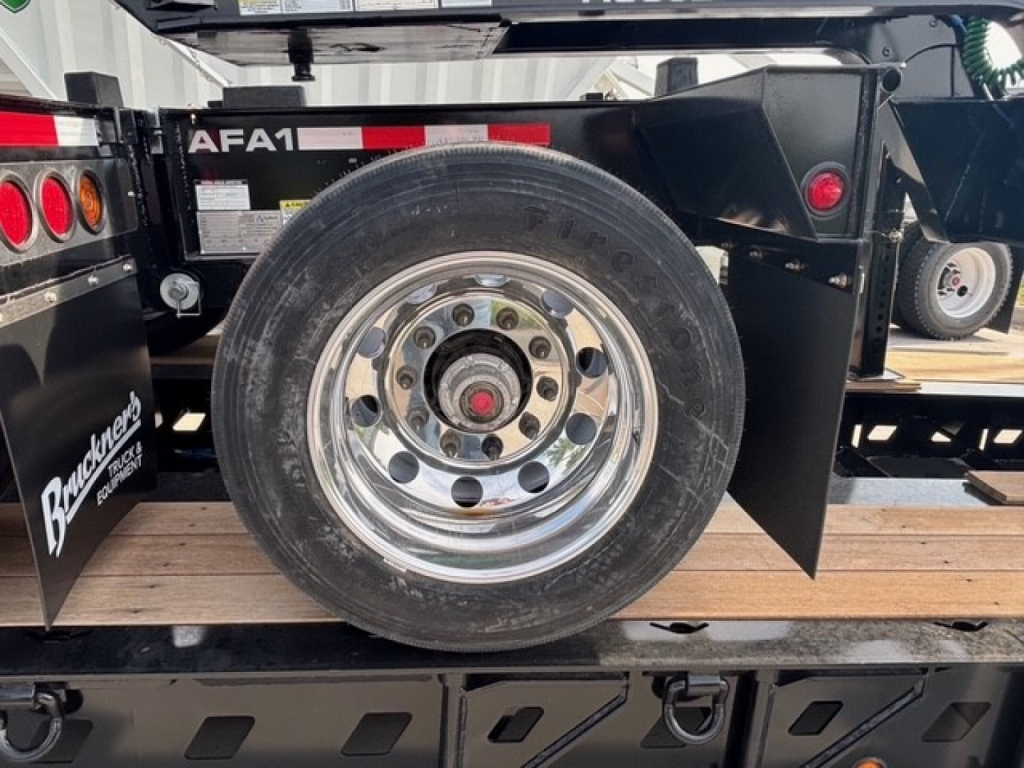
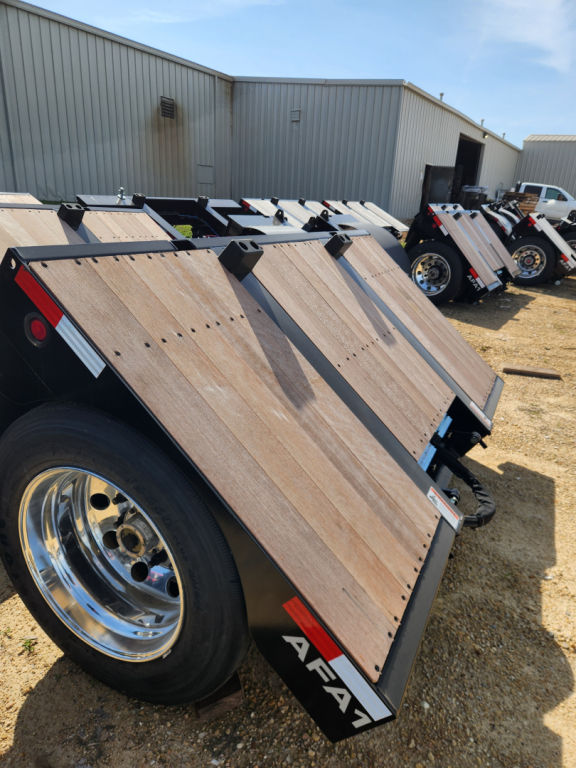
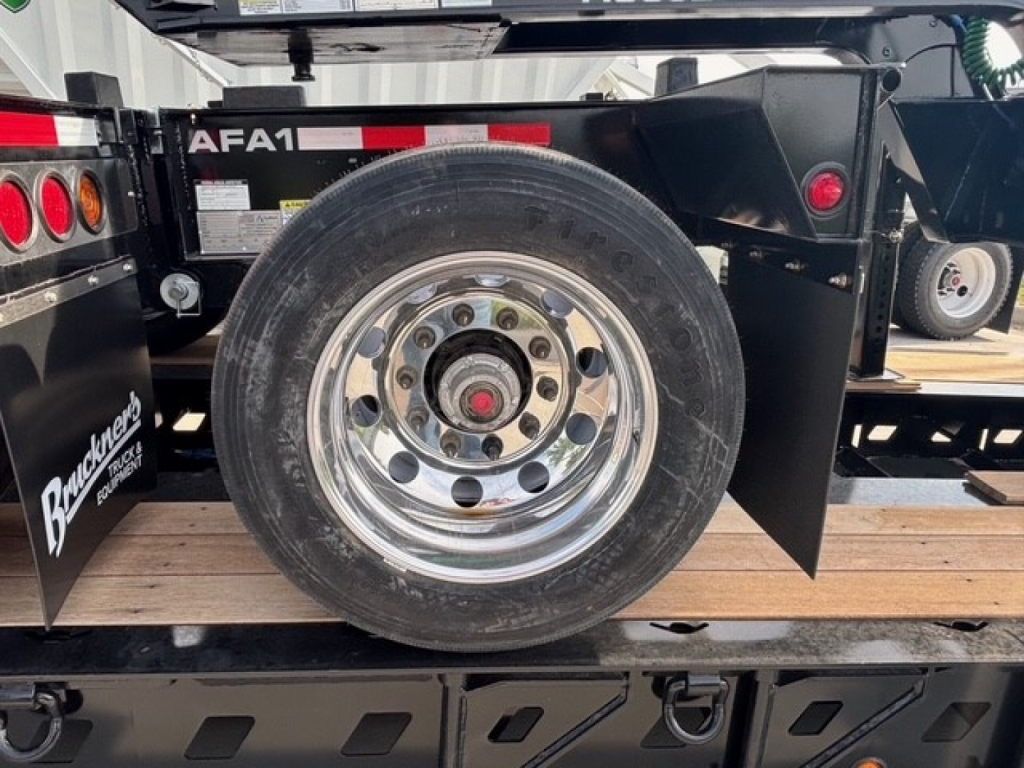
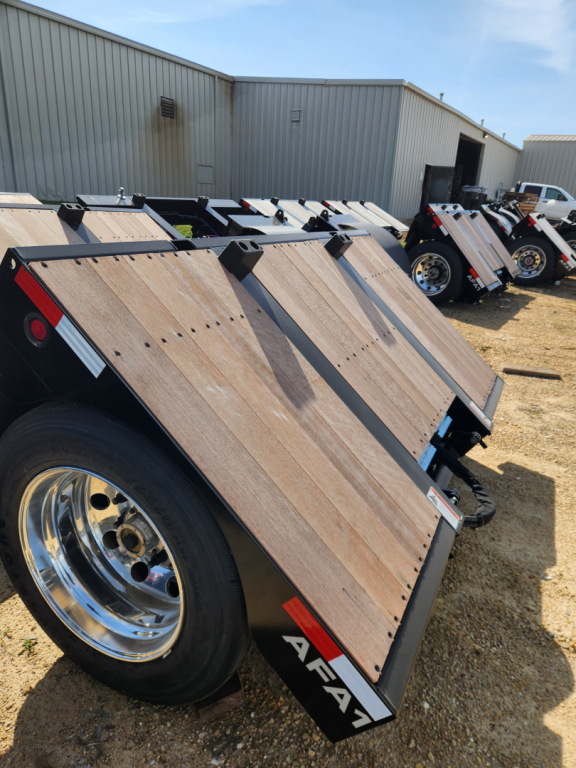
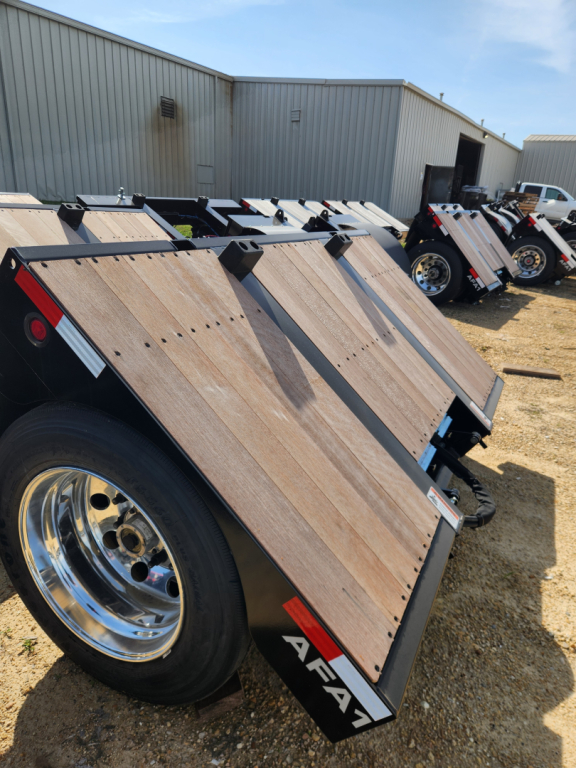
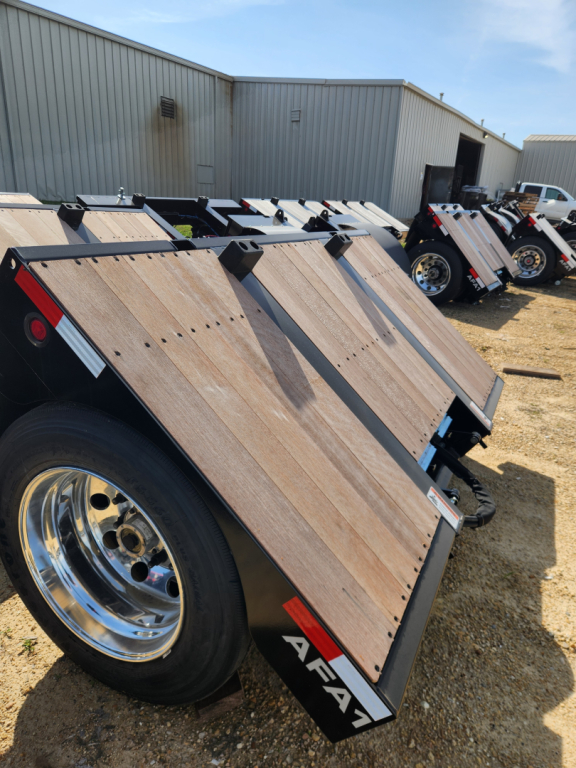
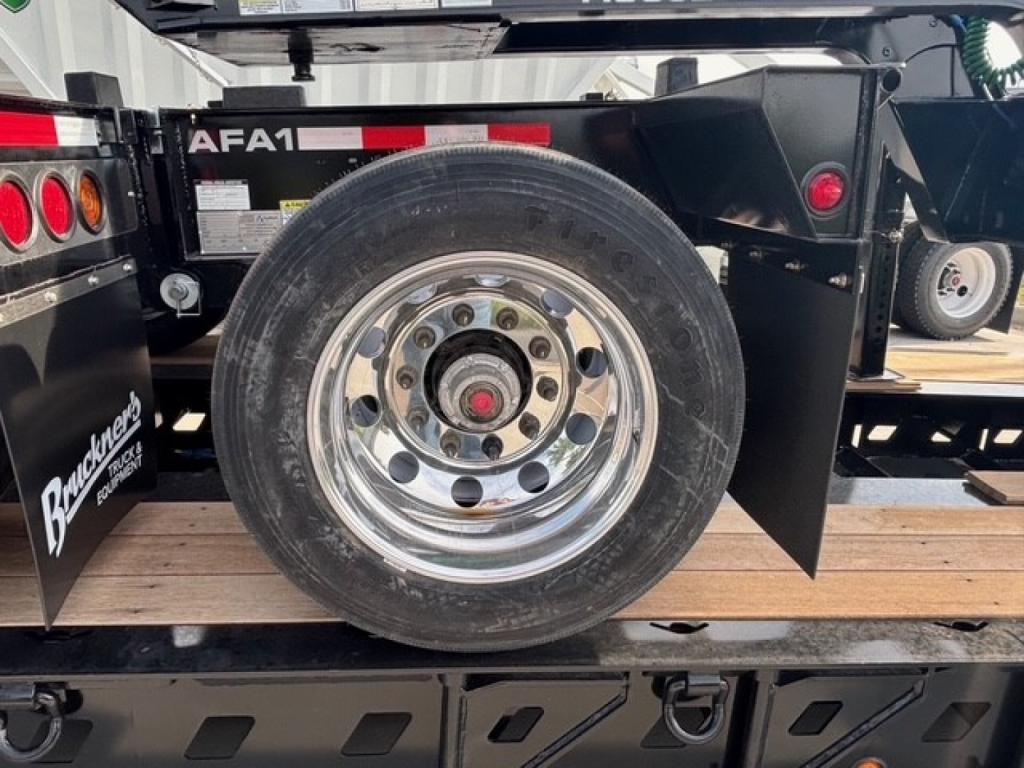

Selling a new alpha flips/converter dollies/jeeps trailer? List your new alpha flips/converter dollies/jeeps trailer for sale and reach thousands of commercial buyers.
New Alpha Flips/Converter Dollies/Jeeps Trailers
Frequently Asked Questions about New Alpha Flips/Converter Dollies/Jeeps Trailers
What is the difference between a flip axle, a jeep, and a converter dolly?
A flip axle is a rear attachment that adds one or more axles behind the trailer to increase legal payload and improve load distribution. A jeep is a front attachment placed between the tractor and trailer to move weight off the tractor drives and increase axle spacing for bridge law compliance. A converter dolly is typically a tow-behind axle assembly with a drawbar used to convert or support certain trailer combinations. In heavy haul operations, each serves a different role in balancing weight, meeting permit requirements, and configuring the overall combination correctly.
What specs matter most when buying a heavy haul flip axle or jeep?
The key specs are axle spacing, suspension rating, brake size, tire size, frame width, and compatibility with the trailer it will run behind or ahead of. Buyers should also confirm connection style, electrical plug layout, air hookup arrangement, ride height, and deck or platform design if the attachment includes a standing surface. Details like 102-inch width, 54 to 54.5-inch axle spacing, 25,000-lb axle and suspension ratings, 16.5-inch brakes, and 255/70R22.5 tires are common in this class because they fit many heavy haul applications and permitting scenarios.
Why is axle spacing so important on flips and jeeps?
Axle spacing directly affects how a load is calculated under bridge formulas and state permit rules. A small change in spacing can influence legal weight distribution, turning characteristics, and whether a configuration is accepted for a given route. In practice, buyers need to match axle spacing on the attachment to the trailer, the expected load profile, and the states where the equipment will operate. That is why measurements such as 54-inch or 54.5-inch spacing are not minor details. They can shape the entire permit strategy.
What features are commonly found on new Alpha flip axles in this category?
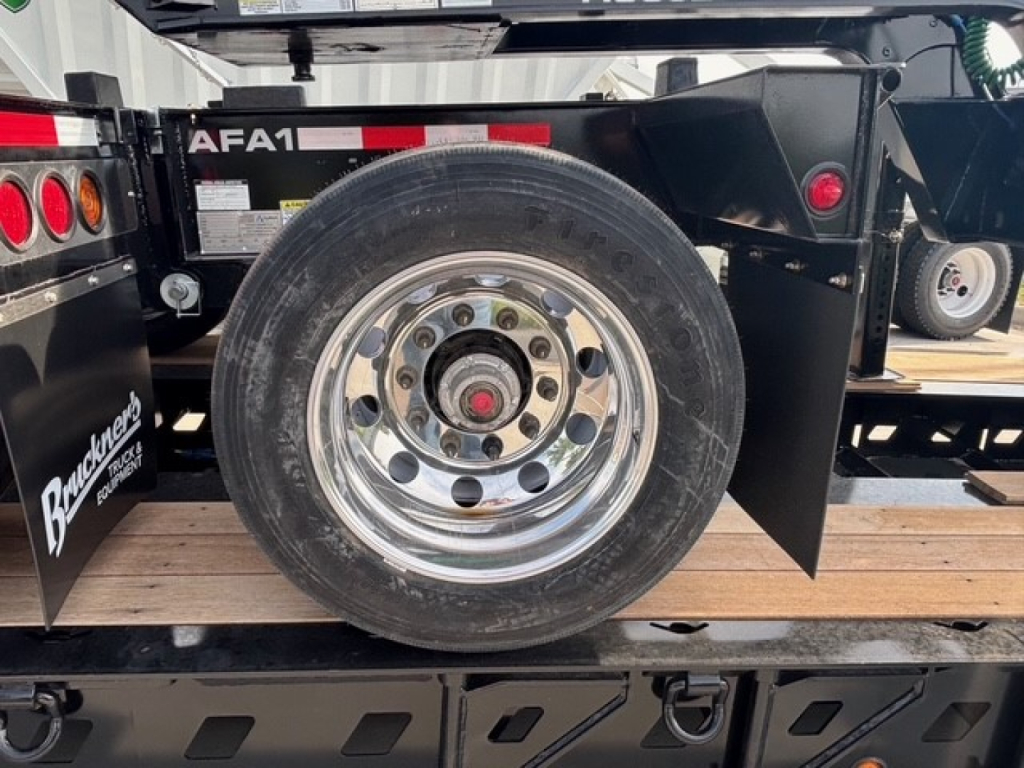
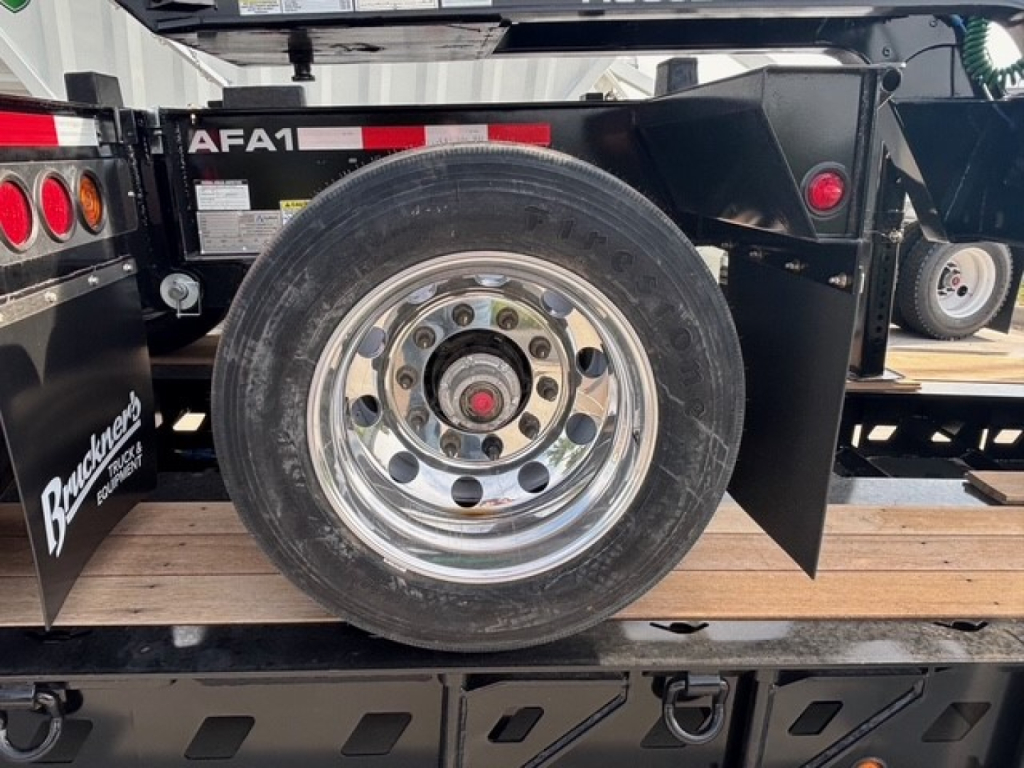
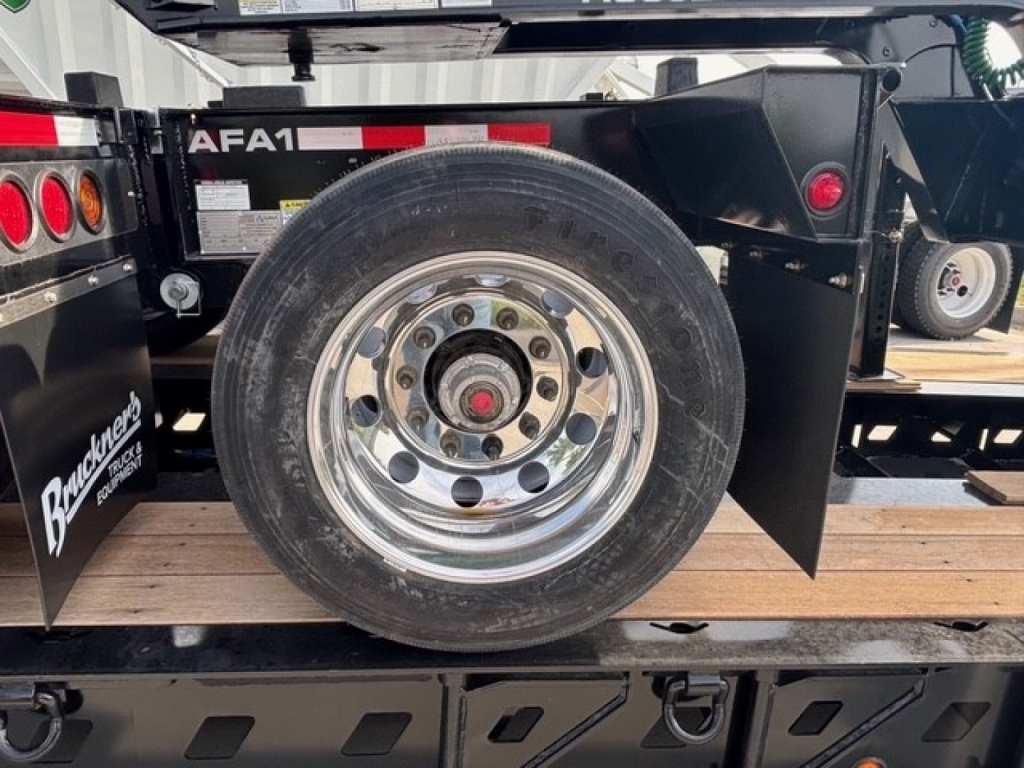
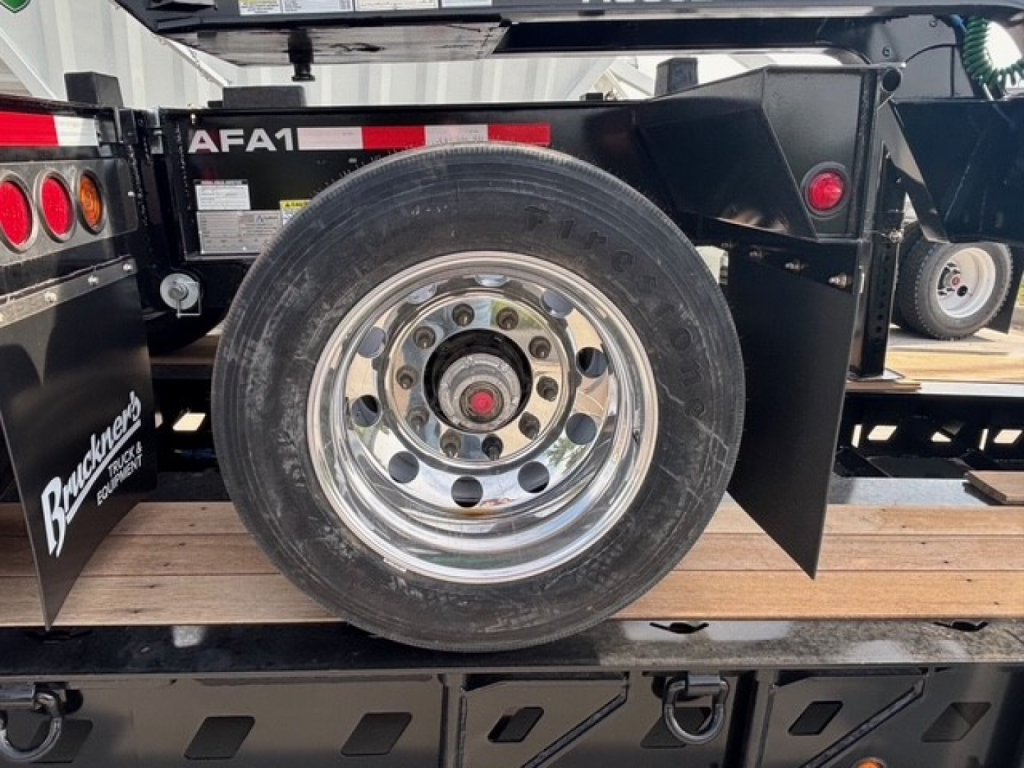
Common features include air ride suspension, hub-pilot axles, 16.5 x 7 brakes, 255/70R22.5 tires, polished aluminum outer wheels with steel inner wheels, LED lighting, sealed 12-volt harnesses, and rear visibility equipment such as strobe lights and three-light stainless tail light packages. Many also include limit chains, D-rings, flag holders, and stake pockets for wide load signs. These are practical heavy haul details that support permitting, hookup efficiency, and day-to-day durability.
How do I know if a new flip or jeep will match my trailer?
Compatibility starts with the trailer manufacturer’s design and the exact connection points, pin settings, ride height, and air and electrical systems on the trailer. Buyers should verify axle grouping requirements, load rating, deck height effects, brake timing, and how the attachment changes overall length and weight distribution. It is also smart to confirm the intended tonnage range of the trailer system, since a flip or jeep must be matched to the base trailer’s engineering and the loads it is expected to carry. In this category, many setups are built for 35 to 45 ton trailer applications, but the correct match always depends on the complete combination.