
New Alpha Flips/Converter Dollies/Jeeps Trailers For Sale in Kansas
New Alpha flip axles, converter dollies, and jeeps for heavy haul setups. Compare axle spacing, suspension, brakes, and load matching.

Selling a new alpha flips/converter dollies/jeeps trailer? List your new alpha flips/converter dollies/jeeps trailer for sale and reach thousands of commercial buyers.
New Alpha Flips/Converter Dollies/Jeeps Trailers in Kansas
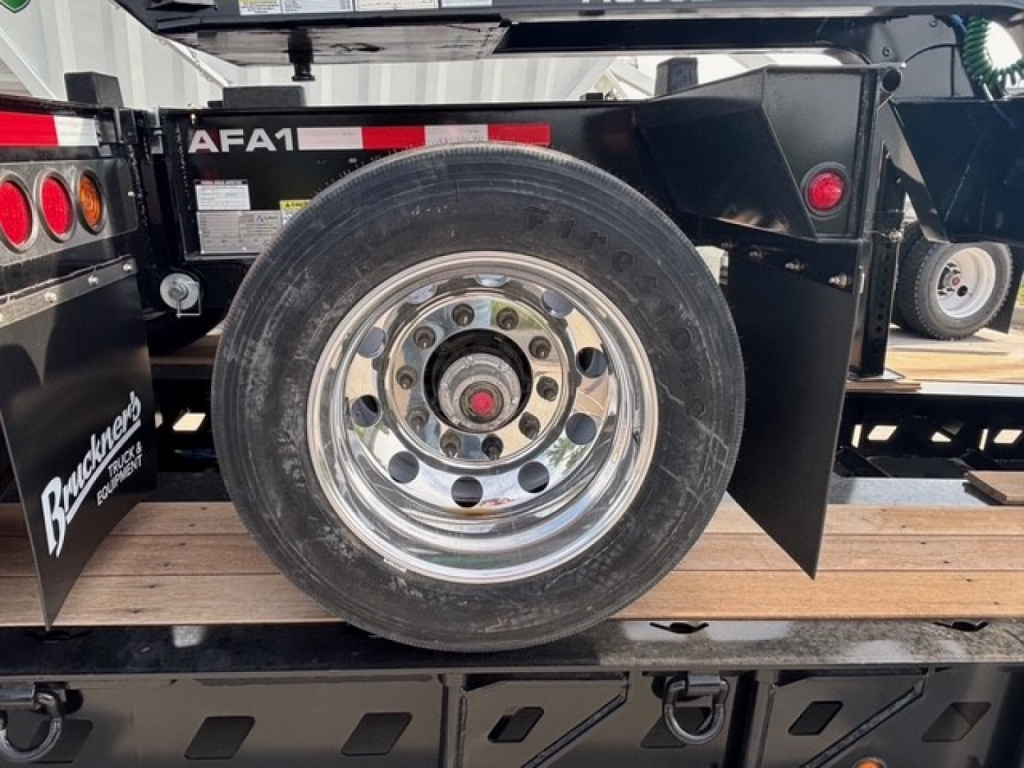
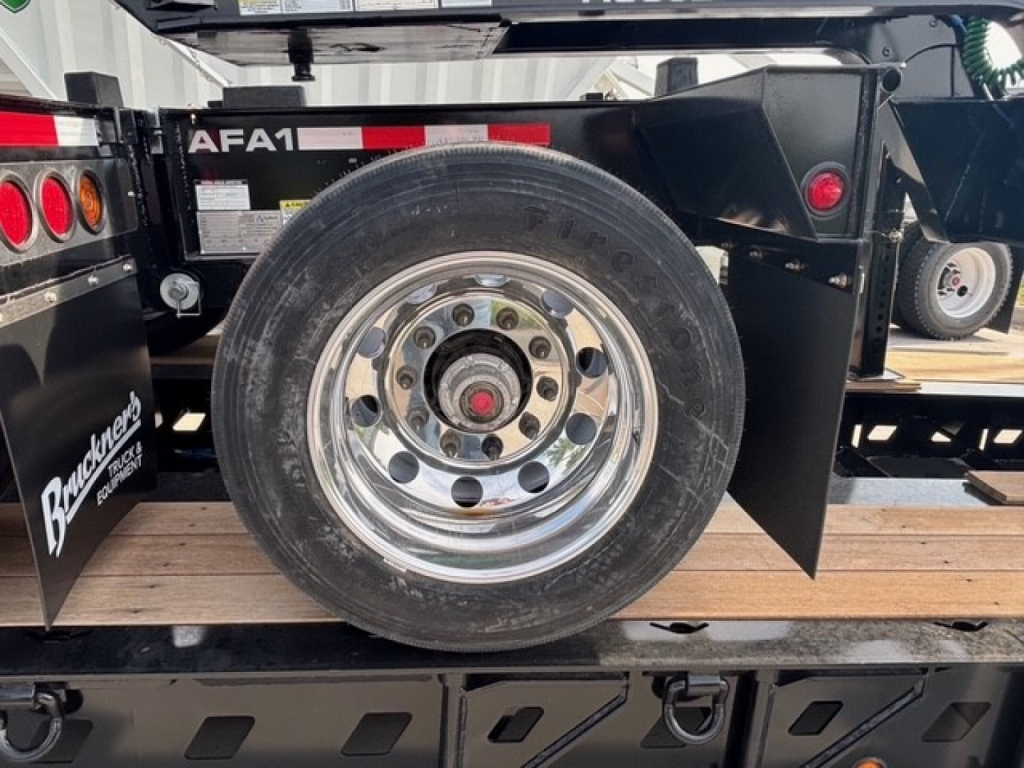
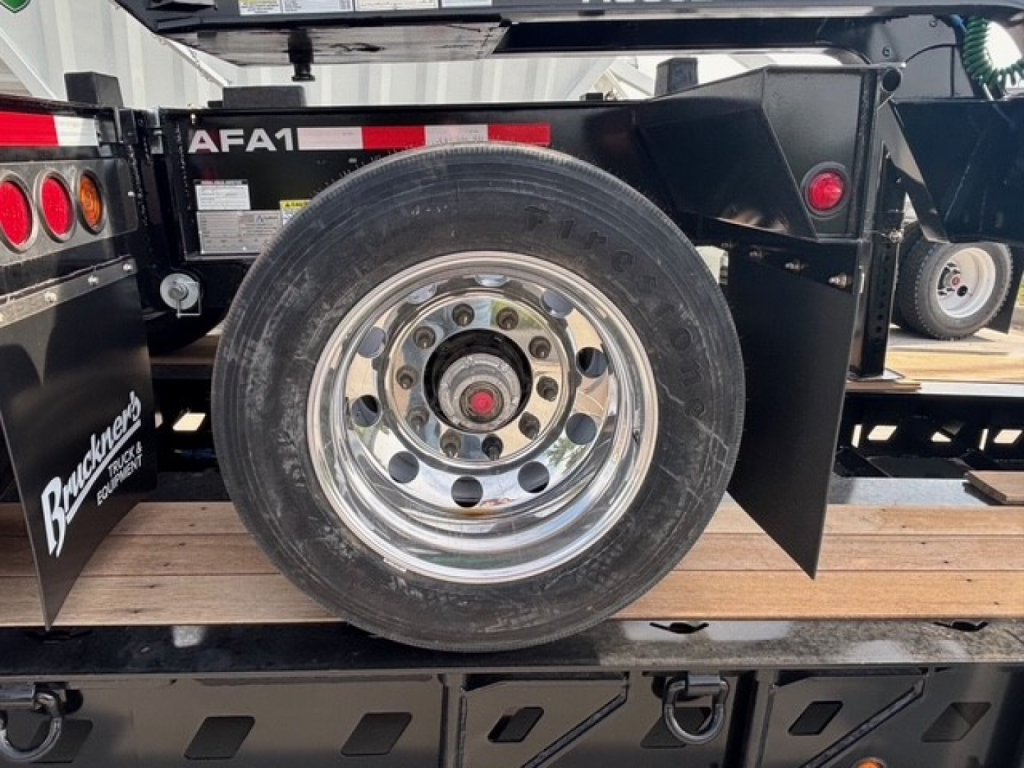
For flip axles, pay close attention to axle spacing and tonnage range. Common specs in this segment include 102-inch overall width, roughly 54 to 54.5-inch axle spacing, 25,000-pound axle and suspension ratings, air ride suspension, and 16.5-inch by 7-inch brakes. Tire packages such as 255/70R22.5 are common, often with steel inner wheels and polished aluminum outers. Many units also include heavy haul details that matter in day-to-day operation, such as limit chains, leveling valves with on-off control, D-rings, flag holders, stake pockets for wide load signs, sealed harnesses, and LED lighting. If the axle will be added and removed frequently, look closely at connection hardware, shims, brackets, and how cleanly the unit integrates with the trailer’s ride height and brake system.
Converter dollies and jeeps serve a different role but the same buying logic applies. A converter dolly is used to support and tow a trailer by converting it to a full trailer configuration, while a jeep is typically inserted between the tractor and a lowboy or other heavy haul trailer to shift kingpin load and create legal bridge distance. On a jeep, kingpin setting, drawbar length, steerability, and axle group layout directly affect permit flexibility and turning characteristics. On a converter dolly, focus on tongue design, pintle or drawbar setup, brake controls, suspension, and how the unit tracks under load. In Kansas and surrounding heavy haul lanes, buyers often evaluate these components based on state bridge formulas, oilfield and construction applications, and the need to reconfigure quickly for different loads.
New Alpha units appeal to buyers who want current-spec components with fresh brakes, suspension, wiring, and tires rather than rebuilding older heavy haul gear. Build quality details such as sealed electrical systems, durable paint, hub-pilot axles, air ride setups, and full-width apitong decking on platform-style flip configurations can reduce setup time and improve service life. The best choice comes down to how the component fits your trailer, your permitted weight targets, and how often your operation changes configurations between legal and over-dimensional loads.
Frequently Asked Questions about New Alpha Flips/Converter Dollies/Jeeps Trailers in Kansas
What is the difference between a flip axle, a converter dolly, and a jeep?
A flip axle is an auxiliary axle group added to the rear of a heavy haul trailer, most often a lowboy, to increase capacity and improve weight distribution. A converter dolly is a separate axle assembly with a drawbar that converts a semitrailer into a full trailer for towing. A jeep is installed between the tractor and the front of a heavy haul trailer to move kingpin load off the tractor and create more bridge distance. Each component changes how weight is carried and how the combination can be permitted.
What specs matter most when buying a new flip axle or jeep?
The most important specs are axle spacing, suspension capacity, brake size, tire size, overall width, and connection compatibility with the trailer. On jeeps, kingpin setting, drawbar dimensions, and axle group design are also critical because they affect bridge compliance and turning radius. Buyers should also check ride height, electrical plug style, air connections, and whether the unit includes practical heavy haul features like limit chains, D-rings, flag holders, and wide load sign mounts.
How do I know if a flip axle or jeep will work with my trailer?
Start with the trailer manufacturer’s attachment points, ride height, and intended axle configuration. The added axle or jeep must match the trailer structurally and mechanically, including suspension geometry, brake timing, and electrical connections. It also needs to fit the weight class of the trailer and the loads being hauled. Many heavy haul buyers confirm compatibility by comparing axle spacing, frame width, connection hardware, and permit requirements before purchase.
Why is axle spacing so important on heavy haul dollies and flips?
Axle spacing affects both legal weight distribution and permit flexibility. Wider spacing can improve bridge formula performance and help spread load across more distance, which is often critical on oversize and overweight permits. It also affects how the trailer tracks and how the suspension behaves under load. On a flip axle, even small spacing differences can matter if the unit is being matched to a specific trailer model or a regular permit setup.
Are new heavy haul dollies and flip axles worth buying over used ones?
New units are often the better choice when uptime, compliance, and precise trailer matching are priorities. A new flip axle, converter dolly, or jeep typically gives the buyer fresh bushings, brakes, suspension components, wiring, tires, and current-spec hardware. That can reduce shop time and make permit inspections easier. Used gear can still be viable, but buyers usually need to inspect for frame wear, brake condition, deck integrity, and past modifications that could affect fitment or legality.