
New 2027 Trailers For Sale in Colorado
Shop new 2027 trailers for sale in Colorado, including reefer, dump, hopper, and flatbed trailers built for regional and over-the-road work.
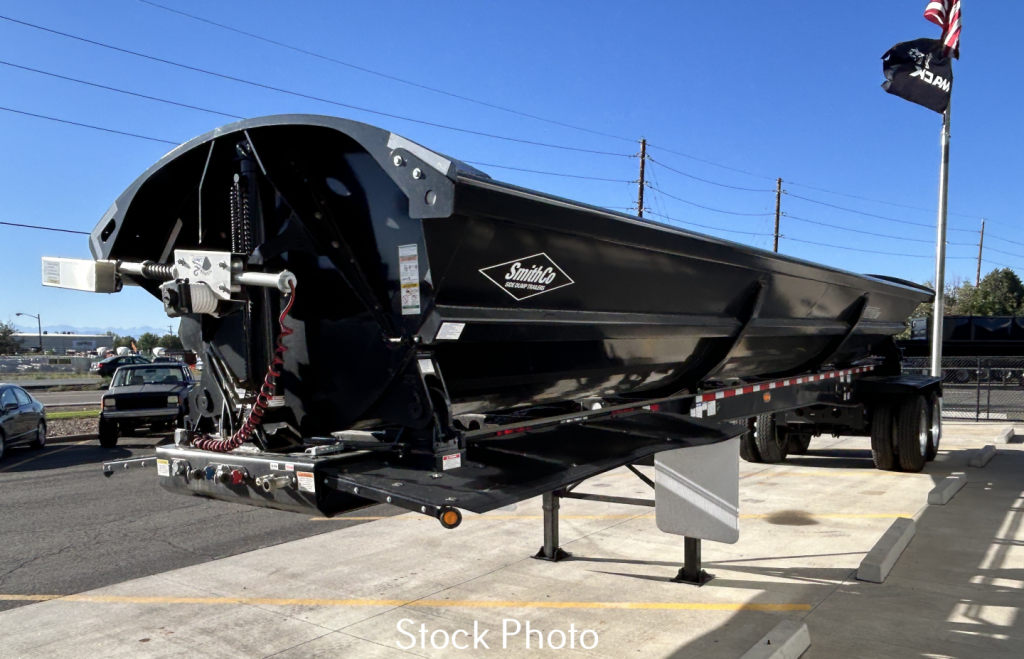
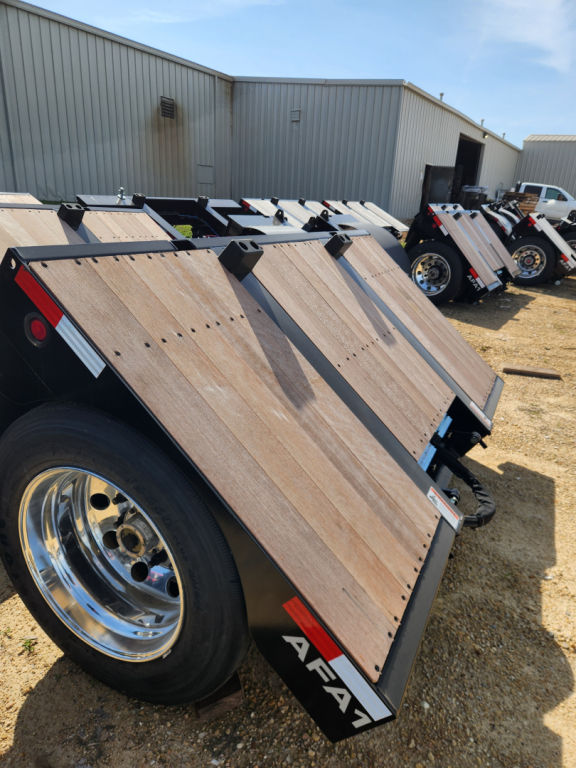
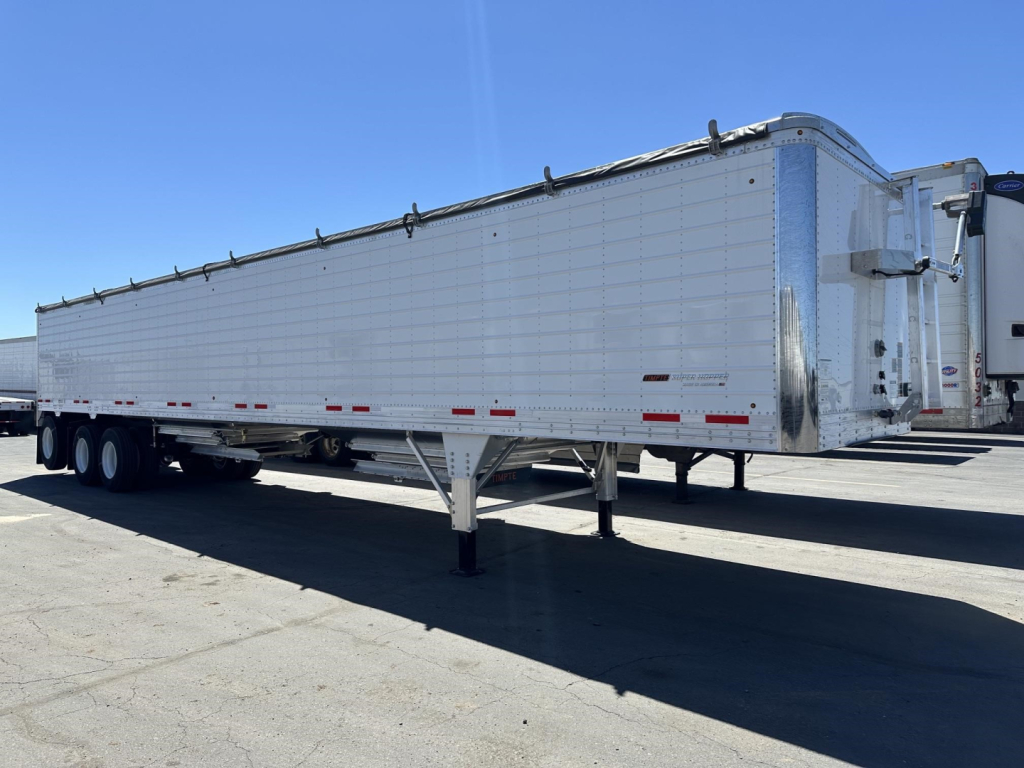
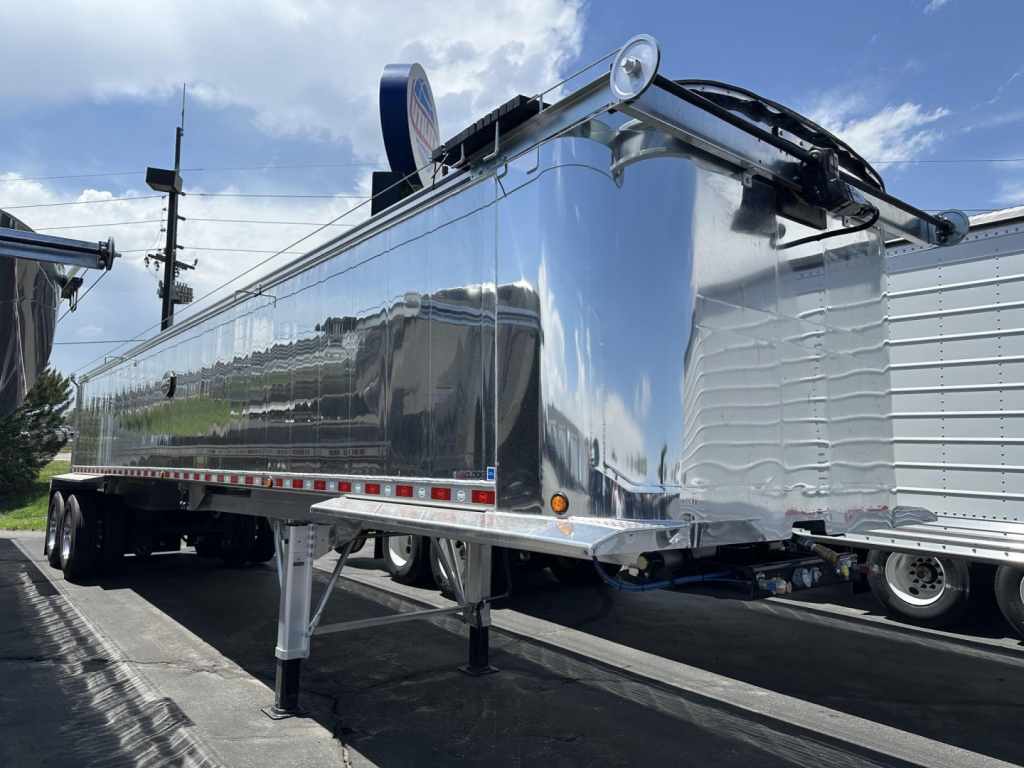
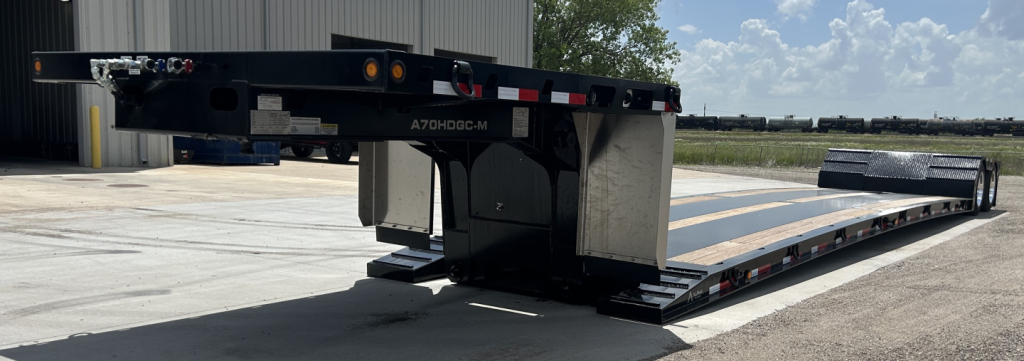
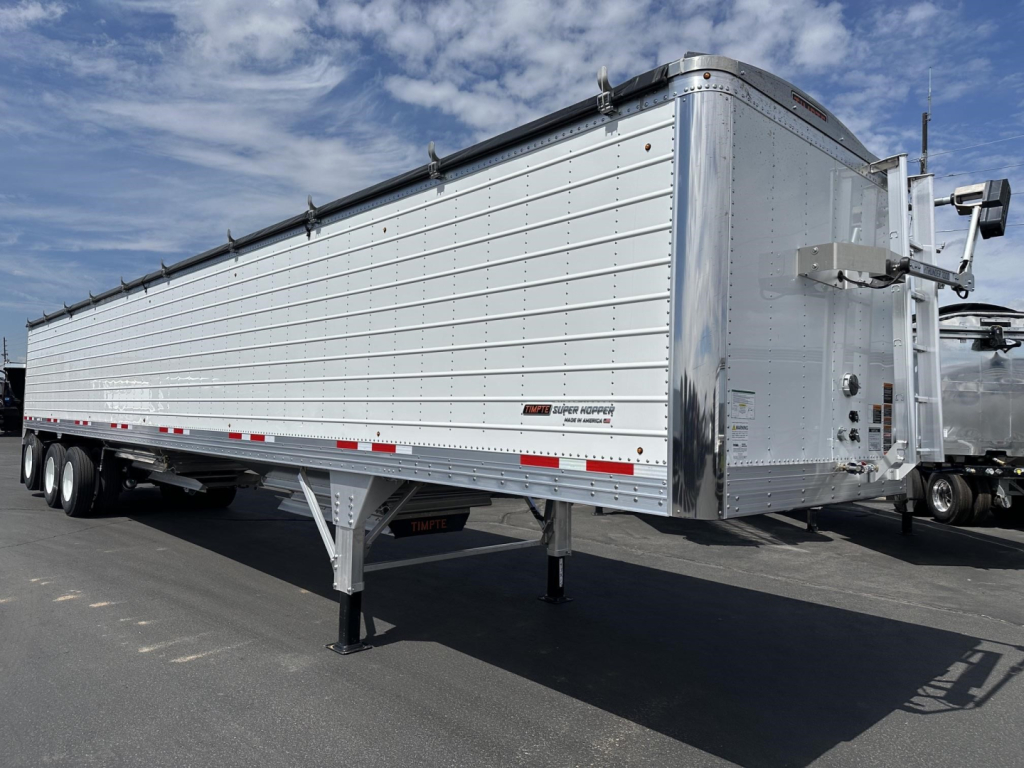
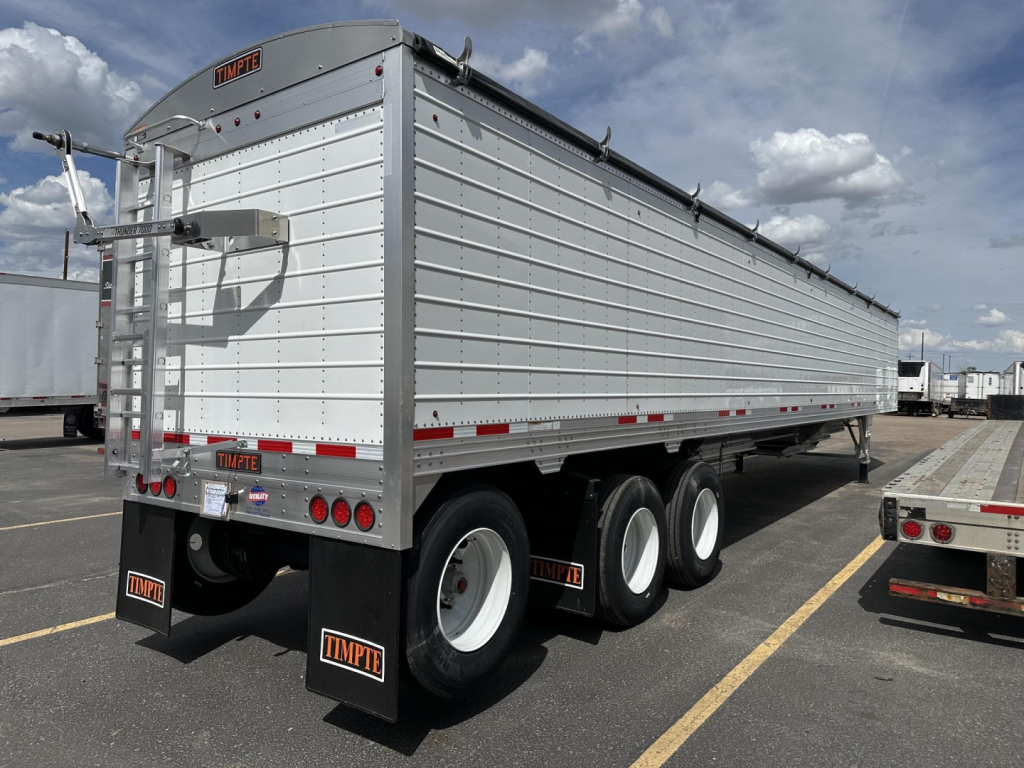
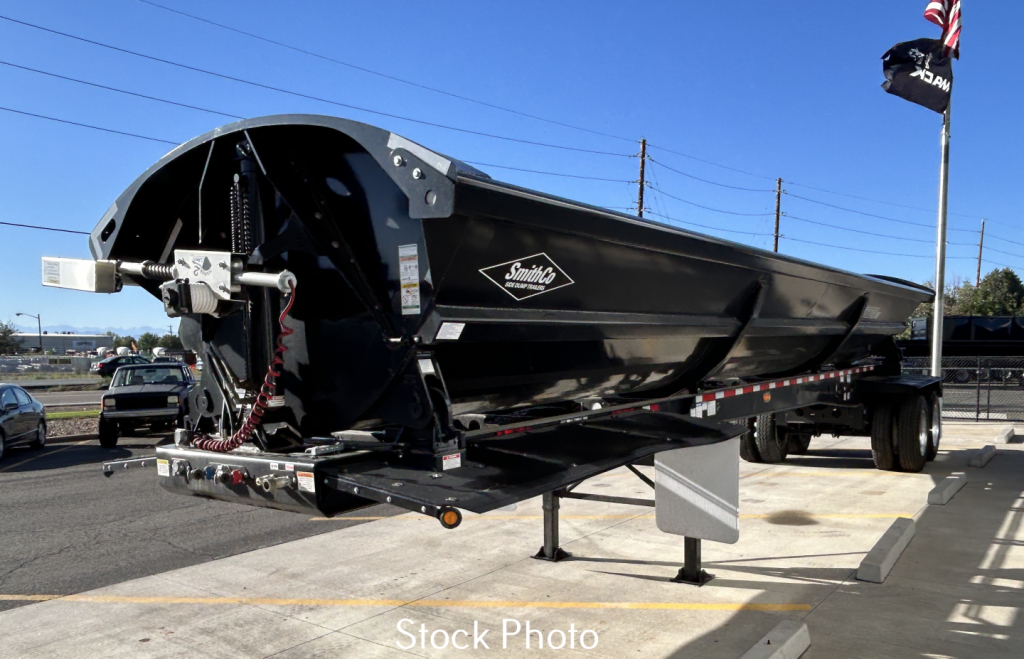
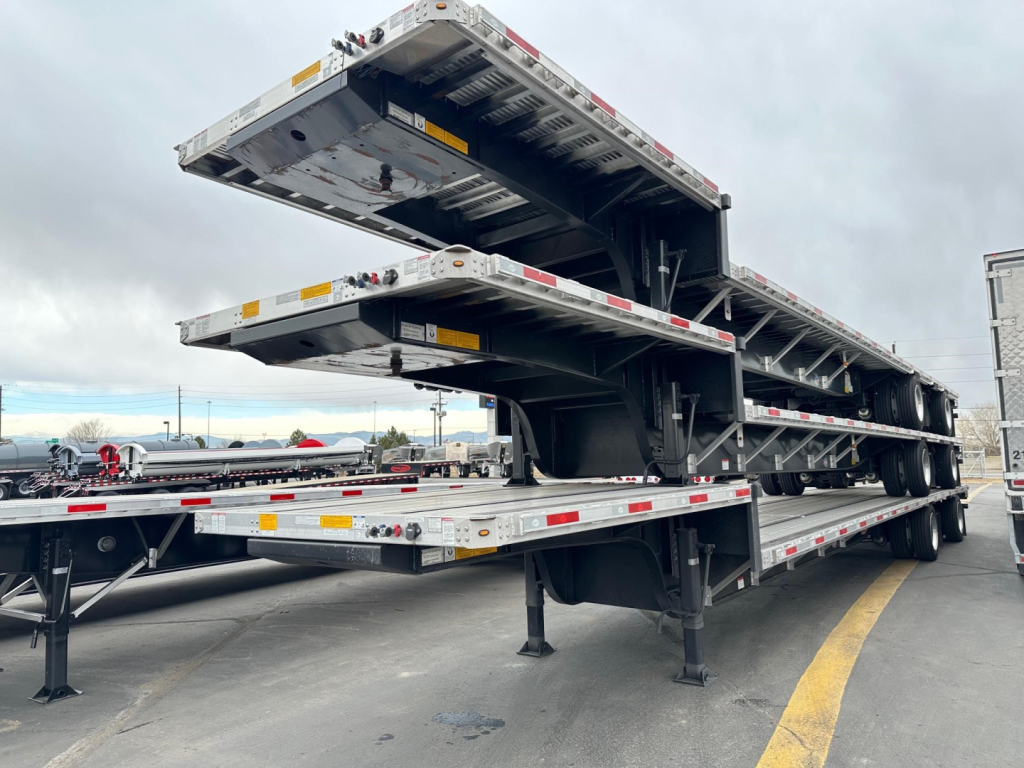
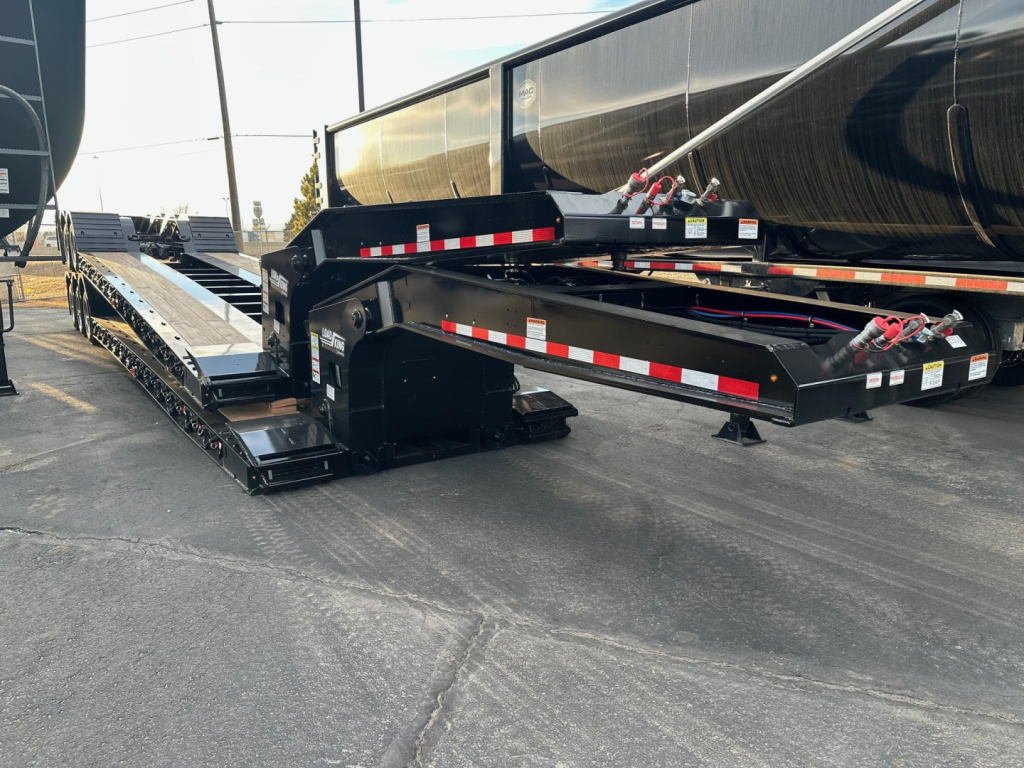
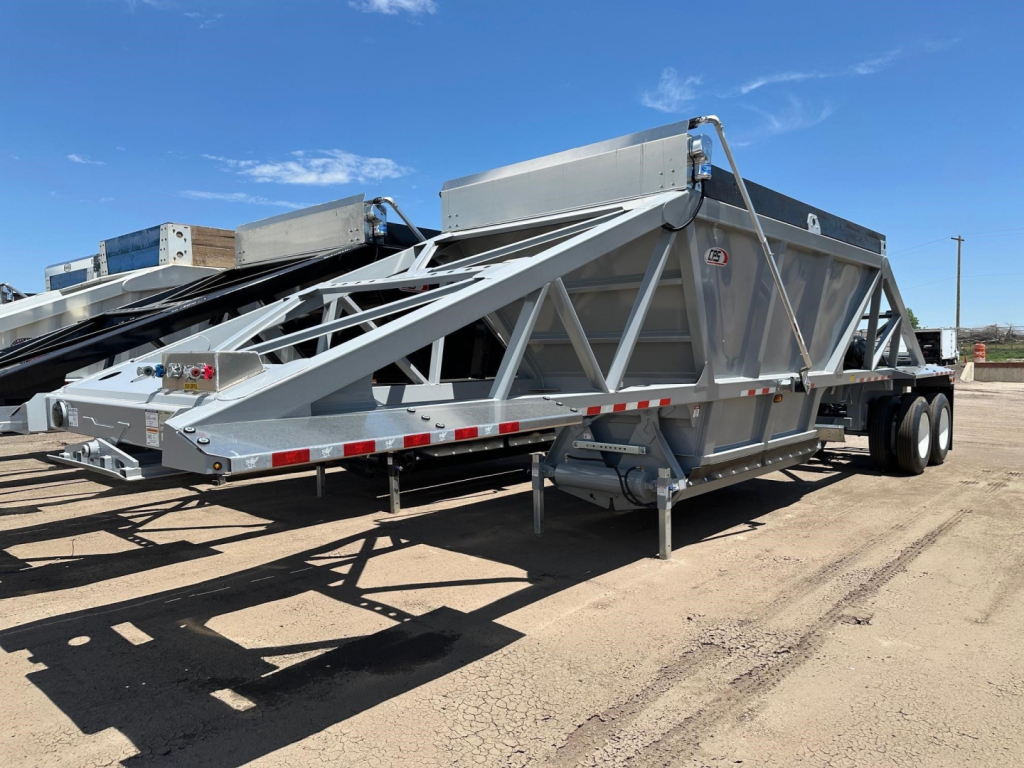
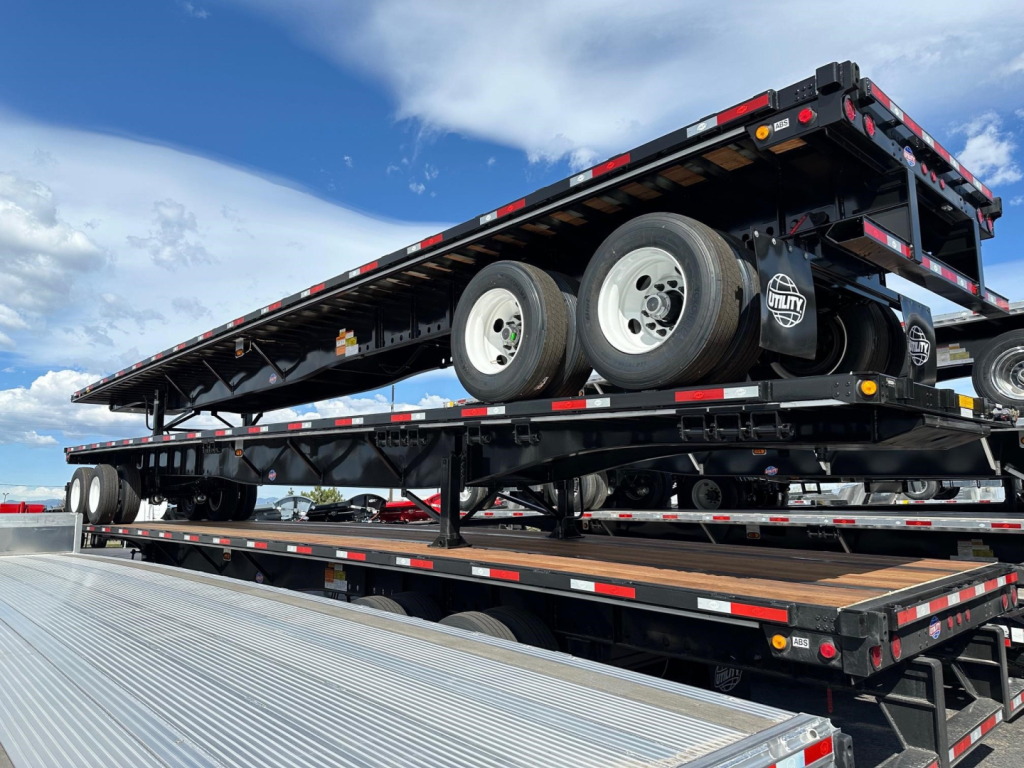
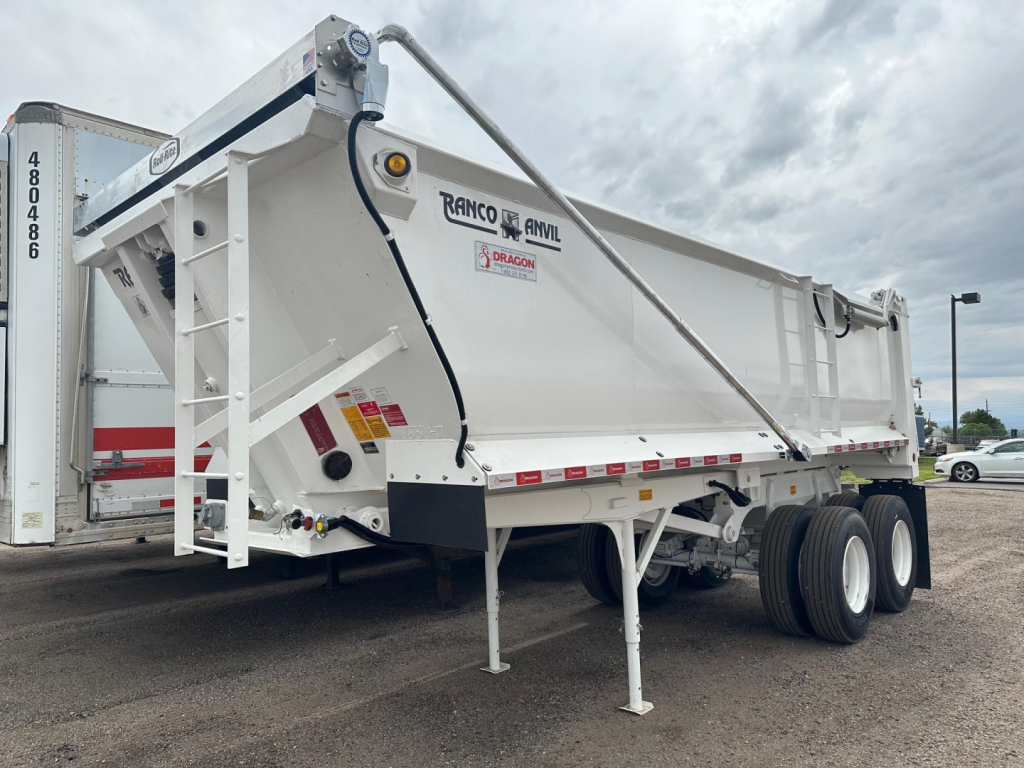
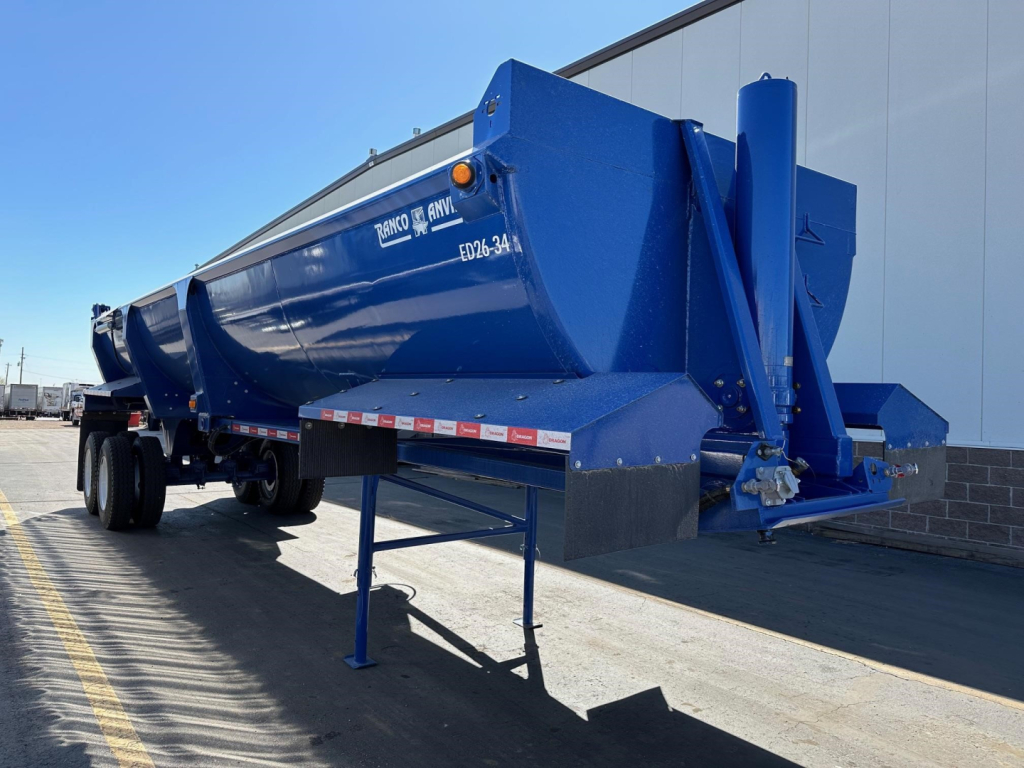
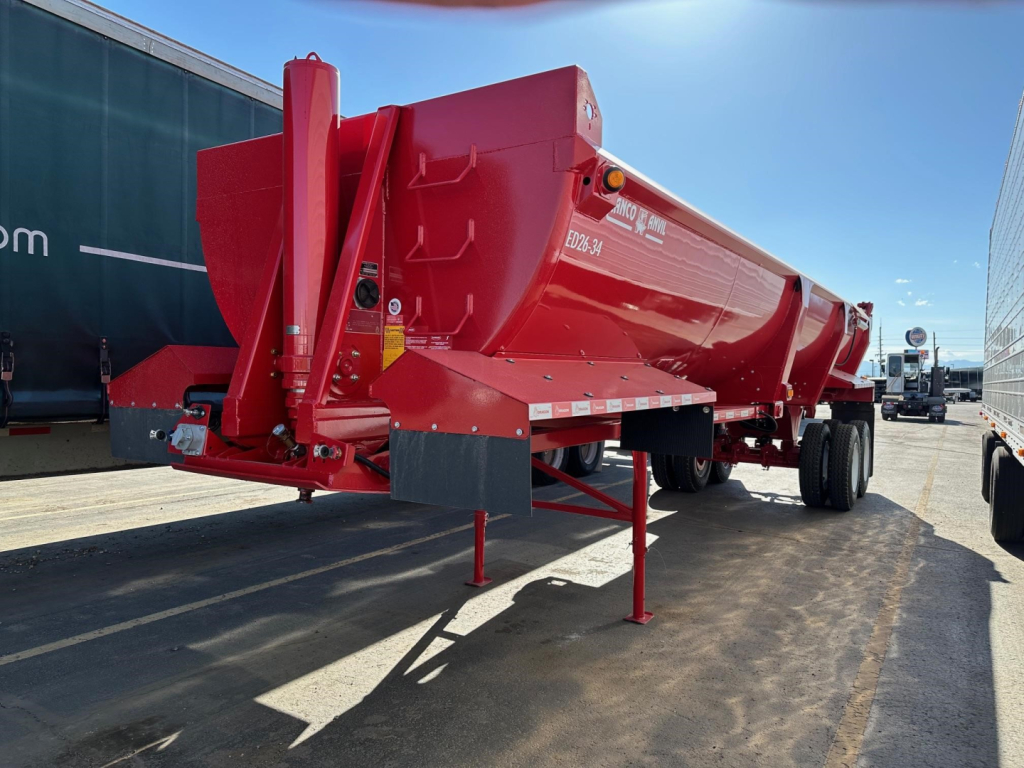
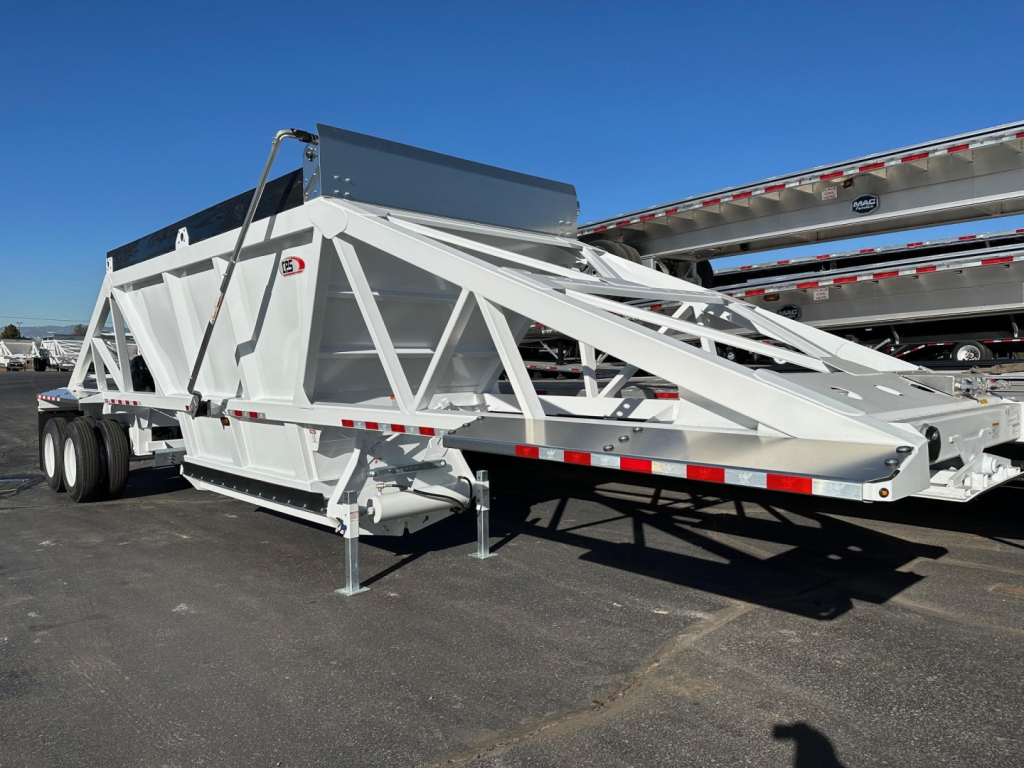
Showing 1 to 28 of 43 results
Selling a new 2027 trailer? List your new 2027 trailer for sale and reach thousands of commercial buyers.
New 2027 Trailers in Colorado
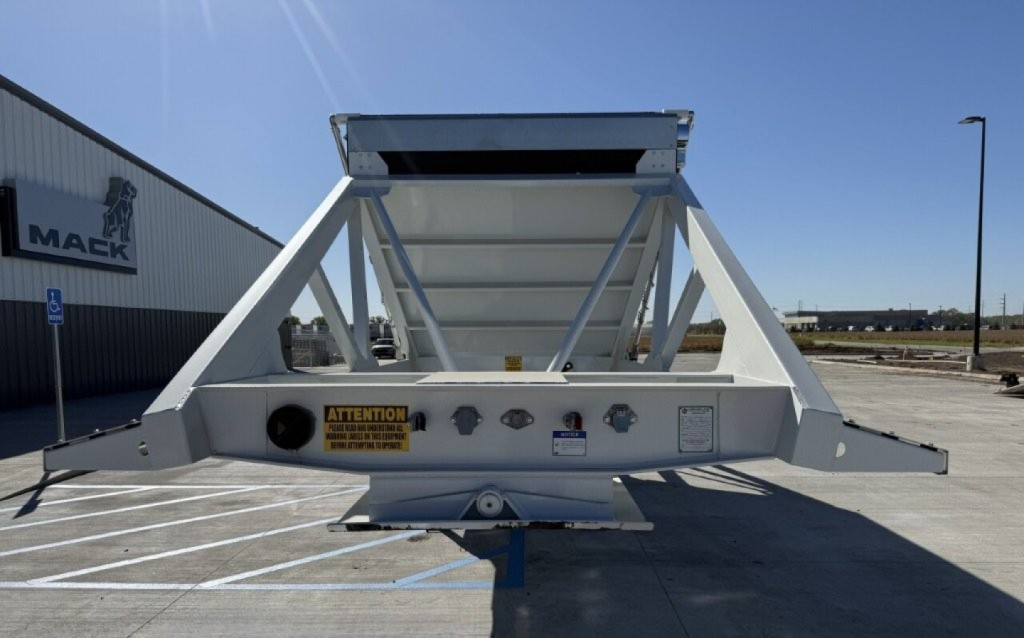
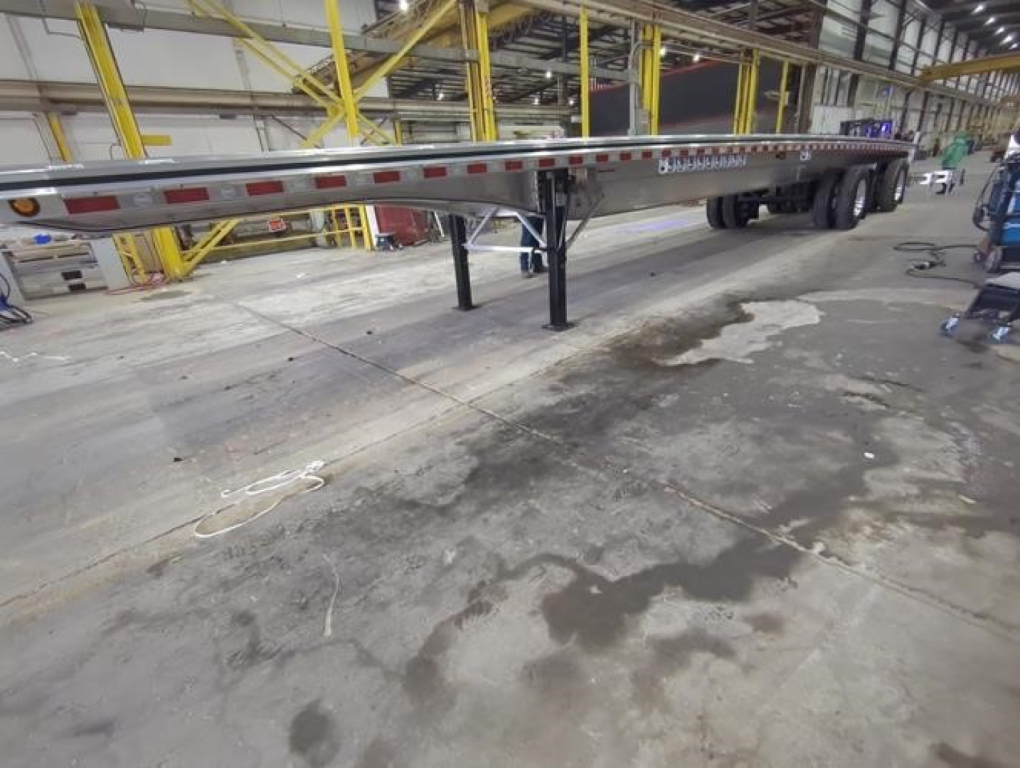
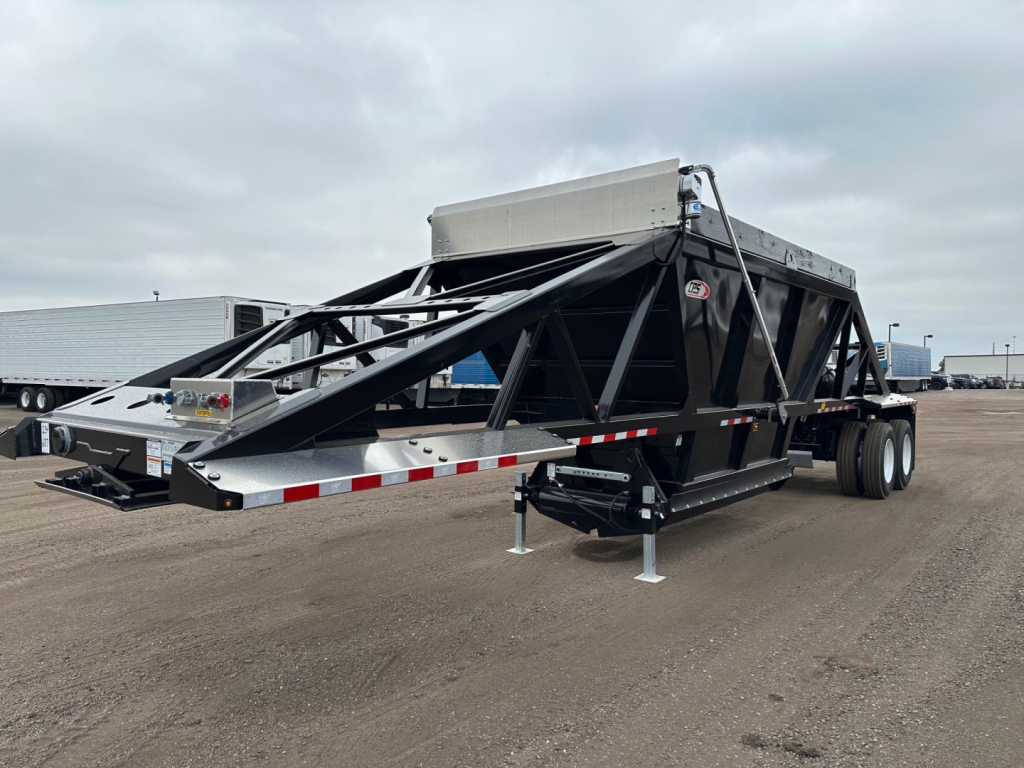
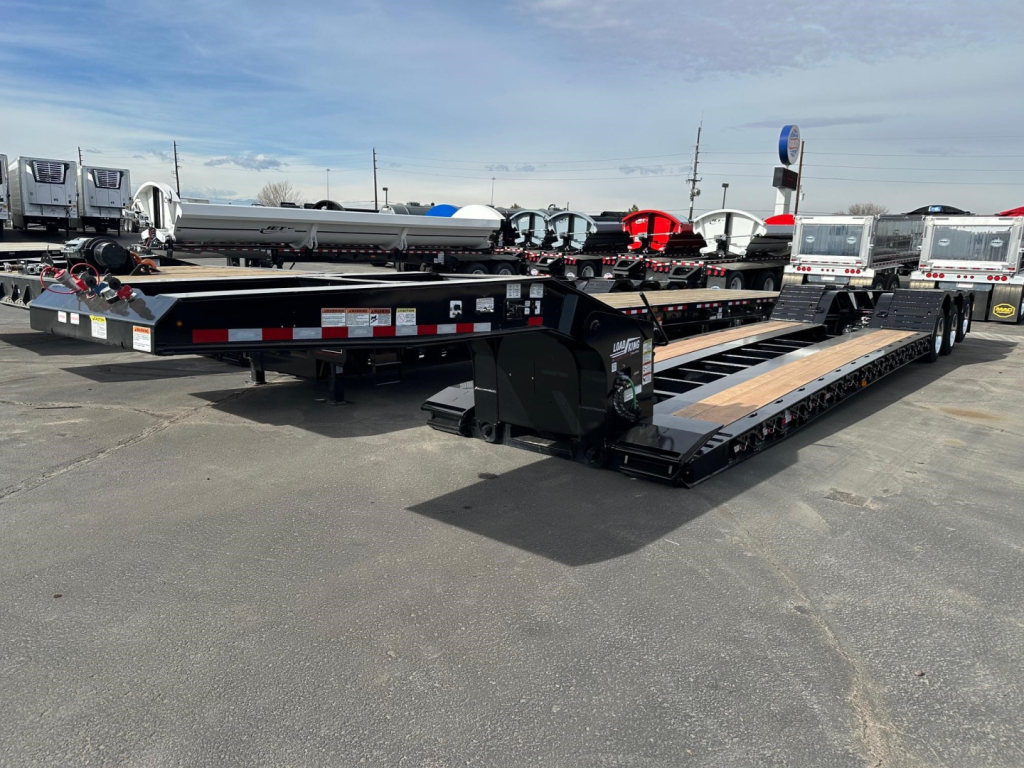
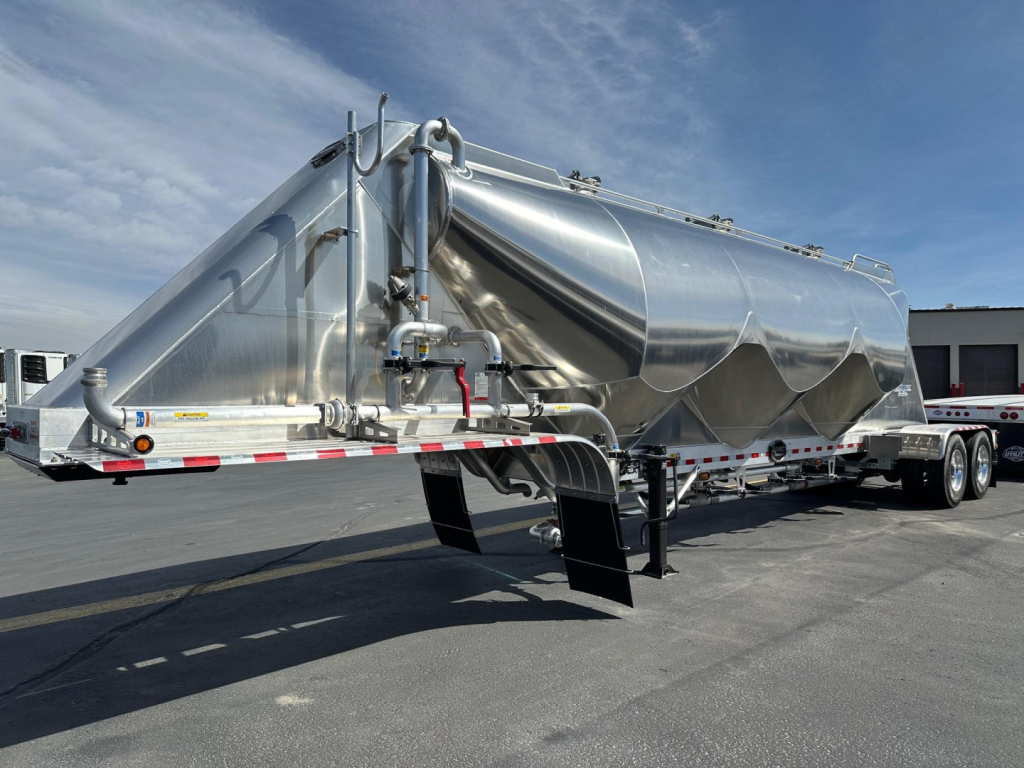
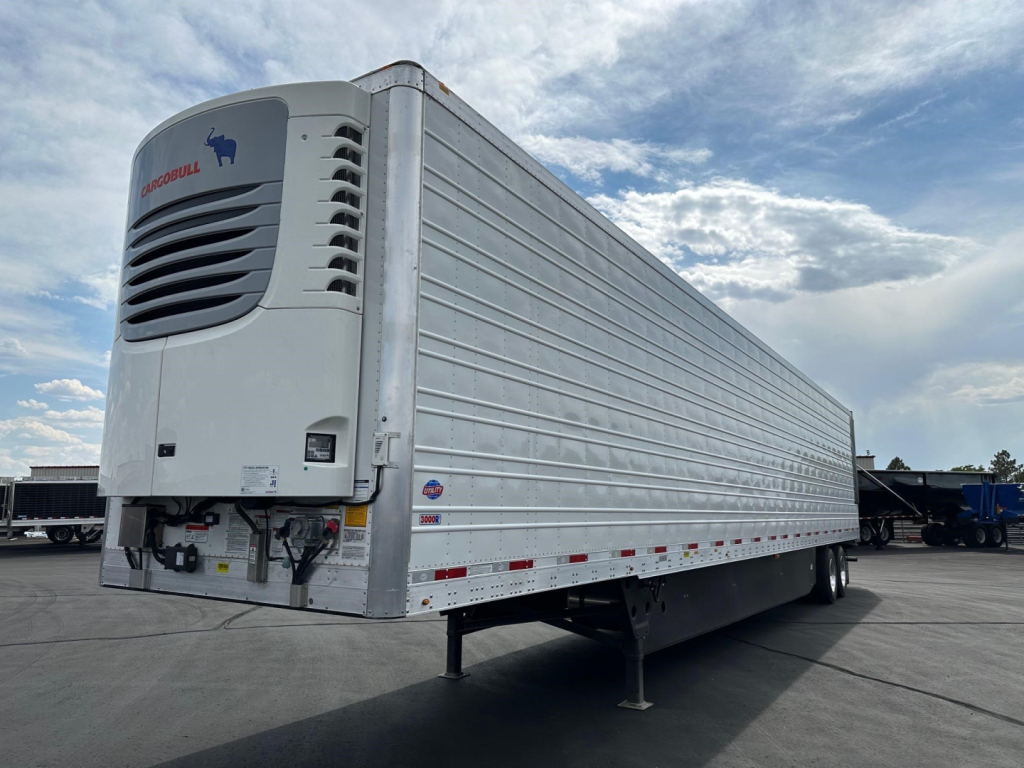
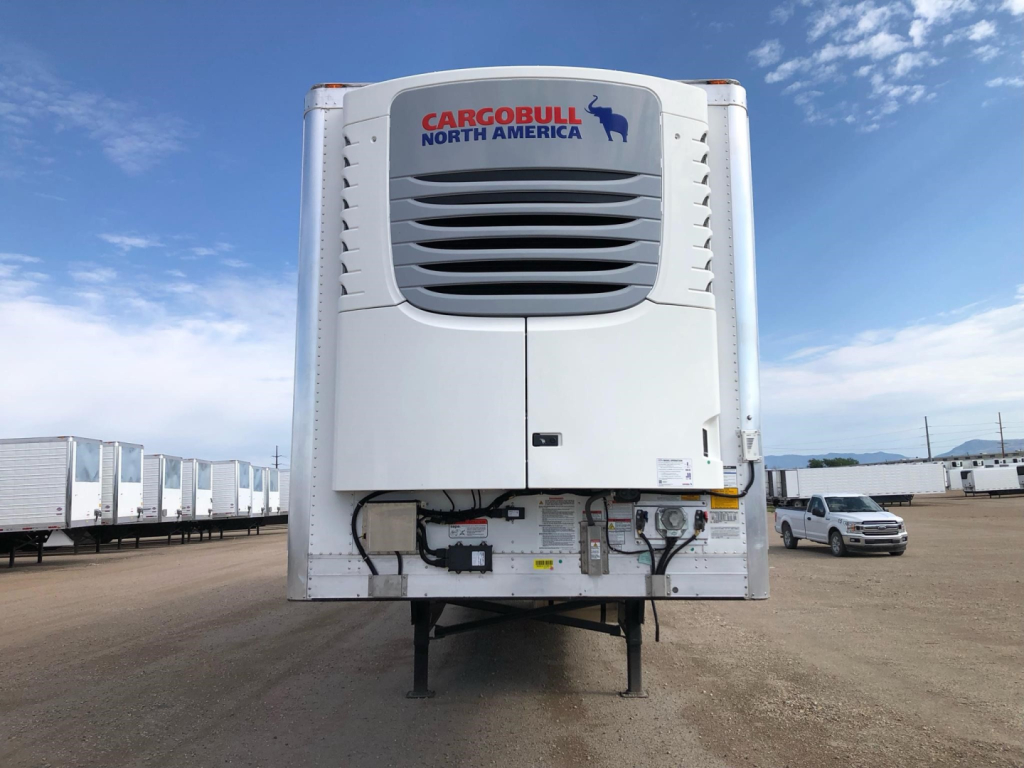
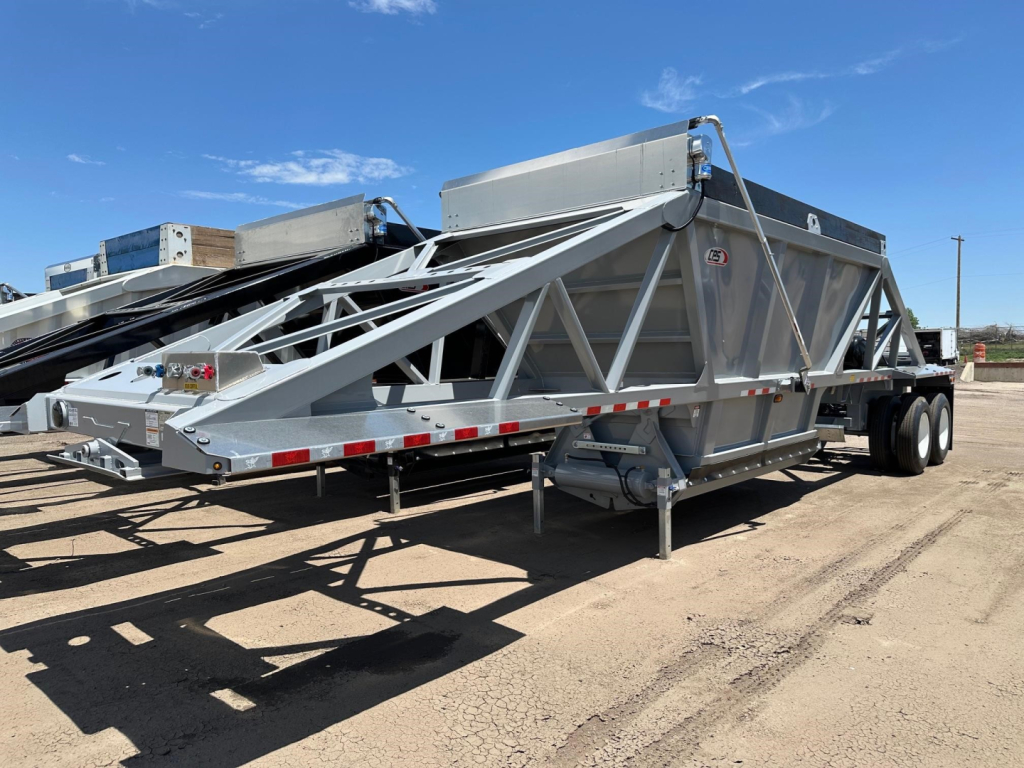
Spec decisions matter more on a new trailer because they directly affect resale, maintenance cost, and daily usability. On reefer units, buyers usually compare lining type, floor wear protection, tire size, wheel material, slider configuration, and dock equipment. On flatbeds, it is important to look closely at beam construction, concentrated load ratings, rub rail design, and whether the trailer has sliding winches, pipe spools, chain storage, or toolboxes. Hopper trailers often center on side height, trap style, tarp system, catwalk access, and suspension setup. Dump trailers, including end dumps and bottom dumps, should be evaluated for tub design, steel grade, gate control, tarp operation, and whether the trailer is optimized for lightweight bulk material or abrasive, high-impact loads.
Colorado buyers also need to think about route profile and climate. Mountain grades, jobsite access, freeze-thaw cycles, and long interstate runs all put different demands on brakes, suspension, tires, and trailer weight distribution. Air ride remains common for freight protection and ride quality, while slider tandems can add flexibility for bridge law compliance and load positioning. Corrosion resistance is another practical concern, so galvanized components, stainless front corners, aluminum wheels, and quality LED lighting can make a difference over years of service. For agricultural and bulk applications, load scales, manual or electric tarp systems, and ladder and catwalk arrangements affect both compliance and turnaround time.
A new 2027 trailer also gives buyers the advantage of current safety and efficiency features. Common specifications across this market include LED lighting, anti-dock walk devices on some van and reefer configurations, low-profile tires, aerodynamic accessories, and improved mudflap and fender hardware. The best trailer is the one matched to the commodity, loading method, and lane mix, not just the one with the lowest tare weight or highest cubic volume. Buyers comparing new trailers should focus on structural design, suspension and axle layout, body or deck materials, and the practical details that affect loading, unloading, and uptime every week.
Frequently Asked Questions about New 2027 Trailers in Colorado
What types of new 2027 trailers are commonly available in Colorado?
Common trailer categories include reefer trailers for refrigerated freight, flatbed trailers for construction and general open-deck hauling, hopper trailers for grain and other bulk commodities, and dump trailers for aggregate, scrap, asphalt, and demolition material. Each category is built around a different combination of body design, suspension, axle spread, payload capacity, and loading or unloading method. Colorado demand often reflects a mix of agricultural hauling, energy and construction work, and long-haul freight moving through major interstate corridors.
How do I choose between a flatbed, hopper, dump, or reefer trailer?
The decision comes down to commodity, loading equipment, unloading requirements, and operating lanes. A reefer is designed for temperature-sensitive freight and sealed cargo protection. A flatbed is best when freight must be loaded from the side, top, or rear and secured with chains, straps, and tarps. A hopper trailer is intended for free-flowing bulk products such as grain or feed, while dump trailers are better suited to loose material like rock, sand, scrap, or millings. Buyers should compare not only capacity, but also tare weight, body material, gate design, and how the trailer fits the loading and unloading process.
What specs matter most when buying a new trailer in Colorado?
Suspension type, axle configuration, tire and wheel setup, body or deck material, and tare weight are core specifications. Colorado operations also put extra value on brake performance, corrosion-resistant components, reliable lighting, and equipment that handles steep grades and mixed weather. For reefers, insulation, lining, and floor protection matter. For flatbeds, deck construction and securement features are critical. For hoppers and dumps, cubic capacity, steel or aluminum construction, and tarp and gate systems often have the biggest impact on productivity and maintenance cost.
Is air ride worth it on a new trailer?
Air ride is a strong choice for many applications because it improves ride quality, helps protect cargo, and can reduce shock transfer into the trailer structure. It is especially common on reefer, flatbed, and hopper trailers, and it is also widely used on dump configurations depending on the application. The added benefit is often better freight protection and improved driver acceptance, but buyers should still weigh maintenance cost, service access, and the trailer's typical operating environment. For certain severe-duty jobs, the right suspension choice depends on load type and terrain rather than ride quality alone.
What should I look for in a new dump or bulk trailer spec?
Start with the material being hauled and the way it unloads. Abrasive commodities may require higher-grade steel and reinforced wear areas, while lighter bulk products may favor lower tare weight and higher volume. On end dumps and bottom dumps, buyers should look at tub shape, gate style, tarp system, hoist or discharge controls, and frame or frameless design. Details such as push blocks, bang boards, fenders, lighting, and ladder placement also affect daily use. A well-matched bulk trailer spec balances payload, durability, stability, and unloading speed.