
New 2027 Utility Trailers For Sale in Colorado
Shop new 2027 Utility trailers for sale, including reefer, dry van, flatbed, and drop deck models with fleet-ready specs and aero options.
Selling a new 2027 utility trailer? List your new 2027 utility trailer for sale and reach thousands of commercial buyers.
New 2027 Utility Trailers in Colorado
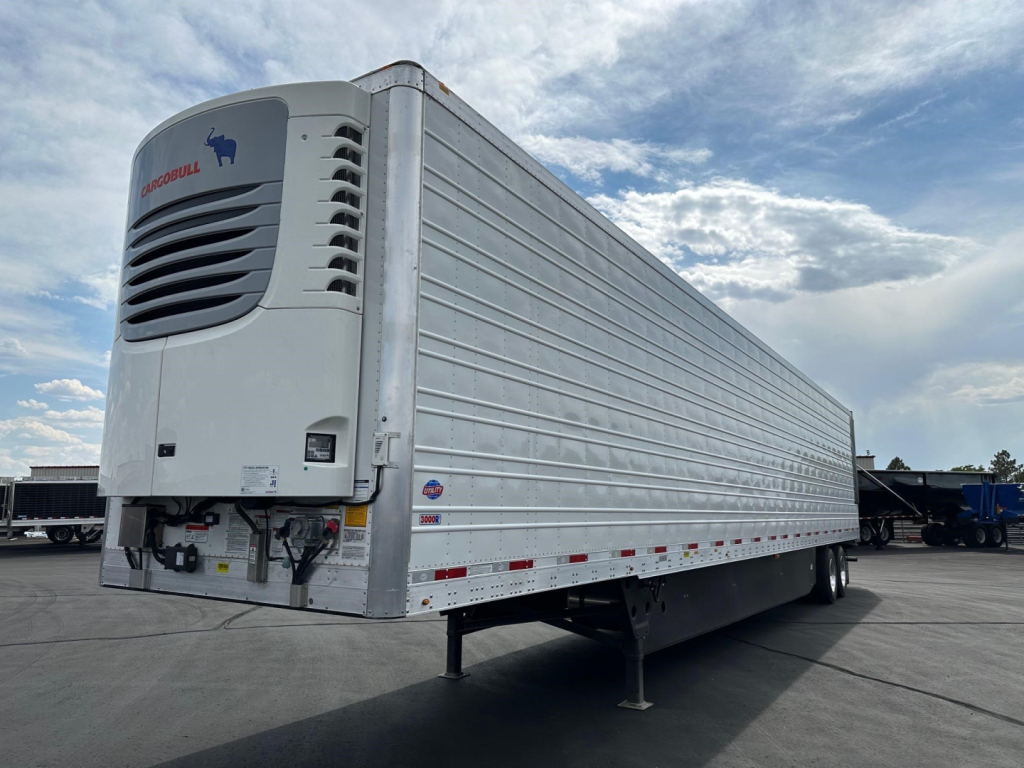
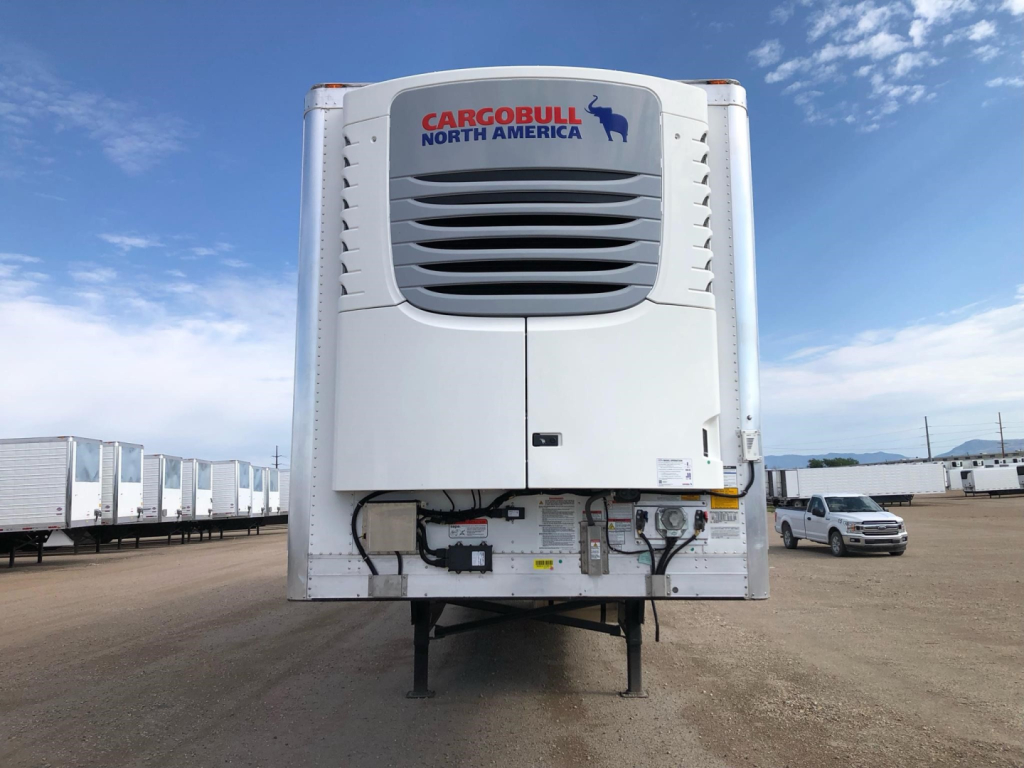
For refrigerated service, Utility reefer trailers such as the 3000R series are commonly spec'd for grocery, frozen food, dairy, produce, and pharmaceutical lanes where temperature control and trailer uptime matter. Key details include the refrigeration unit type, single-temp or multi-temp configuration, ducted airflow, floor design, door sealing, and options like shore power for electric operation at the dock. Buyers operating in California or on emissions-sensitive regional routes often look closely at CARB-related compliance, low-emission TRU packages, and fuel-saving aerodynamic equipment. Disc brakes, anti-dock-walk systems, aluminum wheels, and low-profile tires are also common on newer reefer builds aimed at reducing maintenance and improving stopping performance.
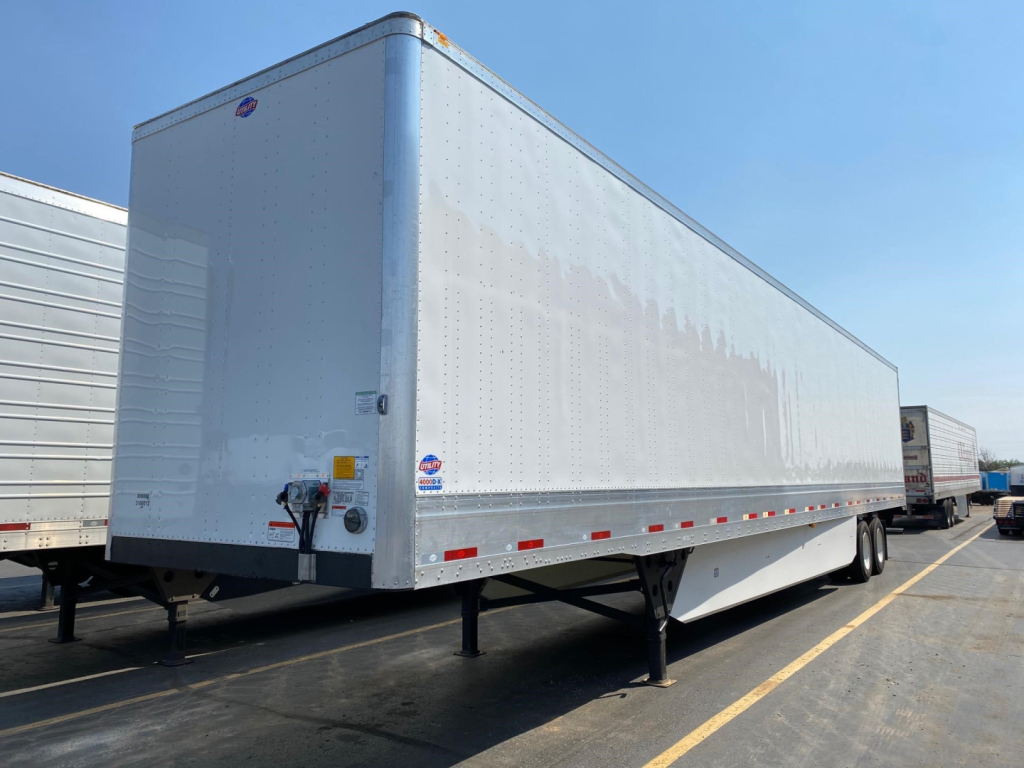
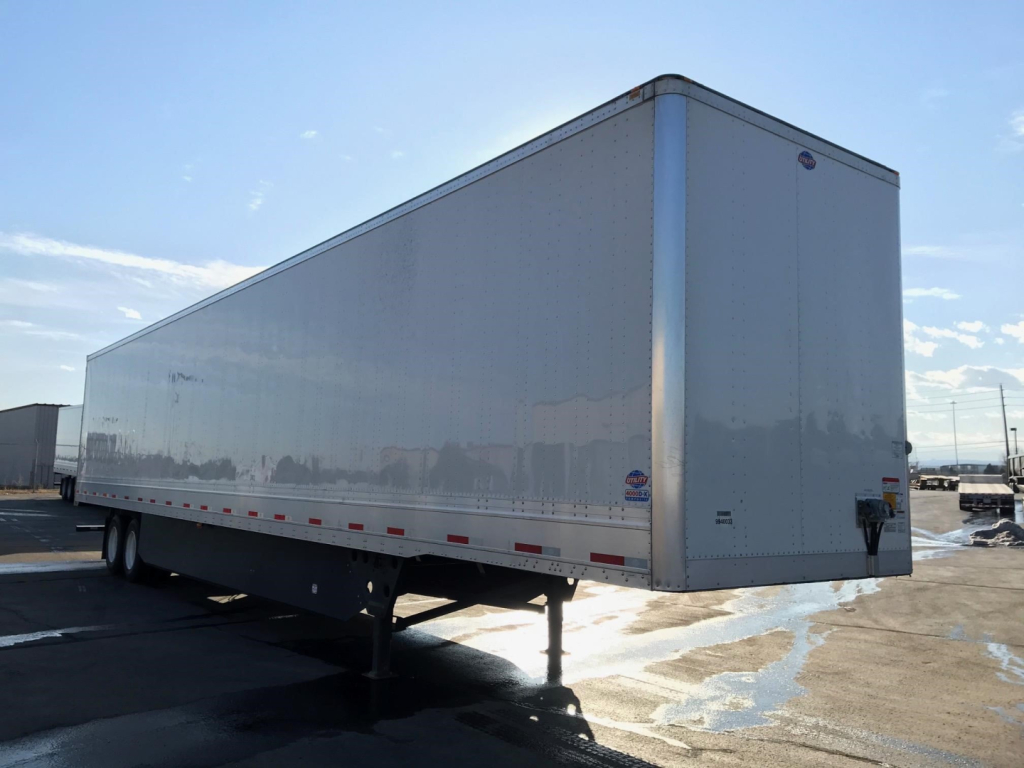
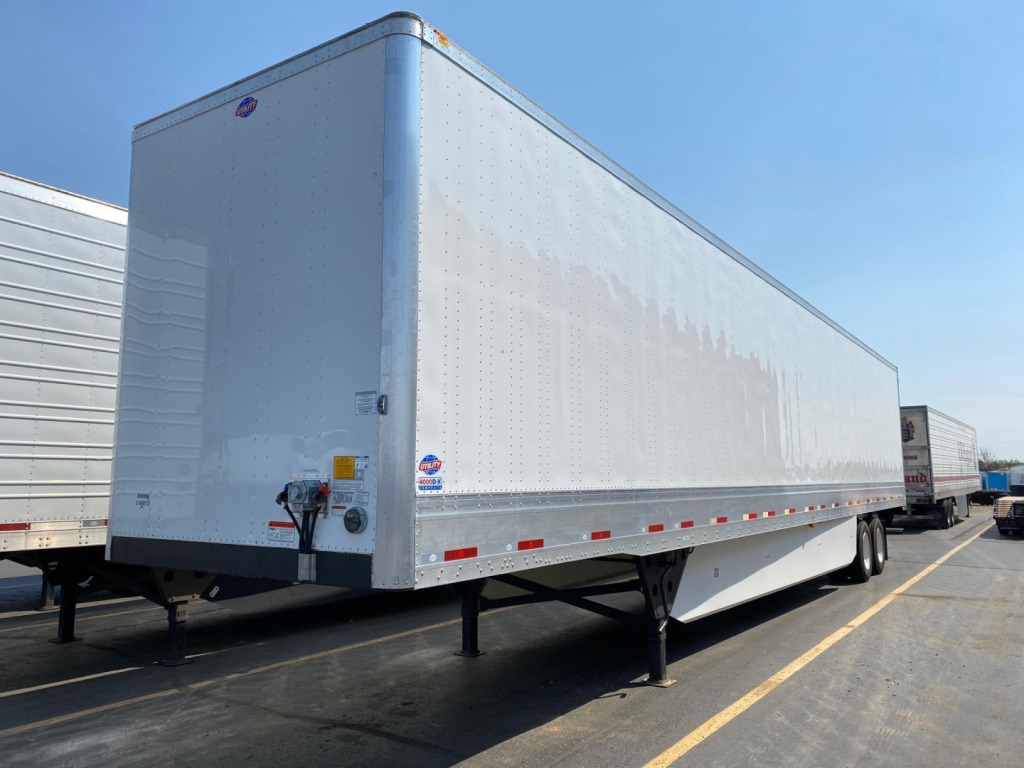
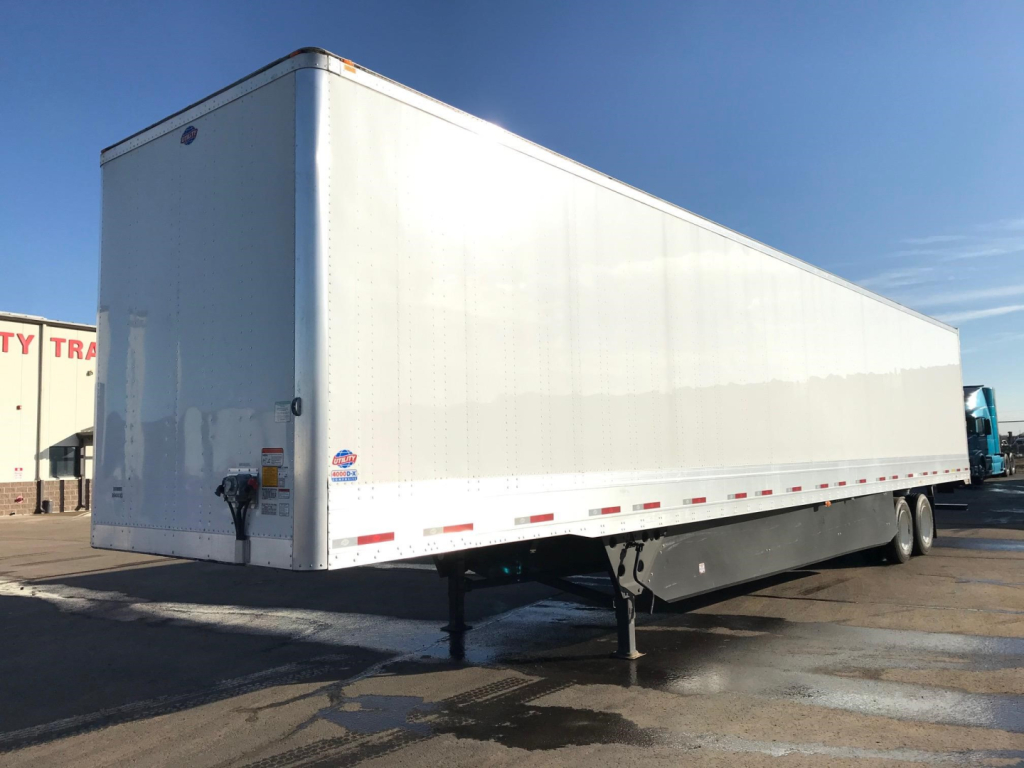
For dry freight, Utility dry vans such as the 4000D-X and similar models are widely used in retail distribution, palletized freight, and dedicated contract carriage. The important spec decisions usually come down to wall construction, logistic post spacing, floor fastening pattern, threshold and rear frame durability, and interior wear protection. Composite wall panels, aluminum roofs, heavy-duty threshold plates, scuff protection, and closely spaced logistics posts are practical features for fleets handling mixed freight and repeated dock loading. Aerodynamic packages like side skirts and rear fairings can help on long interstate runs, while anti-dock-walk and tire inflation systems can add measurable operational value over the life of the trailer.
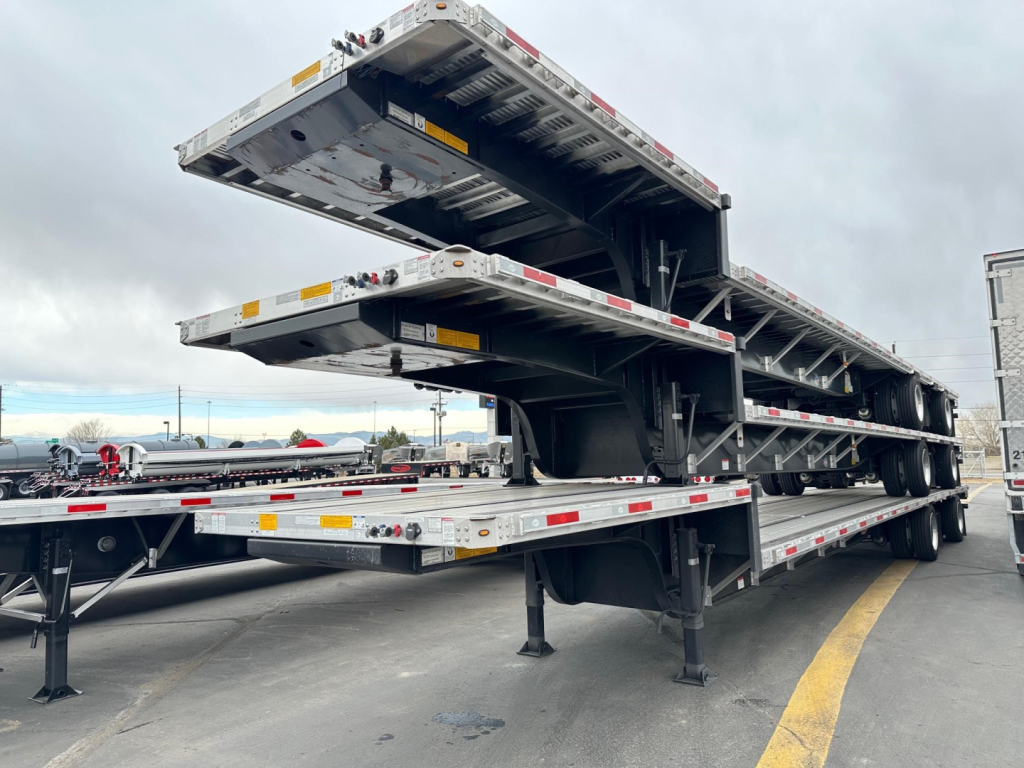
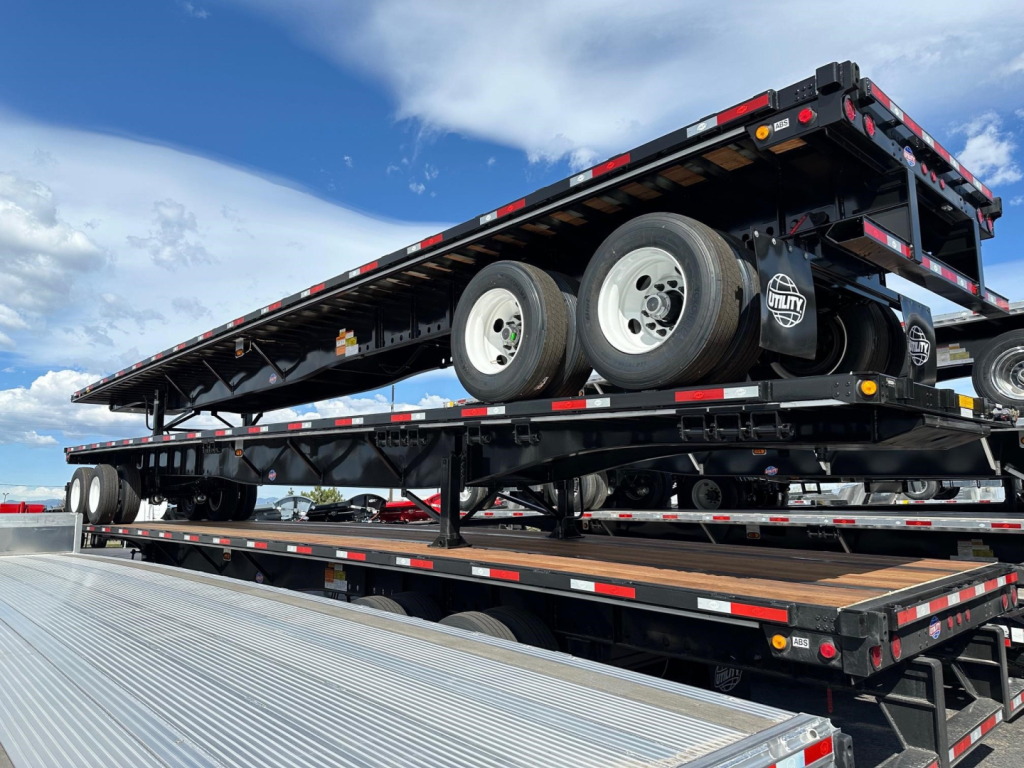
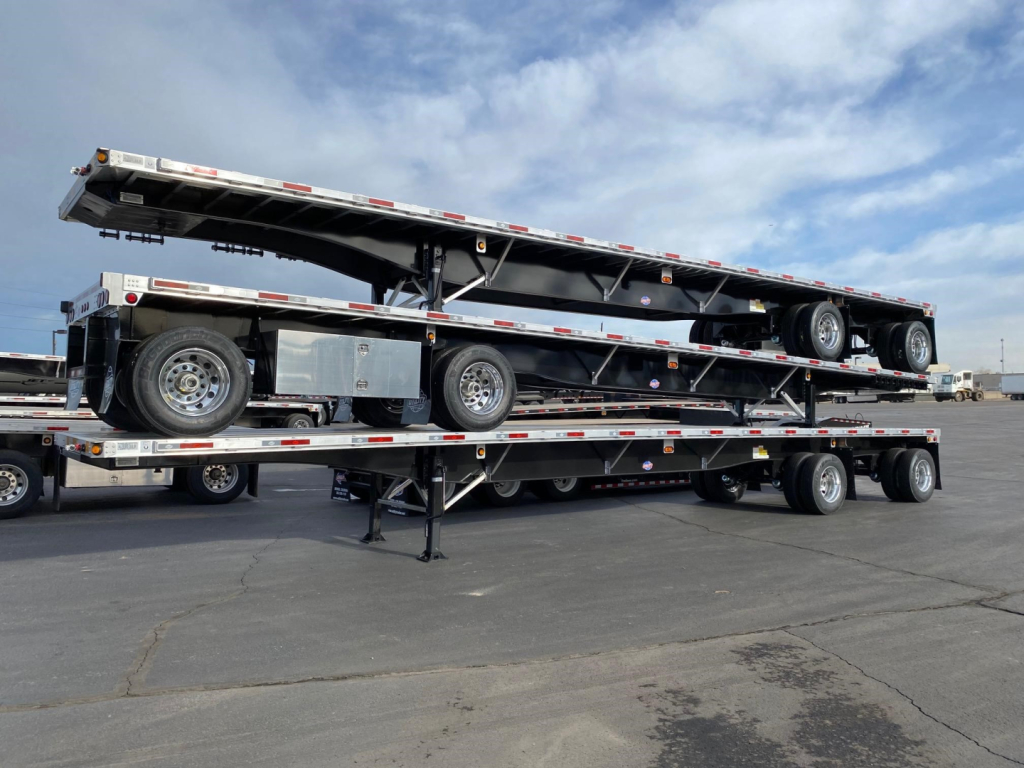
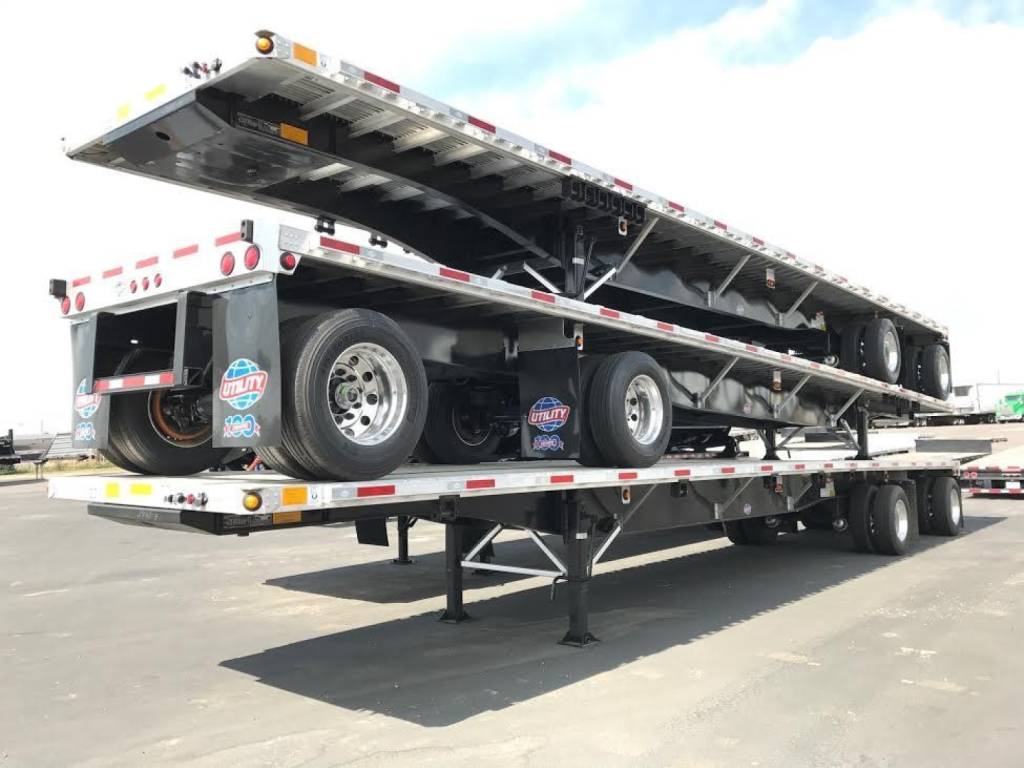
Open-deck Utility trailers deserve a different buying approach. The 4000AE combo flatbed and combo drop deck are built around a steel and aluminum combination design that balances strength with tare weight. Common specs include steel main beams, aluminum crossmembers and rails, nail strips, stake pockets, pipe spools, sliding winches, and coil packages. Buyers hauling steel, building products, machinery, or equipment should focus on deck height, legal length, axle spread, California legal configurations, and securement layout. A rear slide axle or fixed spread air ride setup can make a major difference in bridge law compliance, load placement flexibility, and state-by-state legality, especially for carriers running Colorado into western regional freight corridors.
Frequently Asked Questions about New 2027 Utility Trailers in Colorado
What types of new 2027 Utility trailers are most common on the market?
The most common new 2027 Utility trailers are refrigerated trailers, dry vans, flatbeds, and drop deck trailers. Reefer and dry van models are the backbone of grocery, retail, and general freight operations, while Utility combo flatbeds and combo drop decks are used for steel, construction materials, machinery, and other open-deck freight. Most buyers narrow the search by freight type first, then compare dimensions, axle setup, suspension, and cargo-control features.
What should I look for when buying a new 2027 Utility reefer trailer?
Start with the refrigeration unit and confirm whether the trailer is spec'd for single-temp or multi-temp service. Then review the insulation package, floor style, air chute or duct system, rear door construction, and options like shore power, tire inflation, and disc brakes. For food-grade service, uptime and temperature consistency matter more than cosmetic differences, so buyers should focus on TRU compliance, airflow management, and maintenance-friendly running gear.
What are the key spec differences between a Utility dry van and a Utility reefer?
A Utility dry van is built for non-temperature-controlled freight and typically emphasizes cargo capacity, wall durability, floor life, and dock performance. A Utility reefer adds insulated construction, a refrigeration unit, specialized flooring and airflow features, and heavier-duty rear sealing components to maintain cargo temperature. Reefers generally cost more to buy and maintain, but they are necessary for perishable, frozen, and temperature-sensitive freight.
Why do buyers choose Utility combo flatbeds and drop decks?
Utility combo flatbeds and drop decks use a steel-and-aluminum construction that helps reduce tare weight while maintaining structural strength in the main frame. That balance is attractive for carriers that want to maximize payload without giving up durability in repeated loading cycles. Buyers also value common open-deck features such as sliding winches, winch tracks, stake pockets, nail strips, and coil packages because they improve securement flexibility across different load types.
Are California legal and sliding axle specs important on Utility trailers?
Yes, those specs can be critical depending on where the trailer runs and what it hauls. California legal configurations are designed around stricter bridge and length requirements, which matters for carriers operating in or through that state. Sliding axle and slider tandem setups give more flexibility for kingpin-to-rear axle measurement, bridge compliance, and load distribution, which can help fleets stay legal and improve dispatch versatility across multiple states.