
New 2027 Ranco Trailers For Sale in Colorado
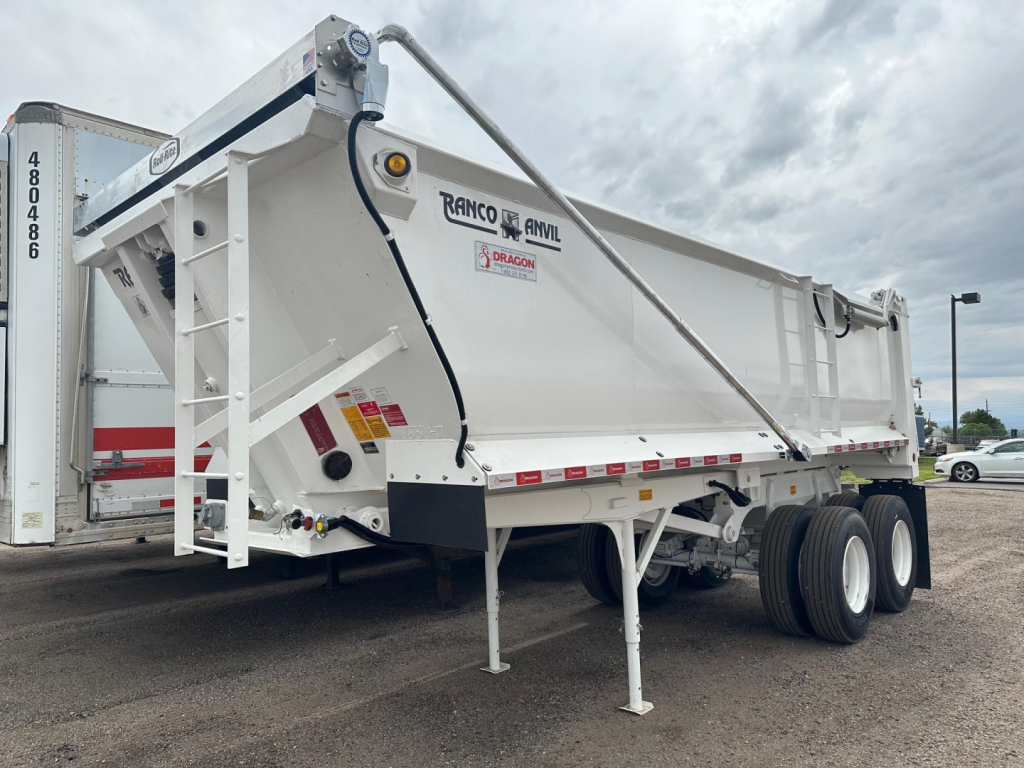
Shop new 2027 Ranco trailers for sale, including bottom dump and end dump models built for aggregate, paving, excavation, and rock hauling.
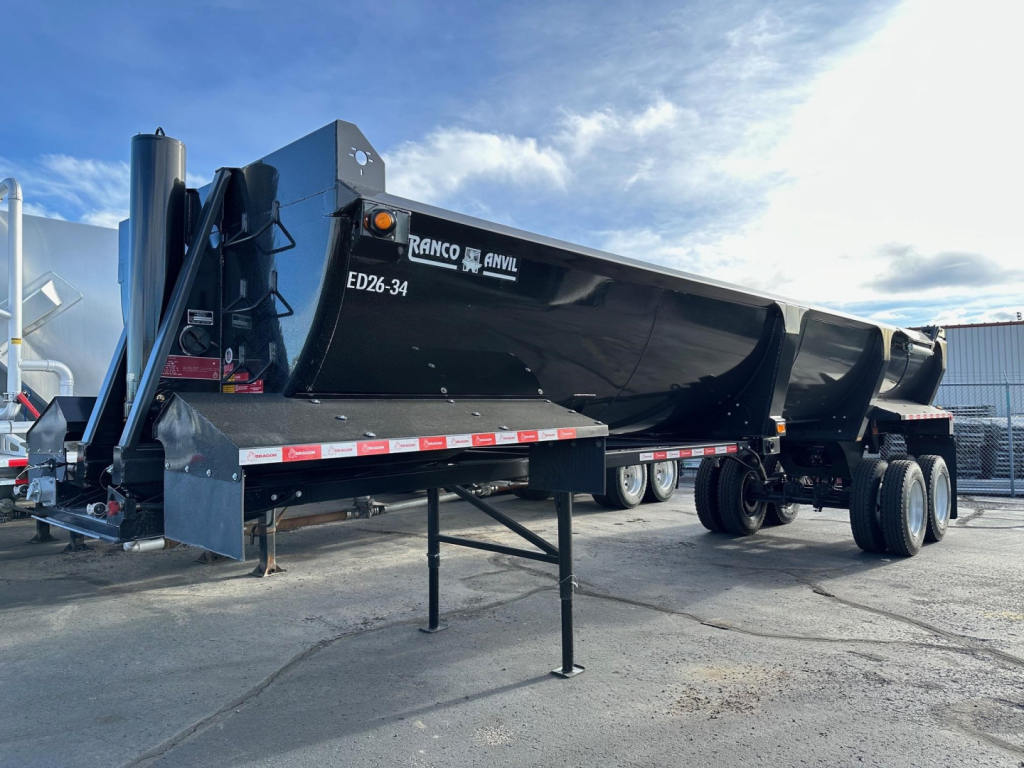
Selling a new 2027 ranco trailer? List your new 2027 ranco trailer for sale and reach thousands of commercial buyers.
New 2027 Ranco Trailers in Colorado
Ranco bottom dump trailers are a common fit for road base, shoulder material, hot mix, and controlled spread applications where gate precision matters. Typical specs include 40-foot overall length, single-hopper designs, pin-setting gate limiters, bang boards, windrow deflectors, Versa Valve controls, and electric tarp options. Tandem and tri-axle setups are both common, and some units include a rear lift axle or a pintle hitch with air and electric for pulling a pup. If the work involves paving support or material placement over distance, pay attention to axle group layout, suspension type, tire size, and gate control setup because those details directly affect spread consistency, maneuverability, and legal payload in Colorado and surrounding states.
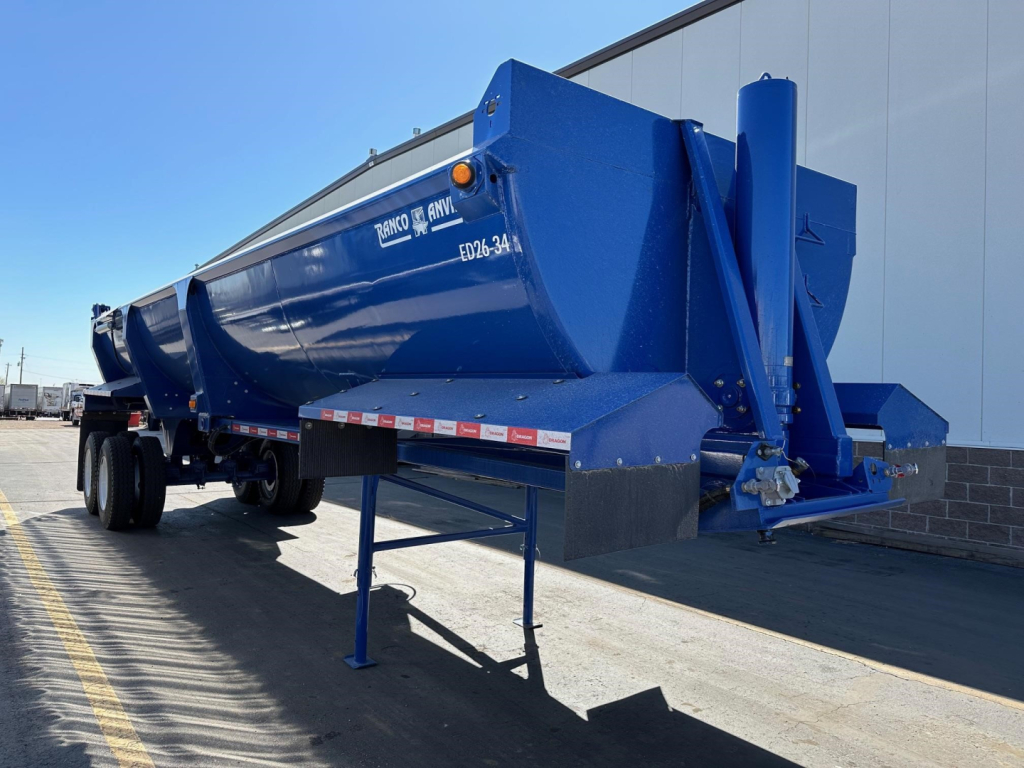
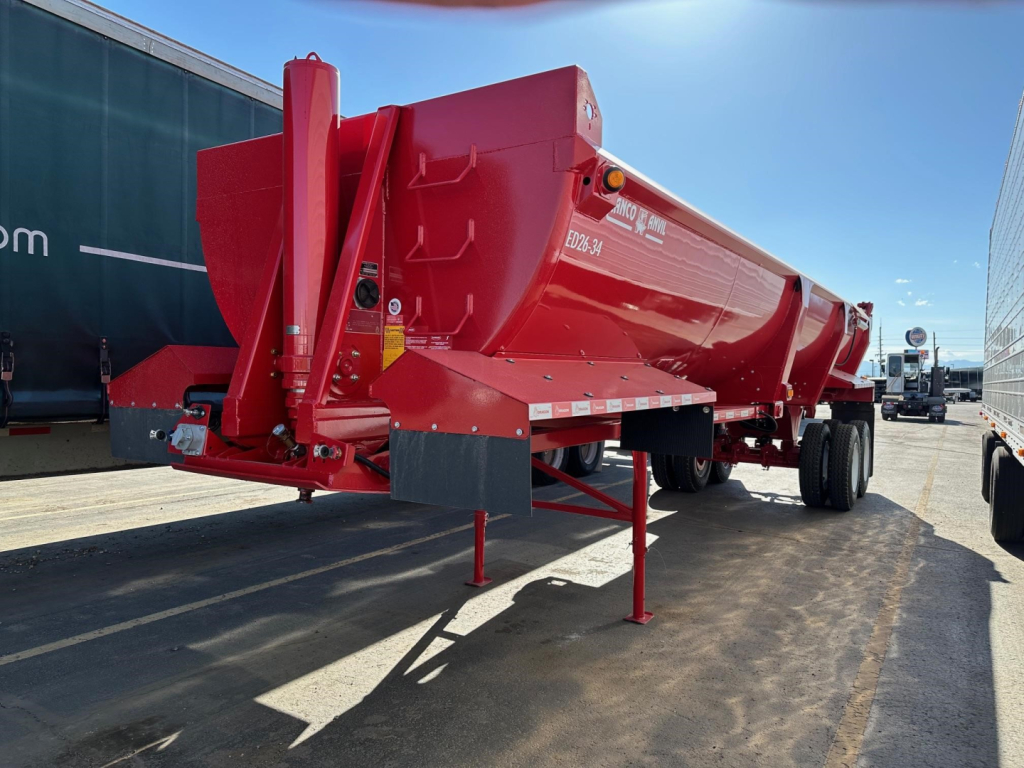
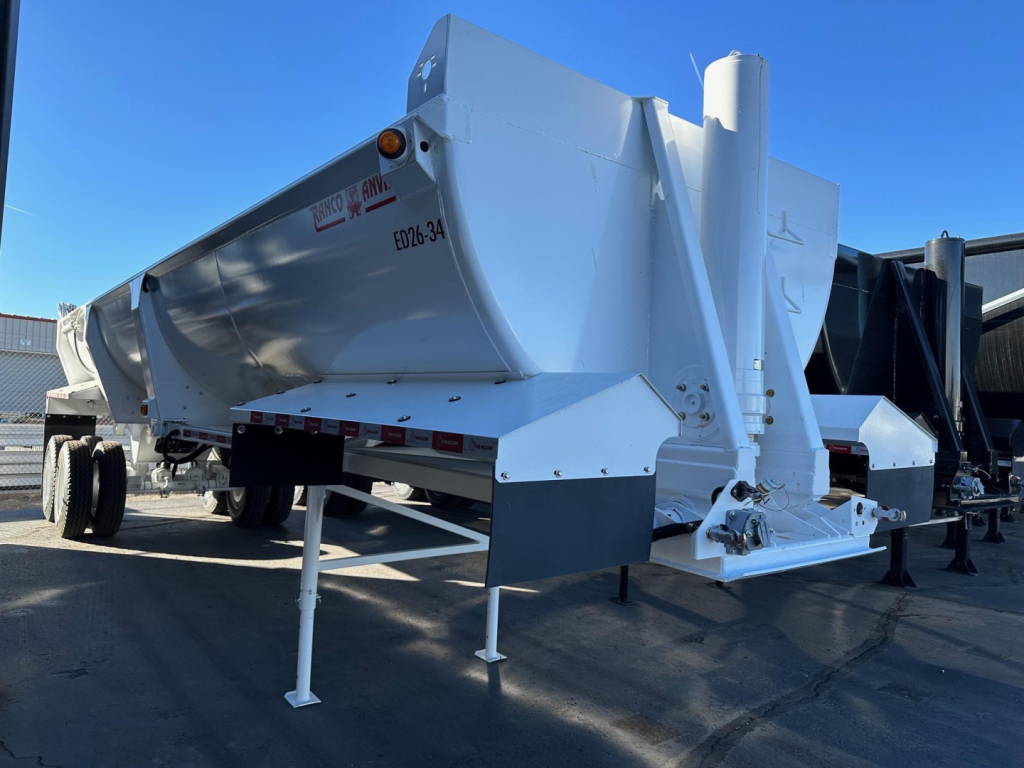
Ranco end dump trailers are typically chosen for excavation, demolition, and hard aggregate service where fast unloading and rugged body construction are more important than material metering. Common configurations include frameless and quarter-frame designs, often with half-round or elliptical tubs in steel construction such as AR400 or other abrasion-resistant material. Capacities in the mid-20 cubic yard range are common on rock bodies, along with features like high-lift gates, electric tarps, single-point suspension setups, bolt-on fenders, and ladder packages. Frameless trailers generally save weight and maximize payload, while quarter-frame designs can appeal to buyers who want a different balance of body support, stability, and application-specific durability.
When shopping new 2027 Ranco trailers, buyers should look closely at tub shape, steel spec, gate style, suspension, axle spacing, and tare weight rather than comparing only by cubic yard rating. A 21-yard bottom dump and a 26-yard rock end dump may both be productive, but they are built for very different material flow, terrain, and unload conditions. In mountain and Front Range markets, factors like empty weight, brake spec, fender package, tarp system, and tire configuration can have a real effect on uptime and compliance. The best choice usually comes down to matching the trailer to the material, the road conditions, and how the load needs to be discharged at the jobsite.
Frequently Asked Questions about New 2027 Ranco Trailers in Colorado
What is the difference between a Ranco bottom dump trailer and a Ranco end dump trailer?
A Ranco bottom dump trailer discharges material through gates in the hopper floor, which makes it ideal for controlled spreading of gravel, road base, and asphalt-related material. A Ranco end dump trailer raises the body and unloads out the rear, which is better suited for excavation spoil, demolition debris, and larger rock. Bottom dumps are usually chosen when placement accuracy and continuous discharge matter, while end dumps are preferred when quick bulk unloading and tougher off-road material handling are the priority.
Are Ranco trailers a good fit for aggregate and rock hauling?
Ranco trailers are widely used in aggregate, quarry, and construction applications because the brand is known for durable dump trailer designs and practical spec choices. Rock end dumps with half-round or elliptical steel tubs are especially common for abrasive material, while bottom dumps are well suited for sand, gravel, and base material that needs metered discharge. The right fit depends on body style, steel package, suspension, and legal payload requirements for the routes being run.
What specs matter most when buying a new 2027 Ranco trailer?
The most important specs are body style, cubic yard capacity, tare weight, axle configuration, suspension, tub material, and gate design. On a bottom dump, buyers should focus on hopper layout, gate controls, windrow management, and whether the trailer is set up for a pup connection. On an end dump, the key items are frameless versus quarter-frame construction, tub shape, abrasion-resistant steel, gate height, and overall trailer length. These details affect payload, stability, unload performance, and long-term maintenance costs more than model year alone.
Is a frameless Ranco end dump better than a quarter-frame model?
A frameless Ranco end dump often provides lower trailer weight and higher payload potential, which can be a major advantage in bulk hauling. A quarter-frame model can offer a different structural feel and may be preferred in certain applications where buyers want added support characteristics or a specific body design. Neither is automatically better in every operation. The better choice depends on material density, road conditions, tractor setup, and how often the trailer will be used on uneven or off-road surfaces.
What should Colorado buyers pay attention to on a new dump trailer?
Colorado buyers should pay close attention to axle spacing, suspension type, empty weight, brake setup, tire size, and tarp equipment because those details affect both legal operation and real-world productivity. Mountain grades, variable weather, and mixed highway-to-jobsite use can put extra importance on brake performance, traction, and overall trailer balance. For aggregate and paving work along the Front Range, buyers should also consider how the gate system, lift axle setup, and discharge style match local hauling requirements and jobsite conditions.