
New 2027 Mac Trailers For Sale in Colorado
Shop new 2027 Mac trailers for sale, including end dumps, drop decks, and pneumatic dry bulk trailers built for demanding commercial hauling.
Selling a new 2027 mac trailer? List your new 2027 mac trailer for sale and reach thousands of commercial buyers.
New 2027 Mac Trailers in Colorado
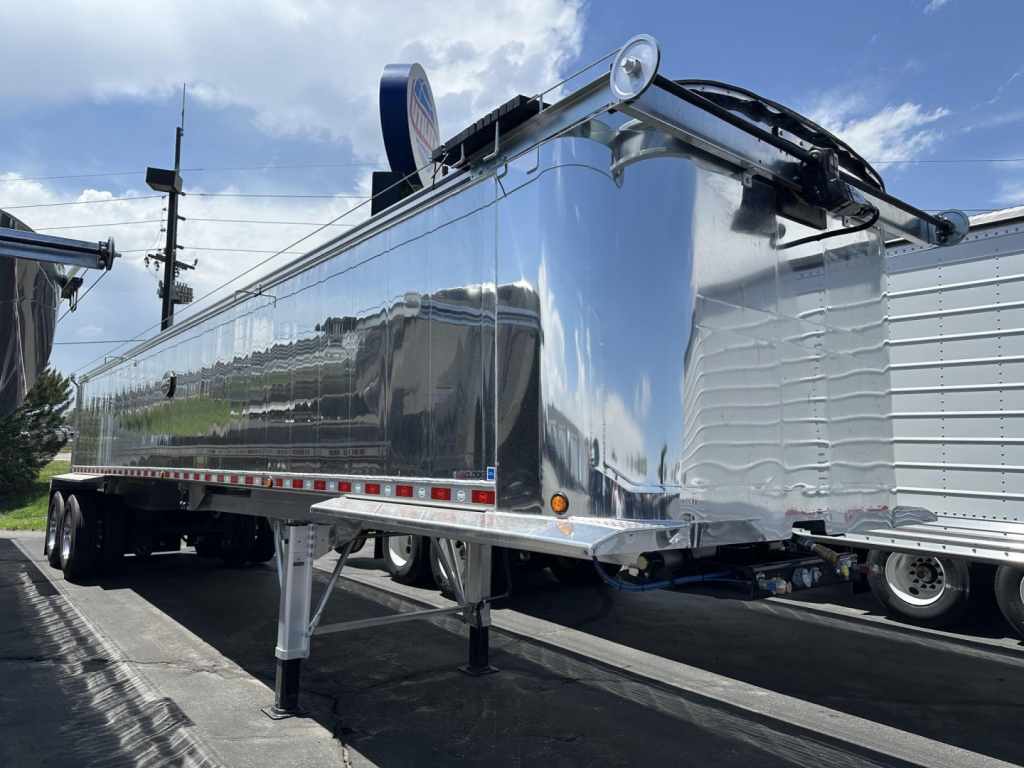
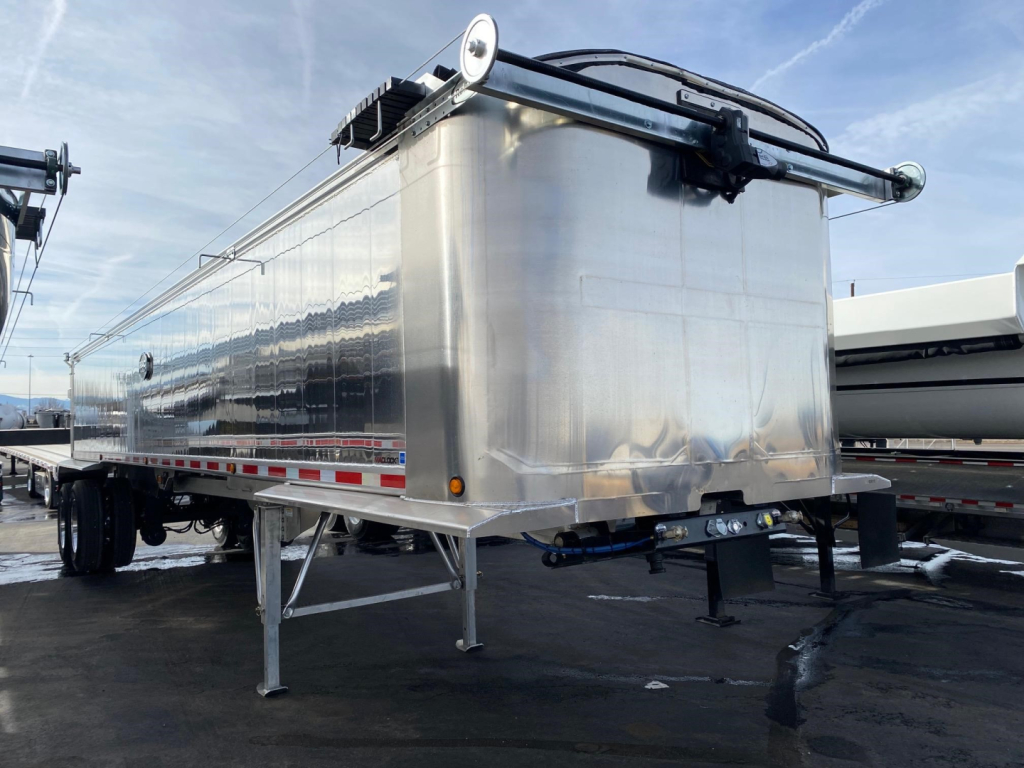
Mac end dump trailers are a common choice for aggregate, sand, asphalt millings, demolition debris, and other bulk material jobs where payload and cycle time drive profitability. Typical specs include lightweight aluminum bodies, flat nose designs, electric slide tarps, liners, top-hinge gates, air ride suspensions, and tandem axle layouts with optional lift axles. Cubic capacity often falls in the upper-30 to low-40 cubic yard range, depending on body length and side height. If the work includes abrasive material or mixed loading conditions, buyers should pay close attention to liner type, gate configuration, draft arm construction, and hoist geometry, since those details affect cleanout, stability, and long-term body life.
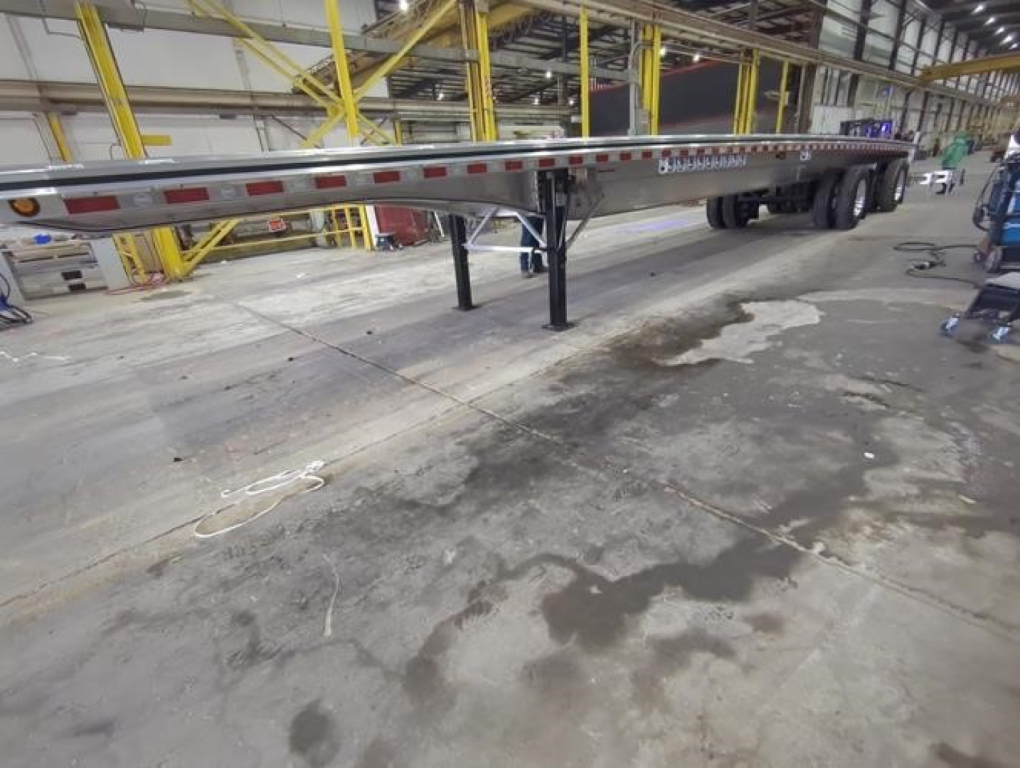
Mac drop deck trailers, also known as step deck trailers, appeal to operators hauling building materials, machinery, palletized freight, pipe, and other taller loads that need more deck height flexibility than a flatbed offers. Common specs include 53-foot overall length, 102-inch width, aluminum main beams, aluminum decking, nail strips, stake pockets, pipe spools, and coil package options. Many buyers also look for a rear slide axle, 17.5-inch tires, and enclosed rear framework to help with bridge compliance, deck height, and maintenance access. Upper deck length, loaded deck height, and kingpin setting should be reviewed carefully because those dimensions affect legal loading, turning clearance, and how well the trailer fits a customer's regular freight mix.
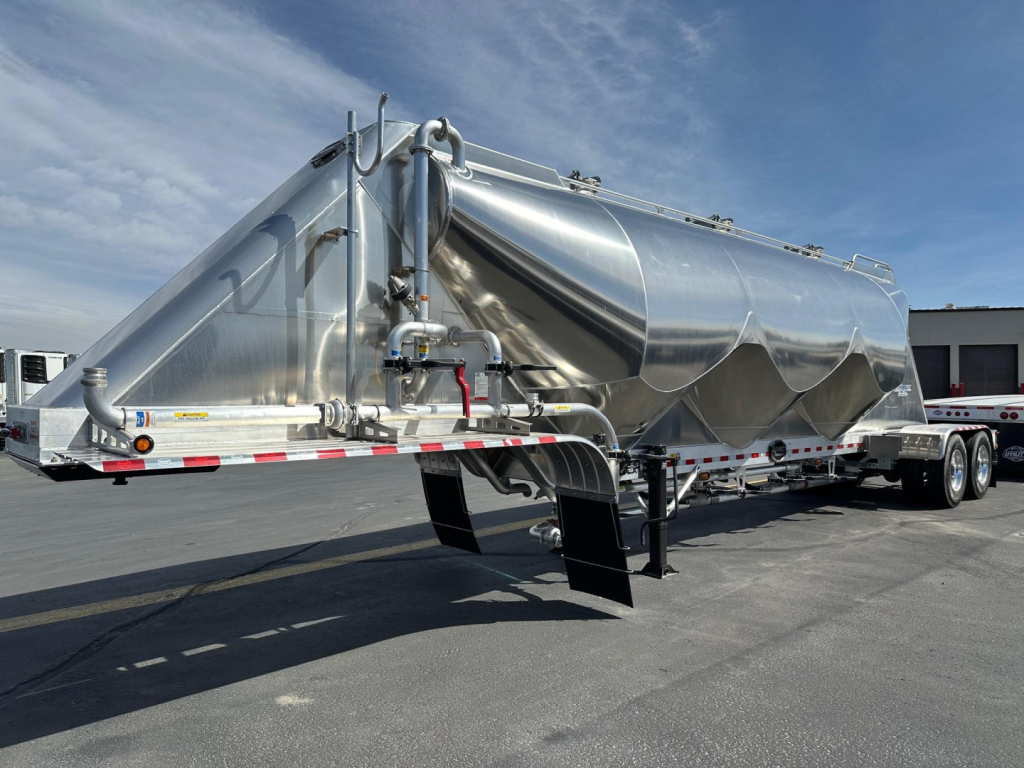
Mac pneumatic trailers are designed for dry bulk commodities such as cement, fly ash, lime, sand, and other powdered products that require sealed handling and efficient unloading. Buyers usually compare cubic foot capacity, hopper count, dome lid layout, discharge configuration, and suspension setup. A typical Mac pneumatic may be spec'd around 1,050 cubic feet with three hoppers, rear discharge, air ride, work lights, and safety rails. For dry bulk work, the important buying questions go beyond capacity alone. Hose routing, blower compatibility, cleanout access, ladder and walkway safety, and tare weight all affect unloading speed, commodity flexibility, and driver efficiency over the life of the trailer.
Frequently Asked Questions about New 2027 Mac Trailers in Colorado
What types of new 2027 Mac trailers are most common?
The most common new 2027 Mac trailers on the market are aluminum end dumps, aluminum drop deck trailers, and pneumatic dry bulk trailers. Mac has a strong reputation in lightweight aluminum construction, so buyers often look at the brand when payload matters and corrosion resistance is important. Each trailer type serves a different hauling need, so the right choice depends on whether the operation is moving bulk aggregate, general open-deck freight, or dry bulk commodities.
Why do many buyers choose an aluminum Mac trailer over a steel trailer?
An aluminum Mac trailer usually offers lower tare weight than a comparable steel trailer, which can increase legal payload and improve revenue potential on weight-sensitive loads. Aluminum also resists corrosion well, which is valuable in regions with snow, moisture, and road chemicals. The tradeoff is that buyers need to match the trailer spec to the application, because severe abrasion, demolition, or concentrated impact loading may call for liners, reinforcement, or a different body design to protect service life.
What should I look for when buying a new Mac end dump trailer?
The key items are body length, side height, cubic yard capacity, gate style, liner, suspension, and axle setup. A buyer hauling sand or aggregate may prioritize low tare weight and fast cycle times, while a contractor moving mixed demolition material may care more about body protection and discharge control. Lift axles, tarp systems, air ride suspensions, and fender packages also matter because they affect legal payload, material containment, ride quality, and day-to-day durability.
What matters most when comparing Mac drop deck trailers?
The most important details are overall length, upper deck length, lower deck length, loaded deck height, axle position, and freight securement features. Stake pockets, pipe spools, nail strips, and coil packages can make a major difference if the trailer is used for steel, pipe, machinery, or building products. Buyers should also verify kingpin setting and axle spread because those specs influence bridge law compliance, tractor compatibility, and how easily the trailer can be loaded for the freight lanes it runs most often.
How do I choose the right Mac pneumatic dry bulk trailer?
Start with the commodity being hauled, then compare cubic foot capacity, hopper design, discharge layout, and tare weight. Cement, fly ash, lime, and similar materials each place different demands on flow characteristics and unloading time. A good pneumatic trailer spec balances payload with efficient discharge, safe access, and compatibility with the blower and hose setup used in the fleet. Buyers should also review suspension type, ladder and rail design, and cleanout access because those features affect uptime, safety, and maintenance.