
New 2027 Van Trailers For Sale in Colorado
Shop new 2027 van trailers in Colorado. Compare 53-foot dry van specs, air ride suspensions, logistics posts, flooring, skirts, and trailer options.
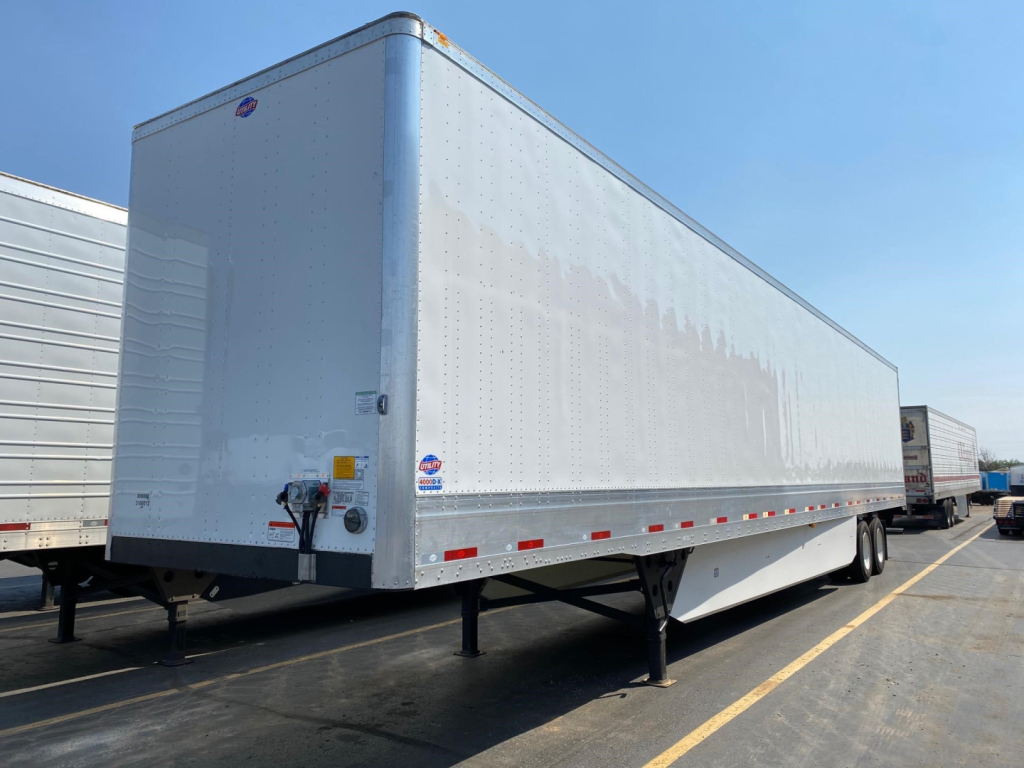
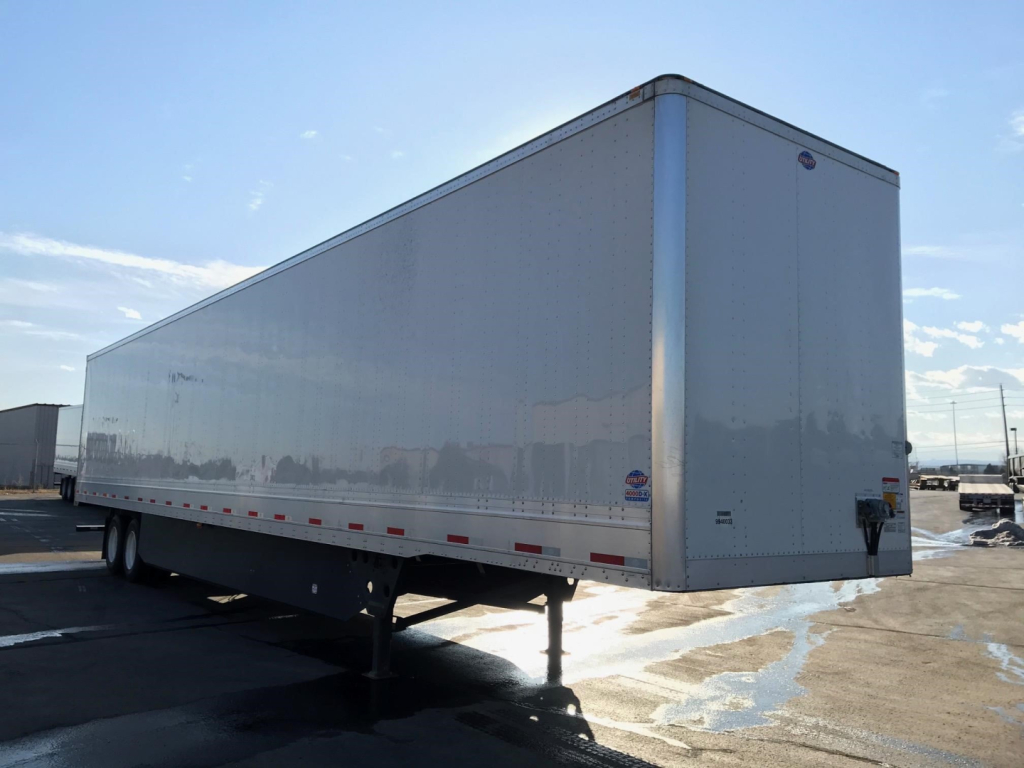
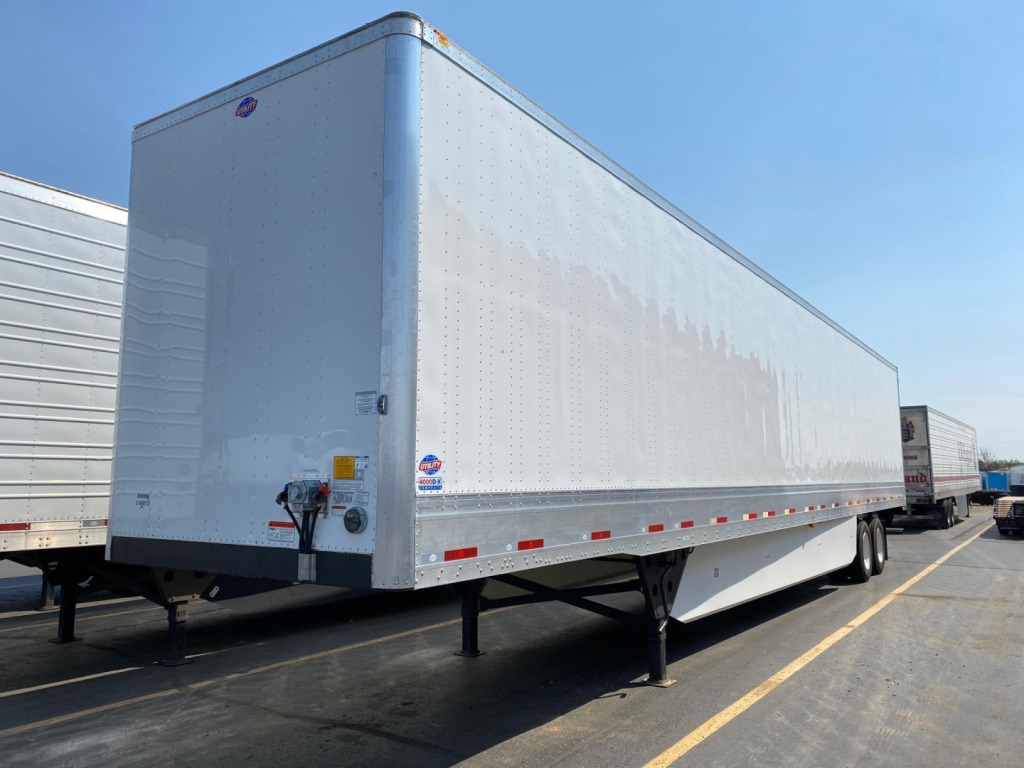
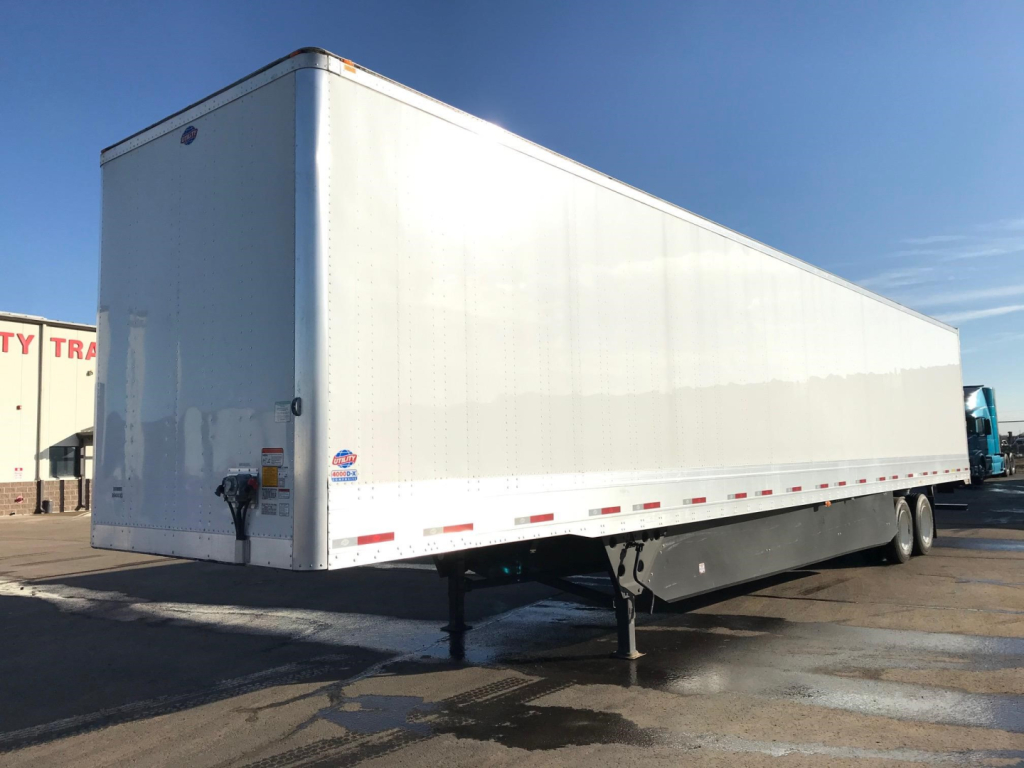
Have new 2027 van trailer to sell? List it here to reach thousands of buyers.
New 2027 Van Trailers in Colorado
For most buyers, the key spec decisions start with suspension, floor construction, and interior wall layout. Air ride suspensions such as Hendrickson systems are common on new van trailers because they improve ride quality and help protect freight on longer runs. A slider tandem with air pins adds flexibility for bridge laws, axle spread adjustments, and dock approach positioning. Inside the trailer, wood floors with multiple fasteners per board remain a popular heavy-use choice because they handle forklift traffic well and are serviceable over time. Composite wall panels, wearbands, and logistics posts spaced on tight centers support load bars, straps, and cargo control for LTL, dedicated retail, and multi-stop freight.
Body and aero details also affect long-term operating cost. Smooth aluminum or sheet-and-post construction, tall bottom rails, reinforced front corners, heavy-duty threshold plates, and dock bumpers all matter if the trailer will see frequent warehouse contact. Side skirts can improve fuel economy on highway routes, while tire inflation systems help maintain proper pressure and reduce irregular tire wear. Anti-dock-walk systems are increasingly relevant for fleets loading at busy distribution centers because they help stabilize the trailer during forklift activity. Buyers comparing new 2027 van trailers should also look closely at wheel and tire package, roof construction, LED lighting, rear frame design, and ICC bumper configuration, since those details influence maintenance cycles and uptime.
A well-spec'd van trailer is less about headline features and more about matching the build to the freight and route profile. High-cube consumer goods, food packaging, paper products, and dry industrial freight all place different demands on floors, lining, securement, and suspension. For Colorado operations, it is smart to consider altitude changes, crosswinds, and mountain corridor wear when evaluating aerodynamic equipment, tire spec, and structural durability. The best new van trailers combine cargo protection, dock durability, low maintenance lighting and air systems, and a trailer layout that works efficiently with the tractors, customers, and freight mix in your operation.
Frequently Asked Questions about New 2027 Van Trailers in Colorado
What is the standard size for a new dry van trailer?
The standard over-the-road dry van trailer is typically 53 feet long and 102 inches wide. That size is the most common for general freight because it maximizes cubic capacity while remaining compatible with standard dock systems, pallet configurations, and most long-haul fleet operations.
What suspension is best on a new van trailer?
Air ride suspension is the preferred choice for many buyers because it improves ride quality, helps protect sensitive freight, and performs well on long regional and over-the-road lanes. A mechanical suspension can still work for certain applications, but air ride is often favored for higher freight protection, better driver acceptance, and broader resale appeal.
Why do logistics posts and composite wall panels matter in a dry van?
Logistics posts and composite wall panels give the trailer more cargo securement flexibility and better interior durability. Tight post spacing allows more positions for load bars and straps, which is important for multi-stop freight, LTL, and mixed pallet loads. Composite lining also helps protect the sidewall structure from forklift and freight contact.
Are side skirts and tire inflation systems worth it on a van trailer?
They can be worthwhile if the trailer runs steady highway miles. Side skirts are commonly used to improve aerodynamics and reduce fuel consumption, while automatic tire inflation systems help maintain correct tire pressure, which can reduce tire wear and roadside service events. The value is strongest in operations focused on fuel economy, uptime, and lower operating cost per mile.
What floor spec should buyers look for in a new van trailer?
Floor choice should match forklift traffic, pallet weight, and delivery frequency. Wood floors remain common because they are durable, repairable, and proven in heavy dock service. Buyers should look at board thickness, fastener count per board, threshold plate strength, and overall floor rating to make sure the trailer can handle the intended cargo and loading pattern.