
New 2027 Utility Van Trailers For Sale in Colorado
Shop new 2027 Utility van trailers in Colorado. Compare 53-foot dry van specs, floors, suspension, aero options, and fleet-ready features.
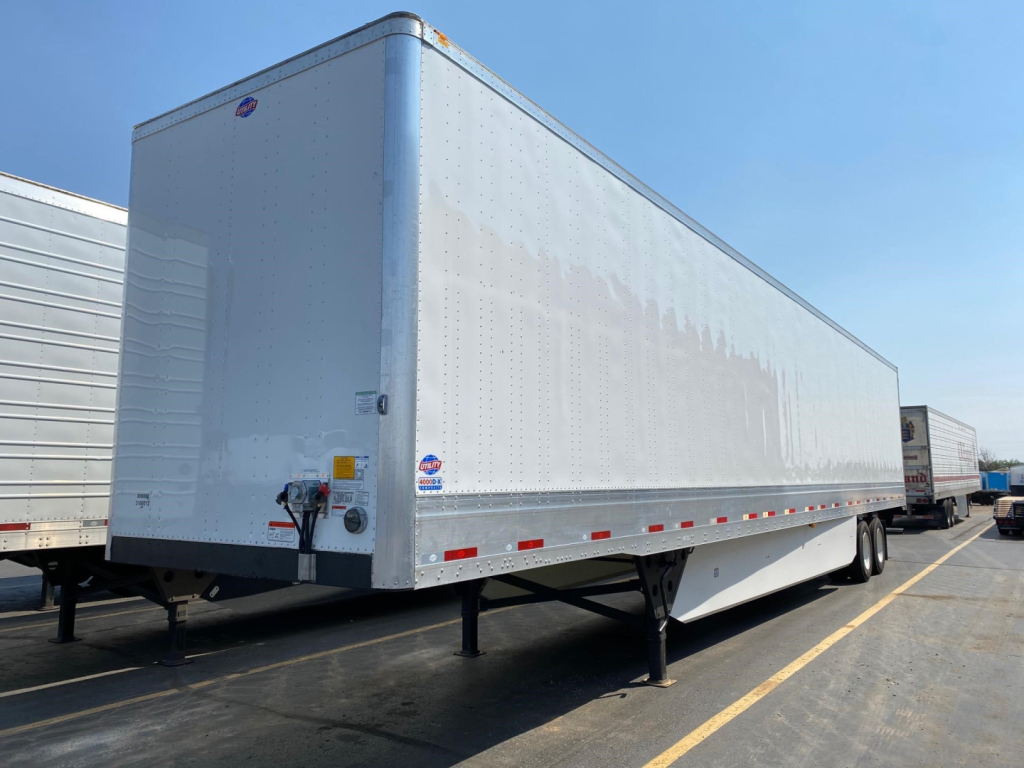
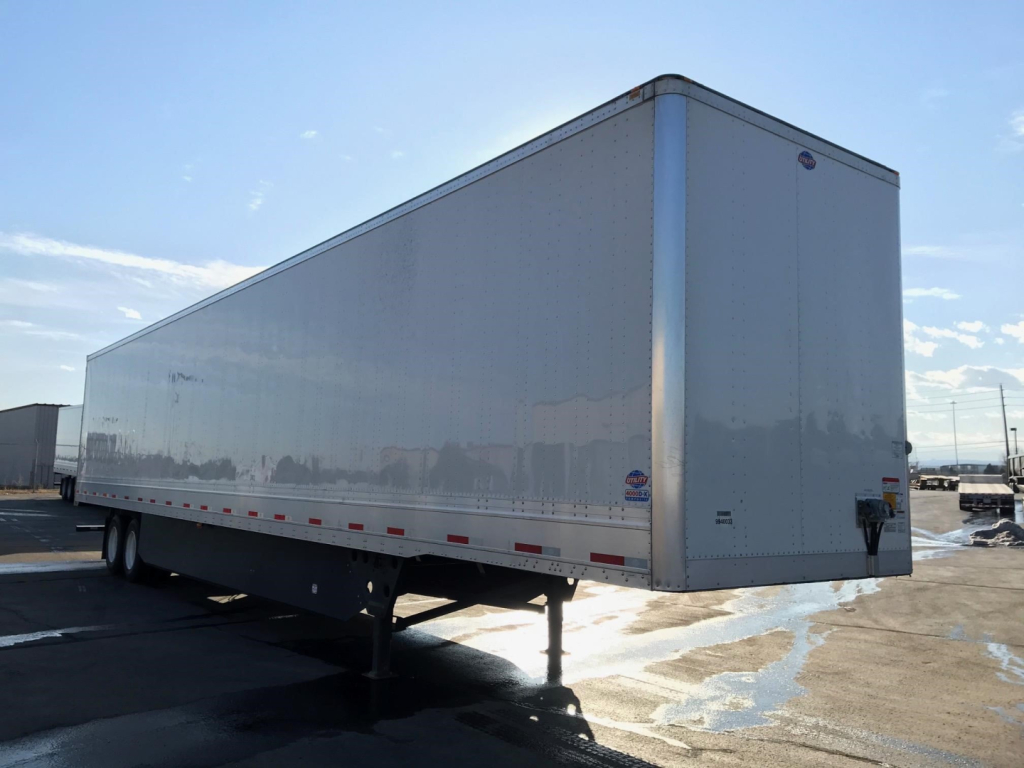
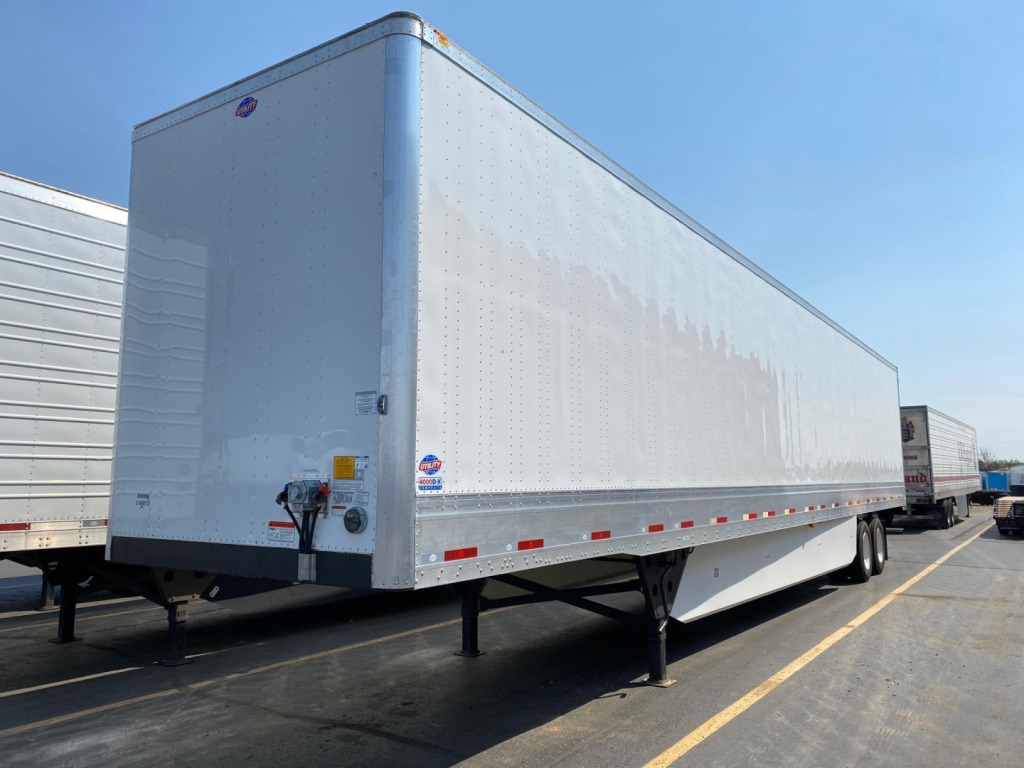
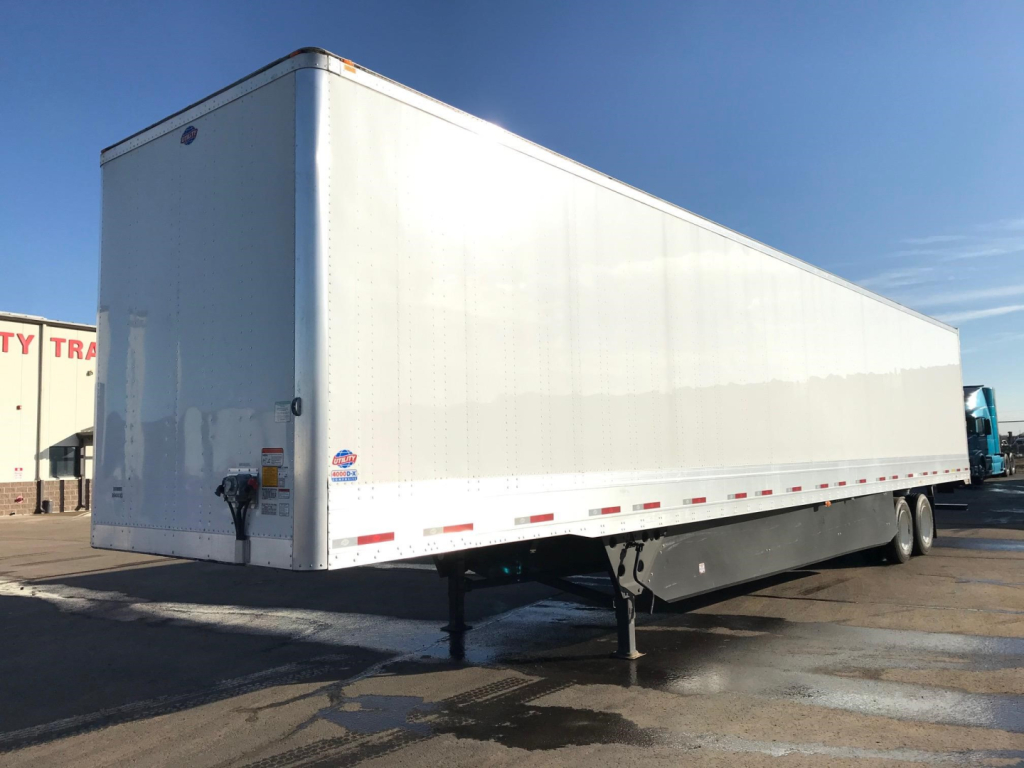
Have new 2027 utility van trailer to sell? List it here to reach thousands of buyers.
New 2027 Utility Van Trailers in Colorado
The spec decisions that matter most usually start underneath the trailer and at the floor. A Hendrickson air ride suspension with slider pins is common for fleets that need axle flexibility for bridge law compliance and loading conditions. Tire inflation systems such as PSI or TireMaax-style setups can reduce tire-related downtime and help maintain fuel economy. Floor construction is another big checkpoint. Many van buyers prefer wood floors with multiple fasteners per board for forklift traffic, along with a heavy-duty threshold plate and wearband to hold up at the rear entry. Logistic posts on tight centers, often no more than 24 inches apart, give shippers more options for load securement and freight segregation.
Side skirts, smooth exterior panels, and low-profile 22.5 tires are often selected to improve aerodynamics and keep overall operating costs in check. In Colorado, that matters on long interstate runs, mountain corridors, and mixed regional freight where weather and elevation changes can expose weak trailer specs quickly. Features like anti-dock walk systems, dock bumpers, LED lighting, composite wall panels, and tall bottom rails add real value in daily terminal use by reducing impact damage and improving service life. Rear swing doors remain the standard choice for dry van applications because they are simple, proven, and easy to service.
For a buyer comparing new Utility van trailers, the best approach is to match the trailer spec to the freight profile and loading environment, not just the base dimensions. Look closely at suspension brand, kingpin setting, floor rating, wall construction, tire package, and rear frame protection. A properly spec'd dry van trailer can lower maintenance expense, improve cube utilization, and stay in a fleet longer before major structural repairs. Utility van trailers, also called dry van trailers or enclosed van trailers, remain one of the most versatile trailer classes in commercial trucking because they fit so many lanes, customers, and cargo types without adding operational complexity.
Frequently Asked Questions about New 2027 Utility Van Trailers in Colorado
What is a Utility van trailer typically used for?
A Utility van trailer is typically used for dry freight that needs protection from weather, road spray, and theft exposure. Common loads include packaged consumer goods, retail freight, paper products, palletized food that does not require refrigeration, automotive parts, and general merchandise. It is one of the most flexible trailer types in trucking because it fits standard dock operations and handles a wide mix of palletized and floor-loaded freight.
What specs matter most when buying a new 2027 Utility dry van trailer?
The most important specs are usually trailer length and width, suspension type, axle slider configuration, floor construction, interior logistics layout, tire package, and rear door design. Buyers should also pay close attention to aerodynamic equipment such as side skirts, the presence of a tire inflation system, wall panel material, bottom rail strength, and rear frame protection. These details affect tare weight, maintenance cost, load securement flexibility, and how well the trailer holds up under repeated forklift and dock use.
Why do many buyers choose a 53-foot dry van trailer?
A 53-foot dry van is the standard for much of over-the-road and regional freight because it offers strong cubic capacity and broad shipper acceptance. It works well in distribution networks, drop-and-hook operations, and dedicated contract freight where maximizing pallet count matters. The 53-foot platform also gives fleets flexibility across many lanes without needing specialized loading procedures or equipment.
Are side skirts and automatic tire inflation systems worth it on a van trailer?
For many fleets, yes. Side skirts can improve aerodynamic performance, especially on longer highway runs, and that can support fuel savings across a large trailer pool. Automatic tire inflation systems help maintain correct pressure, reduce irregular wear, and limit roadside service events tied to low tires. On a trailer that runs high annual miles, both features can contribute to lower operating cost and better uptime.
What should Colorado buyers pay attention to on new van trailers?
Colorado buyers should pay attention to durability, braking and suspension stability, and tire performance because mountain grades, weather swings, and long interstate distances can stress trailer components. An air ride suspension, strong rear frame protection, dependable lighting, and a quality tire package are especially important. Buyers running through elevation changes and winter conditions may also place more value on low-maintenance components and specs that reduce unscheduled stops.