
New 2027 Van Trailers For Sale
Shop new 2027 van trailers with 53-foot dry van specs, air ride, sliding tandems, logistics posts, and durable floor and wall options.
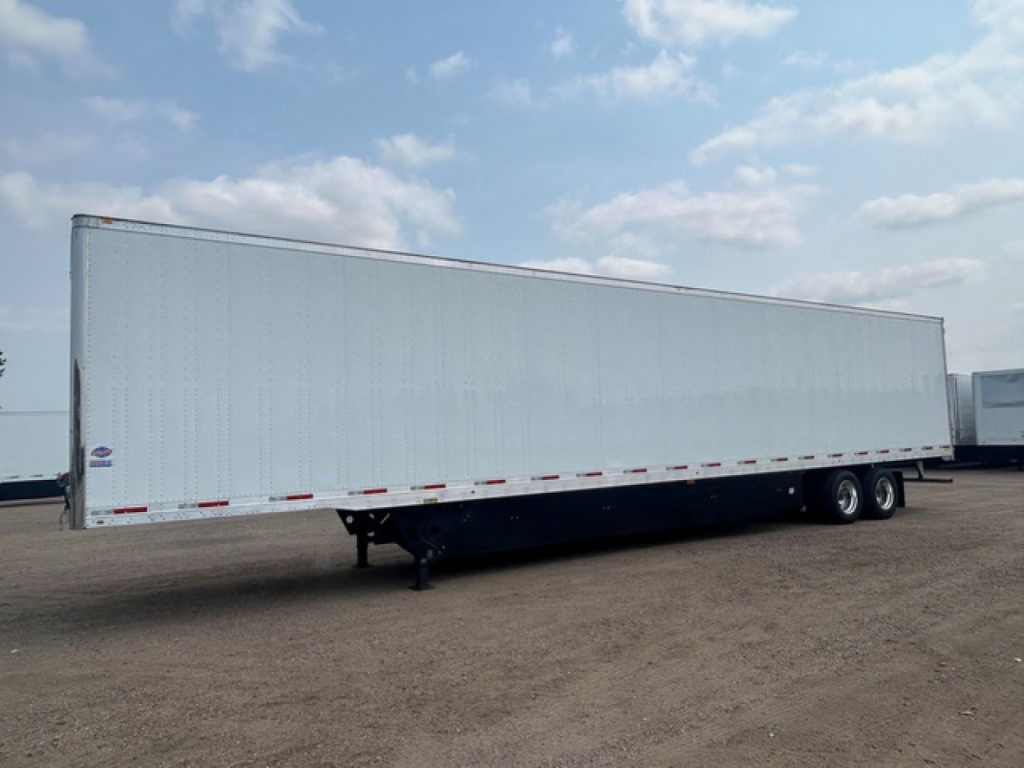
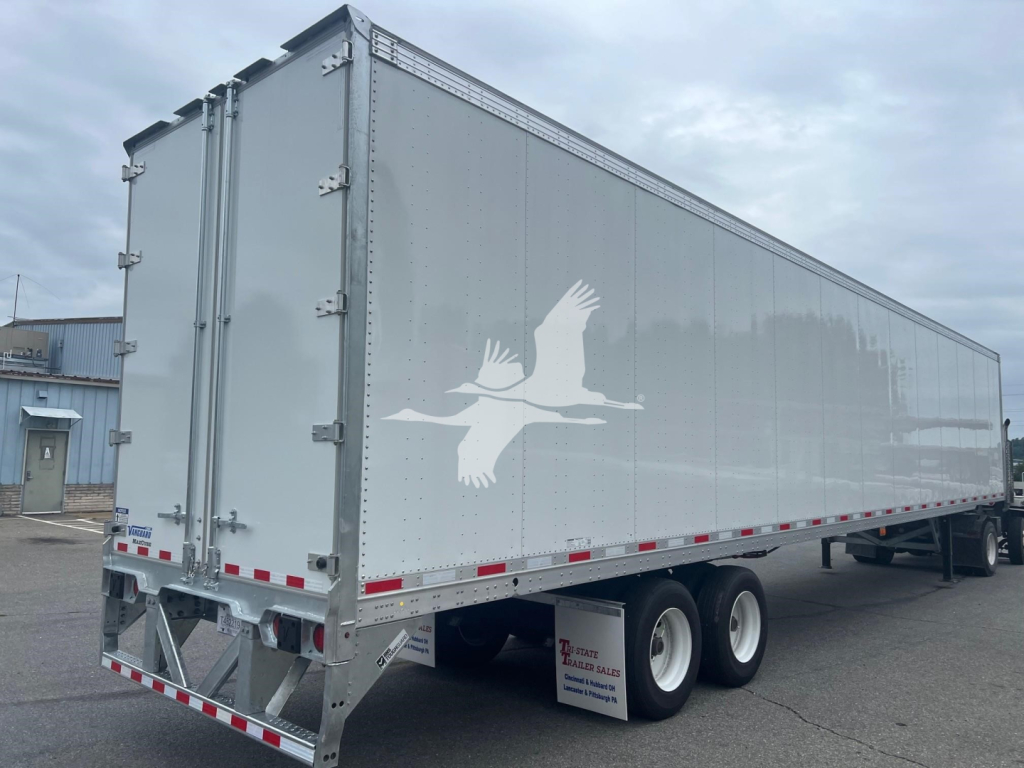
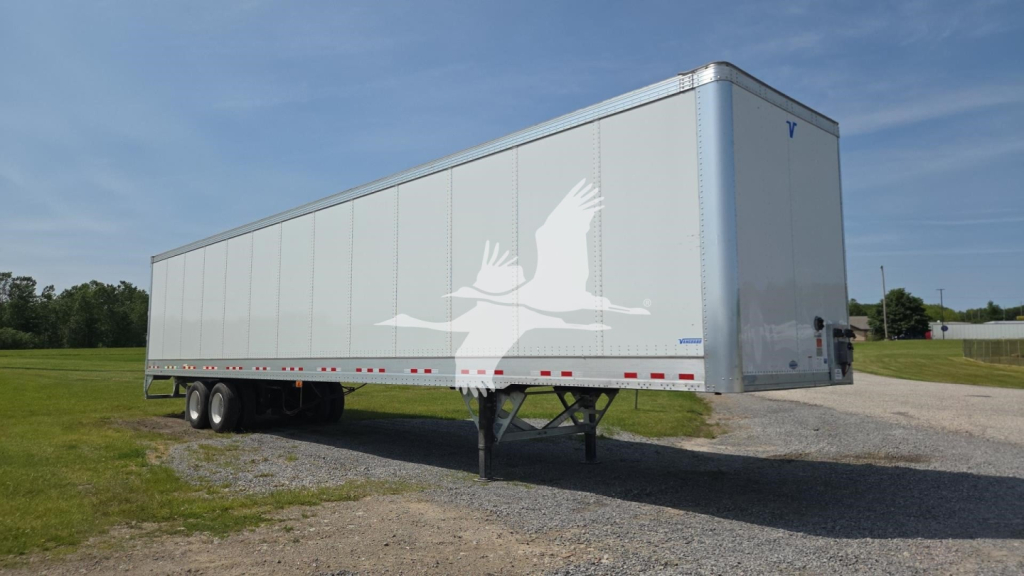
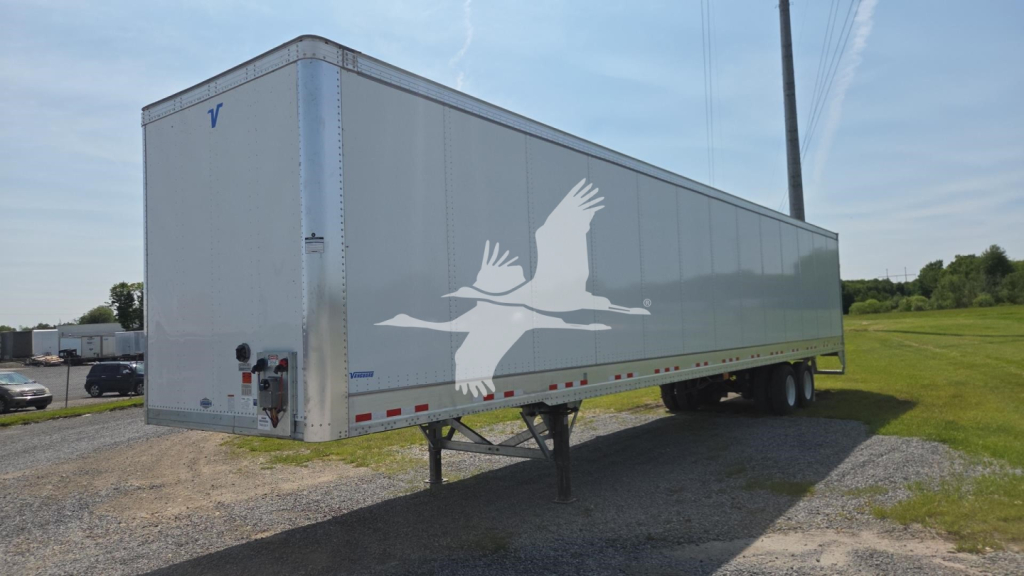
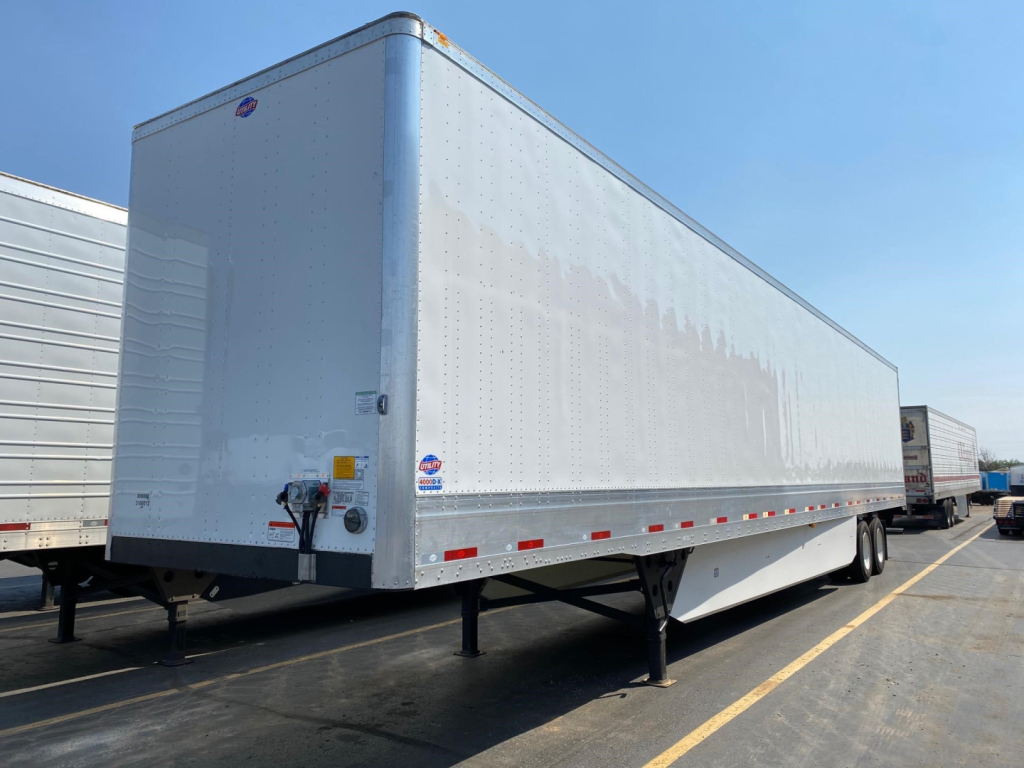
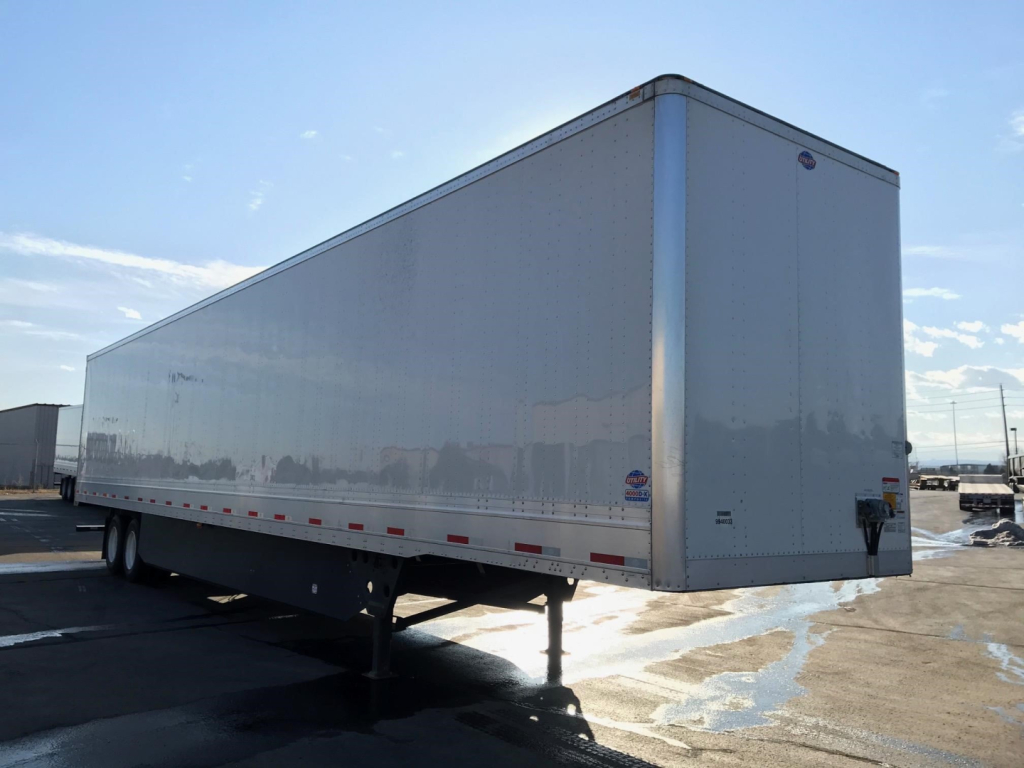
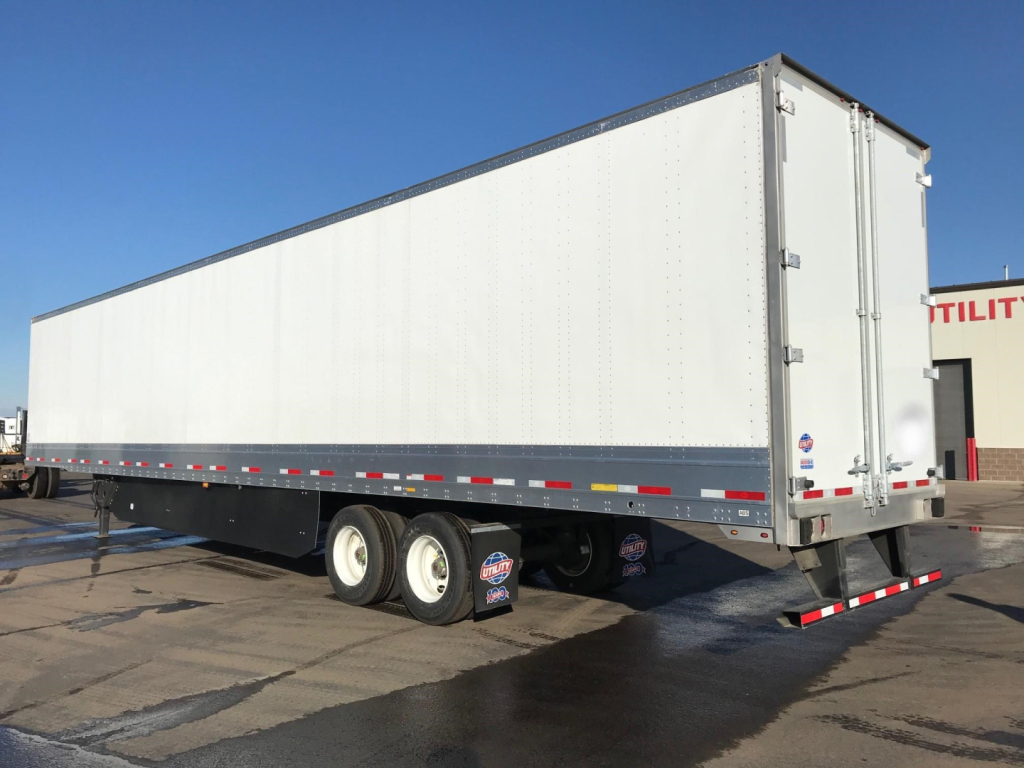
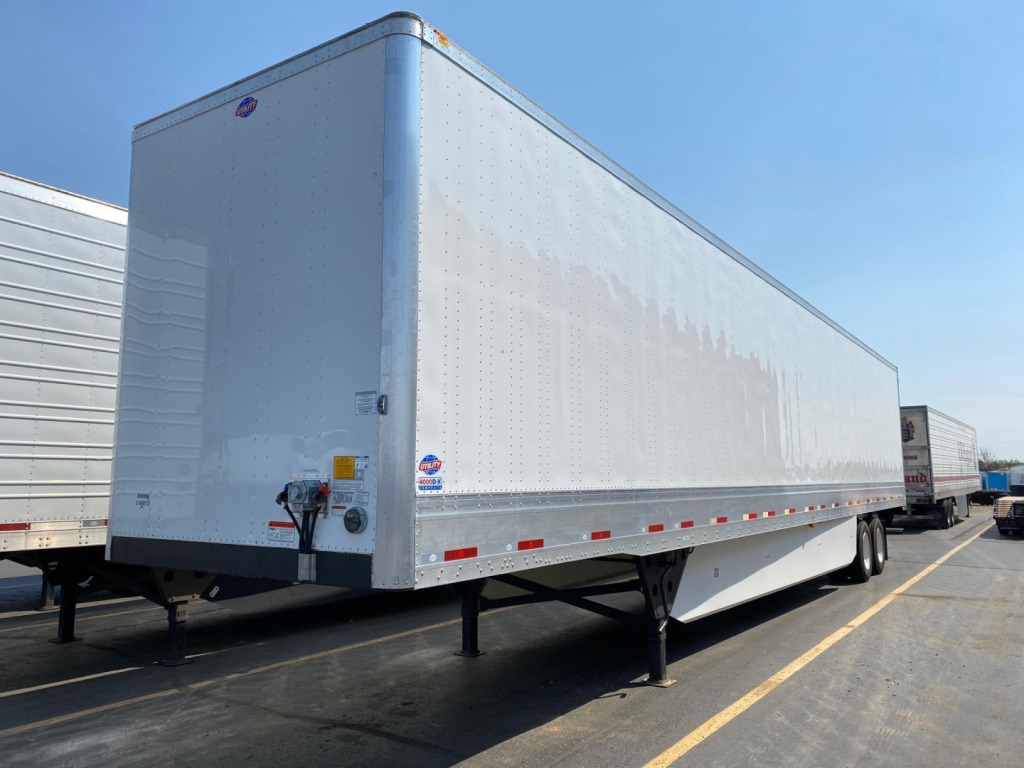

Showing 1 to 24 of 68 results
Have new 2027 van trailer to sell? List it here to reach thousands of buyers.
New 2027 Van Trailers
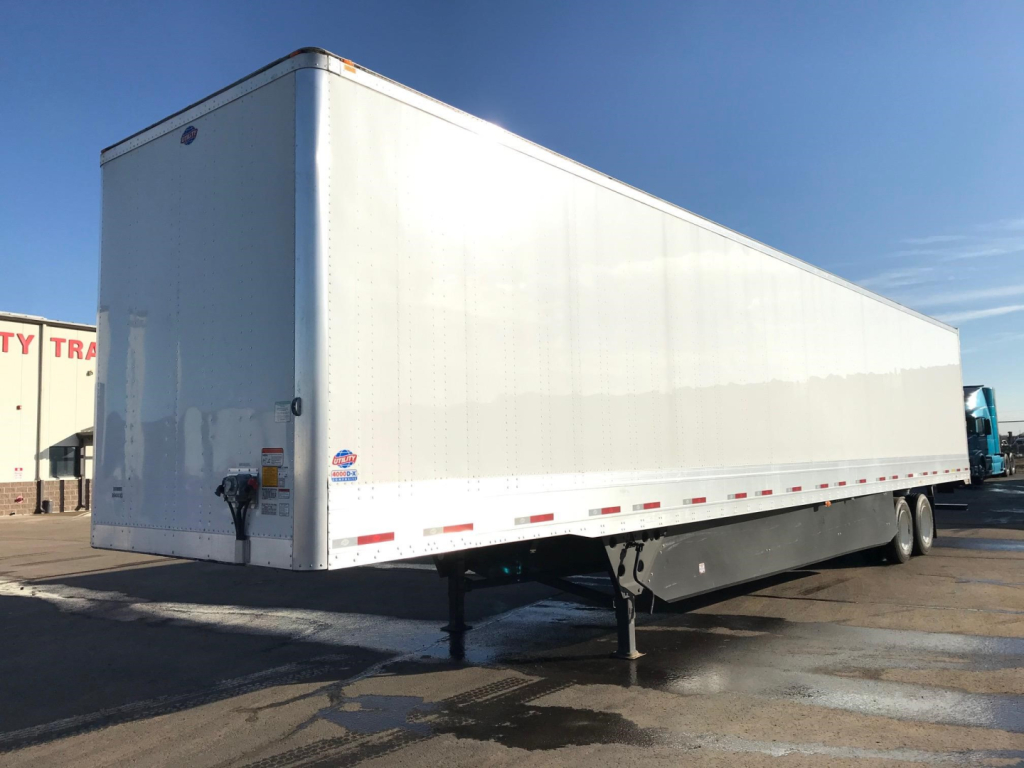
The biggest buying decisions usually come down to sidewall construction, suspension, axle setting, and floor package. Plate van and composite plate sidewalls can offer a good balance of weight control and durability, while logistics posts on common spacing help secure mixed freight with load bars and straps. A 49-inch sliding tandem is common for bridge law compliance and weight distribution flexibility. Air ride suspension is preferred for many operations handling higher-value or damage-sensitive freight, and options such as tire inflation systems can reduce irregular wear and roadside downtime. Buyers should also compare kingpin setting, crossmember spacing, landing gear brand, and whether the rear frame, bumper, and other corrosion-prone components are galvanized.
Inside the trailer, freight handling details matter as much as the headline specs. Look closely at inside height, door opening dimensions, scuff liners, nose lining, and floor construction. A 1-3/8 inch oak floor remains a proven spec for forklift traffic and repeated dock cycles, especially when paired with a solid threshold plate and a durable rear frame. Rear doors, hinge count, roof material, and anti-snag roof bow design all affect long-term maintenance and loading efficiency. Tire and wheel choices also deserve attention. Steel wheels may lower acquisition cost, while aluminum wheels can trim tare weight and improve appearance. Common 22.5-inch wheel and tire packages are easy to service across large fleets.
For buyers comparing new 2027 van trailers, the best value is usually the trailer that matches the freight profile and operating lanes rather than the lightest or cheapest spec on paper. Regional and dedicated operations may prioritize durability, galvanized components, and low-maintenance running gear. Long-haul fleets may pay closer attention to tare weight, aerodynamic roof design, tire management systems, and repair network support. A well-spec'd van trailer should give you strong cube, dependable dock performance, predictable maintenance costs, and enough flexibility to handle a wide range of dry freight over the life of the trailer.
Frequently Asked Questions about New 2027 Van Trailers
What is the standard size for a new dry van trailer?
The most common dry van trailer configuration is 53 feet long, 102 inches wide, and 13 feet 6 inches tall overall. Interior dimensions vary by manufacturer and spec, but many vans are built to maximize usable cubic capacity while still fitting standard dock doors, pallet footprints, and legal road limits. Buyers should confirm inside height, door opening width, and door opening height because those numbers directly affect loading efficiency and freight compatibility.
Is air ride suspension worth it on a van trailer?
Air ride is a popular choice on van trailers because it helps protect freight from road shock and can improve ride quality for sensitive or high-value loads. It is especially common in retail, packaged goods, and mixed-freight applications where cargo claims matter. The tradeoff is higher system complexity compared with some mechanical setups, so buyers should weigh freight type, maintenance practices, and total cost of ownership when comparing suspension packages.
Why does a sliding tandem matter on a 53-foot van trailer?
A sliding tandem lets the driver adjust axle position to meet bridge law requirements, improve weight distribution, and adapt to different state regulations or load patterns. The common 49-inch setting gives fleets flexibility when scaling axle weights or working with varying freight densities. For operations that run multiple jurisdictions or mixed commodity loads, a sliding tandem is often a practical must-have rather than an optional feature.
What floor and wall specs are best for general freight hauling?
For general freight, many buyers prefer a durable hardwood floor such as 1-3/8 inch oak combined with a strong sidewall package that includes logistics posts and scuff protection. That combination stands up well to forklift traffic, pallet impact, and repeated dock loading. Composite plate or plate van sidewalls can offer a good mix of durability and weight management, while steel or aluminum scuff liners help protect the lower wall area from damage during loading.
What features reduce maintenance costs on a new van trailer?
Galvanized rear frames and bumpers, quality landing gear, anti-snag roof bow designs, durable door hardware, and automatic tire inflation systems can all help control maintenance over time. Corrosion resistance matters in northern climates and high-moisture lanes, especially around the rear frame and dock contact areas. Buyers should also look for common tire sizes, proven ABS components, and readily available suspension parts to keep repairs straightforward and downtime manageable.