
New 2027 Van Trailers For Sale in South Dakota
Shop new 2027 van trailers in South Dakota. Compare dry van specs, suspension, axle settings, roof types, and wheel options for freight needs.
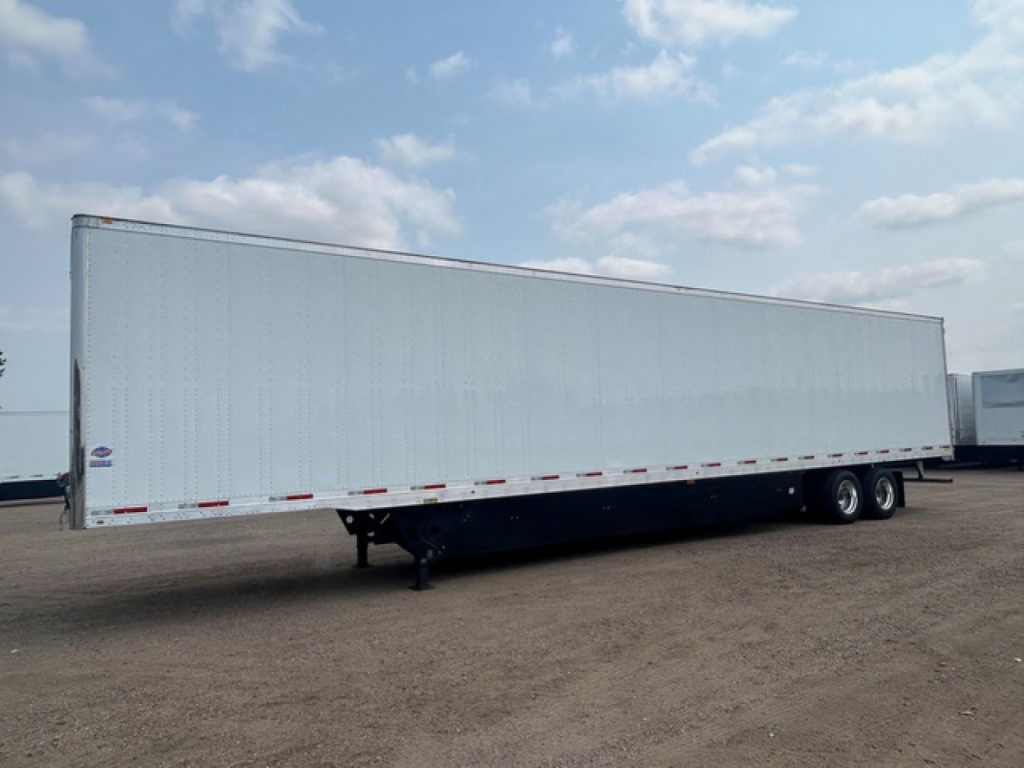

Showing 1 to 24 of 53 results
Have new 2027 van trailer to sell? List it here to reach thousands of buyers.
New 2027 Van Trailers in South Dakota
The most important buying decisions usually come down to trailer weight, durability, and dock compatibility. Common specs in this category include tandem axles, air ride suspension, 22.5-inch tires, and either steel or aluminum wheels. Air ride remains a popular setup for dry vans because it helps protect freight and reduces trailer shock on rougher secondary roads. Sliding tandem axle spacing is another key feature, giving fleets flexibility for bridge law compliance, weight distribution, and tight shipper requirements. Buyers should also pay attention to roof design, floor rating, crossmember spacing, rear frame construction, and door hardware, especially if the trailer will see heavy forklift traffic or frequent multi-stop delivery work.
South Dakota operations often put a premium on corrosion resistance and cold-weather practicality. Aluminum components can help manage tare weight and resist corrosion, while steel wheels and steel subcomponents may still appeal to buyers focused on lower upfront cost and easy serviceability. A smooth interior and quality wall construction matter if the trailer will handle consumer goods or boxed freight where appearance and cargo protection are critical. Swing doors are still common for full dock access, and spec details such as scuff liners, logistics posts, translucent roof material, and tire inflation systems can make a real difference in daily use and maintenance costs.
New-model van trailers appeal to buyers who want current OEM specs, warranty support, and a trailer that can be matched closely to the freight profile. A fleet running heavier cube freight may prioritize floor strength and payload capacity, while a shipper focused on damage prevention may care more about suspension, interior finish, and load securement options. When comparing 2027 van trailers, look closely at GVWR, tare weight, kingpin setting, suspension brand, axle slide range, wheel material, and roof construction. Those details determine how well the trailer fits your lanes, your customers, and your cost per mile.
Frequently Asked Questions about New 2027 Van Trailers in South Dakota
What is a van trailer used for?
A van trailer, commonly called a dry van trailer, is used for hauling general freight that needs protection from weather and road exposure but does not need refrigeration. Typical cargo includes palletized consumer goods, paper products, packaged foods, auto parts, and retail shipments. It is the most common enclosed trailer type in over-the-road and regional trucking because it works well with standard loading docks and a wide range of freight.
What specs matter most when buying a new 2027 van trailer?
The most important specs are usually suspension type, axle configuration, trailer weight, floor capacity, roof construction, and wheel choice. Air ride suspension is often preferred for ride quality and freight protection. Sliding tandems add flexibility for weight distribution and bridge compliance. Buyers should also confirm tire size, interior height, kingpin setting, rear door configuration, and whether the trailer includes practical options such as scuff liners, logistics tracks, or a tire inflation system.
Are aluminum wheels better than steel wheels on a van trailer?
Aluminum wheels reduce weight and generally offer better corrosion resistance, which can help with payload and appearance over time. Steel wheels usually cost less up front and remain a practical choice for fleets focused on durability and simple replacement. The better option depends on how closely you track tare weight, maintenance costs, and trailer appearance across the life of the equipment.
Why is sliding tandem axle spacing important on a dry van?
Sliding tandem axle spacing allows the trailer tandems to move forward or backward to help balance axle weights and meet bridge law requirements. This is especially useful for fleets running different freight densities, different state routes, or a variety of customer loading patterns. It also gives the driver more flexibility at docks and in tight yards, provided the trailer is spec'd appropriately for the operation.
Is a new van trailer a good fit for South Dakota freight operations?
Yes, a dry van trailer is a strong fit for many South Dakota operations because it protects cargo from winter weather, wind, and road debris while supporting both regional and long-haul freight. It is especially practical for agricultural support freight, retail distribution, manufacturing shipments, and warehouse-to-dock lanes. Buyers in this region should pay extra attention to corrosion resistance, suspension quality, tire spec, and overall durability for year-round service.