
New 2027 Vanguard Van Trailers For Sale
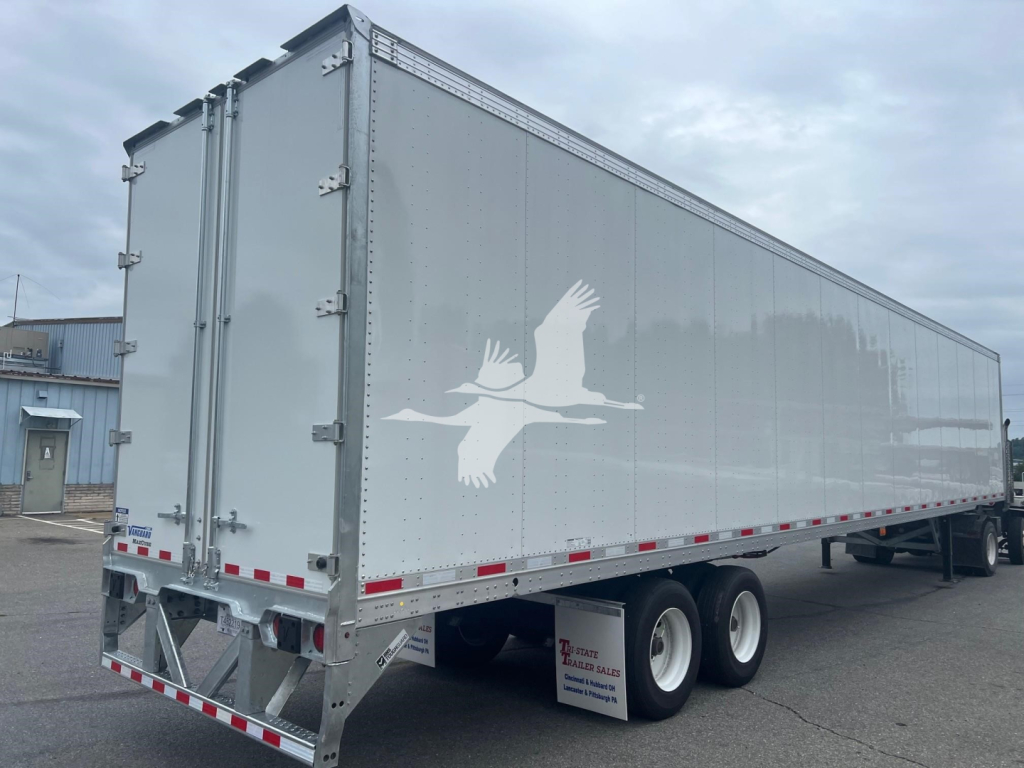
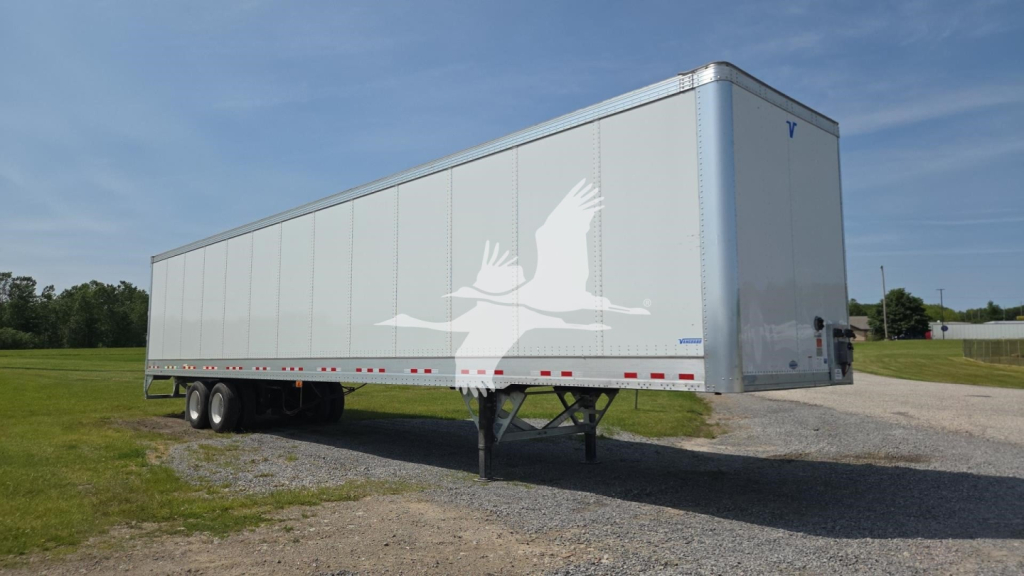
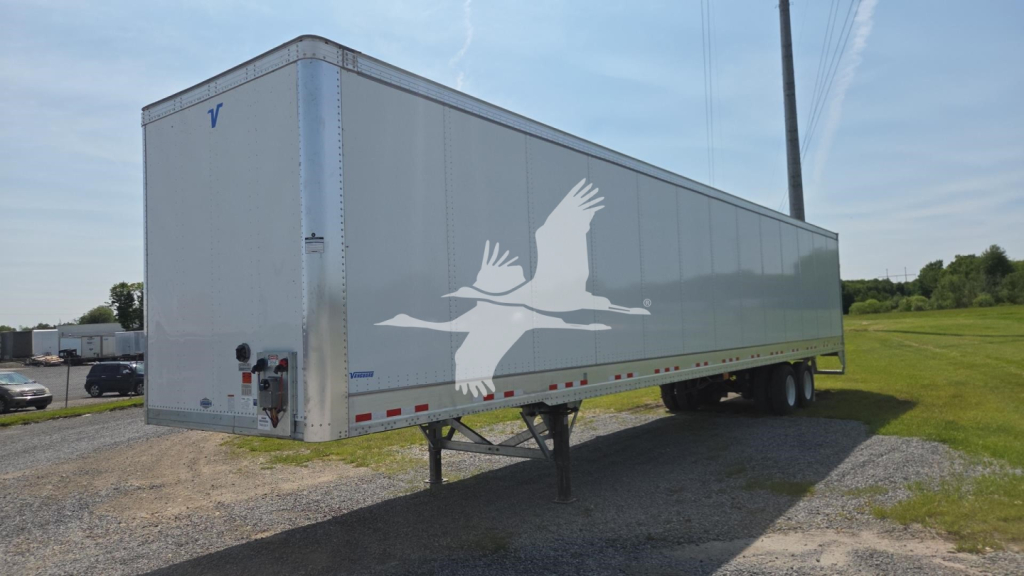
Shop new 2027 Vanguard van trailers, including 53-foot dry vans with composite plate sides, air ride suspension, sliding tandems, and dock-ready specs.
Have new 2027 vanguard van trailer to sell? List it here to reach thousands of buyers.
New 2027 Vanguard Van Trailers
A key decision point on a Vanguard van is sidewall and base rail construction. The sample specs here show VXP composite plate sides, Series A logistics posts on 48-inch spacing, and scuff configurations designed to take forklift contact in repeated loading cycles. Some versions use a standard scuff arrangement, while others use a high base rail design for added lower-wall protection and structural support in tougher freight environments. Buyers comparing units should pay close attention to crossmember spacing, floor rating, and how the trailer is assembled at the base rail. A 1 3/8-inch oak floor, galvanized rear frame, galvanized bumper reinforced for dock-lock use, and a full-height nose liner are all signs of a trailer set up for frequent dock work and long service life.
Running gear and compliance specs are just as important as body construction. Common configurations in this group include tandem axles, air ride suspension, a 49-inch sliding tandem with 216-inch slide rails, and a 36-inch kingpin setting. That layout gives fleets flexibility for bridge law compliance, axle scaling, and compatibility across a broad range of tractors and lanes. Hendrickson suspension systems, Bendix ABS, and tire inflation systems such as TireMaax PRO are common spec choices because they help with tire life, trailer stability, and maintenance control. Standard tire sizing like 295/75R22.5 and two-speed landing gear are what most buyers expect on a road-spec dry van intended for regional or over-the-road use.
For buyers focused on freight mix, the most important questions are cube, floor strength, and dock abuse tolerance. A dry van in this class is a strong fit for consumer goods, food and beverage products that do not require refrigeration, paper products, packaging, and boxed industrial freight. Wider inside dimensions scuff-to-scuff and a tall rear door opening help with loading efficiency, especially for high-volume shippers using forklifts and standard pallet patterns. If the operation sees heavy concentrated loads or aggressive forklift traffic, a higher floor rating, tighter crossmember centers, and stronger lower wall protection are worth prioritizing. If the lane is lighter and cube-driven, standard plate van specs may deliver the right balance of tare weight, durability, and acquisition cost.
Frequently Asked Questions about New 2027 Vanguard Van Trailers
What is a Vanguard van trailer used for?
A Vanguard van trailer is a dry van designed to haul palletized, boxed, and weather-sensitive freight that does not require temperature control. Common applications include retail distribution, general dry freight, paper products, packaging, and dedicated contract hauling. Its enclosed body protects cargo from weather, theft, and road debris, which makes it one of the most widely used trailer types in truckload and fleet service.
What size are most new 2027 Vanguard van trailers?
Most trailers in this category are 53 feet long, 102 inches wide, and 13 feet 6 inches tall overall. Typical interior dimensions are around 110 inches high with roughly 101 inches of usable width across the floor area. That size is the standard for maximizing cubic capacity in dry freight service while remaining compliant for most over-the-road operations.
Why does crossmember spacing matter on a dry van trailer?
Crossmember spacing affects floor support, forklift durability, and the trailer's ability to handle concentrated loads. Tighter spacing, such as 10-inch centers instead of 12-inch centers, generally provides better support under heavy forklift traffic and denser freight. Buyers hauling heavier commodities or operating in high-cycle warehouse environments should pay close attention to this spec because it directly impacts long-term floor and structure performance.
What is the benefit of a sliding tandem on a Vanguard van trailer?
A sliding tandem lets the operator shift axle position to help with bridge law compliance, axle weight distribution, and maneuverability at docks or tight facilities. A common setup is a 49-inch sliding tandem with long slide rails, which gives flexibility across different states, load profiles, and tractor wheelbases. For fleets running mixed routes, that adjustability is an important operational advantage.
Are composite plate sidewalls a good choice for dry van service?
Composite plate sidewalls are a strong choice for many dry van applications because they combine durability, damage resistance, and a clean exterior surface. In fleet service, they are valued for standing up to repeated loading cycles and helping maintain trailer appearance over time. The right sidewall choice still depends on freight type and loading conditions, so buyers should compare side protection, scuff design, and lower-wall reinforcement along with the wall material itself.