
New 2027 Alpha Trailers For Sale in Colorado
Shop new 2027 Alpha trailers in Colorado, including hydraulic detachable lowboy and double drop models for heavy haul applications.

Selling a new 2027 alpha trailer? List your new 2027 alpha trailer for sale and reach thousands of commercial buyers.
New 2027 Alpha Trailers in Colorado
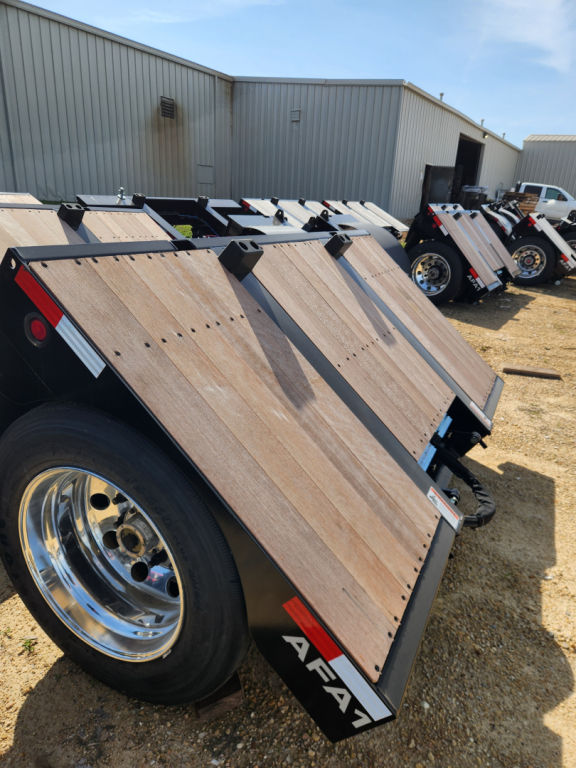
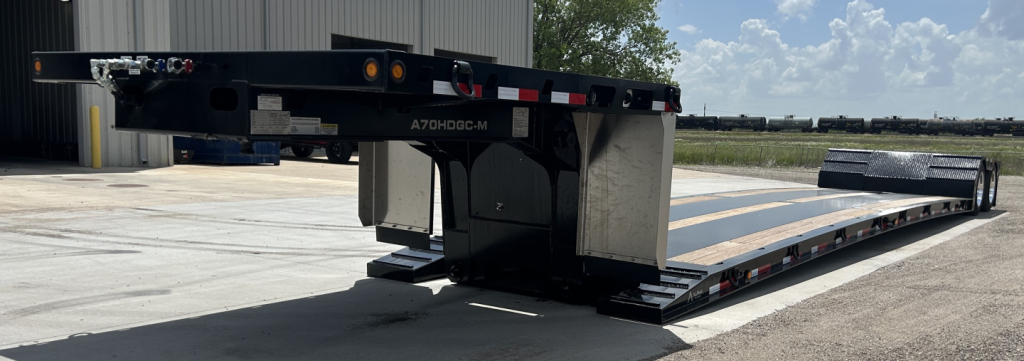
A buyer comparing Alpha lowboys should pay close attention to deck geometry and loading approach. Common specs in this category include 53-foot overall length, 102-inch width, hydraulic detachable goosenecks around 10 feet 5 inches, and kingpin settings that affect swing clearance and tractor compatibility. Load deck height is a major factor on taller machinery, especially when trying to stay legal on Colorado routes with bridge, tunnel, and mountain corridor considerations. Mini deck and double drop designs help keep overall loaded height down, while features like front flip ramps, full-width platforms, Apitong decking, chain slots, D-rings, and swingout outriggers improve versatility for mixed fleets. Extendable lowboy trailers add flexibility for longer rigid-base loads, but buyers should confirm how capacity changes in the open position versus closed position.
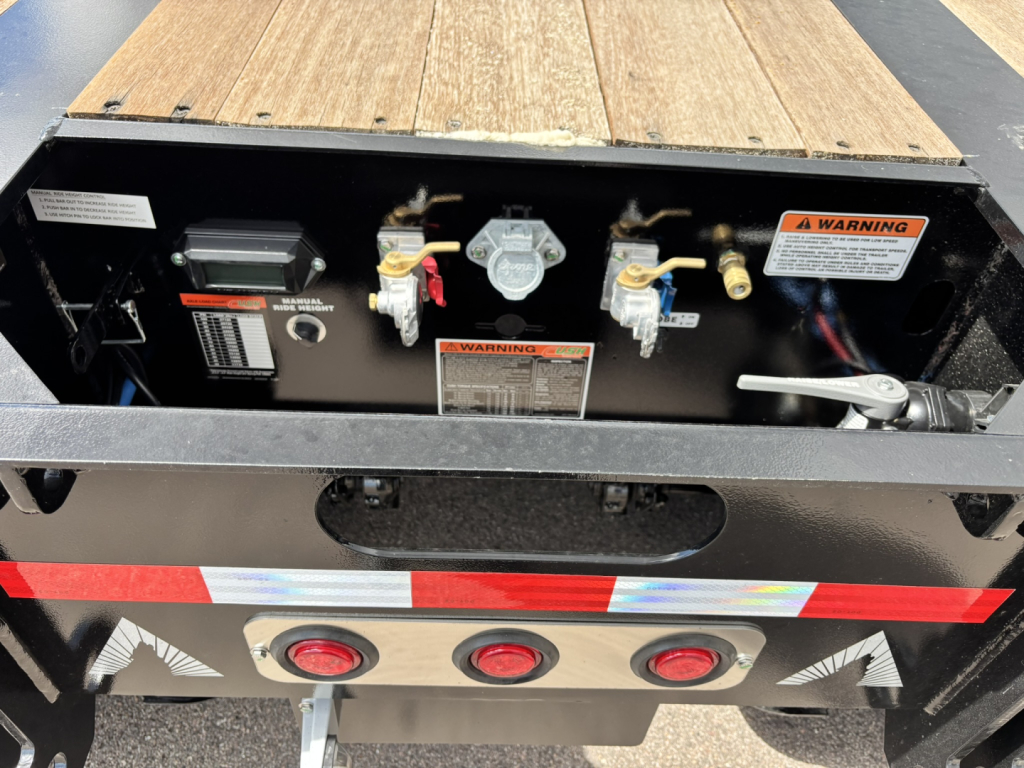
Suspension, axle package, and rear-frame prep matter just as much as headline tonnage. New Alpha heavy haul trailers commonly use tandem or tri-axle air ride suspensions with 25,000-pound axles, raise-lower controls, spring brakes, ABS, and 22.5-inch rubber. Prepped-for-flip-axle rear frames, stinger reinforcement, and lift axle arrangements can make a big difference for permit loads and future upfitting. Airweigh scale systems, LED lighting, strobe packages, aluminum outside wheels, toolboxes, stake pockets, and wide load sign provisions are practical details that save time in daily operation. For fleets running mountain grades and jobsite access roads in Colorado, ride height adjustment and ground clearance deserve close review because they affect both loading angle and breakover performance.
Alpha trailers in this class are aimed at buyers who need a purpose-built heavy equipment hauler rather than a general freight platform. A hydraulic detachable lowboy, also known as a detachable gooseneck trailer or lowboy trailer, is typically chosen for easier self-loading of machines without relying on dock access or external lifting equipment. The best fit comes from matching the trailer to the freight profile: excavators and dozers often call for concentrated-load ratings and low deck height, while longer components may justify an extendable double drop with outriggers and rigid-load-base capacity. When comparing listings, look beyond the published ton rating and focus on loaded deck length, axle spacing, neck design, clearance, tie-down layout, and any provisions for flip axles or stingers, because those details determine how useful the trailer will be in real work.
Frequently Asked Questions about New 2027 Alpha Trailers in Colorado
What is the difference between an Alpha hydraulic detachable lowboy and an extendable double drop trailer?
A hydraulic detachable lowboy is designed to disconnect at the gooseneck so equipment can be driven directly onto the deck from the front. An extendable double drop adds the ability to lengthen the main deck for longer freight while still maintaining a lower deck section between the neck and rear axle group. The practical choice depends on freight mix. If most loads are self-propelled machines with standard wheelbases or track lengths, a fixed or shorter deck hydraulic detach may be more efficient. If the trailer must handle long rigid loads, components, or equipment with unusual spacing, an extendable configuration offers more flexibility.
Why does loaded deck height matter so much on a lowboy trailer in Colorado?
Loaded deck height directly affects whether taller equipment can move legally and safely on mountain and regional routes. A lower deck helps reduce overall transport height, which improves route options and can reduce permit complications. In Colorado, overhead restrictions, grade changes, and breakover points all make deck height and ground clearance important. Buyers should review both loaded deck height and ground clearance together, because the lowest trailer is not always the best trailer if the job includes uneven access roads, steep approaches, or rough jobsite entrances.
How should buyers evaluate capacity on a new heavy haul trailer?
The posted gross capacity is only the starting point. Buyers need to confirm concentrated-load ratings, capacity in a specified deck length such as 16 feet, and how the rating changes when the trailer is extended. Axle count, axle spacing, neck design, and frame reinforcement all influence real-world usefulness. A trailer rated for a certain tonnage in closed position may carry less when open, or it may require additional equipment such as a flip axle or stinger setup for some applications. Matching the trailer's rating structure to the actual machine weights and footprint is more important than comparing tonnage alone.
What features are most useful on a new Alpha lowboy for equipment hauling?
The most useful features depend on the freight, but several specs consistently matter. Hydraulic detachable goosenecks speed loading. Apitong decking holds up well under equipment traffic. D-rings, chain slots, and outriggers improve securement flexibility. Air ride suspension and raise-lower valves help with loading angle and ride quality. Flip-axle prep, scale systems, toolbox space, and LED or strobe lighting add daily operating value. Buyers hauling a changing mix of machines usually benefit from a trailer with flexible tie-down placement, deck extension capability when needed, and rear frame provisions for future heavy haul accessories.
What does kingpin setting and swing clearance mean on a lowboy trailer?
Kingpin setting is the distance from the front of the trailer neck to the kingpin, and it affects how the trailer pairs with the tractor. Swing clearance refers to the space available during turns between the trailer neck and the tractor. These dimensions matter because they influence maneuverability, tractor compatibility, and the ability to run accessories such as a flip neck extension. On heavy haul setups, the wrong kingpin setting or inadequate swing clearance can create turning limitations or interference issues, so buyers should compare those measurements with the intended tractor wheelbase and fifth-wheel height.