
New 2027 Lowboy Trailers For Sale in Colorado
Shop new 2027 lowboy trailers for heavy equipment hauling in Colorado. Compare capacities, deck setups, detachable necks, axles, and specs.
Selling a new 2027 lowboy trailer? List your new 2027 lowboy trailer for sale and reach thousands of commercial buyers.
New 2027 Lowboy Trailers in Colorado
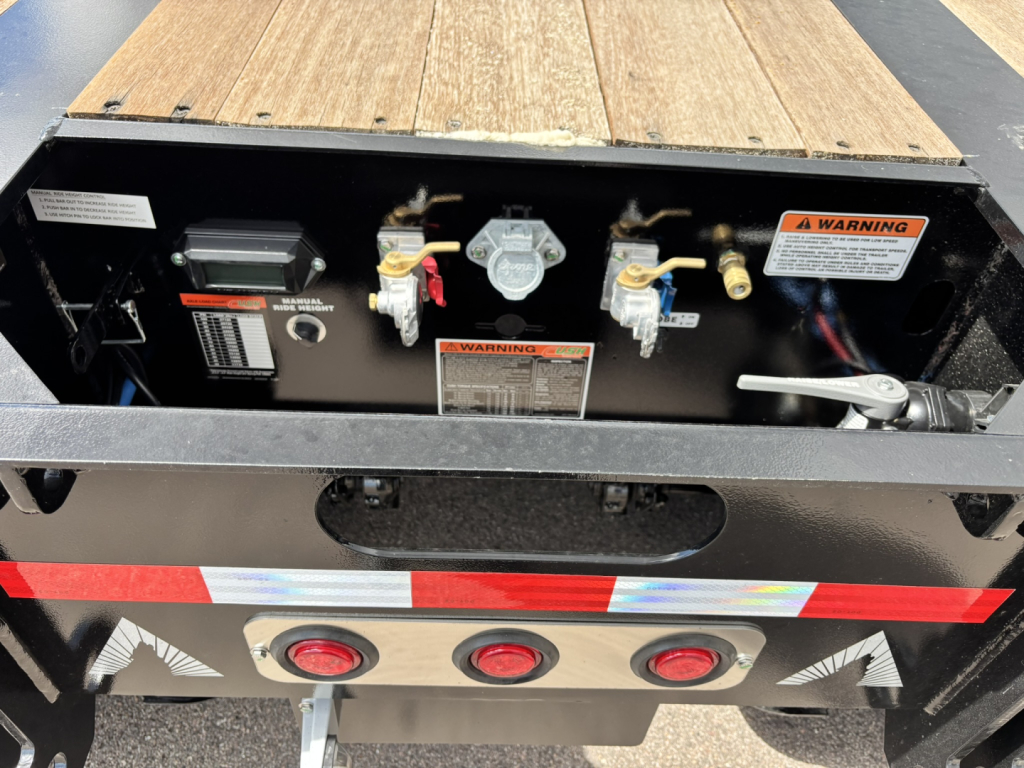
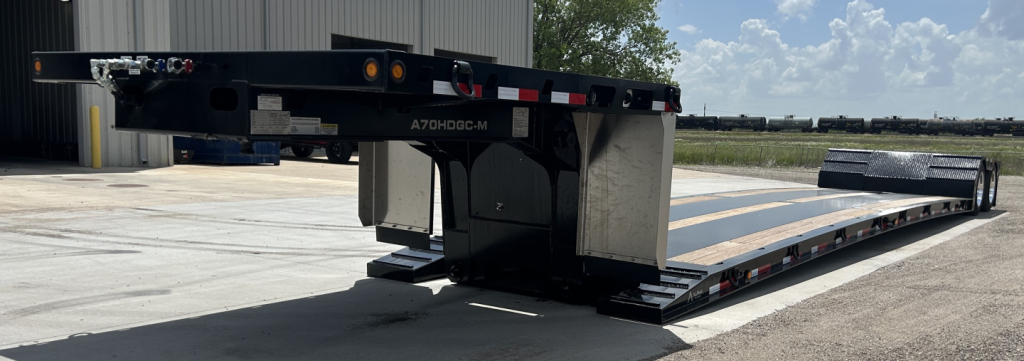
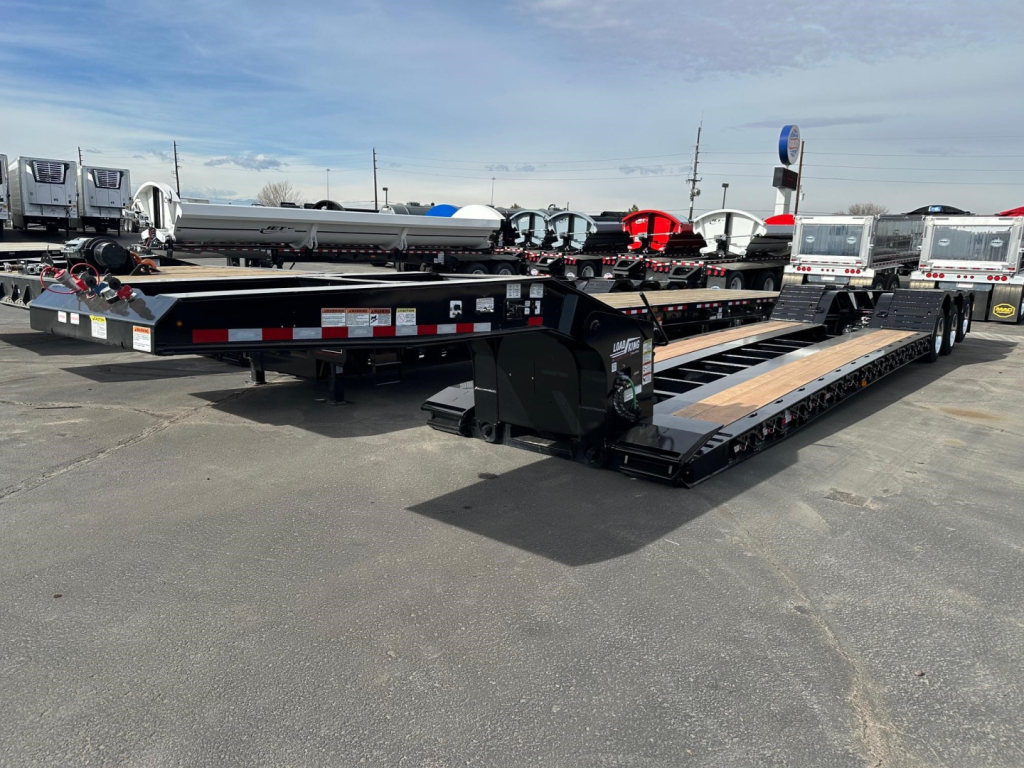
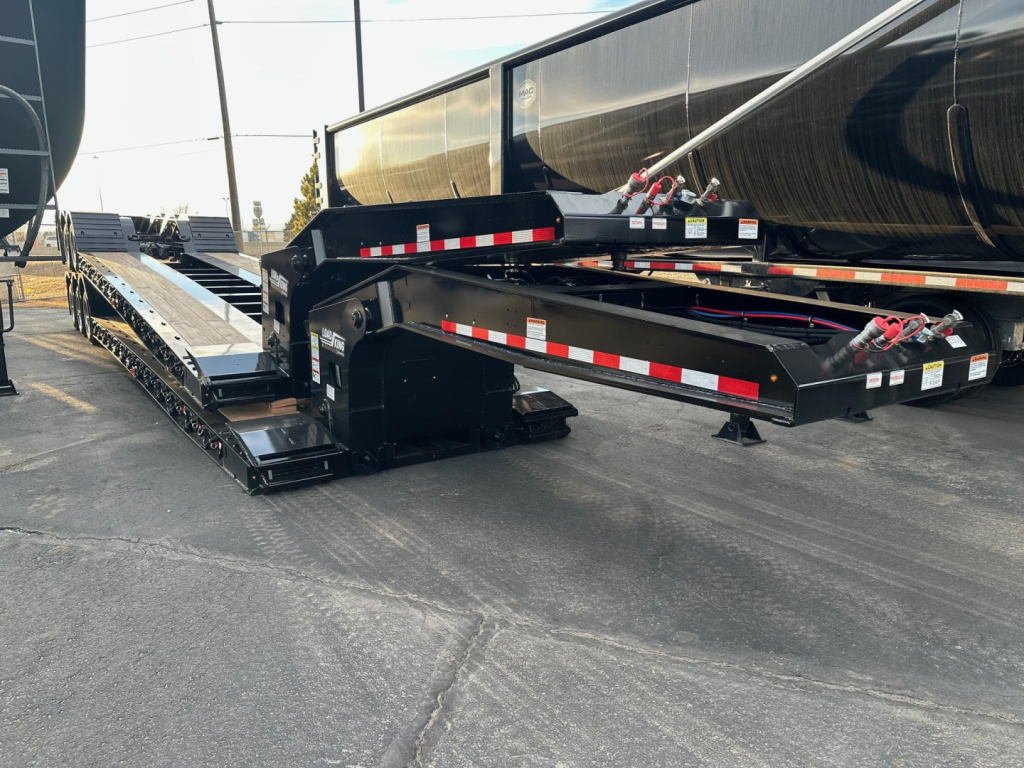
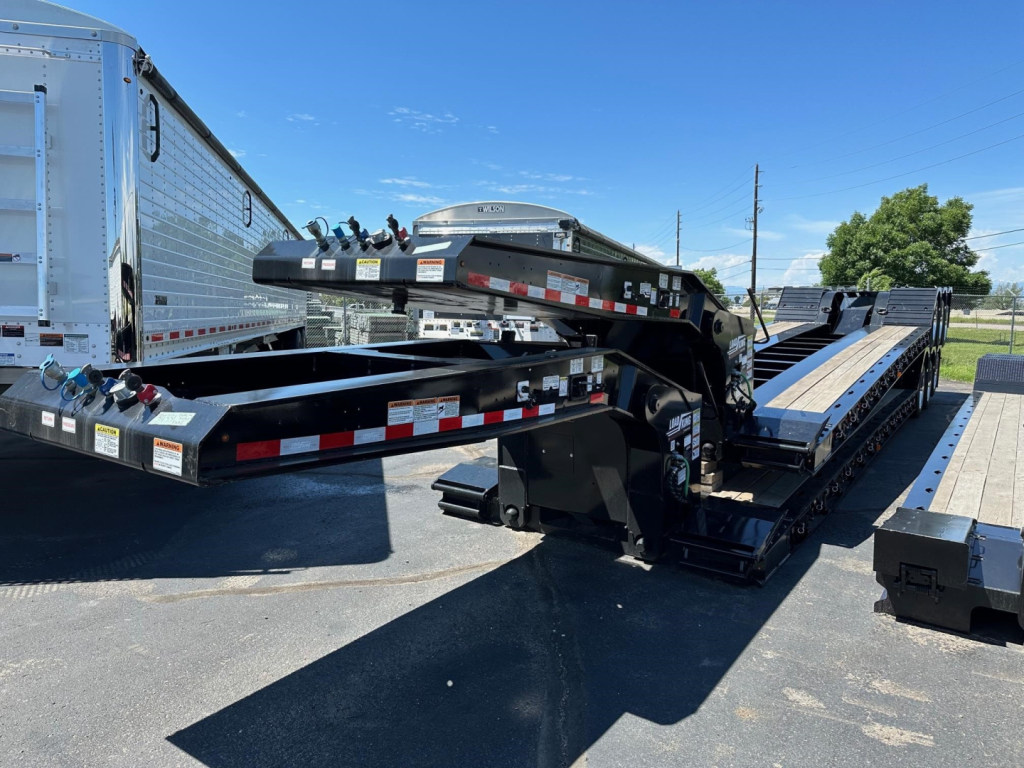
A lot of new lowboy trailers in this class fall into the 55-ton to 60-ton range, often with a 26-foot to 29-foot well, 102-inch overall width, and tri-axle rear configuration. Hydraulic detachable goosenecks and removable goosenecks are common because they simplify loading tracked equipment from the front and improve flexibility on jobsites. Features like two kingpin settings, adjustable ride height, air ride suspension, rear lift axles, and provisions for a flip axle or stinger axle are worth close attention if your loads vary by machine size or state bridge requirements. Tapered main beams, load-bearing fenders, front flip ramps, chain slots, bent D-rings, and swing-out outriggers all add practical value when the trailer is used hard and loaded with different equipment every week.
Deck construction and securement layout tell you a lot about how a lowboy will hold up over time. Apitong decking is still a preferred choice because it handles concentrated equipment loads well and stands up to repeated track loading better than lighter wood options. Buyers should also compare deck length in the well, loaded ground clearance, crossmember design, and the spacing and placement of securement points. A lowboy that includes chain slots on both sides, outriggers for wider loads, work lights, scale systems, LED lighting, and tool storage can reduce setup time and make the trailer more useful in mixed fleets. If the trailer is extendable, check how far the main deck opens, what increments it extends in, and whether the frame is reinforced for a stinger or additional axle equipment.
The best 2027 lowboy trailer for sale is usually the one that matches your heaviest legal load and your most common machine dimensions without forcing a permit or axle change every trip. In Colorado, that often means thinking beyond the posted ton rating and reviewing axle spacing, tire size, loaded fifth wheel height, neck swing clearance, and compatibility with your tractor PTO or pony motor setup. New lowboy trailers also appeal to buyers who want current lighting, brake, and suspension specs along with a clean maintenance baseline. When comparing listings, focus on payload in a given span such as 110,000 pounds in 12 feet, well depth, gooseneck type, and whether flip axle connections, air and electric hookups, and ride control features are already built in.
Frequently Asked Questions about New 2027 Lowboy Trailers in Colorado
What is the difference between a lowboy and a detachable gooseneck trailer?
A lowboy is the trailer category, and detachable gooseneck is one of the most common neck styles within that category. Lowboy trailers are designed with a dropped deck or well to carry tall, heavy equipment lower to the ground. A detachable gooseneck, often hydraulic, lets the front of the trailer disconnect so equipment can be driven directly onto the deck from the front. Many heavy equipment buyers specifically want a hydraulic detachable lowboy because it speeds loading and works well for tracked machines.
What capacity should I look for in a new lowboy trailer?
Capacity should match your heaviest routine load, not just the occasional machine. Many contractors shop in the 55-ton to 60-ton class because it covers a wide range of earthmoving and paving equipment, but the useful rating depends on load concentration, deck length, axle setup, and bridge law compliance. A trailer rated for 110,000 pounds in 12 feet may fit some machines well and still be a poor match for a longer or differently balanced piece of equipment. Look at concentrated load rating, axle spacing, and whether the trailer is designed to accept a flip axle or stinger for future flexibility.
Why does well length matter on a lowboy trailer?
Well length determines how comfortably a machine fits between the neck and the rear deck, and it has a direct effect on axle loading and securement. A 26-foot well is common and works for many excavators, dozers, and loaders, but longer equipment or unusual weight distribution may need more deck space or an extendable design. If the machine does not sit correctly in the well, the trailer may be harder to balance legally and harder to secure. Buyers should compare machine track length, overall wheelbase, and attachment overhang against the trailer’s usable deck dimensions.
Are air ride suspensions common on heavy lowboy trailers?
Yes, air ride is common on new lowboy trailers because it helps manage ride height, improves load handling, and can make loading and unloading more controlled. Adjustable ride height is especially useful when dealing with uneven jobsites, loading docks, or clearance-sensitive moves. Air ride setups are often paired with lift axles and raise-lower valves so the trailer can adapt to changing load conditions. Suspension choice should still be reviewed alongside brake type, axle capacity, and how the trailer will be used in rough off-road environments.
What features matter most for hauling equipment in Colorado?
In Colorado, buyers should pay close attention to loaded deck height, ground clearance, axle group configuration, and how the trailer will perform on grades and variable road conditions. Mountain routes and permit considerations can make a low deck height and proper axle spread more valuable than a simple ton rating. Hydraulic detachable necks, adjustable ride height, strong securement options, and connections for additional axle equipment can all help when moving heavy iron across mixed terrain. It is also smart to confirm tractor compatibility for PTO or pony motor operation before choosing a trailer setup.