
New 2027 Load King Lowboy Trailers For Sale in Colorado
New 2027 Load King lowboy trailers for sale in Colorado. Compare 55 to 60 ton detach lowboys with 26' wells, tri axles, and scraper necks.
Selling a new 2027 load king lowboy trailer? List your new 2027 load king lowboy trailer for sale and reach thousands of commercial buyers.
New 2027 Load King Lowboy Trailers in Colorado
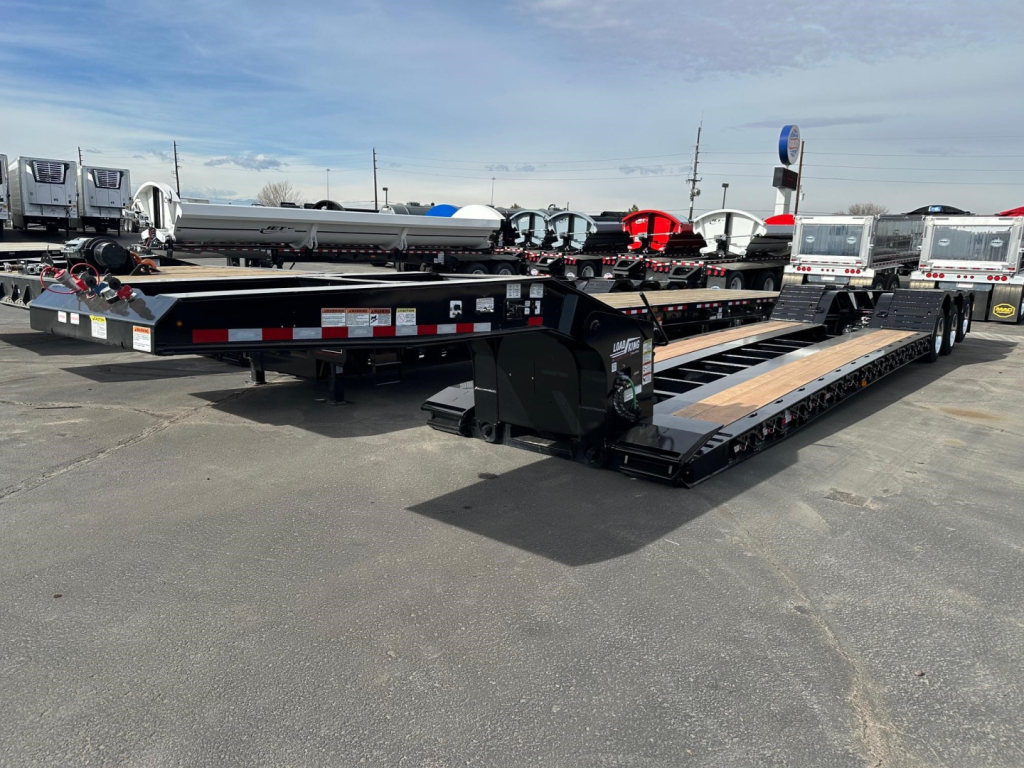
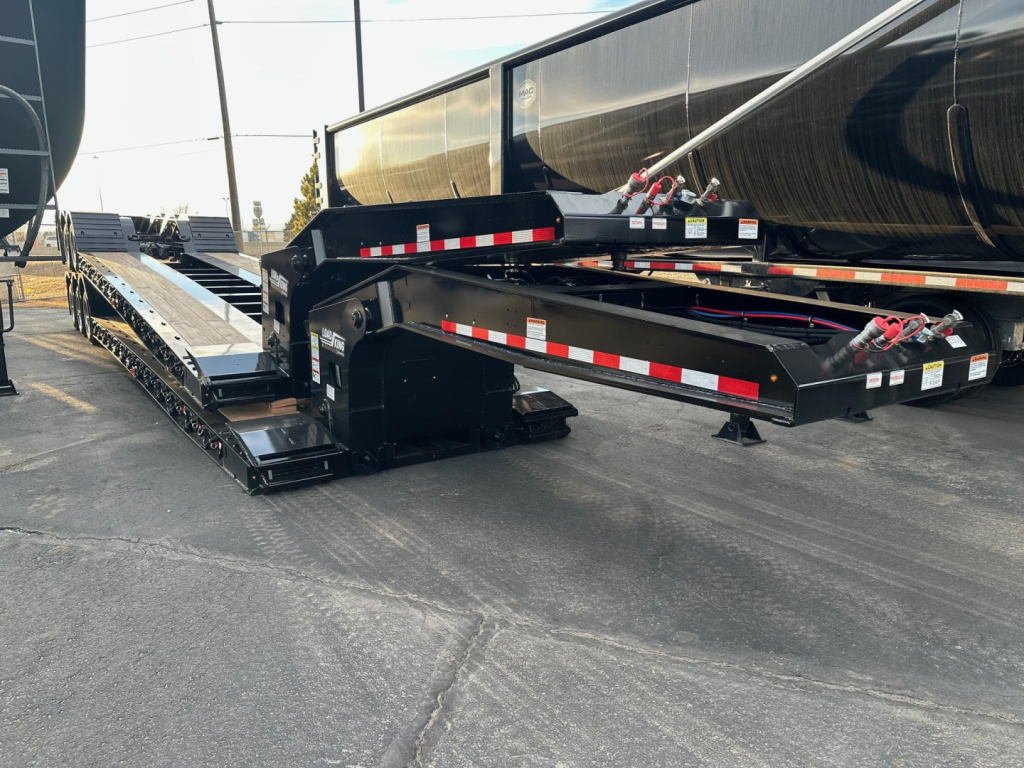
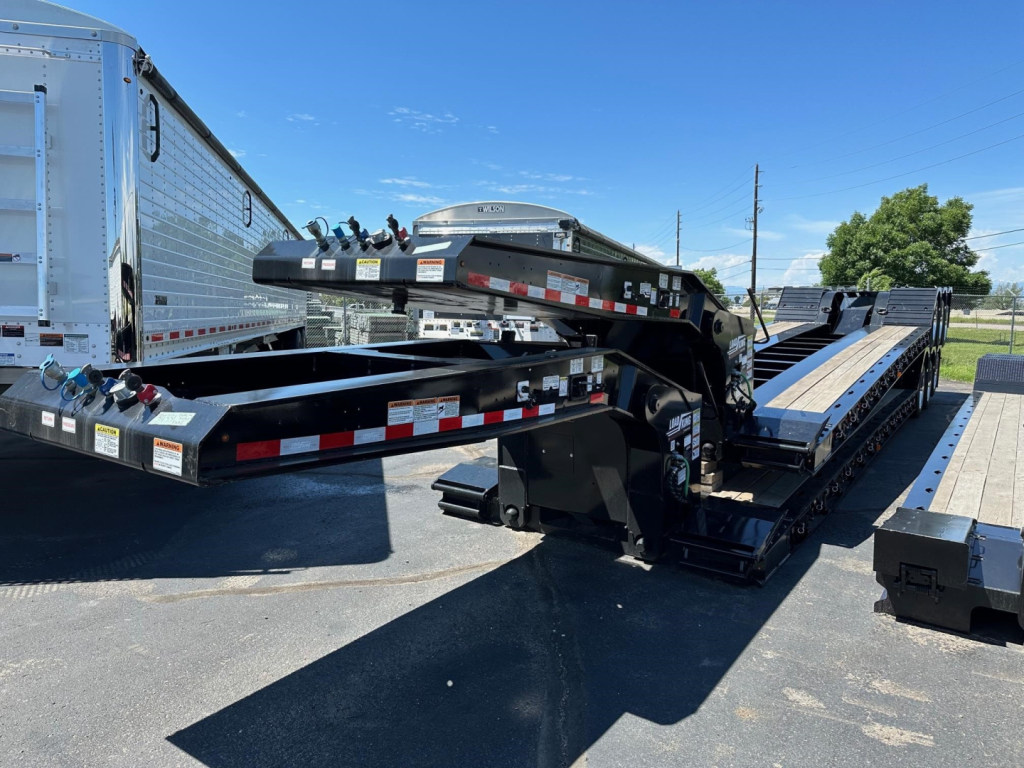
Load King lowboys in this range are often spec'd with a hydraulic detachable or removable gooseneck, including scraper neck designs for easier loading angles and better compatibility with self-propelled iron. PTO hook-ups and pony motor provisions matter if the trailer may be pulled by different tractors or needs flexibility in the field. Two kingpin settings can help with axle group placement and bridge compliance, which is important for Colorado buyers moving heavy equipment across mixed routes, mountain grades, and permit-sensitive corridors. A tri-axle rear with air ride and a rear lift axle is a common setup because it balances payload support, ride quality, and maneuverability while leaving room for a future flip axle or 4th axle connection package when heavier permitted loads are part of the plan.
Deck and securement details separate a basic heavy-haul trailer from one that works every day with less hassle. Apitong decking is widely preferred for durability under steel tracks and concentrated equipment loads. Front flip ramps, tapered beams, chain slots, bent D-rings, outriggers, and load-bearing bolt-on fenders all improve loading flexibility and tie-down options. Adjustable ride height helps with dock transitions, jobsite approach angles, and deck-to-ground loading geometry. Buyers hauling mixed fleets should pay close attention to well length, beam design, rear deck length, and fender placement so the trailer fits the machines actually being moved, not just the rated tonnage on paper.
For heavy-haul work in Colorado, it also pays to think beyond raw capacity. Mountain terrain, seasonal road conditions, and permit routing can make axle spacing, tire size, lighting, and scale visibility more important than they appear on a spec sheet. Features like liquid-filled scale gauges, LED marker lights, strobes, work lights, and air and electric connections for an additional axle package can improve both compliance and day-to-day usability. A properly spec'd Load King lowboy should match the tractor, the permit profile, and the equipment mix, with enough flexibility to handle future jobs without carrying unnecessary tare weight.
Frequently Asked Questions about New 2027 Load King Lowboy Trailers in Colorado
What is the difference between a 55 ton and 60 ton lowboy trailer?
The main difference is rated carrying capacity over a specified section of the deck, often measured in a set distance such as 12 feet in the well. A 60 ton lowboy generally supports heavier concentrated loads, but capacity alone does not determine legality or real-world performance. Axle configuration, kingpin setting, bridge spacing, neck design, and whether a flip axle or booster is added all affect how much equipment the trailer can haul on permitted routes.
Why does a hydraulic detachable gooseneck matter on a lowboy?
A hydraulic detachable gooseneck lets the trailer separate at the front so equipment can be driven onto the deck from ground level. This is especially useful for tracked machines, low-clearance equipment, and frequent loading cycles. It also reduces dependence on external ramps and usually improves loading angle compared with fixed-neck designs, which can speed up loading and reduce risk of undercarriage contact.
What should I look for in a Colorado lowboy trailer spec?
Colorado buyers should focus on axle spacing, kingpin settings, overall loaded height, and compatibility with permit requirements for mountain and interstate routes. A lowboy with adjustable ride height, proper lighting, strong tie-down points, and provisions for a 4th axle or flip axle can be a better long-term choice than a simpler trailer with the same ton rating. Terrain and route restrictions often make bridge compliance and weight distribution just as important as deck capacity.
Is a 26-foot well a good size for heavy equipment hauling?
A 26-foot well is a common and versatile size for many excavators, dozers, loaders, and paving machines. It gives enough deck room for a wide range of equipment while maintaining the low carrying height that defines a lowboy trailer. The right well length still depends on the machine's track length, attachment overhang, weight concentration, and where the load needs to sit to keep axle weights balanced.
Why are Apitong decking, outriggers, and chain slots important on a lowboy?
These features directly affect durability and securement. Apitong wood holds up well under repeated heavy equipment loading, especially with steel tracks. Outriggers provide extra support and usable width for certain loads, and chain slots create more tie-down options so operators can secure equipment cleanly and efficiently. On a working lowboy, these details often matter as much as headline specs because they influence daily loading speed, safety, and trailer longevity.