
New 2027 Trailers For Sale in Pennsylvania
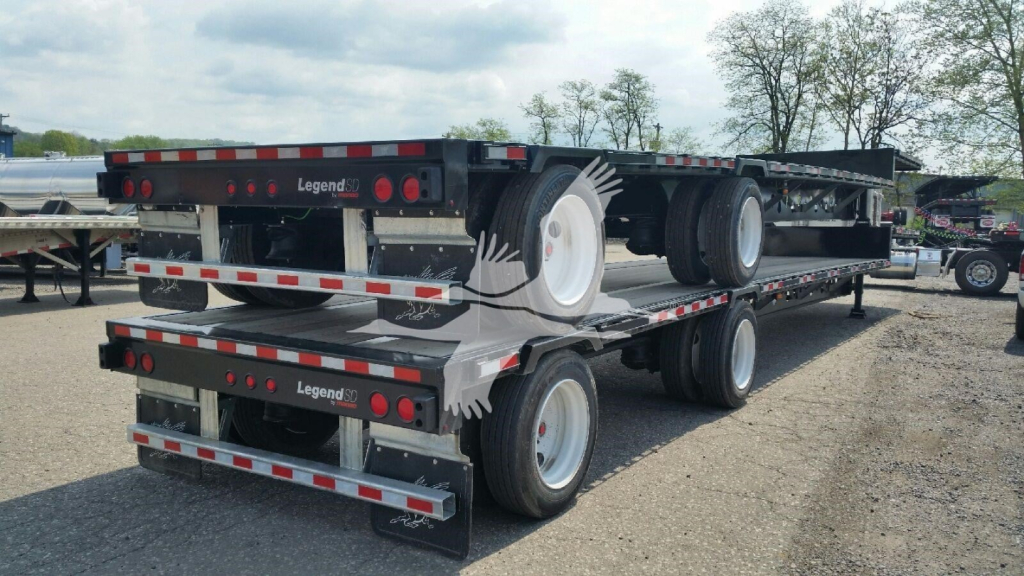
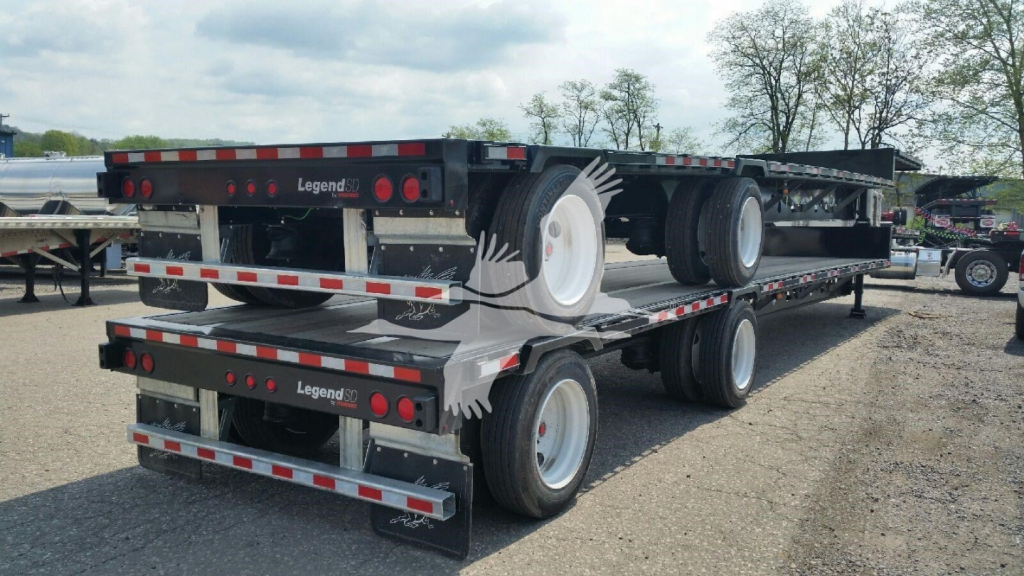
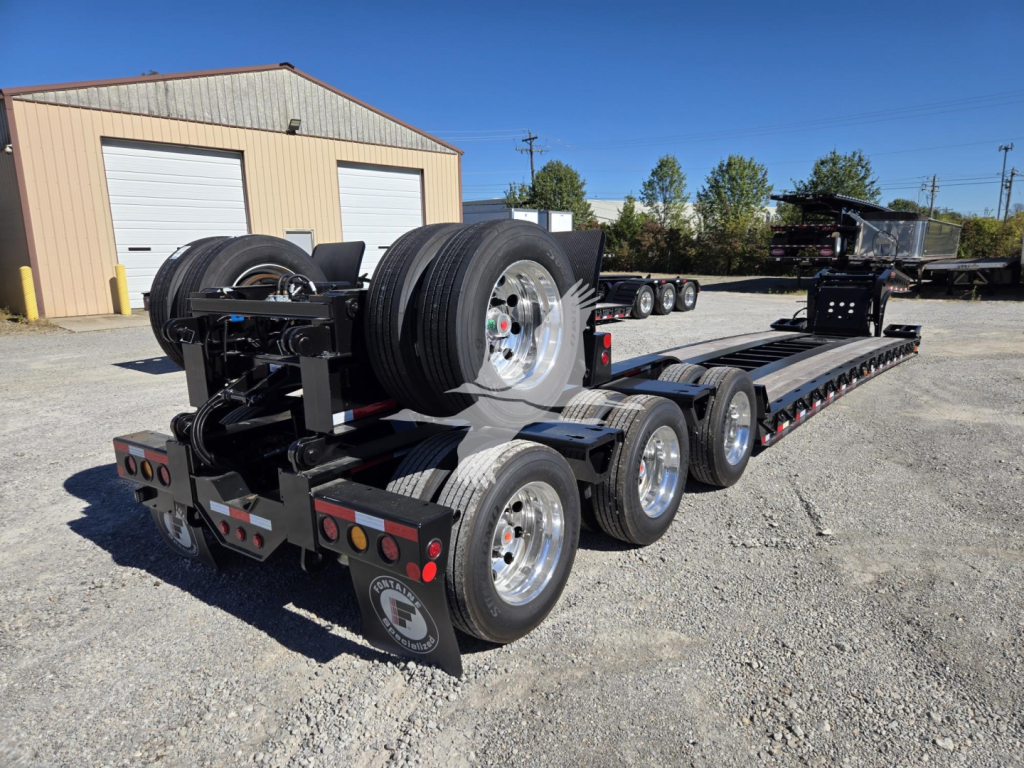
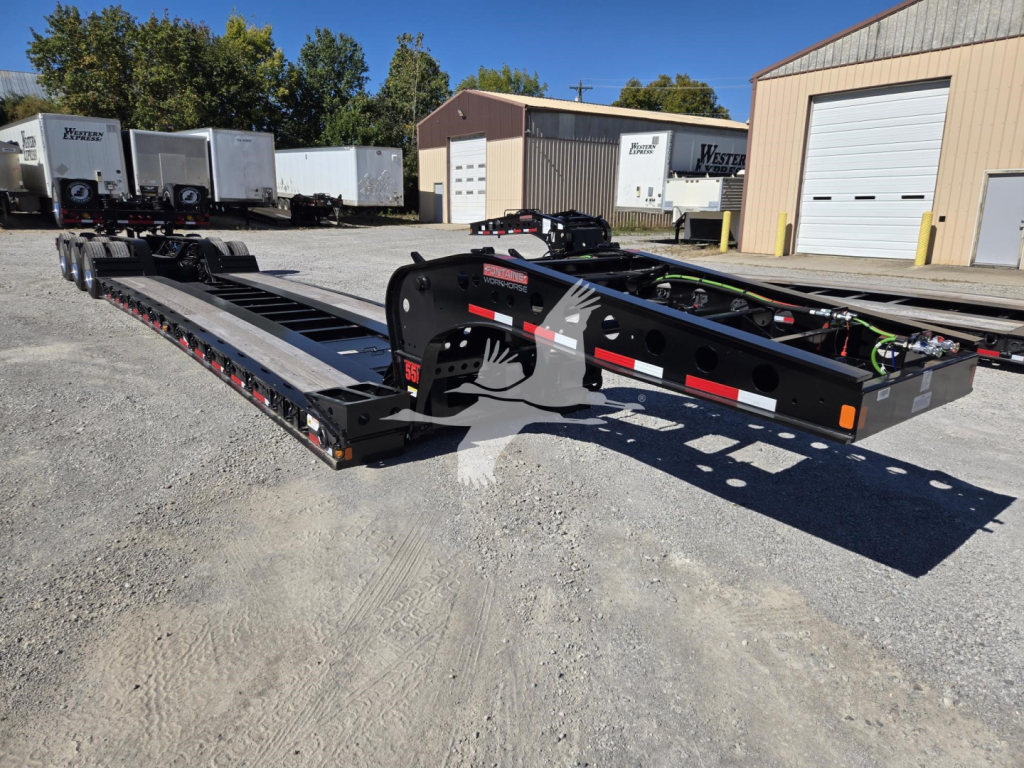
Shop new 2027 trailers for sale in Pennsylvania, including flatbed and drop deck models with current specs for hauling, securement, and payload needs.
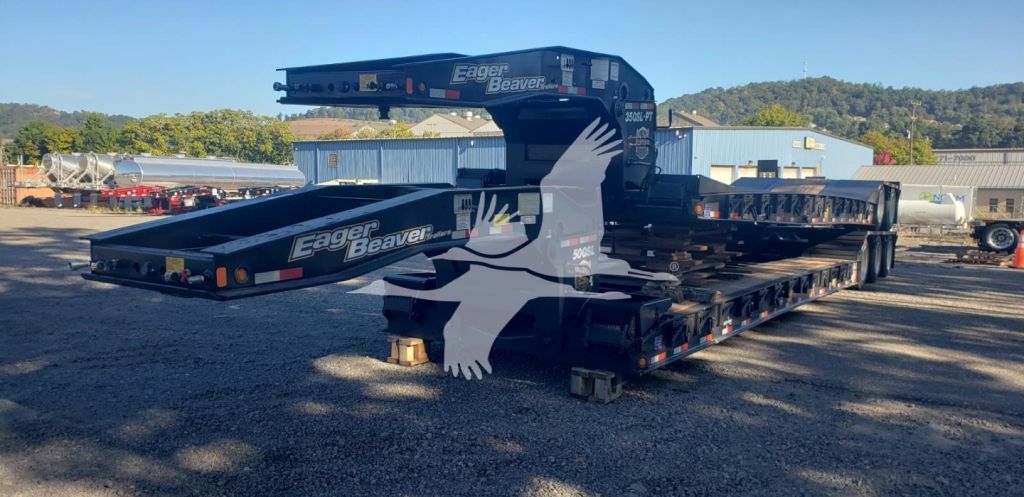
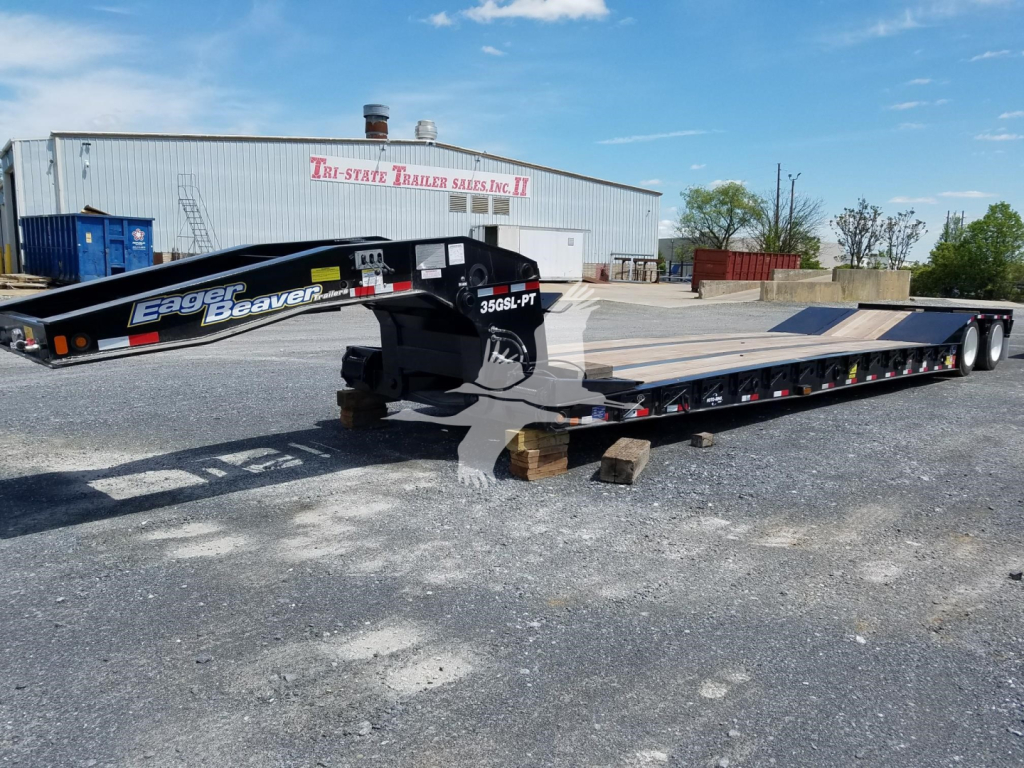
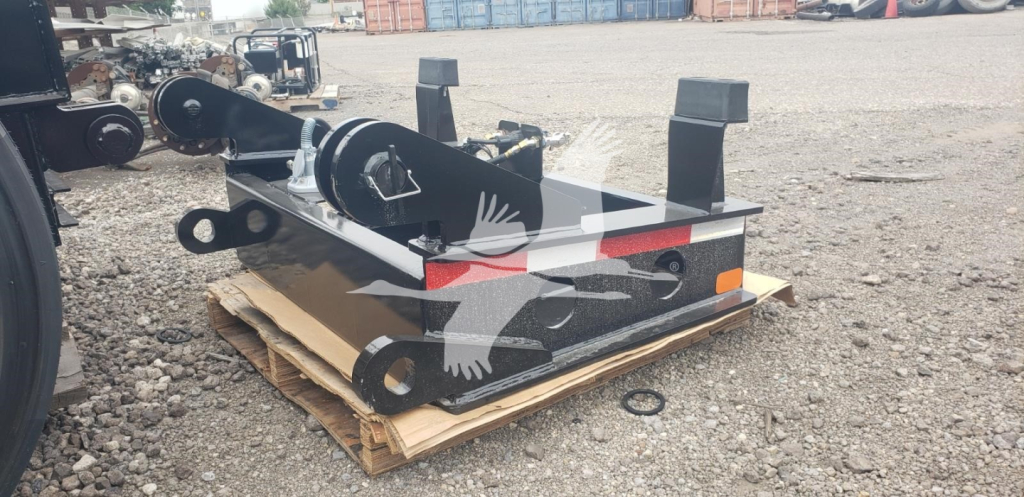
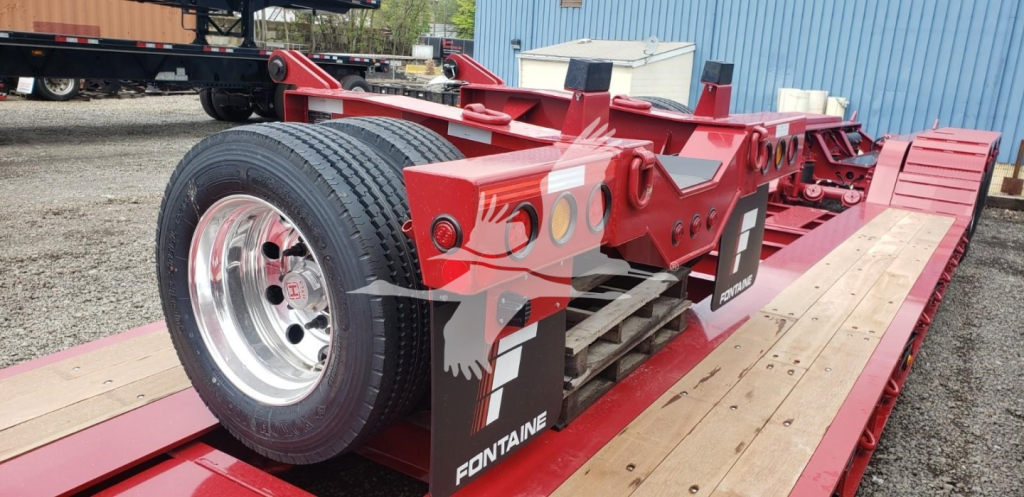
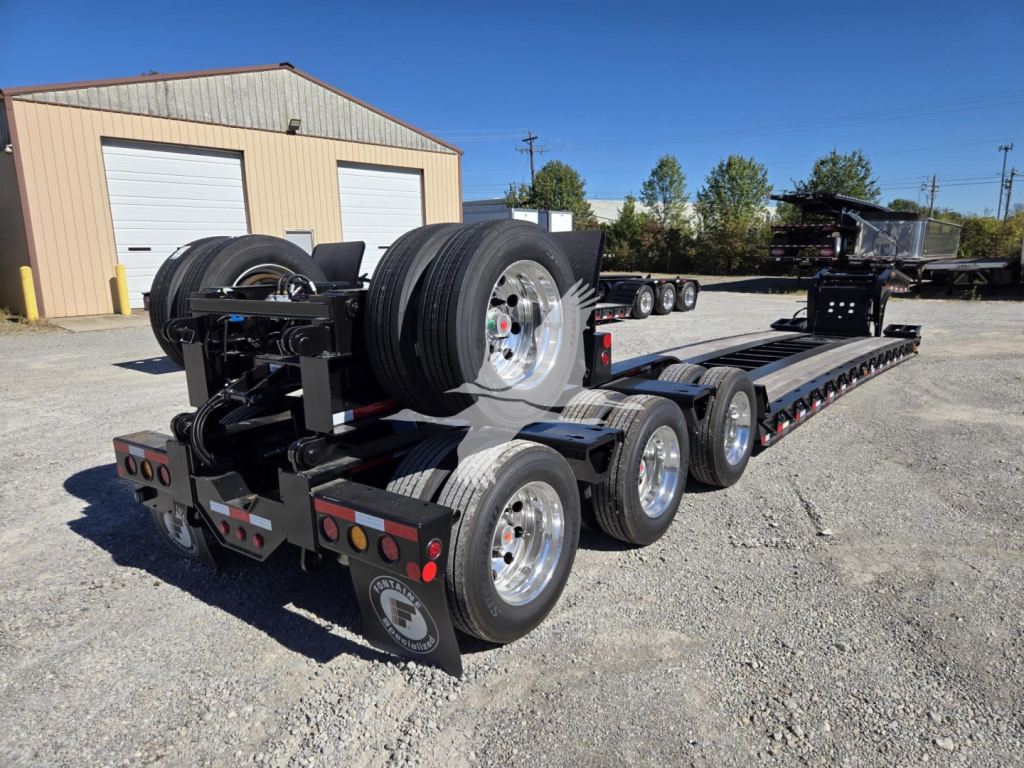
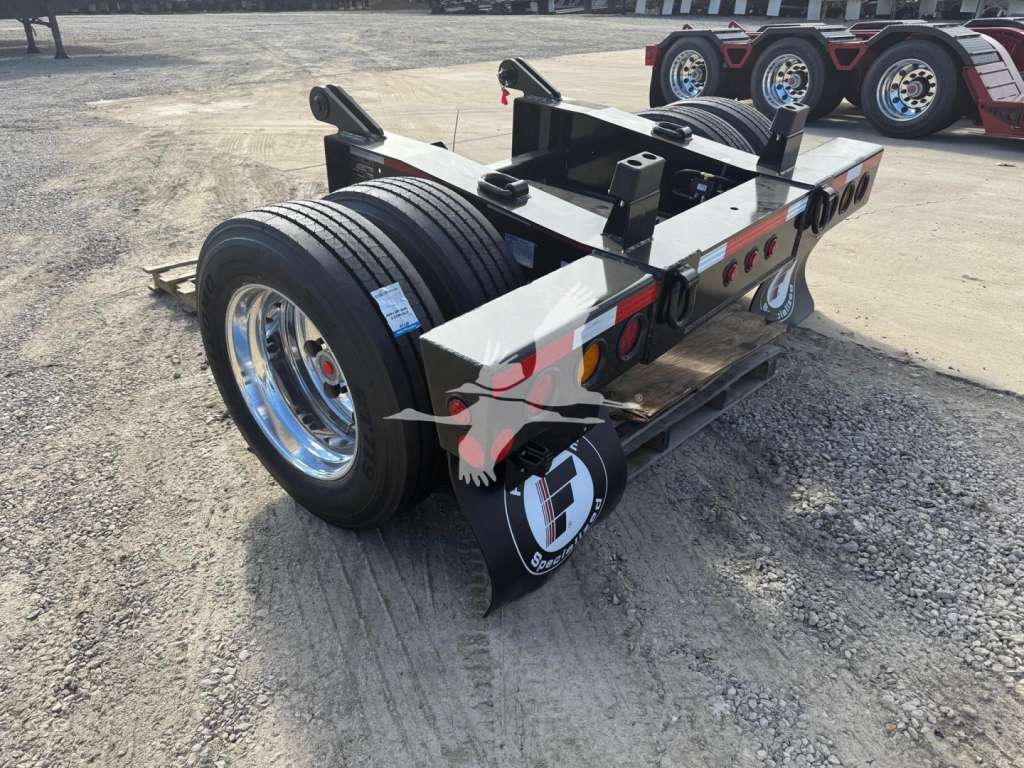
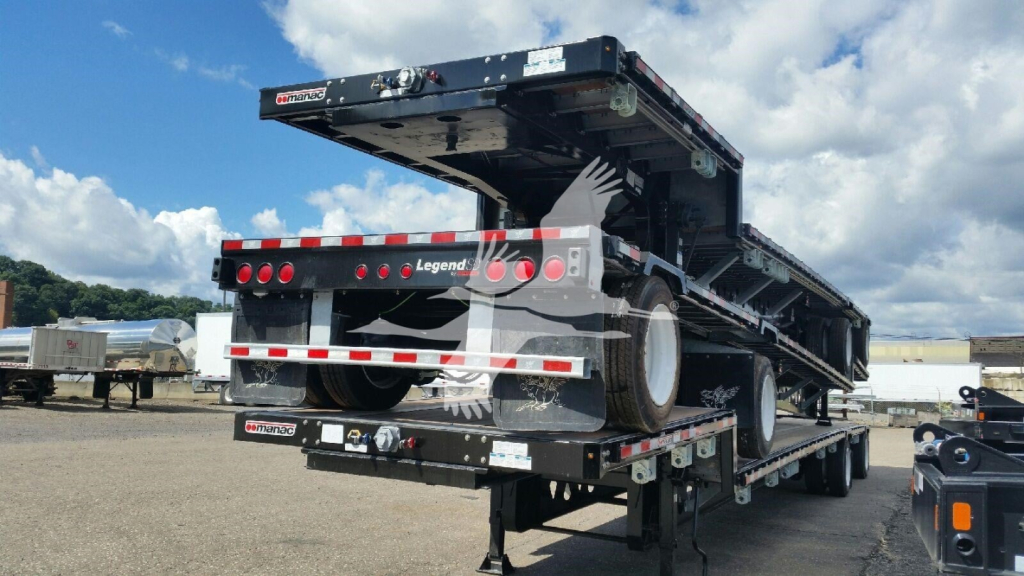
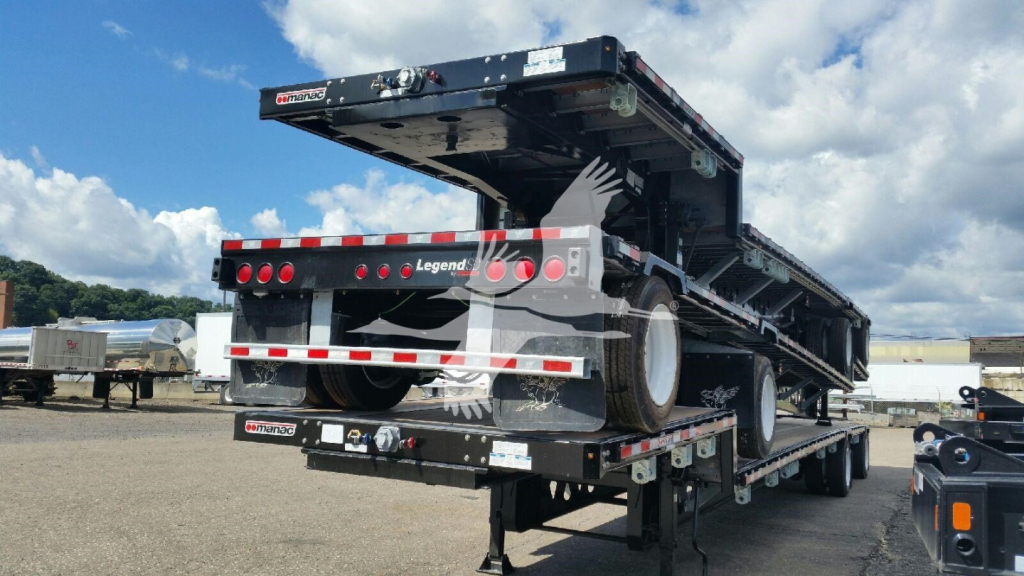
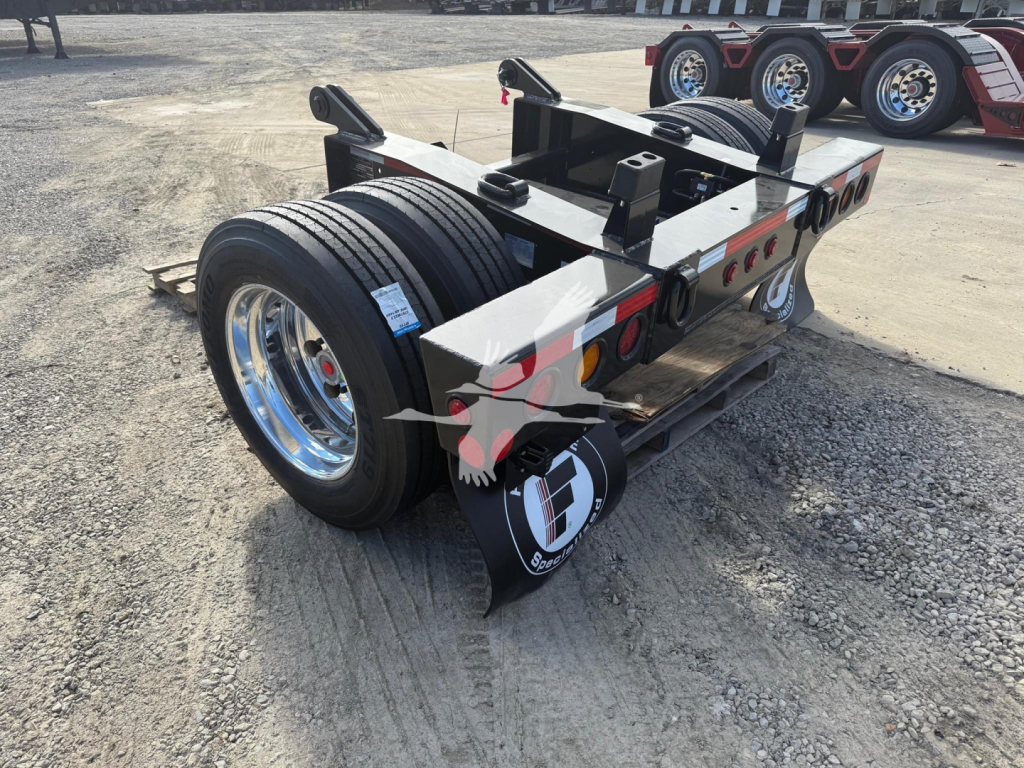
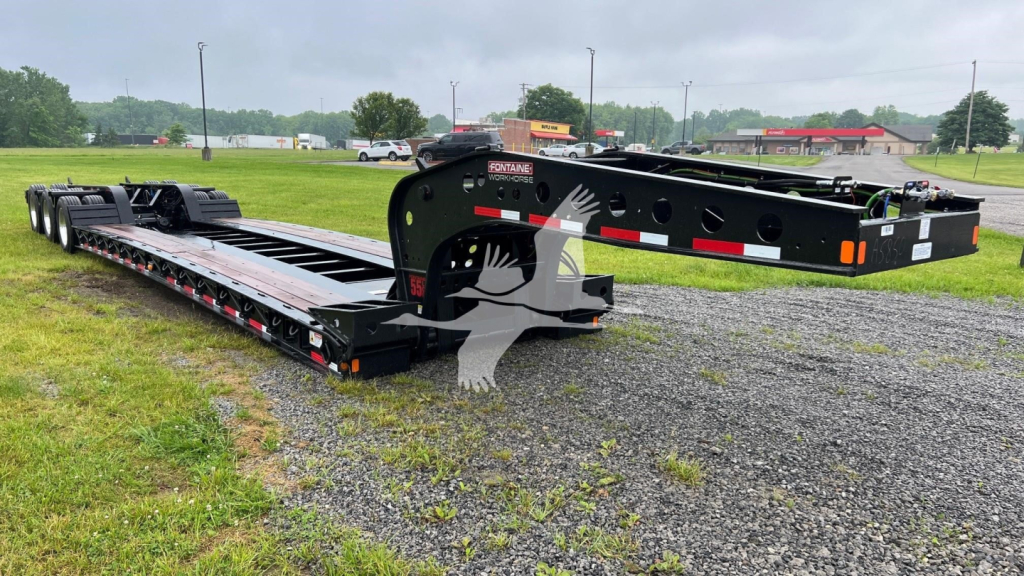
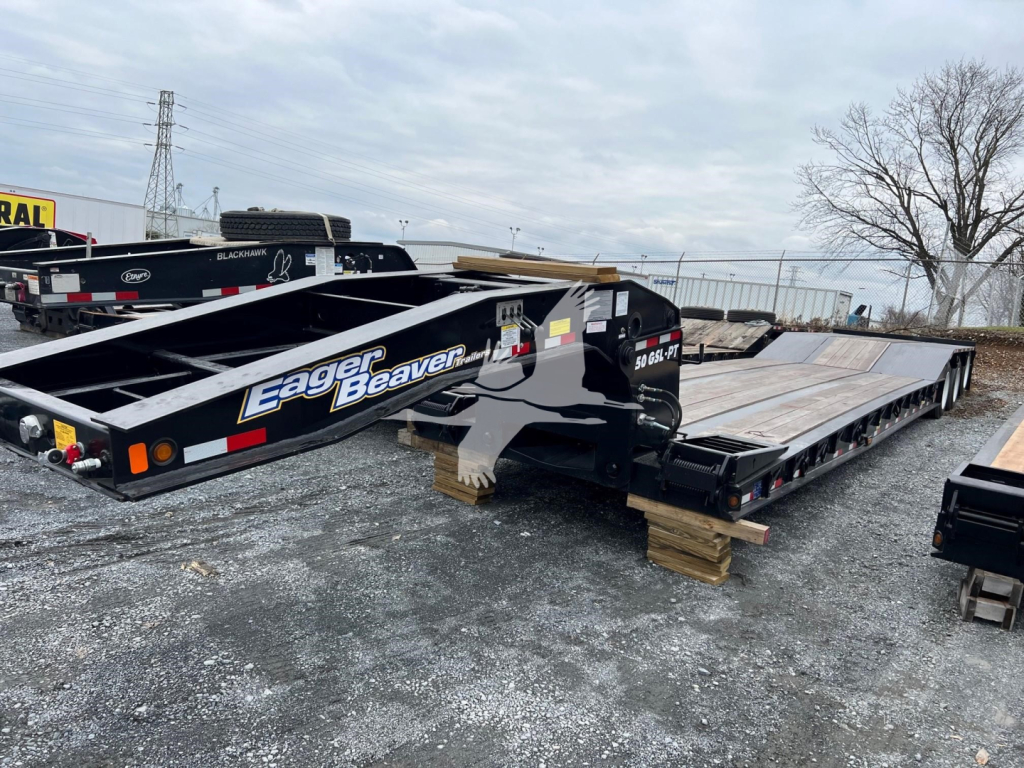
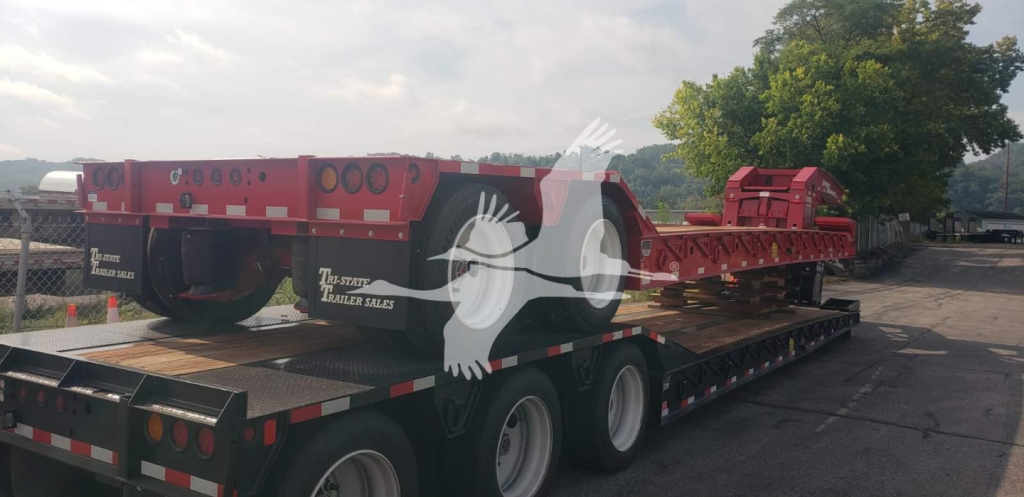
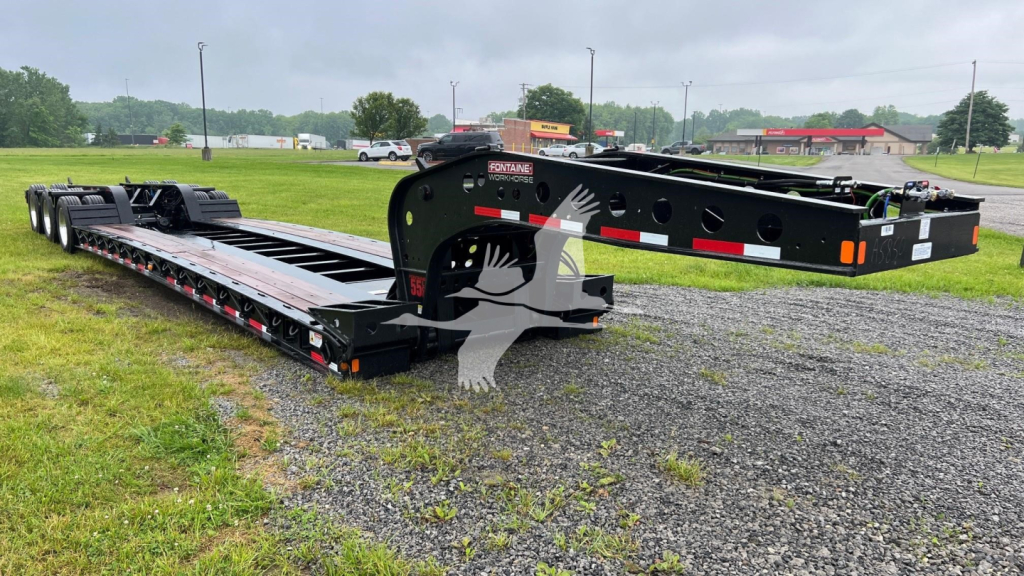
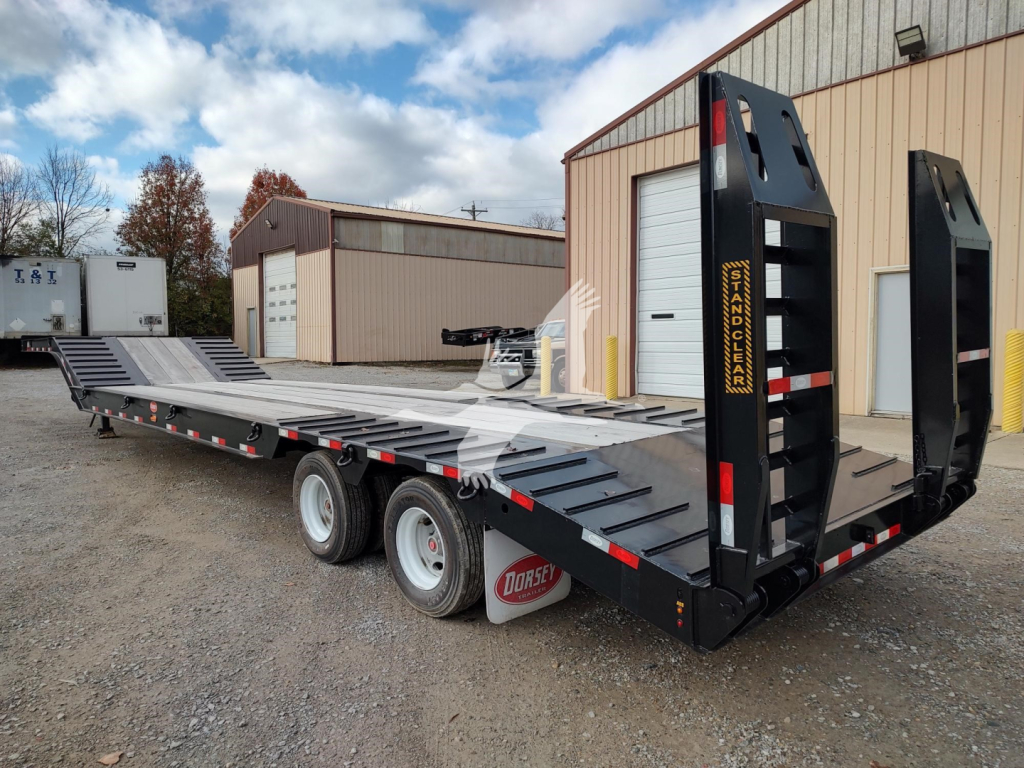
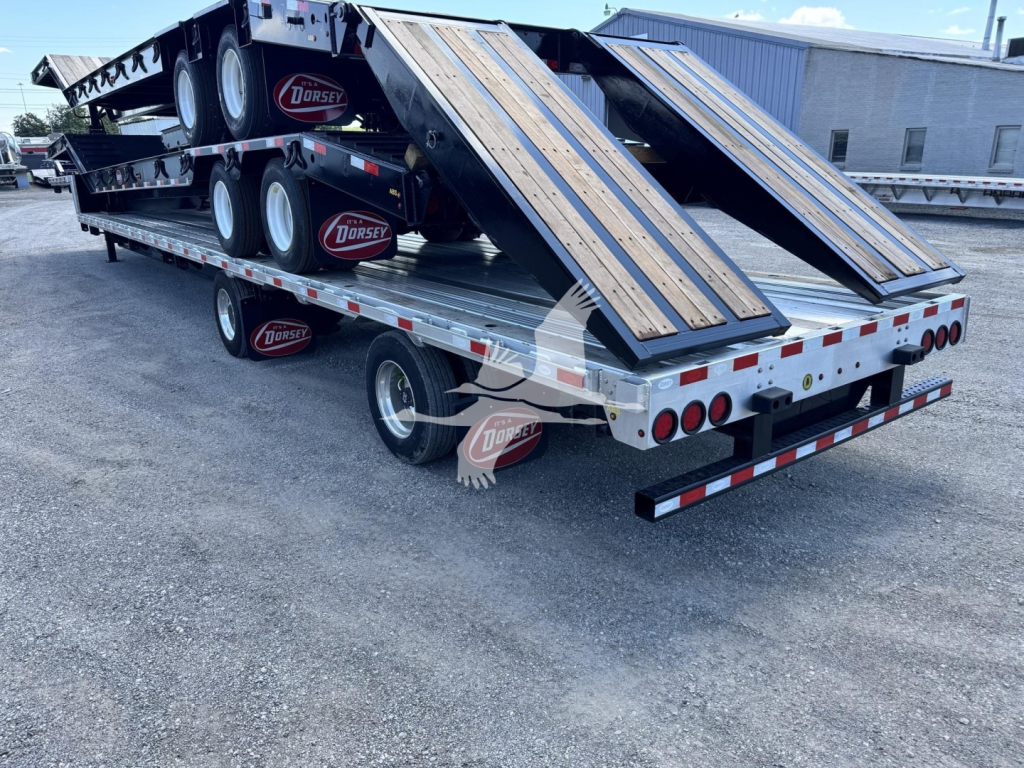
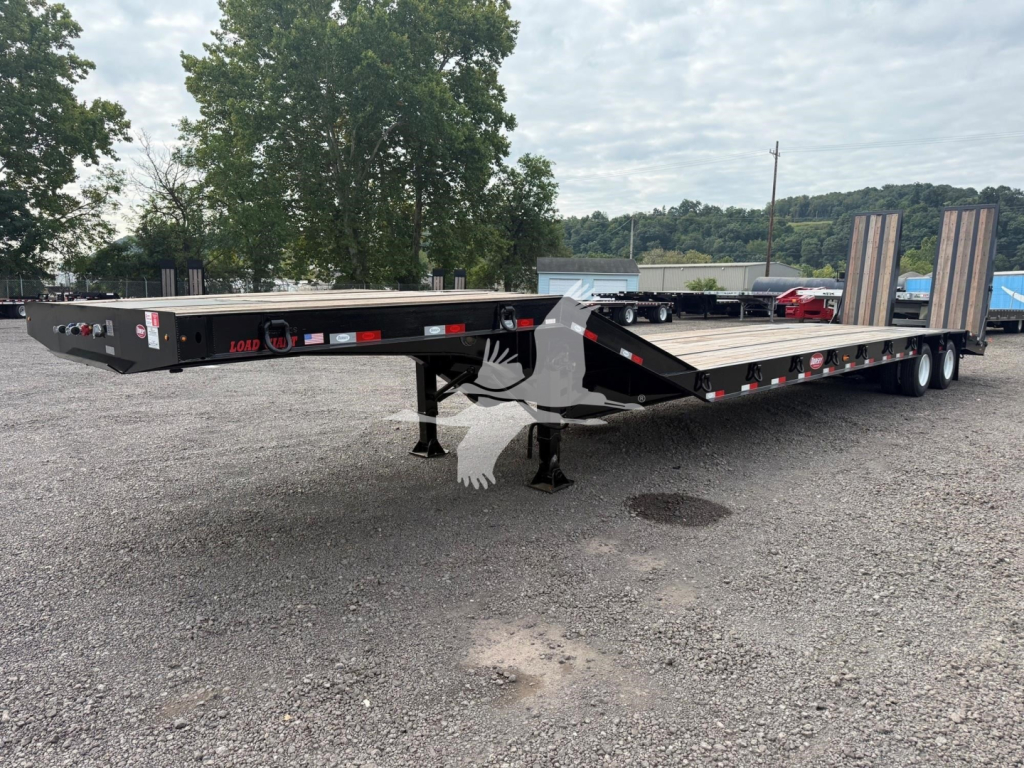
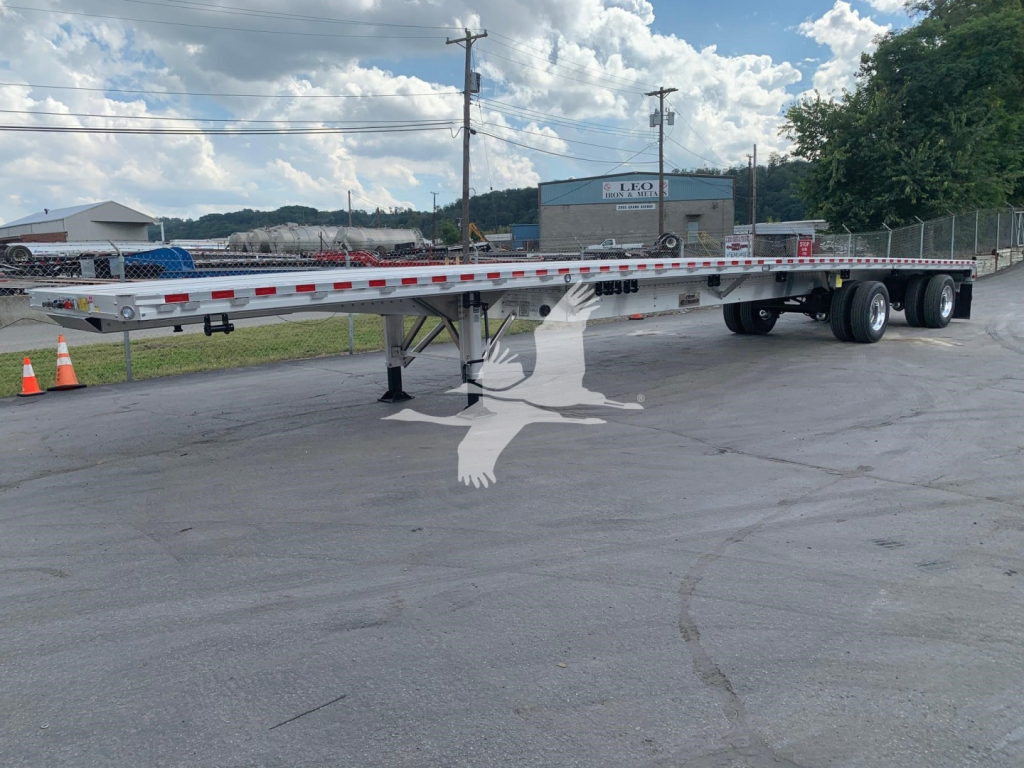
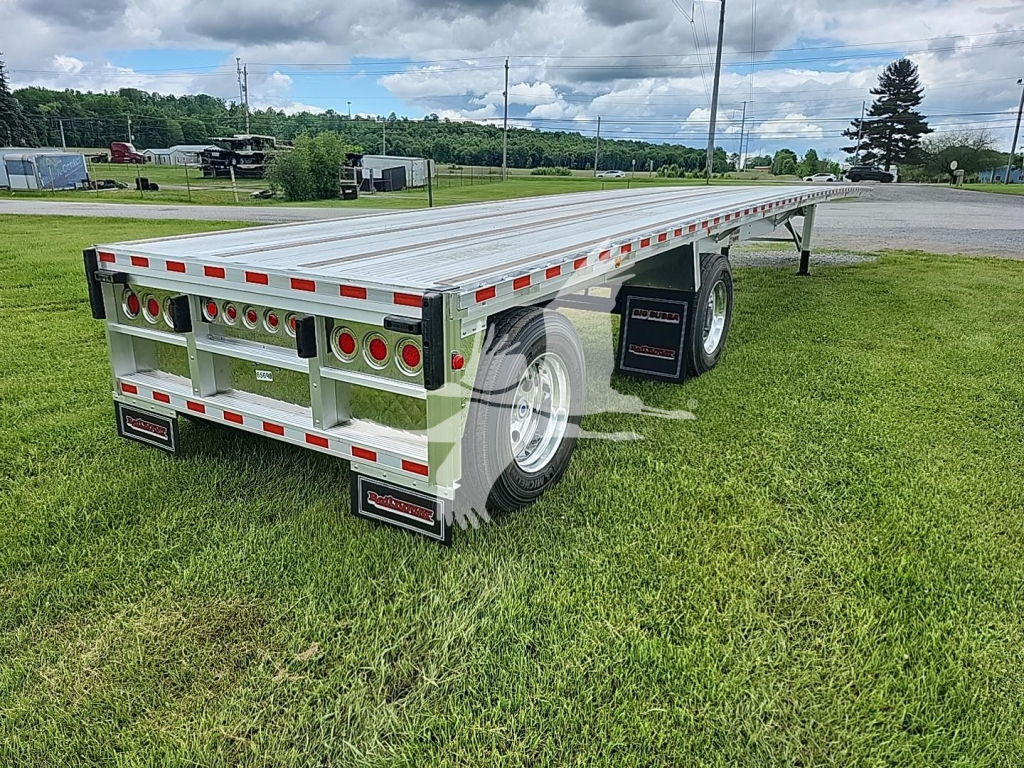
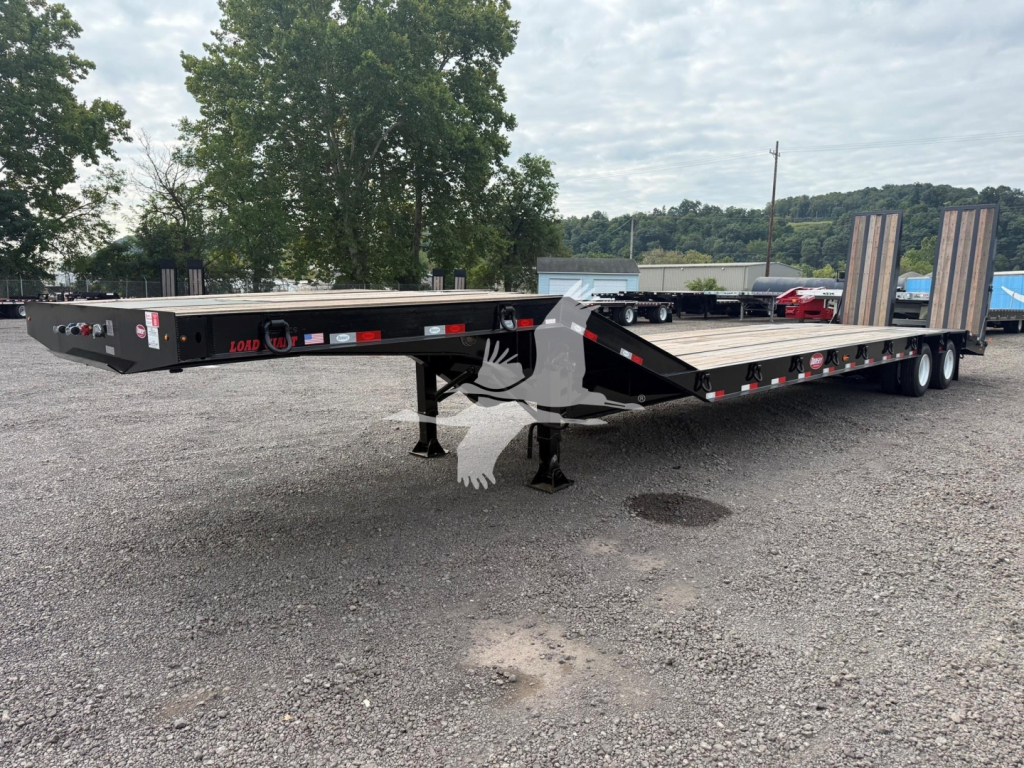
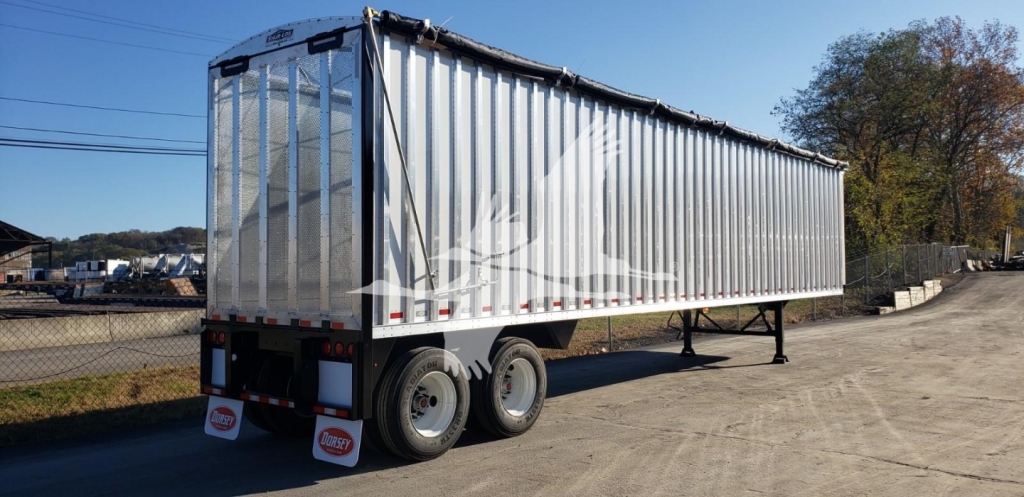
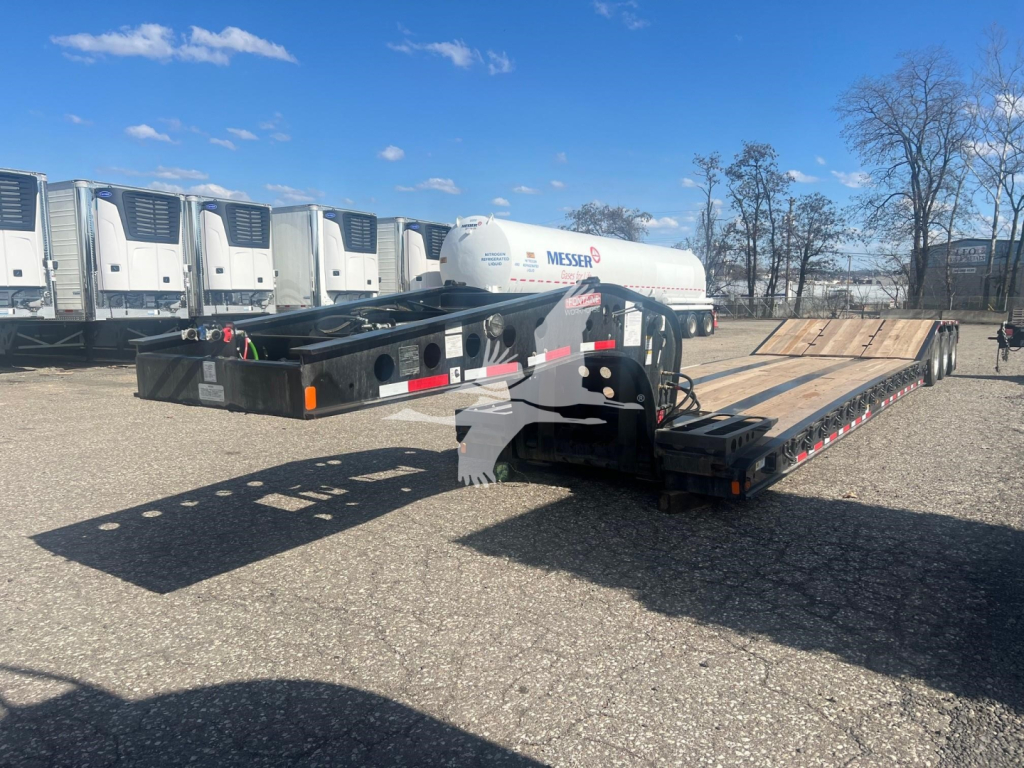
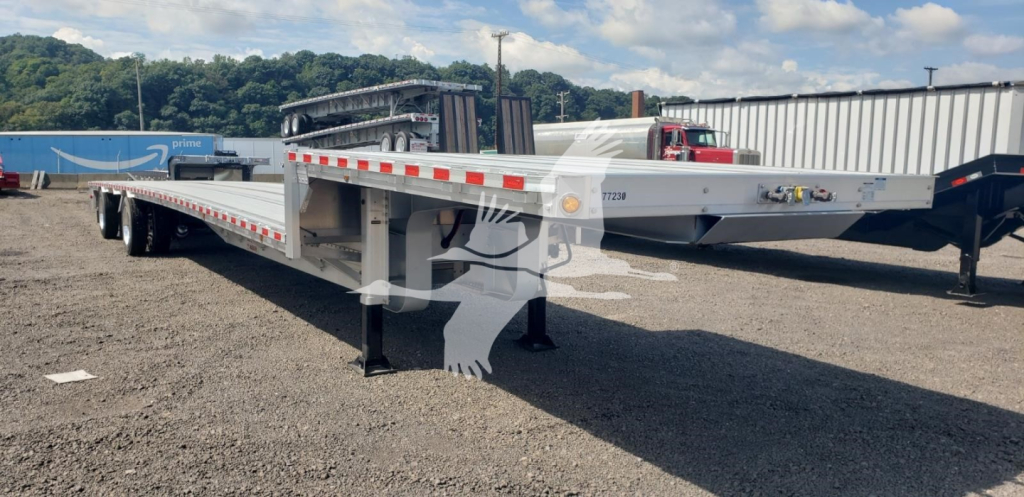
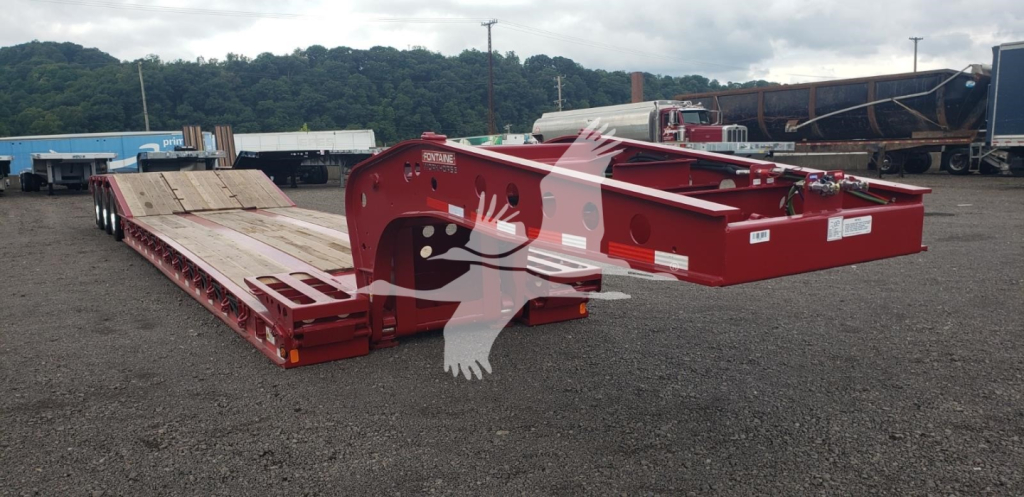
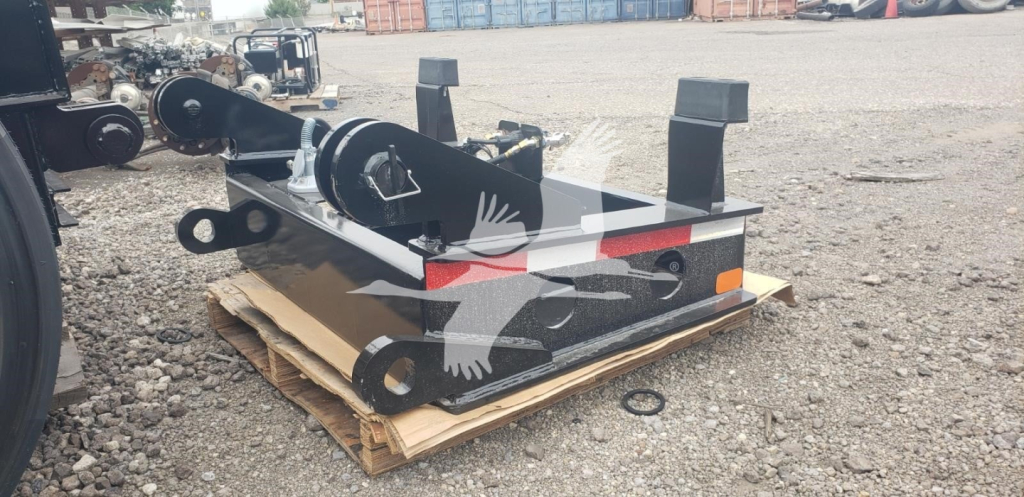
Showing 1 to 28 of 52 results
Selling a new 2027 trailer? List your new 2027 trailer for sale and reach thousands of commercial buyers.
New 2027 Trailers in Pennsylvania
Pennsylvania buyers often pay close attention to trailer construction because route mix can include urban delivery points, industrial yards, interstate runs, and seasonal weather exposure. Steel flatbeds are valued for durability and lower upfront cost, while aluminum or combo trailers help reduce tare weight and preserve payload. Common specs in this segment include 48-foot and 53-foot lengths, 102-inch width, air ride or spring ride suspension, tandem axle configurations, and sliding suspension settings that help with bridge law compliance and load positioning. On open-deck models, details like kingpin setting, crossmember spacing, side rail design, pipe spools, bulkhead configuration, and landing gear brand matter because they directly affect loading methods, frame strength, and long-term serviceability.
Securement setup is where one trailer can be far more useful than another. Many buyers look for full-length winch tracks, sliding winches, chain tie-downs, coil package reinforcements, nailing strips, and proper spool placement for mixed freight. Apitong flooring is still common on steel flatbeds because it holds up well under concentrated forklift traffic, while aluminum floors and aluminum side rails help cut weight on combo and all-aluminum trailers. On drop decks, main deck height, upper deck length, ramp kits, and load angle are key numbers if the trailer will handle equipment, compact machines, or taller freight. Suspension brand, tire size, wheel spec, dump valve setup, and axle spread also deserve close review because they influence ride quality, maintenance cost, and legal load distribution.
A new 2027 trailer also gives buyers the advantage of current lighting, ABS, brake, and suspension spec options without inheriting wear from prior service. LED lighting, quality air ride systems, Jost landing gear, and modern axle packages are now common expectations in this market. The best trailer choice comes down to the freight you haul most often, not just the posted weight rating. Buyers moving steel coils, building products, equipment, or regional industrial freight should compare deck strength, securement flexibility, tare weight, and axle adjustability before narrowing down to make and model.
Frequently Asked Questions about New 2027 Trailers in Pennsylvania
What is the difference between a flatbed trailer and a drop deck trailer?
A flatbed trailer has a single continuous deck height and is commonly used for general open-deck freight such as lumber, steel, pallets, and construction materials. A drop deck trailer has an upper deck and a lower main deck, which allows taller cargo to ride lower and stay within legal height limits more easily. Flatbeds are usually simpler and lighter for standard freight, while drop decks are better for machinery, taller crated loads, and freight that would sit too high on a standard deck.
What specs matter most when buying a new 2027 trailer?
The most important specs depend on the freight, but buyers typically start with trailer type, overall length, deck height, trailer weight, axle configuration, suspension type, and construction material. After that, securement features such as winch tracks, sliding winches, chain tie-downs, nailing strips, and coil packages become critical. Kingpin setting, crossmember spacing, tire and wheel package, and slider or spread settings also matter because they affect bridge compliance, loading flexibility, and maintenance over the life of the trailer.
Is an aluminum trailer better than a steel trailer?
Neither is automatically better. Aluminum trailers generally weigh less, which can increase payload and reduce corrosion concerns, making them attractive for high-mileage or weight-sensitive operations. Steel trailers are often chosen for rugged service, lower acquisition cost, and resistance to concentrated abuse in tougher loading environments. Many buyers land in the middle with a combo trailer that uses both steel and aluminum to balance tare weight, durability, and price.
Why do sliding tandems or sliding rear axles matter on open-deck trailers?
Sliding tandem and sliding rear axle setups help distribute weight correctly across the tractor and trailer axles. That matters for bridge law compliance, state regulations, and practical load placement. A trailer with adjustable axle positioning can be easier to scale legally with different commodities and pickup patterns. For carriers running varied freight, a slider adds flexibility that can prevent rework at the scale or limit how a load has to be positioned on the deck.
What should Pennsylvania buyers look for in a new trailer?
Pennsylvania buyers often benefit from focusing on durability, serviceability, and versatility. Industrial freight, mixed route conditions, and winter weather make suspension quality, lighting durability, brake spec, floor construction, and corrosion resistance important. Buyers hauling in and out of mills, warehouses, and construction sites should also pay attention to deck material, crossmember spacing, securement layout, and tire spec, since those factors affect how well the trailer performs in daily loading cycles and rougher yard conditions.