
New 2027 Heil Trailers For Sale in Pennsylvania
Shop new 2027 Heil trailers in Pennsylvania, including dry bulk pneumatic and MC-406 fuel tank designs built for demanding bulk hauling.
Selling a new 2027 heil trailer? List your new 2027 heil trailer for sale and reach thousands of commercial buyers.
New 2027 Heil Trailers in Pennsylvania
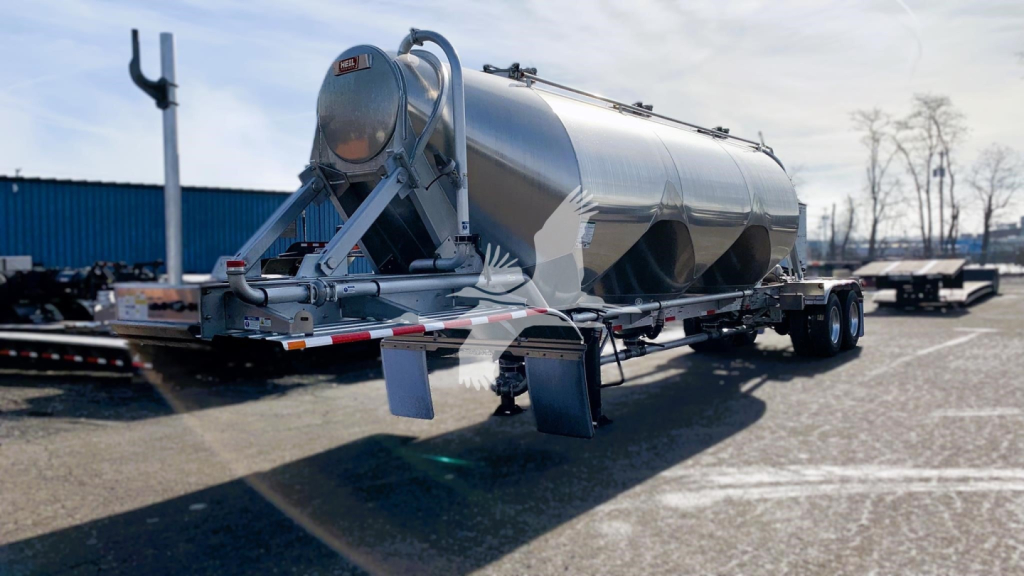
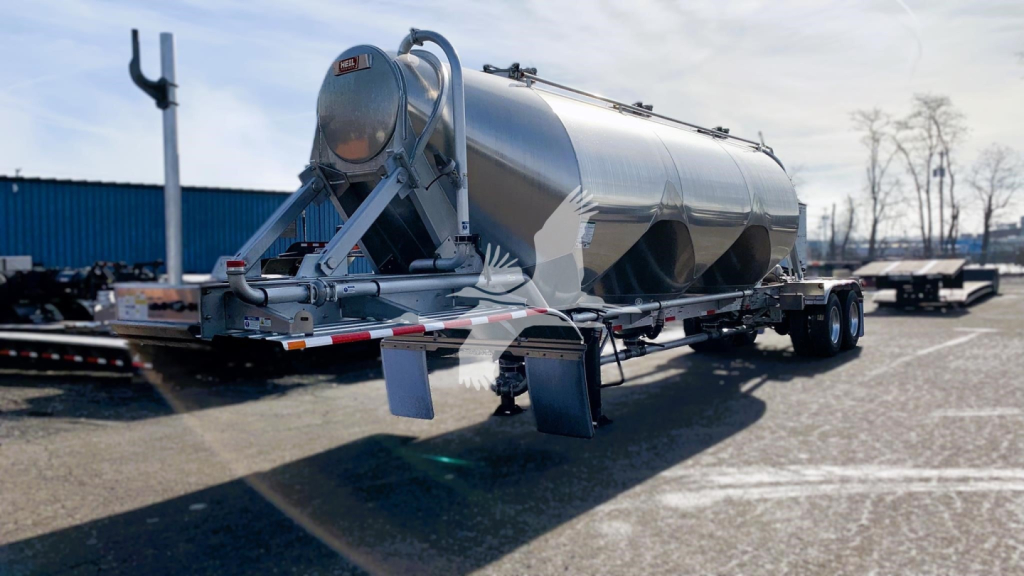
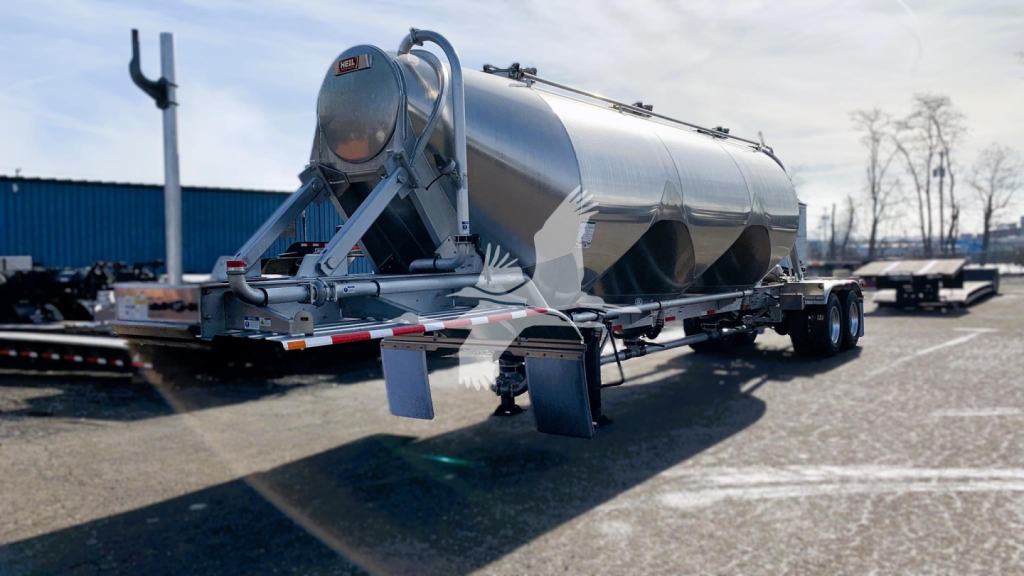
On the dry bulk side, Heil Cementer pneumatic trailers are commonly spec'd with aluminum barrels to keep tare weight down and maximize legal payload. Typical configurations include around 1,000-plus cubic feet of capacity, three hopper layouts, aeration systems such as Flo Cones, 5-inch product valves, and rear discharge plumbing. Buyers comparing pneumatic dry bulk trailers should look closely at hopper slope, plumbing material, hose tube setup, manhole count, and suspension design. Aluminum piping, tees, end frames, and wheels can help reduce weight, while air ride suspension, galvanized hangers, and quality landing gear contribute to service life and easier operation. If the work is cement, fly ash, lime, sand, or other dry commodities, discharge performance and cleanout access are just as important as capacity on paper.
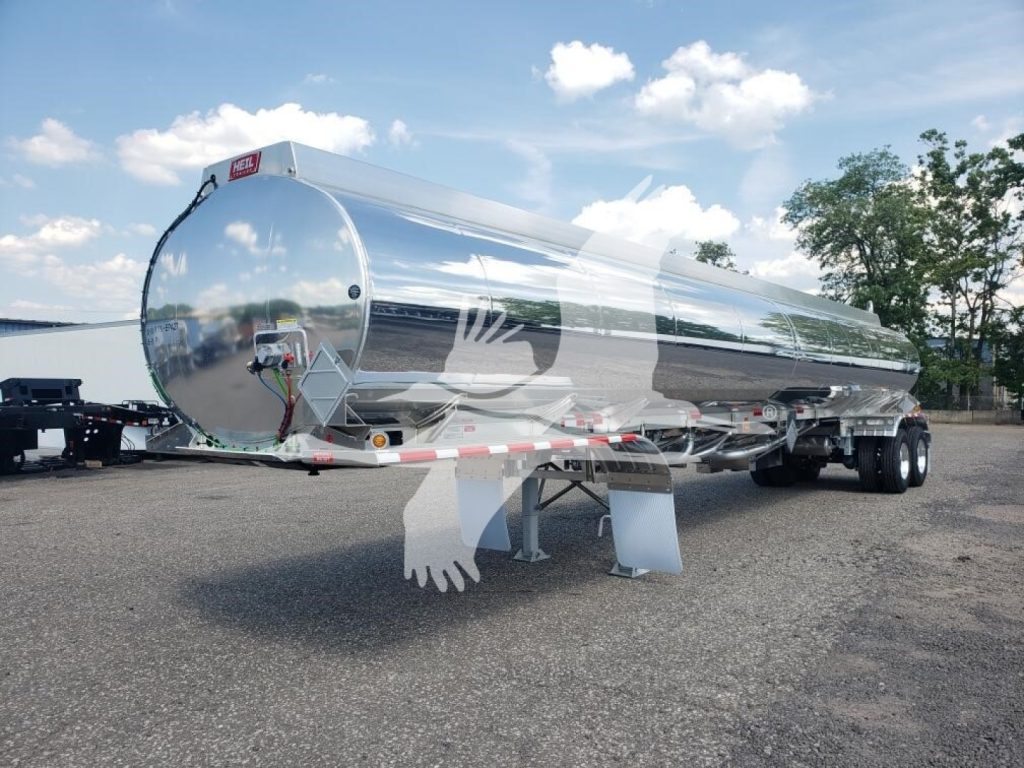
For petroleum hauling, Heil MC-406 fuel trailers are built around compliance, compartment flexibility, and safe, efficient loading and unloading. A common tandem-axle aluminum fuel trailer in this class may be spec'd around 9,200 gallons with multiple compartments for split loads, internal vapor recovery, overfill protection, emergency valves, product indicators, and full-length hose tray arrangements. When reviewing a new fuel tank trailer, pay attention to compartment sizes, bulkhead design, discharge valve brand and size, EVO cabinet layout, kingpin setting, brake package, and stability systems such as ABS with roll stability support. Disc brakes, polished aluminum wheels, aluminum suspension frames, and a fixed tandem setting are all details that can affect maintenance cost, weight, and operating confidence.
The right 2027 Heil trailer depends on the product hauled and the way the trailer will be dispatched. A pneumatic dry bulk trailer buyer may prioritize cubic capacity, low empty weight, and fast unloading. A fuel trailer buyer may care more about compartment layout, compliance hardware, and terminal-friendly plumbing. Across both categories, Heil trailers are typically chosen by buyers who want specialized tank trailer construction, proven component brands like Hendrickson, Holland, WABCO, and Civacon, and specs tailored to bulk commodity work instead of general freight. For a buyer sorting through multiple listings, the best comparison points are capacity, material construction, axle and suspension package, discharge system, safety equipment, and tare weight relative to the intended route and commodity.
Frequently Asked Questions about New 2027 Heil Trailers in Pennsylvania
What types of Heil trailers are most common in the new 2027 market?
The most common Heil trailer types in this segment are pneumatic dry bulk trailers, such as Cementer models, and petroleum tank trailers built to MC-406 specifications. Dry bulk units are used for commodities like cement, fly ash, lime, and similar powders, while MC-406 trailers are designed for gasoline and other refined fuel products. The key difference is the unloading and safety system. Pneumatic trailers rely on air-assisted discharge through hopper and piping systems, while fuel trailers use compartmentalized tanks, emergency valves, vapor recovery, and overfill protection.
What should I look for in a new Heil pneumatic dry bulk trailer?
Start with cubic capacity, tare weight, hopper configuration, and discharge plumbing. A lighter aluminum barrel and aluminum components can improve payload, but unloading performance depends on more than weight alone. Buyers should also review aeration design, product valve size, rear discharge arrangement, number of manholes, hose storage, and suspension spec. A well-balanced dry bulk trailer should match the commodity being hauled, because cement, lime, fly ash, and sand can each behave differently during unloading and can demand different internal flow characteristics.
What makes an MC-406 Heil fuel trailer a good fit for petroleum hauling?
A properly spec'd MC-406 Heil fuel trailer combines legal compliance with operational efficiency. Important features include the total gallon capacity, number and size of compartments, internal vapor recovery, overfill prevention, emergency shutoff systems, and discharge hardware from established component suppliers. Compartment layout matters because it affects split-load flexibility and terminal use. Buyers should also evaluate brake type, ABS and roll stability systems, kingpin setting, cabinet layout, and hose tray design because those details affect safety, maintenance access, and daily loading and delivery efficiency.
Are aluminum Heil trailers better than steel for these applications?
In many bulk hauling applications, aluminum is preferred because it reduces empty weight and resists corrosion well. That can translate into more legal payload on dry bulk work and lower long-term weight penalties on fuel hauling. However, the best choice depends on the trailer's service environment, product type, and maintenance practices. Buyers should look at where aluminum is used across the trailer, including barrel, piping, end frames, wheels, and suspension-related components, instead of focusing on one material decision in isolation.
Why do suspension, axle, and brake specs matter so much on a Heil trailer?
These specs affect stability, tire wear, maintenance cost, and the way the trailer behaves under load. Tandem air ride suspensions are common because they protect the trailer and cargo while improving ride quality. Suspension brand, tandem setting, raised axle design on some dry bulk applications, and brake package choices such as disc brakes can all change service intervals and road performance. On a tank trailer, especially one hauling liquid product, stability systems and correct weight distribution are not minor details. They are core buying criteria.