
New Heil Trailers For Sale
Shop new Heil trailers including dry bulk pneumatic and petroleum tank models with modern specs, lightweight construction, and fleet-ready options.
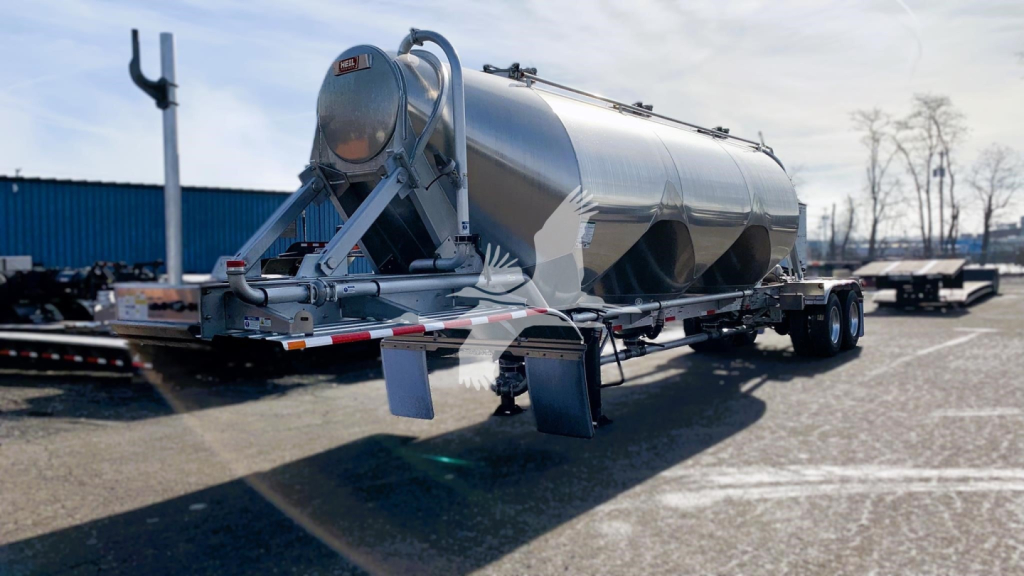
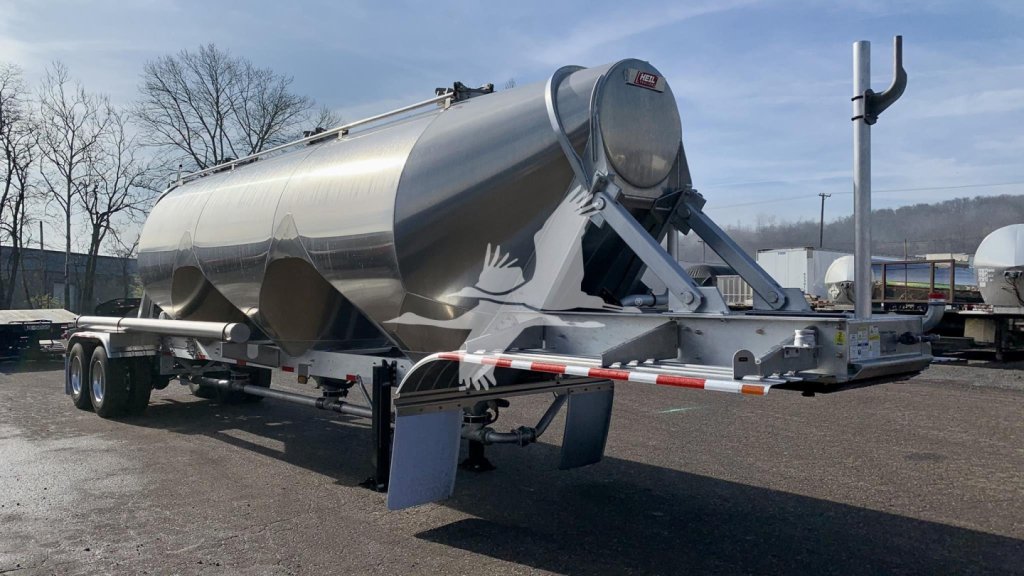
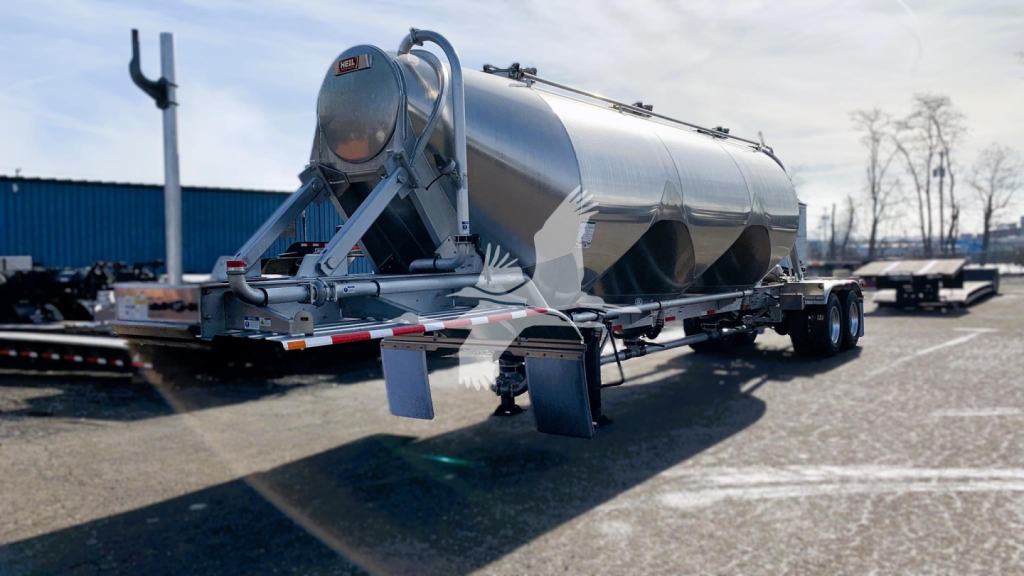
Selling a new heil trailer? List your new heil trailer for sale and reach thousands of commercial buyers.
New Heil Trailers
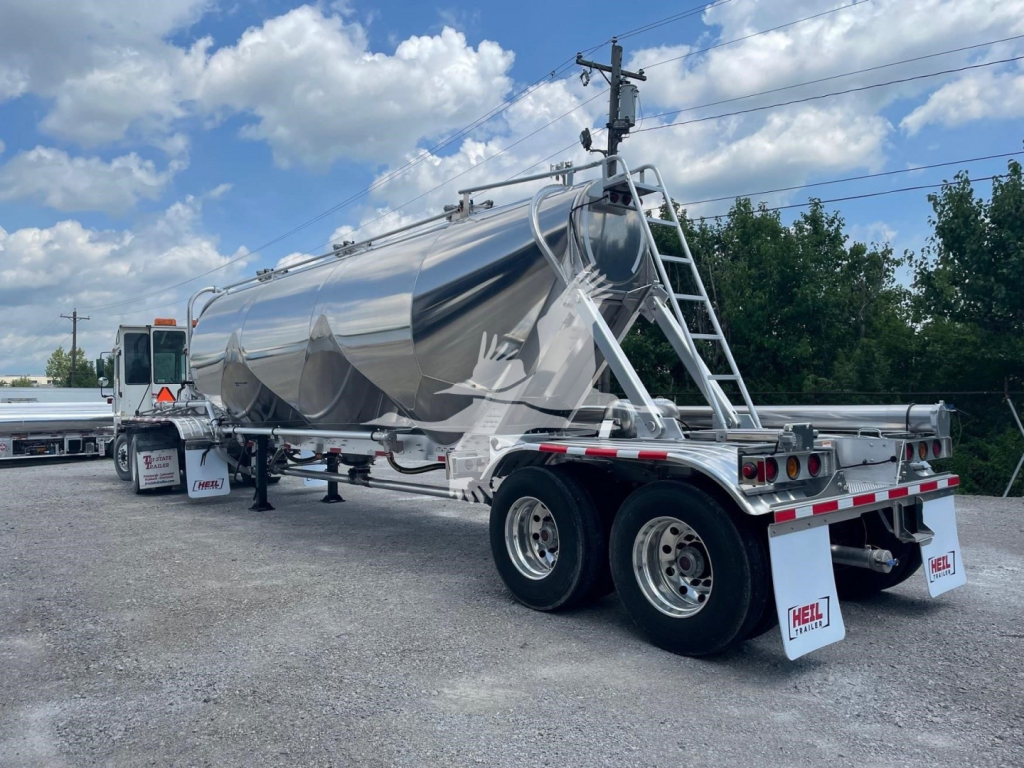
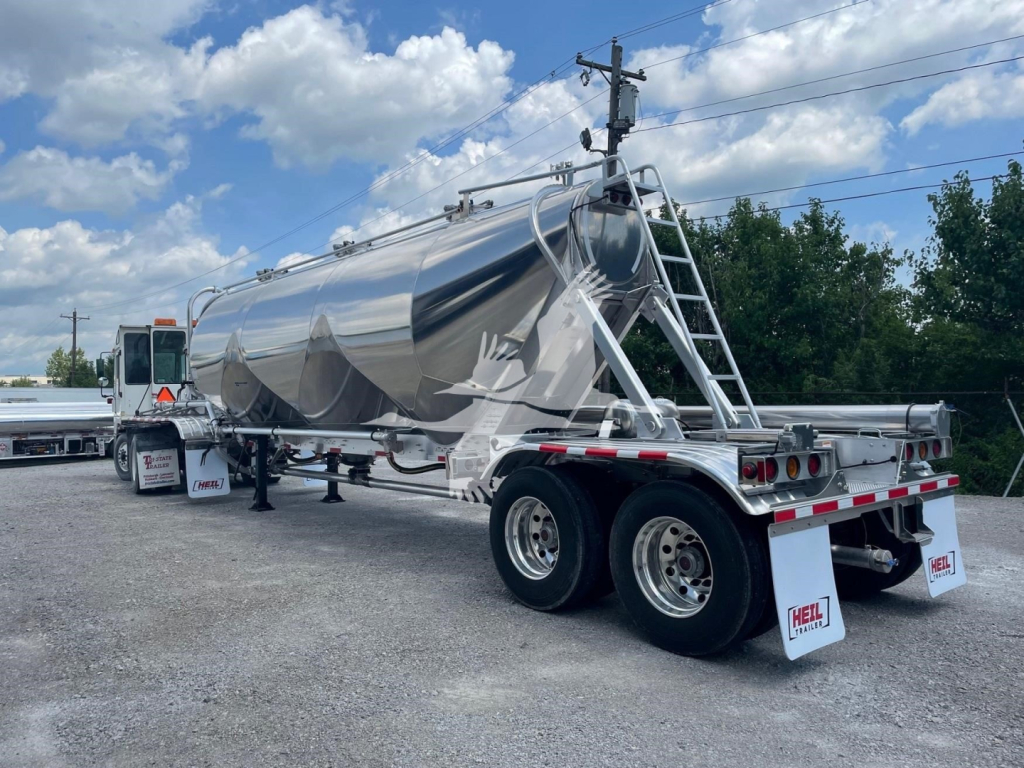
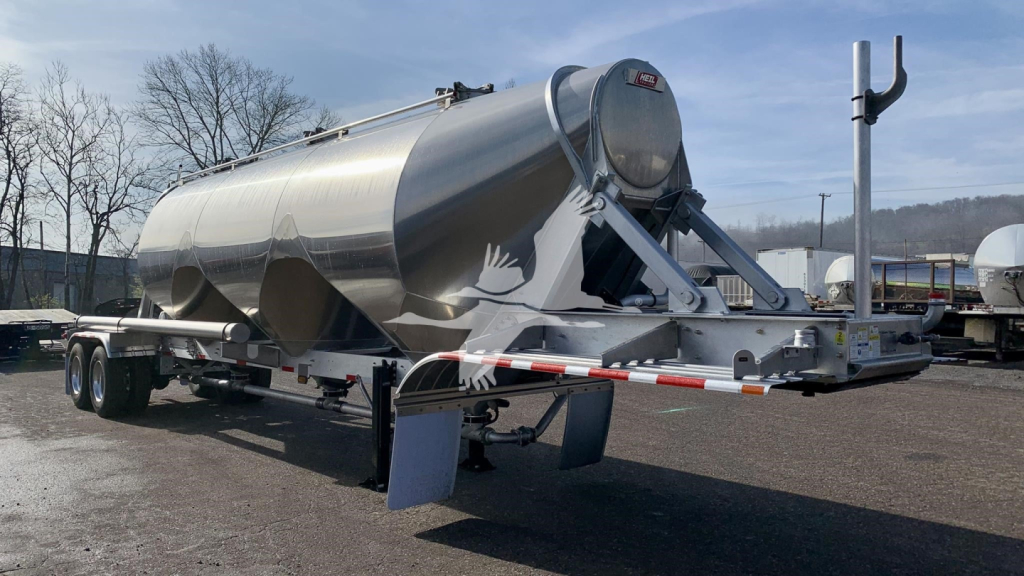
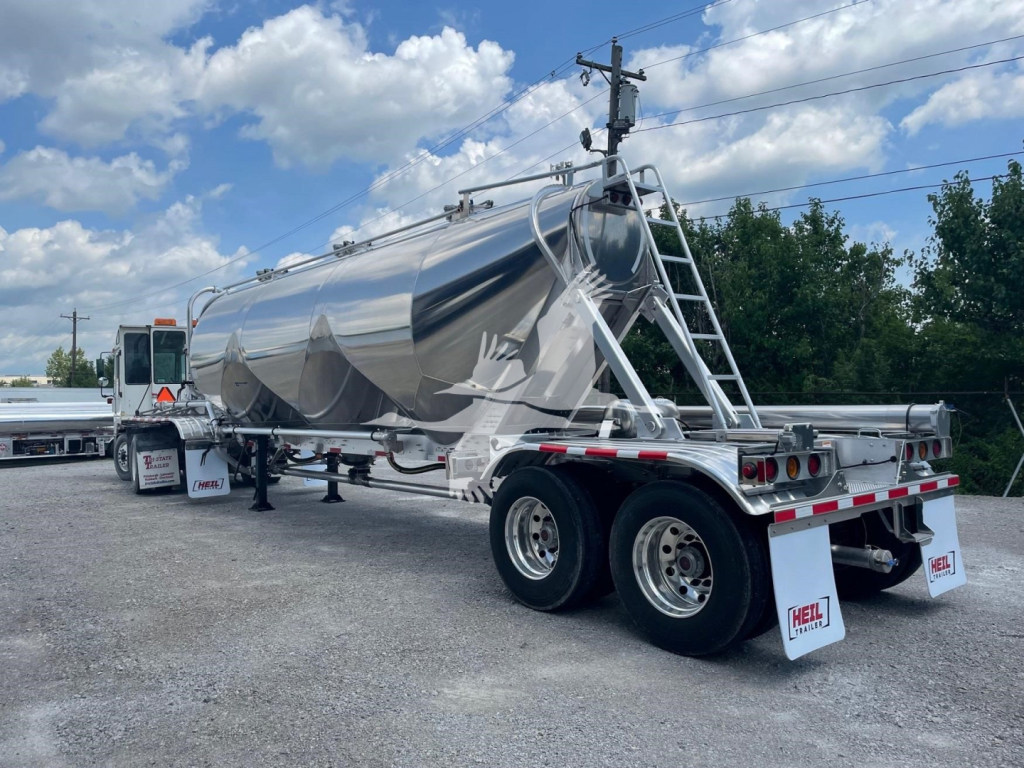
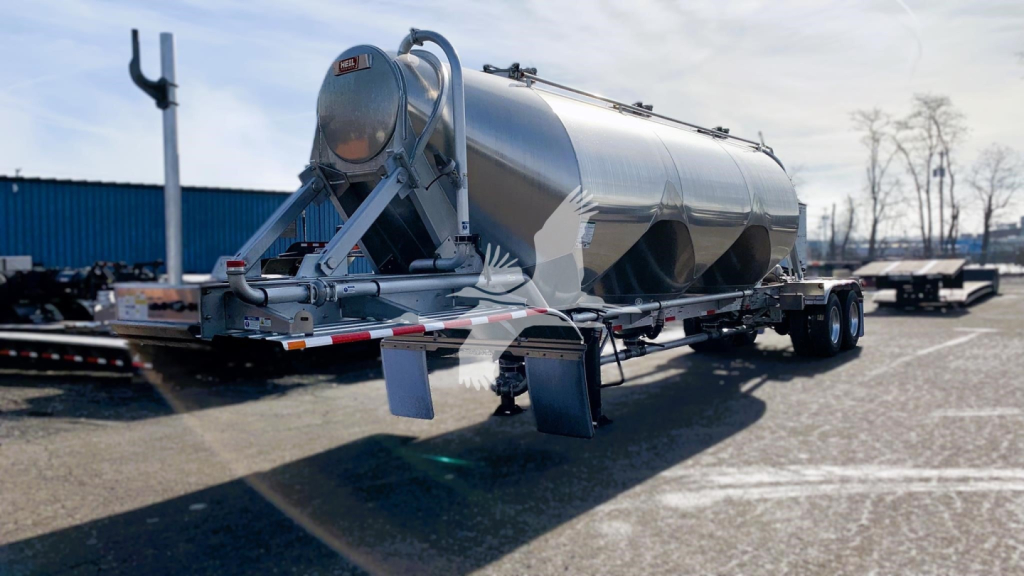
For dry bulk work, Heil cement trailers and pneumatic bulk trailers are often configured around 42-foot lengths, tandem axles, air ride suspension, aluminum construction, and capacities around the 1,000 cubic foot range. A setup like a 1,040 cubic foot three-hopper trailer is aimed at balancing payload, product flow, and unloading efficiency. Buyers should pay close attention to hopper count, aeration design, discharge location, piping material, valve sizing, and pressure rating. Common details such as Flo Cone aeration, 5-inch butterfly product valves, aluminum piping and tees, and under-axle rear discharge all affect unload speed, cleanout, and long-term maintenance. Tare weight matters in this segment, so aluminum barrels, aluminum end frames, and aluminum wheels can make a measurable difference in legal payload.
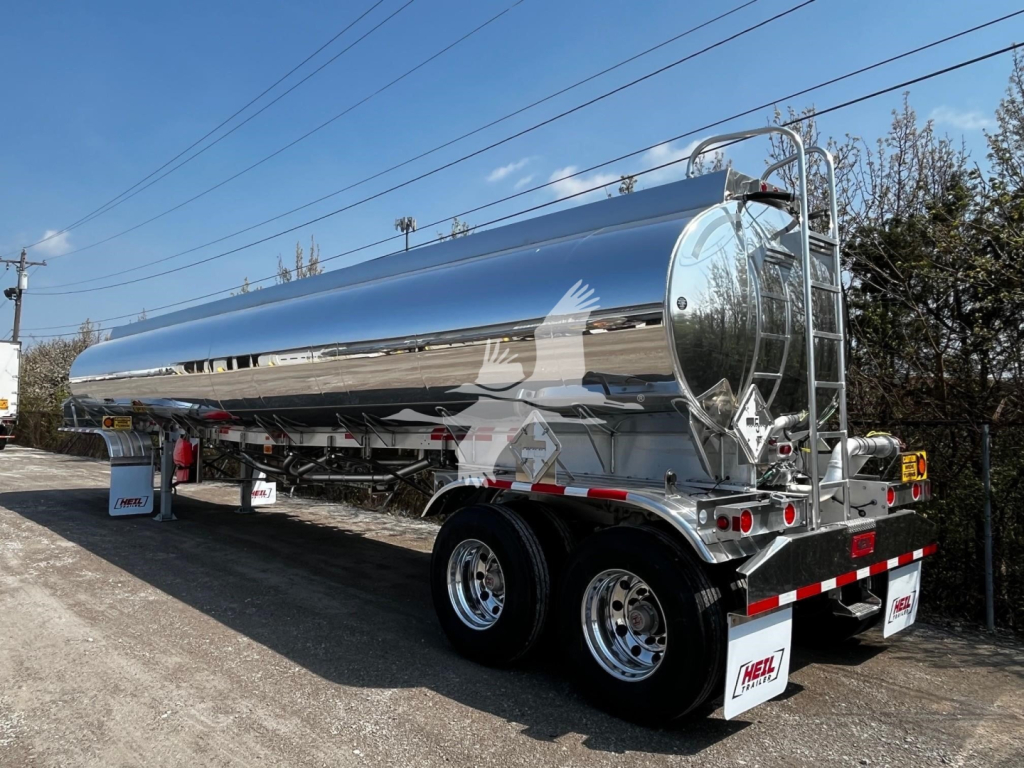
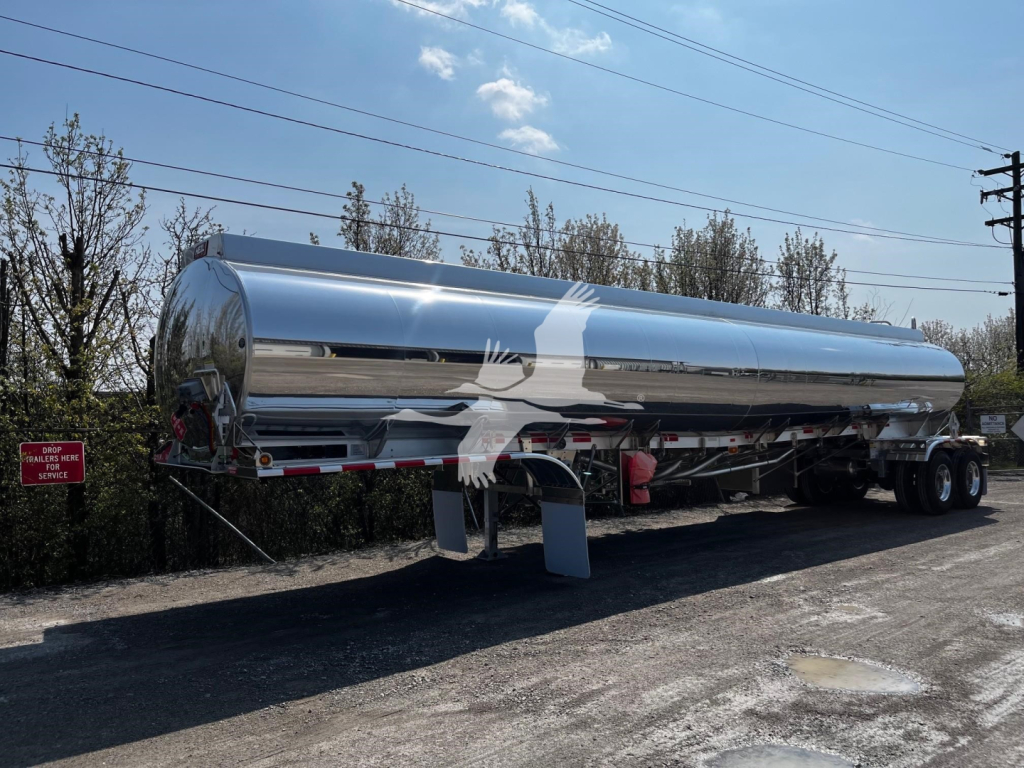
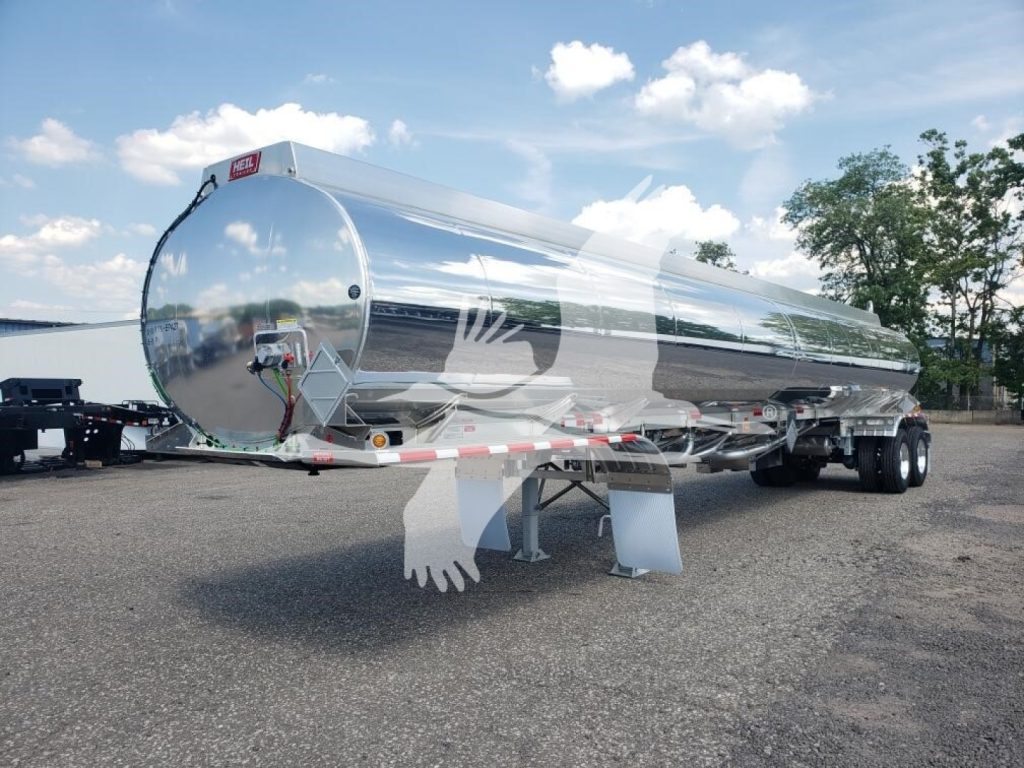
For fuel hauling, Heil petroleum trailers are typically spec'd with multiple compartments, double bulkheads, bottom loading, vapor recovery, overfill protection, and air-operated emergency valves. A 9,500-gallon DOT 406 trailer with four compartments is a common regional fuel delivery configuration because it gives dispatch flexibility across multiple products and stop sizes. Key buying points include compartment layout, API equipment, optic overfill systems, vapor outlet configuration, fittings cabinet layout, hose tray design, and kingpin setting. Adjustable kingpin settings can help match axle group placement to the tractor and bridge laws, while Hendrickson air ride suspension, aluminum wheels, and proper cabinet access improve daily usability for petroleum fleets.
Across both categories, new Heil trailers appeal to buyers who want current compliance equipment and a known tank brand with strong resale recognition. The best spec depends on commodity, route density, unloading method, and state weight laws. A bulk hauler may prioritize cubic capacity, low empty weight, and reliable aeration, while a fuel hauler may focus on compartment strategy, safety electronics, and loading rack compatibility. Looking closely at suspension model, tire size, landing gear, hose storage, ladder placement, lighting package, and corrosion-resistant finishes will help narrow down the right trailer for the job instead of simply comparing price or capacity alone.
Frequently Asked Questions about New Heil Trailers
What are new Heil trailers commonly used for?
New Heil trailers are commonly used for specialized bulk and liquid hauling, especially pneumatic dry bulk service and petroleum fuel transport. Heil pneumatic trailers are often used for cement, fly ash, lime, sand, and other dry products that unload through compressed air systems. Heil petroleum trailers are widely used for gasoline, diesel, and other refined products where DOT code compliance, compartment control, vapor recovery, and overfill protection are required.
What should I look for in a new Heil pneumatic dry bulk trailer?
The most important factors are cubic capacity, tare weight, hopper configuration, aeration design, discharge setup, and suspension spec. A buyer should also review barrel material, piping and tee material, valve size, pressure rating, and hose tube arrangement because those details directly affect unload performance and maintenance costs. Aluminum construction is especially valuable in dry bulk because it helps preserve legal payload while resisting corrosion in high-cycle service.
How do I choose the right compartment layout on a new Heil petroleum trailer?
Compartment layout should match the delivery pattern, not just total gallon capacity. A four-compartment trailer gives more flexibility for mixed loads and multiple stop routes, while larger compartment sizes may suit fewer drops with higher volume per stop. Buyers should also consider double bulkheads, API valve configuration, optic overfill systems, vapor recovery plumbing, and cabinet access because those items affect terminal compatibility, product segregation, and driver efficiency.
Are Heil trailers typically built with aluminum construction?
Many Heil tank and dry bulk trailers are built with substantial aluminum content, including aluminum barrels, piping, structural components, and wheels depending on the spec. Aluminum helps reduce empty weight and improve corrosion resistance, which is valuable for both bulk commodities and fuel service. The exact construction still matters, so buyers should verify where aluminum is used in the barrel, frame-related components, piping, end frames, and accessory systems.
Why does suspension and kingpin setting matter on a new Heil trailer?
Suspension and kingpin setting directly affect ride quality, weight distribution, bridge compliance, and tractor compatibility. Air ride suspension is popular because it helps protect the trailer and cargo while improving road manners. On tank trailers, an adjustable kingpin setting can be especially useful for matching the trailer to different tractors or state bridge requirements, which can make a real difference in legal payload and operating flexibility.