
New Heil Trailers For Sale in Pennsylvania
Shop new Heil trailers for fuel and dry bulk work, including MC-406 petroleum and pneumatic cement trailers with proven specs.
Selling a new heil trailer? List your new heil trailer for sale and reach thousands of commercial buyers.
New Heil Trailers in Pennsylvania
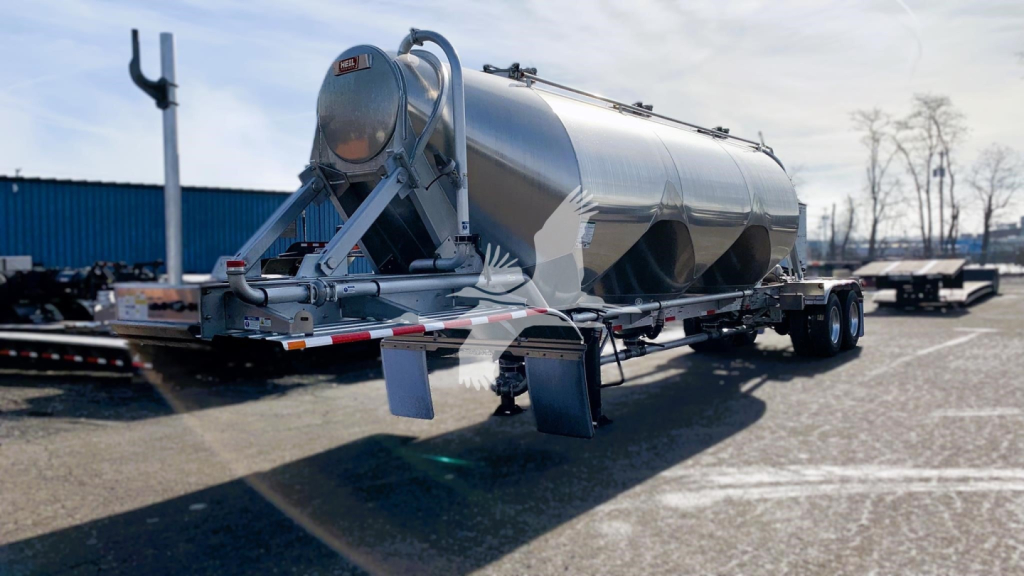
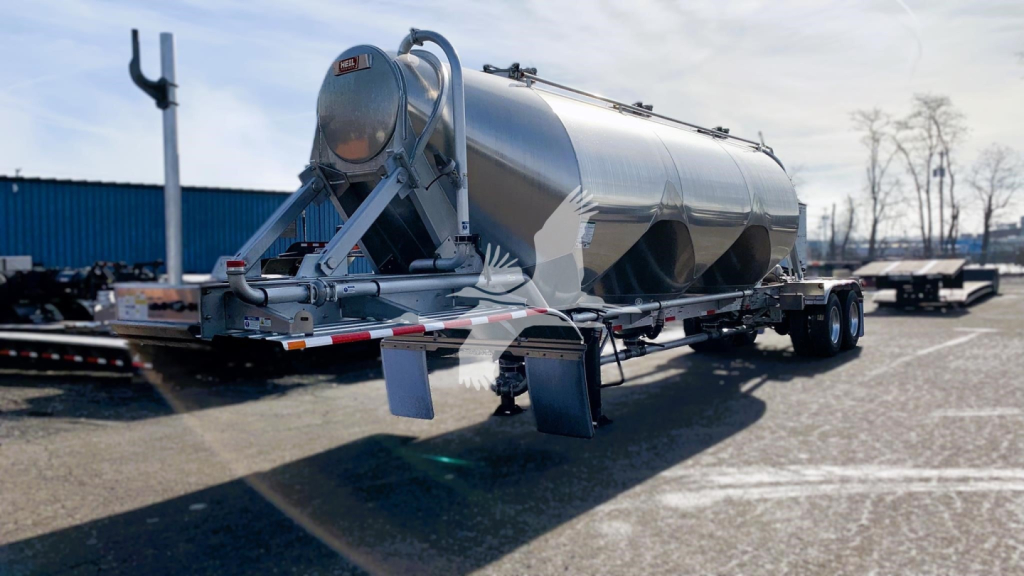
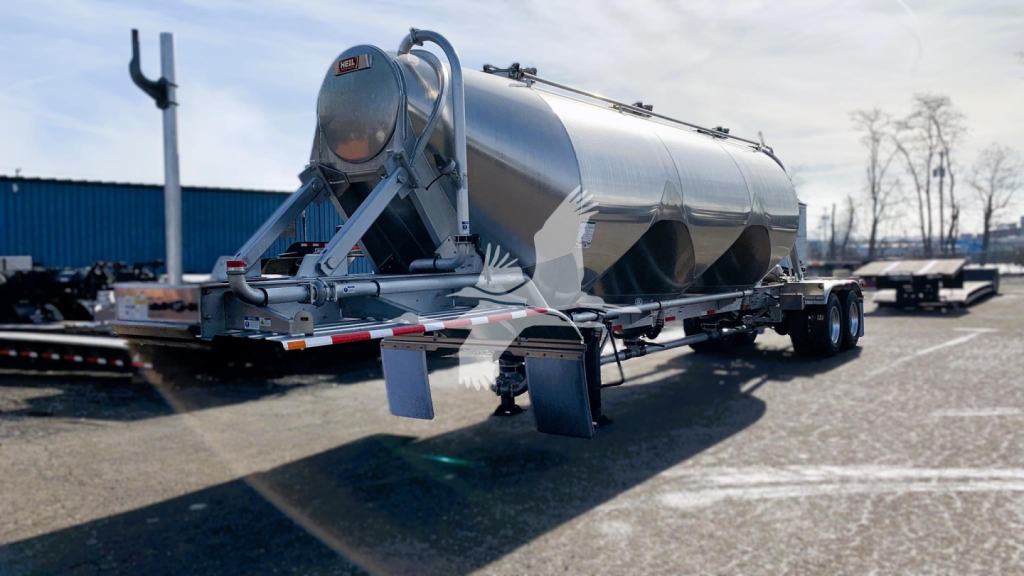
For dry bulk work, Heil cement trailers are designed to move cement, fly ash, lime, sand, and similar powdered commodities using compressed air discharge. Buyers usually compare cubic foot capacity, hopper count, barrel material, plumbing layout, and suspension setup first. A typical modern aluminum unit may run around 42 feet in length with a three-hopper design, aluminum piping, aeration cones, 5-inch product valves, and rear discharge plumbing. Air ride tandems, 49-inch axle settings, aluminum wheels, and galvanized hangers are common on new builds because they help balance weight, corrosion resistance, and service life. If your operation deals with dense products and short hauls, pay close attention to capacity versus legal payload. A lighter trailer can add meaningful revenue over time, but only if the discharge system and hopper geometry match the commodities you actually haul.
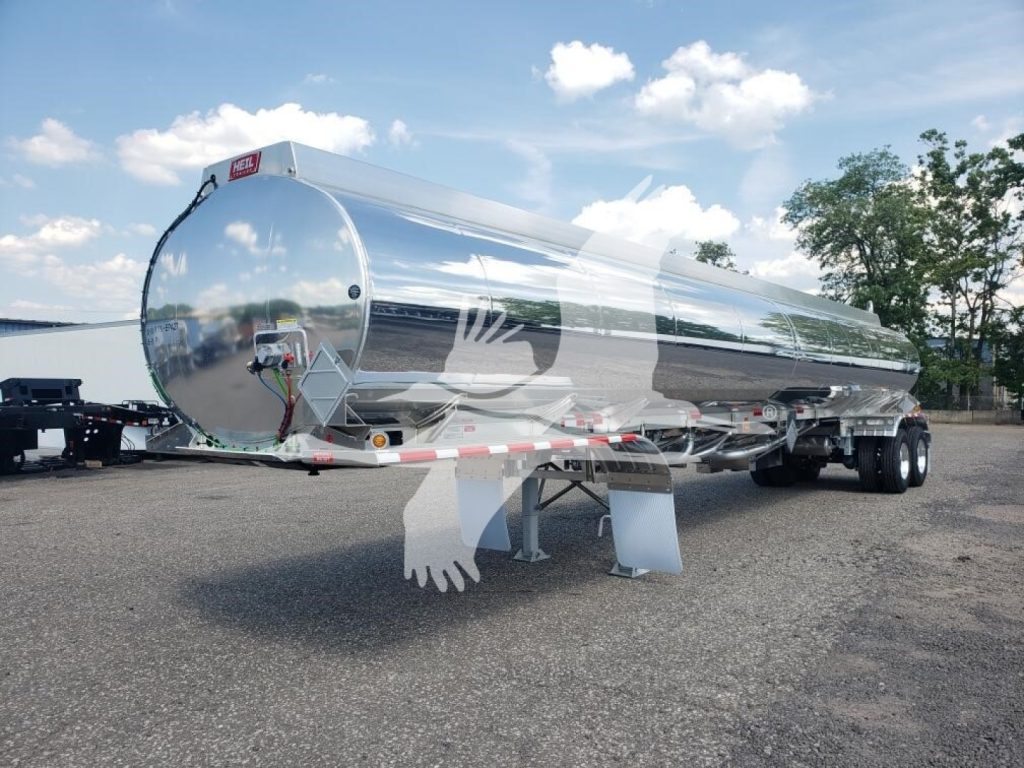
For fuel hauling, Heil petroleum trailers are often spec'd as elliptical MC-406 units with multiple compartments for gasoline and refined products. Buyers should focus on total gallon capacity, compartment layout, emergency valve controls, overfill protection, vapor recovery, and brake and stability systems. Common specs include aluminum construction, 4-inch discharge hardware, Civacon overfill systems, internal vapor recovery, air-operated emergency valves, and tandem air ride suspensions from Hendrickson. Disc brakes, WABCO ABS with roll stability, and aluminum suspension components are worth attention on new fuel trailers because they affect safety, maintenance intervals, and weight. Compartment sizing matters more than many first-time buyers expect. A trailer with the right split can reduce retained product, simplify delivery routing, and make the trailer more useful across branded fuel, unbranded fuel, and mixed-stop dispatches.
Across the Heil trailer line, buyers should also look at service access, hose tube layout, cabinet placement, kingpin setting, landing gear, and regional compliance requirements. In Pennsylvania, road conditions, winter exposure, and mixed terminal access make corrosion control and durable running gear especially important. Aluminum barrels, galvanized suspension hangers, polished outer wheels, LED lighting, and proven suspension designs all help keep a trailer productive in year-round service. Heil has long been associated with tank trailer manufacturing, so most experienced buyers evaluate these trailers by how well the spec matches the lane and commodity, not just by headline capacity. A well-matched new Heil trailer should load cleanly, unload efficiently, stay legal on axle weights, and fit the maintenance practices your shop already knows.
Frequently Asked Questions about New Heil Trailers in Pennsylvania
What are the main types of new Heil trailers buyers usually compare?
The two most common categories are pneumatic dry bulk trailers and petroleum fuel tank trailers. Pneumatic dry bulk models, often called cement trailers or cementers, are built for powdered products such as cement, fly ash, lime, and sand. Petroleum models are typically MC-406 fuel trailers designed for gasoline and other refined liquids. The best choice depends on commodity, unloading method, required capacity, and the terminals or jobsites the trailer will serve.
What should I look for in a new Heil pneumatic dry bulk trailer?
Start with cubic foot capacity, number of hoppers, barrel material, valve size, aeration system, and discharge plumbing. Aluminum construction helps reduce tare weight and improve corrosion resistance, while hopper design affects how completely product flows during unloading. Suspension type, axle setting, hose tube configuration, and landing gear also matter because they influence durability, weight distribution, and day-to-day usability. The trailer needs to match both your product density and your blower and tractor setup.
Why does compartment layout matter on a new Heil fuel trailer?
Compartment layout determines how much product can be carried in each section and how efficiently the trailer can handle multi-stop deliveries. A well-planned split helps reduce cross-contamination risk, supports branded and mixed-grade deliveries, and makes dispatching easier. It also affects retained product and delivery flexibility. For many fleets, the right compartment configuration is just as important as total gallon capacity because it directly impacts route efficiency and revenue per trip.
Are new Heil petroleum trailers commonly equipped with modern safety systems?
Yes. New petroleum trailers are often spec'd with overfill protection, vapor recovery systems, air-operated emergency valves, ABS, and roll stability technology. Disc brakes are also increasingly common because they can improve stopping performance and simplify certain service tasks. Buyers should verify that the safety package matches terminal requirements, company policy, and state or federal compliance needs, especially when the trailer will operate in regulated fuel distribution work.
Is aluminum construction a major advantage on new Heil trailers?
In many applications, yes. Aluminum barrels, piping, and structural components can reduce empty weight, which helps maximize payload and improve fuel economy over time. Aluminum also offers strong corrosion resistance, which is valuable in states like Pennsylvania where trailers see winter road treatment and wet operating conditions. The tradeoff is that buyers still need to evaluate repair practices, component thickness, and the overall build spec to make sure the trailer fits the demands of the job.