
New 2027 Drop Deck Trailers For Sale in Pennsylvania
Shop new 2027 drop deck trailers in Pennsylvania. Compare deck lengths, ramp options, suspension, tie-downs, and payload-focused specs.
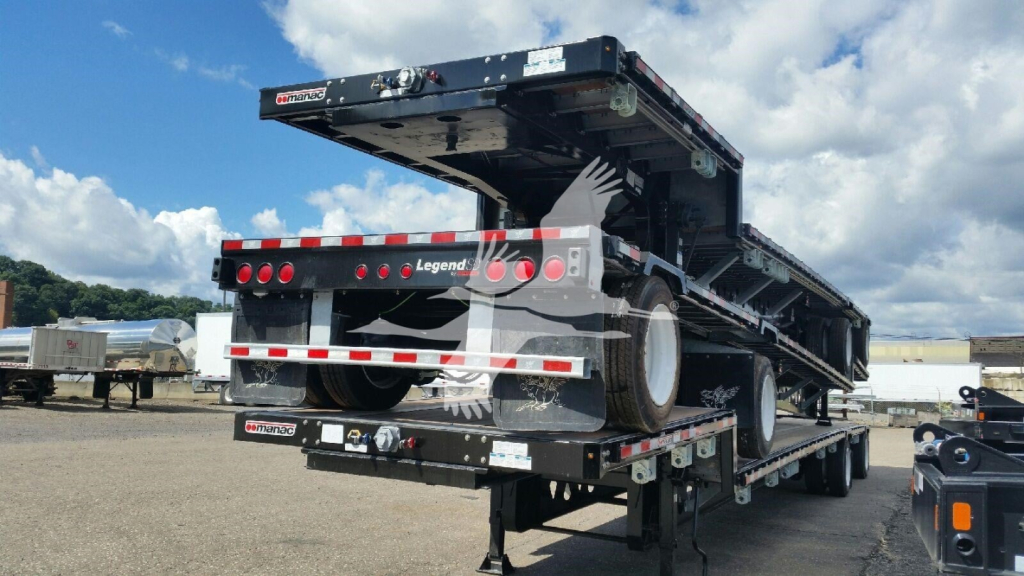
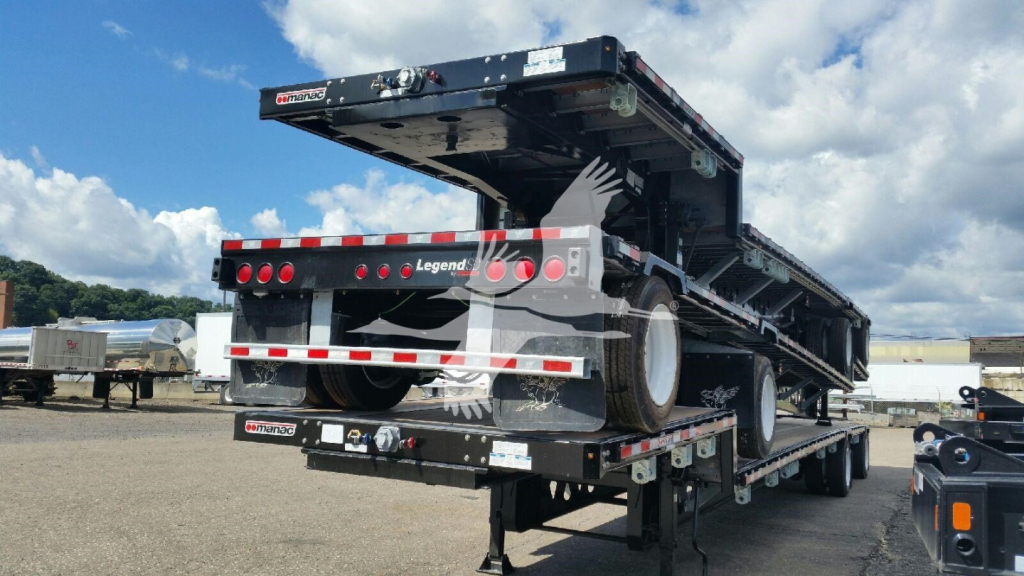
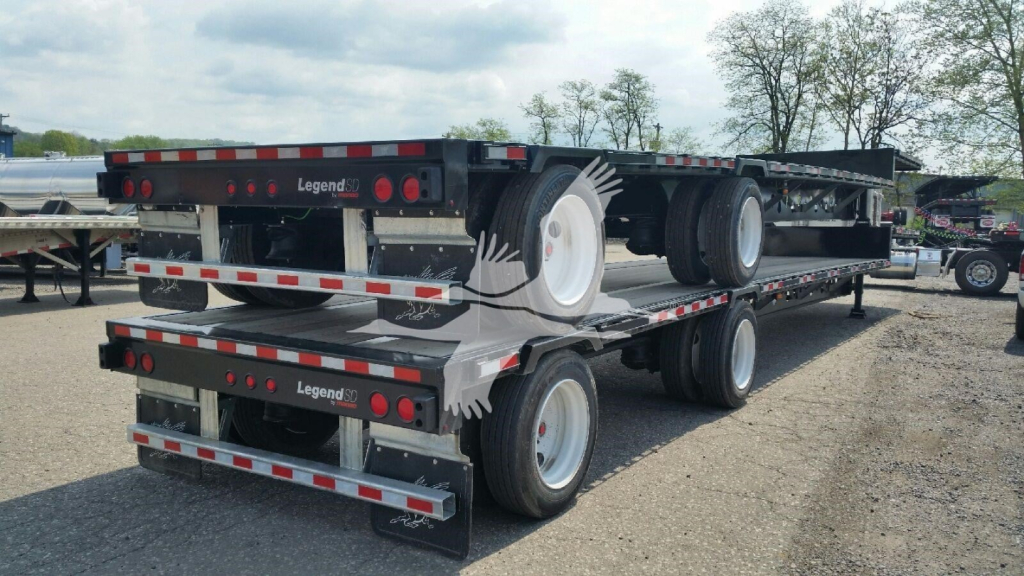
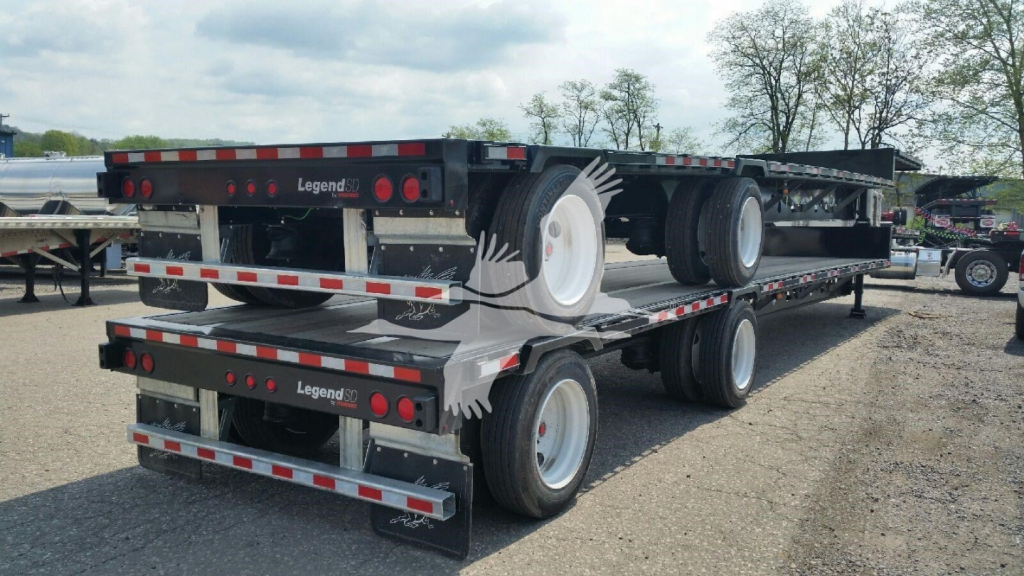
Selling a new 2027 drop deck trailer? List your new 2027 drop deck trailer for sale and reach thousands of commercial buyers.
New 2027 Drop Deck Trailers in Pennsylvania
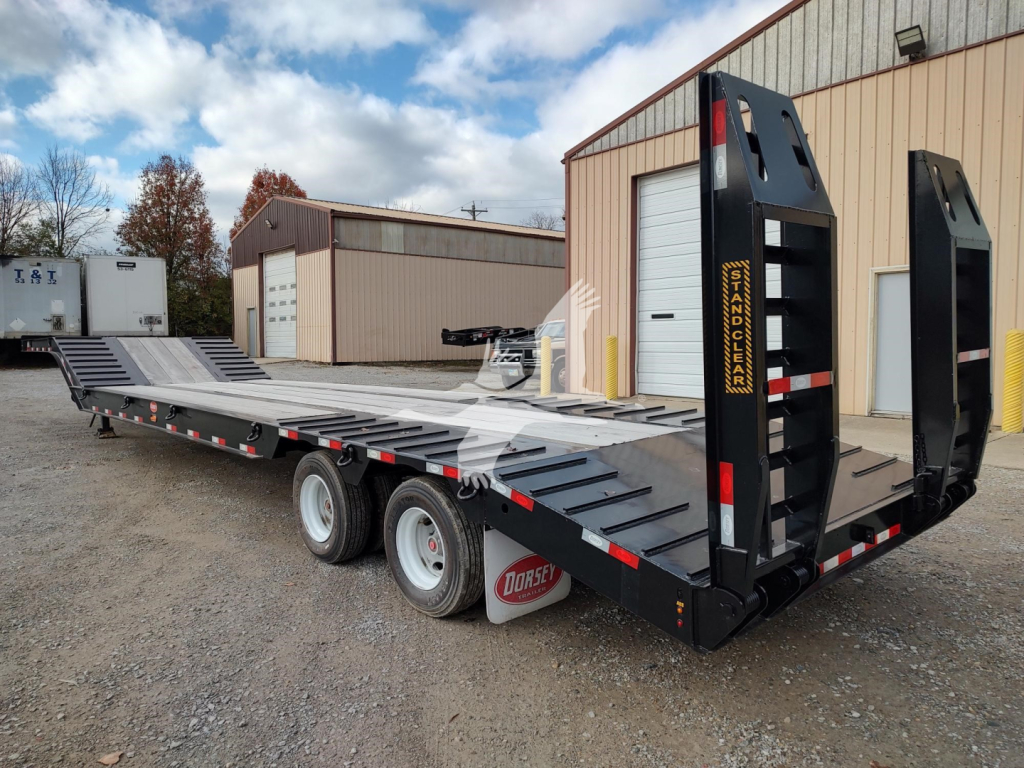
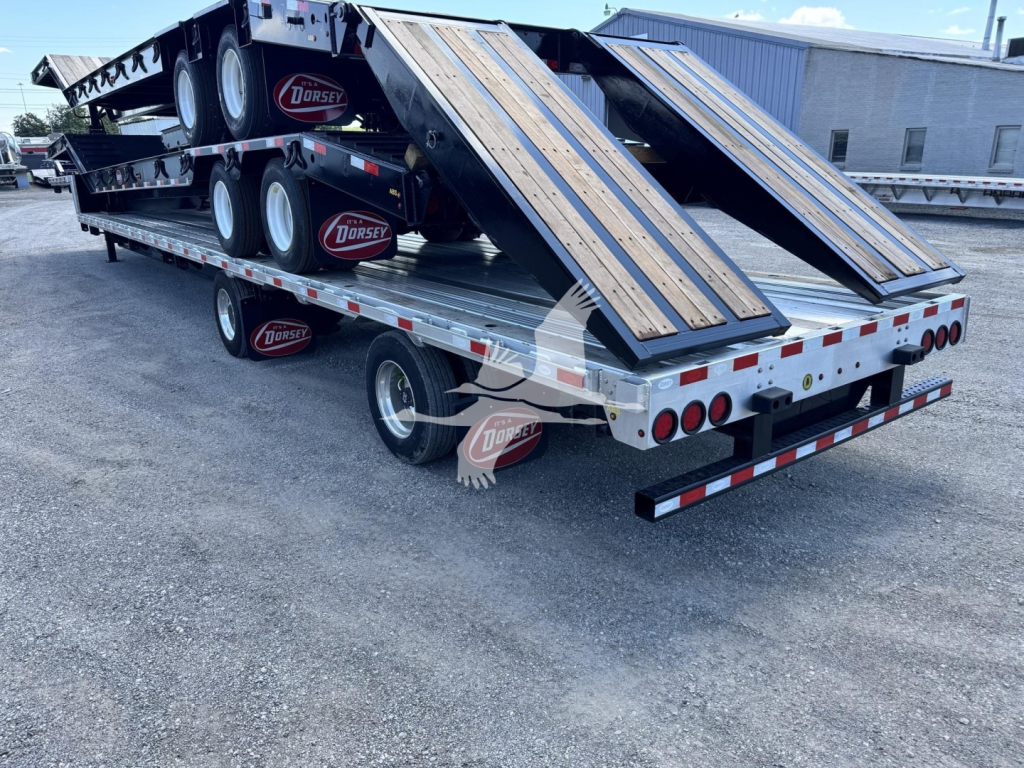
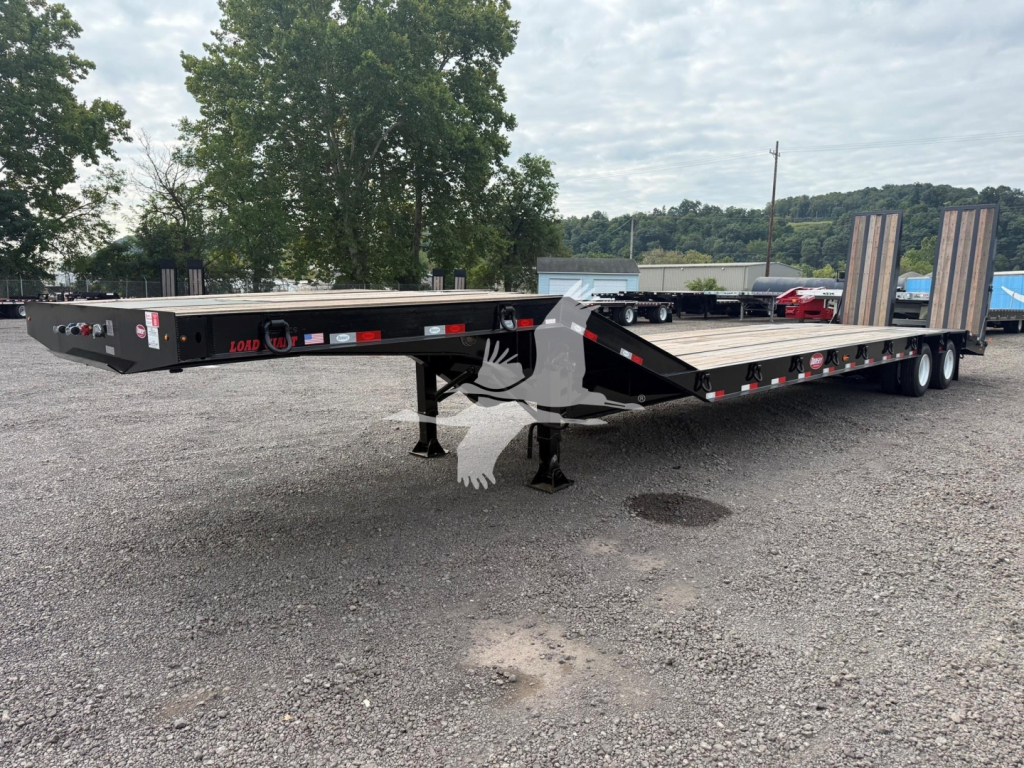
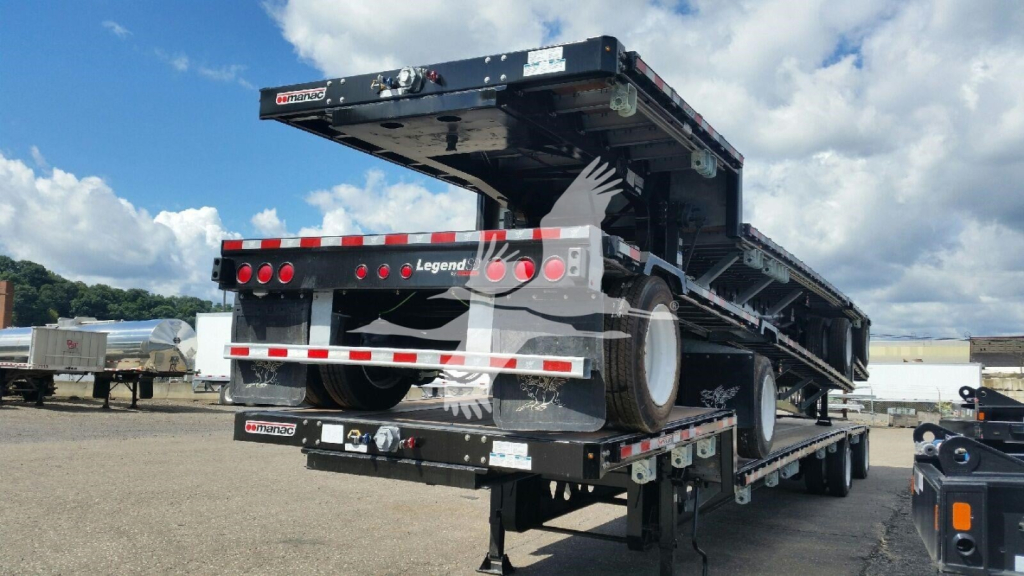
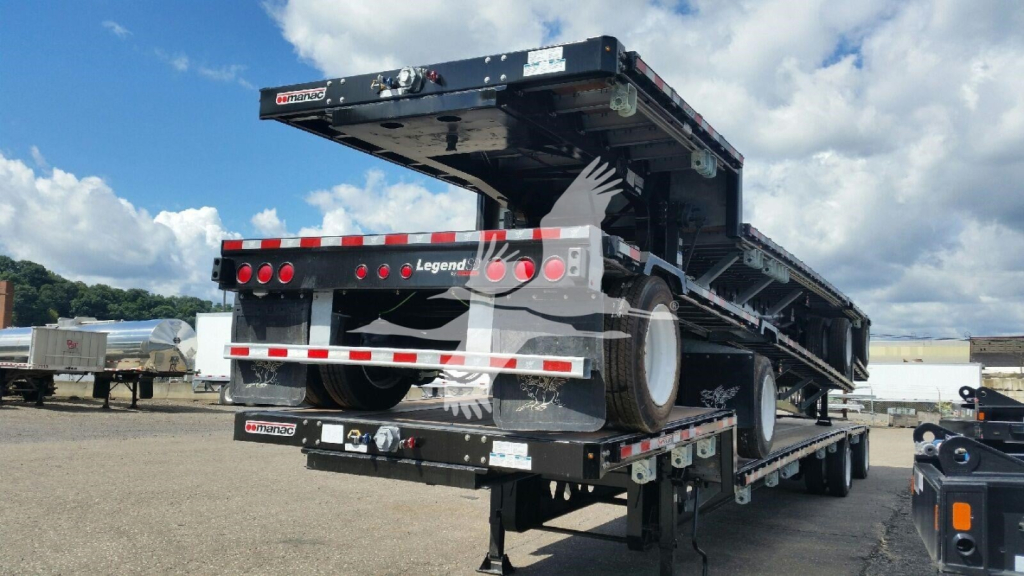
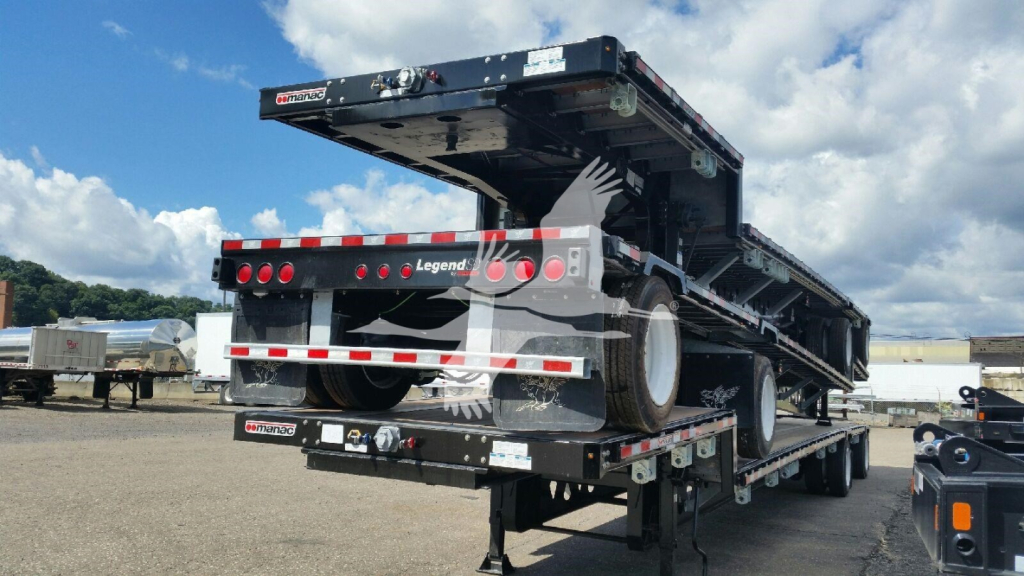
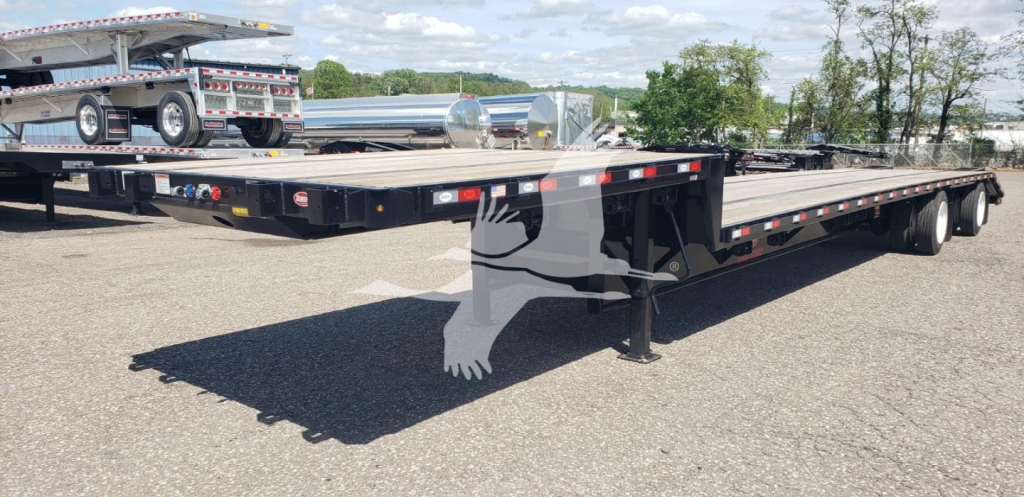
The spec decisions that matter most start with deck layout and load access. Many drop decks in this class are 48 to 53 feet long and 102 inches wide, with top decks around 10 to 13 feet and main decks stretching into the high-30 to low-40 foot range. Buyers should compare whether they need a flat rear deck, a beavertail, or a full ramp package. A beavertail with traction bars and spring-assisted or hydraulic ramps is useful for moving compact equipment, skid steers, and similar rolling loads. For more general freight, a straight deck with winch track, sliding winches, chain tie-downs, pipe spools, and removable tiedowns may be the better setup. Floor construction also changes the trailer's role. Aluminum floors reduce tare weight, while Apitong wood or wood-filled sections can offer better traction, easier securement flexibility, and simpler repair in heavy use.
Suspension, axle spread, and frame design have a direct effect on payload and how easily the trailer fits different lanes. Tandem air ride remains popular for ride quality and freight protection, while spring ride still has a place in severe-duty applications. Spread-axle drop decks can help with weight distribution and stability, and some setups close to California-legal spacing for added routing flexibility. Look closely at kingpin setting, loaded deck height, crossmember spacing, and coil package reinforcement if the trailer will carry concentrated loads such as steel coils or heavier equipment. Common details like 18-inch kingpin settings, 12-inch crossmember centers on the main deck, dump valves, Jost two-speed landing gear, and 22.5 or 17.5 rubber all affect daily performance more than they may appear on paper.
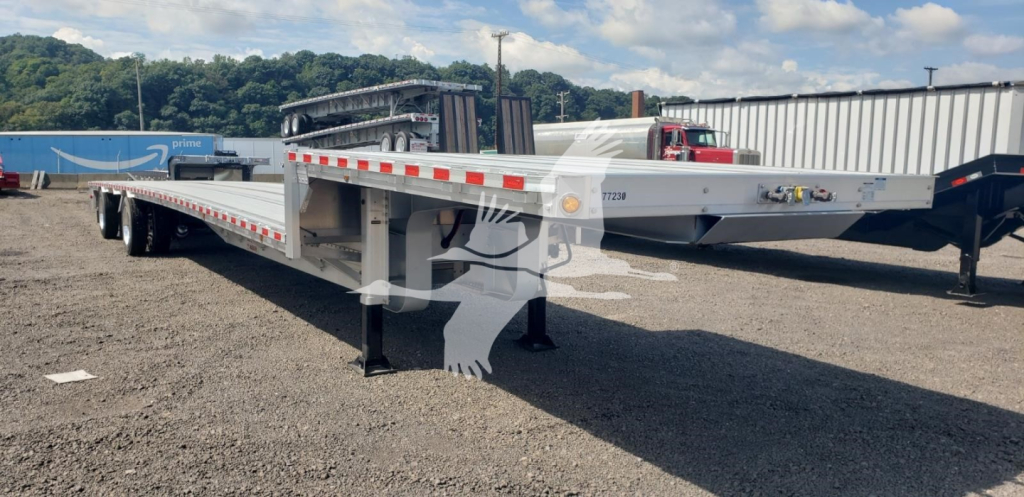
For Pennsylvania buyers, corrosion resistance, year-round traction, and versatility are worth extra attention. Combination aluminum-steel trailers help balance empty weight with durability, while all-steel units remain attractive for hard-use equipment work. Covered wheel wells, traction-bar surfaces, toolboxes in the neck, and robust lighting packages can make a noticeable difference in daily operation. The best new 2027 drop deck trailer is usually the one matched to the freight first: lighter combo or aluminum construction for maximizing payload, reinforced steel framing and ramp systems for equipment hauling, or a securement-heavy configuration for mixed flatbed freight across regional and over-the-road lanes.
Frequently Asked Questions about New 2027 Drop Deck Trailers in Pennsylvania
What is the difference between a drop deck trailer and a flatbed trailer?
A drop deck trailer, also called a step deck trailer, has an upper deck near the front and a lower main deck behind it. That lower deck allows taller freight to stay within legal height limits compared with a standard flatbed. Buyers usually choose a drop deck when they need more vertical clearance but still want the loading flexibility of an open trailer.
What deck height is common on a new drop deck trailer?
Loaded main deck height on new drop deck trailers commonly falls in the mid-30 inch to low-40 inch range, depending on suspension, tire size, and frame design. A lower deck helps with legal height and equipment loading, but it should be balanced against ground clearance, ramp angle, and the type of freight being hauled. Top deck length and transition slope also matter if the freight extends over the neck area.
Should I choose aluminum, steel, or a combo drop deck trailer?
Aluminum drop decks are favored when payload matters most because they keep trailer weight down. Steel trailers are typically chosen for severe-duty use, frequent equipment loading, and applications where impact resistance and repair simplicity are priorities. Combo trailers use aluminum and steel together to balance durability and tare weight, which is why they are common in mixed-freight operations.
Are ramps and beavertails necessary on a drop deck trailer?
They are necessary only if the trailer will regularly load self-propelled or wheeled equipment. A beavertail reduces the loading angle, and spring-assisted or hydraulic ramps make loading safer and faster. If the trailer will mainly haul palletized freight, building materials, machinery on skids, or other forklift-loaded cargo, a straight deck without ramps may provide more usable deck space and lower weight.
What securement features should I look for on a drop deck trailer?
The right securement package depends on the freight mix, but common features include winch tracks, sliding winches, chain tie-downs, D-rings, pipe spools, and coil packages with extra crossmember reinforcement. Buyers hauling steel or machinery should pay close attention to tiedown placement, side rail construction, and crossmember spacing. Those details affect how easily the load can be secured and how well the trailer handles concentrated weight over time.