
New 2027 Fontaine Trailers For Sale in Pennsylvania
Shop new 2027 Fontaine trailers in Pennsylvania, including lowboy and heavy-haul configurations built for equipment transport and demanding loads.
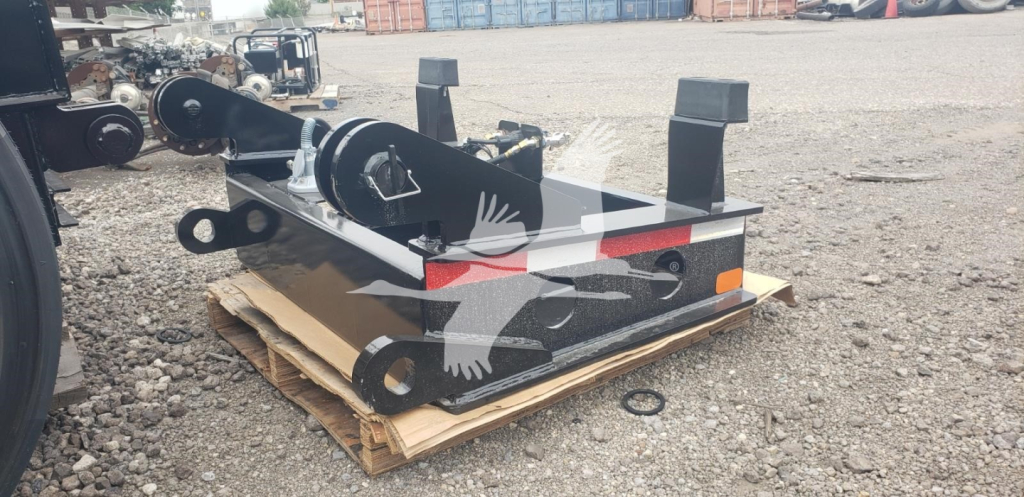
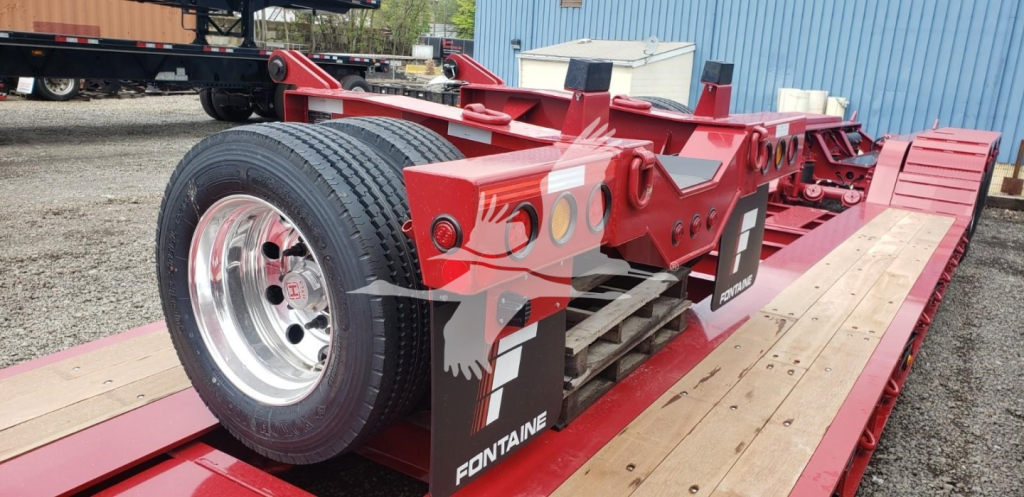
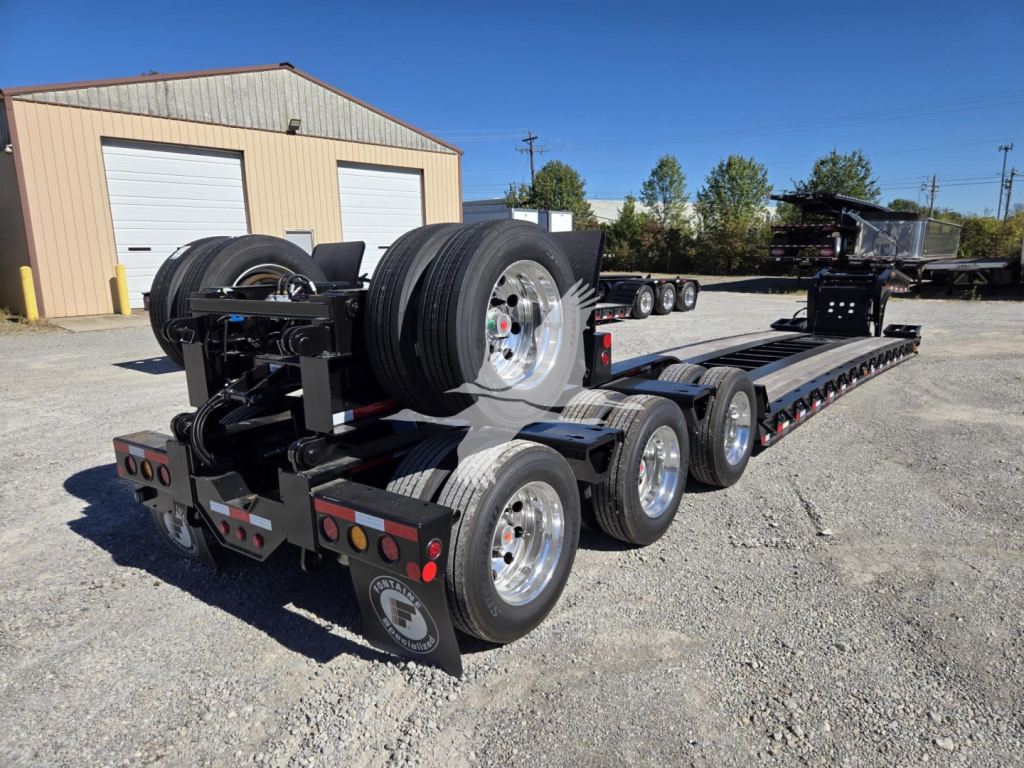
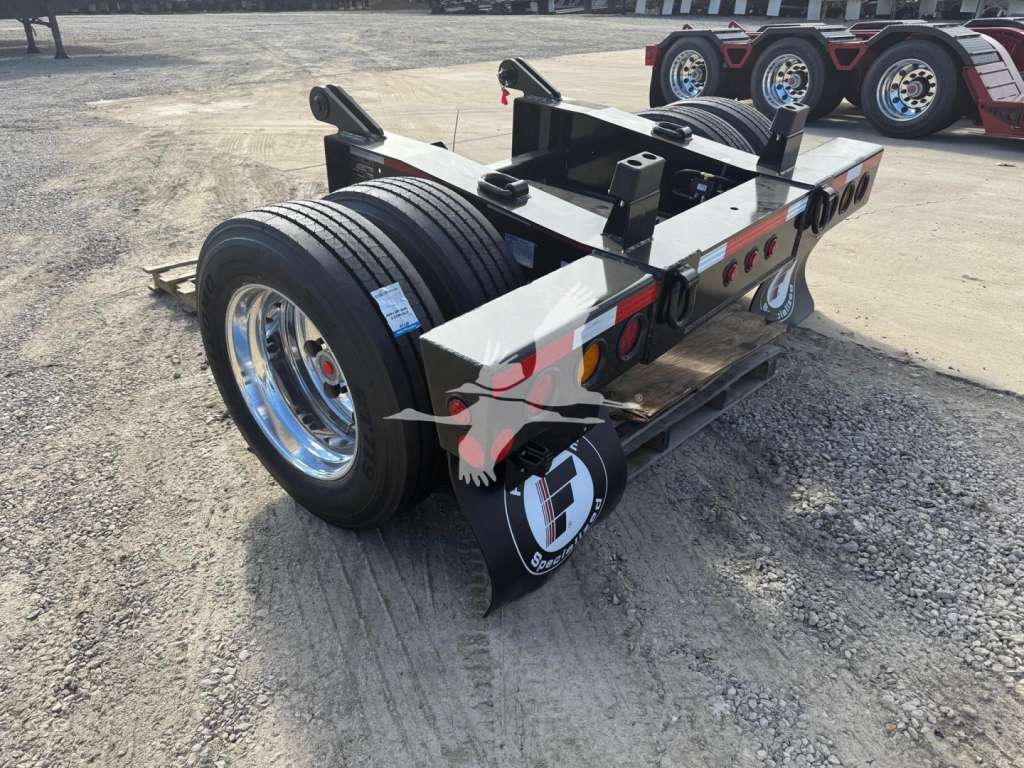
Selling a new 2027 fontaine trailer? List your new 2027 fontaine trailer for sale and reach thousands of commercial buyers.
New 2027 Fontaine Trailers in Pennsylvania
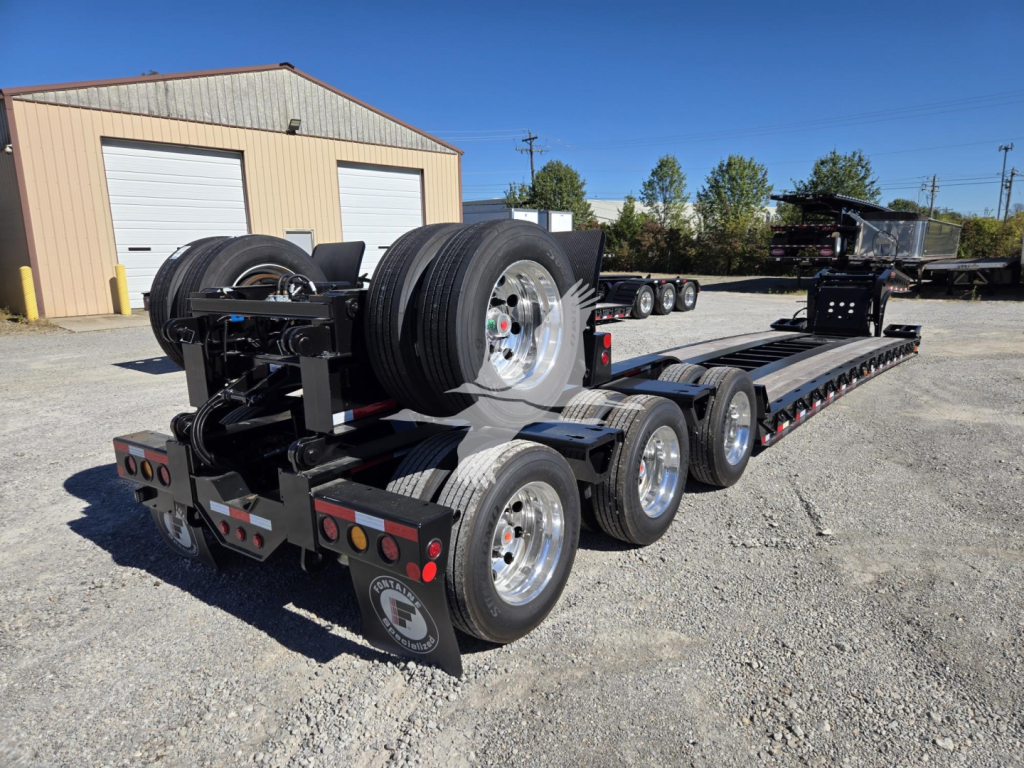
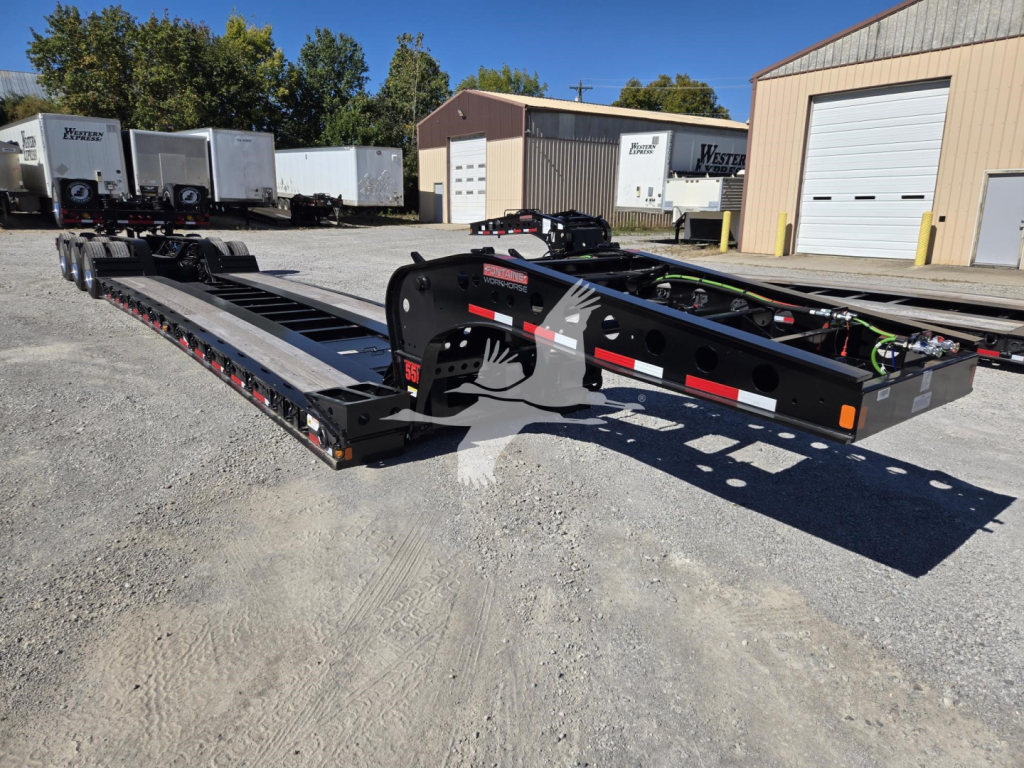
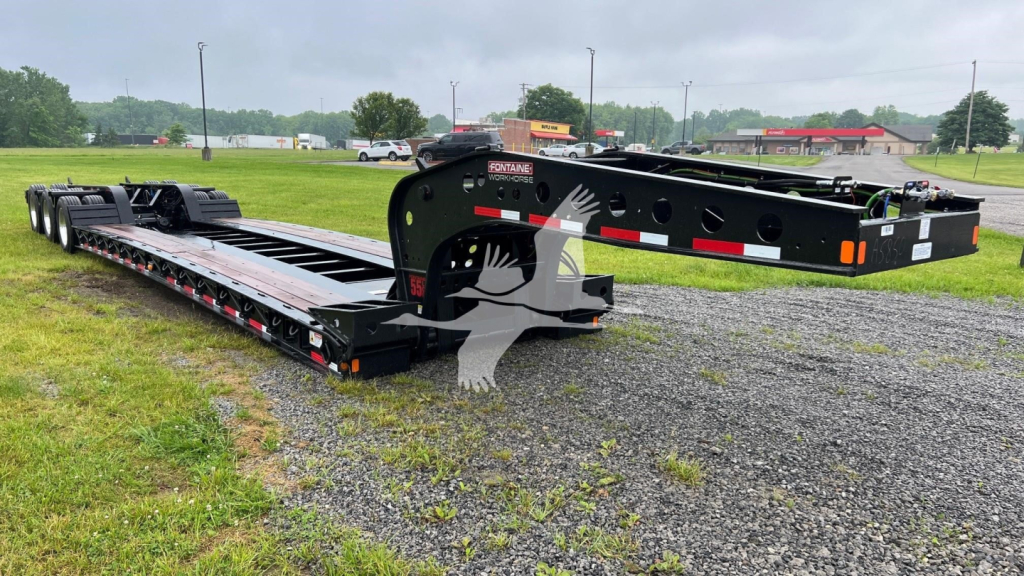
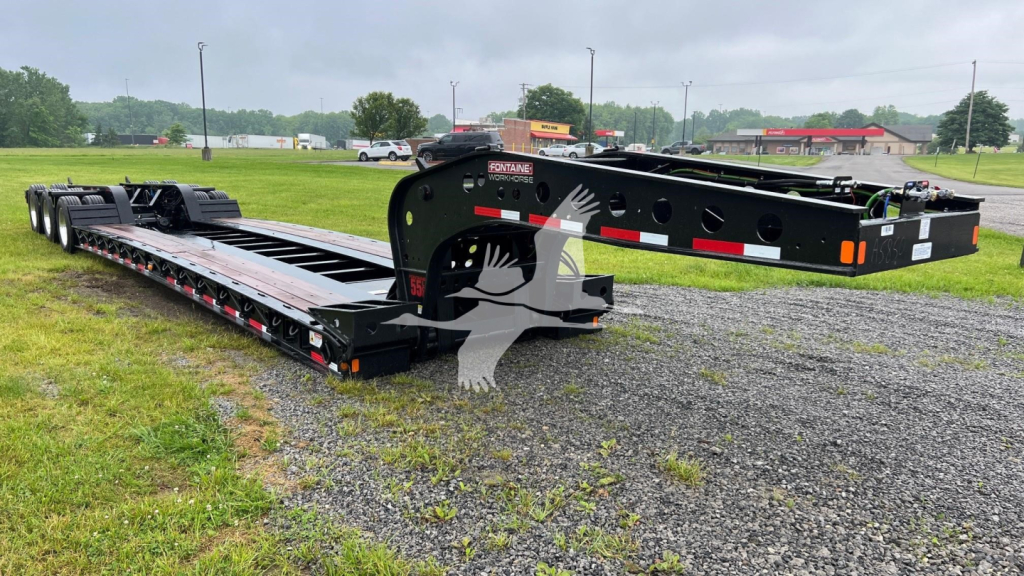
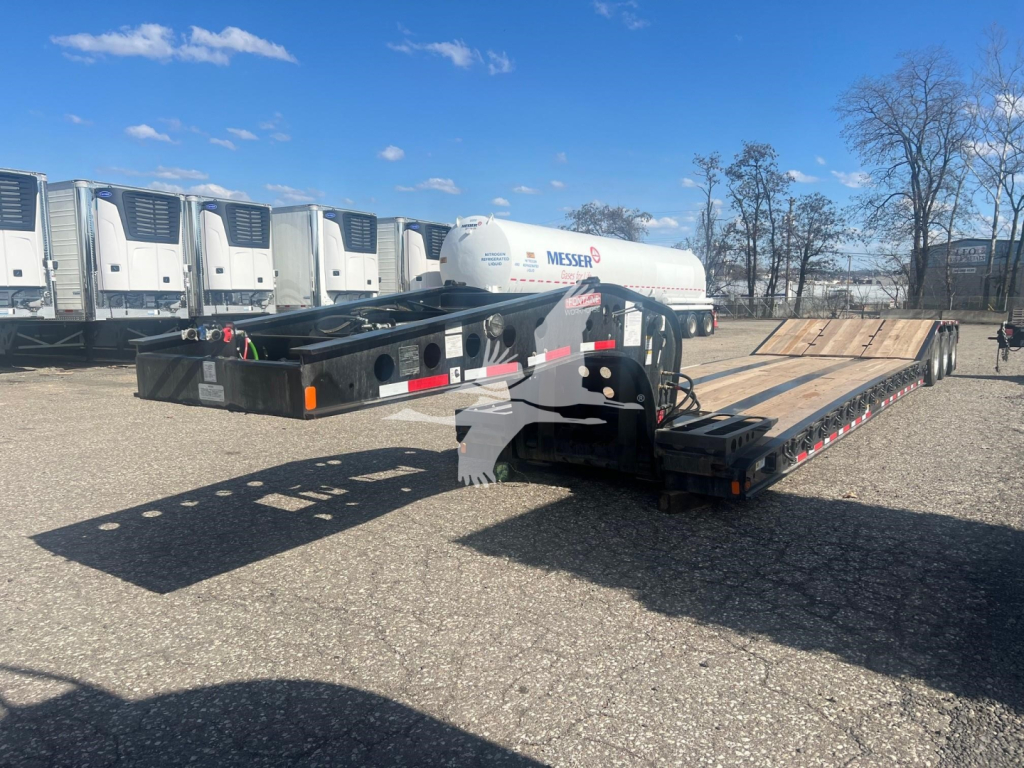
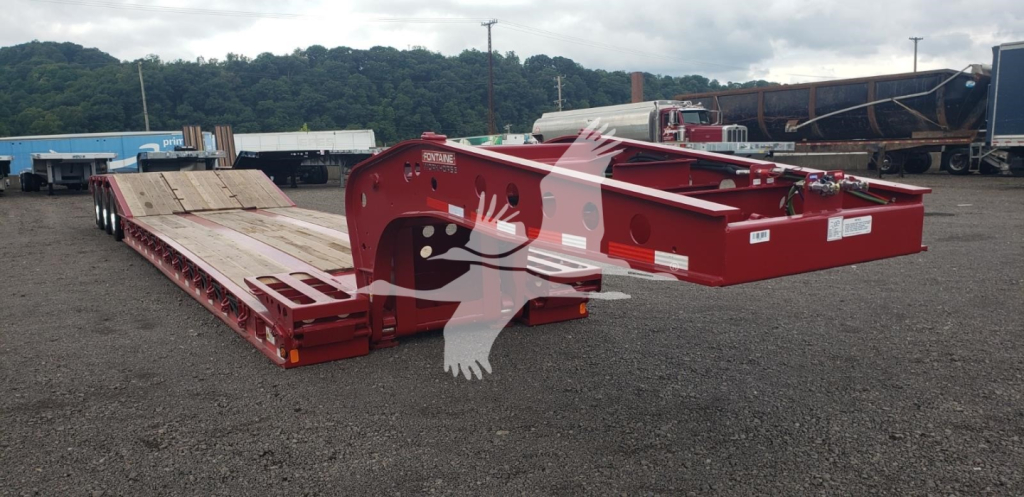
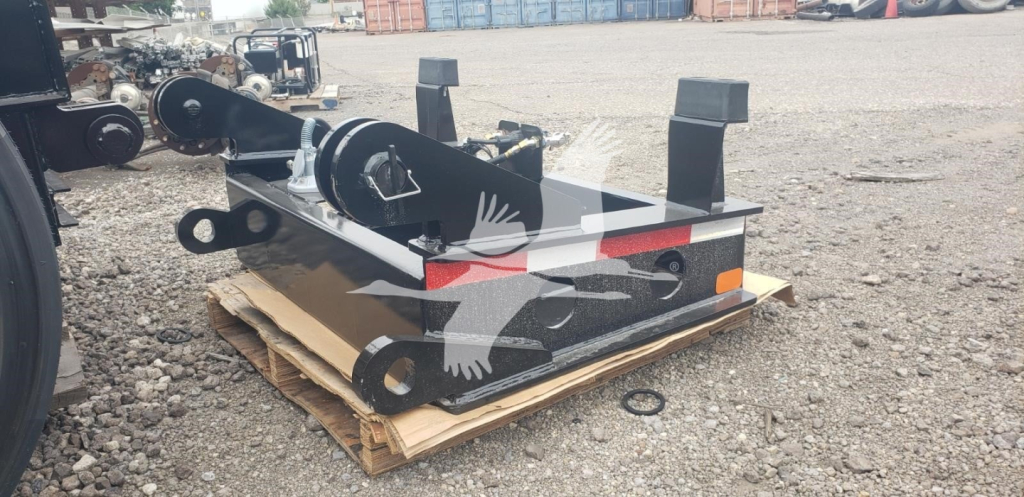
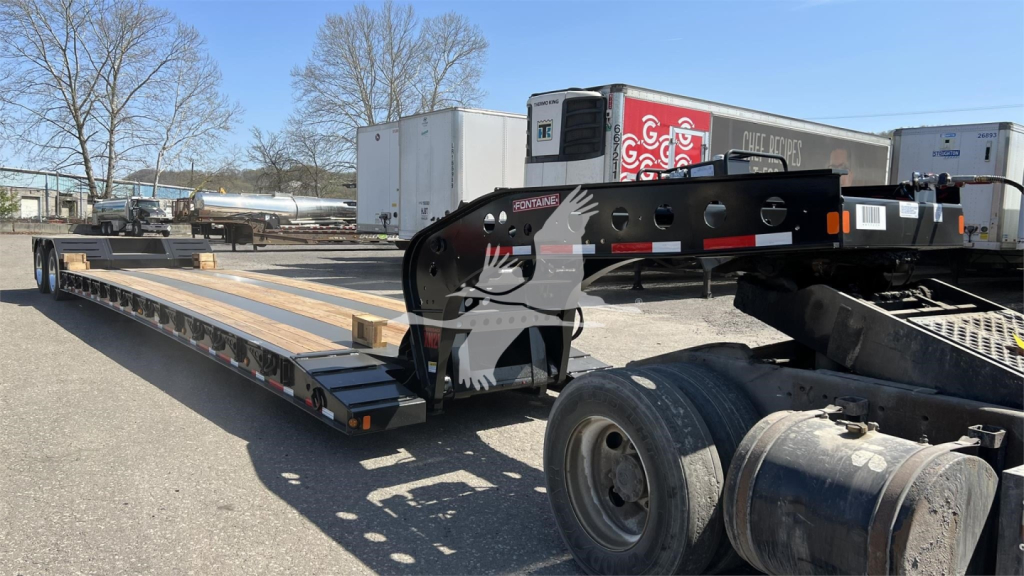
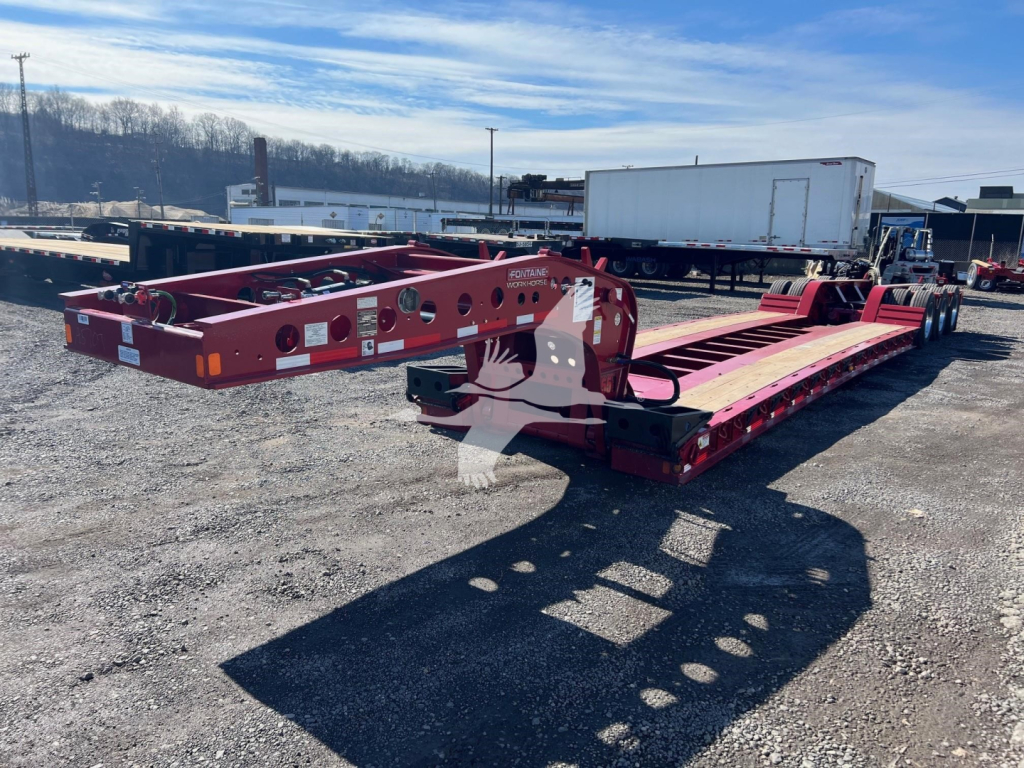
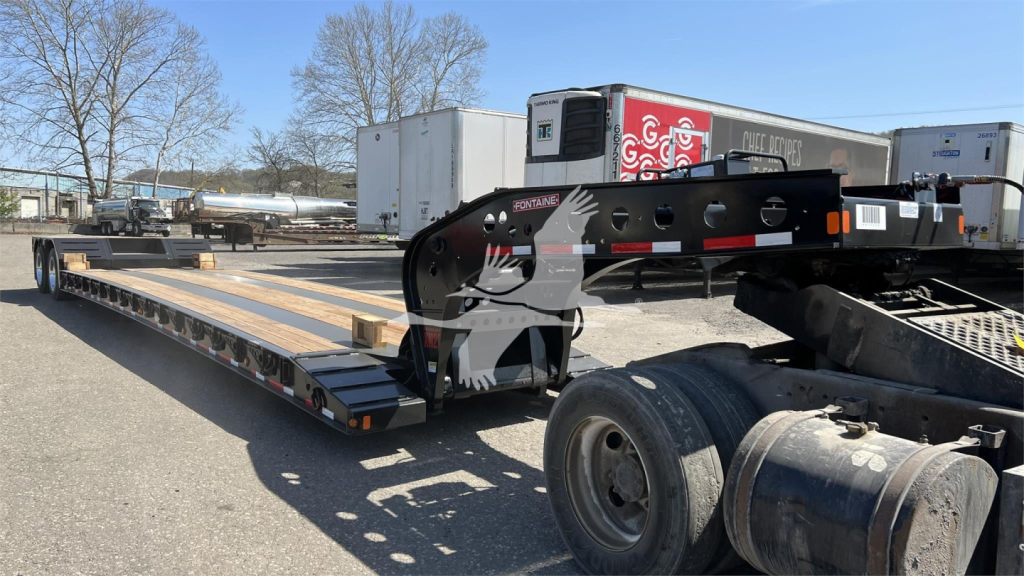
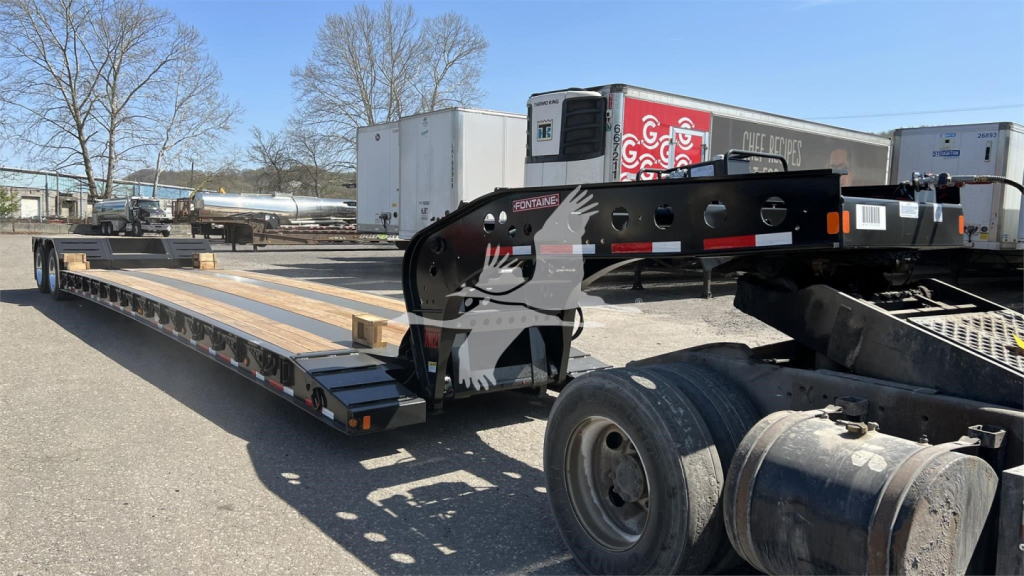
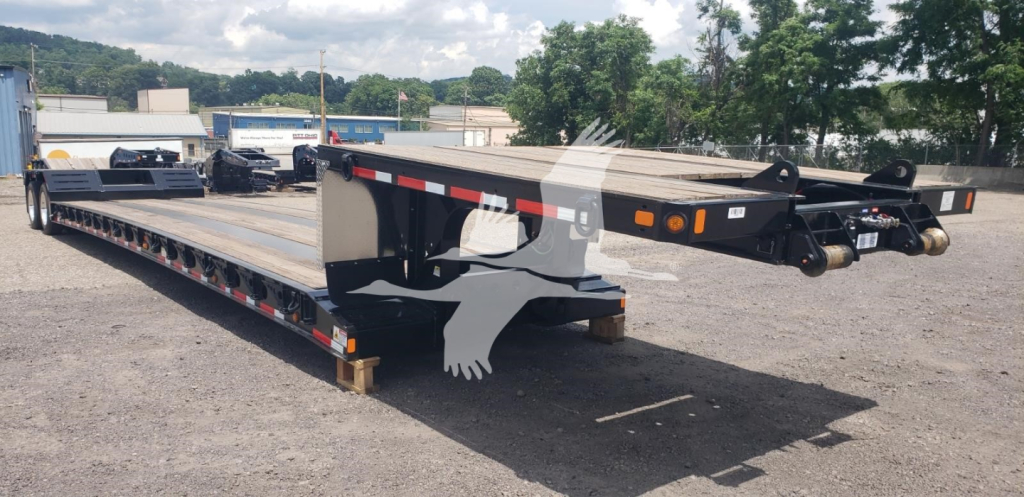
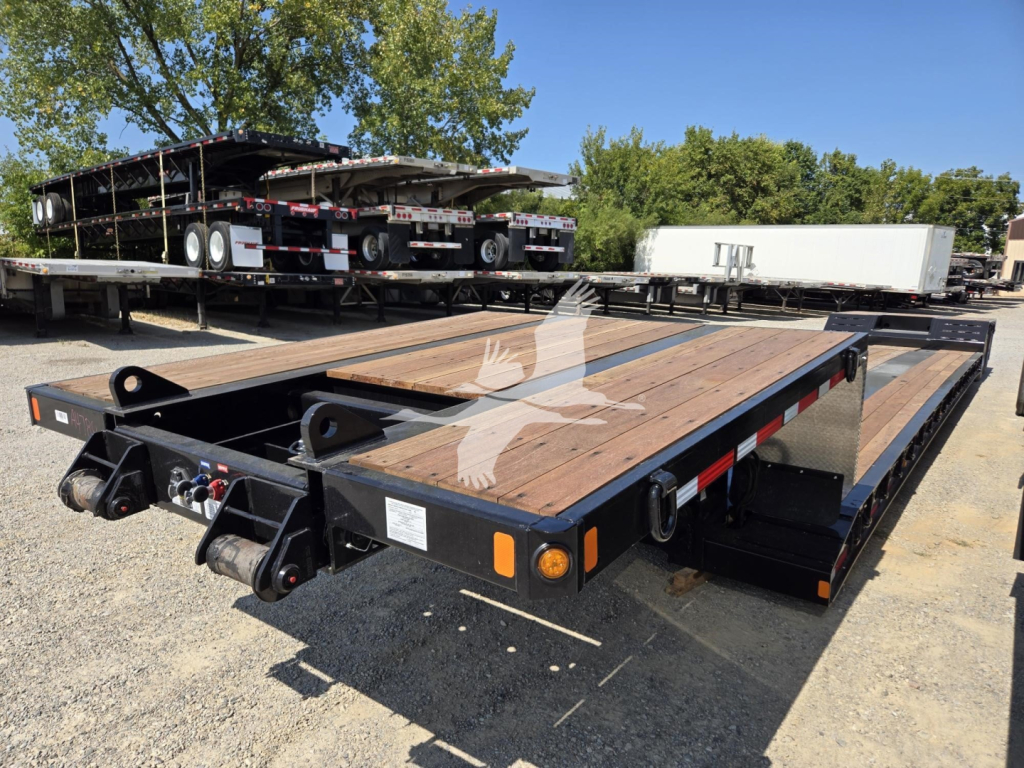
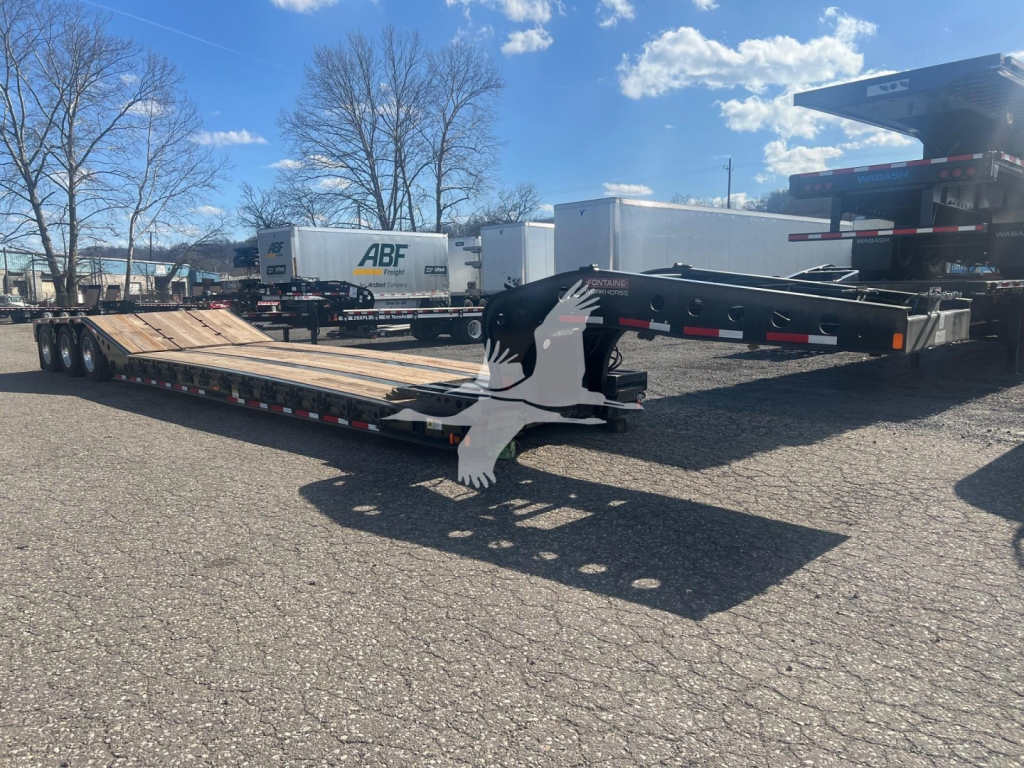
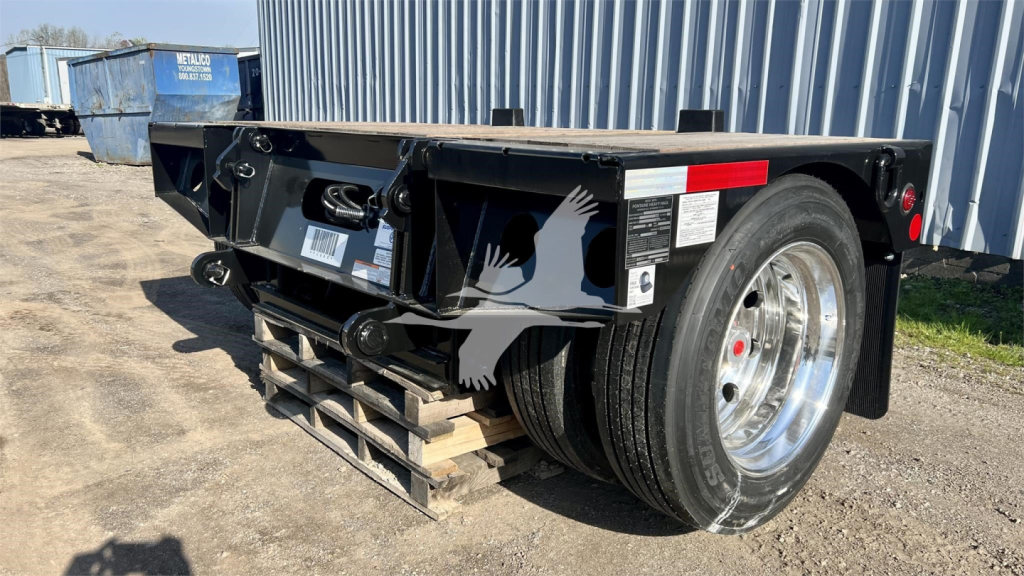
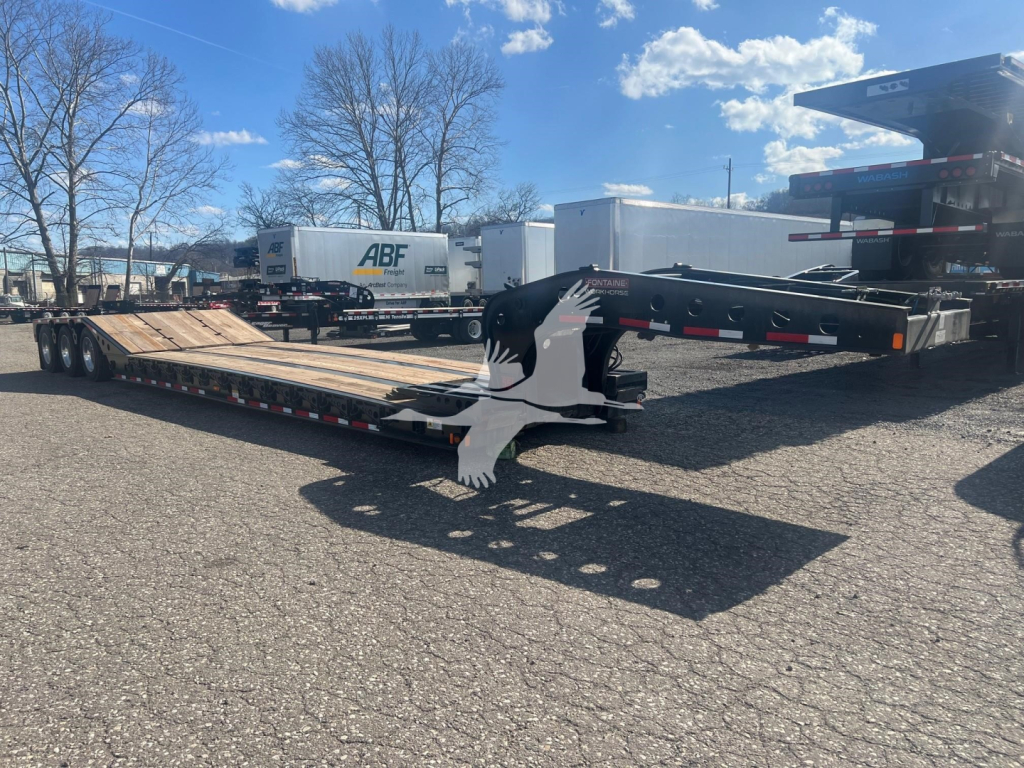
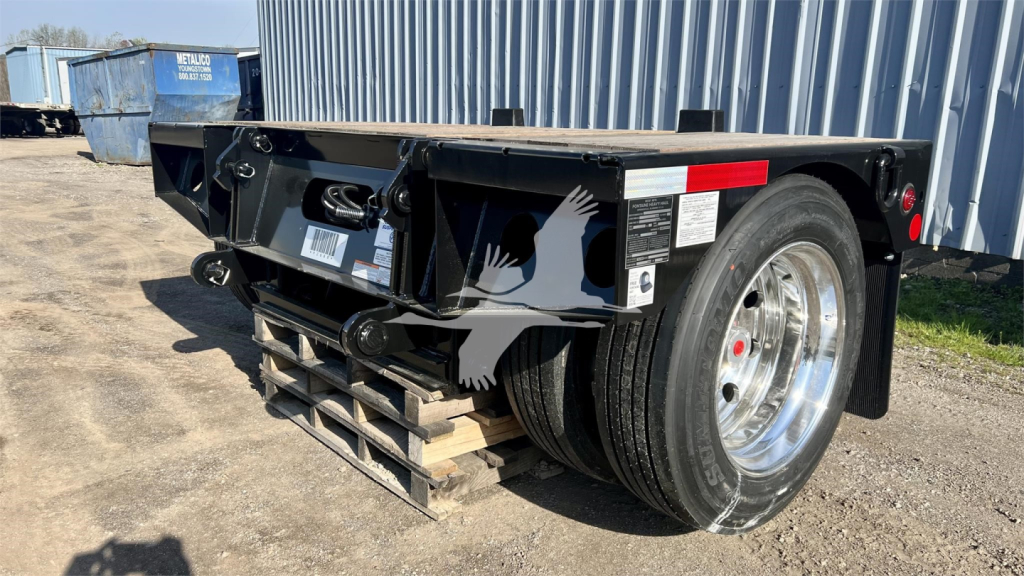
A lot of the decision comes down to deck style and how the machine loads. Fontaine lowboys often show up with hydraulic detachable non-ground-bearing goosenecks, low boom wells, swing-out outriggers, removable D-rings, and rear flip-axle connections for future capacity expansion. Main deck heights can vary notably, and that affects loading angle, center of gravity, and legal height once the machine is on the deck. Full-width apitong flooring and load-bearing wheel covers are popular on paver-oriented models because they support rubber-tired paving equipment and wider loading patterns. Side-rail-only wood floors, approach ramps, hammer plates, chain slots, and covered tool trays are more common on units meant for mixed equipment service where durability and securement flexibility matter every day.
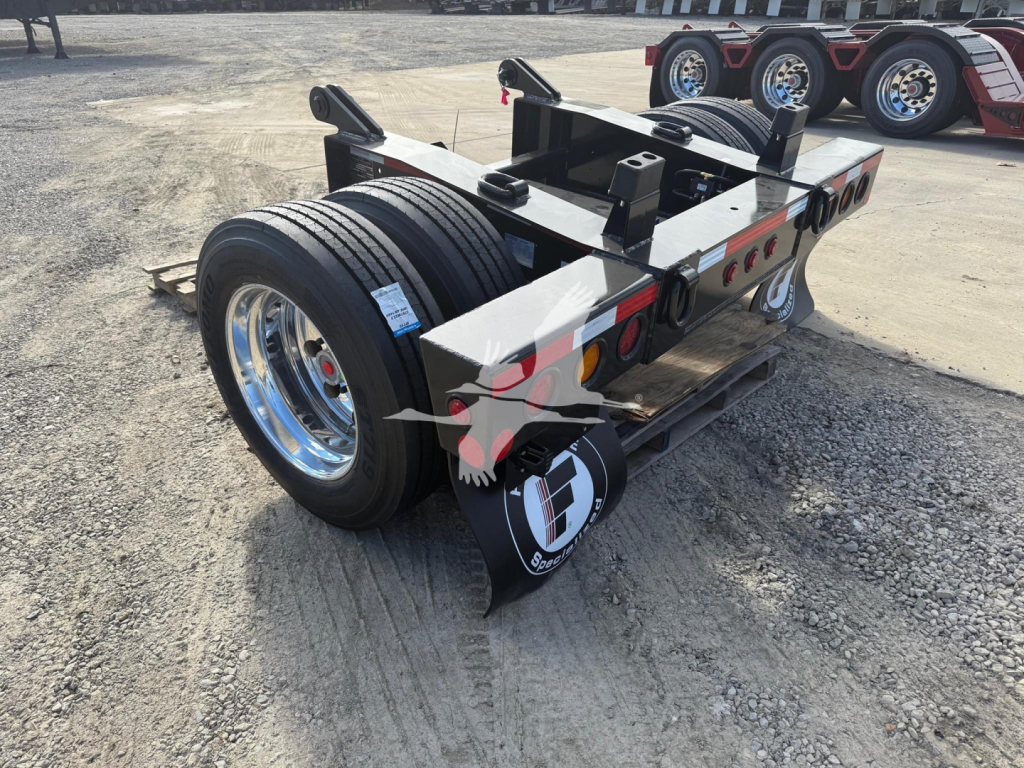
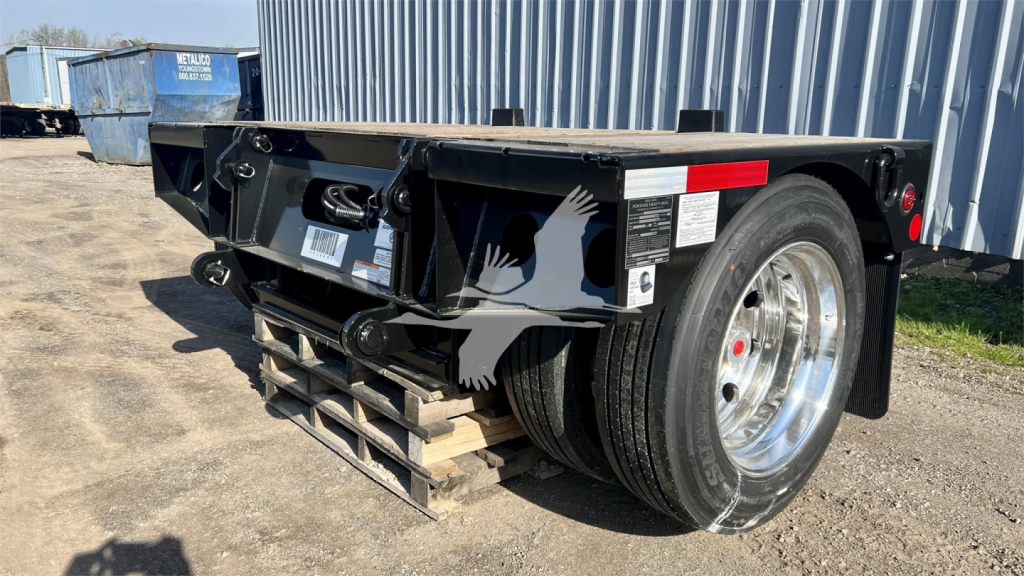
Suspension and axle details deserve a close read. Many Fontaine heavy equipment trailers in this class use a 3-axle air ride bogie with lift axle functions, dump valves, ride height control valves, and 275/70R22.5 rubber on aluminum and steel wheel combinations. Kingpin settings, loaded fifth-wheel height, axle spacing, and swing radius matter if the trailer will be paired with a specific tractor or used in tight jobsites and older urban corridors. Some Fontaine platforms are fixed designs intended for straightforward 3-axle operation, while others are modular or flip-axle compatible for operators who need to scale from standard equipment moves into higher-capacity heavy-haul configurations. If your work regularly changes between asphalt equipment, ag machinery, and earthmoving iron, securement layout and deck access can matter as much as the published ton rating.
Buyers looking at new 2027 Fontaine trailers should compare real-world use factors instead of just model names. Check clear deck length, loaded deck height, gooseneck ride height positions, outrigger count, ramp style, and where the trailer carries its weight rating. A lower deck can make the difference on tall machines, while a full-width deck and wheel covers can save time on pavers and rollers. For Pennsylvania fleets, corrosion resistance, lighting package quality, service access, and compatibility with future flip axles or neck extensions can also affect long-term value. Fontaine has a strong reputation in lowboy and heavy-haul applications because these trailers are generally designed around daily jobsite loading, repeated detach cycles, and the kind of structural durability commercial operators expect from a work trailer.
Frequently Asked Questions about New 2027 Fontaine Trailers in Pennsylvania
What types of Fontaine trailers are common in the 2027 new trailer category?
The most common Fontaine trailers in this category are lowboy and hydraulic detachable gooseneck heavy equipment trailers. Many are built in 53-foot to 55-foot overall lengths with 3-axle air ride configurations and capacities around 55 tons, while heavier modular setups can be rated higher with additional axle combinations. These trailers are used for hauling construction equipment, paving machines, and other concentrated loads that require a low deck height and strong securement options.
What should I compare first when looking at a Fontaine lowboy trailer?
Start with capacity by deck length, not just the stated ton rating. A trailer rated for 55 tons in 13 feet is built for a different load profile than one rated for 55 tons in 16 feet. After that, compare main deck height, clear deck length, gooseneck style, axle spacing, and whether the trailer is fixed or flip-axle compatible. Those details affect legal loading height, machine fit, turning clearance, and how easily the trailer can be adapted for future work.
Why does deck height matter on a heavy equipment trailer?
Deck height directly affects overall loaded height, center of gravity, and ease of loading. A lower deck is helpful for taller machines because it creates more room under legal height limits and can improve stability in transport. It also changes the loading angle and can make a difference when moving equipment with low ground clearance. Buyers hauling excavators, dozers, or specialty paving equipment usually pay very close attention to deck height before comparing cosmetic or convenience features.
Are Fontaine trailers in this class usually set up for future axle additions?
Many are. It is common to see Fontaine lowboys with rear flip-axle connections or modular designs that allow added axle capacity later. That matters for fleets that currently haul standard heavy equipment but may need to move into heavier or more specialized loads. If future expansion is part of the plan, check the trailer description for flip-axle compatibility, neck extension options, and the exact weight ratings tied to each axle configuration.
What features are important for paving and roadbuilding applications?
For paving work, buyers often look for full-width apitong flooring, load-bearing wheel covers, double-hinged ramps, low boom wells, strong D-ring placement, and a deck layout that supports rollers, pavers, and support equipment with minimal repositioning. These details help with loading speed and reduce the chance of damage to the machine or trailer during repeated jobsite moves. A trailer designed for paving service may look similar to a general equipment lowboy, but its floor design and loading surfaces are often much more specialized.