
New 2027 Fontaine Lowboy Trailers For Sale in Pennsylvania
Shop new 2027 Fontaine lowboy trailers with detachable goosenecks, air ride suspensions, flip axle capability, and heavy equipment hauling specs.
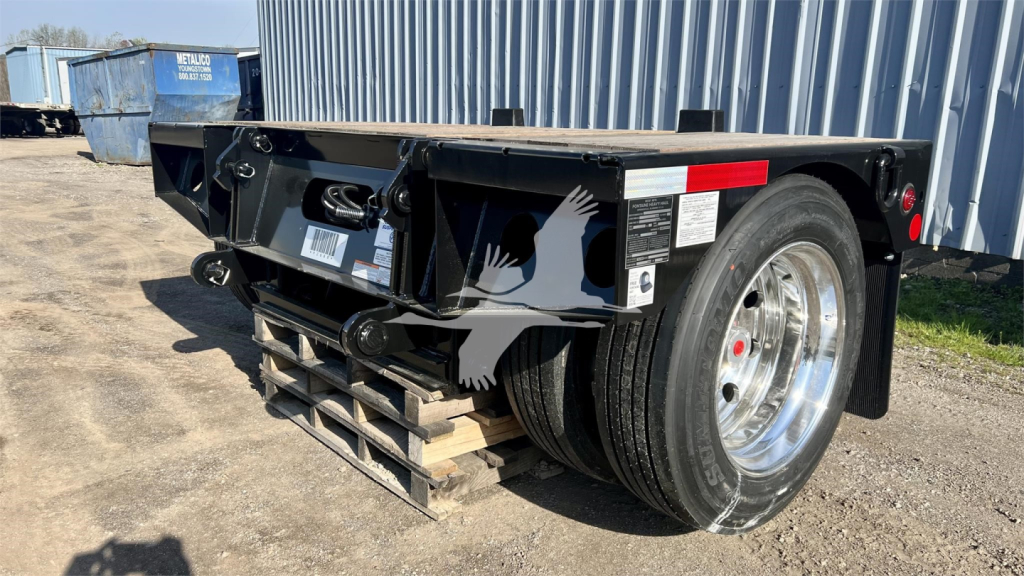
Selling a new 2027 fontaine lowboy trailer? List your new 2027 fontaine lowboy trailer for sale and reach thousands of commercial buyers.
New 2027 Fontaine Lowboy Trailers in Pennsylvania
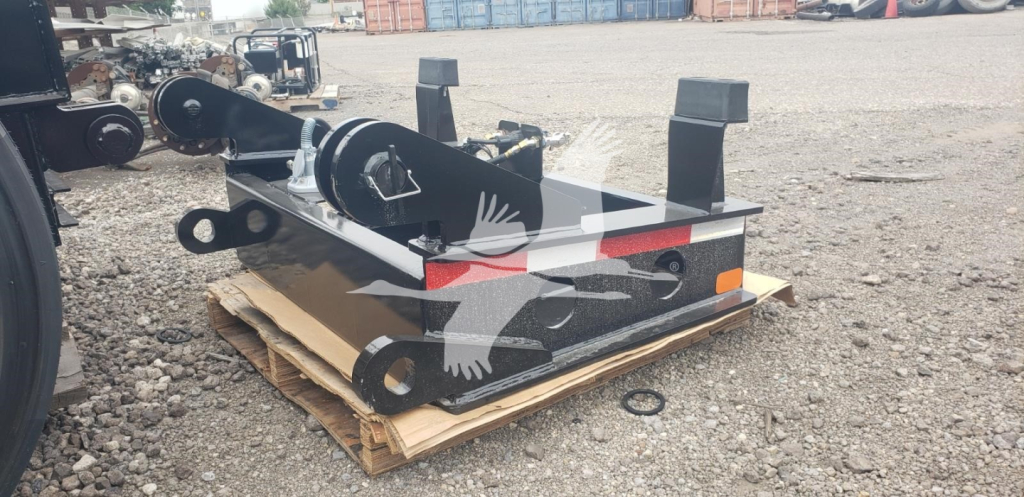
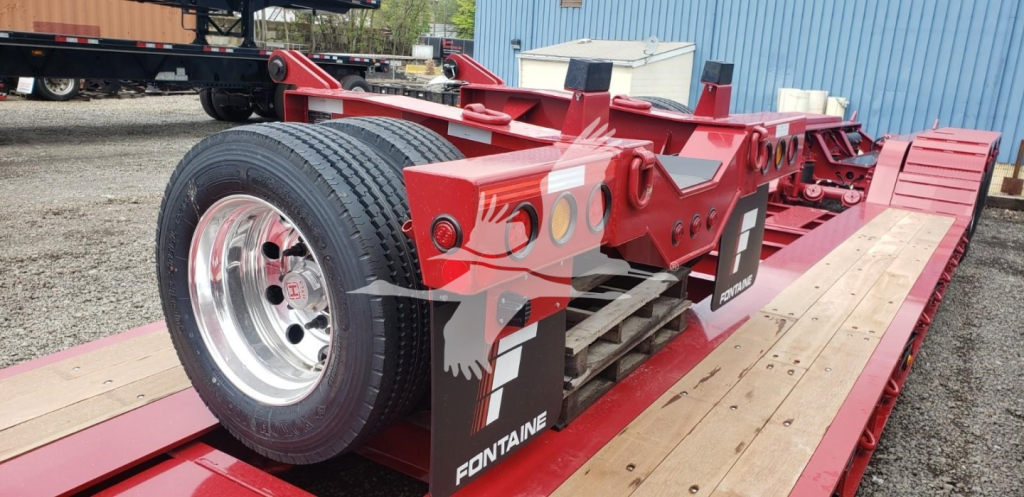
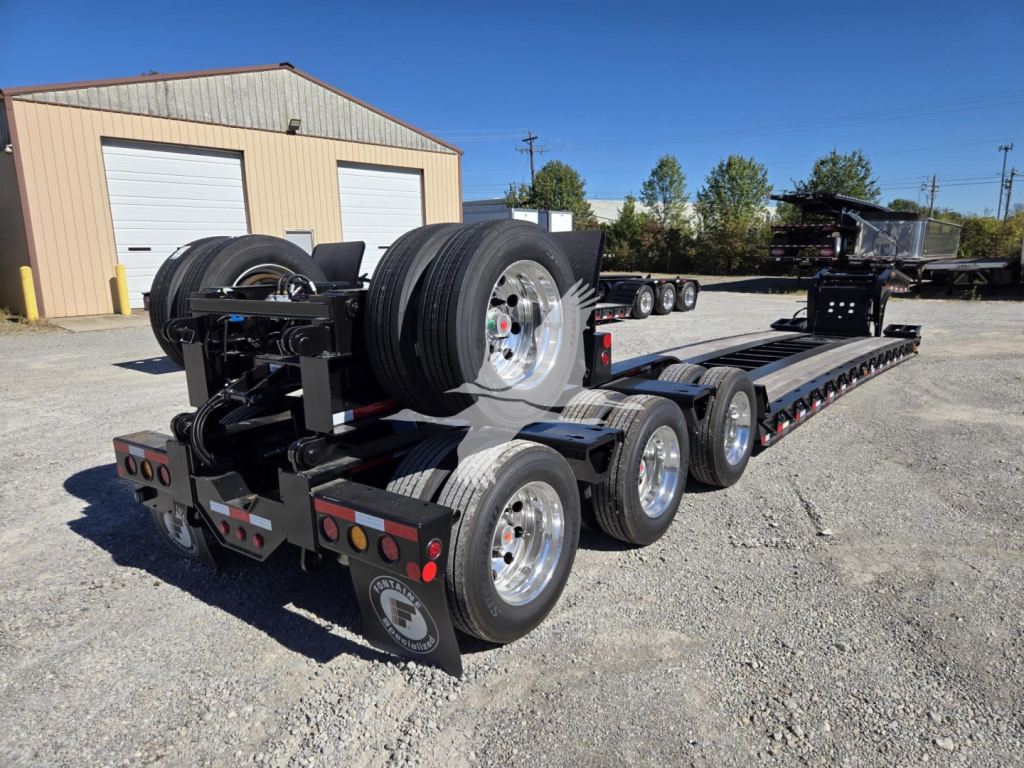
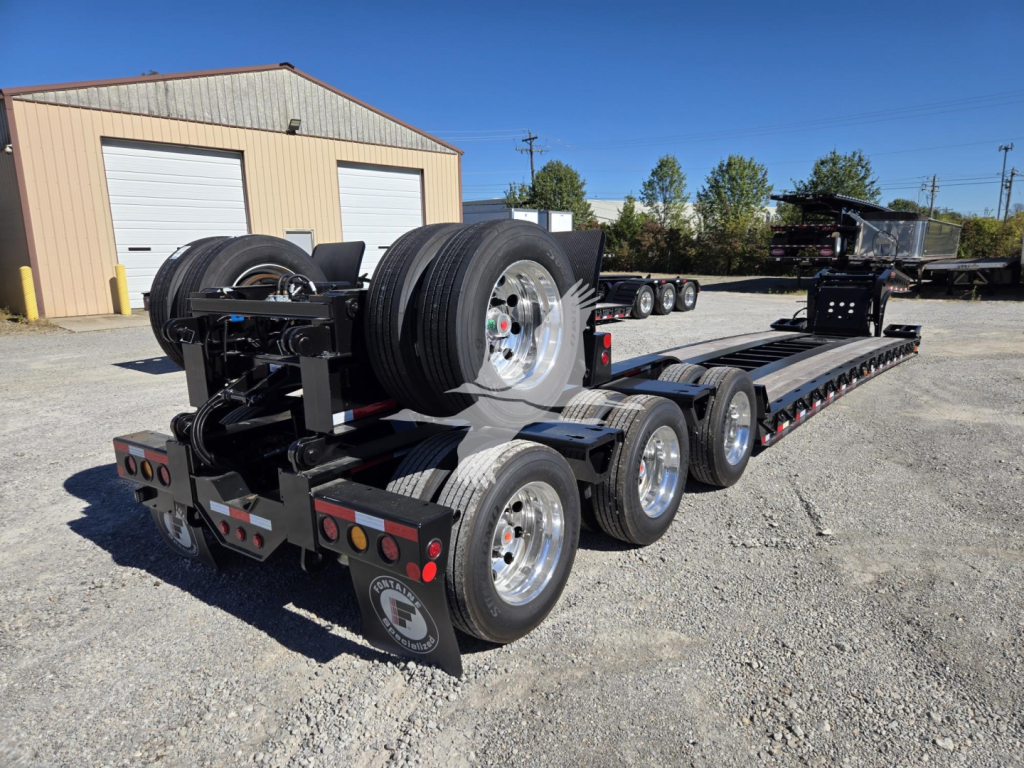
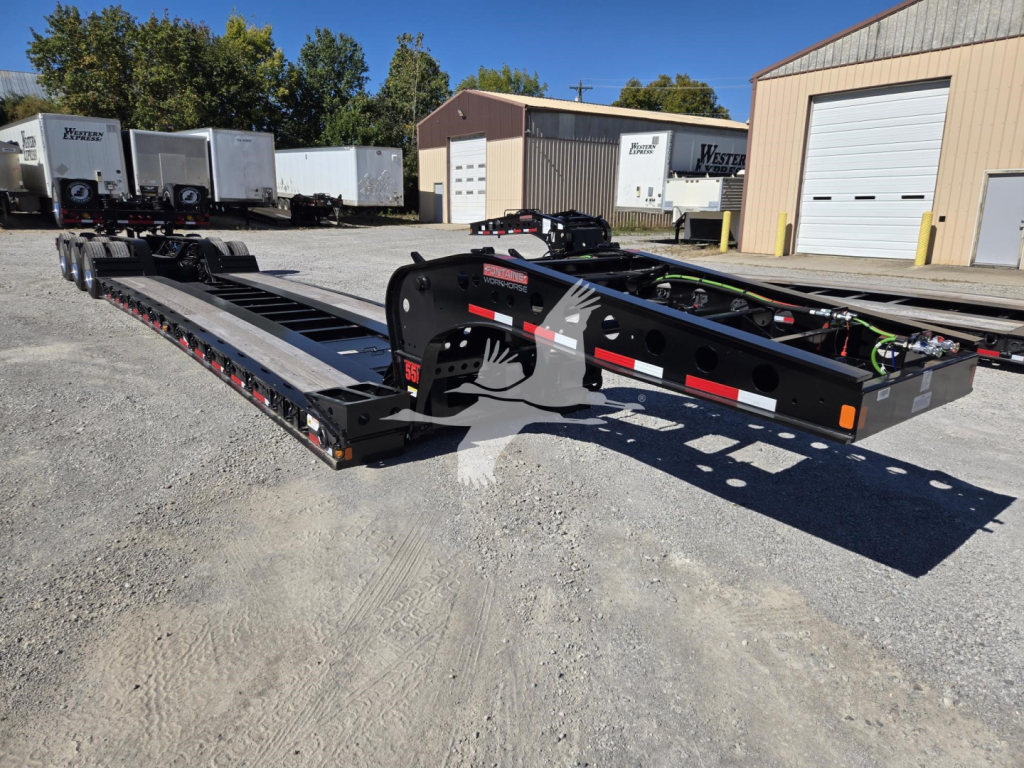
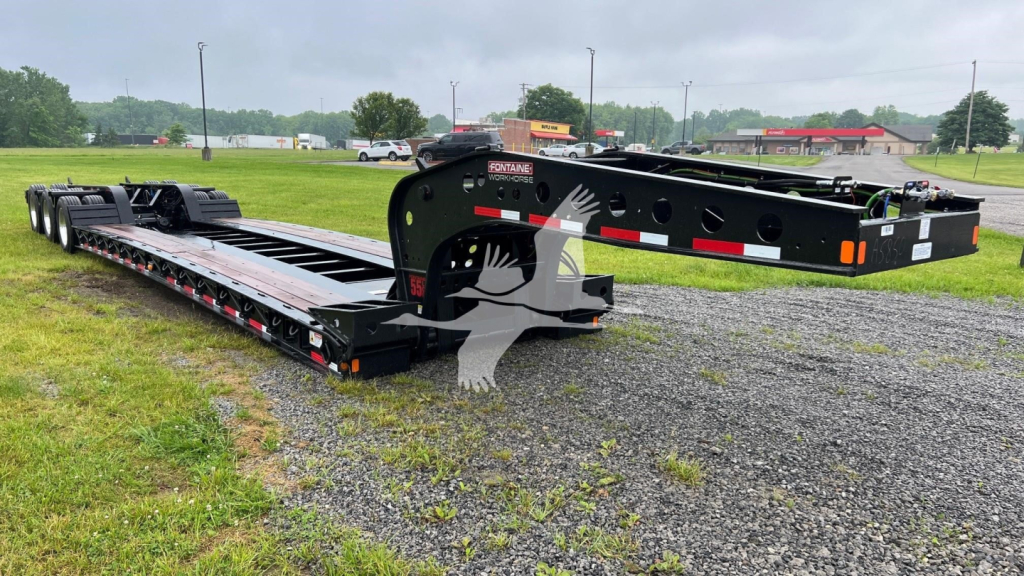
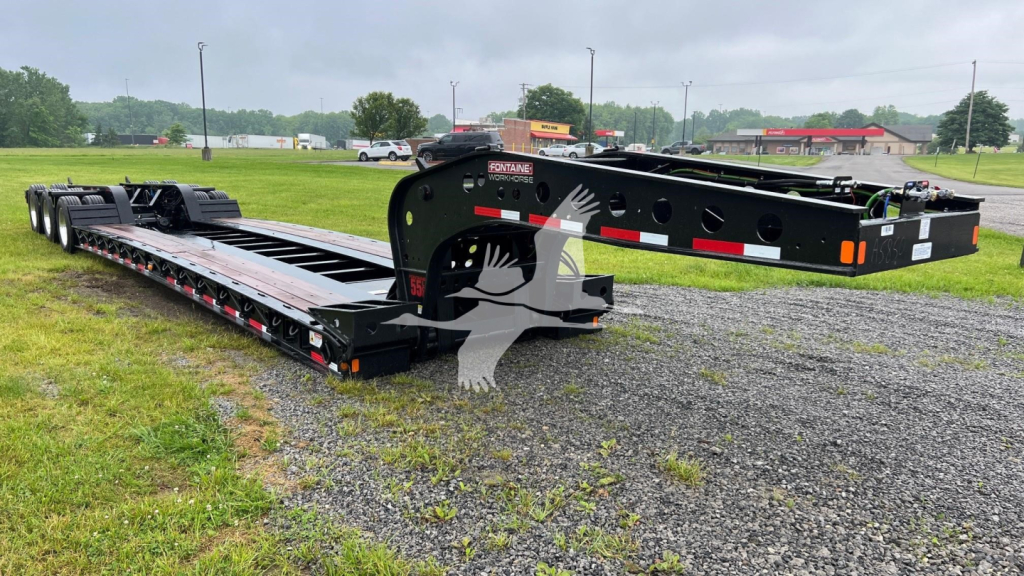
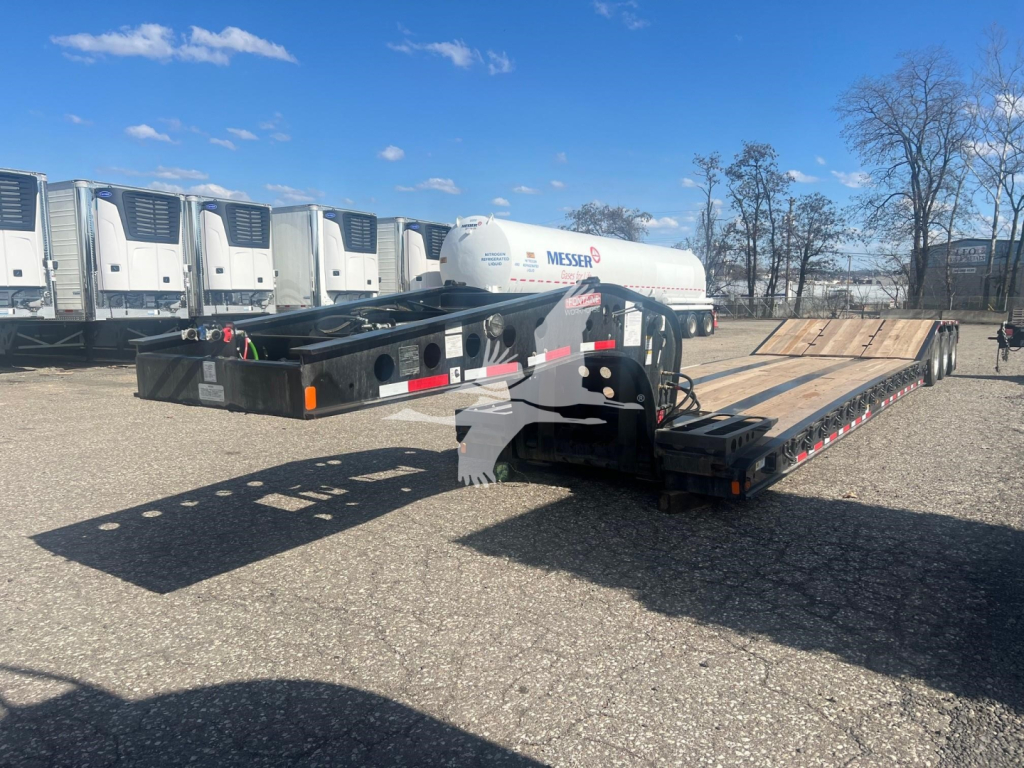
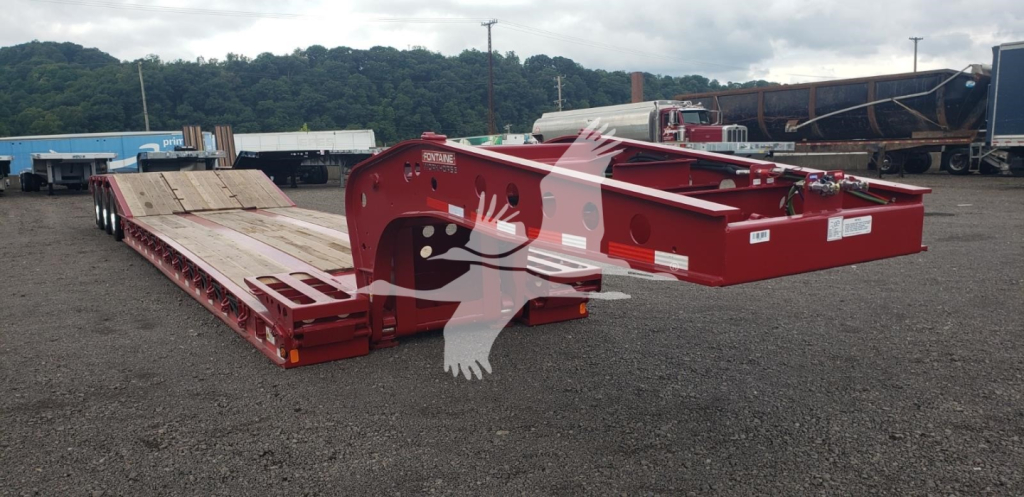
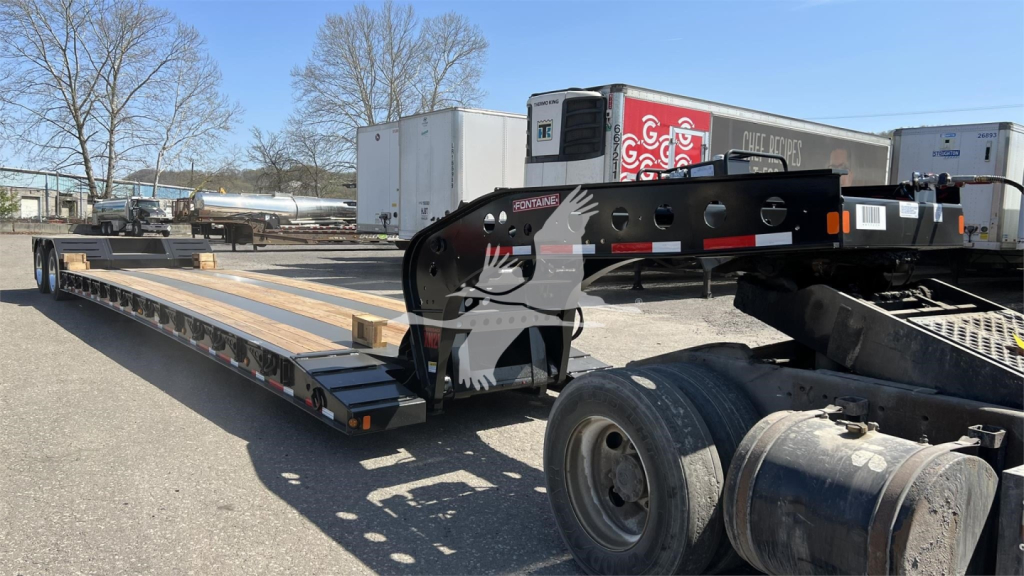
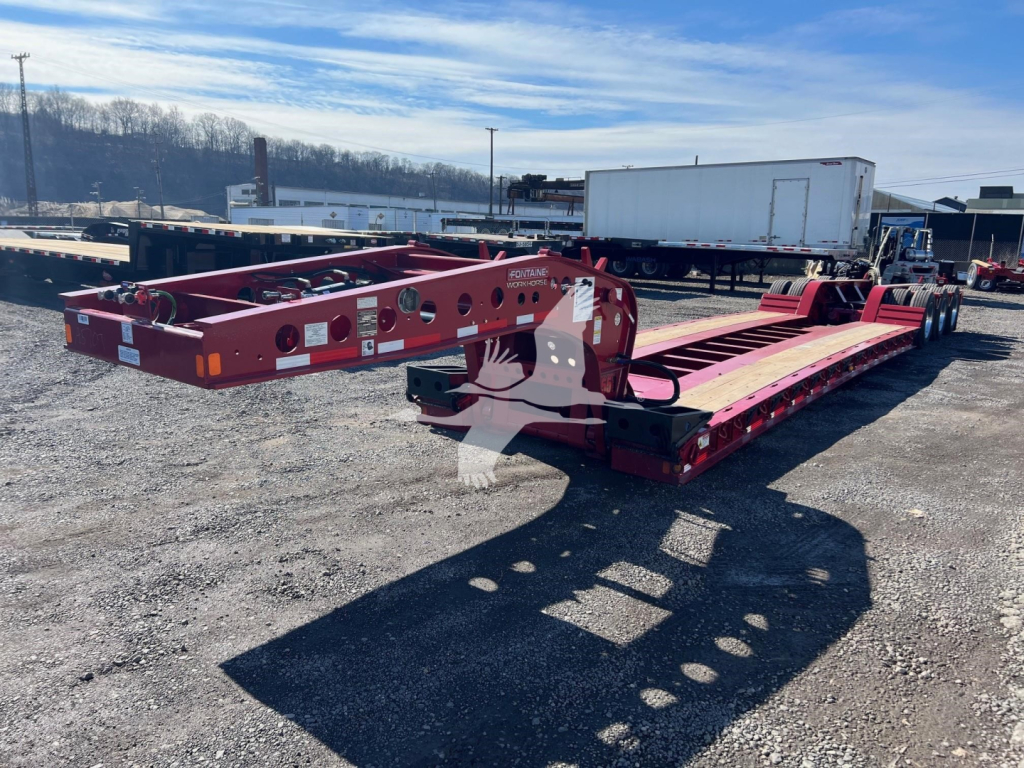
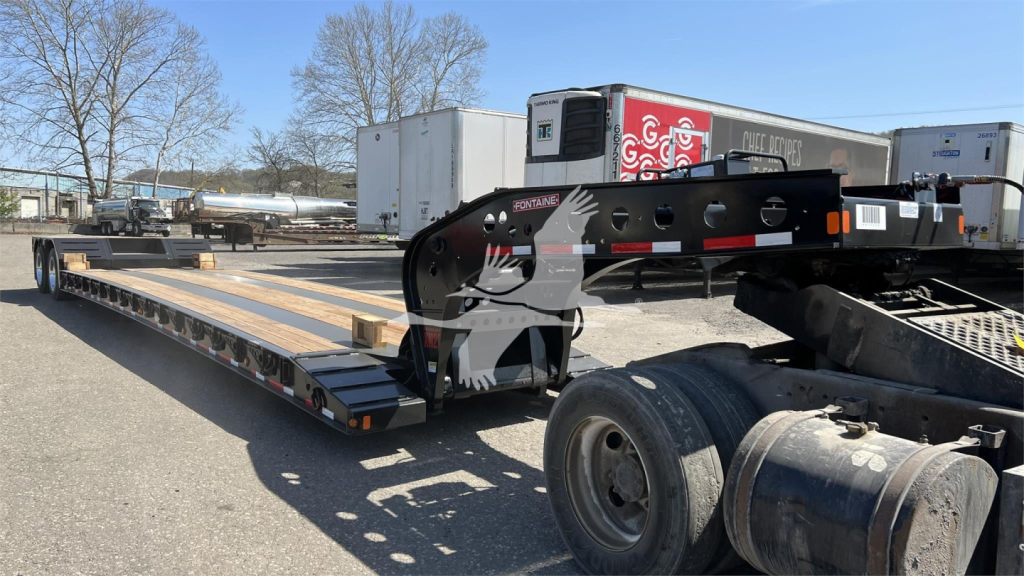
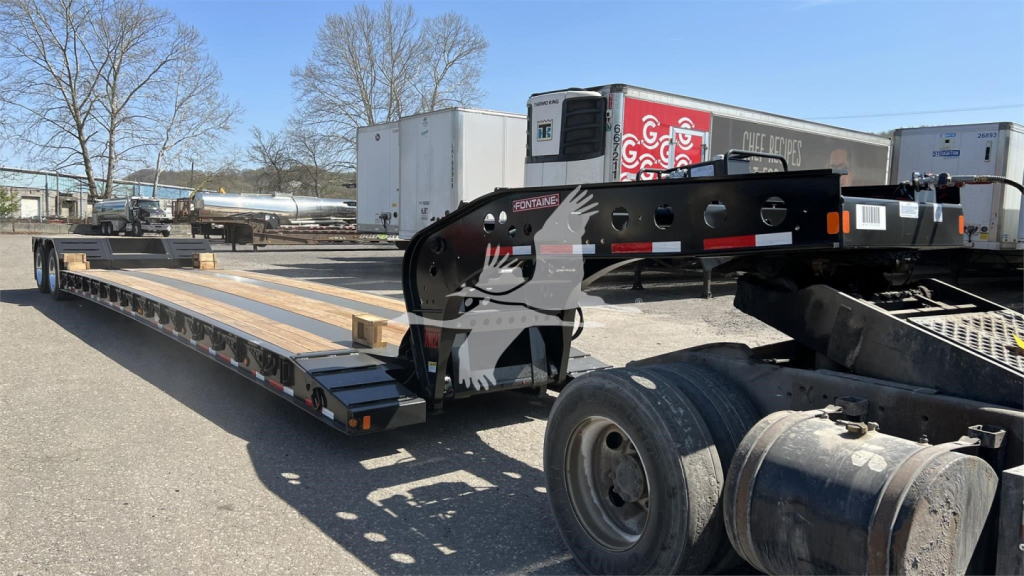
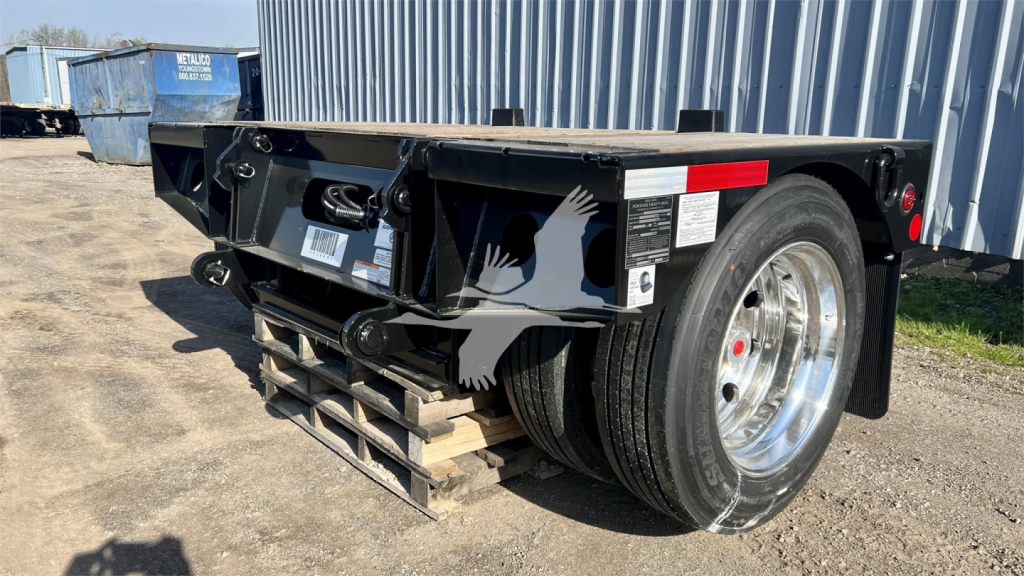
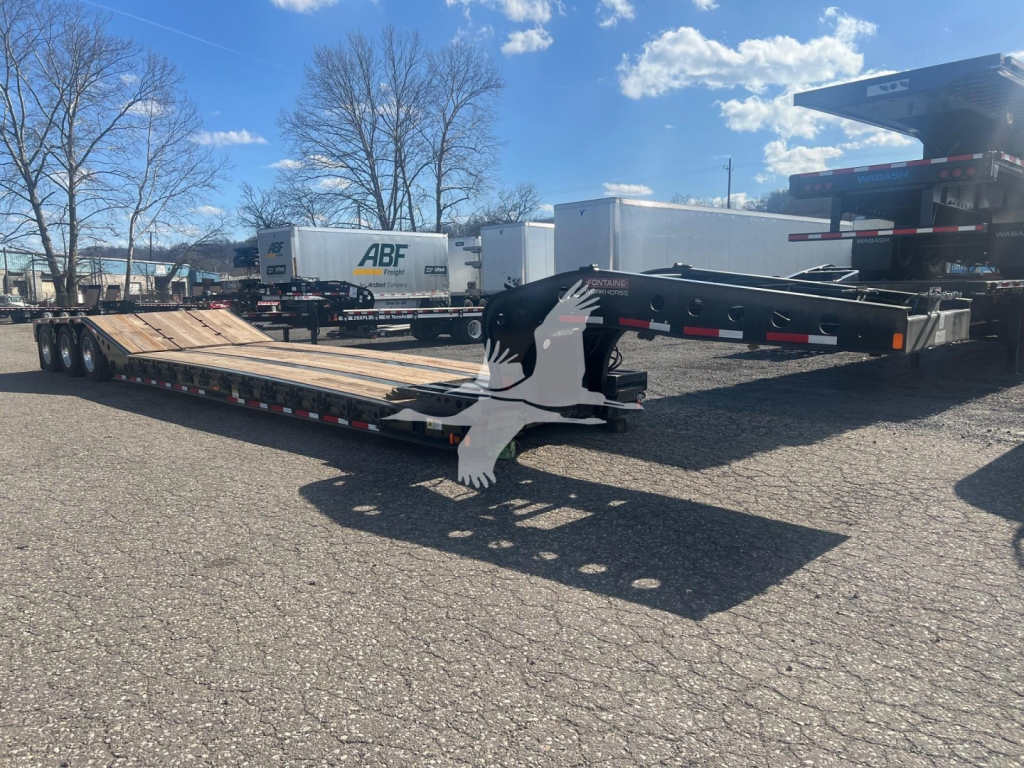
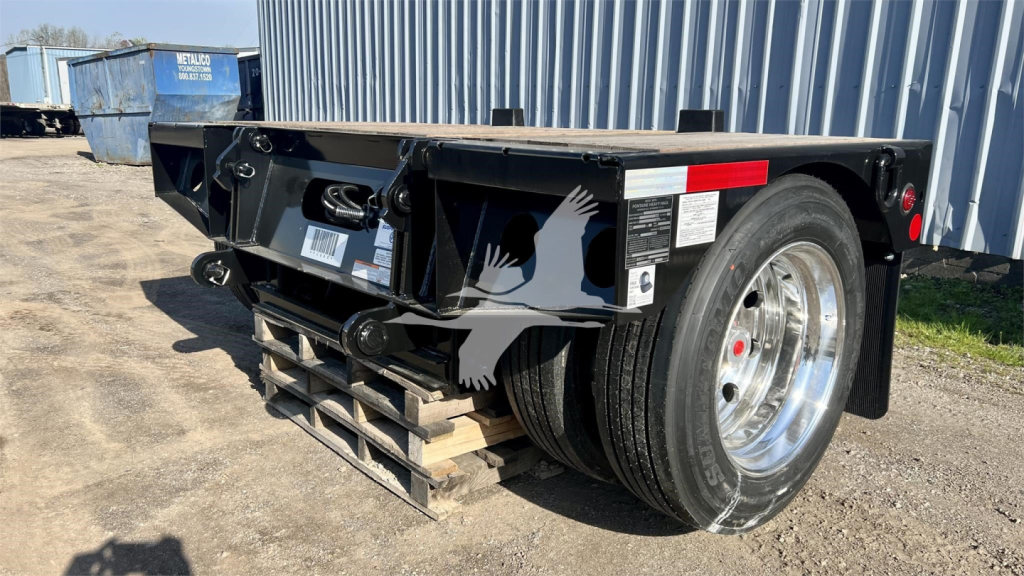
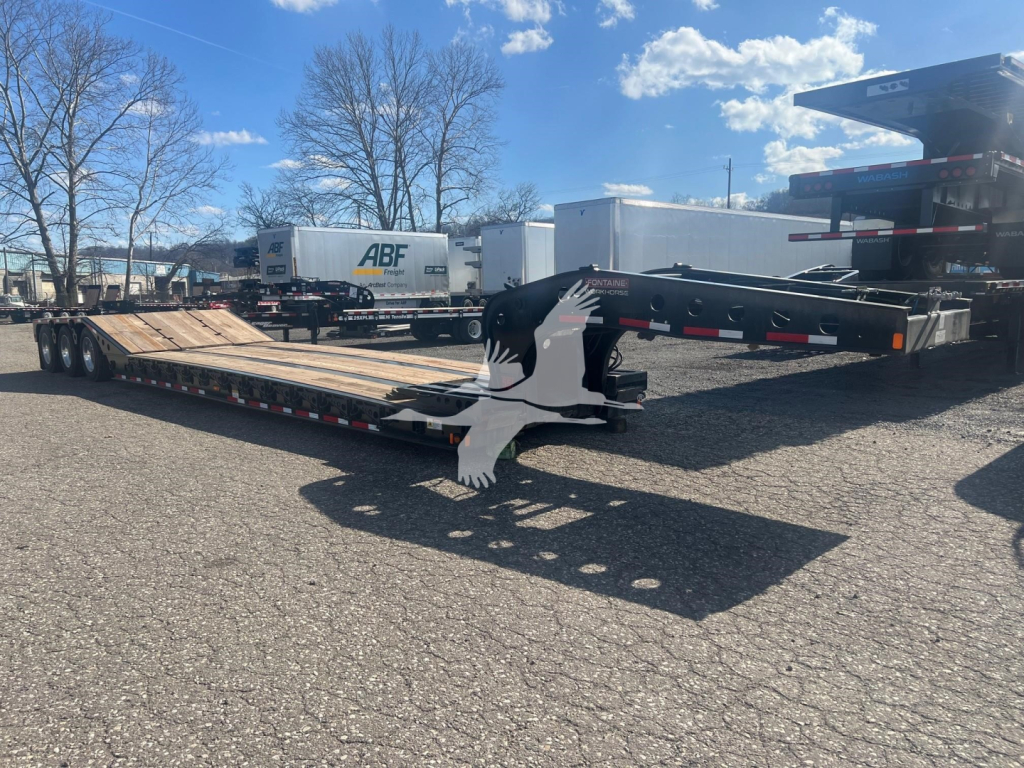
For many buyers, the key advantage of a Fontaine lowboy is the balance between payload capacity and practical loading features. Common configurations include 53-foot overall length, 102-inch width, a 12-foot-plus gooseneck, and a clear main deck around 24 feet, with deck heights near 22 inches for hauling taller machines. Popular heavy-haul specs include hydraulic detachable non-ground-bearing goosenecks, air ride suspensions, Hendrickson suspension packages, mechanical ride height controls, and rear axle air lift setups. Buyers comparing units should also look closely at swing clearance, loaded fifth wheel height, crossmember spacing, and whether the trailer has a low boom well, hammer plate, and full-width wheel area for specialized equipment.
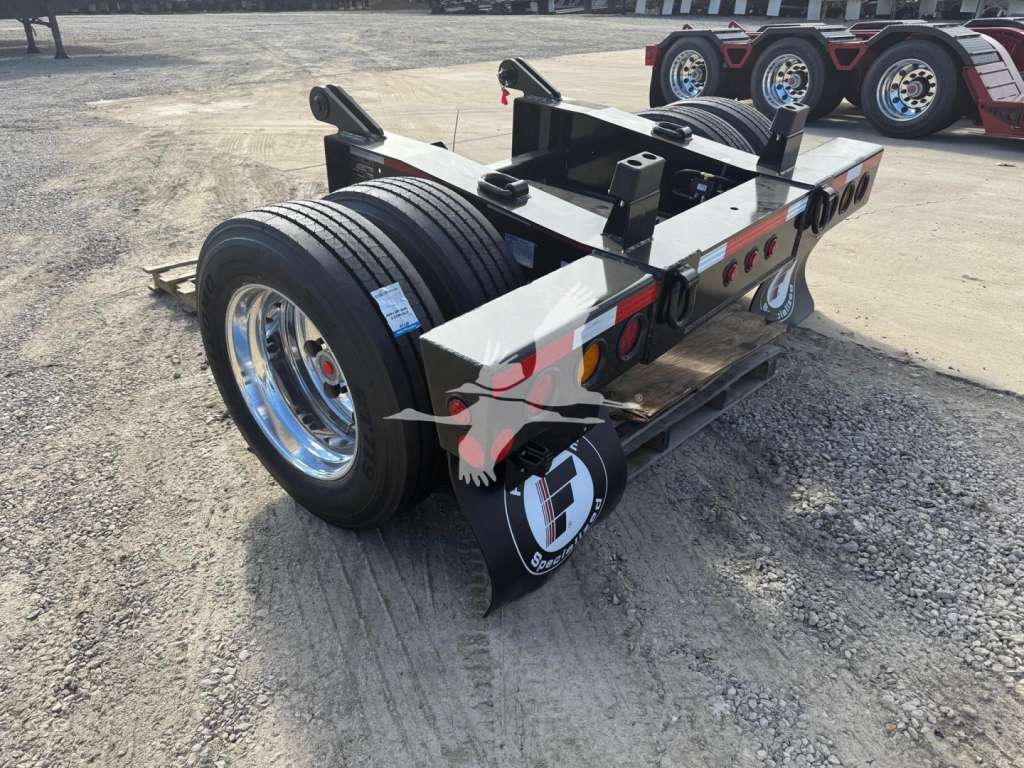
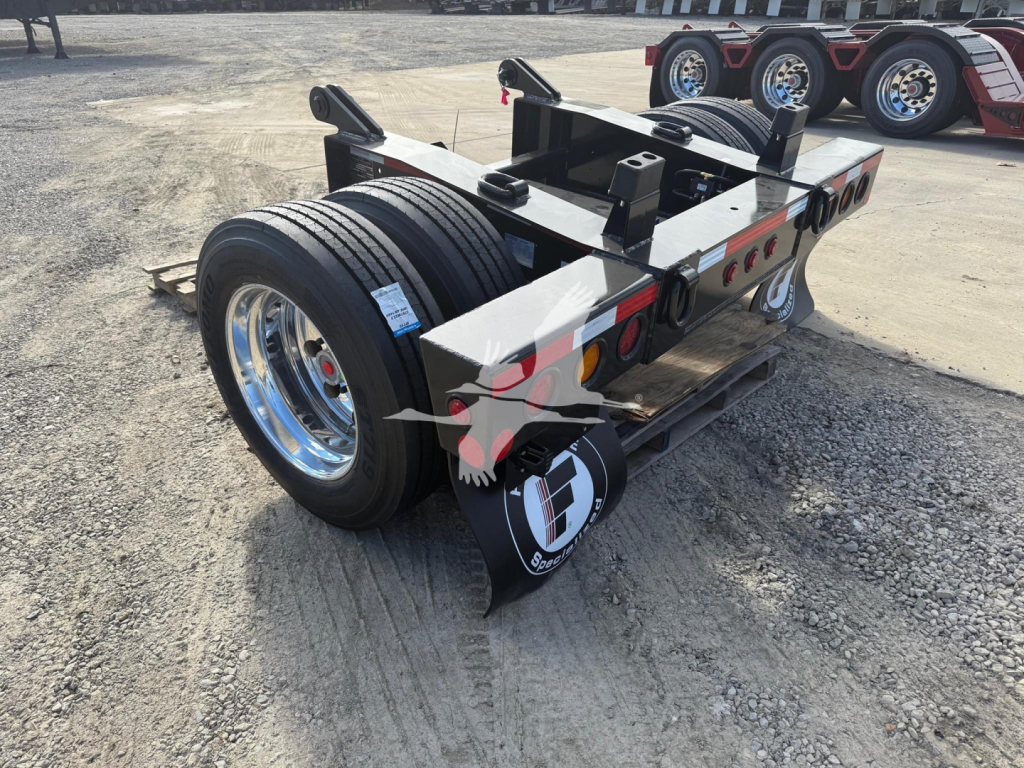
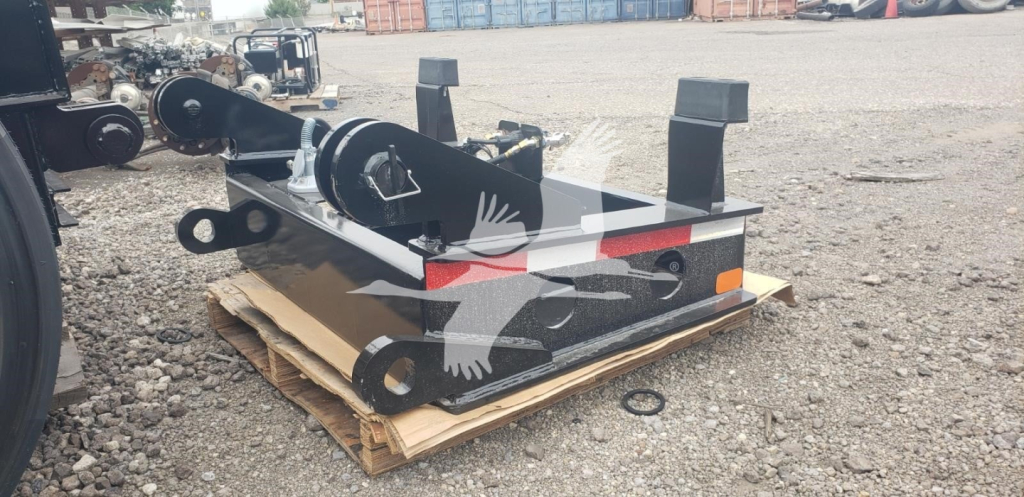
Fontaine lowboys are often ordered with job-ready details that matter in daily use more than the headline tonnage. Apitong flooring remains a preferred choice for durability and traction. Double-hinged wood-filled ramps, removable swing outriggers, multiple pairs of D-rings, covered toolboxes, flag holders, strobes, and mid-turn lighting all contribute to easier securement and safer operation. Flip axle connections are another major buying point. A trailer set up for a flip axle gives a carrier room to scale heavier loads and adapt axle count to the job, while compatible accessories such as flip axles and flip boxes add versatility across certain Fontaine platform families like Renegade and Magnitude classes.
In Pennsylvania, lowboy buyers should think beyond raw capacity and consider bridge law, axle spacing, and the mix of legal loads versus permitted loads they expect to run. A 55-ton class trailer may fit a broad range of construction and paving work, but the right setup depends on load concentration, machine track width, loading angle, and whether the trailer will spend more time on regional moves or longer interstate hauls. New Fontaine lowboy trailers appeal to buyers who want current spec options, fresh rubber and brake components, and compatibility with modern heavy-haul practices such as detachable neck loading, air ride adjustability, and modular axle expansion.
Frequently Asked Questions about New 2027 Fontaine Lowboy Trailers in Pennsylvania
What is a Fontaine lowboy trailer best used for?
A Fontaine lowboy trailer is designed for hauling heavy and tall equipment that would exceed legal height on a conventional flatbed or step deck. Common applications include excavators, bulldozers, pavers, loaders, crushers, and other construction or roadbuilding machinery. The low deck height is the main advantage because it helps keep loaded height down while maintaining the capacity and deck strength needed for concentrated machine loads.
What should I look at first when comparing lowboy trailers?
Start with ton rating, axle count, main deck length, and loaded deck height. Those specs determine what machines the trailer can carry, how weight can be distributed, and how often permits will be required. After that, evaluate the gooseneck style, suspension type, flip axle compatibility, ramp design, and securement features such as D-rings and outriggers. These details affect loading efficiency, route flexibility, and long-term operating cost.
Why does flip axle compatibility matter on a lowboy?
Flip axle compatibility matters because it gives a heavy-haul operation more flexibility to distribute weight and configure the trailer for different jobs. Adding a flip axle can improve compliance with axle weight limits and help a carrier adapt to heavier or more concentrated loads. It is especially useful for operators who routinely move varied machinery and need a trailer platform that can scale with permit requirements and state regulations.
Are Fontaine lowboys commonly built with detachable goosenecks?
Yes. Many Fontaine lowboy trailers are configured with detachable goosenecks, including hydraulic detachable designs. A detachable neck allows self-loading of tracked and wheeled equipment by creating a drive-on loading angle from the front of the trailer. This setup reduces reliance on docks or cranes and is one of the main reasons lowboys remain a standard choice in construction, paving, and equipment transport.
What deck and flooring features are common on heavy-haul lowboys?
Heavy-haul lowboys commonly use Apitong wood flooring, reinforced crossmember layouts, load-bearing wheel areas, and optional hammer plates or boom troughs for specialized machines. Buyers also often want wood-filled ramps, removable outriggers, and multiple D-ring pairs for easier securement. These features help the trailer handle repeated machine loading, uneven weight concentration, and the daily wear that comes with construction and equipment-hauling service.