
Used Freightliner Conventional Sleeper Trucks For Sale
Shop used Freightliner conventional sleeper trucks, including Cascadia models with DD15 power, raised-roof sleepers, and fleet-ready specs.
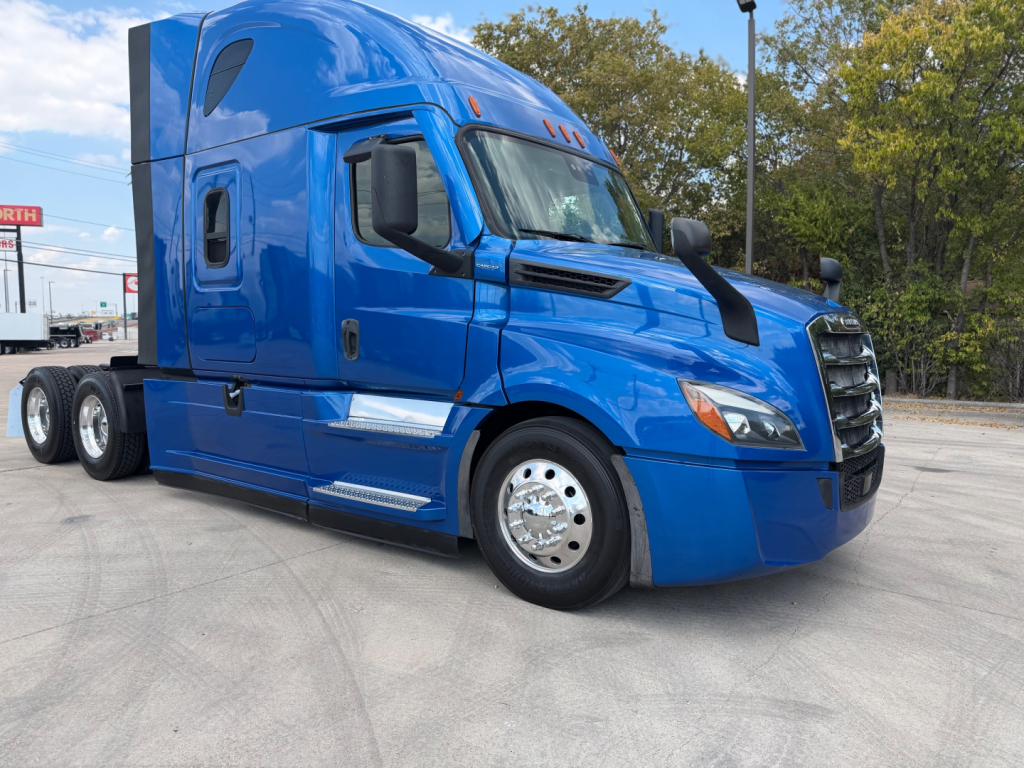
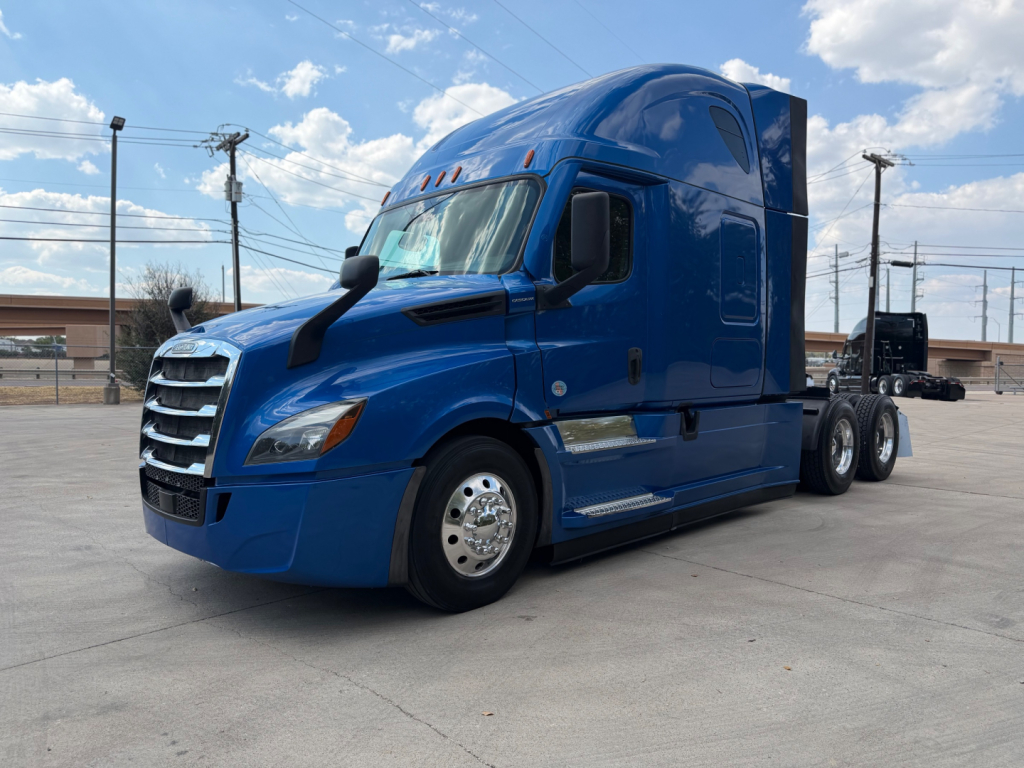
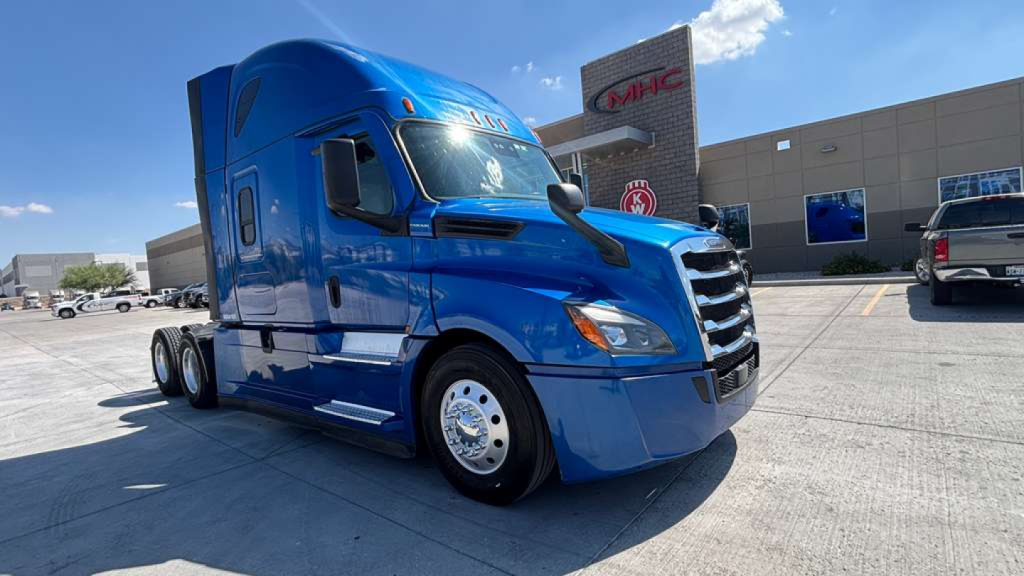
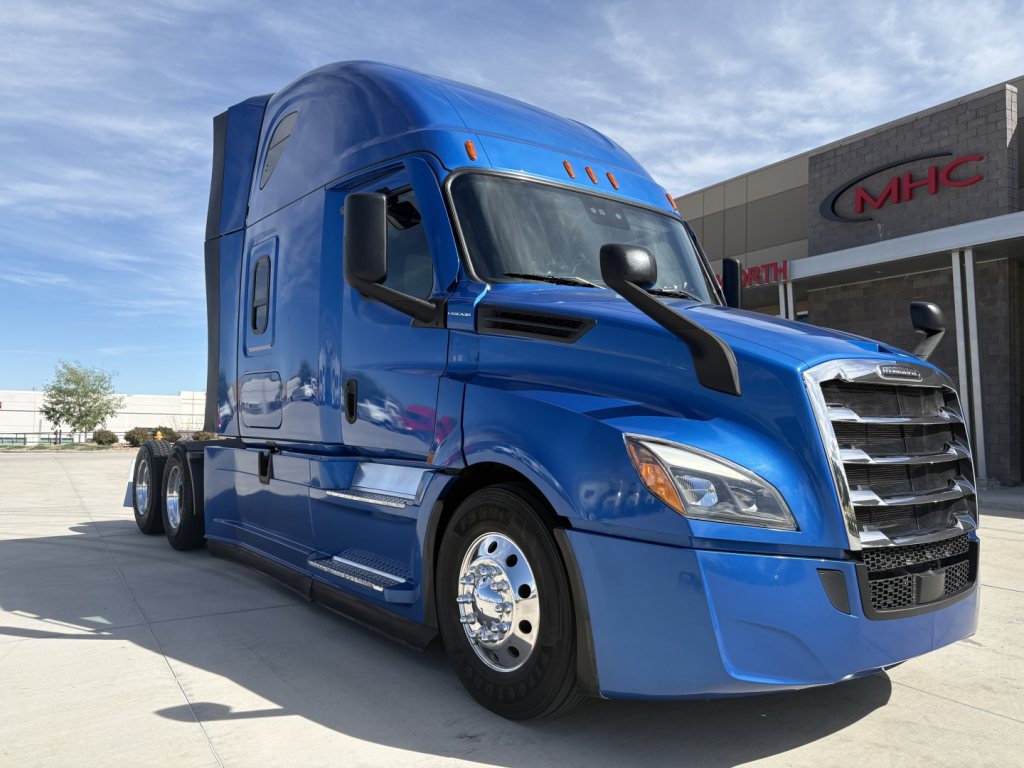
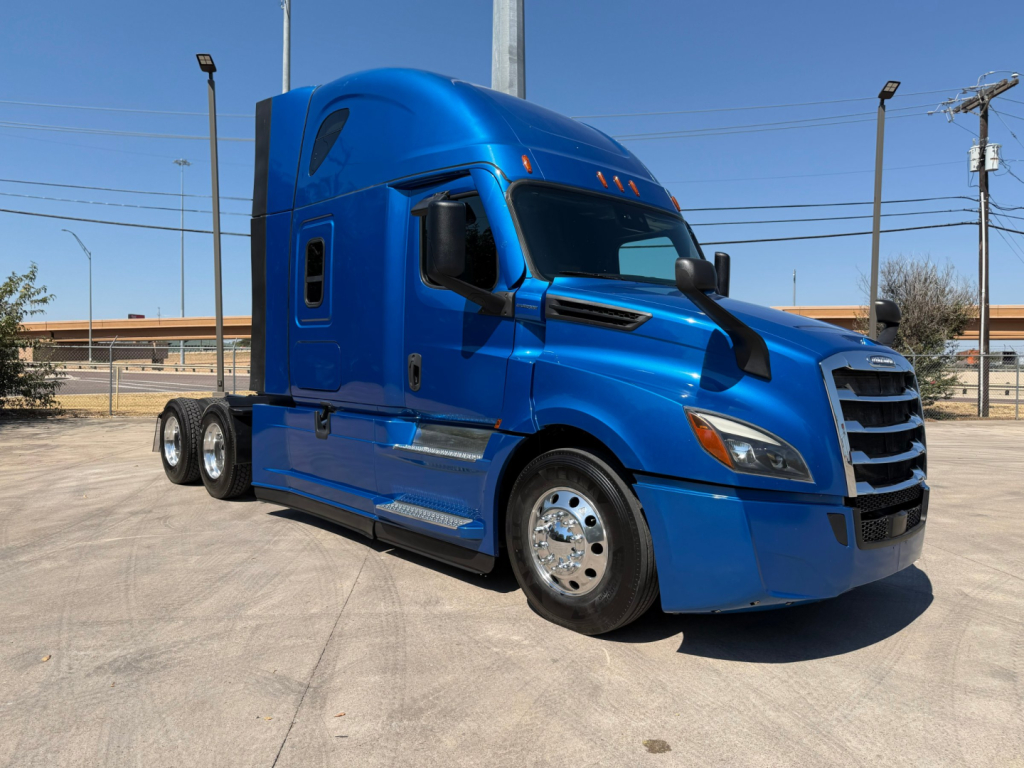
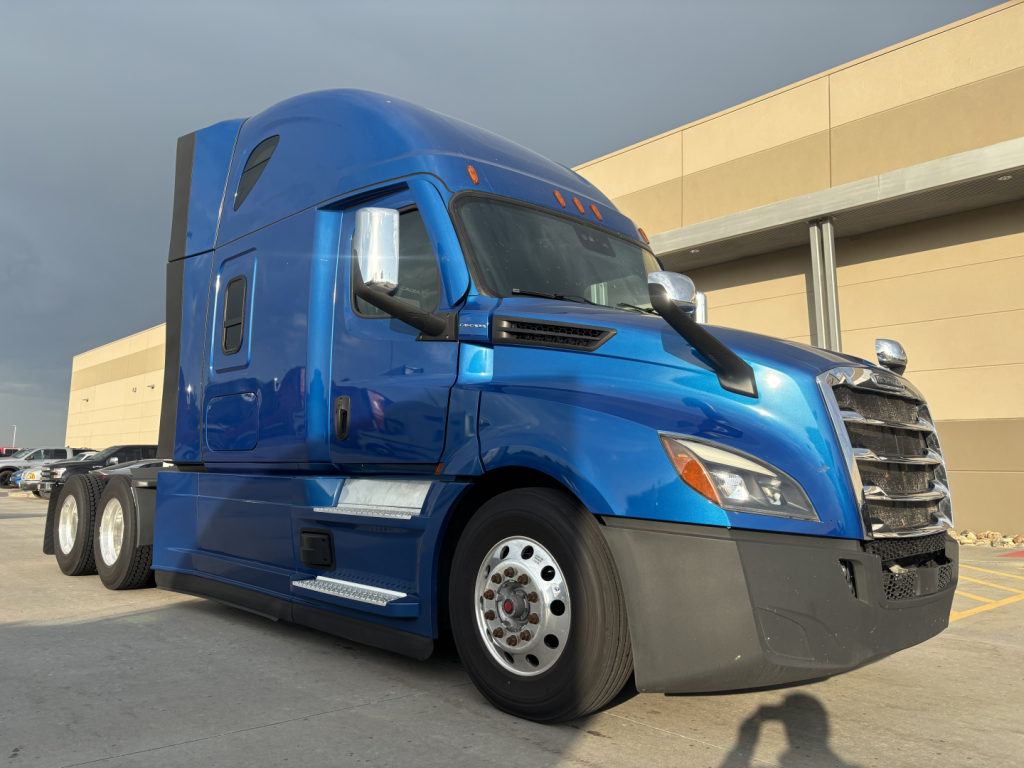
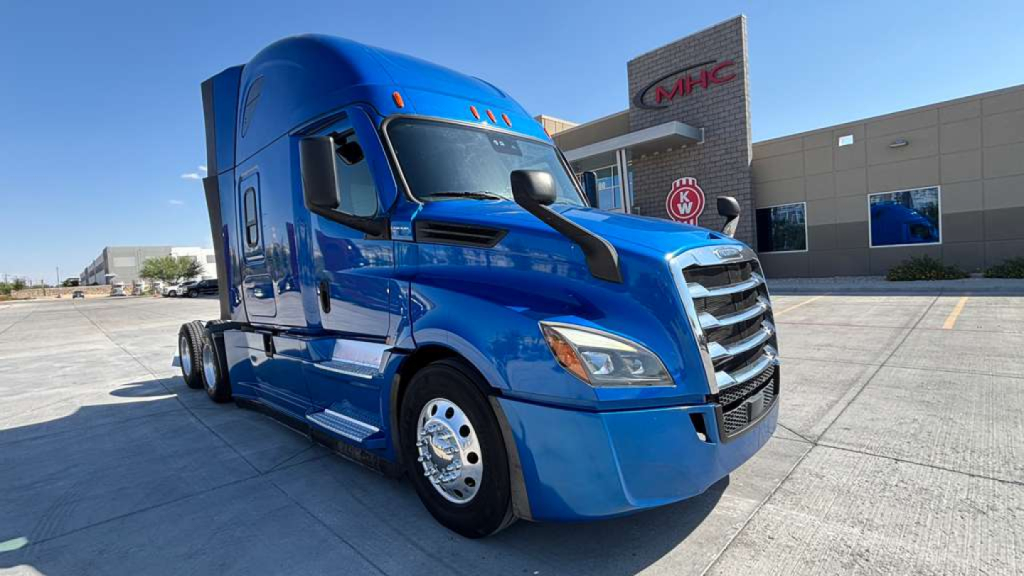
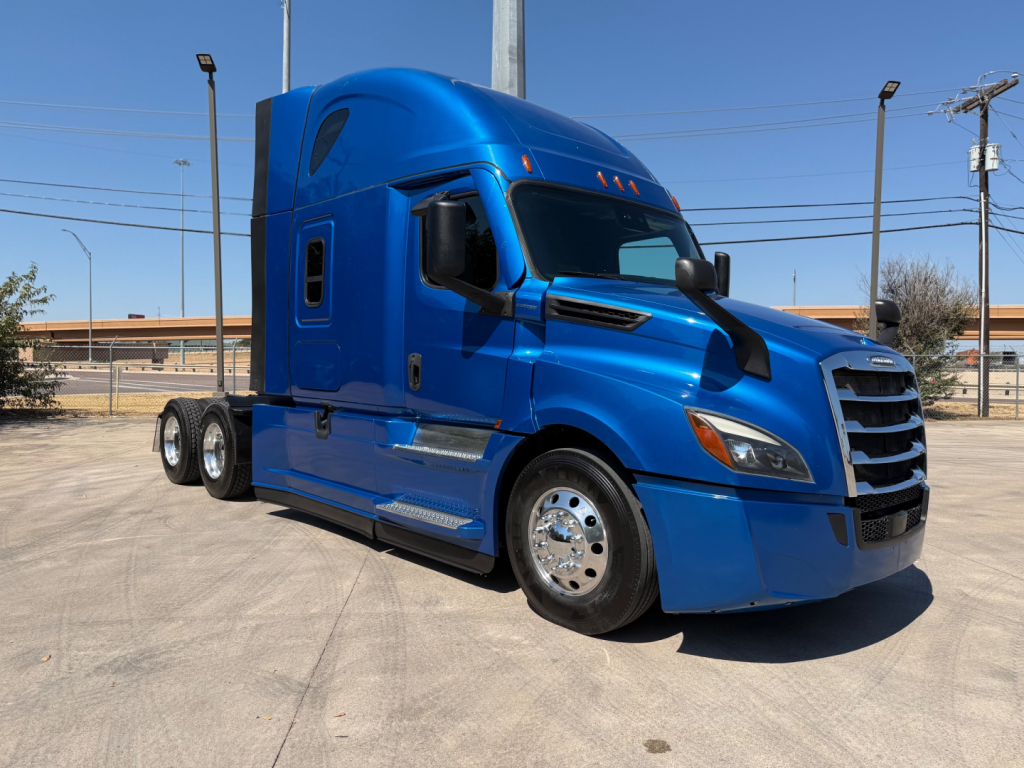
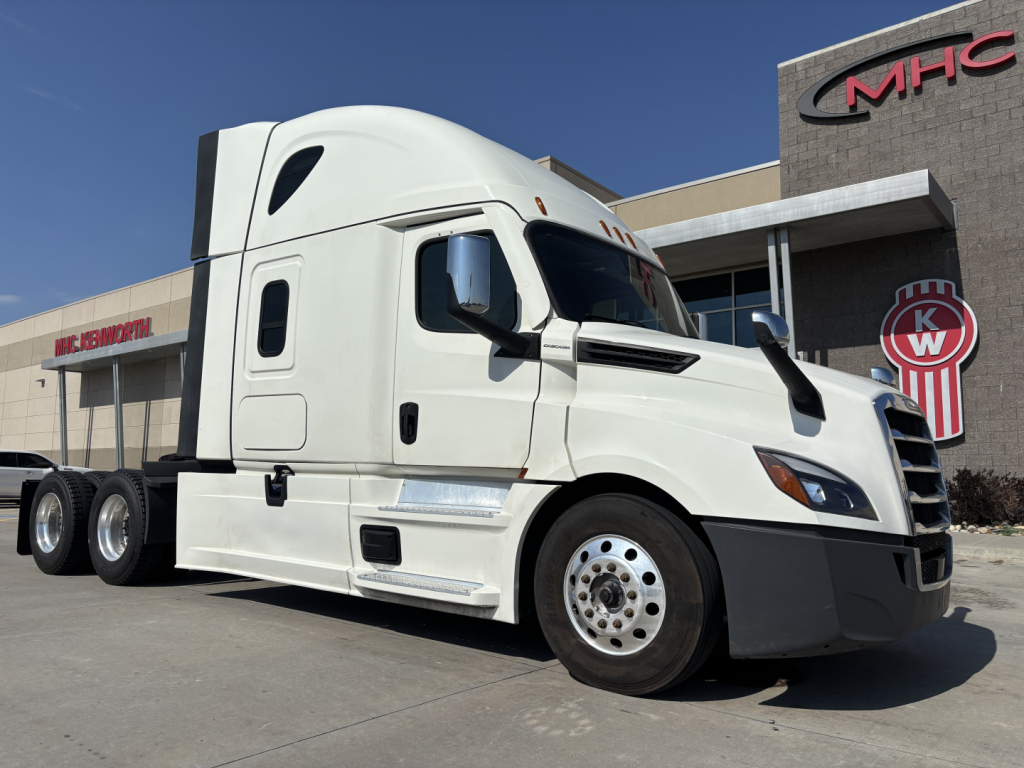
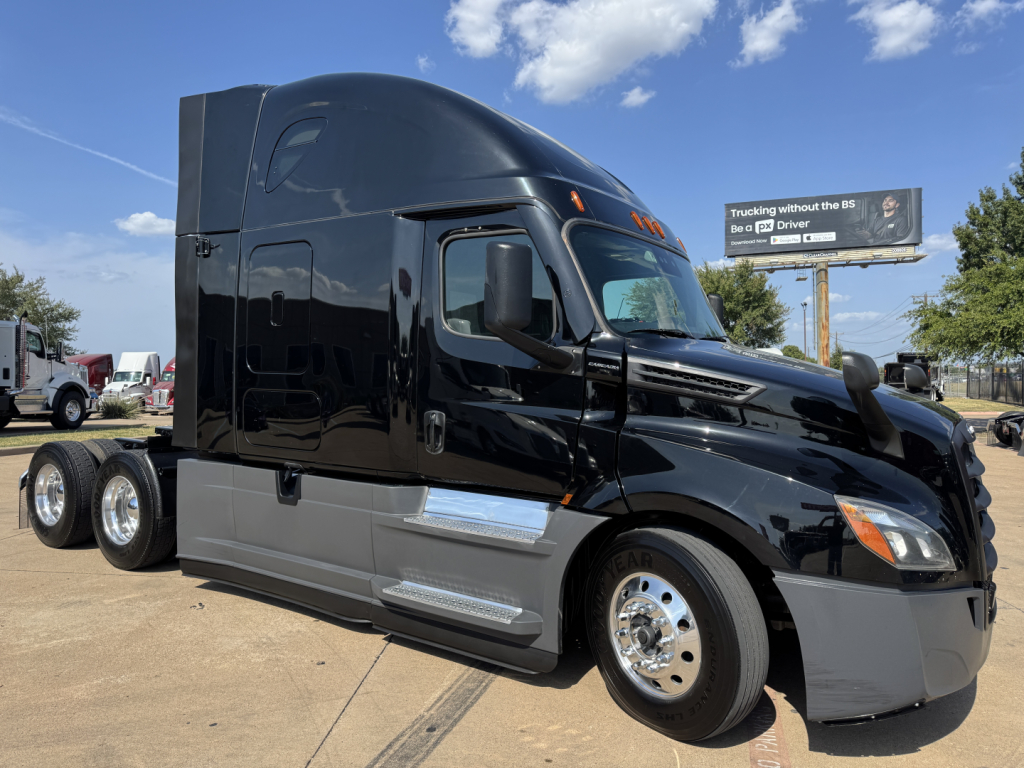
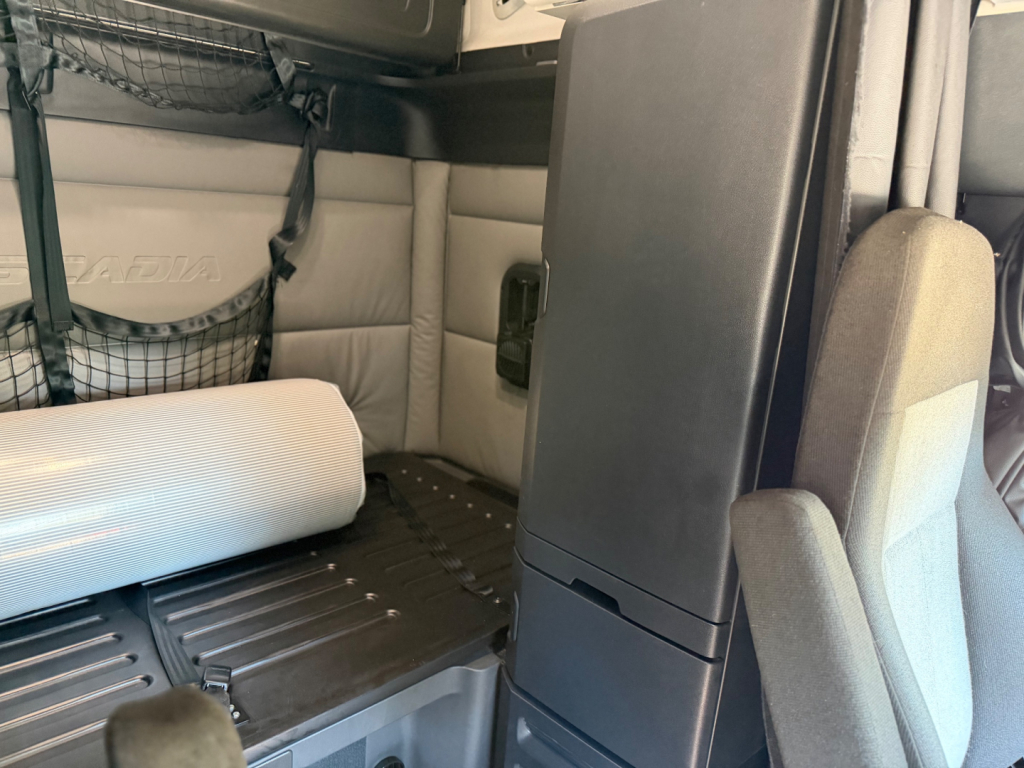
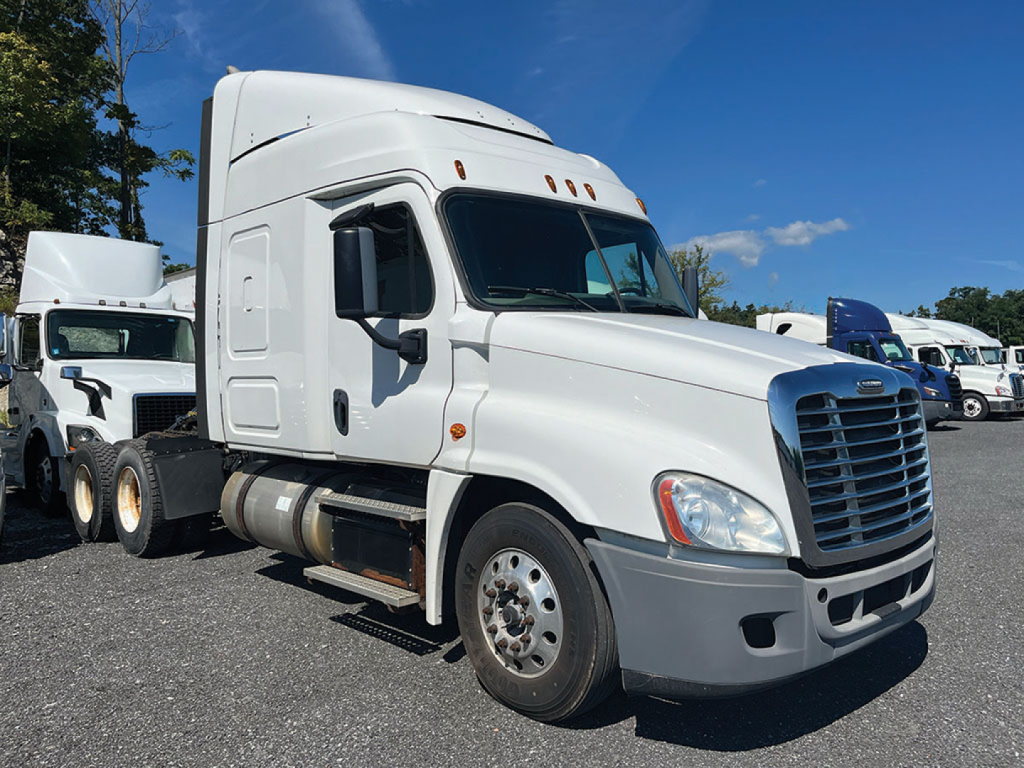
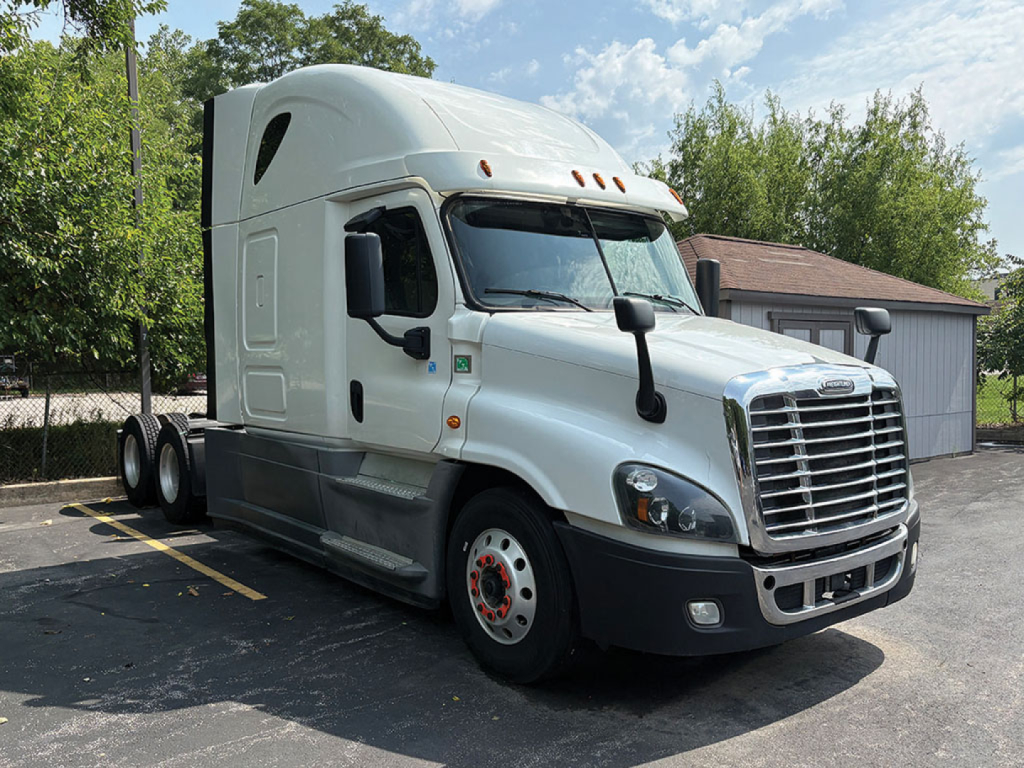
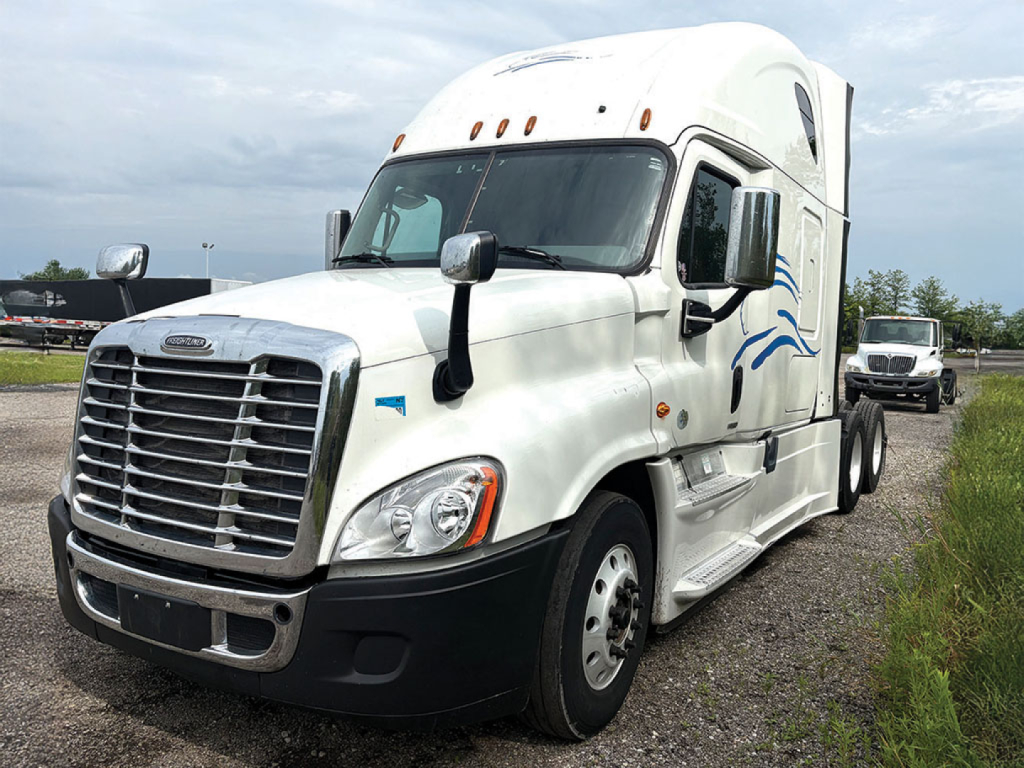
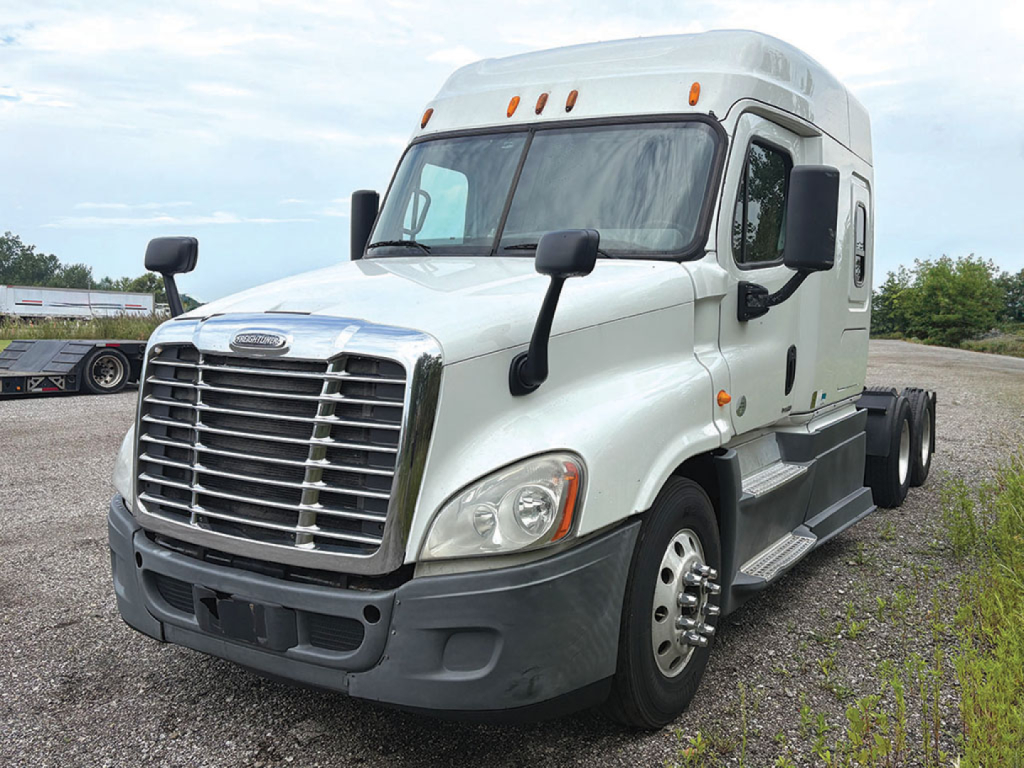
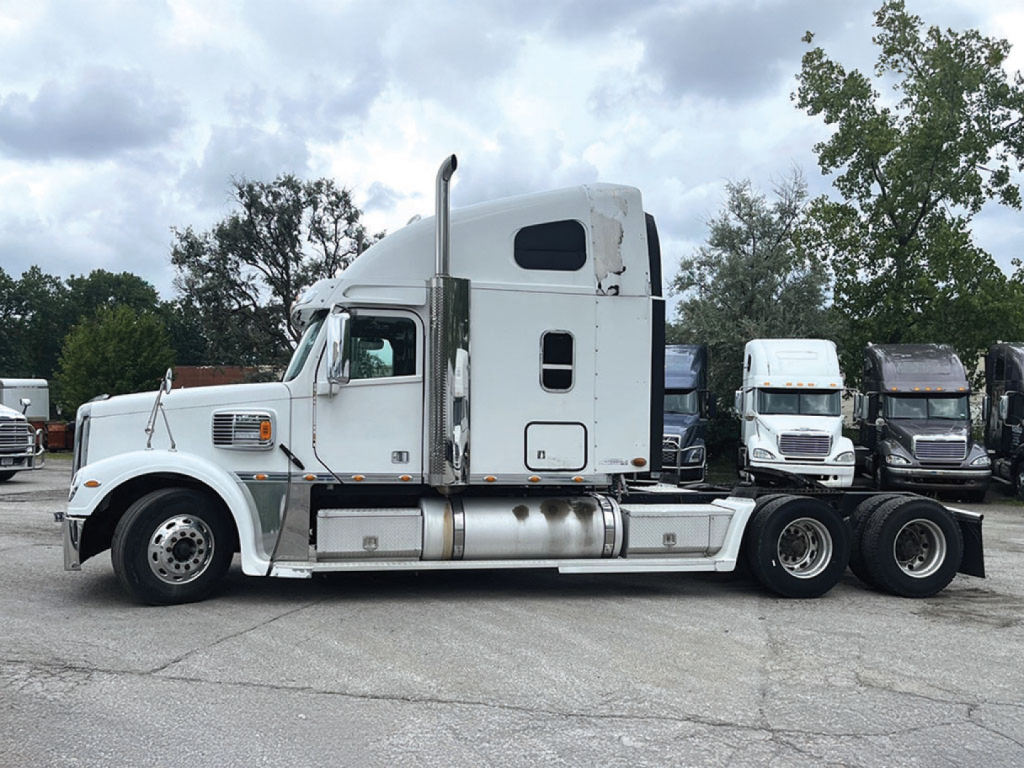
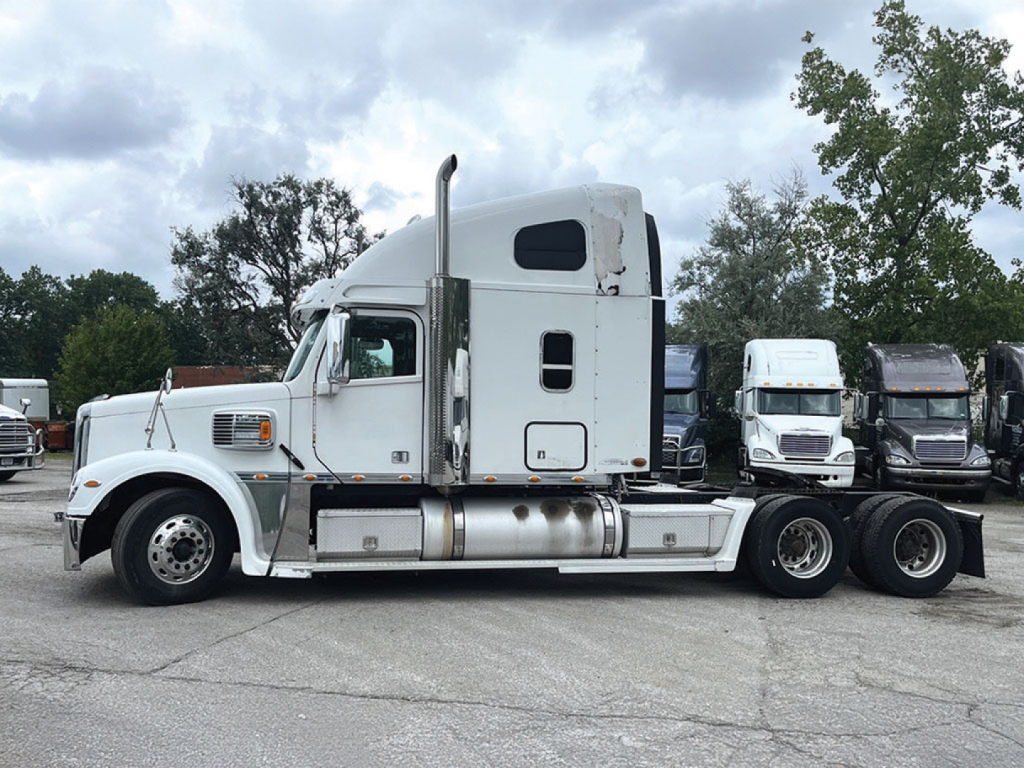
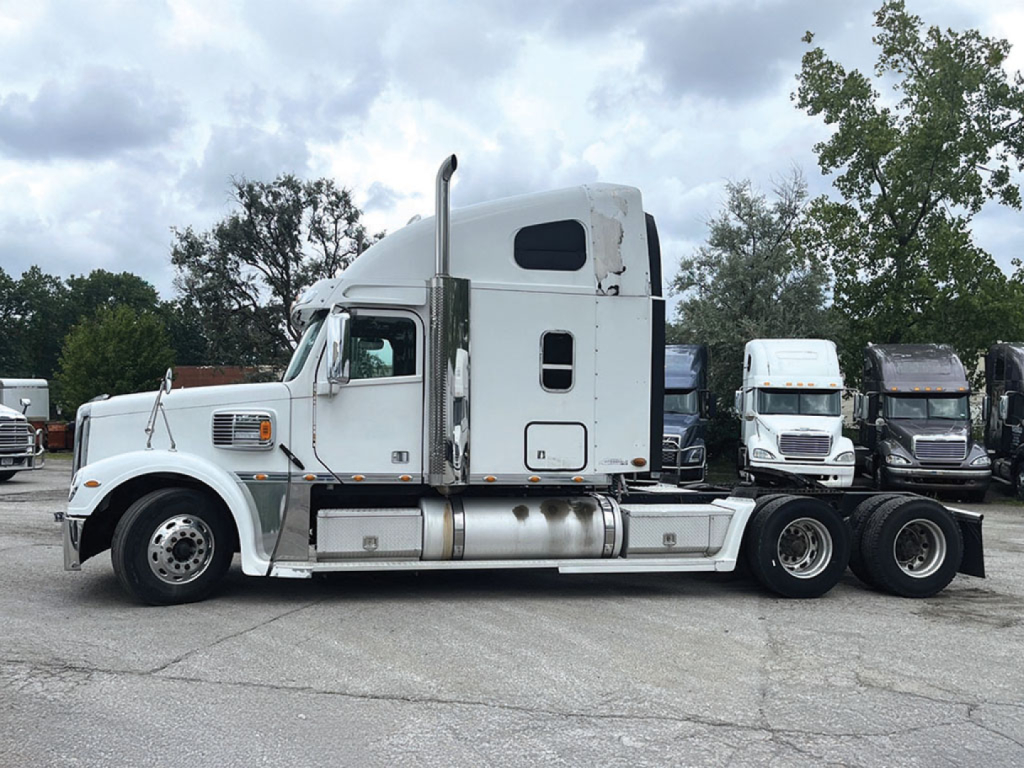
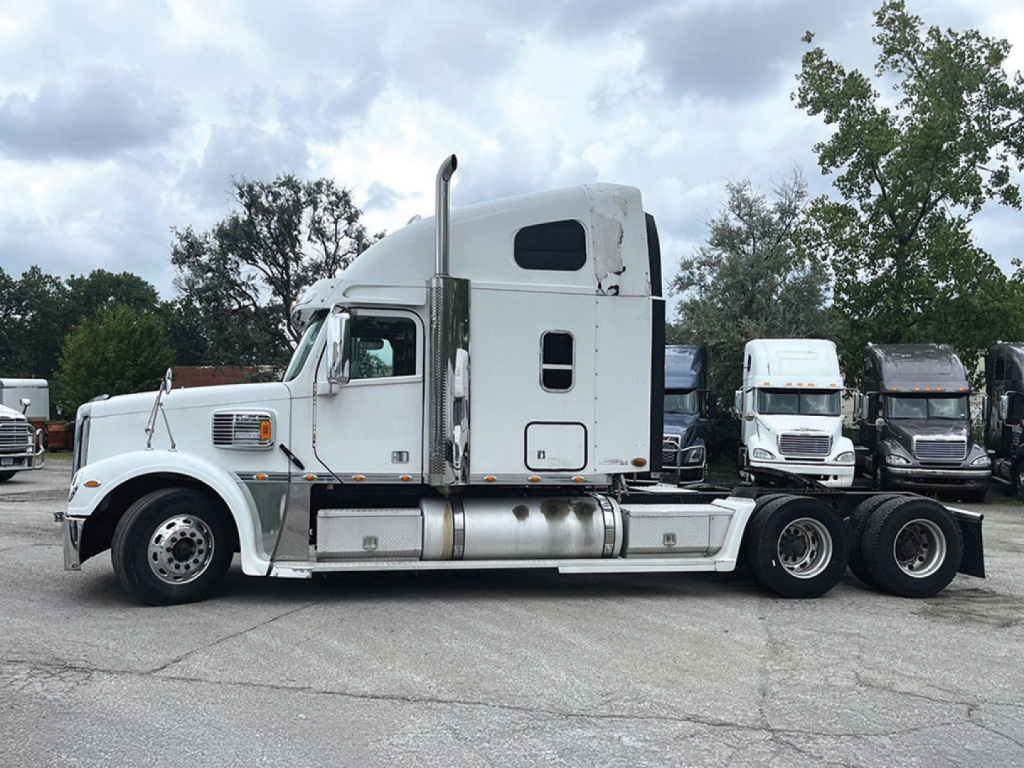
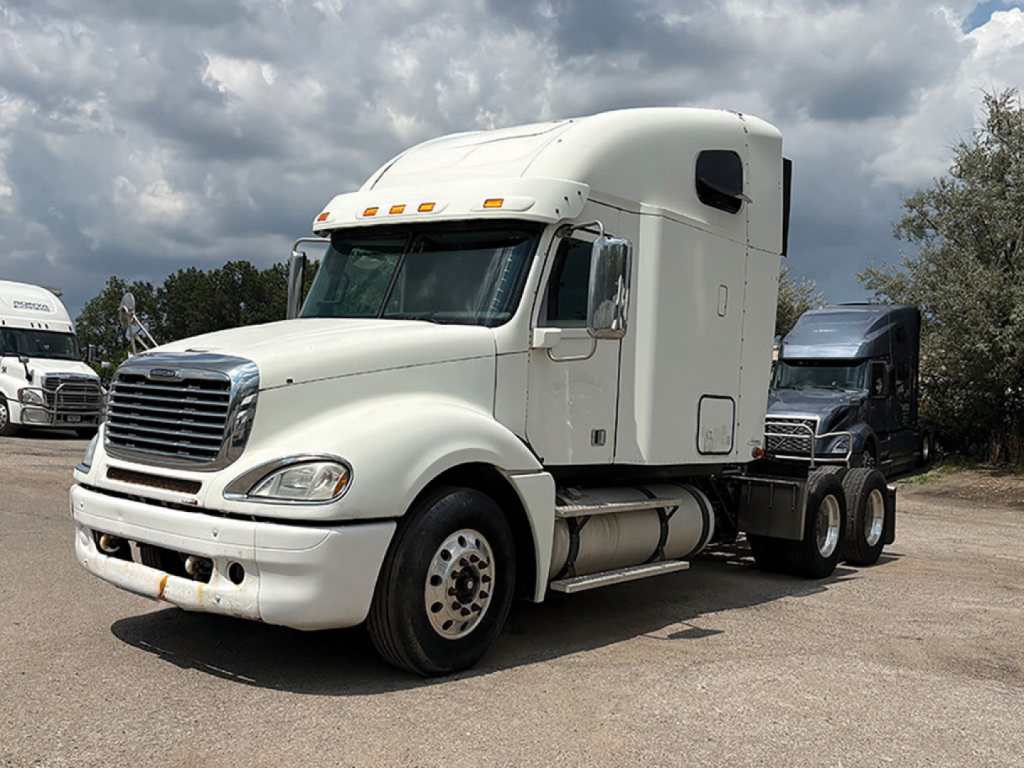
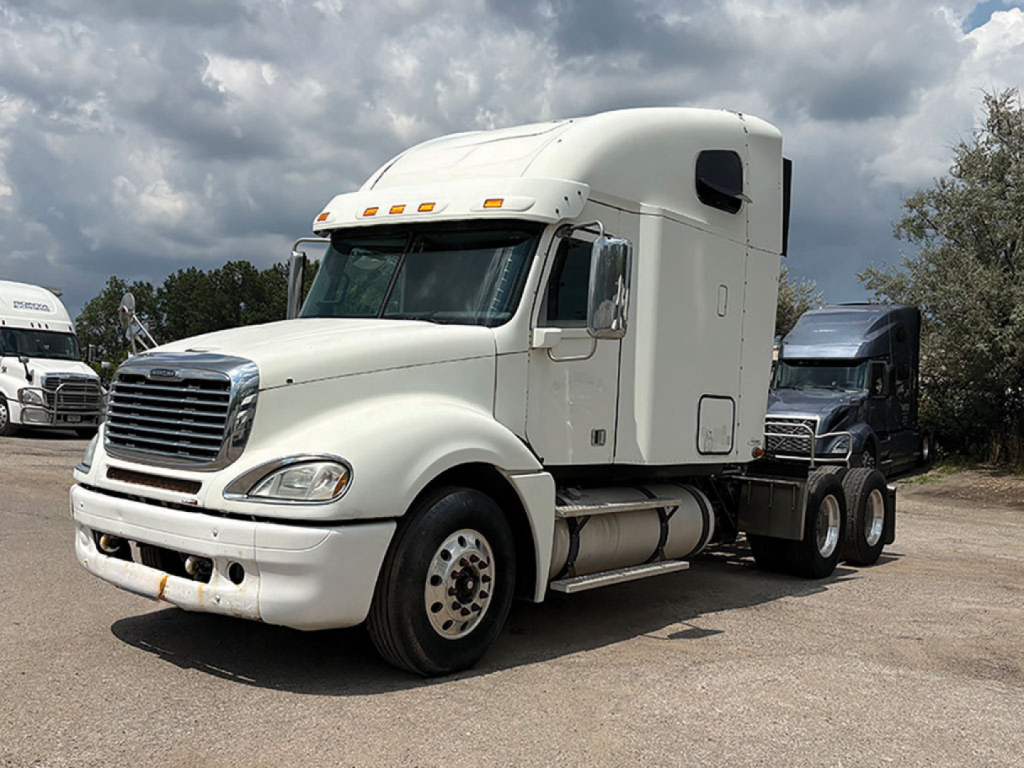
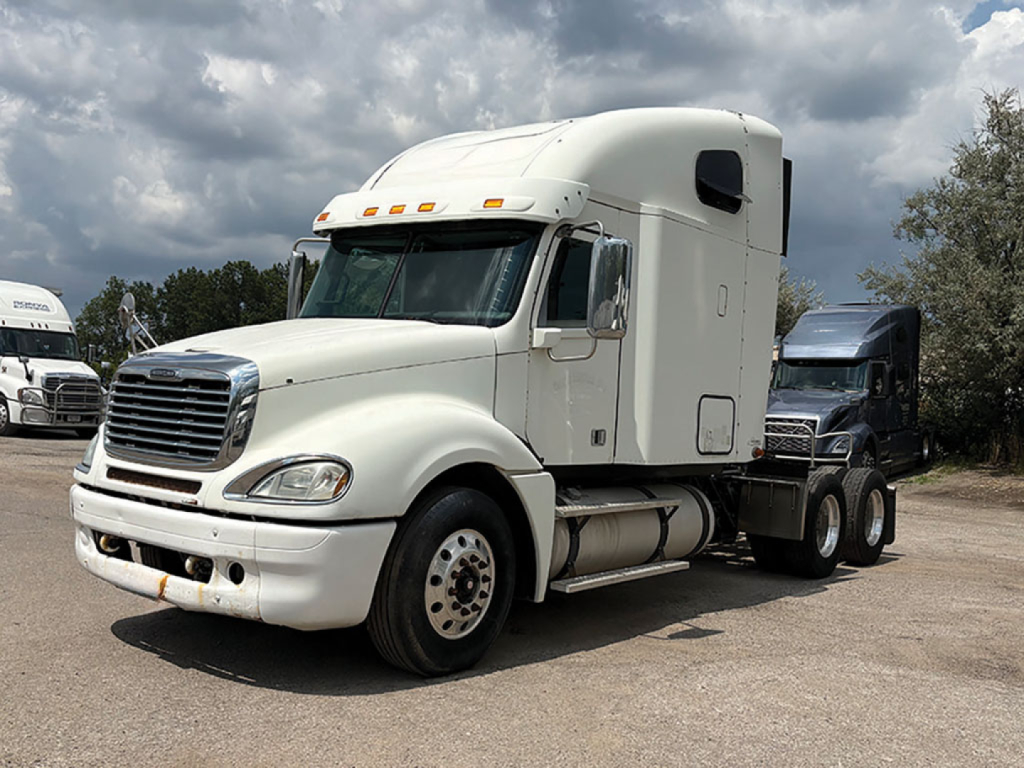
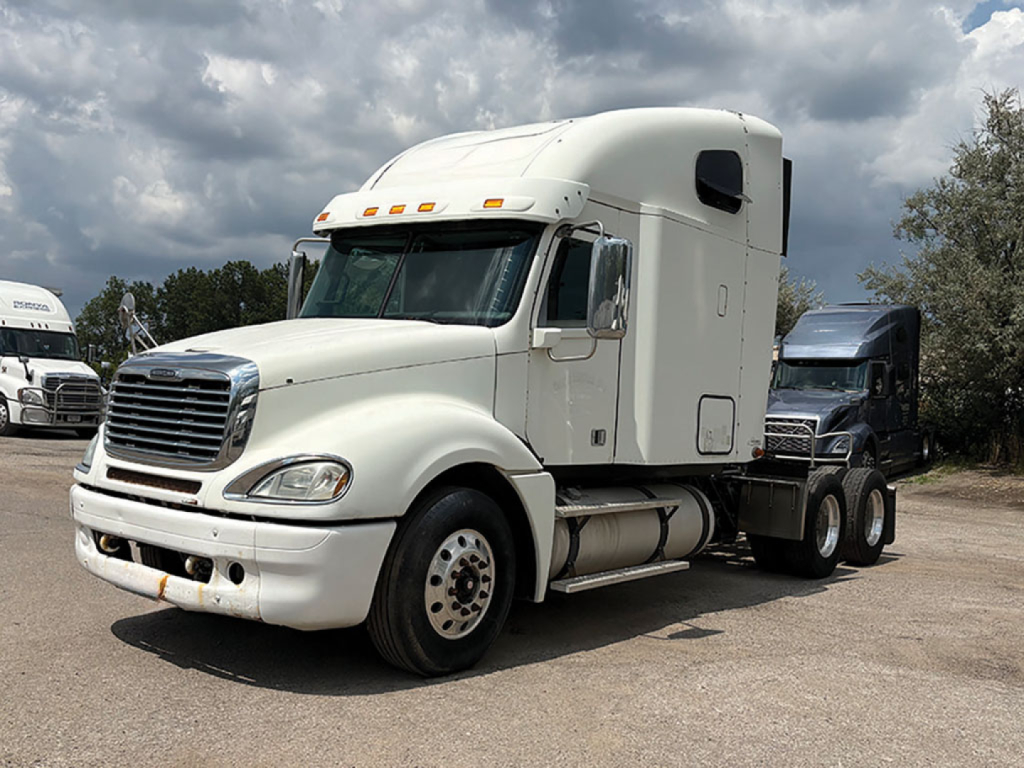
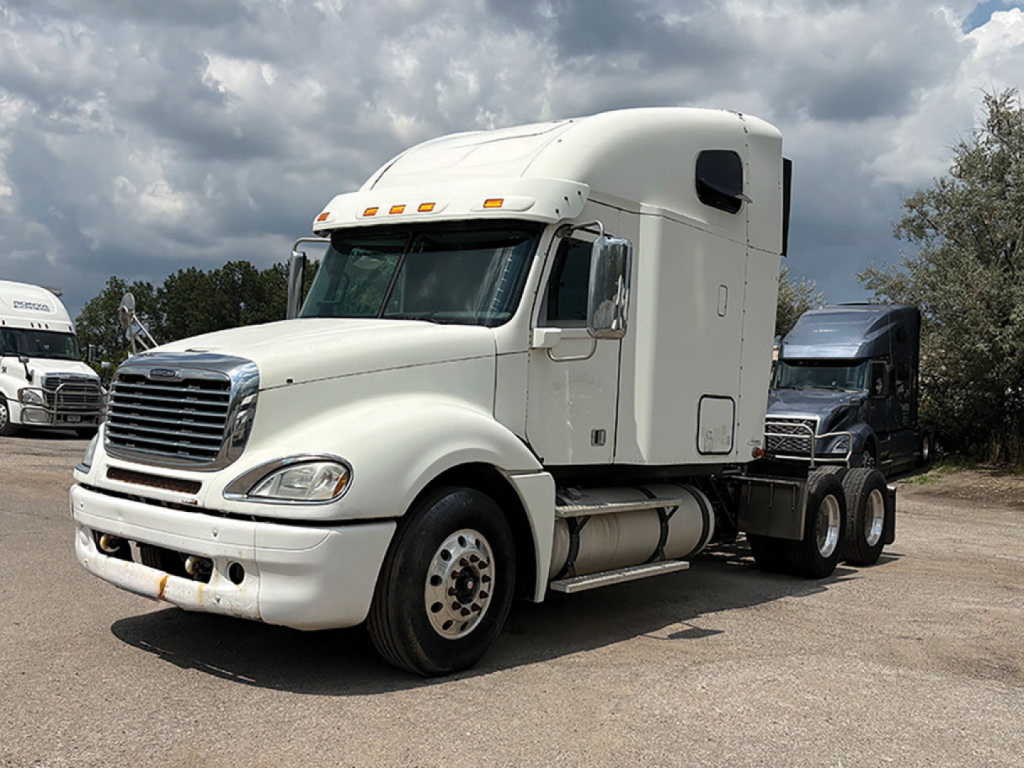
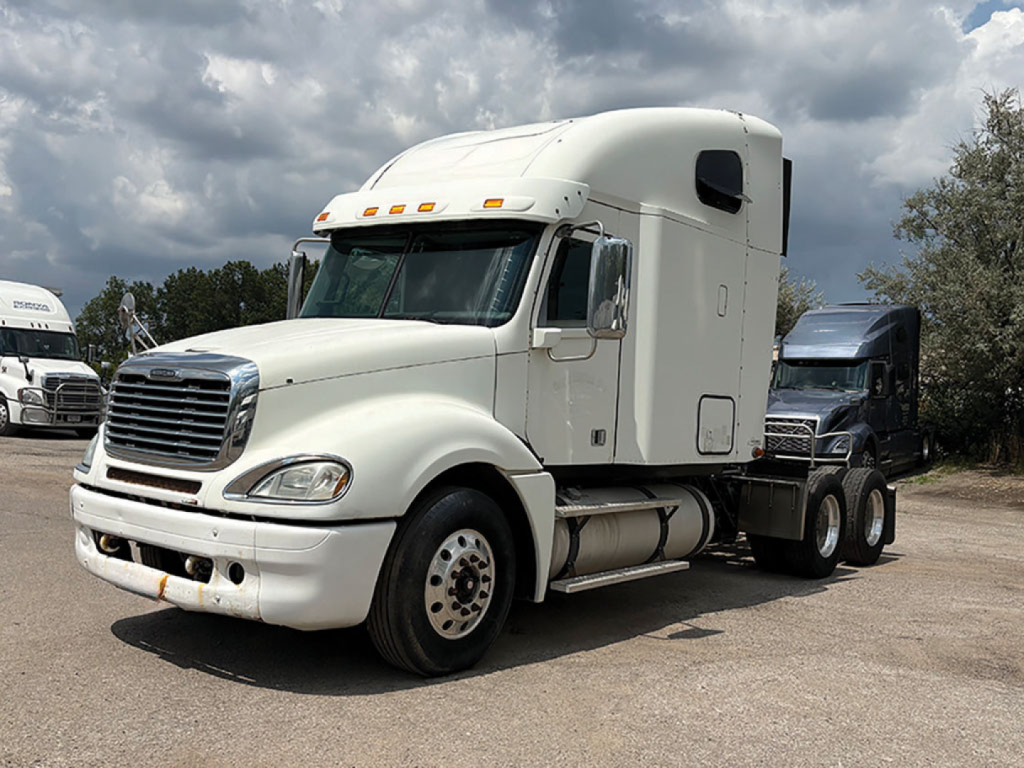
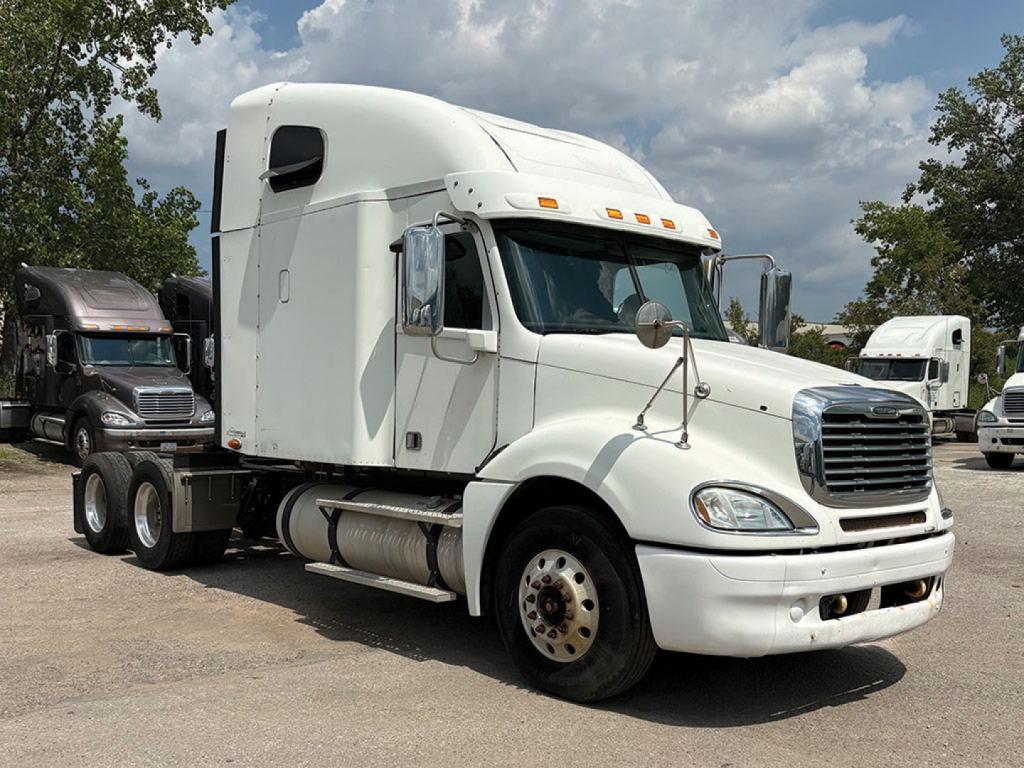
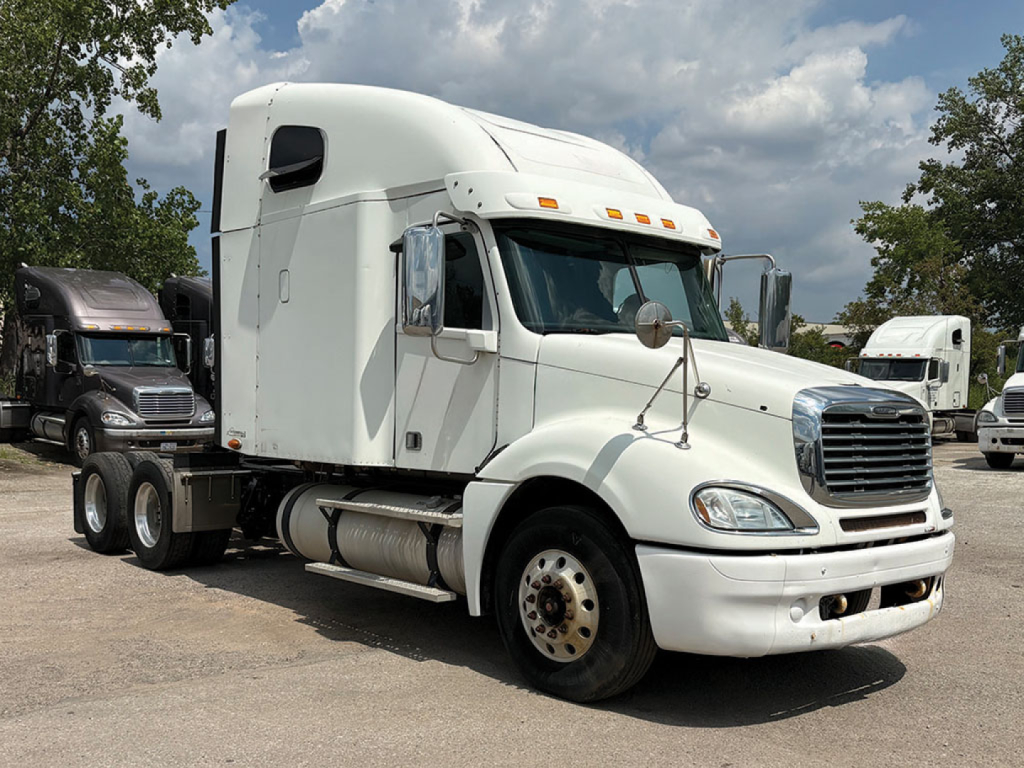
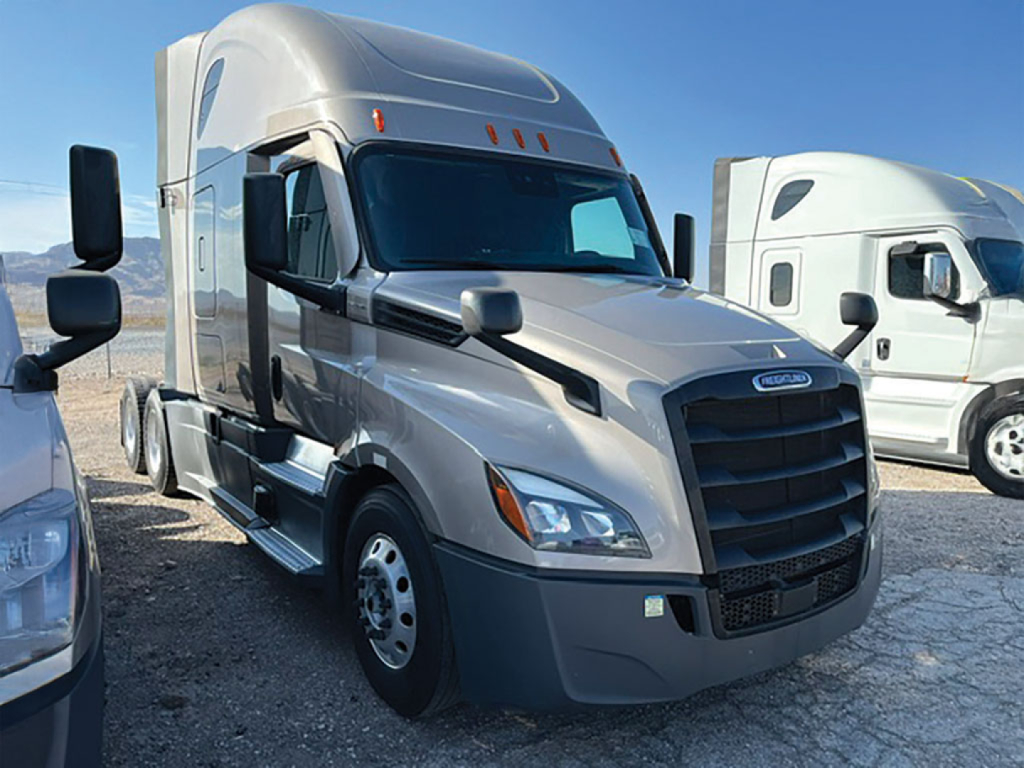
Showing 113 to 140 of 247 results
Selling a used freightliner conventional sleeper truck? List your used freightliner conventional sleeper truck for sale to reach thousands of commercial buyers.
Used Freightliner Conventional Sleeper Trucks
The main spec decision is usually powertrain. Many used Freightliner sleepers are equipped with the Detroit DD15, often rated around 455 to 505 horsepower, paired with the DT12 automated manual transmission. That combination is popular because it balances drivability, fuel economy, and broad dealer support. Rear axle ratios such as 2.16 or 2.85 can materially change how the truck performs, especially if your operation runs heavy, spends time in mountains, or prioritizes highway fuel mileage. A 40,000-pound tandem rear is common, along with air ride suspension, air slide fifth wheels, engine brakes, and dual aluminum fuel tanks for extended range.
Cab and sleeper equipment matter more than many first-time buyers expect. Common features in late-model Freightliner conventional sleepers include bunk heaters, APUs or optimized idle systems, upper bunks, inverters, fridges, power mirrors, steering wheel controls, and collision mitigation packages. Trucks spec'd with lane departure warning, adaptive safety systems, and low-profile 22.5 tires can be a strong fit for fleet resale appeal and driver retention. If the truck will stay out for multiple nights at a time, sleeper layout, storage, climate control, and idle management should be evaluated just as closely as engine hours and mileage.
For used buyers, the real value is often in how the truck was spec'd and maintained rather than model year alone. A Freightliner conventional sleeper with a documented PM history, clean emissions record, proper tire wear, and a driveline ratio that matches the intended lane can outperform a newer truck with the wrong configuration. Pay close attention to aftertreatment service history, collision system calibration, transmission behavior under load, fifth wheel travel, and signs of fairing or cab extender damage from trailer contact. Freightliner remains one of the most practical sleeper truck platforms on the market because parts availability, technician familiarity, and resale liquidity are all strong compared with many competing highway tractors.
Frequently Asked Questions about Used Freightliner Conventional Sleeper Trucks
What makes a used Freightliner conventional sleeper truck a popular choice for over-the-road freight?
Used Freightliner conventional sleeper trucks are popular because they combine aerodynamic design, broad parts availability, and familiar Detroit powertrains in a package that works well for van, reefer, and general long-haul service. The Cascadia in particular has a large service network and a strong presence in fleet operations, which helps with maintenance planning, driver familiarity, and resale. That matters to owner-operators and fleets alike because downtime, repair access, and operating cost often matter more than badge preference alone.
What engine and transmission are most common in used Freightliner sleeper trucks?
The most common setup in late-model used Freightliner conventional sleepers is the Detroit DD15 diesel engine paired with a DT12 automated manual transmission. Horsepower ratings are often in the 455 to 505 HP range, which is enough for most highway applications without pushing operating costs too far upward. This combination is widely used because it offers good fuel economy potential, straightforward driver operation, and strong support through Freightliner and Detroit service channels.
How important is rear axle ratio on a Freightliner sleeper truck?
Rear axle ratio has a direct effect on fuel economy, cruise RPM, gradeability, and how well the truck matches your freight profile. Ratios like 2.16 are typically aimed at fuel-efficient highway service, while ratios like 2.85 can be better suited for heavier loads or operations that need more pulling power in varied terrain. A buyer should match the ratio to the lanes, average gross weight, and expected road speed rather than assuming one spec works for every application.
What sleeper features should buyers prioritize on a used conventional sleeper?
The right sleeper features depend on how long the truck stays on the road between stops. For extended runs, buyers often prioritize a raised-roof sleeper, double bunk, bunk heater, fridge, inverter, storage space, and an idle management solution such as an APU or optimized idle. These features improve driver comfort and can reduce unnecessary engine idling, which helps with fuel use, maintenance, and compliance in areas with anti-idle rules.
What should buyers inspect closely on a used Freightliner Cascadia sleeper?
Buyers should inspect maintenance records, aftertreatment history, engine brake operation, transmission shift quality, tire wear patterns, suspension condition, and fifth wheel function. It is also smart to check collision mitigation and lane departure systems for proper operation, especially on newer trucks with advanced driver-assistance equipment. On aerodynamic tractors, fairings, cab extenders, and sleeper panels should be checked for repair history or trailer-contact damage, because cosmetic damage can sometimes point to harder use or hidden issues.