
Used 2012 Freightliner Conventional Sleeper Trucks For Sale
Shop used 2012 Freightliner conventional sleeper trucks, including Cascadia models, with specs and features built for long-haul efficiency.
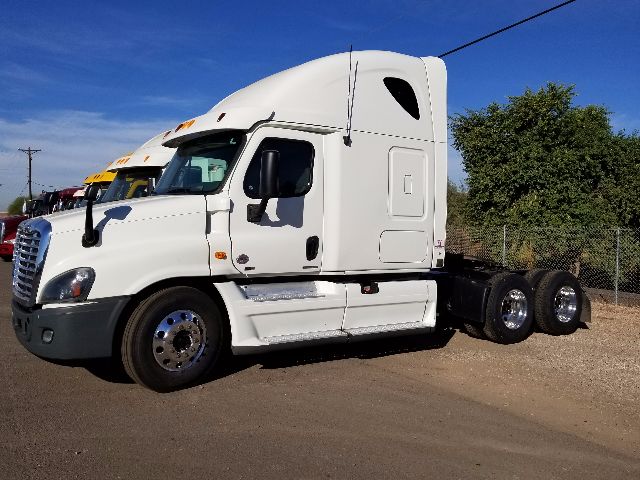
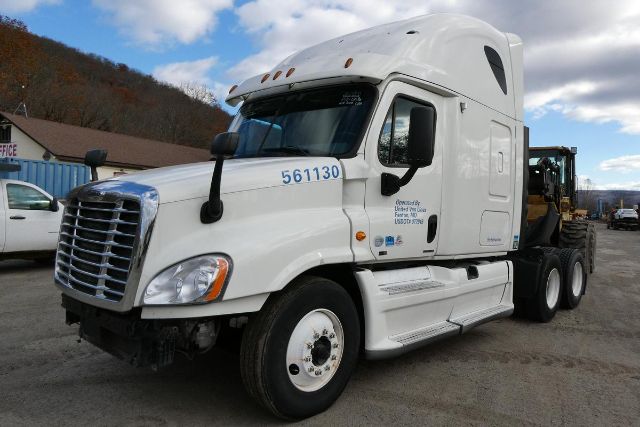
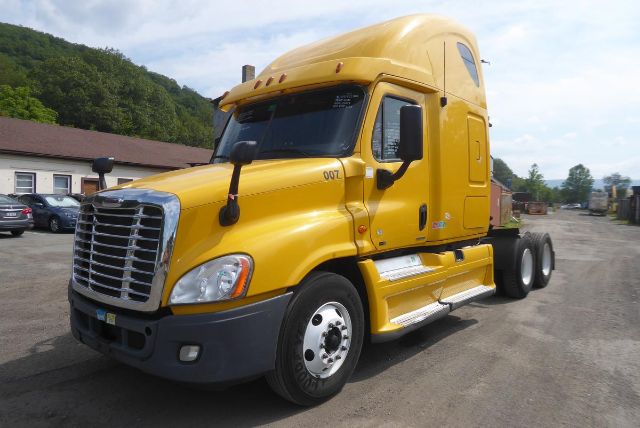
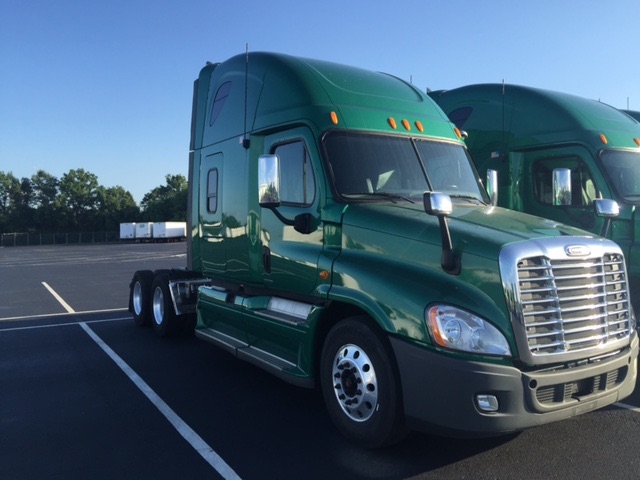
Selling a used 2012 freightliner conventional sleeper truck? List your used 2012 freightliner conventional sleeper truck for sale and reach thousands of commercial buyers.
Used 2012 Freightliner Conventional Sleeper Trucks
On 2012 Freightliner sleeper trucks, common powertrain combinations include Detroit diesel engines paired with manual, automated manual, or full automatic transmissions, depending on how the truck was originally ordered. Buyers should pay close attention to horsepower and torque ratings, rear axle ratio, and wheelbase, since those specs directly affect fuel economy, cruise RPM, and payload flexibility. A 2012 conventional sleeper used in dry van or refrigerated service may be spec'd differently than one set up for heavier freight or more mountainous lanes. Fuel tank capacity, fairings, fifth wheel setup, and bunk layout also matter if the truck is expected to stay out for multiple nights at a time.
Because this is a used emissions-era truck, inspection quality is critical. Service records for the DPF system, EGR components, turbo, injector work, and any aftertreatment repairs can tell you more than appearance alone. It also makes sense to review clutch life on manual units, calibration history on automated transmissions, suspension wear, frame condition, and signs of uneven tire wear that could point to alignment or axle issues. Inside the sleeper, practical items like bunk heater operation, HVAC performance, inverter setup, refrigerator space, storage layout, and upper bunk condition can make a real difference in driver acceptance and uptime.
Freightliner conventional sleepers from this period remain popular because they are straightforward to source, familiar to technicians, and available in specs that suit both owner-operators and larger fleets. A well-maintained 2012 Freightliner sleeper can still serve effectively in over-the-road applications, dedicated contract freight, and regional operations that need a rest-capable cab. The best buying approach is to match the truck's original application, current mileage, and maintenance history to your freight profile rather than shopping on year and price alone.
Frequently Asked Questions about Used 2012 Freightliner Conventional Sleeper Trucks
What engine and transmission setups are common in a used 2012 Freightliner conventional sleeper?
Many 2012 Freightliner conventional sleeper trucks, especially Cascadia models, were spec'd with Detroit diesel engines and either manual or automated transmissions. The exact combination varies by original duty cycle, so buyers should verify horsepower, torque rating, transmission model, rear axle ratio, and cruise RPM. Those details matter more than the badge alone because they determine how the truck will perform on flat interstate lanes, in mountain service, and under heavier gross weights.
What should I inspect first on a 2012 Freightliner sleeper truck?
Start with maintenance documentation and emissions-related repairs. On a 2012 truck, DPF cleaning history, EGR service, turbo work, injector replacement, and any aftertreatment faults are key indicators of ownership quality. After that, inspect suspension components, steer and drive tire wear, frame rails, brakes, clutch or transmission operation, and signs of oil or coolant leaks. A diagnostic scan and a review of fault codes are strongly recommended before purchase.
Is a 2012 Freightliner Cascadia sleeper still a good truck for over-the-road work?
It can be, provided the truck was maintained correctly and the spec matches the intended route and freight. The 2012 Cascadia remains a common over-the-road platform because of its aerodynamic cab design, broad parts availability, and familiarity across the service network. For a buyer planning long-haul use, sleeper comfort items, fuel capacity, idle management setup, and current condition are just as important as engine mileage.
How important is sleeper size on a conventional sleeper truck?
Sleeper size affects driver comfort, storage, and suitability for team or solo operations. A smaller mid-roof sleeper may work well for regional routes with occasional overnight stops, while a larger condo-style sleeper is better suited to extended over-the-road service. Buyers should look beyond bunk count and check storage access, headroom, HVAC output, bunk heater function, and whether the interior layout supports the actual time the truck will spend away from the terminal.
Why are used Freightliner conventional sleepers popular with fleets and owner-operators?
They stay in demand because Freightliner trucks are widely supported, easy to spec for many applications, and familiar to drivers and repair shops. The conventional sleeper layout also gives buyers flexibility across dry van, reefer, dedicated freight, and regional haul operations. In the used market, that combination of parts access, service familiarity, and application range makes a Freightliner sleeper easier to place into revenue service than many less common platforms.