
Used 2022 Freightliner Conventional Sleeper Trucks For Sale
Shop used 2022 Freightliner conventional sleeper trucks, including Cascadia sleepers with DD15 power, DT12 transmission, and long-haul specs.
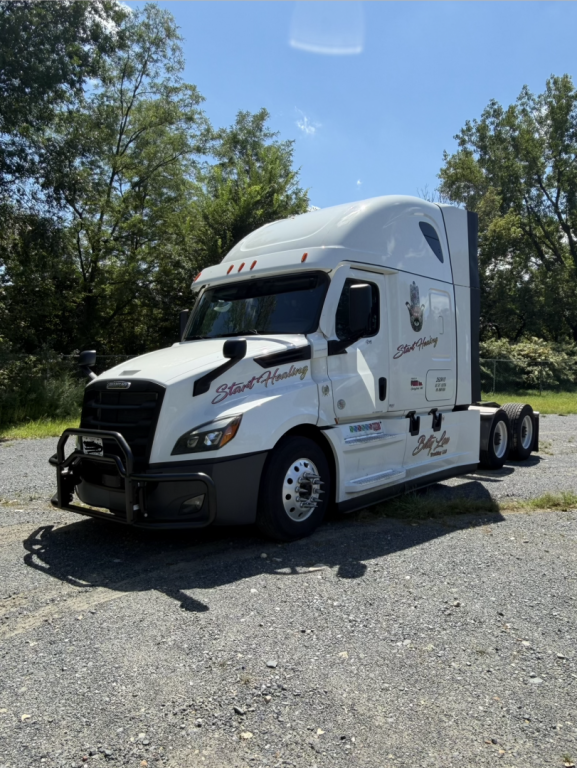
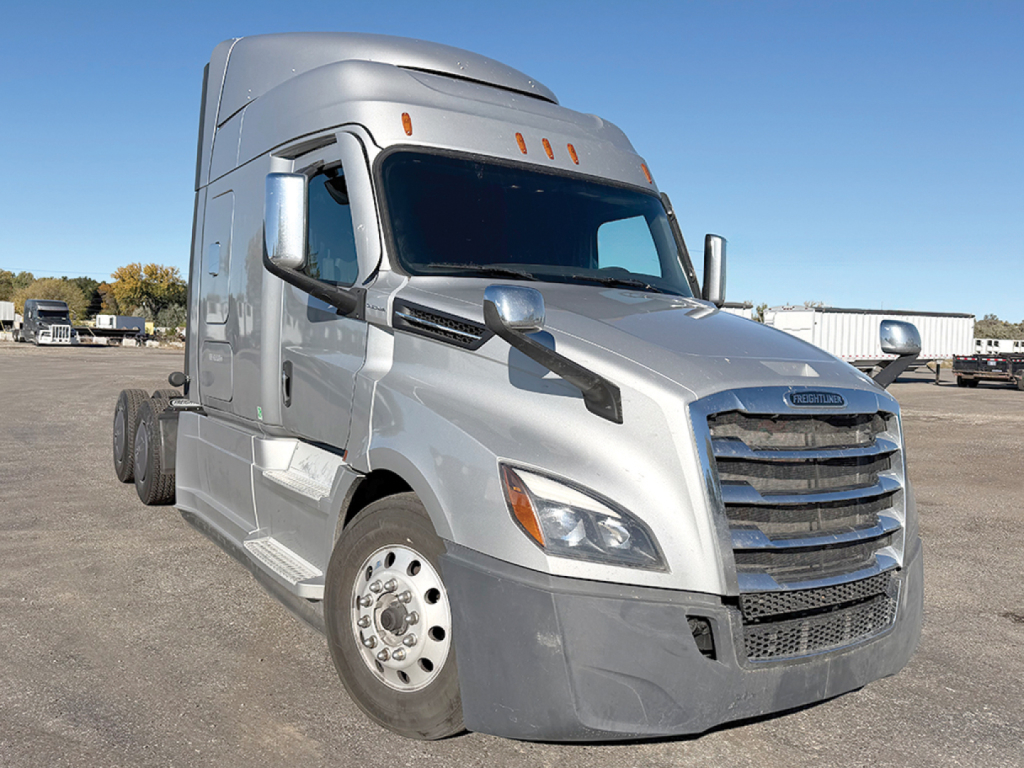
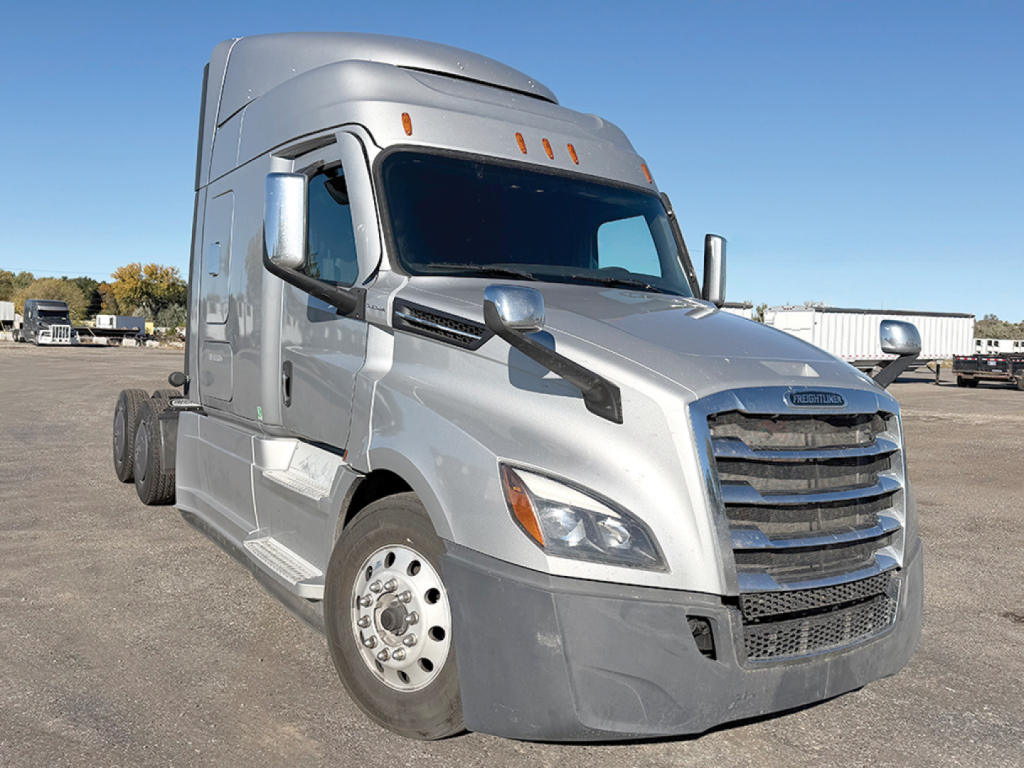
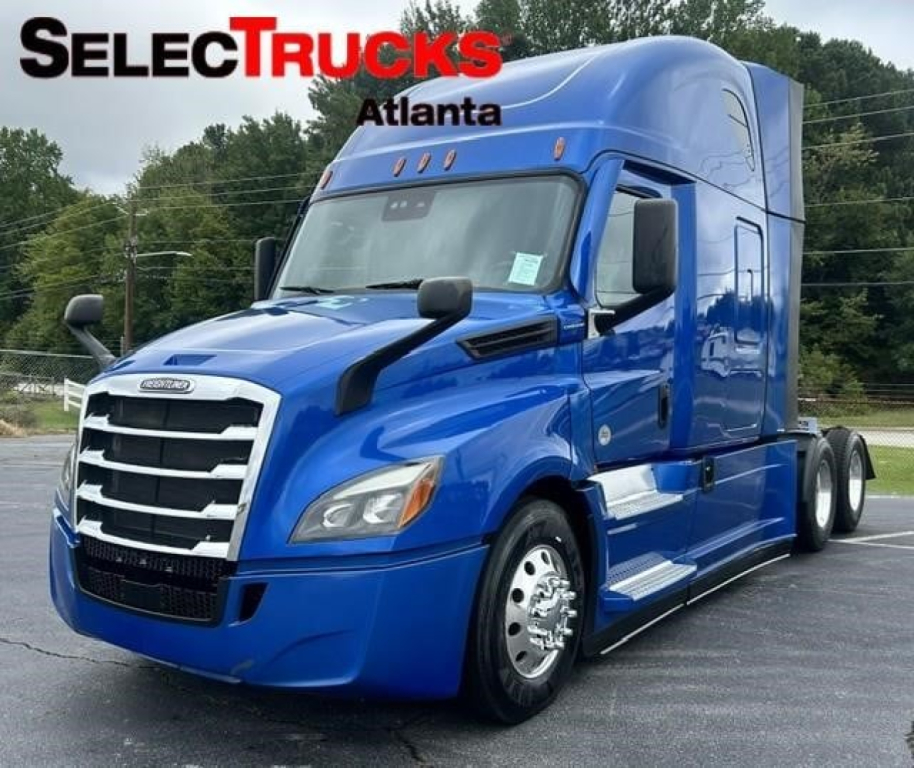
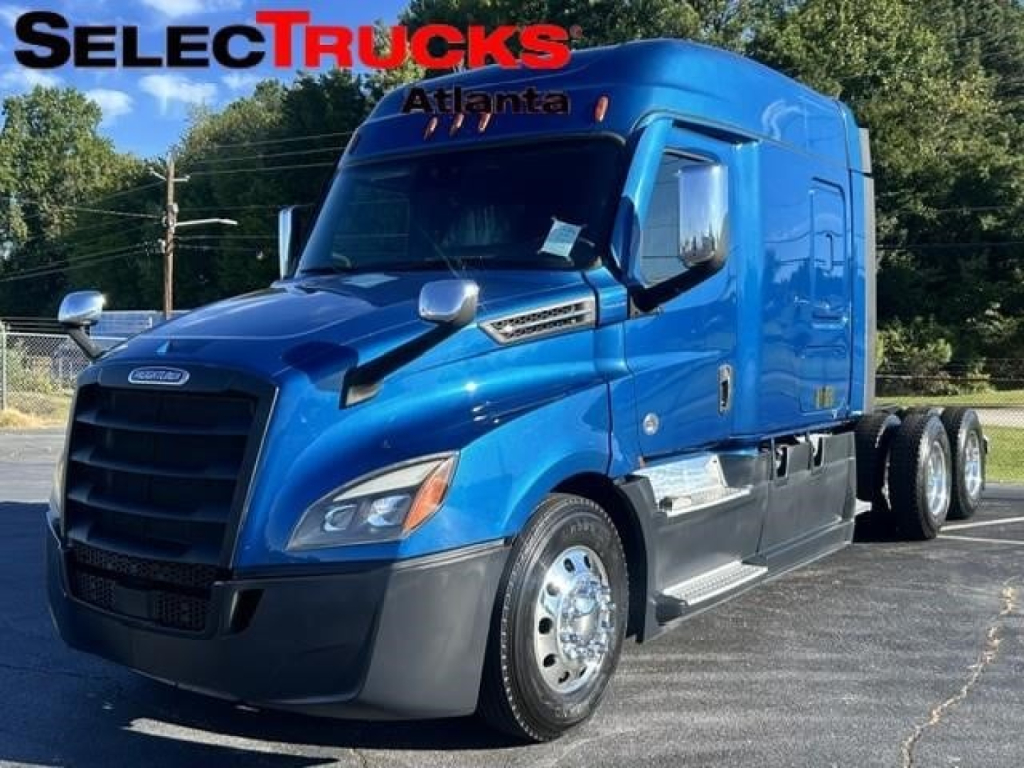
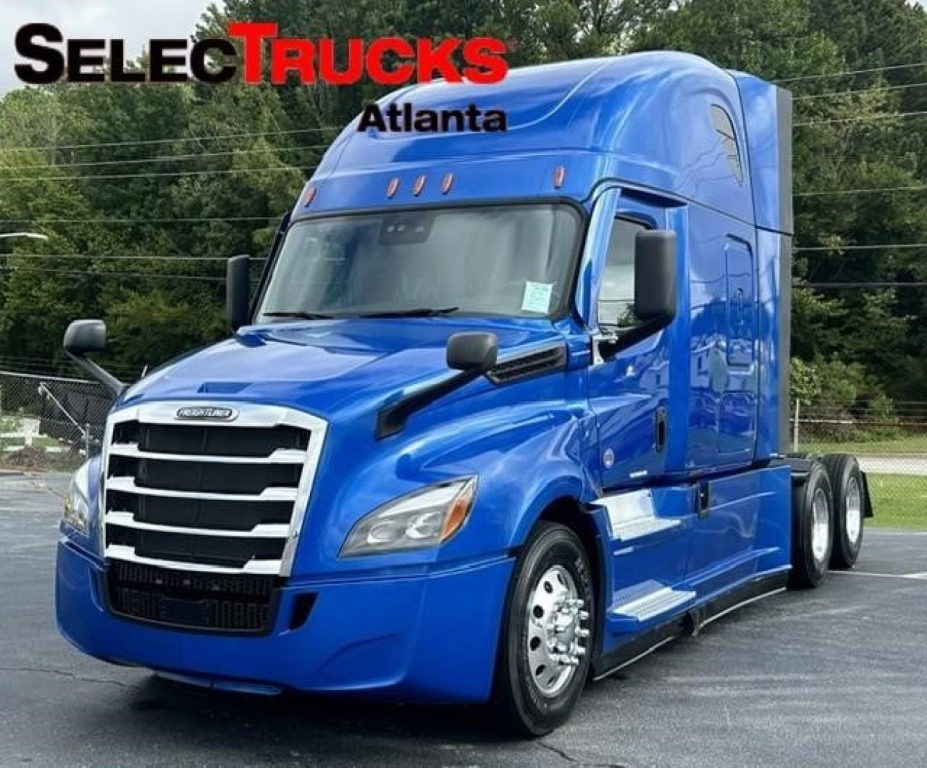
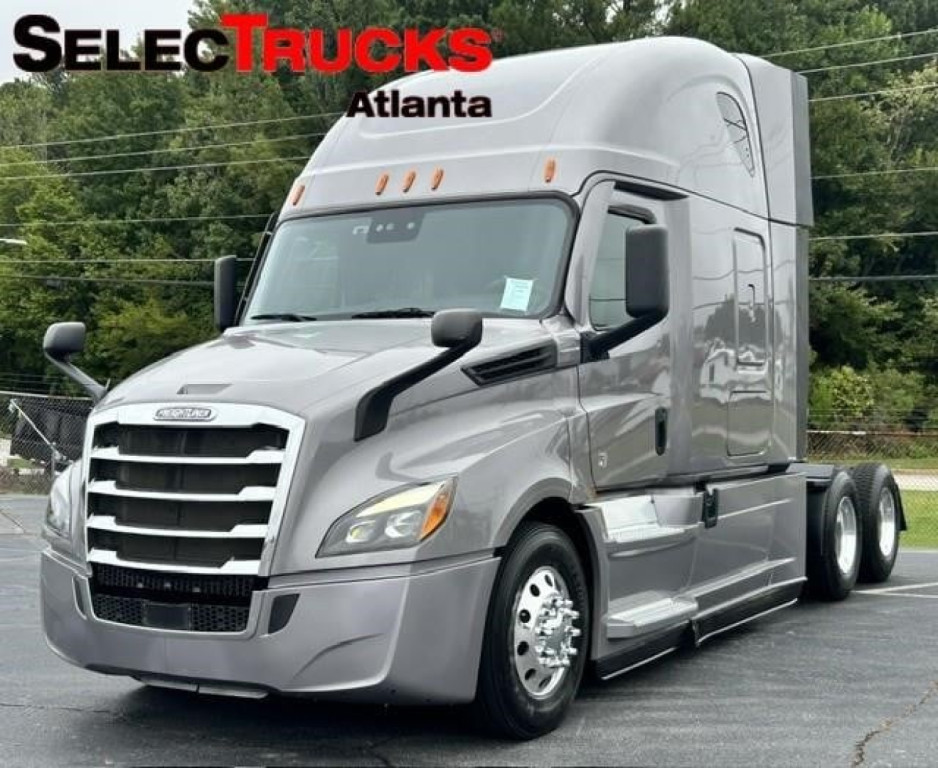
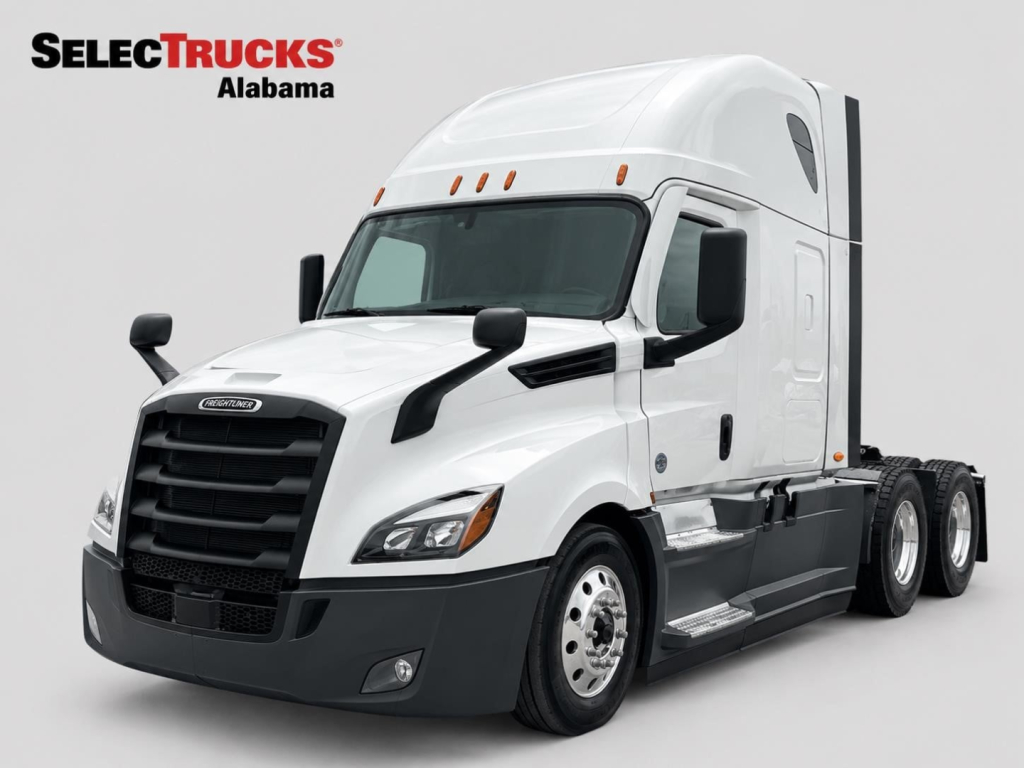
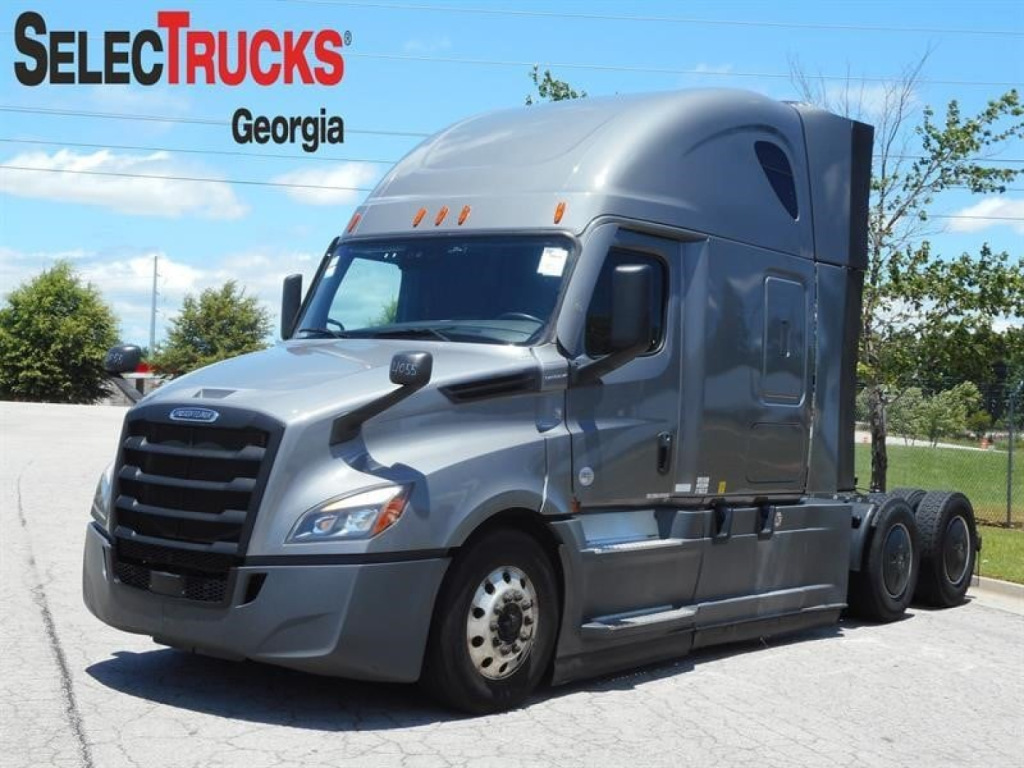
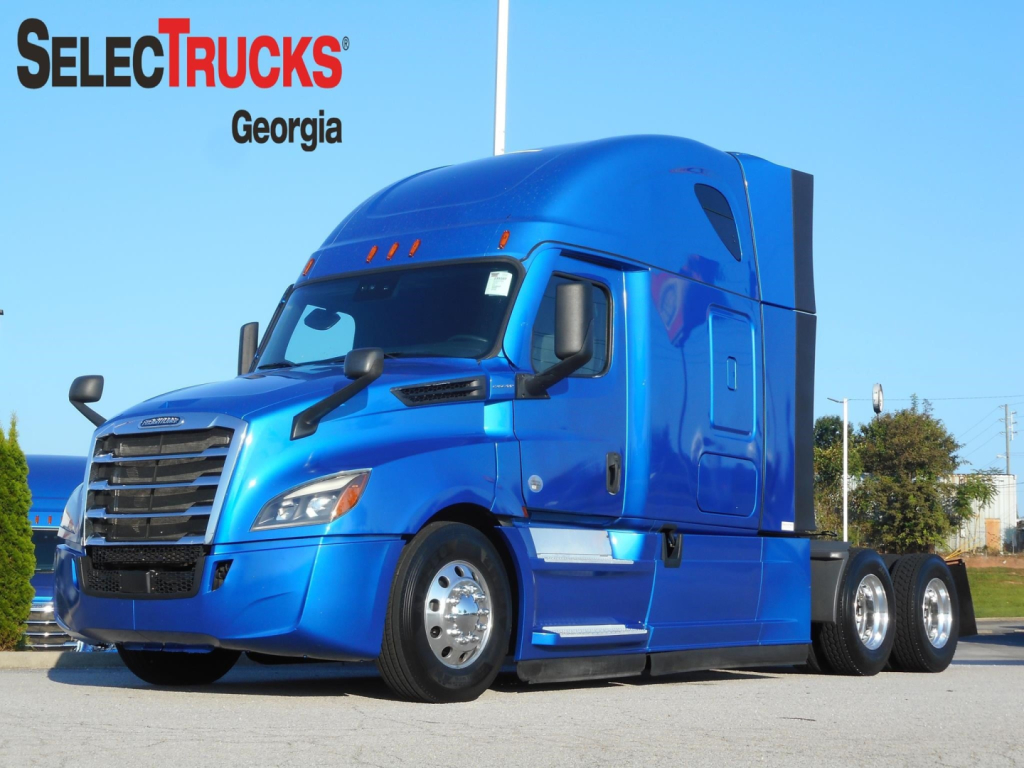
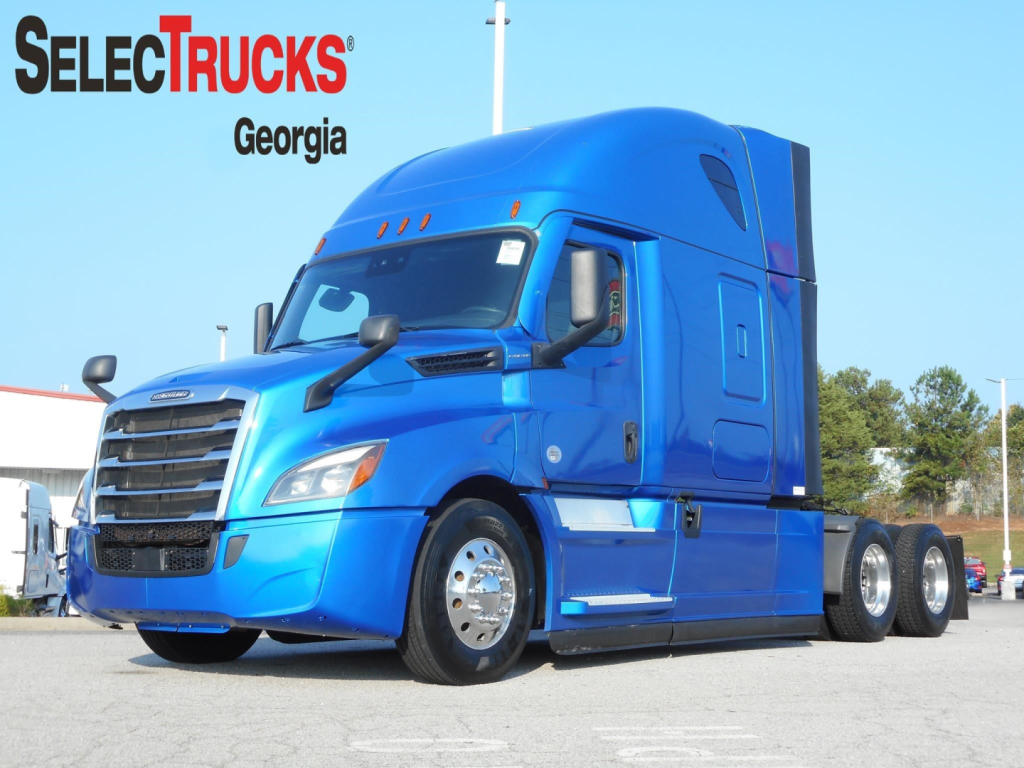
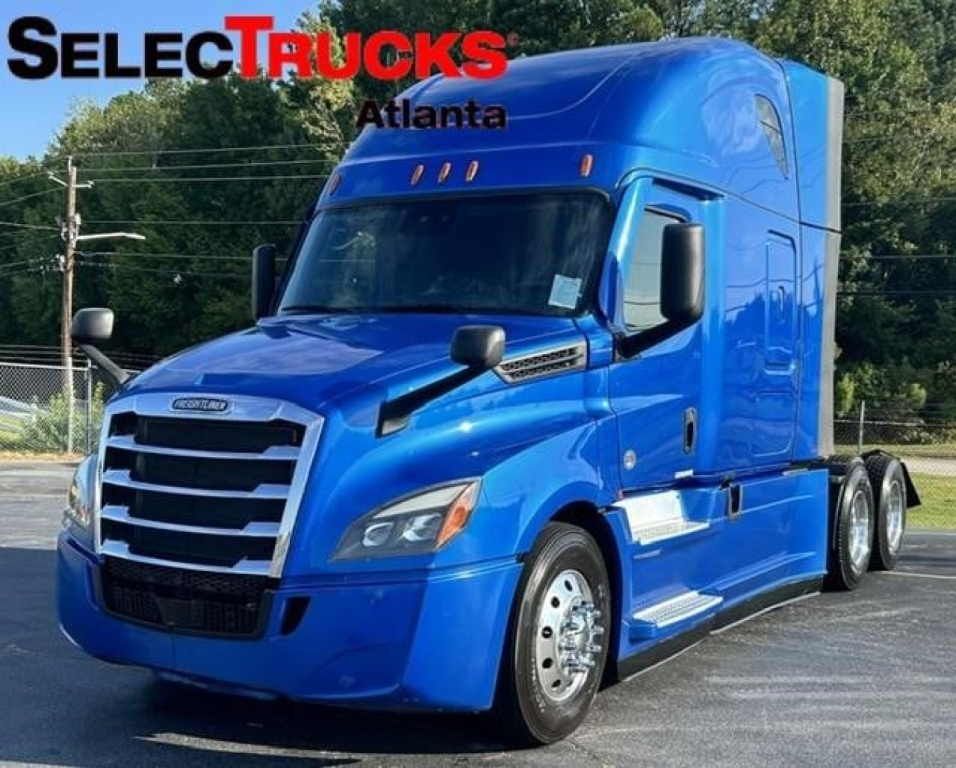
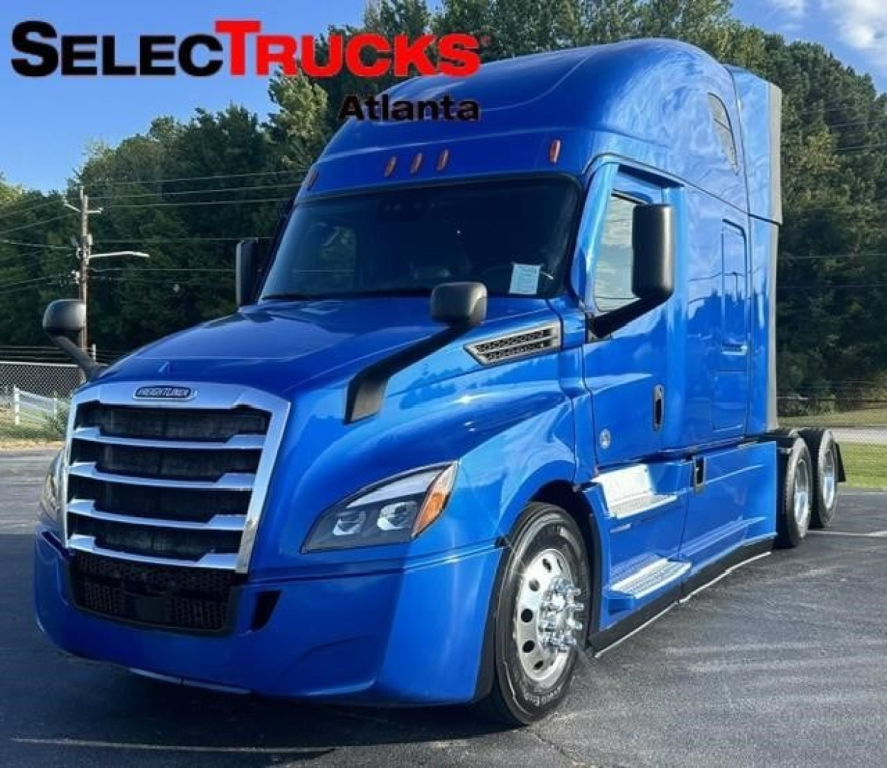
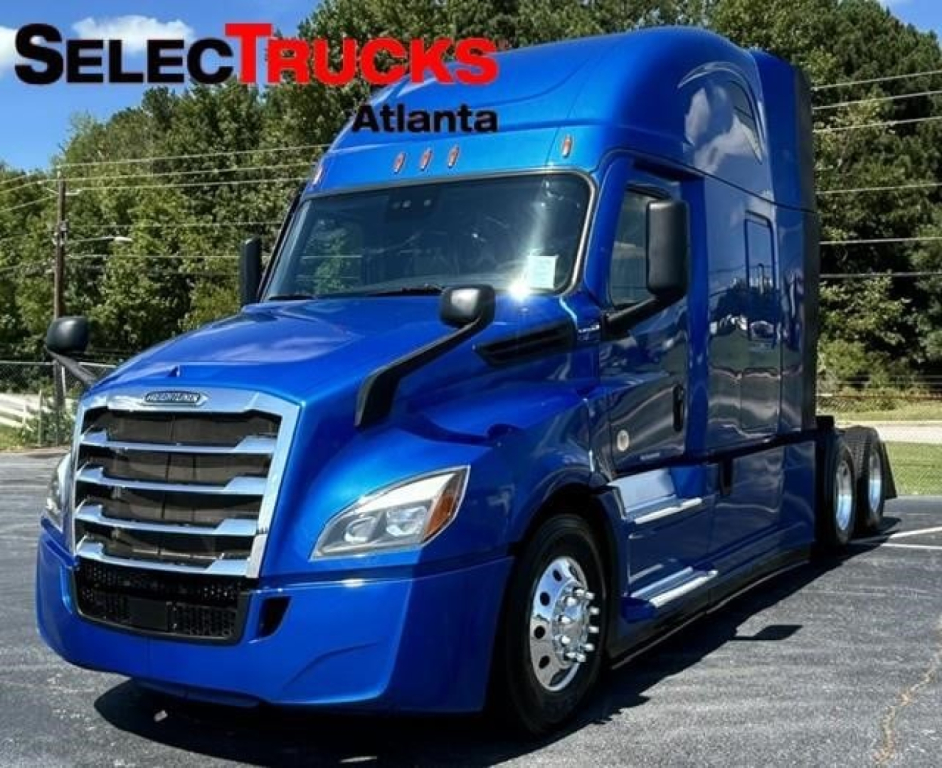
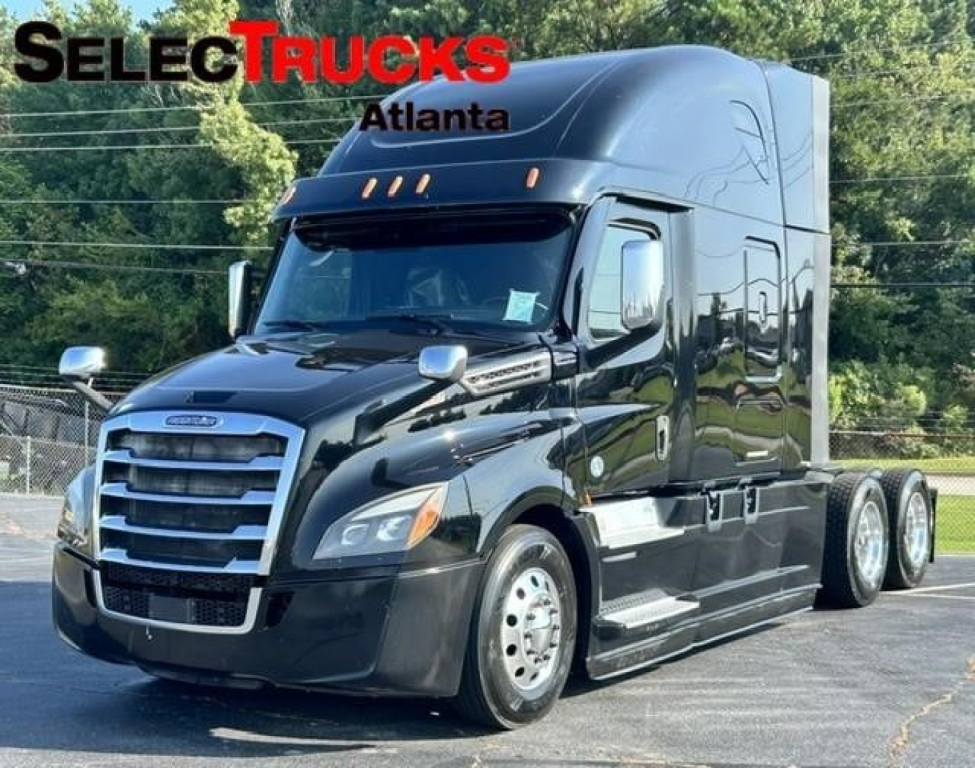
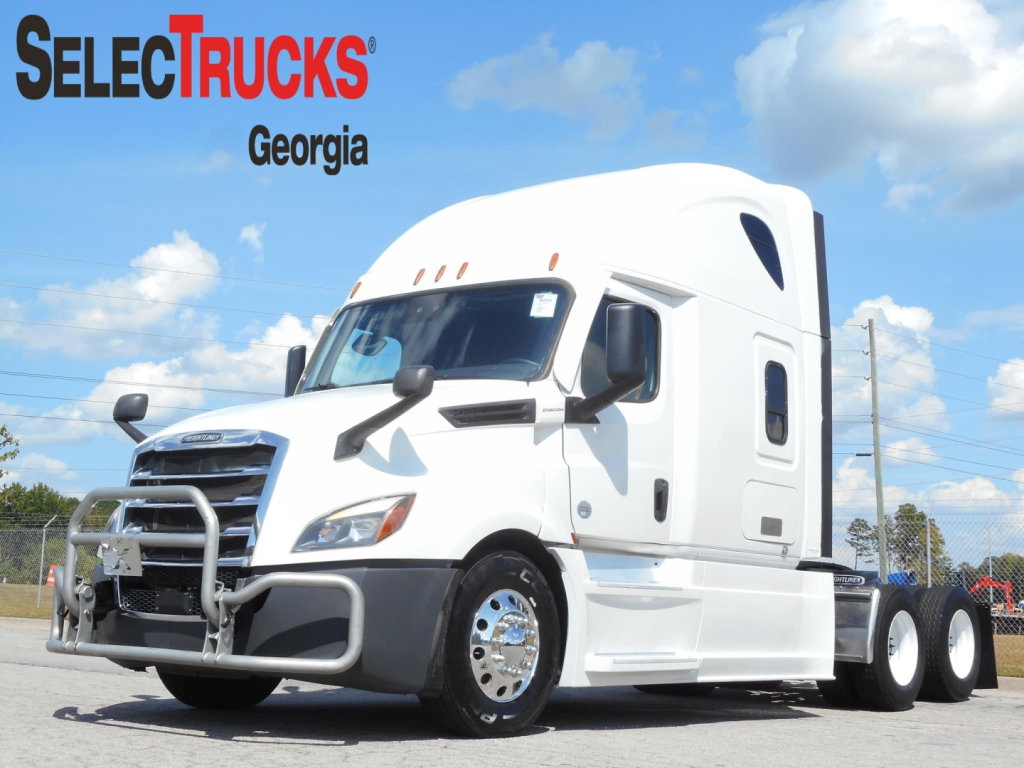
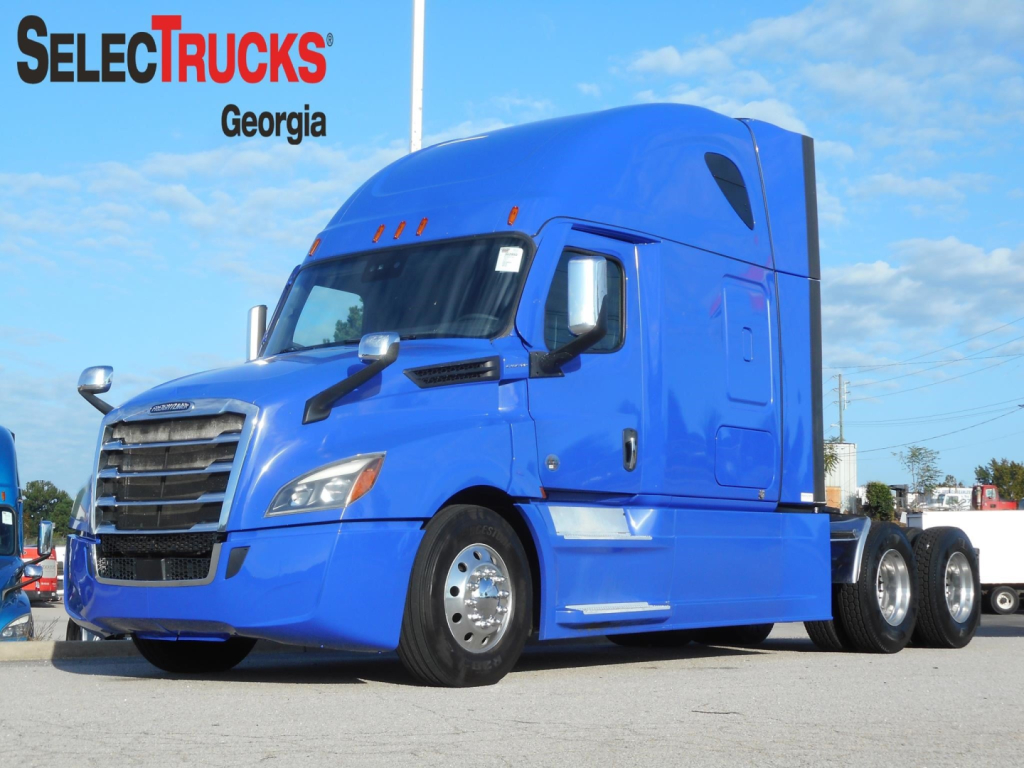
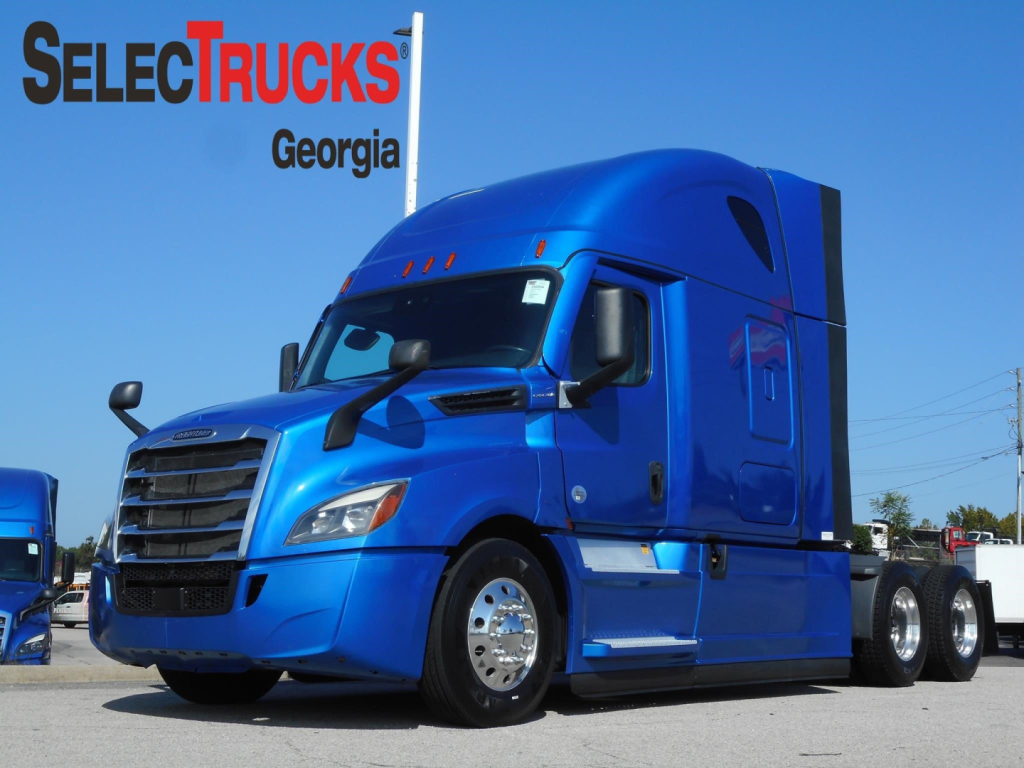
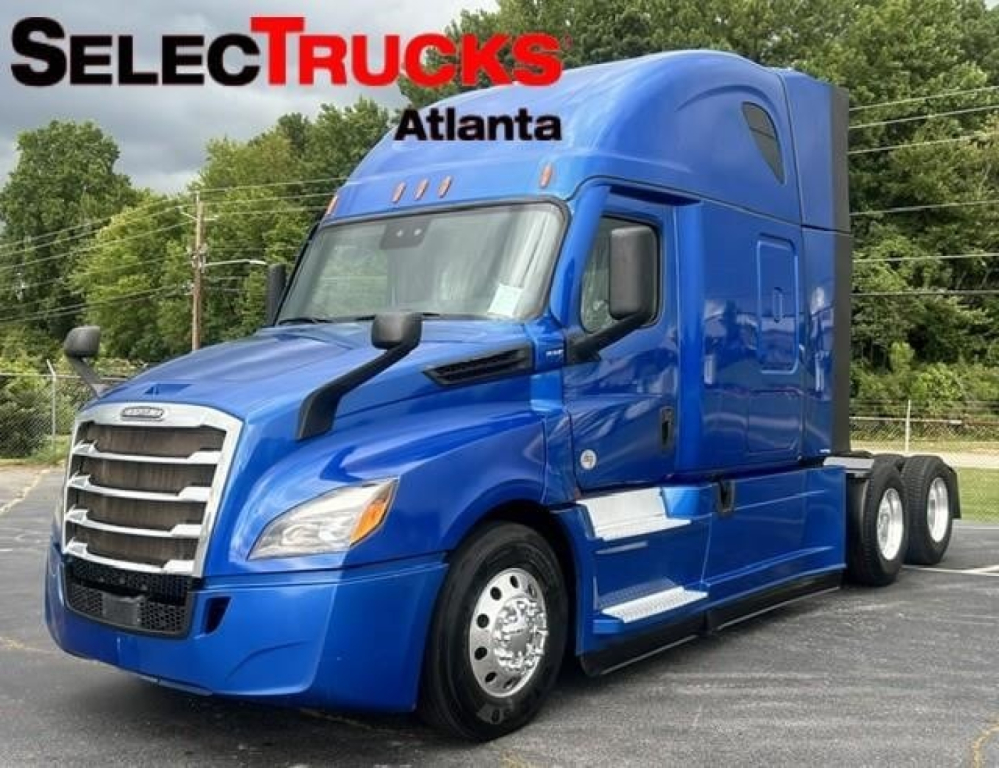
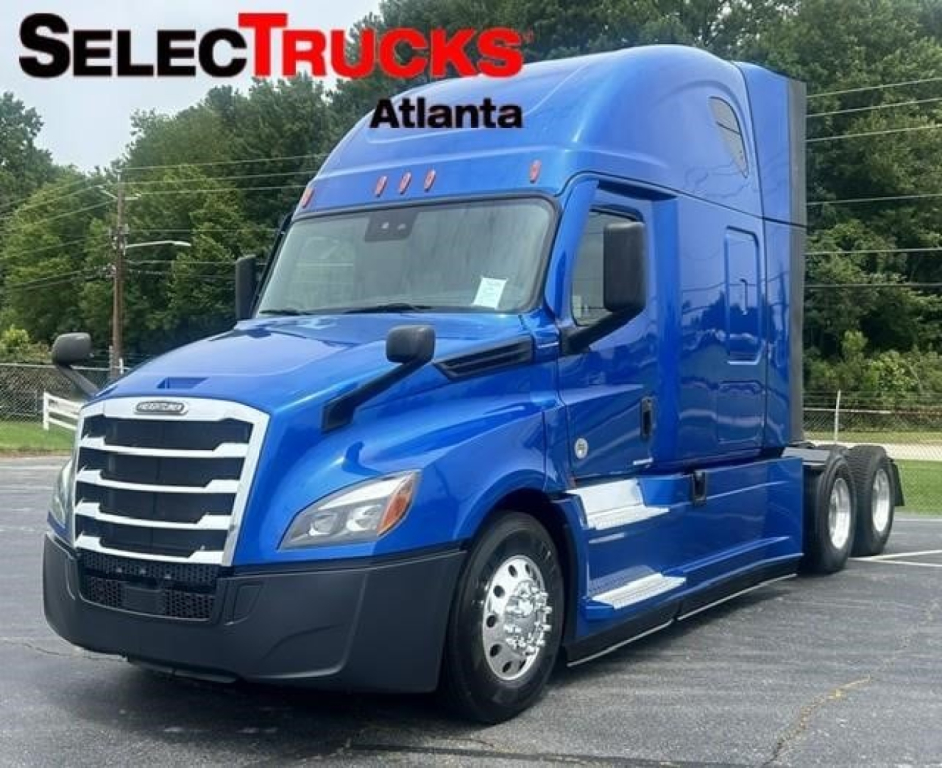
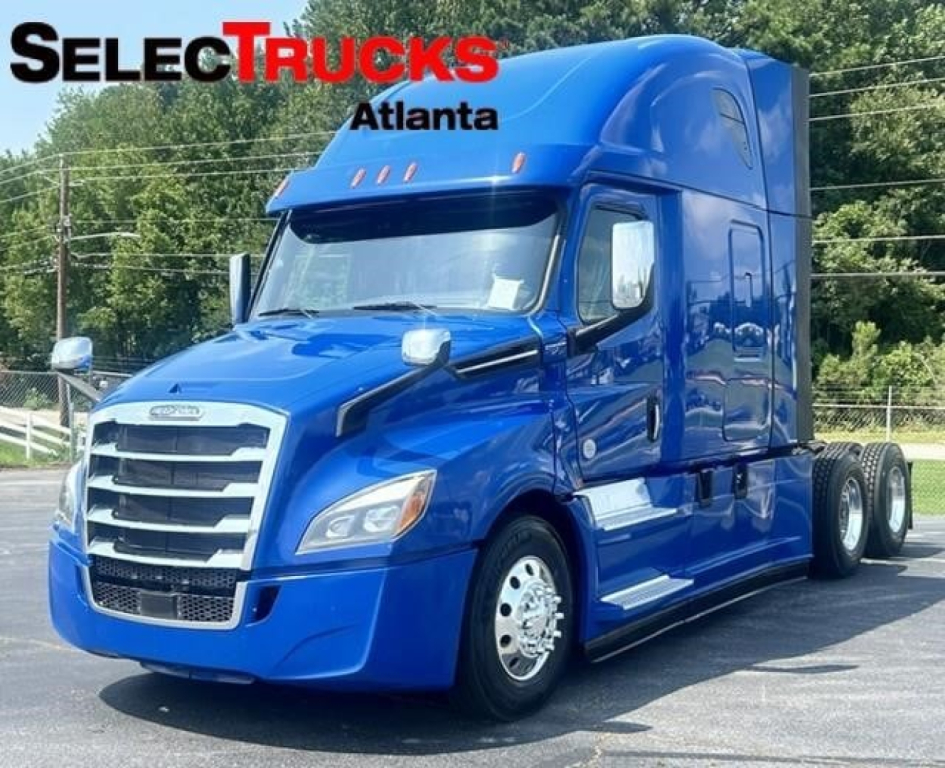
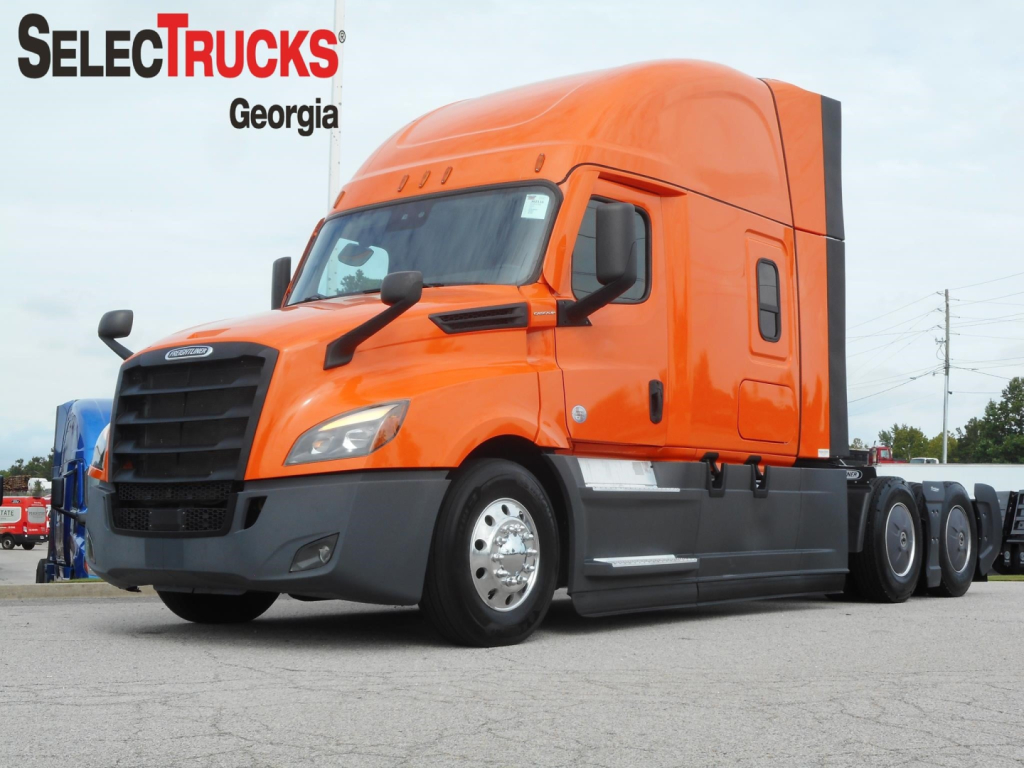
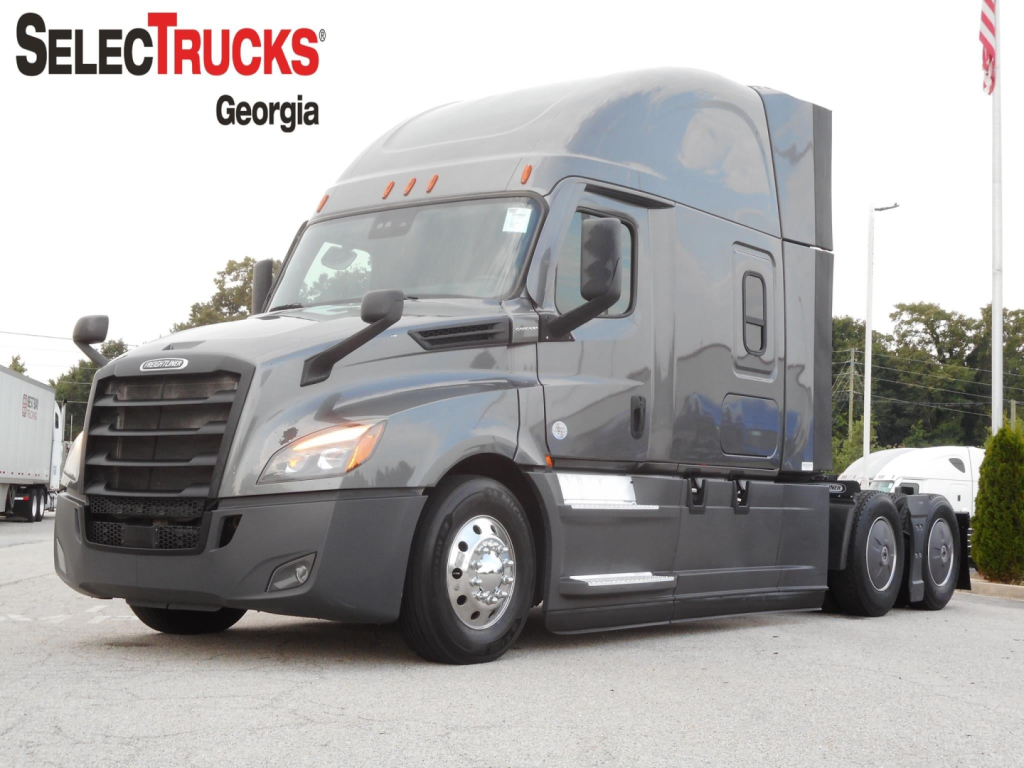
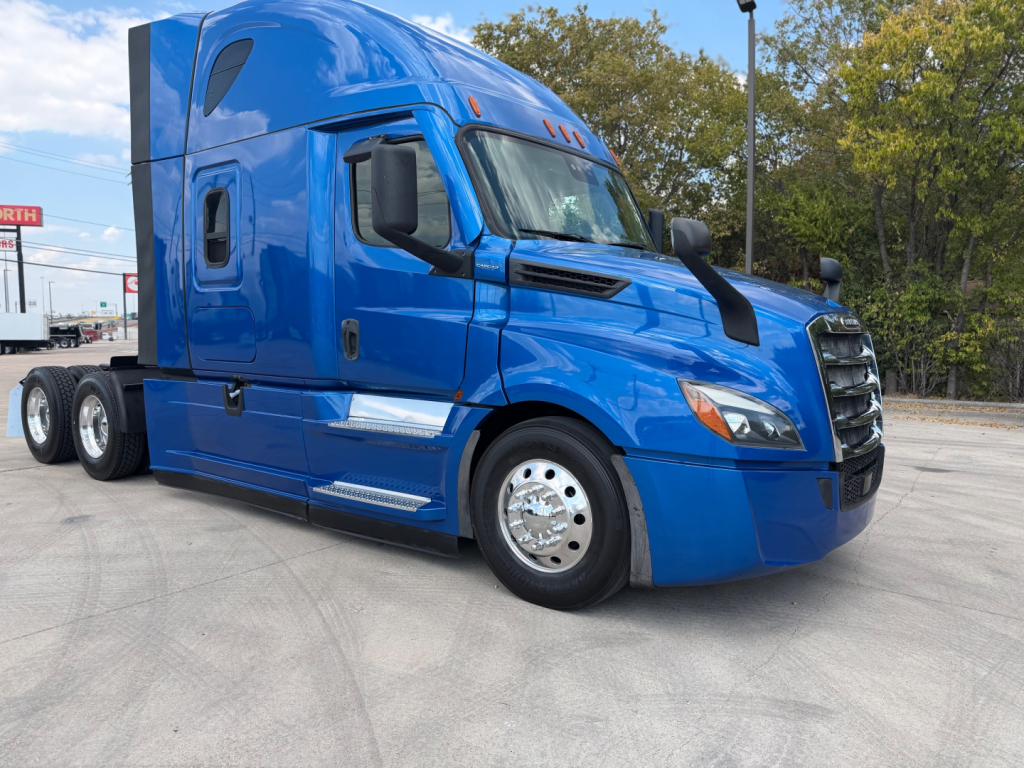
Showing 1 to 28 of 31 results
Selling a used 2022 freightliner conventional sleeper truck? List your used 2022 freightliner conventional sleeper truck for sale and reach thousands of commercial buyers.
Used 2022 Freightliner Conventional Sleeper Trucks
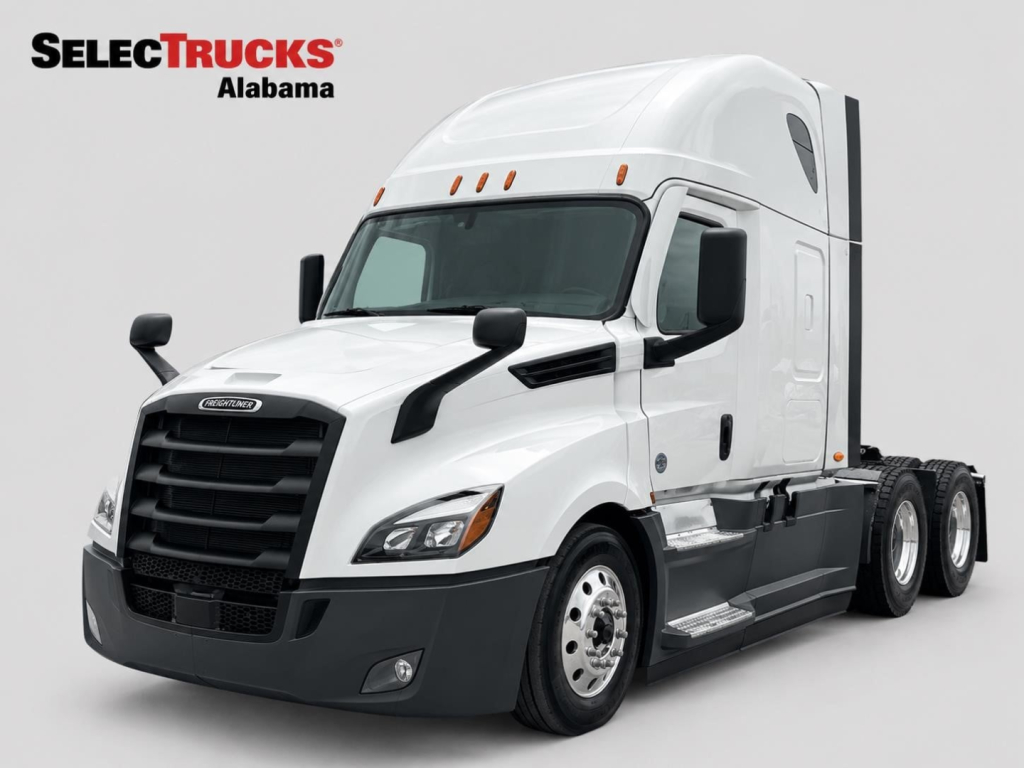
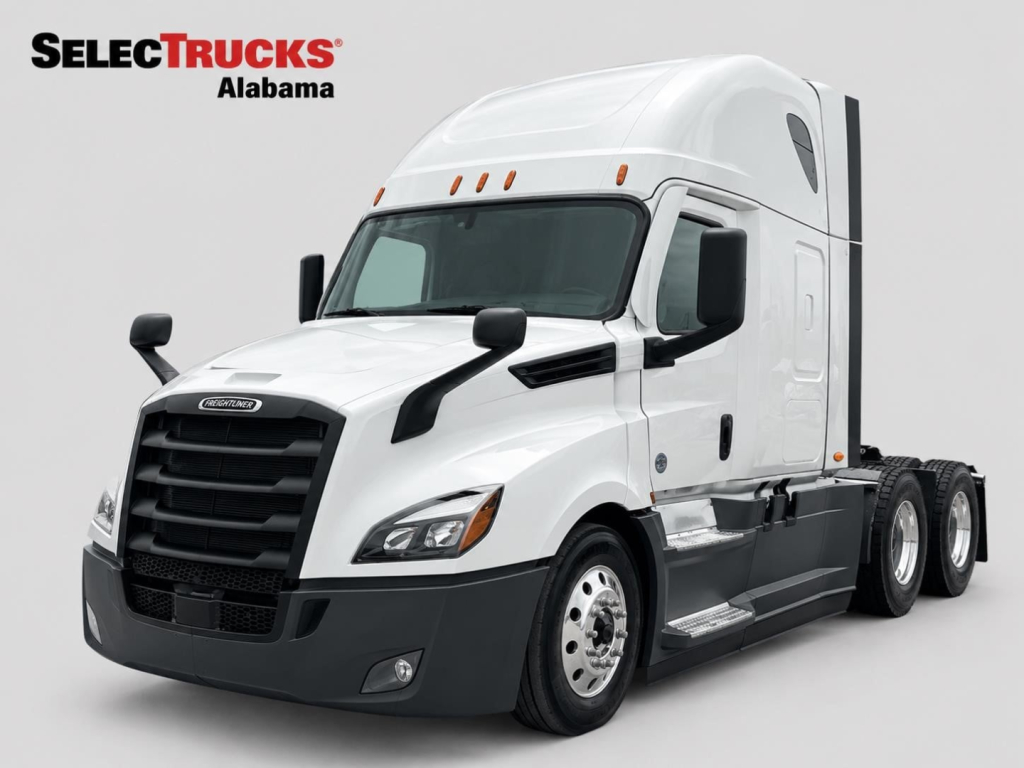
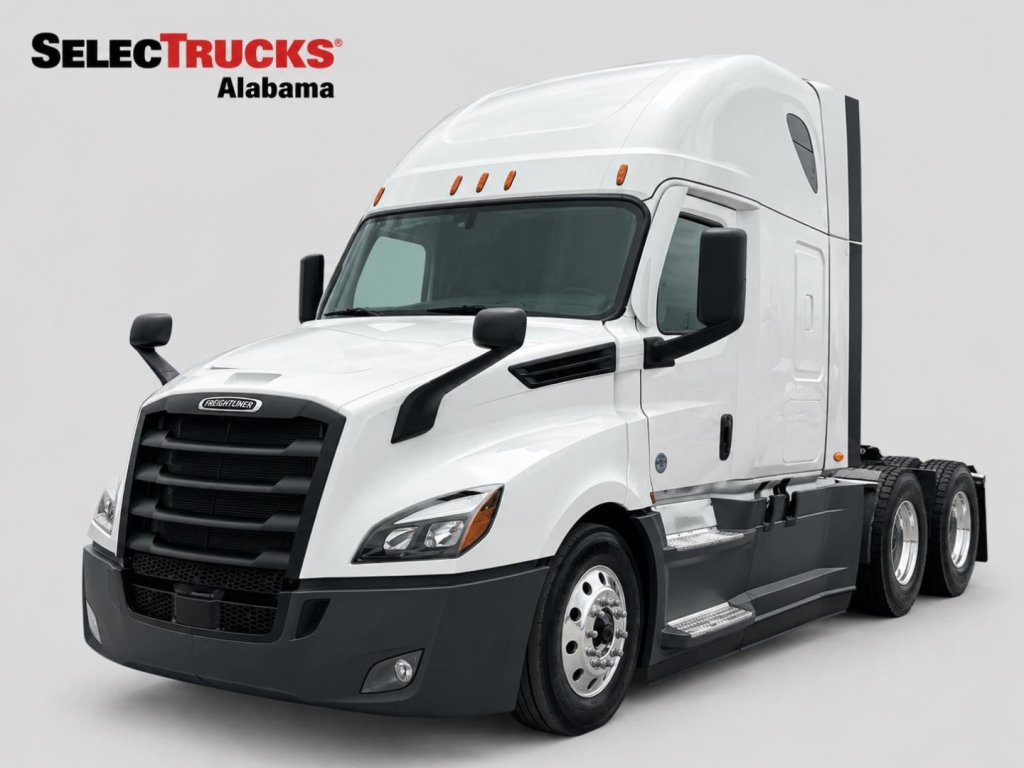
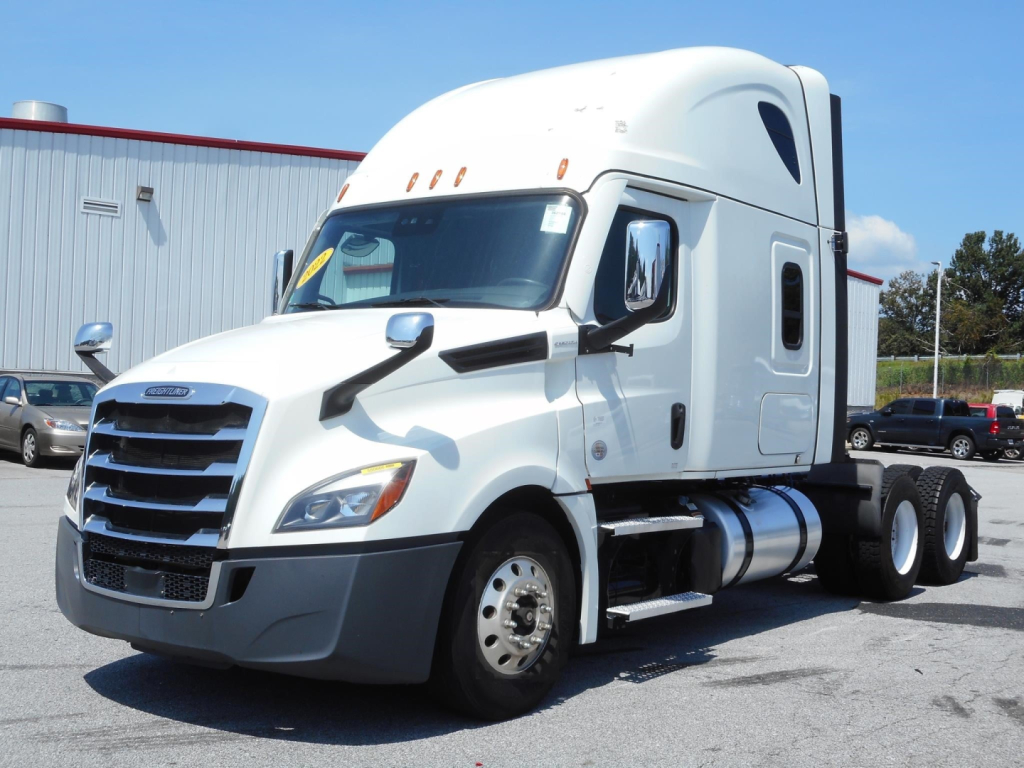
The sleeper spec matters as much as the powertrain. Many 2022 Freightliner conventional sleepers carry a 72-inch raised roof, though mid-roof and other sleeper lengths are also seen depending on the lane and payload strategy. Buyers should look closely at wheelbase, fuel capacity, bunk layout, APU or bunk heater presence, inverter setup, and interior features such as refrigerator prep or storage configuration. On the chassis side, common specs include tandem drive axles around 40,000 pounds, air ride suspension, sliding fifth wheel, low-profile 22.5 tires, and a rear axle ratio often chosen to balance highway cruise RPM with startability. For van, reefer, and general freight operations, a DD15 with a fuel-efficient ratio like 2.64 to 2.85 is a familiar setup.
Freightliner conventional sleepers are popular because parts availability, service network depth, and driver familiarity remain major advantages. The Cascadia platform is well known for aerodynamic bodywork, side fairings, cab extenders, and integrated systems that support fuel economy on high-mile runs. Used buyers should still pay close attention to maintenance history, aftertreatment service records, brake type, tire condition, and any remaining coverage on engine, emissions, or chassis components. On a 2022 unit, it is also smart to verify software updates, check for fault codes, and confirm the condition of collision mitigation sensors, camera systems, and electronic safety features if equipped.
For application fit, this category is best suited to carriers that need a true highway tractor with sleeper accommodations rather than a day cab. It works well in dry van, refrigerated, drop-and-hook, team, and multi-state dispatch environments where drivers spend nights in the truck and idle-management equipment matters. A good 2022 Freightliner sleeper can offer a favorable mix of resale appeal, operating efficiency, and driver acceptance, especially when the spec matches the freight. Buyers comparing listings should focus less on cosmetic trim and more on engine rating, transmission, axle ratio, sleeper equipment, and documented upkeep, because those details will have the biggest effect on fuel burn, uptime, and total cost per mile.
Frequently Asked Questions about Used 2022 Freightliner Conventional Sleeper Trucks
What engine and transmission are most common in used 2022 Freightliner conventional sleeper trucks?
The most common setup is a Detroit DD15 engine paired with a Detroit DT12 automated manual transmission. Horsepower is often in the 455 to 505 range, with specs aimed at linehaul fuel economy and easy operation. This combination is widely used in Freightliner Cascadia sleepers because it balances pulling power, service familiarity, and driver acceptance.
What sleeper size is typical on a 2022 Freightliner Cascadia conventional sleeper?
A 72-inch raised roof sleeper is one of the most common configurations, especially in long-haul fleet service. That size gives enough room for bunk space, storage, and common driver amenities without moving into a larger specialty sleeper. Buyers should still confirm the exact sleeper height and interior layout because regional sleeper specs can be different from full over-the-road units.
What should I check first on a used 2022 Freightliner sleeper truck?
Start with maintenance records, engine hours, mileage, fault-code status, aftertreatment history, and tire and brake condition. Then verify drivetrain specs such as horsepower, rear axle ratio, suspension type, and fifth-wheel setup. On a newer truck like a 2022, it also makes sense to inspect electronic safety systems, telematics hardware, and any remaining warranty or service contract coverage.
Is a 2022 Freightliner conventional sleeper good for fuel-efficient long-haul operation?
Yes, many are built specifically for fuel-efficient highway service. The Cascadia platform uses aerodynamic fairings, integrated roof and cab design, and drivetrain specs commonly selected for lower cruise RPM and reduced fuel burn. Actual results depend on axle ratio, speed, trailer gap, idle time, and maintenance condition, but this category is widely recognized as a strong fit for over-the-road freight.
What types of freight are best suited to a Freightliner conventional sleeper truck?
This category is commonly used in dry van, reefer, general freight, dedicated route, and team-driving operations. A sleeper tractor is designed for runs where the driver spends nights in the truck, so it is better suited than a day cab for interstate and multi-day dispatch. It can also fit drop-and-hook operations where uptime, fuel range, and driver comfort are important.