
Used Freightliner Conventional Sleeper Trucks For Sale in North Carolina
Browse used Freightliner conventional sleeper trucks in North Carolina, including Cascadia and Coronado models for long-haul and regional service.
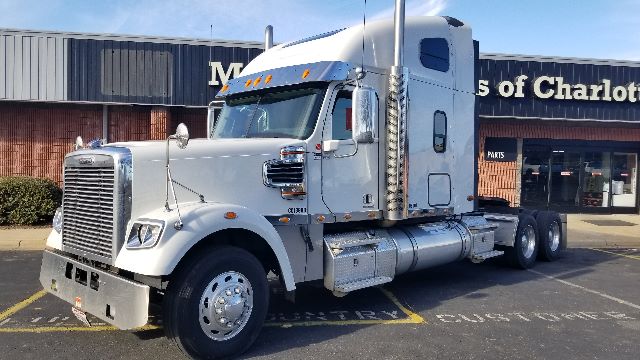
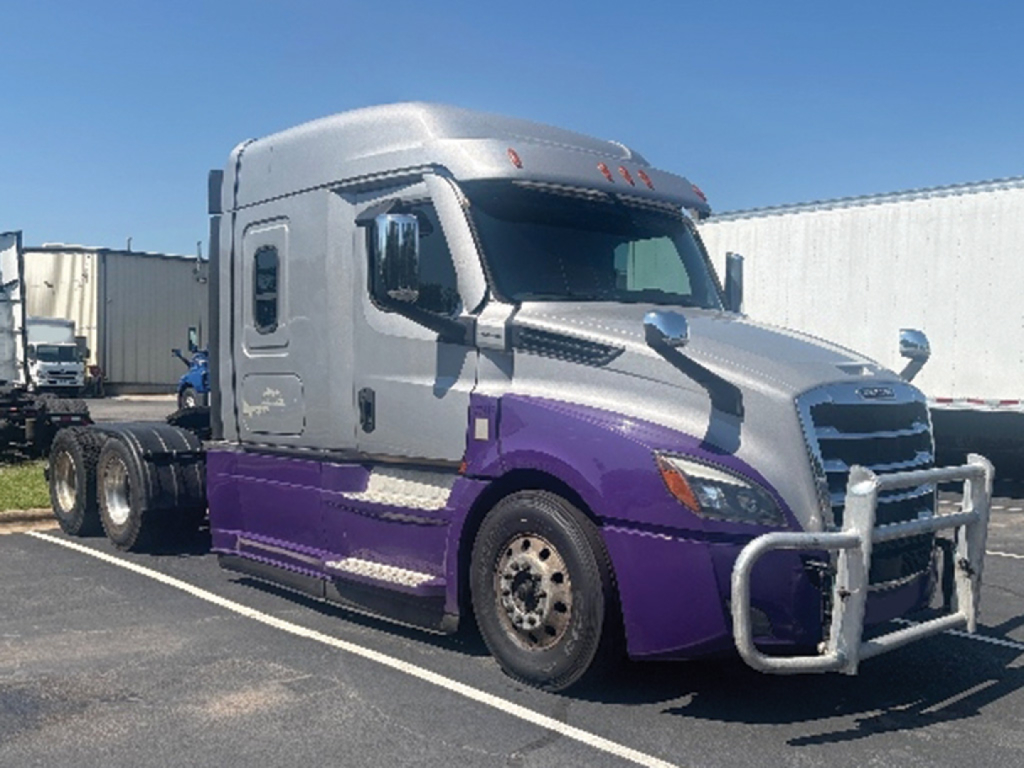
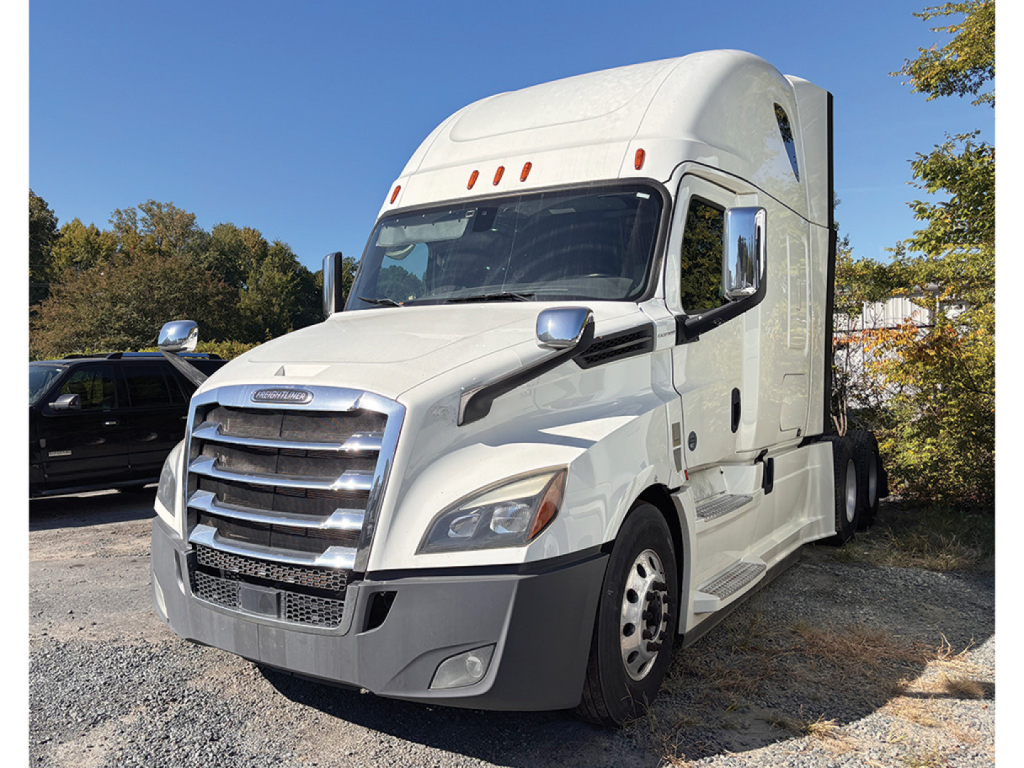
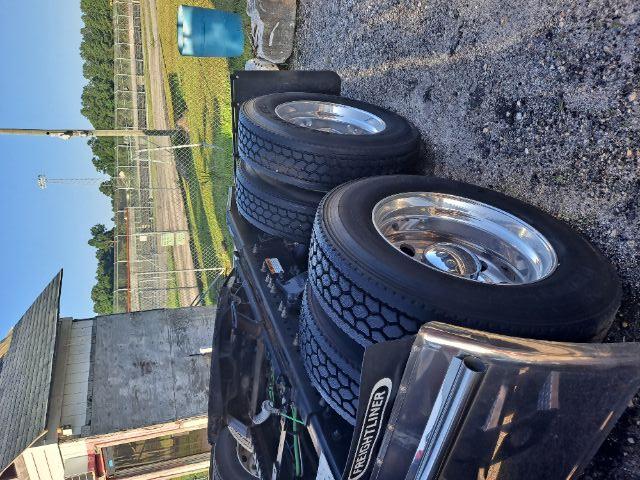
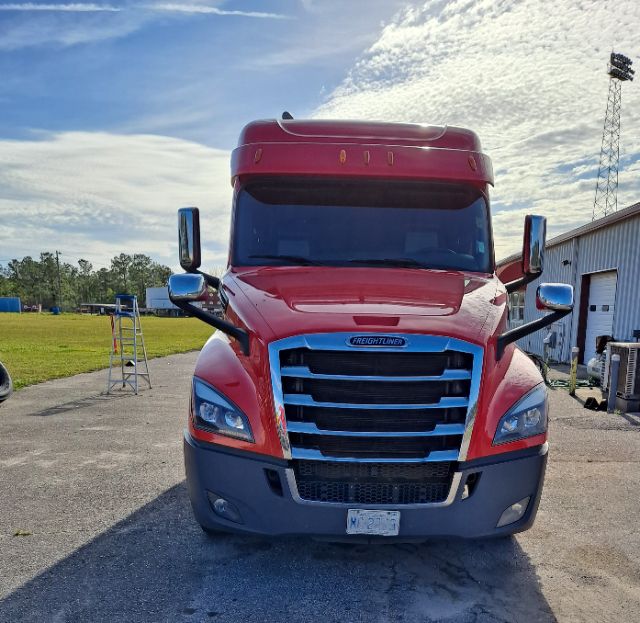

Selling a used freightliner conventional sleeper truck? List your used freightliner conventional sleeper truck for sale and reach thousands of commercial buyers.
Used Freightliner Conventional Sleeper Trucks in North Carolina
For many buyers, the first decision is model and powertrain. The Freightliner Cascadia is the volume spec in this category, valued for fuel economy, aerodynamic design, and driver-focused cab layout. Earlier and vocational-leaning highway models such as the Coronado appeal to buyers who want a heavier visual presence, more traditional styling, or higher-horsepower setups for specialized work. Common used specs include Detroit DD13 and DD15 engines, with automated manual transmissions found on many late-model Cascadias and 10-speed or 13-speed manual transmissions showing up in older or performance-oriented trucks. Rear axle ratios, wheelbase, and sleeper size matter just as much as engine rating because they directly affect fuel burn, bridge law flexibility, and maneuverability at tight docks or truck stops.
A careful buyer should look beyond mileage and focus on the operating profile of the truck. Idle hours, maintenance history, emissions system service, and software updates can tell more about future cost than the odometer alone. On used Freightliner sleepers, pay close attention to aftertreatment condition, coolant and oil service intervals, transmission calibration, suspension wear, and any signs of collision repair around the hood, cab mounts, and frame horns. Interior wear also matters because a sleeper truck used on long runs can show its true duty cycle in the bunk, seats, dash switches, and HVAC performance. If the truck will be paired with a dry van or reefer, check fifth wheel position, kingpin setting compatibility, and fairing condition to avoid sacrificing handling or fuel economy.
North Carolina buyers often need a truck that can cover mixed terrain, humid summers, and high annual highway miles without becoming expensive to keep on the road. That makes spec discipline important. A high-roof sleeper with a fuel-efficient drivetrain may suit fleet-style linehaul work, while a larger engine, taller sleeper, and premium interior may make more sense for team operations, expedite service, or showpiece hauling. Freightliner conventional sleeper trucks, also known as sleeper tractors or road tractors, cover a wide spread of use cases, so the best value usually comes from matching the truck's axle ratio, engine output, transmission, and sleeper configuration to the freight rather than buying on model year alone.
Frequently Asked Questions about Used Freightliner Conventional Sleeper Trucks in North Carolina
What is the most common Freightliner conventional sleeper model on the used market?
The Freightliner Cascadia is typically the most common used conventional sleeper truck. It became a dominant highway tractor in fleet service because it combines aerodynamic efficiency, widely available Detroit powertrains, and a cab layout familiar to drivers and service departments. Buyers looking for easier parts sourcing and broader spec availability usually start with the Cascadia, while the Coronado tends to attract buyers seeking a more traditional long-hood style or premium-haul appearance.
What should I check first on a used Freightliner sleeper truck?
Start with engine hours, maintenance records, and emissions system history. A used sleeper tractor can have relatively moderate miles but still carry high idle time, which affects engine wear, DPF performance, and overall operating cost. After that, inspect the transmission type and service history, suspension components, tires, brake wear, and the condition of the sleeper interior. The truck's spec should also match the trailer and freight it will handle, especially wheelbase, rear axle ratio, and fifth wheel placement.
Are Freightliner sleeper trucks good for both regional and long-haul work?
Yes, but the exact configuration determines how well the truck fits each job. A smaller sleeper, shorter wheelbase, and fuel-focused drivetrain can work well in regional operations where maneuverability and reduced weight matter. A high-roof sleeper with larger fuel capacity, stronger HVAC performance, and a more robust interior setup is better suited for over-the-road lanes and extended time away from home. The platform is flexible, but the truck still needs to be matched to the route structure and freight.
What engines are common in used Freightliner conventional sleepers?
Detroit DD13 and DD15 engines are among the most common in Freightliner highway sleepers, especially in the Cascadia. Some older or specialized trucks may carry higher-horsepower ratings or manual transmission pairings depending on the original application. The right engine depends on gross combination weight, terrain, cruising speed, and fuel economy goals. Buyers running standard van or reefer freight often favor efficient mid-to-upper horsepower DD15 specs, while heavier or specialized loads may justify a different setup.
Why does rear axle ratio matter on a used sleeper tractor?
Rear axle ratio has a direct effect on cruise RPM, fuel economy, gradeability, and startability under load. A faster ratio can help reduce engine speed at highway cruise and improve fuel mileage on flatter lanes, while a deeper ratio can make more sense for heavier freight or more demanding terrain. On a used Freightliner sleeper, the axle ratio should be evaluated together with engine torque, transmission gearing, and the trailer type to avoid ending up with a truck that feels underpowered or inefficient in its intended service.