
Used 2016 Freightliner Conventional Sleeper Trucks For Sale
Shop used 2016 Freightliner conventional sleeper trucks, including highway-ready sleeper cabs with Detroit power, aero design, and driver-focused specs.
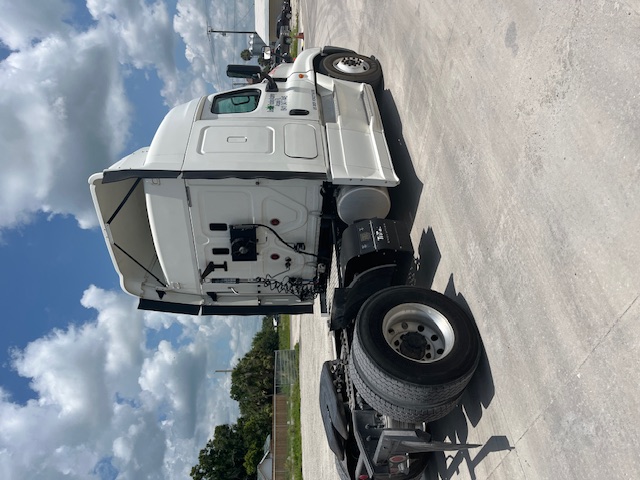
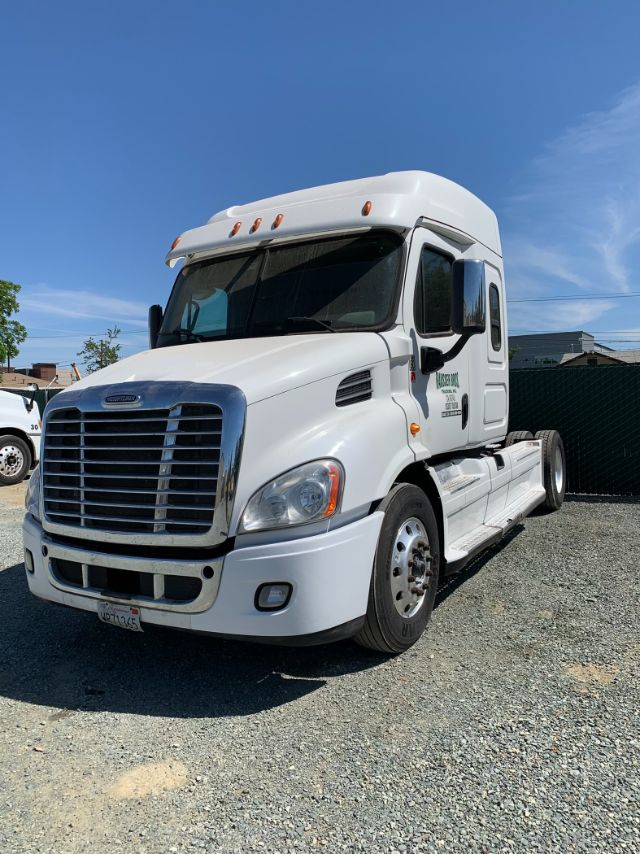

Selling a used 2016 freightliner conventional sleeper truck? List your used 2016 freightliner conventional sleeper truck for sale and reach thousands of commercial buyers.
Used 2016 Freightliner Conventional Sleeper Trucks
The biggest buying decisions usually come down to engine, transmission, sleeper size, and axle ratio. Many 2016 Freightliner sleeper trucks are spec'd with Detroit DD13 or DD15 engines, often paired with the Detroit DT12 automated manual transmission, though manual and other automated options can also be found. Common ratings land in the 400 to 505 horsepower range depending on the intended duty cycle. A 72-inch raised-roof sleeper is one of the most common setups in this class, but mid-roof and smaller sleeper configurations also show up for regional or dedicated freight. Buyers should also compare wheelbase, fuel capacity, rear axle rating, and fifth wheel setup, especially if the truck will be assigned to heavy van, reefer, or bulk work where gearing and bridge-law friendly dimensions matter.
Cab condition and operating spec matter just as much as the badge on the hood. On a 2016 Freightliner conventional sleeper, look closely at idle management equipment, APUs, bunk heaters, refrigerator prep, upper bunk layout, and fairing condition if fuel economy is a priority. Check for air slide fifth wheels, suspension type, brake configuration, and tire size, since these details affect compatibility with your trailer fleet and maintenance budget. Interior wear, dash electronics, HVAC performance, and emissions system service history deserve special attention on used sleeper tractors in this age range. A well-documented truck with consistent PM records, clean aftertreatment history, and a sensible horsepower-to-gearing combination will usually outperform a cheaper unit with deferred maintenance.
Freightliner conventional sleeper trucks are also known for a driver-friendly cab, good visibility, and a strong nationwide support network, which matters when uptime drives profitability. Buyers comparing 2016 units should think beyond odometer readings and focus on application fit. A truck set up for dry van linehaul may not be ideal for heavier reefer lanes or high-idle operations without the right support equipment. The best used 2016 Freightliner sleeper truck is the one with a spec that matches your freight, route profile, and maintenance strategy, not simply the newest paint or lowest advertised price.
Frequently Asked Questions about Used 2016 Freightliner Conventional Sleeper Trucks
What engine is most common in a used 2016 Freightliner conventional sleeper truck?
The most common engine in this category is the Detroit DD15, although some 2016 Freightliner sleeper tractors were built with a DD13 depending on fleet spec and intended application. The DD15 is popular in long-haul service because it offers a strong balance of horsepower, torque, fuel economy, and service support. Buyers should confirm horsepower rating, torque setting, emissions system history, and whether the engine software and maintenance records align with the truck's prior use.
Is a 2016 Freightliner Cascadia sleeper a good choice for long-haul freight?
A 2016 Freightliner Cascadia sleeper is generally a strong long-haul platform when the truck has been maintained correctly and spec'd for highway duty. Aerodynamic body design, common Detroit powertrain combinations, and widespread dealer and aftermarket support make it a practical option for van and reefer operations. The best results come from choosing a truck with the right sleeper size, axle ratio, fuel capacity, and idle reduction equipment for the routes it will actually run.
What should I inspect first on a used 2016 Freightliner sleeper truck?
Start with maintenance records, engine hours, aftertreatment service history, transmission operation, and any fault code or diagnostic information available. Then inspect the sleeper condition, HVAC performance, bunk equipment, tires, brakes, suspension, and fifth wheel wear. On a truck in this age range, deferred maintenance can cost more than the initial purchase savings, so service documentation and a thorough mechanical inspection are often more important than appearance alone.
What sleeper sizes are common on 2016 Freightliner conventional trucks?
The 72-inch raised-roof sleeper is one of the most common configurations because it supports over-the-road applications and team or extended-stay operation. Smaller sleepers and mid-roof setups are also seen in regional haul, dedicated lanes, or operations where weight and wheelbase need tighter control. Buyers should match sleeper size to route length, driver retention needs, and available payload rather than assuming a larger sleeper is always the better value.
Are automated transmissions common in 2016 Freightliner sleeper tractors?
Yes. Many 2016 Freightliner conventional sleeper trucks were spec'd with the Detroit DT12 automated manual transmission, especially in fleet service. Automated transmissions can help with fuel economy consistency, driver onboarding, and reduced clutch wear compared with manual setups. Buyers should still verify shift quality, clutch calibration, software updates, and service records, because transmission behavior under load is a major factor in day-to-day drivability and repair cost.