
Used 2016 Freightliner Conventional Sleeper Trucks For Sale in California

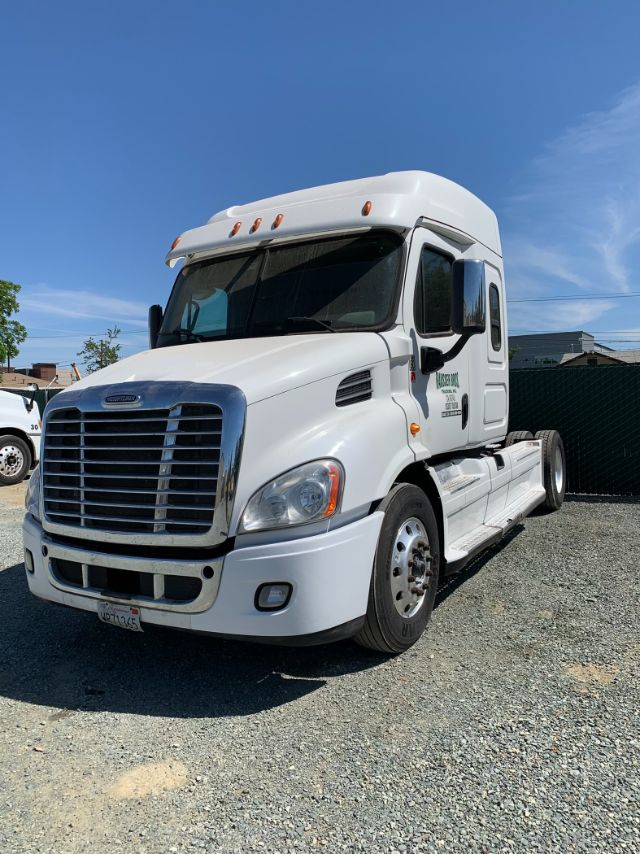
Have used 2016 freightliner conventional sleeper truck to sell? List it here to reach thousands of buyers.
Used 2016 Freightliner Conventional Sleeper Trucks in California
The main buying decision on a 2016 Freightliner sleeper is the powertrain. Many trucks from this era are spec'd with Detroit diesel engines, often paired to automated manual transmissions, with horsepower and rear axle ratios chosen for fuel mileage or heavier gross weights. For California operation, emissions compliance and aftertreatment condition matter as much as engine make. Buyers should pay attention to DPF history, DEF system repairs, fault code activity, and whether the truck has been maintained for regional or true long-distance use. Rear axle ratings, suspension type, engine brake performance, and cruise-ready gearing all affect how well the truck will handle mountain grades, long desert runs, and mixed port-to-inland freight lanes.
Sleeper configuration is just as important as drivetrain. A 2016 Freightliner conventional sleeper may be equipped with a mid-roof or raised-roof bunk, and details like upper bunk layout, bunk heater, refrigerator space, cabinet storage, and driver lounge features can make a real difference in team use or extended over-the-road service. Cab condition should be evaluated beyond cosmetics. Check seat wear, HVAC output, power accessories, dash warning history, insulation noise, and sleeper seals. Aerodynamic components such as cab extenders, quarter fenders, and side fairings are worth inspecting because missing or damaged pieces can affect both fuel economy and appearance.
For buyers comparing listings, the smartest approach is to match the truck to the freight and lane profile first, then compare maintenance records and spec details. A shorter wheelbase may be more flexible in tighter yards, while a longer wheelbase and larger sleeper may better suit dedicated highway miles. Look at brake type, tire size, tank capacity, fifth wheel travel, and suspension setup along with total mileage and idle hours. A well-kept used 2016 Freightliner conventional sleeper can still be a cost-effective Class 8 tractor for dry van, refrigerated, and general over-the-road applications when the engine, emissions system, and sleeper equipment are aligned with the job.
Frequently Asked Questions about Used 2016 Freightliner Conventional Sleeper Trucks in California
What engine and transmission setups are common in a used 2016 Freightliner conventional sleeper?
Many 2016 Freightliner conventional sleeper trucks were spec'd with Detroit diesel engines and either manual or automated manual transmissions, depending on the original fleet application. Buyers typically compare horsepower, torque rating, rear axle ratio, and transmission type together because those specs determine startability, cruise RPM, grade performance, and fuel economy. For long-haul use, an automated transmission paired with a fuel-efficient rear ratio is common, but the right setup depends on gross weight, terrain, and average trip length.
What should I inspect first on a 2016 Freightliner sleeper truck in California?
Start with emissions and maintenance history. In California, the condition of the DPF, DEF system, sensors, and aftertreatment components is critical because repair costs can be significant and compliance issues can sideline the truck. After that, review engine hours versus odometer miles, check for fault codes, inspect service records, and look closely at the cooling system, suspension, brakes, and tire wear. A pre-purchase inspection with an ECM download is a smart step on any used sleeper tractor from this model year.
Is a 2016 Freightliner conventional sleeper good for over-the-road freight?
Yes, a properly spec'd 2016 Freightliner conventional sleeper is still a solid over-the-road tractor for dry van, reefer, and general freight applications. Freightliner sleepers from this era are widely used because they balance driver comfort, aerodynamic efficiency, and broad parts availability. The key is to confirm that the sleeper size, fuel capacity, wheelbase, and drivetrain match the lanes you plan to run. A truck set up for high-mileage highway work will usually perform better and cost less to operate than one repurposed from a different duty cycle.
How important is sleeper size on a used 2016 Freightliner?
Sleeper size affects resale, driver retention, and day-to-day usability more than many buyers expect. A raised-roof sleeper generally offers better standing room, storage, and comfort for long trips or team operation, while smaller sleepers may work fine for shorter regional runs. Buyers should look beyond the bunk measurement and evaluate upper bunk configuration, storage cabinets, HVAC performance, insulation, and amenities like a bunk heater or refrigerator space. The best sleeper is the one that fits the length of haul and the way the truck will actually be dispatched.
What specs matter most when comparing used 2016 Freightliner conventional sleepers for sale?
The most important comparison points are engine rating, transmission type, rear axle ratio, wheelbase, sleeper configuration, suspension, brake setup, fuel capacity, and maintenance history. Those specs directly affect payload suitability, maneuverability, operating cost, and driver comfort. It also helps to compare idle hours, fifth wheel type, and aerodynamic equipment because these details can reveal how the truck was used and how efficiently it may run in your operation. A lower purchase price does not always mean a lower ownership cost if key systems are near major repair intervals.