
2020 Commercial Trucks For Sale
Shop 2020 trucks for sale, including highway, vocational, and day cab models with modern emissions, safety tech, and proven powertrain options.
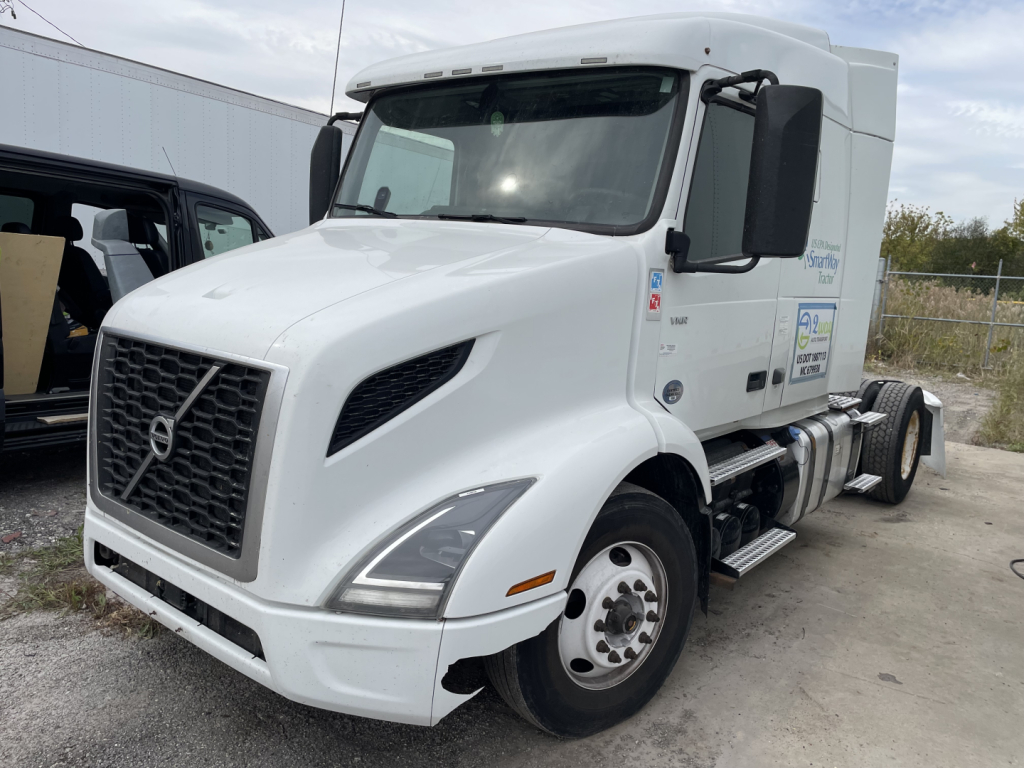
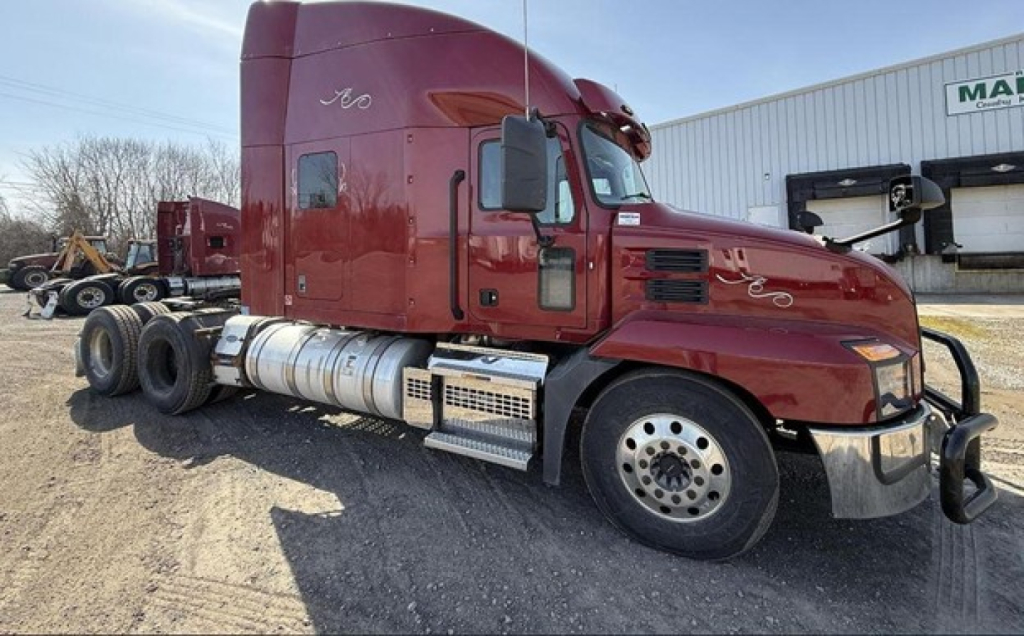
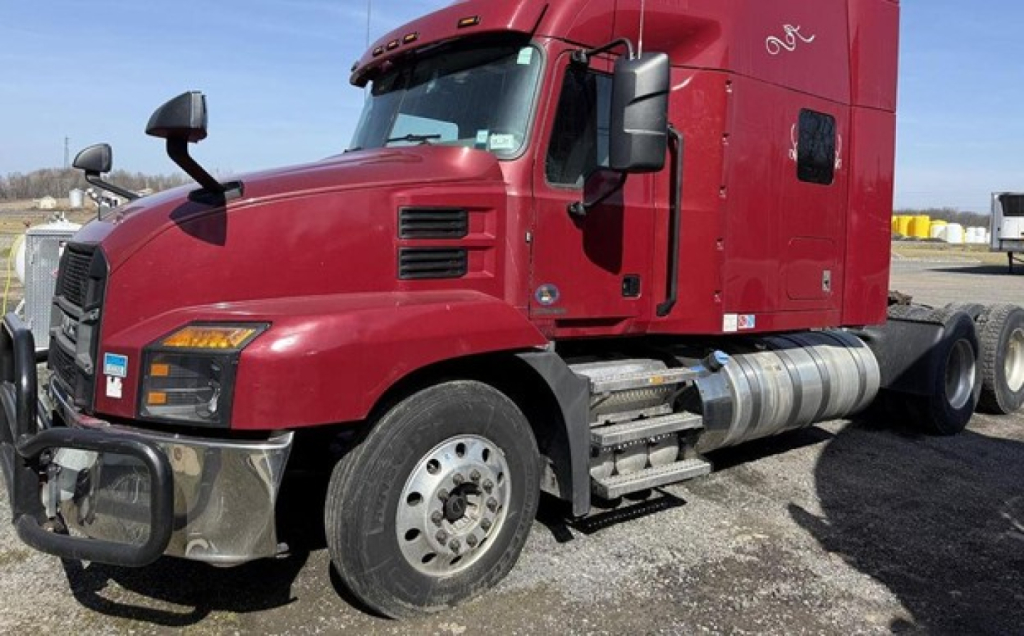
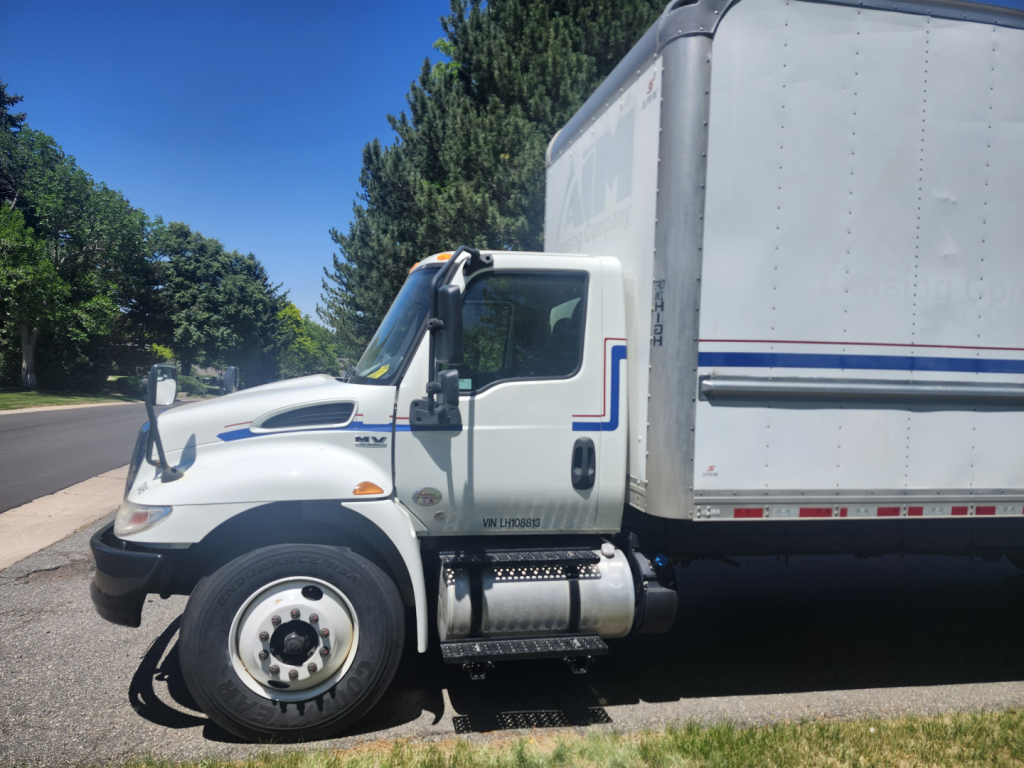
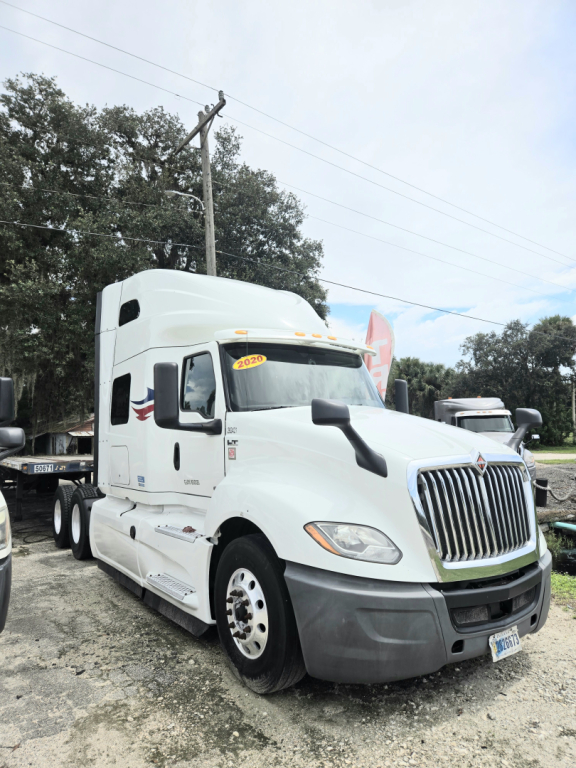

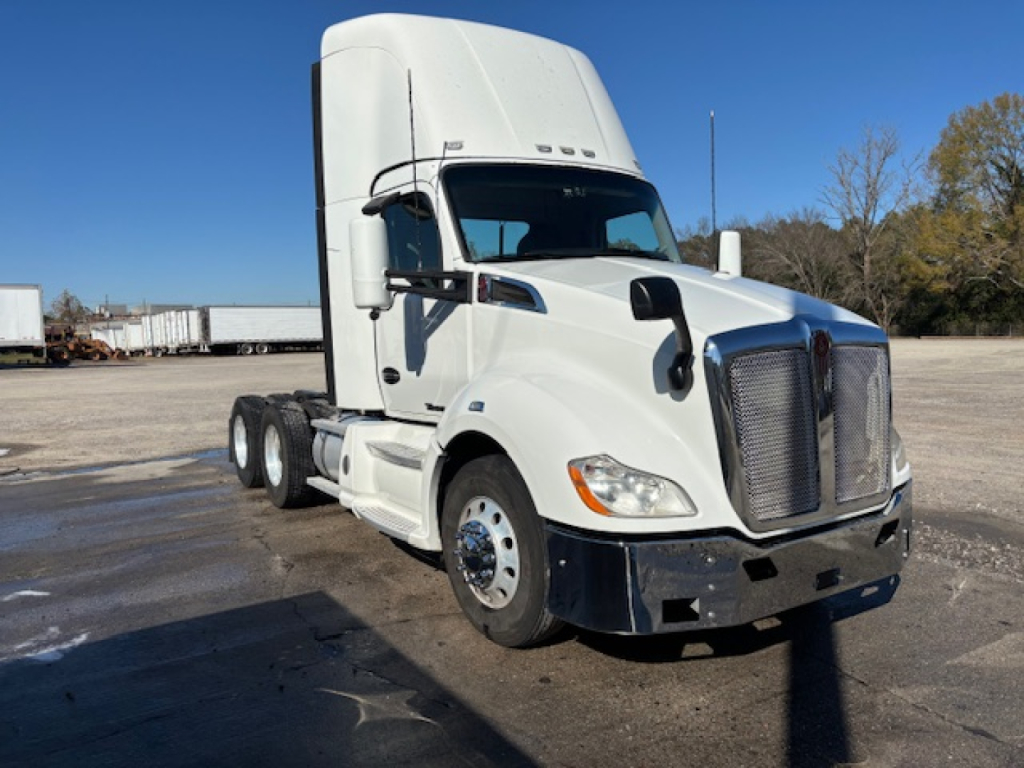
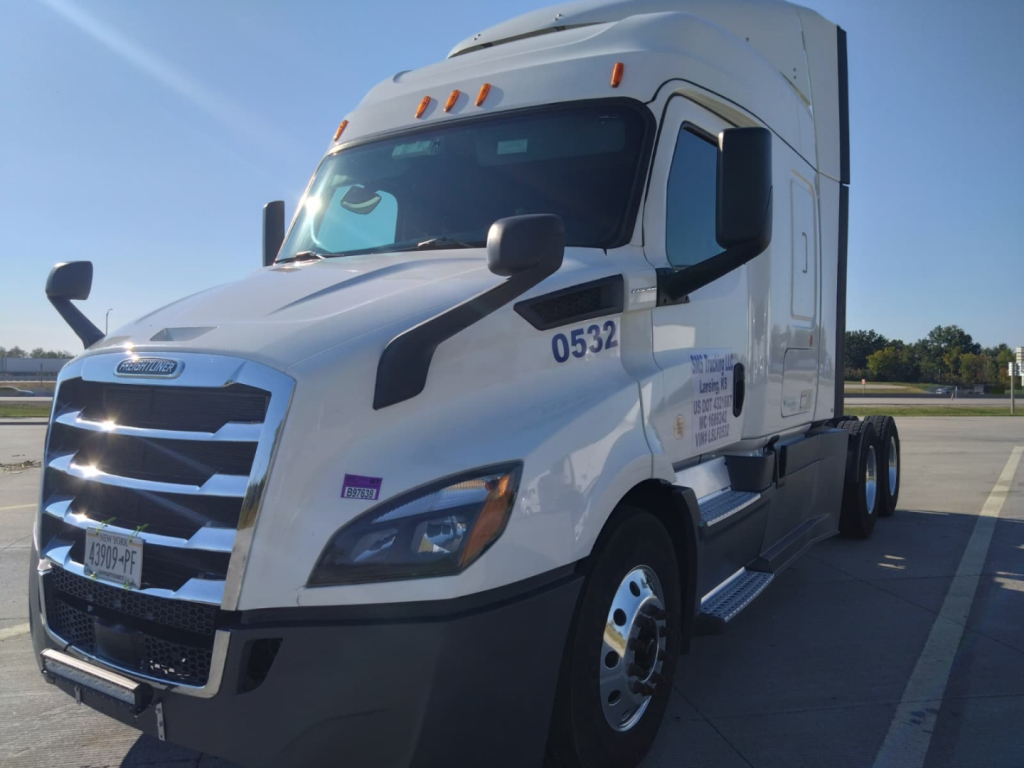
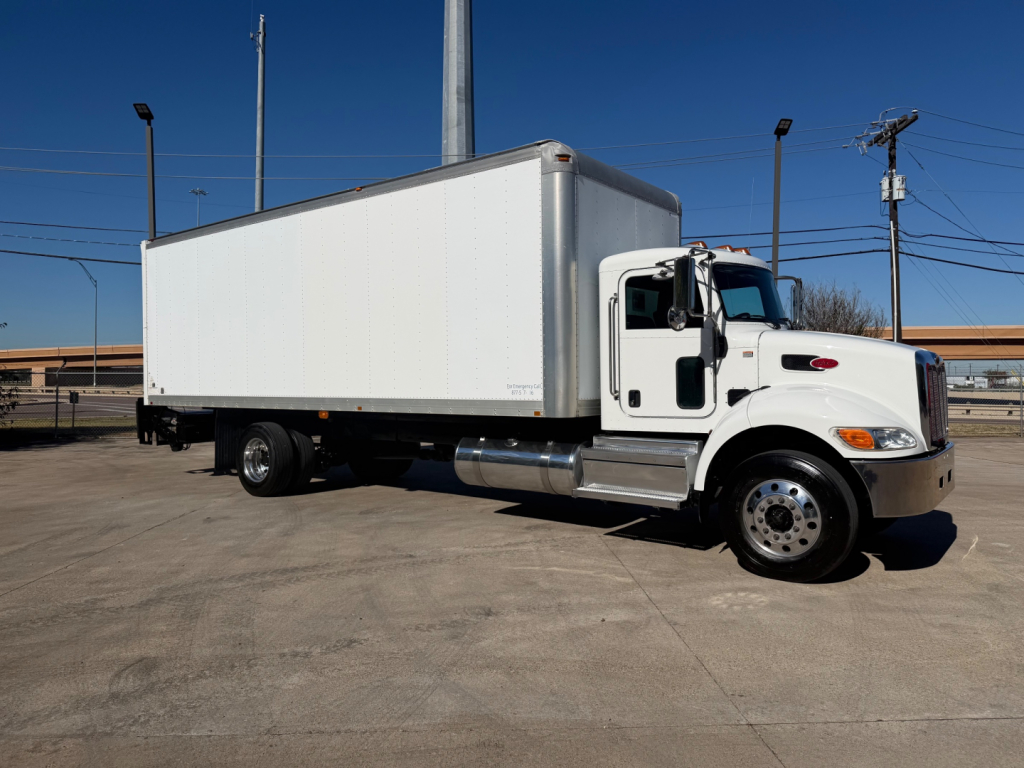
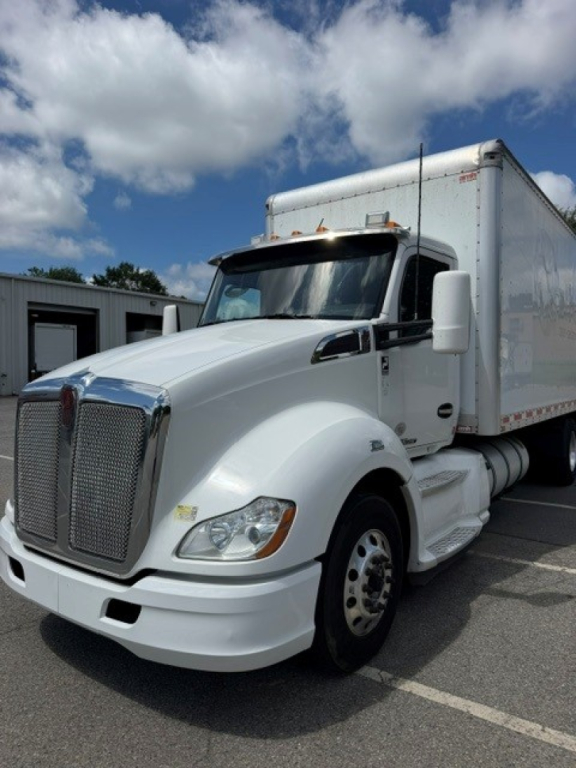
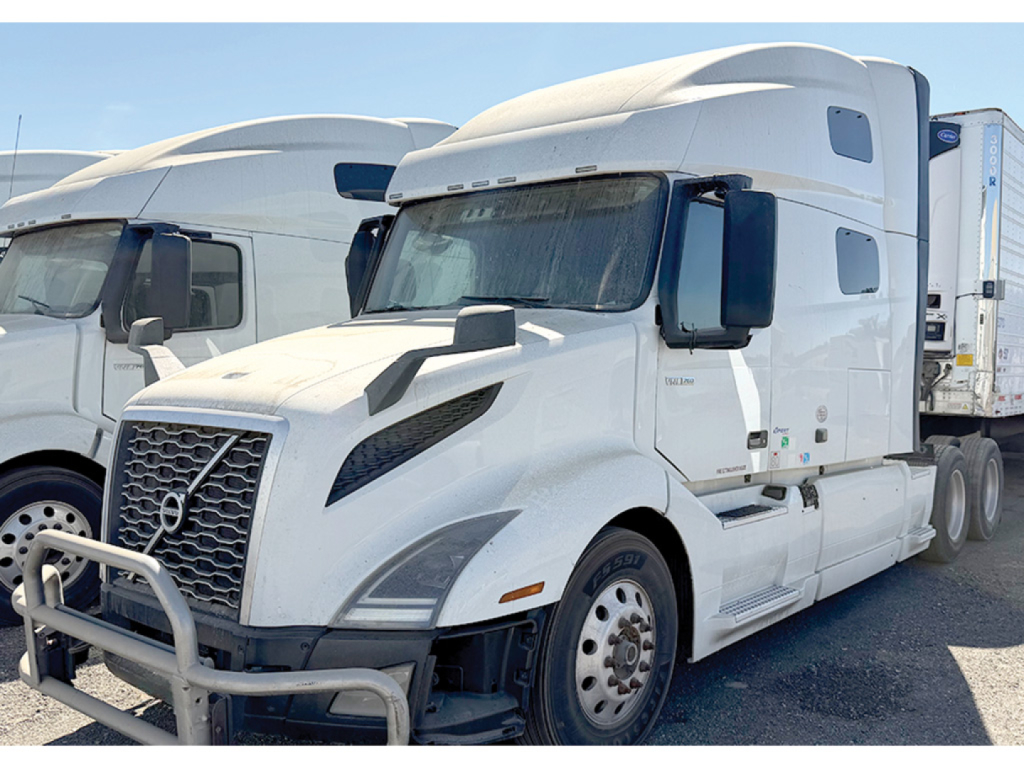
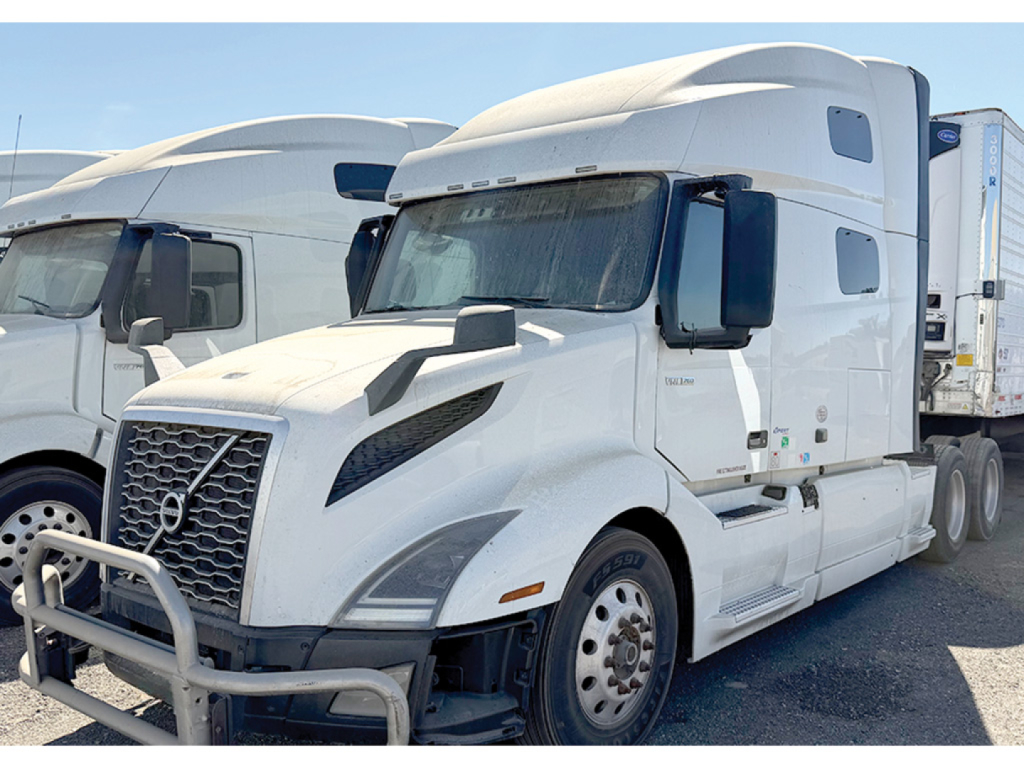
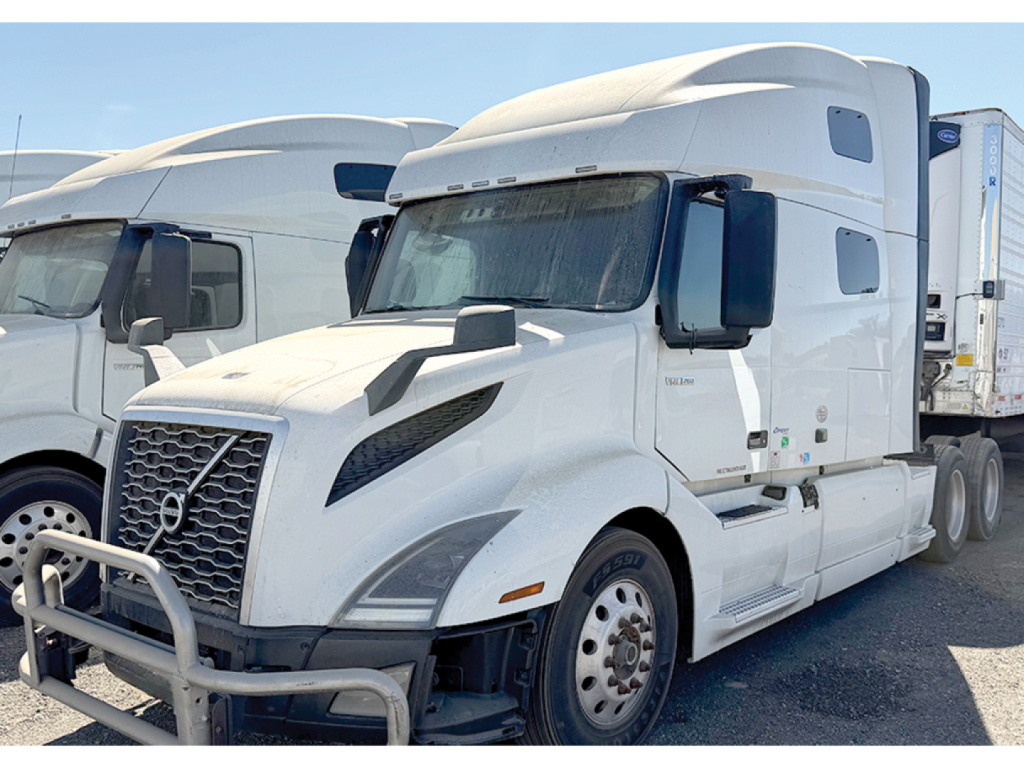
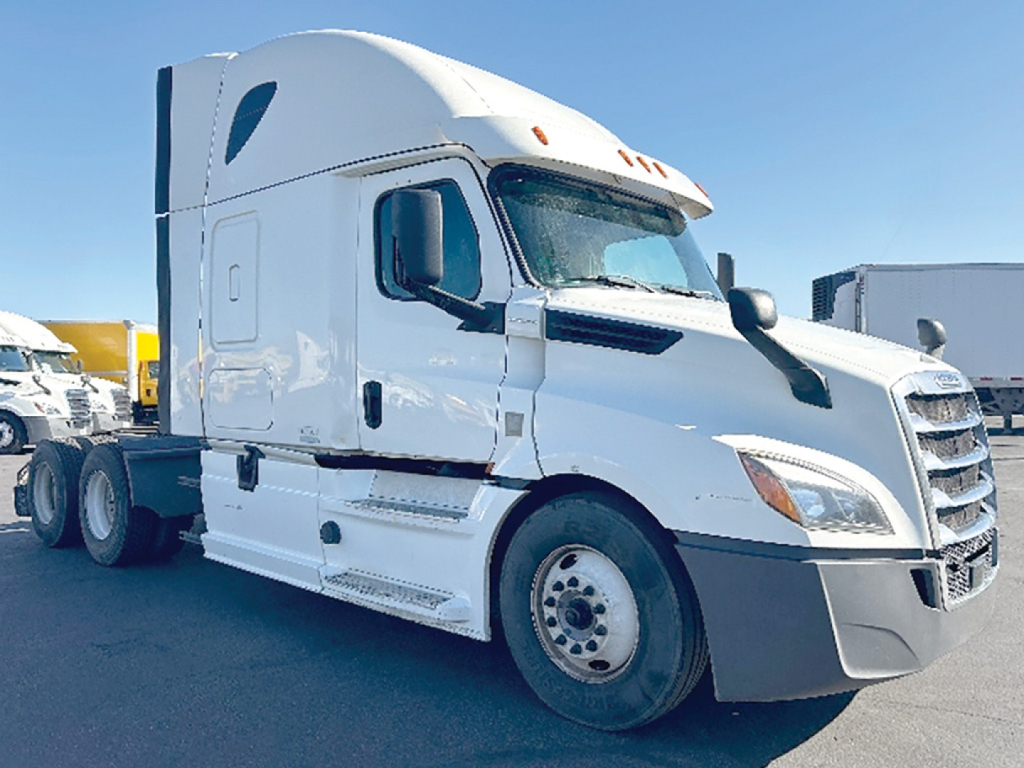
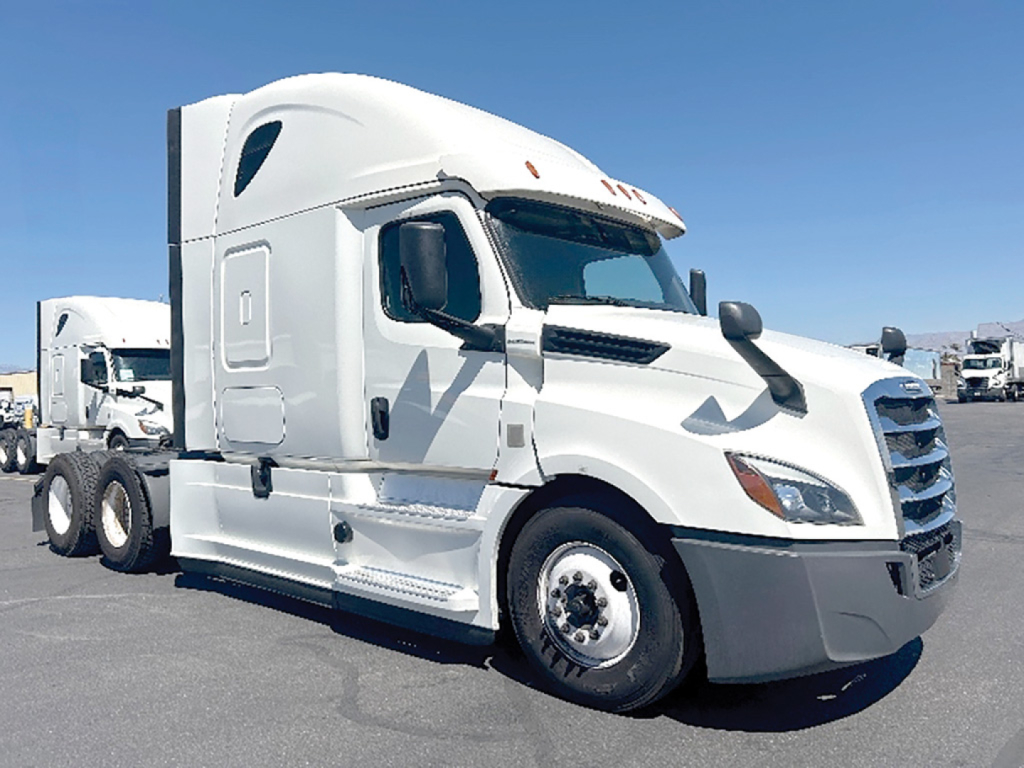
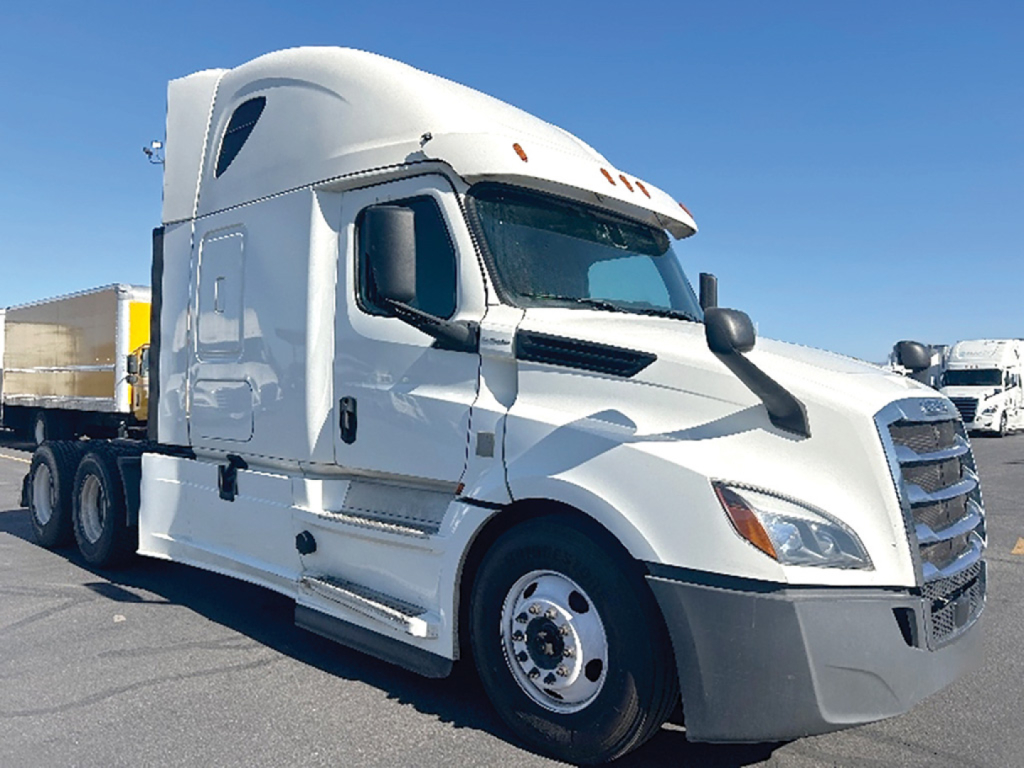
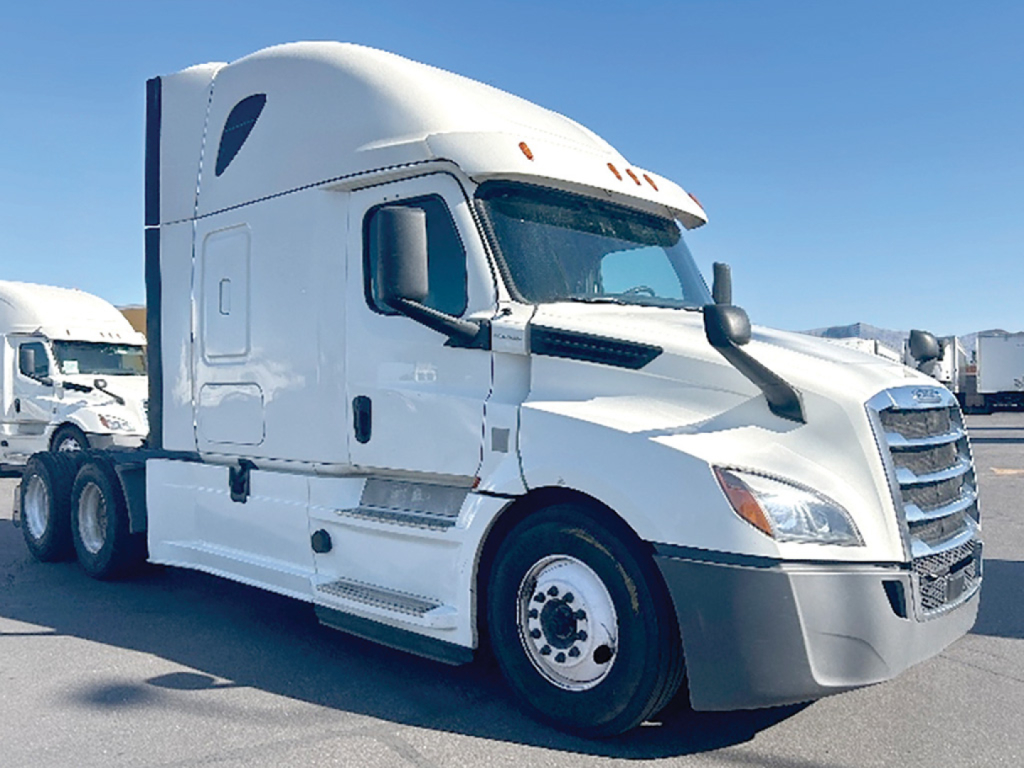
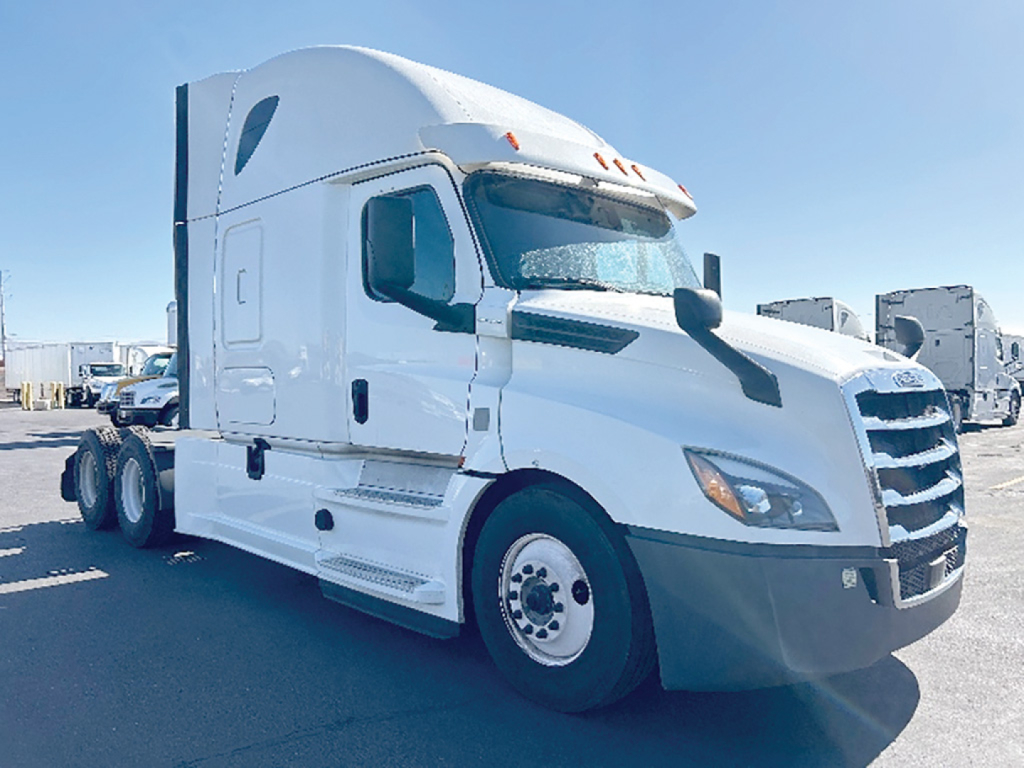
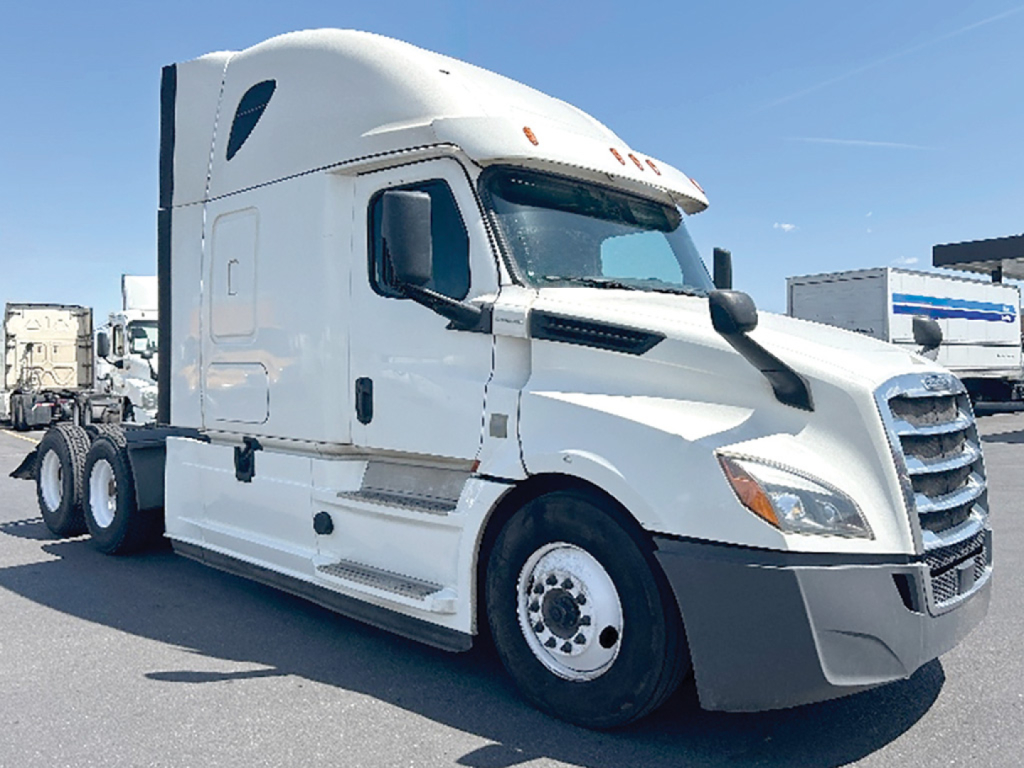
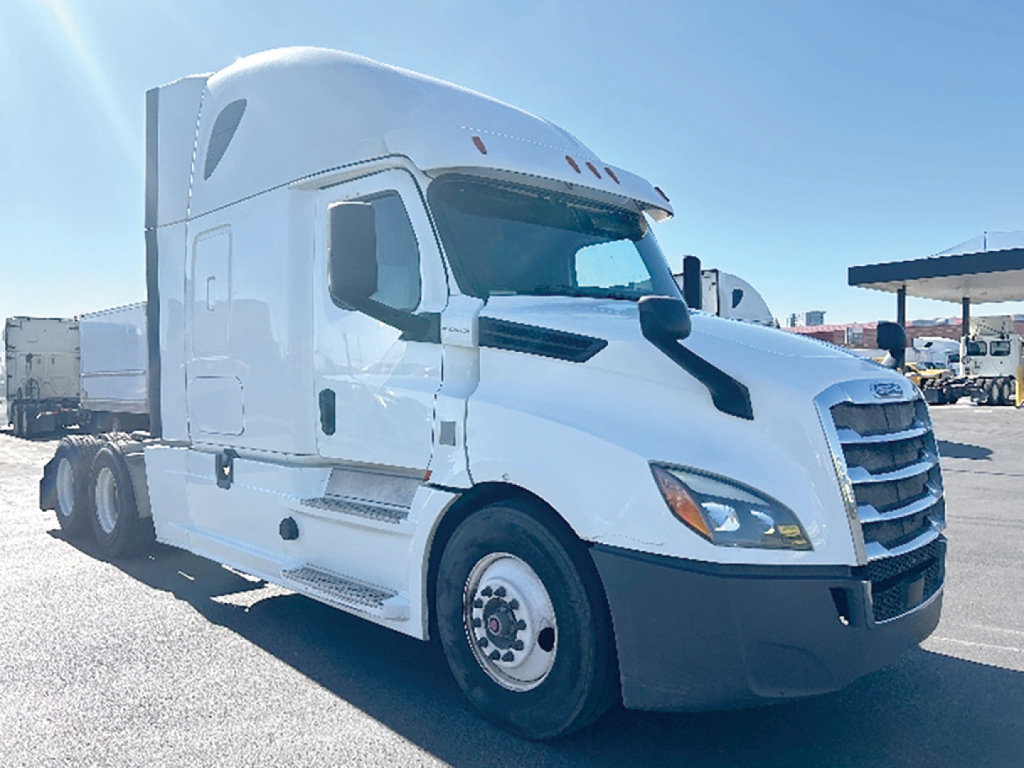
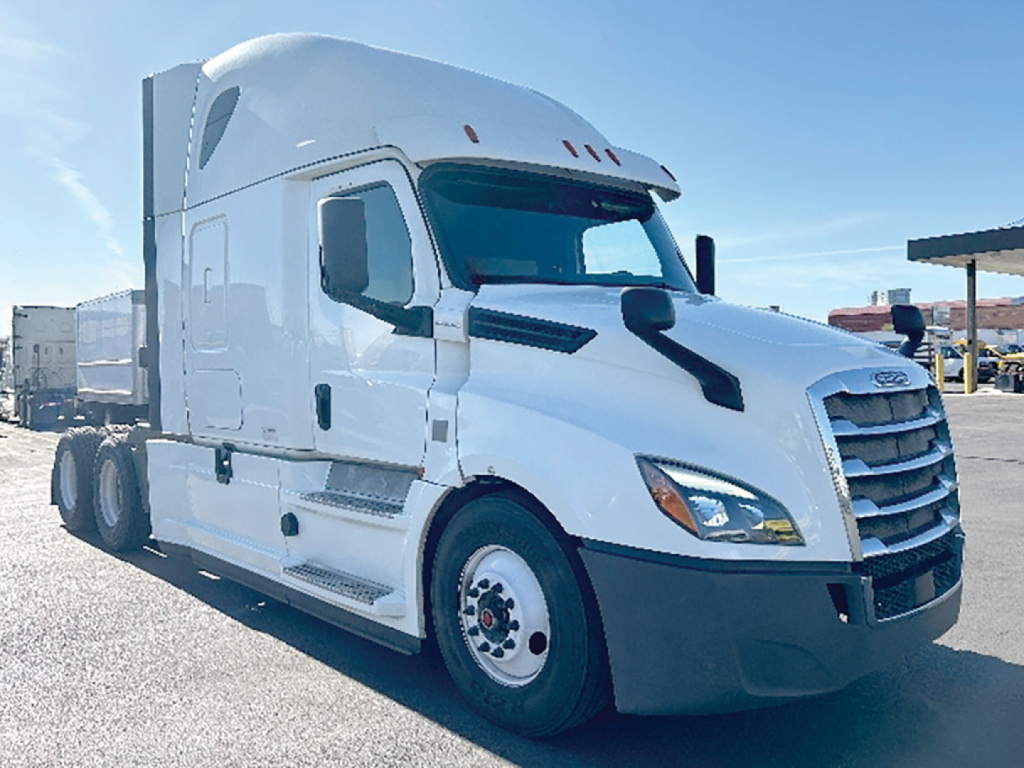
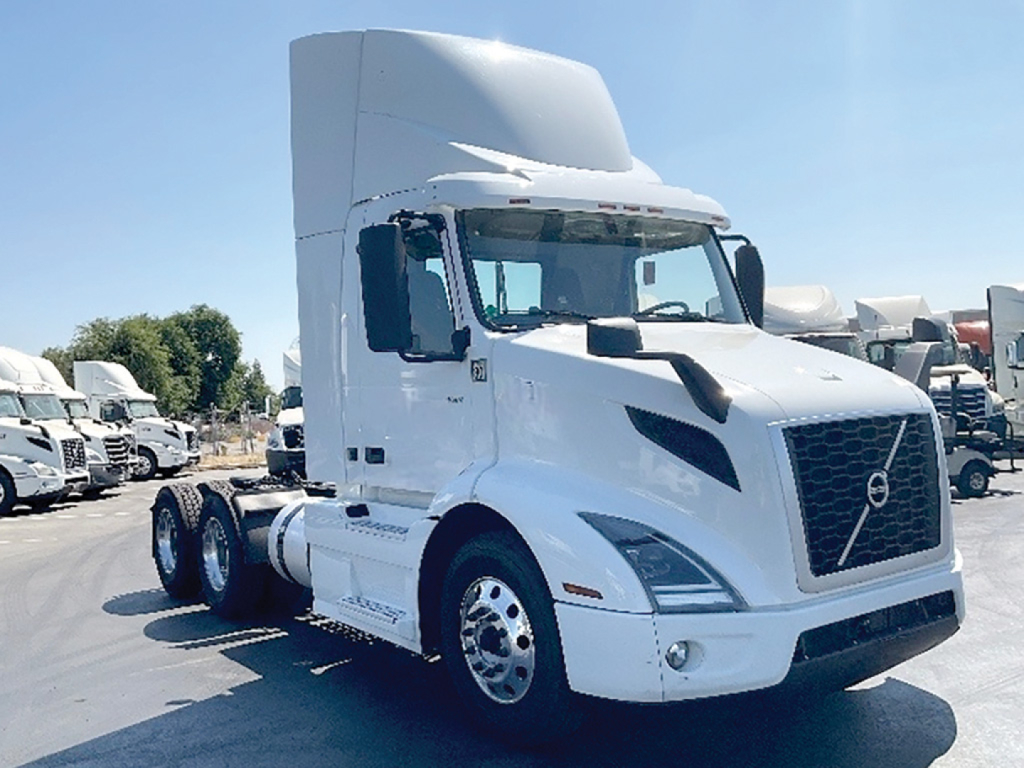
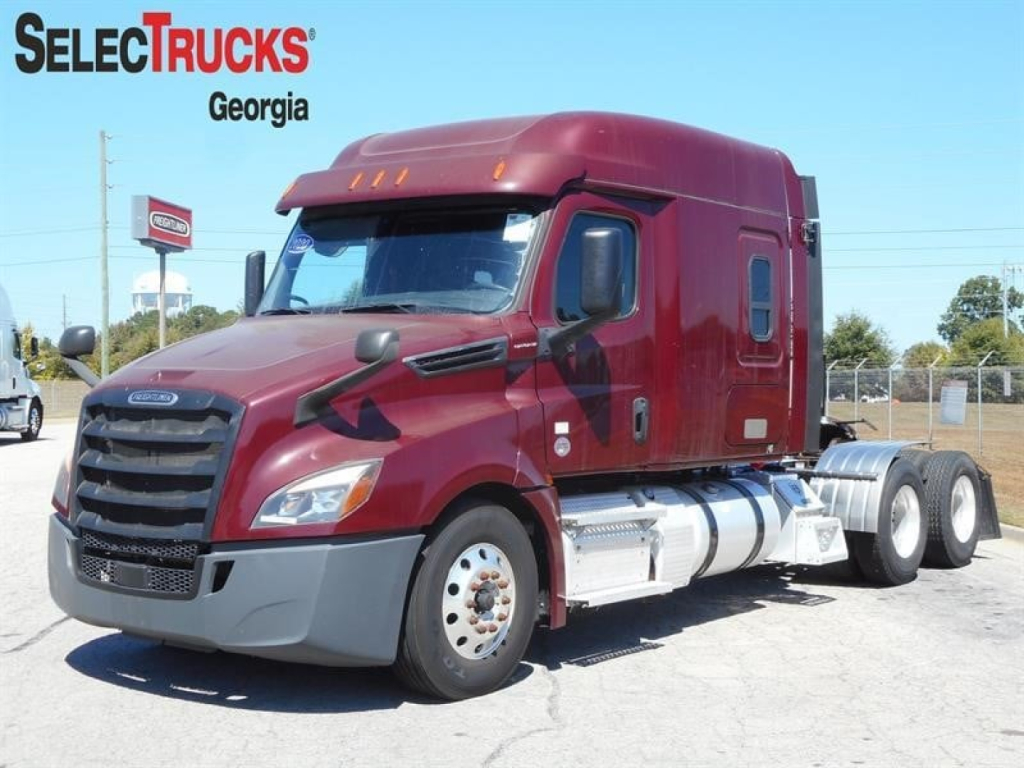
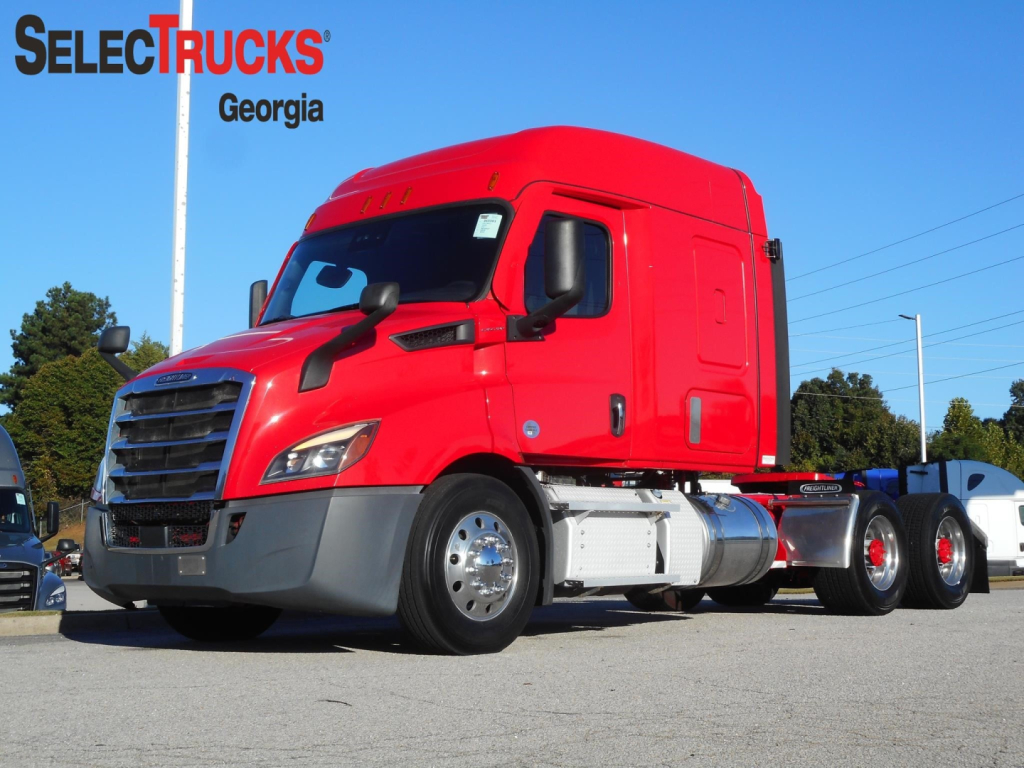
Showing 1 to 28 of 285 results
Selling a 2020 commercial truck? List your 2020 commercial truck for sale and reach thousands of commercial buyers.
2020 Commercial Trucks
Powertrain choice matters more than badge loyalty in this year range. Many 2020 trucks were spec'd with well-known engines such as the Cummins X15, Detroit DD13 or DD15, Paccar MX series, Volvo D13, or Mack MP series, paired with manual, automated manual, or full automatic transmissions depending on duty cycle. For linehaul use, look closely at horsepower, torque, rear axle ratio, wheelbase, and sleeper configuration, since those specs drive fuel economy, drivability, and payload balance. For vocational work, focus on front axle capacity, frame rail strength, suspension rating, PTO provisions, hydraulic setup, and body compatibility. A dump truck, wet kit tractor, or heavy-haul unit from 2020 may also carry valuable spec details such as lift axles, double frame construction, locking differentials, engine brakes, or high-capacity cooling.
Emissions and electronics deserve careful attention on any 2020 truck. These units typically use diesel particulate filters, DEF systems, and more integrated engine and aftertreatment controls than older trucks, so maintenance history has real value. A truck with documented DPF cleaning intervals, DEF system repairs, injector work, software updates, and fault code history is easier to evaluate than one with limited records. Buyers should also review idle hours versus road miles, especially on day cabs and vocational trucks that may spend long periods at PTO speed or on job sites. Driver-assist features such as collision mitigation, lane departure warning, adaptive cruise, and onboard telematics are more common in this year range and can add operating value if they are functioning properly.
The best 2020 truck is the one with the right remaining service life in the right configuration. Check axle ratings, fifth wheel setup, tire and brake condition, suspension type, and any signs of frame modification before comparing price alone. On sleepers, evaluate bunk layout, inverter provisions, and HVAC operation. On vocational trucks, inspect body mounts, hoists, pintle or tow packages, and hydraulic plumbing. For buyers comparing many listings, 2020 trucks often represent a strong balance of modern spec, financing appeal, and real-world usability across regional haul, over-the-road, construction, municipal, and specialized transport applications.
Frequently Asked Questions about 2020 Commercial Trucks
What makes a 2020 truck a strong used-buy year?
A 2020 truck gives buyers relatively modern equipment without stepping into the highest price tier. This model year commonly includes updated cab interiors, better aerodynamics, more advanced safety systems, and mature engine platforms that are still widely supported for parts and service. For many operations, that creates a useful balance between purchase cost, driver appeal, and remaining service life.
What should I check first on a 2020 used truck?
Start with the original application, engine and transmission spec, axle ratings, and maintenance records. After that, review miles, engine hours, idle hours, emissions service history, tire and brake life, and any open fault codes. On vocational trucks, verify PTO operation, hydraulic components, frame condition, and body installation quality. A good spec on paper can still be a poor fit if the truck was built for a different type of work.
Are 2020 trucks expensive to maintain because of emissions systems?
They can be if service has been deferred, but a well-maintained 2020 truck is usually manageable within normal modern diesel operating costs. The important items are DPF condition, DEF system health, sensor integrity, and documented repairs. Trucks with complete maintenance records and clean diagnostic history are generally lower-risk than units with missing records or repeated aftertreatment problems.
Is a 2020 day cab or sleeper better for resale and versatility?
That depends on the market and the freight. A sleeper typically offers broader long-haul appeal and can support over-the-road resale demand, while a day cab is often better suited for regional routes, local delivery, port work, dump applications, and dedicated lanes. Versatility comes from the full spec, not just the cab type, so wheelbase, axle spacing, fifth wheel position, and powertrain setup all matter.
How do I compare a 2020 vocational truck to a 2020 highway tractor?
Compare them by intended duty cycle rather than age alone. A highway tractor is usually optimized for fuel economy, ride quality, and sustained road speed. A vocational truck is typically built with heavier axle ratings, tougher suspension, stronger frame sections, PTO capability, and body-specific equipment. Two trucks from 2020 can have very different total value depending on whether you need payload, maneuverability, low-speed durability, or highway efficiency.