
2020 Landscape Trucks For Sale
Compare 2020 landscape trucks for sale by legal payload, dump body construction, engine choice, and chassis condition before hauling mulch or equipment.
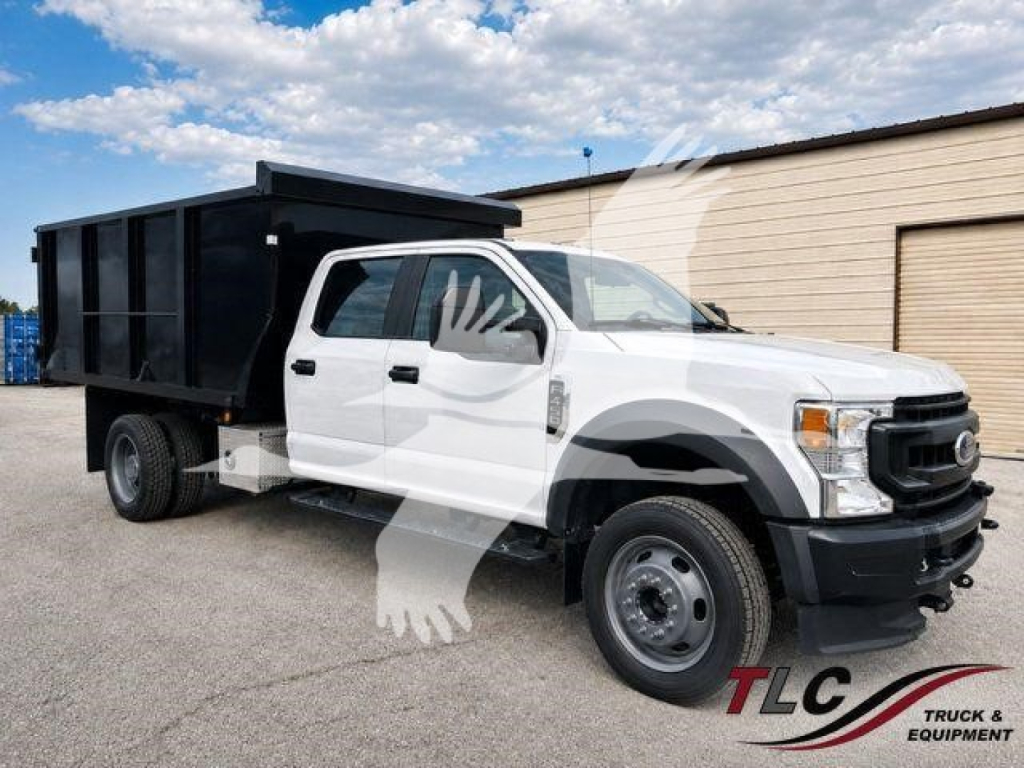
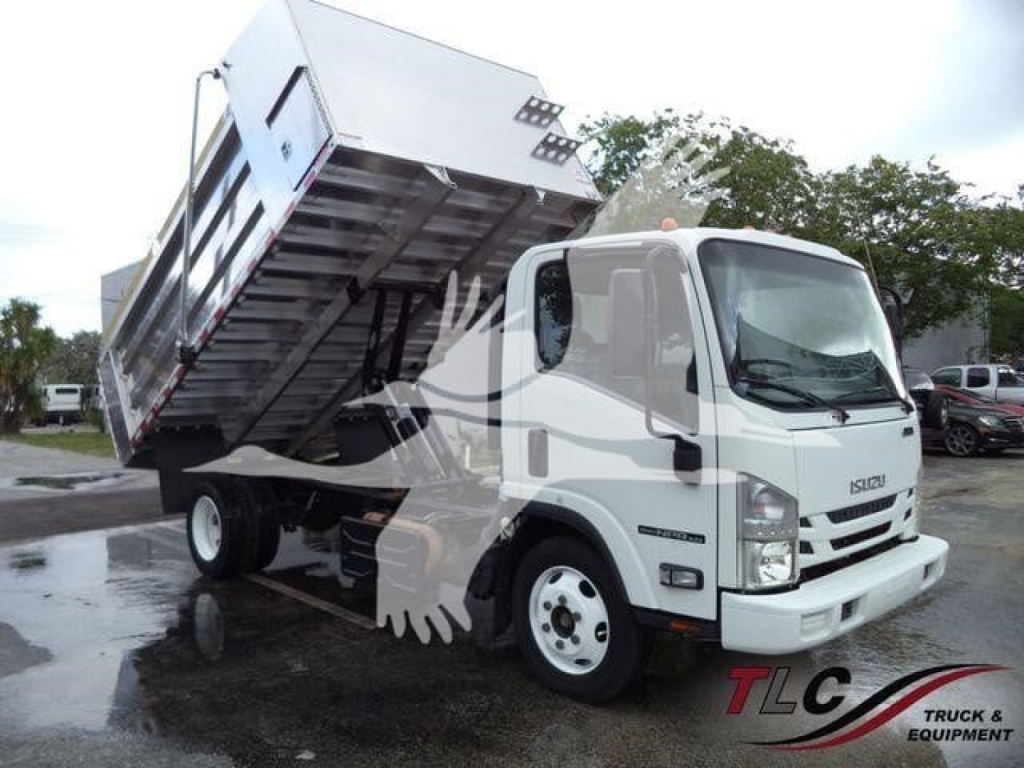
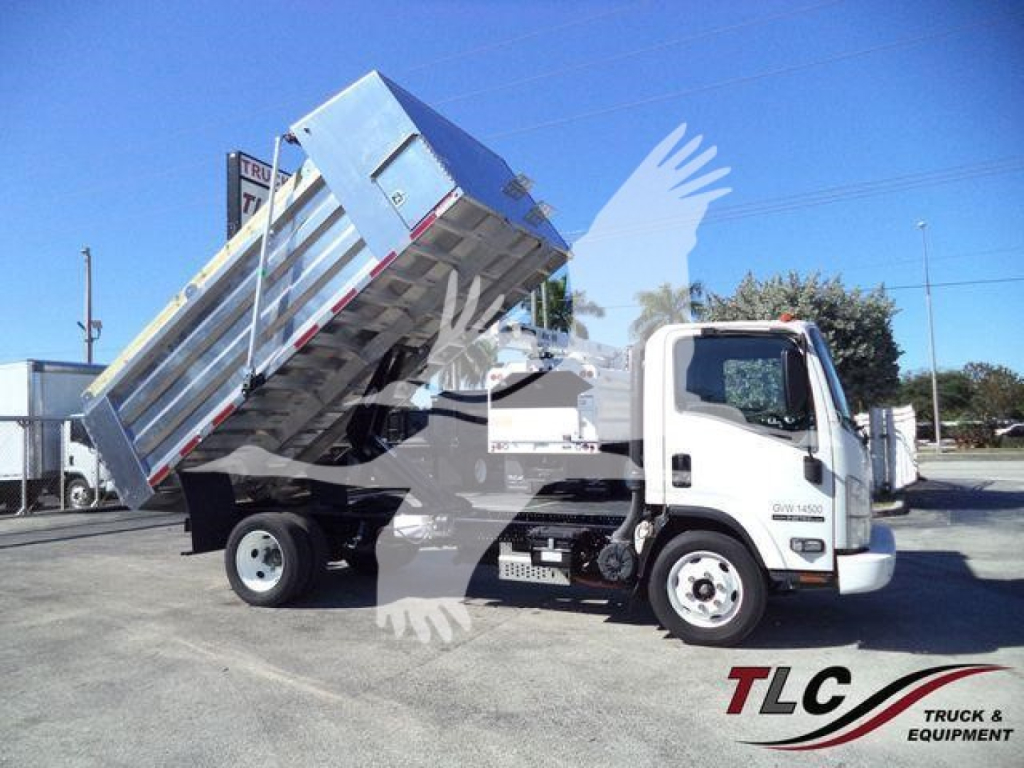
Selling a 2020 landscape truck? List your 2020 landscape truck for sale and reach thousands of commercial buyers.
2020 Landscape Trucks
Conventional chassis from Ford and Ram offer familiar service access and crew-cab choices, while Isuzu N-Series and Hino cabovers suit tight residential streets and compact yards. Verify the exact chassis badge and certification label rather than relying on the body description. For 2020, Ford introduced the 7.3L gasoline V8 in Super Duty trucks; Isuzu NPR-HD configurations included 6.0L gasoline and 5.2L diesel engines. A diesel's DPF and SCR/DEF system adds inspection requirements that a gasoline chassis avoids.
A landscape dump body needs more than a clean floor. Inspect the subframe mounts, crossmembers, hinge pins, hoist attachments, rear gate latches, and hydraulic cylinder for cracks, wear, or leakage. Cycle an electric-over-hydraulic hoist through its travel and test battery condition, cables, and charging output. Aluminum saves weight but still needs scrutiny for cracked welds and damage around steel mounting hardware. Steel floors and lower sidewalls deserve close inspection for rust and thinning, especially where wet debris has remained against the body.
On a 2020 chassis, mileage alone can miss years of idle time and seasonal work. Compare available ECM hours and fault history with maintenance records, and examine transmission operation, cooling performance, brake wear, steering play, and tire date codes. Diesel regeneration history matters on short-route mowing and cleanup work. A newly fitted body does not make a used chassis new. For a never-titled truck, confirm the chassis warranty start date, separate body warranty, and storage-related deterioration before treating the truck as new.
Road salt across northern U.S. states and Canadian provinces warrants inspection of brake lines, spring hangers, frame rails, and electrical connectors. In hot climates, test cooling and air conditioning under working conditions rather than at idle alone. Confirm state or provincial axle limits, licensed weight, and trailer requirements for the intended route. A rear hitch needs documented ratings and compatible trailer brakes; truck payload, tongue weight, rear axle load, and GCWR must all support the planned mower or equipment trailer.
Frequently Asked Questions about 2020 Landscape Trucks
Do I need a CDL for a 2020 landscape truck pulling an equipment trailer?
A U.S. Class A CDL generally is required when a landscape truck combination reaches a rated or actual combined weight of 26,001 pounds or more and the trailer exceeds 10,000 pounds rated or actual weight. A truck below 26,001 pounds can therefore require a CDL once a trailer is attached. Class B generally covers a truck at or above 26,001 pounds with a trailer not exceeding 10,000 pounds. Canadian licensing thresholds and air-brake qualifications vary by province.
Can a 2020 diesel landscape truck operate in California?
An unmodified 2020 diesel landscape truck with its original engine generally meets the California Truck and Bus Regulation's 2010-or-newer engine requirement, but engine age is not the only compliance issue. Verify the engine label and confirm that emissions equipment remains intact. California Clean Truck Check requirements can also apply to diesel trucks over 14,000 pounds GVWR, including qualifying trucks registered outside California. Confirm applicable reporting and testing obligations with CARB before operating.
Is gas or diesel better for a 2020 landscaping truck?
A gasoline-powered 2020 landscaping truck is often the simpler fit for short, stop-and-start mowing routes because it has no diesel particulate filter to regenerate. Diesel suits sustained loaded operation and higher annual utilization, provided maintenance records support the emissions system's condition. Compare expected engine hours, service capability, and the drivetrain's rated towing capacity rather than choosing diesel solely for torque.
Can I load a zero-turn mower into a landscape dump body?
A landscape dump body can carry a zero-turn mower only when the loading system is rated for the mower and provides a safe approach angle. Verify ramp capacity, attachment points, usable width, mower ground clearance, and designated tie-down locations. A rear gate is not automatically a loading ramp. Check the combined weight of the mower, attachments, crew, and supplies against the 2020 truck's remaining payload and axle capacity.
Does federal excise tax apply to a new 2020 landscape truck or replacement body?
Truck chassis and bodies suitable for vehicles with a GVWR of 33,000 pounds or less are generally exempt from the 12% U.S. federal excise tax. Qualifying heavier new landscape trucks can be taxable. A replacement body on a used 2020 chassis does not automatically make the entire truck taxable as new, although substantial rebuilding can change the treatment. Obtain the tax classification and separate chassis and body warranty terms in writing.