
2020 Commercial Trucks For Sale in Florida
Browse 2020 trucks for sale in Florida, including day cabs, sleepers, tow trucks, and medium-duty work trucks with diesel power.
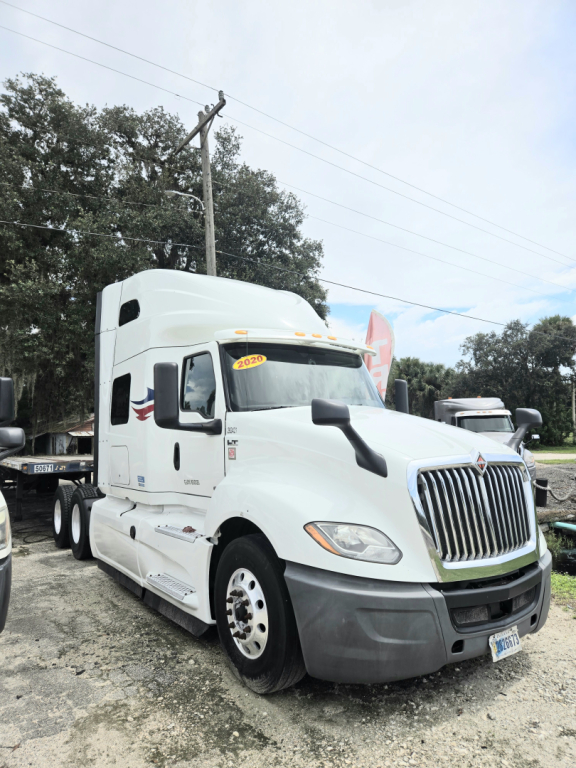
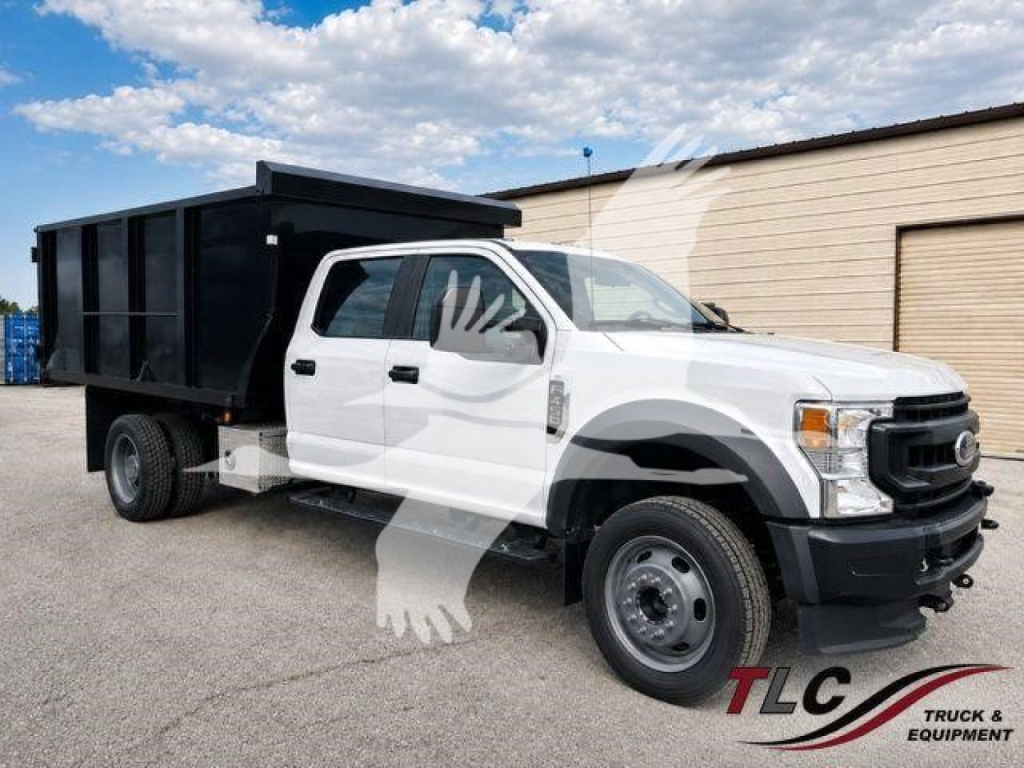
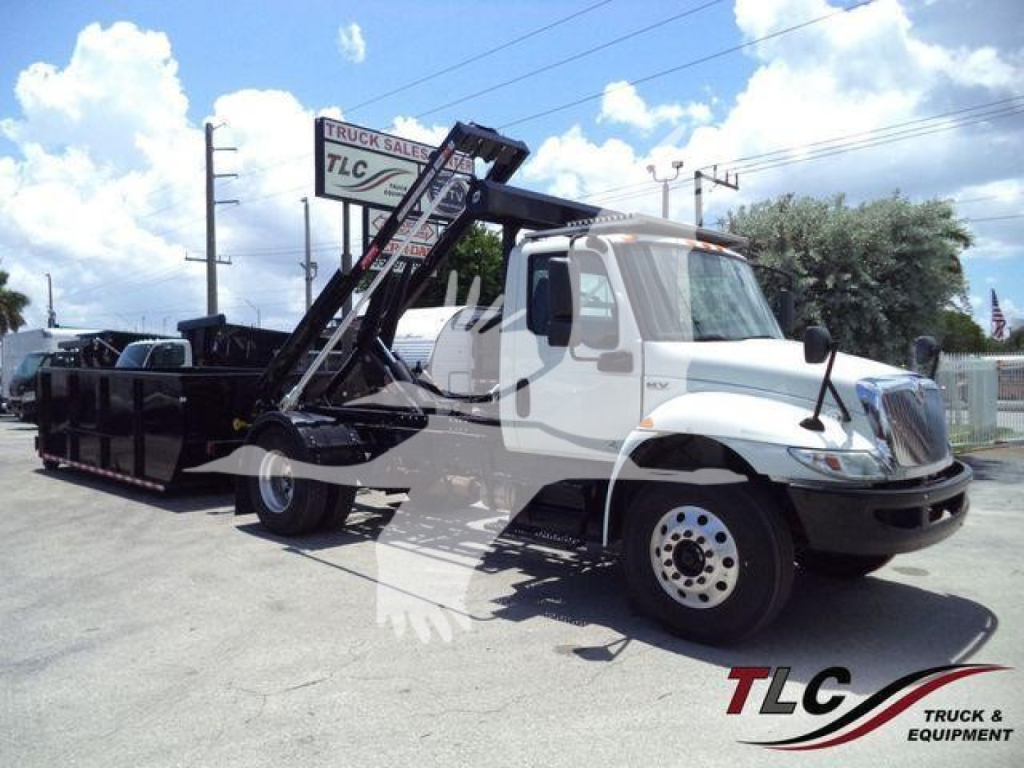
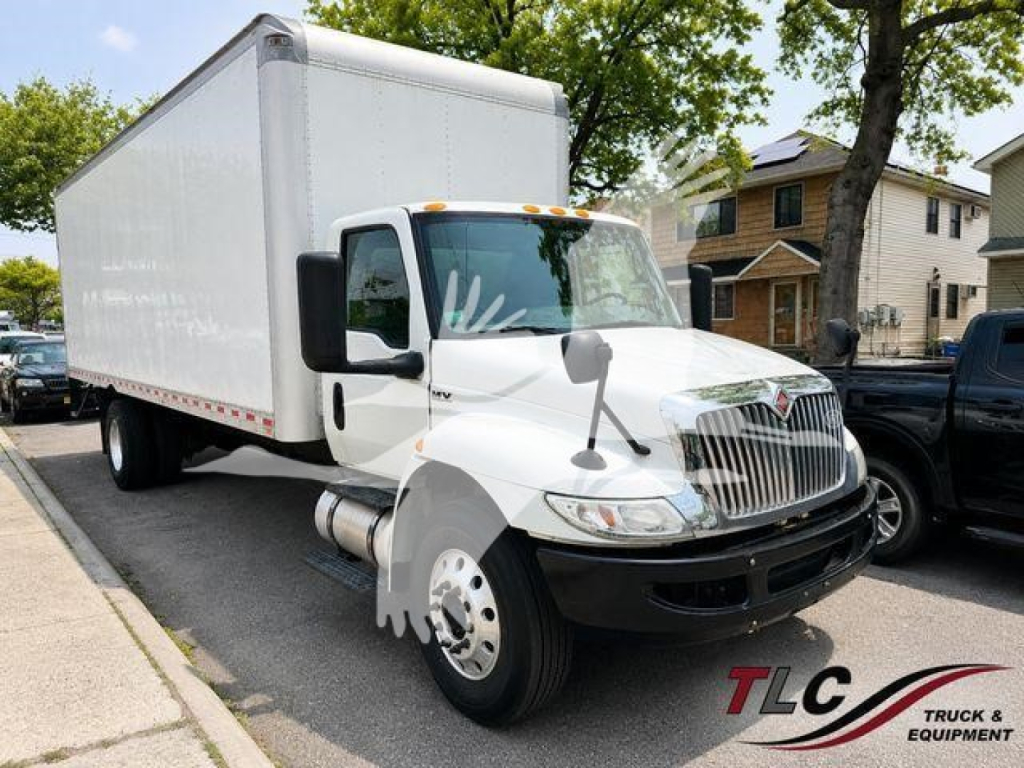
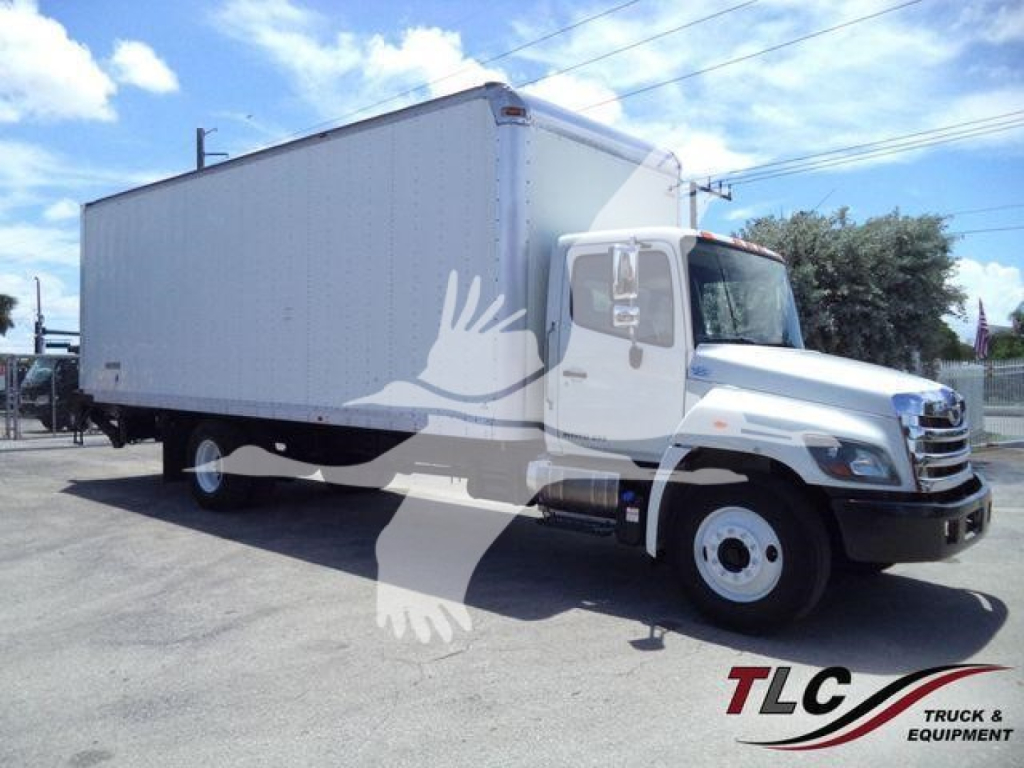
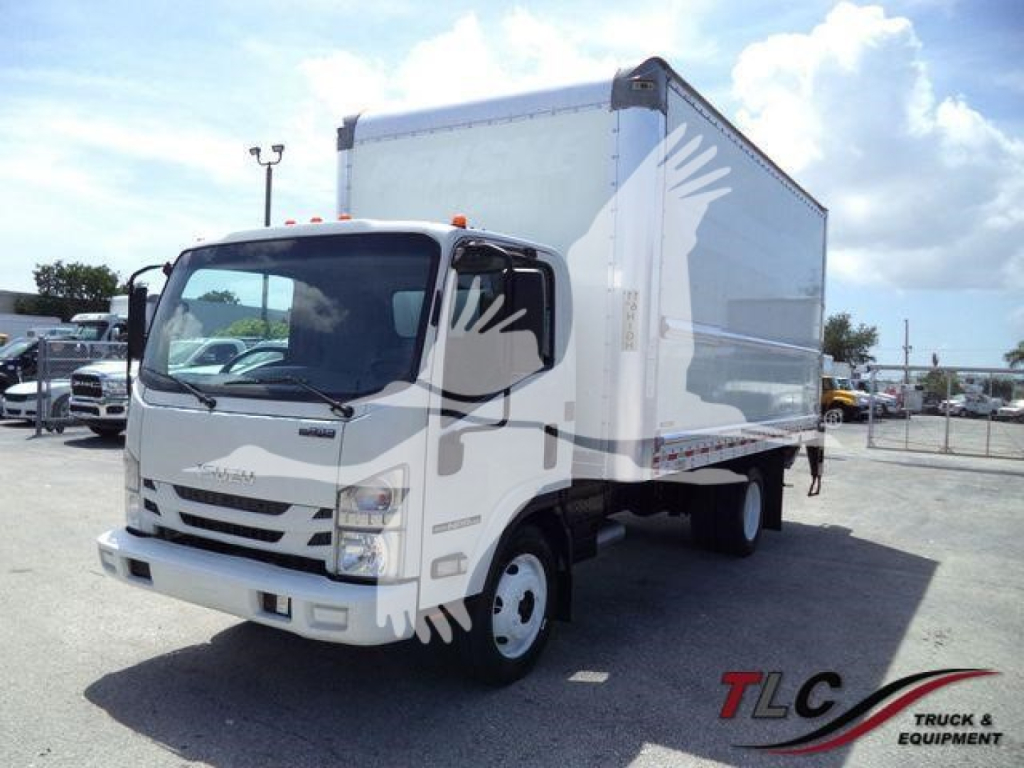
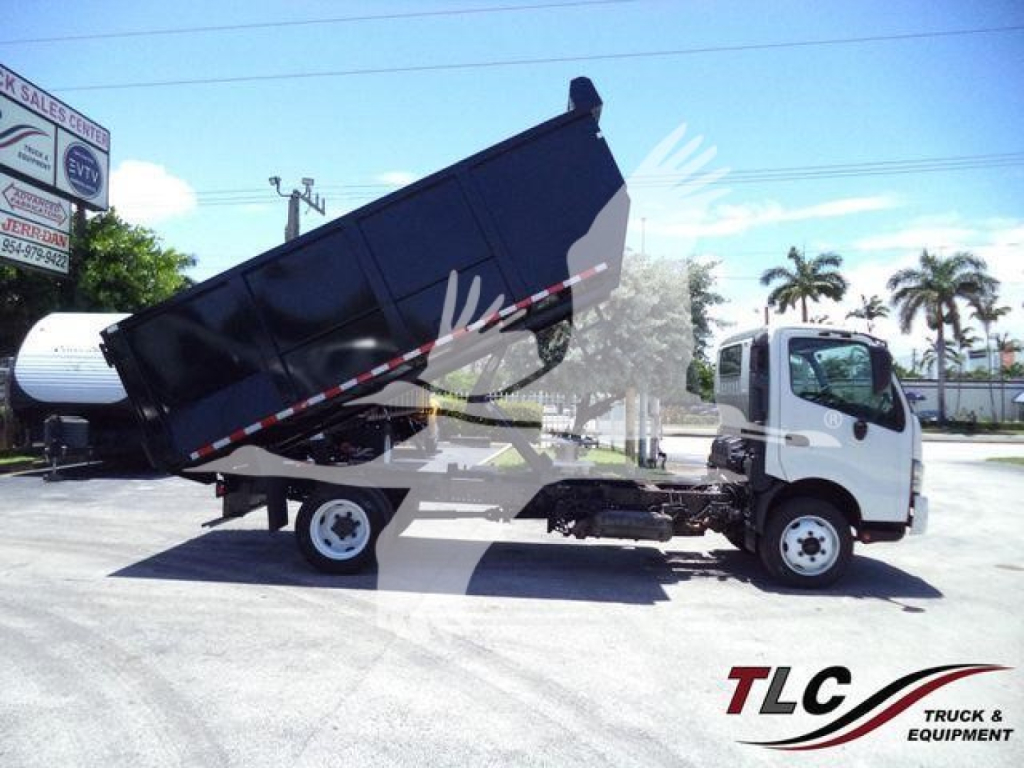
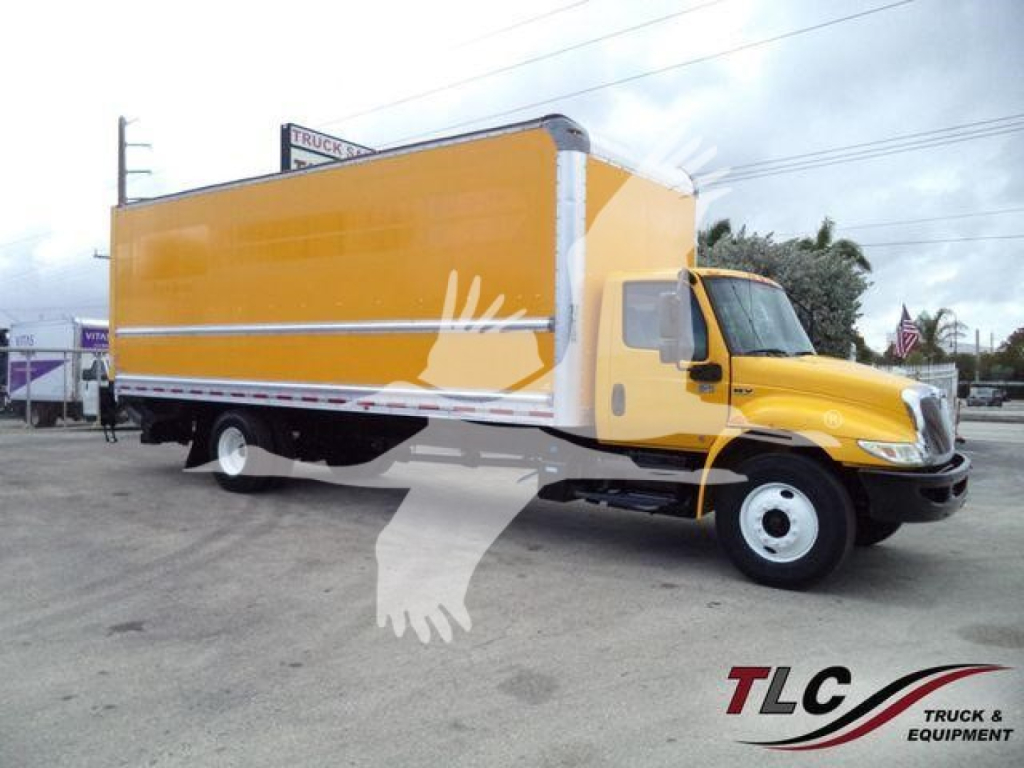
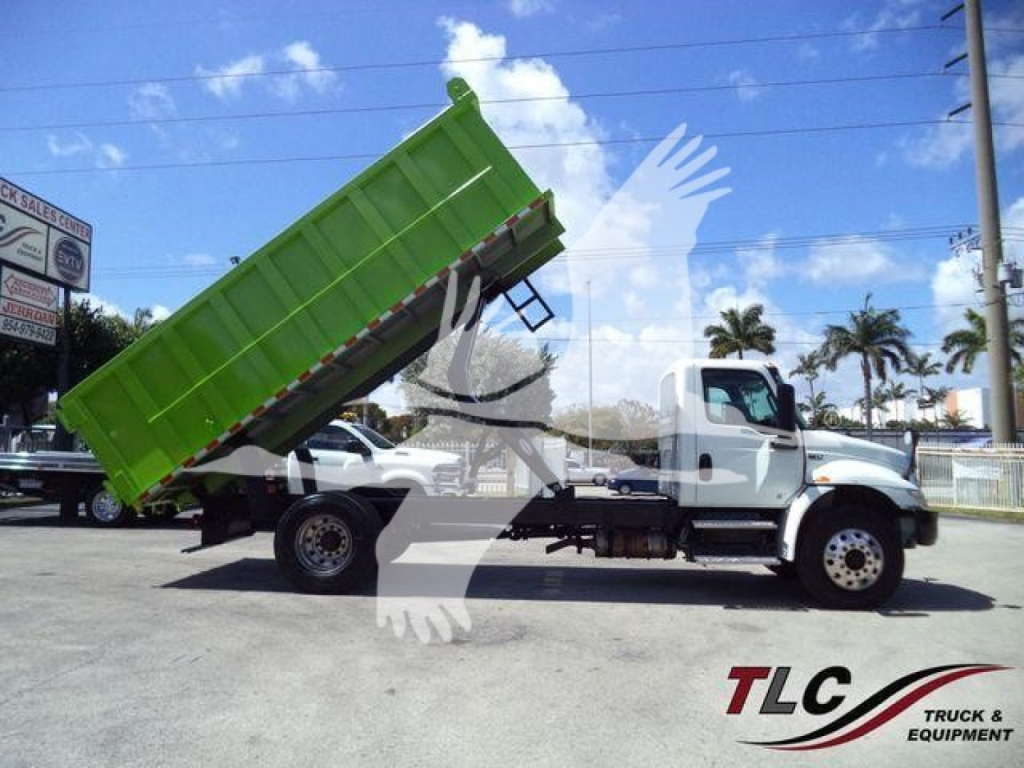
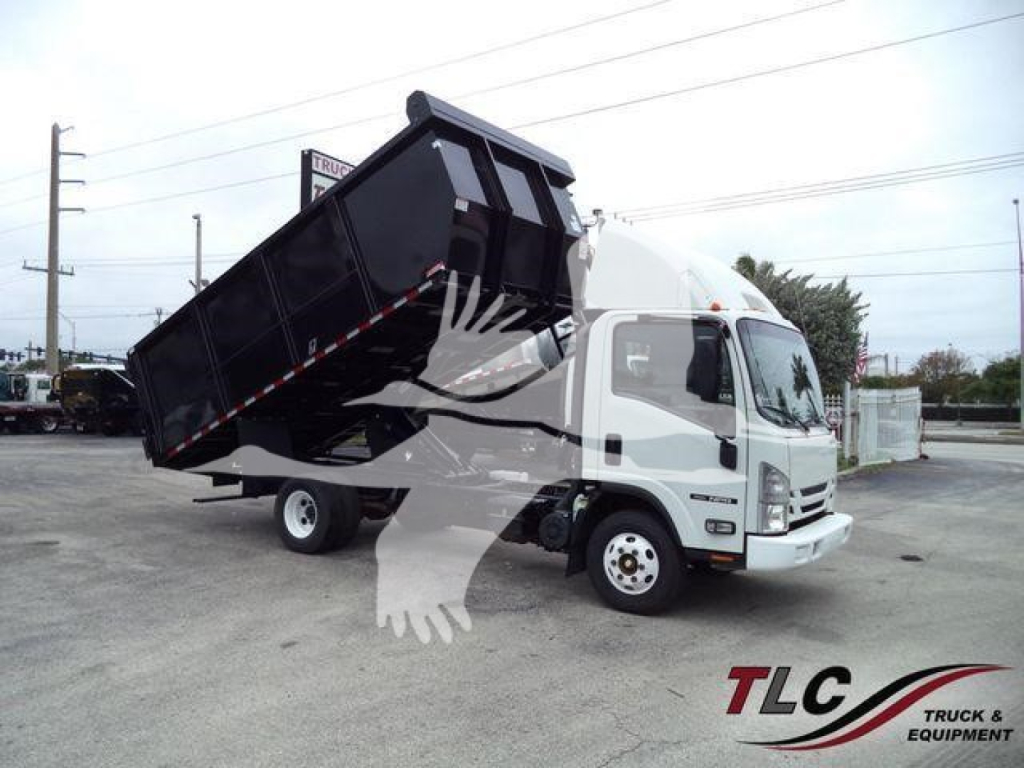
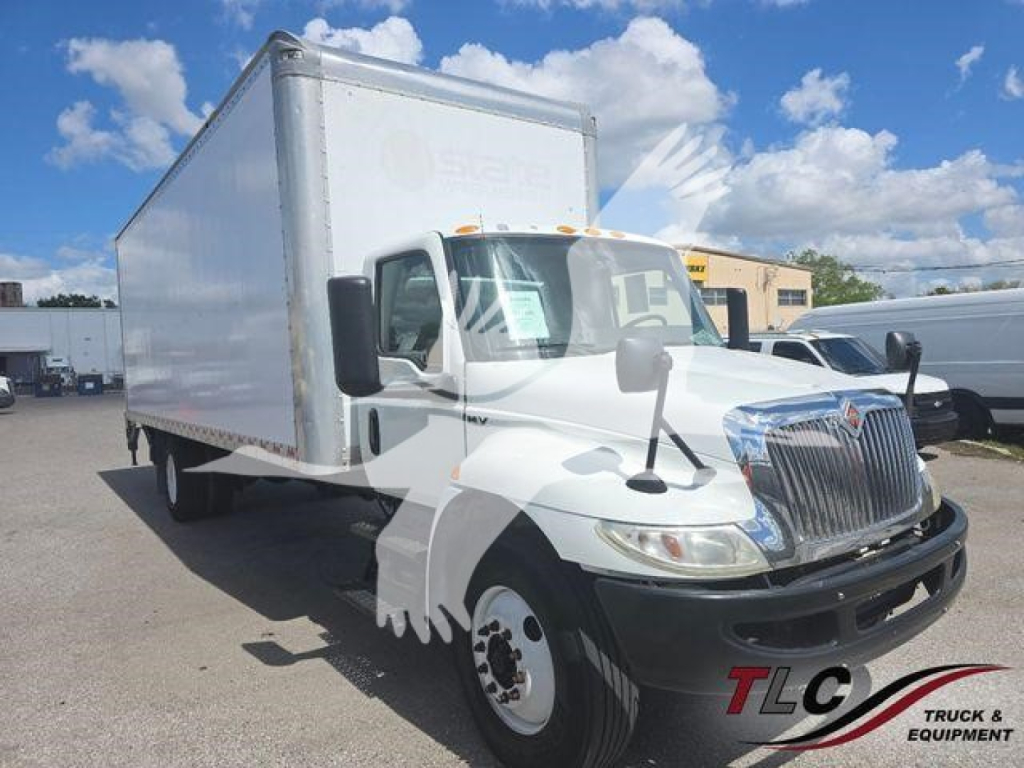
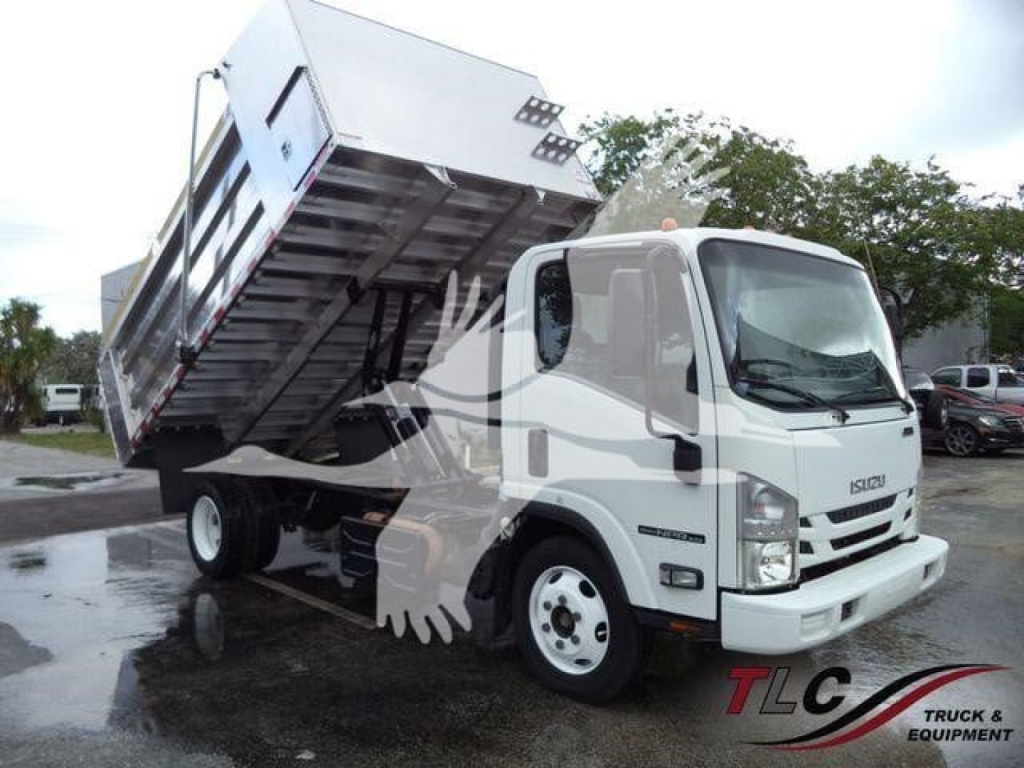
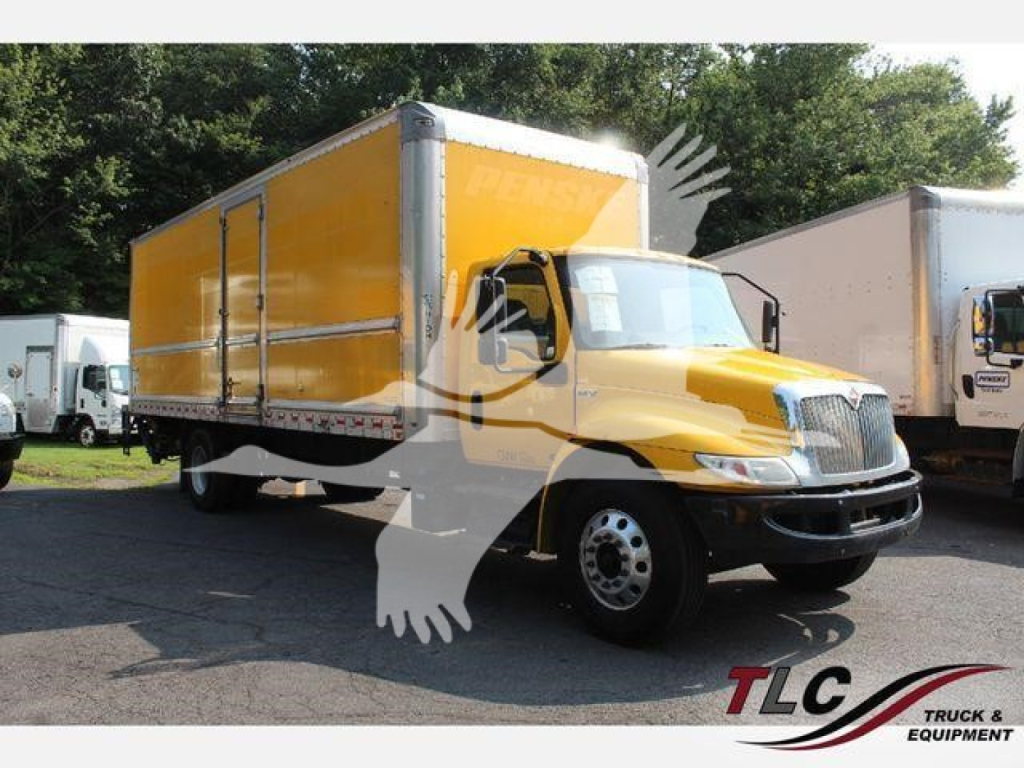
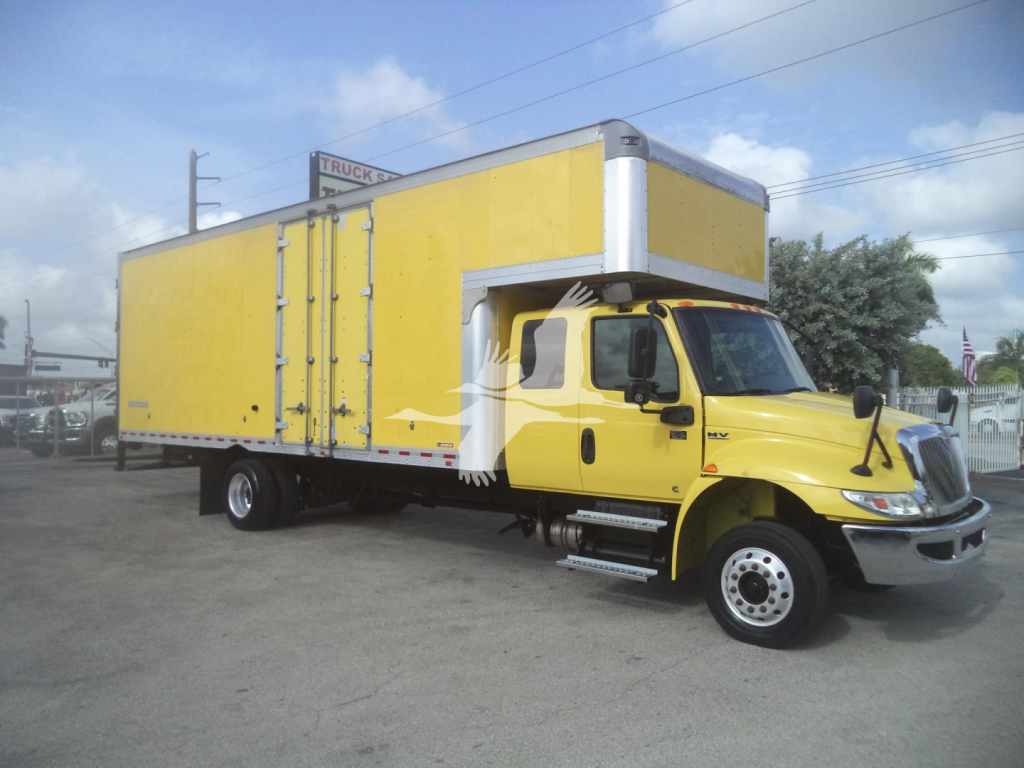
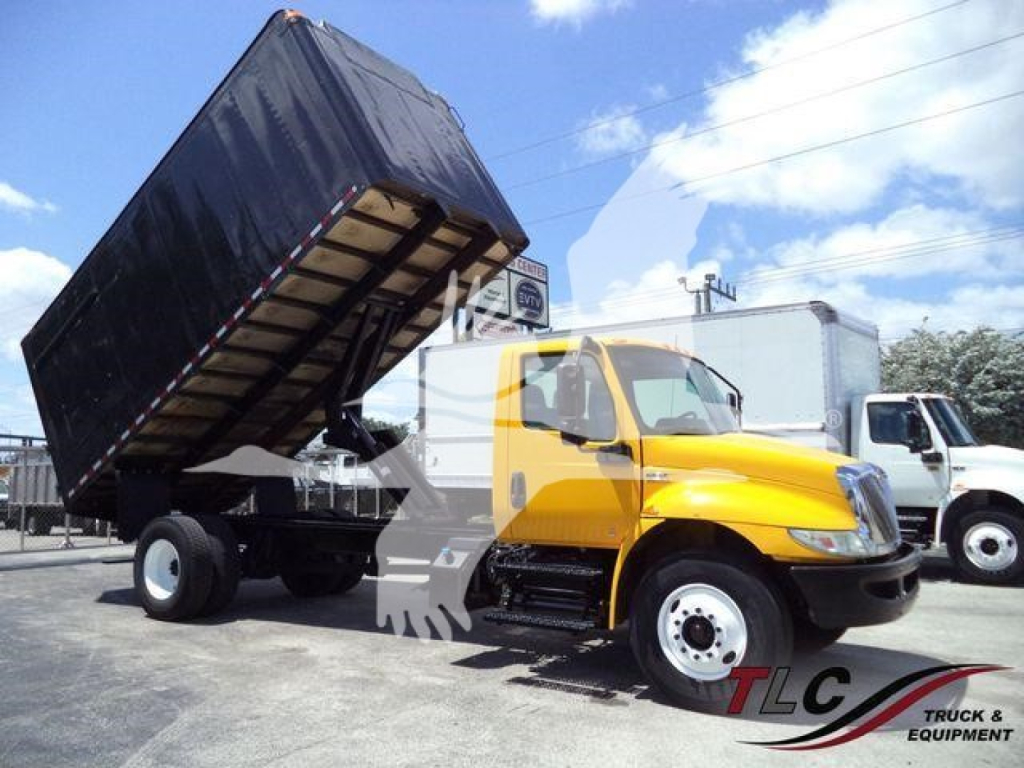
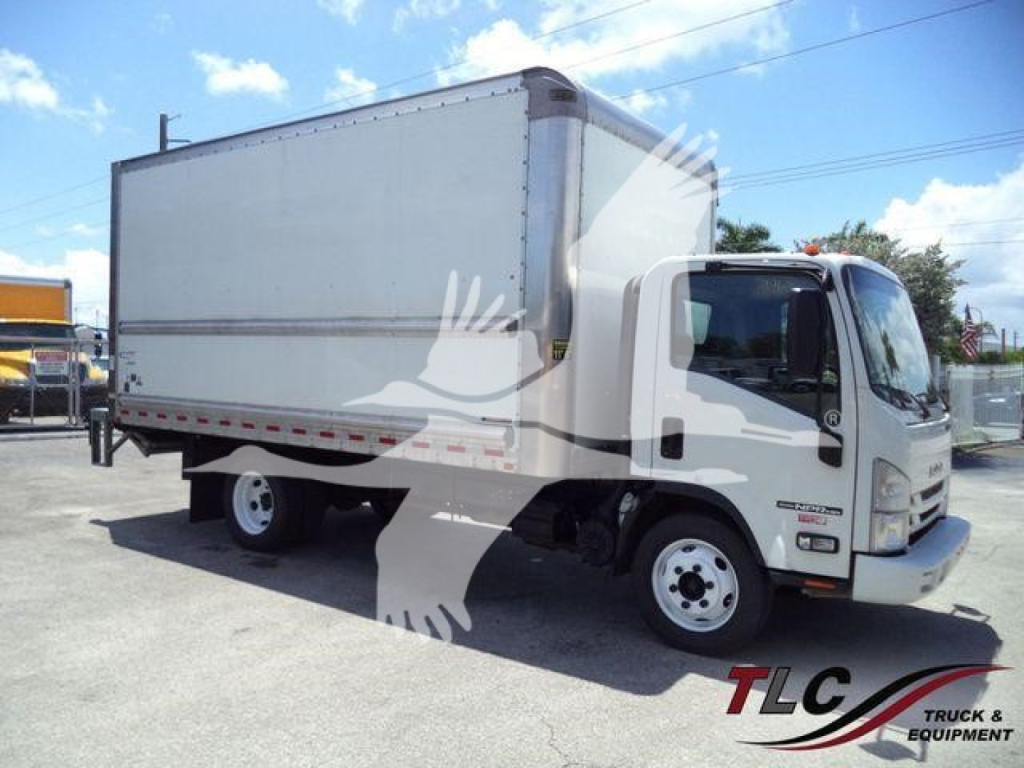
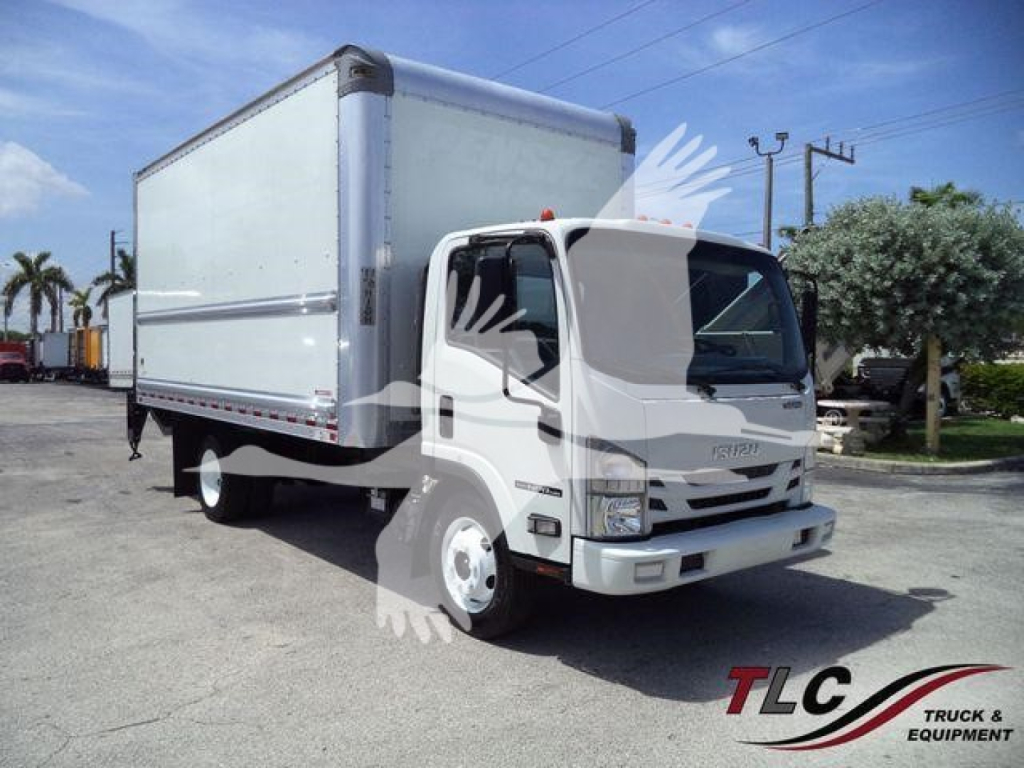
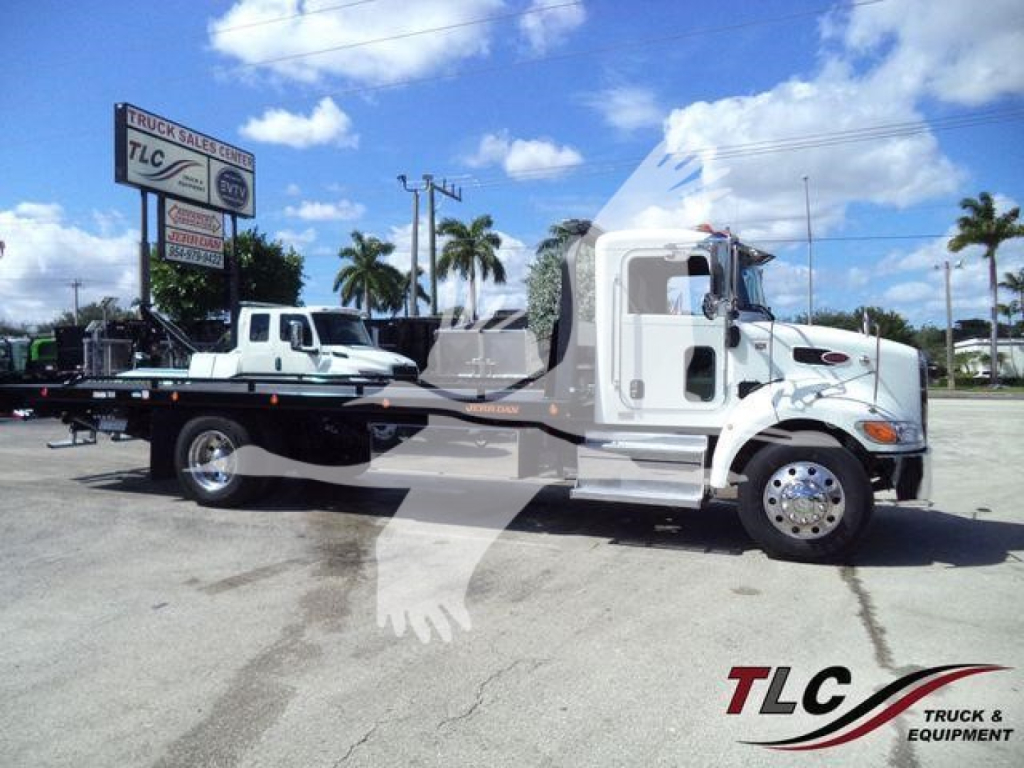
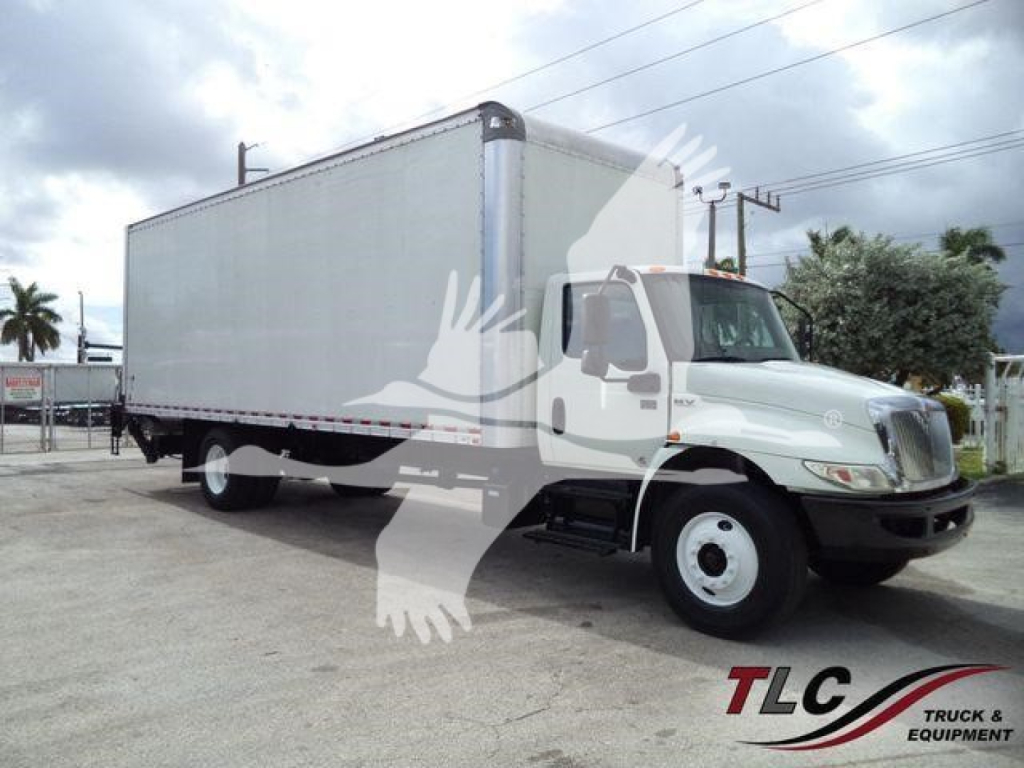
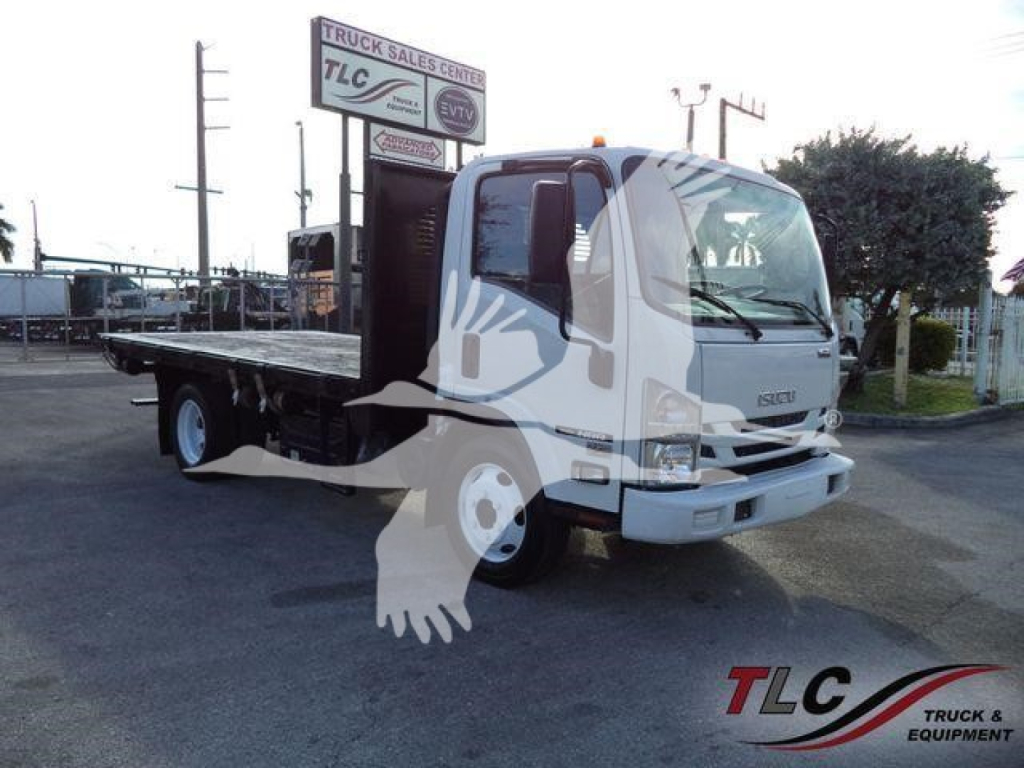
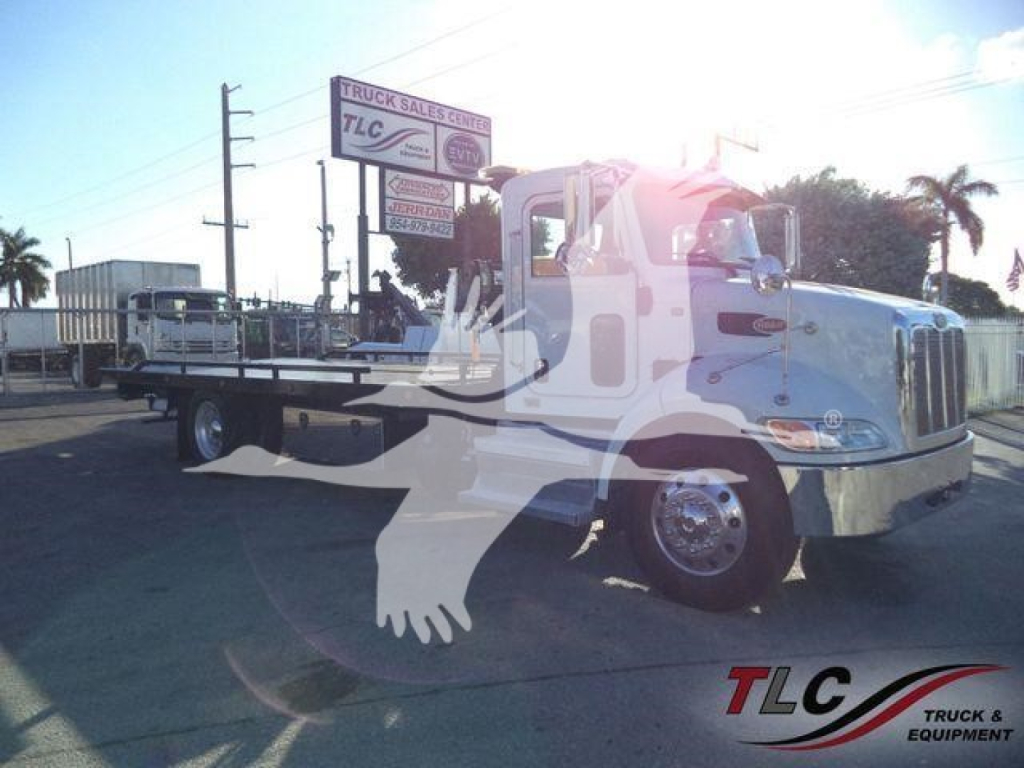
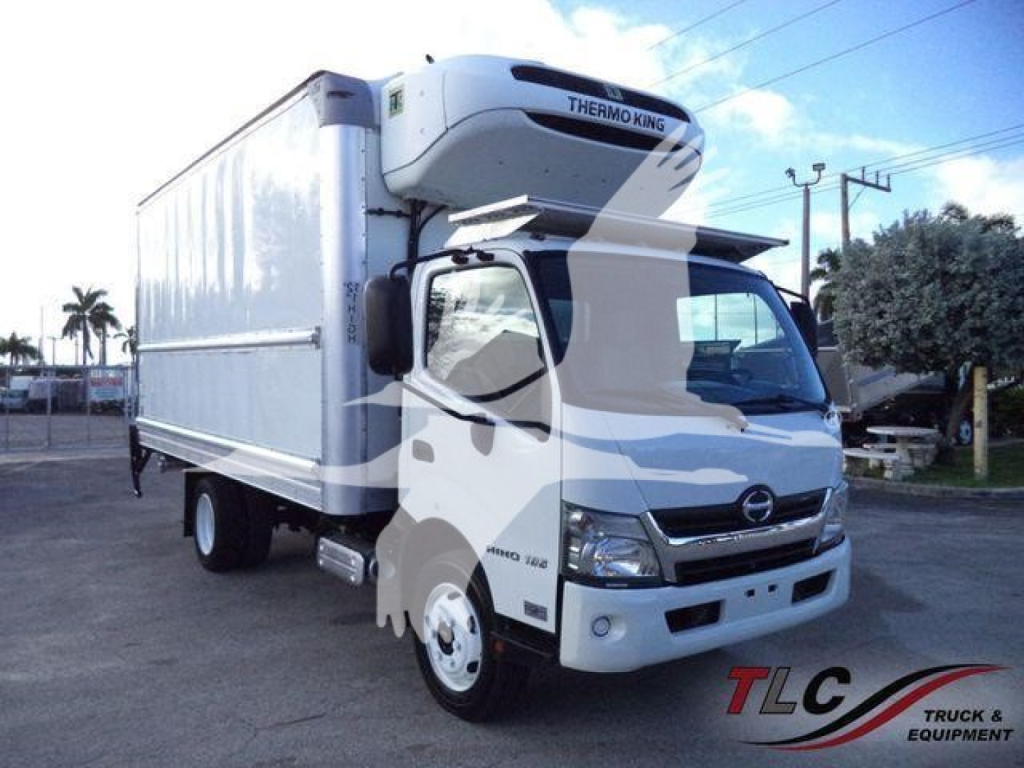
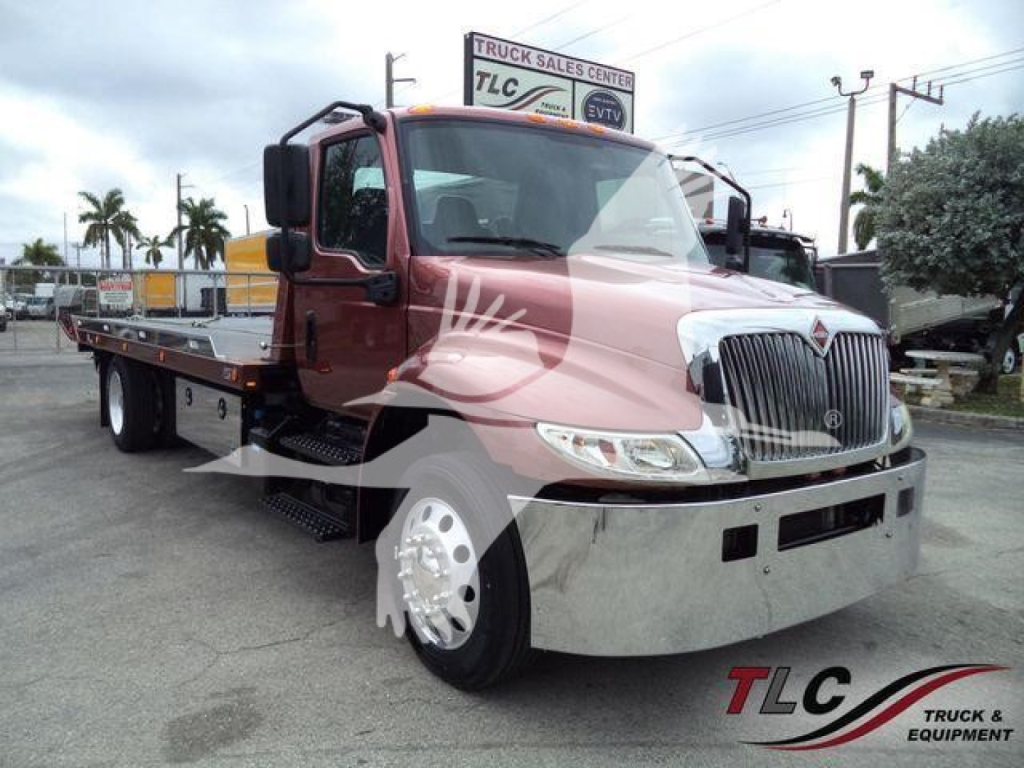
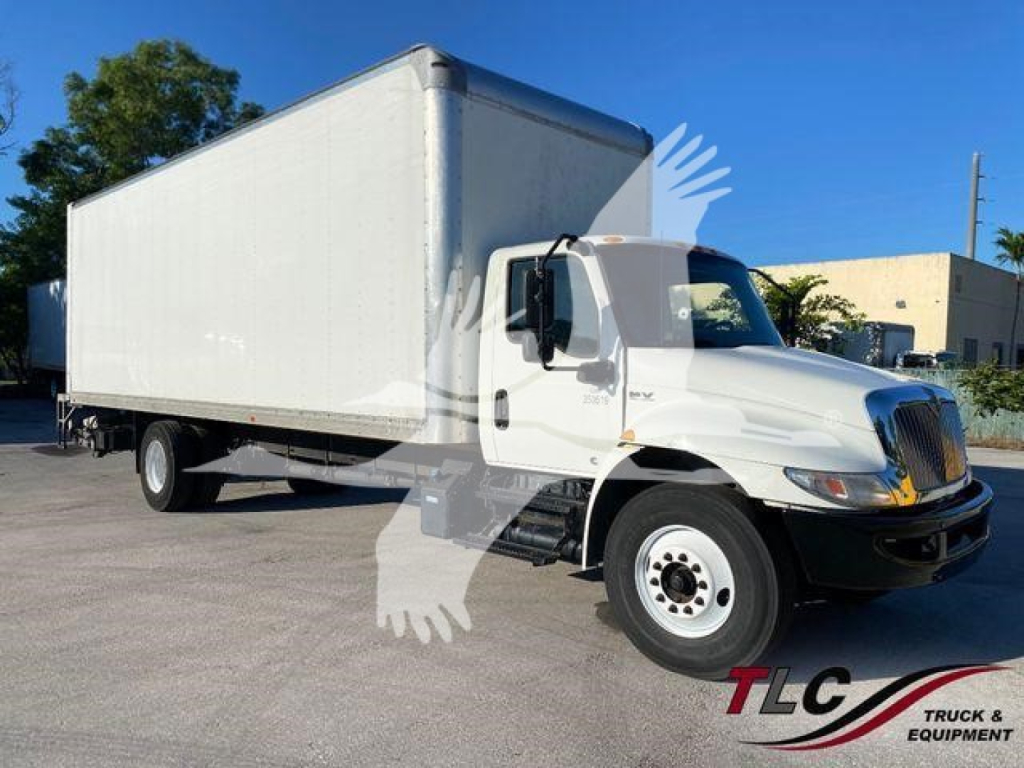
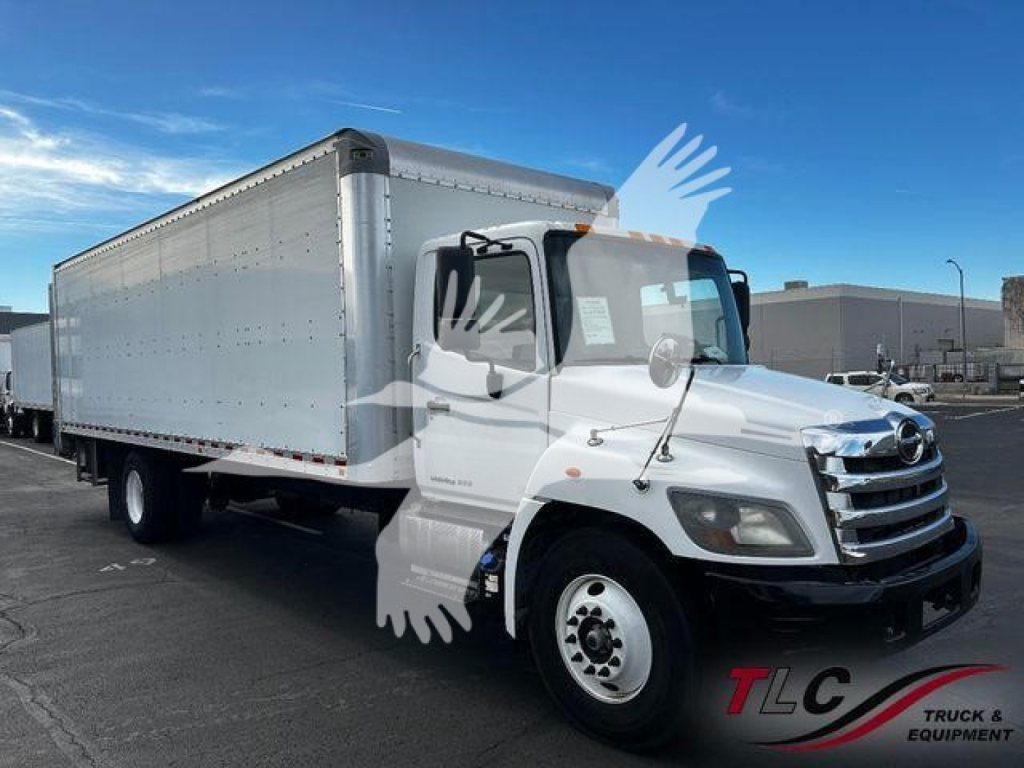
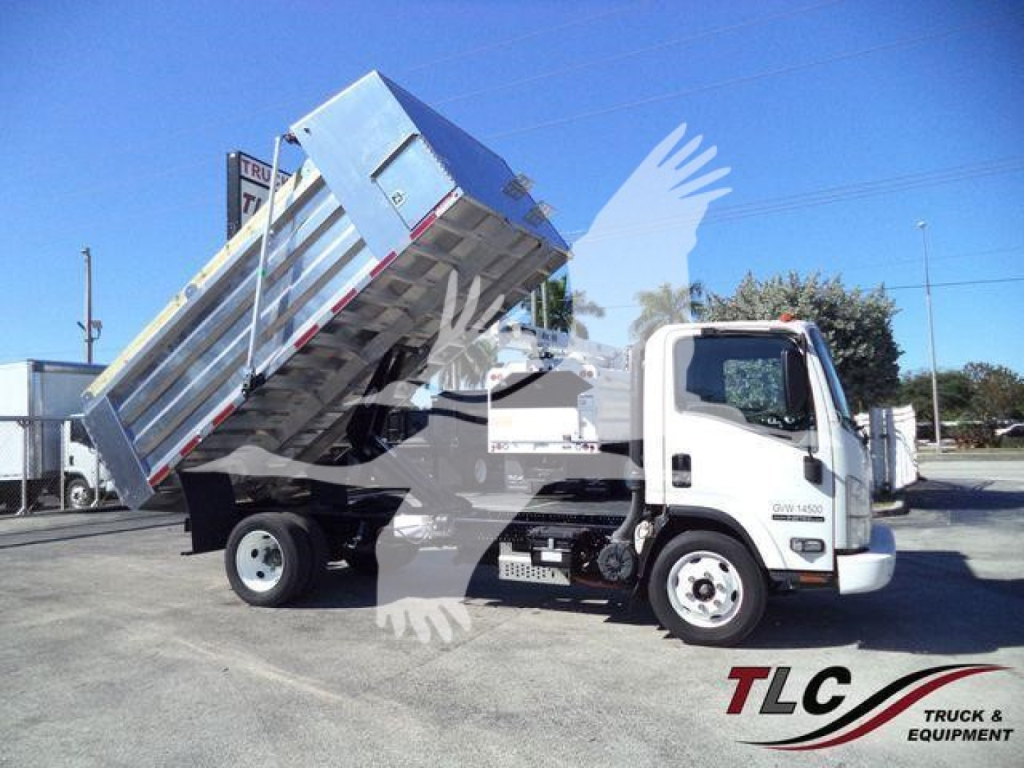
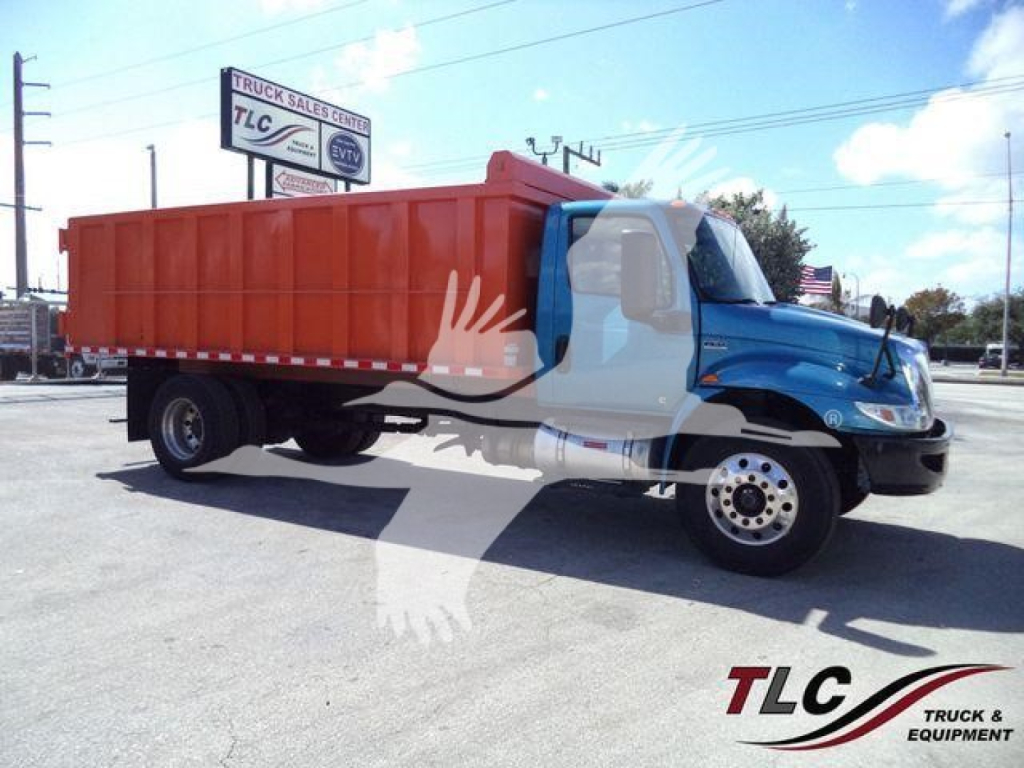
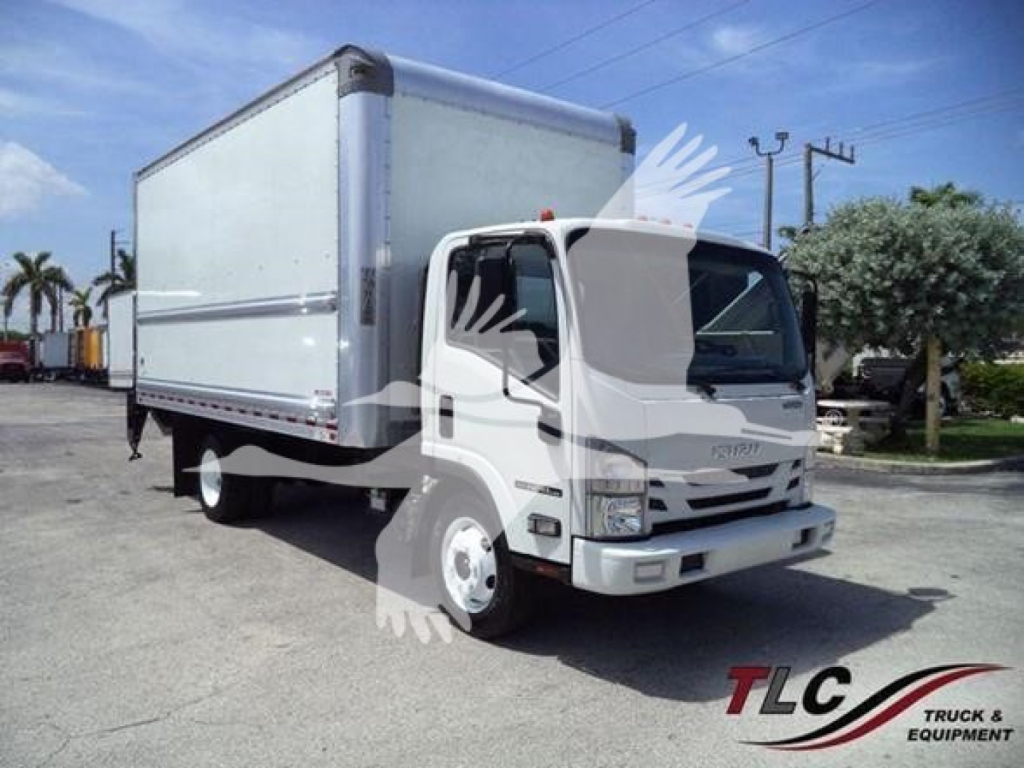
Showing 1 to 28 of 57 results
Selling a 2020 commercial truck? List your 2020 commercial truck for sale and reach thousands of commercial buyers.
2020 Commercial Trucks in Florida
For on-highway buyers, 2020 trucks commonly show up with diesel platforms such as Cummins, Detroit, Paccar, Volvo, Duramax, and Navistar engines paired with automated manuals or traditional manual transmissions, depending on the vocation. Key specs to compare are horsepower, torque, rear axle ratio, wheelbase, suspension type, front axle and rear axle ratings, and brake configuration. Day cabs in this year range are often set up for regional freight, port drayage, tanker, or vocational tractor work, while sleeper models can be spec'd for linehaul with fairings, dual fuel tanks, air slide fifth wheels, and 40,000 lb rears. Buyers in Florida should also pay attention to cooling system condition, A/C performance, corrosion around coastal areas, and tire wear patterns that can reveal alignment or suspension issues.
Medium-duty 2020 trucks are especially relevant for contractors, towing operators, municipalities, landscapers, and local delivery fleets. This model year is common in Class 5, 6, and 7 chassis with automatic transmissions, hydraulic or air brake configurations, and cab-to-axle lengths tailored to the body. If the truck is upfitted, body compatibility becomes just as important as the chassis itself. A rollback needs the right wheelbase and GVWR for payload and weight distribution. A hooklift or roll-off truck needs hoist capacity, frame strength, and PTO or electric-over-hydraulic integration that matches the intended container size. Tow trucks should be evaluated on wheel-lift rating, winch capacity, underlift design, and front axle reserve after the body is installed.
The best 2020 truck choice comes down to duty cycle, not just age or make. Buyers should match GVWR, axle ratings, engine output, and cab configuration to the actual job, then verify maintenance records, idle hours, emissions history, and any body or PTO service documentation. In a Florida market, a clean cooling package, strong air conditioning, sound electrical systems, and a rust-aware inspection are practical priorities. A well-spec'd 2020 truck can still deliver strong service life, especially when the chassis, drivetrain, and vocational equipment are aligned with the work it is expected to do.
Frequently Asked Questions about 2020 Commercial Trucks in Florida
What makes a 2020 truck a strong value in the used market?
A 2020 truck often gives buyers a better balance of acquisition cost and usable life than either much older equipment or nearly new units. Many 2020 models include updated engine controls, improved cab ergonomics, and modern safety features, while still being old enough to avoid the highest pricing tiers. For many fleets and owner-operators, that means access to current-generation components without paying a premium for the newest model year.
What should I check first on a 2020 truck in Florida?
Start with cooling system performance, air conditioning operation, tire condition, brake wear, and any signs of corrosion from coastal exposure. Florida heat puts added stress on radiators, charge air coolers, fan systems, and cab HVAC components. If the truck is a work body unit, inspect hydraulic lines, electrical connections, PTO function, and frame condition around mounting points. A pre-purchase inspection should also include fault code scans and a review of maintenance records.
Are 2020 trucks available in both heavy-duty and medium-duty configurations?
Yes. The 2020 model year covers a wide range of truck classes and applications. Heavy-duty trucks include conventional day cabs and sleeper tractors used for regional and over-the-road hauling. Medium-duty 2020 trucks are common in towing, delivery, dump, service, rollback, utility, and municipal applications. Buyers should focus on GVWR, axle ratings, wheelbase, cab-to-axle length, and body compatibility rather than model year alone.
Which specs matter most when comparing 2020 trucks for vocational work?
The most important specs depend on the job, but buyers typically need to compare GVWR, front and rear axle ratings, engine horsepower and torque, transmission type, suspension, brake system, wheelbase, and PTO capability. On body-equipped trucks, the upfit specs matter just as much. A rollback buyer should verify deck capacity and wheel-lift rating, while a roll-off buyer should confirm hoist capacity, cable or hook system details, and container compatibility.
How many miles is too many for a 2020 truck?
Mileage alone does not determine remaining life. A 2020 highway tractor with higher miles and strong maintenance records may be a better buy than a lower-mile vocational truck that spent years in severe stop-and-go service or excessive idle time. Buyers should compare engine hours to miles, review oil and coolant service history, inspect emissions components, and look at wear in the driveline, suspension, brakes, and cab. Usage pattern is often more important than the odometer.