
2020 Conventional Daycab Trucks For Sale in Florida
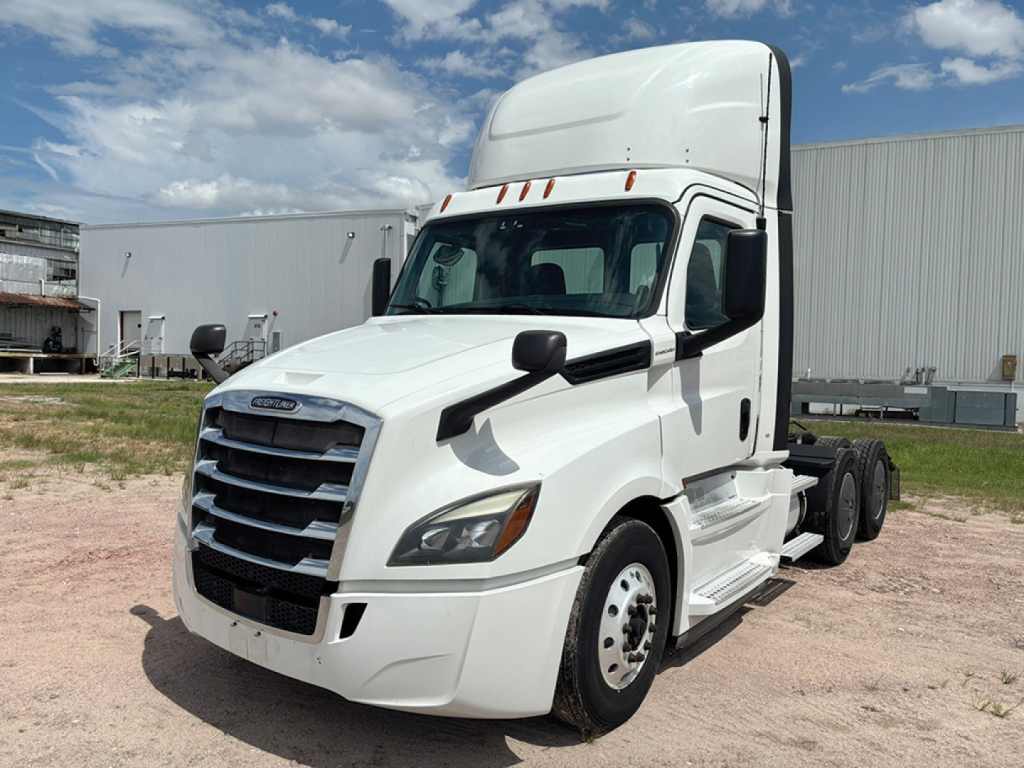
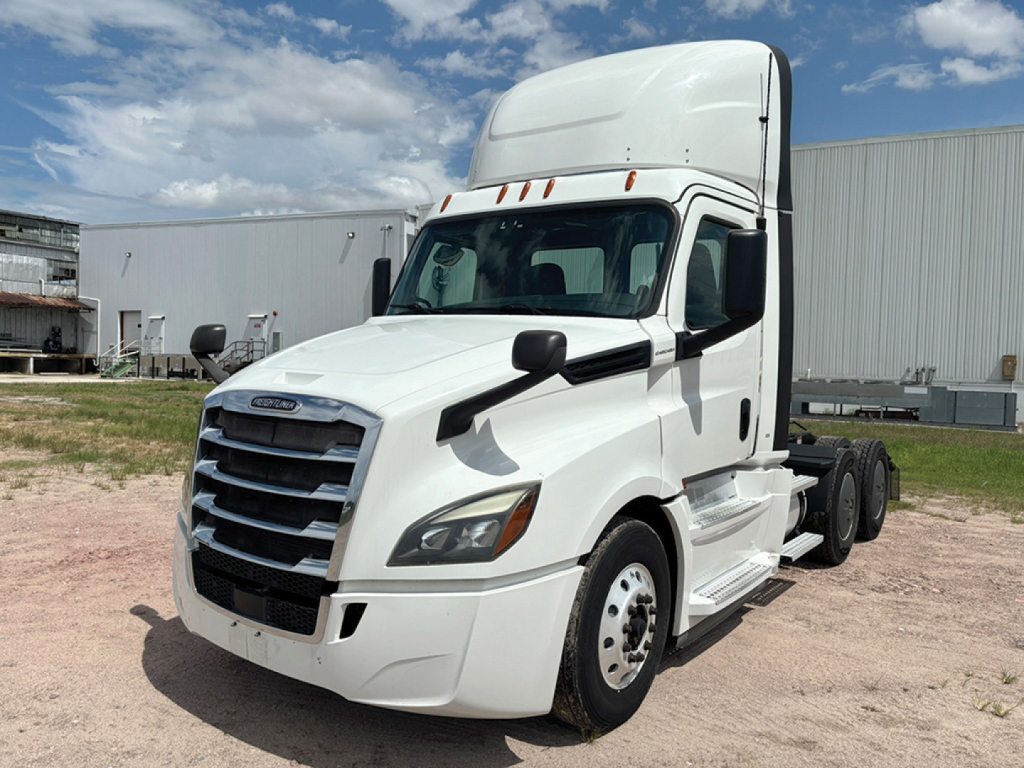
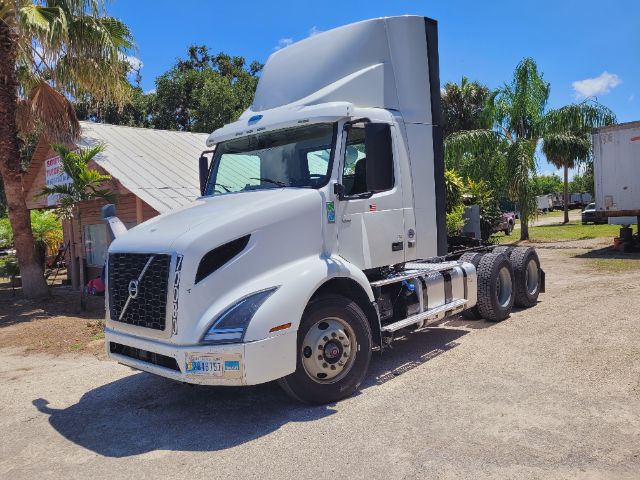
Have 2020 conventional daycab truck to sell? List it here to reach thousands of buyers.
2020 Conventional Daycab Trucks in Florida
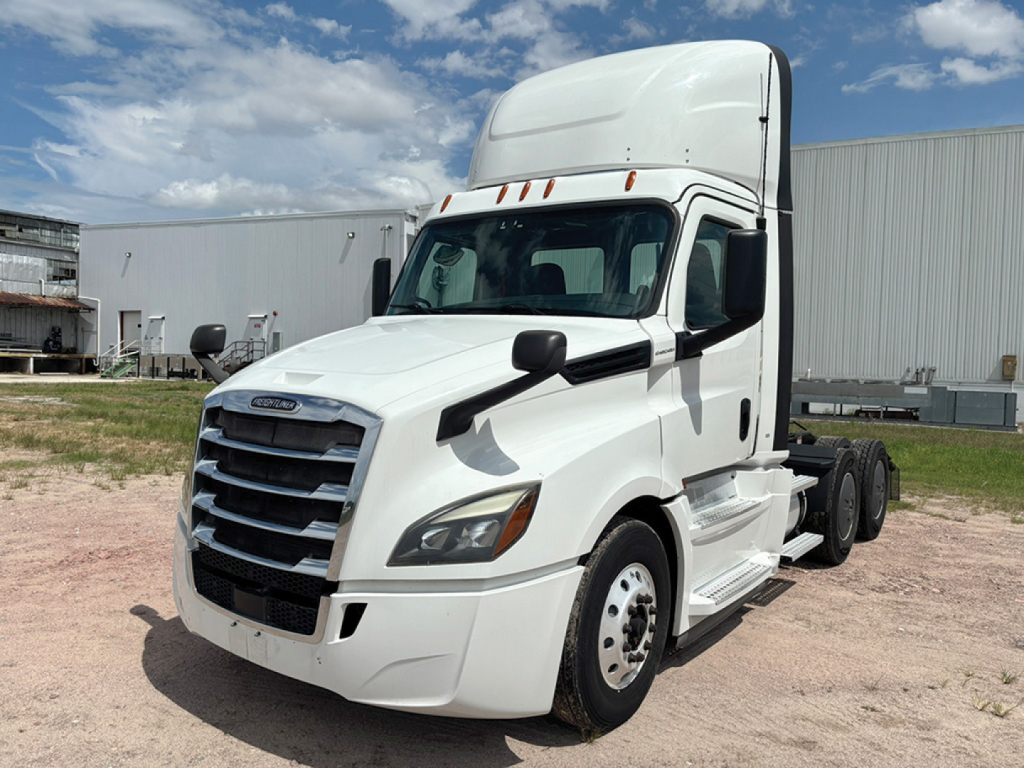
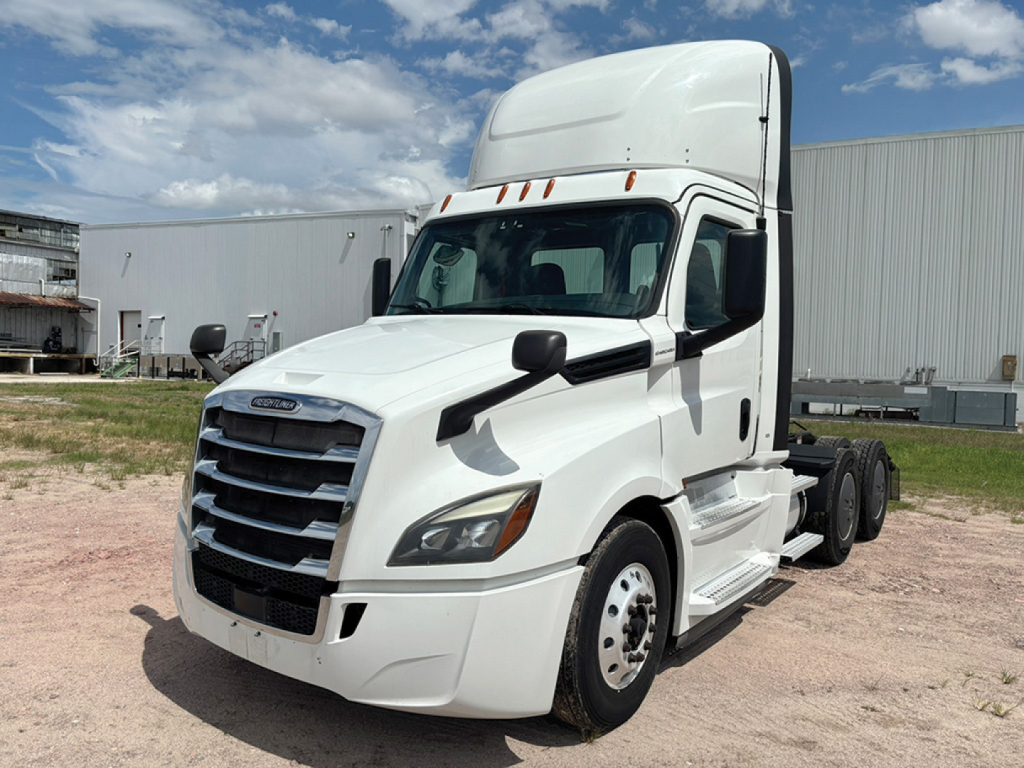
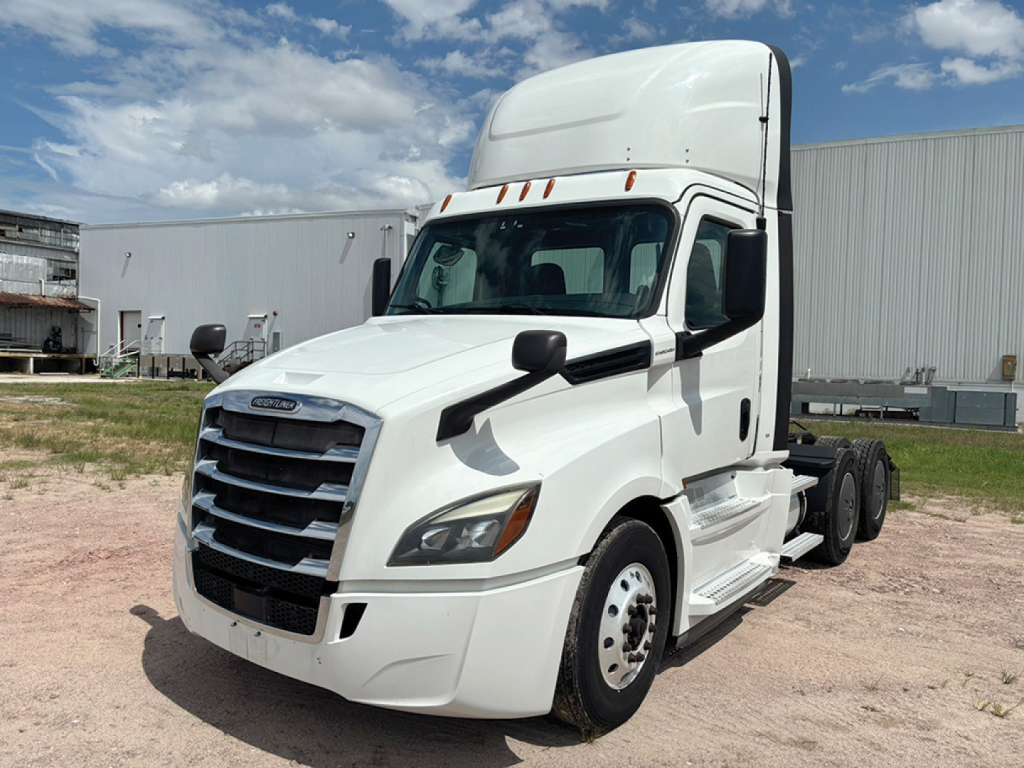
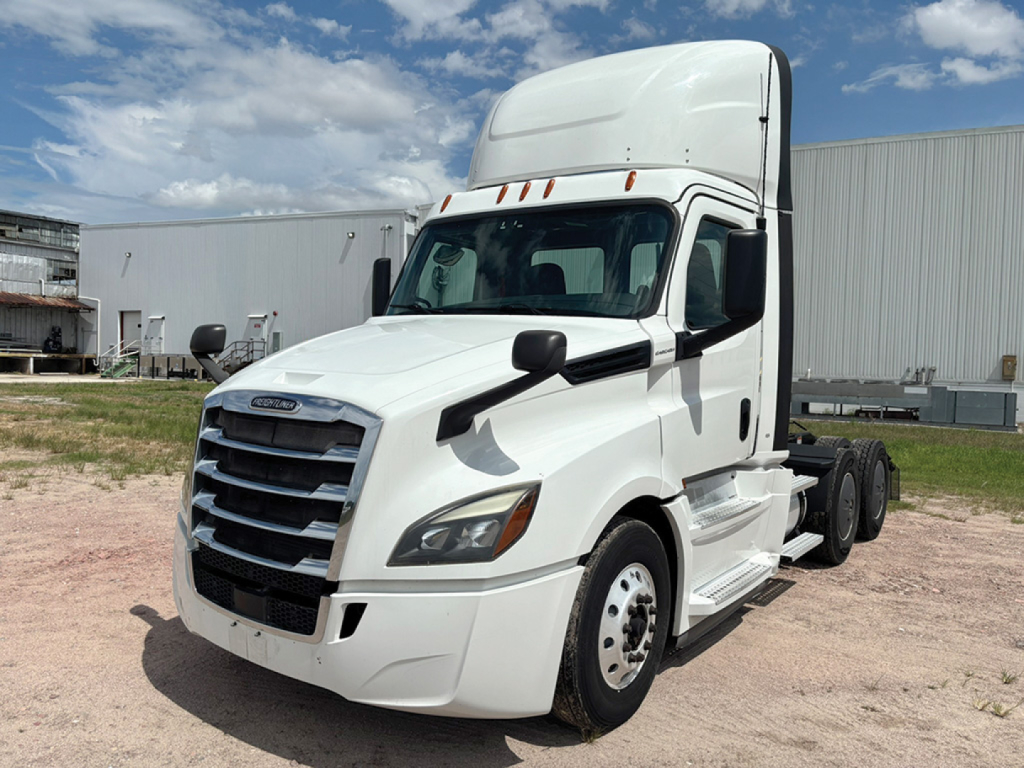
Most 2020 conventional daycab trucks in this class use aerodynamic highway platforms from major OEMs such as Freightliner, Kenworth, Peterbilt, International, Mack, or Volvo, often paired with 11- to 15-liter diesel engines in the 400 to 455 horsepower range. Common driveline setups include automated manual transmissions, tandem rear axles rated around 40,000 pounds, air ride suspension, and 22.5-inch low-profile tires. A buyer comparing listings should pay attention to 5th wheel type and travel, frame length, fairing package, fuel capacity, and whether the truck is optimized for van freight, tanker, intermodal chassis work, or heavier regional pulls. A 174- to 180-inch wheelbase is common on fleet daycabs because it balances trailer swing clearance with turning radius.
For a 2020 model year, safety and driver-assist content became a bigger part of the value equation. Collision mitigation, lane departure warning, adaptive cruise functions, and improved automated transmission calibration are more common than on earlier trucks, especially on fleet-maintained units. Buyers should still verify software history, fault codes, emissions system service, and clutch actuator or shift logic performance on automated transmissions. Engine brake operation, aftertreatment condition, tire wear pattern, suspension bushing condition, and evidence of prior frame or 5th wheel damage all matter on a used daycab because these trucks often spend their lives backing, coupling, and working in tight yards.
Florida buyers should also consider cooling system condition, A/C performance, corrosion around battery boxes and chassis hardware, and how the spec fits the terrain and route profile. A tall rear ratio can help fuel mileage on flat interstate lanes, while a shorter ratio may be better for container work, heavy starts, and dense city routing. Aluminum wheels, dual fuel tanks, cab extenders, quarter fenders, and aerodynamic roof fairings are common on fuel-conscious highway daycabs, but the best truck is still the one whose spec matches the freight. A properly spec'd 2020 conventional daycab can deliver strong uptime, lower driver turnover, and better cost per mile in regional service than a mismatched over-the-road tractor.
Frequently Asked Questions about 2020 Conventional Daycab Trucks in Florida
What is a conventional daycab truck used for?
A conventional daycab truck is a non-sleeper semi tractor designed for operations where the driver returns daily or runs short regional routes. Common applications include local delivery, dedicated contract freight, drayage, dry van, reefer, tanker, and shuttle work between plants, warehouses, and ports. Its main advantages are lower weight, better maneuverability, easier yard access, and reduced acquisition cost compared with a sleeper tractor.
What specs matter most when buying a 2020 conventional daycab truck?
The most important specs are wheelbase, rear axle ratio, engine horsepower and torque, transmission type, and 5th wheel configuration. Those items determine how the truck accelerates, turns, handles different trailer lengths, and performs on your route profile. Buyers should also review rear axle capacity, suspension type, fuel capacity, fairing package, and whether the truck has driver-assist systems such as collision mitigation or adaptive cruise.
Is an automatic or automated manual transmission a good choice in a daycab?
For most regional and local fleets, an automated manual transmission is a strong fit in a daycab because it reduces driver fatigue, improves shift consistency, and can help with fuel economy and driver retention. It is particularly useful in traffic-heavy markets and stop-and-go operations. The key is confirming smooth engagement, proper calibration, service history, and the absence of active transmission or clutch actuator faults.
What wheelbase is common on a conventional daycab?
Many highway-spec conventional daycabs fall in the roughly 170- to 180-inch wheelbase range, although the right number depends on trailer swing clearance, axle placement, and the work being done. Shorter wheelbases generally improve maneuverability in tight yards and urban docks. Longer wheelbases can help with ride quality, component packaging, and certain trailer combinations, but they may reduce agility in confined areas.
Why are 2020 daycab trucks popular for Florida operations?
Florida operations often favor daycabs because much of the freight mix is regional, port-related, and distribution-focused rather than long-haul sleeper work. The terrain supports fuel-efficient driveline specs, while the traffic and tight customer locations make maneuverability important. A 2020 model also offers relatively modern aerodynamics, safety systems, and emissions hardware without stepping into the higher acquisition cost of newer equipment.