
2020 Ford Commercial Trucks For Sale in Florida
Browse 2020 Ford trucks for sale in Florida, including light, medium, and vocational models with common specs, body options, and buyer guidance.
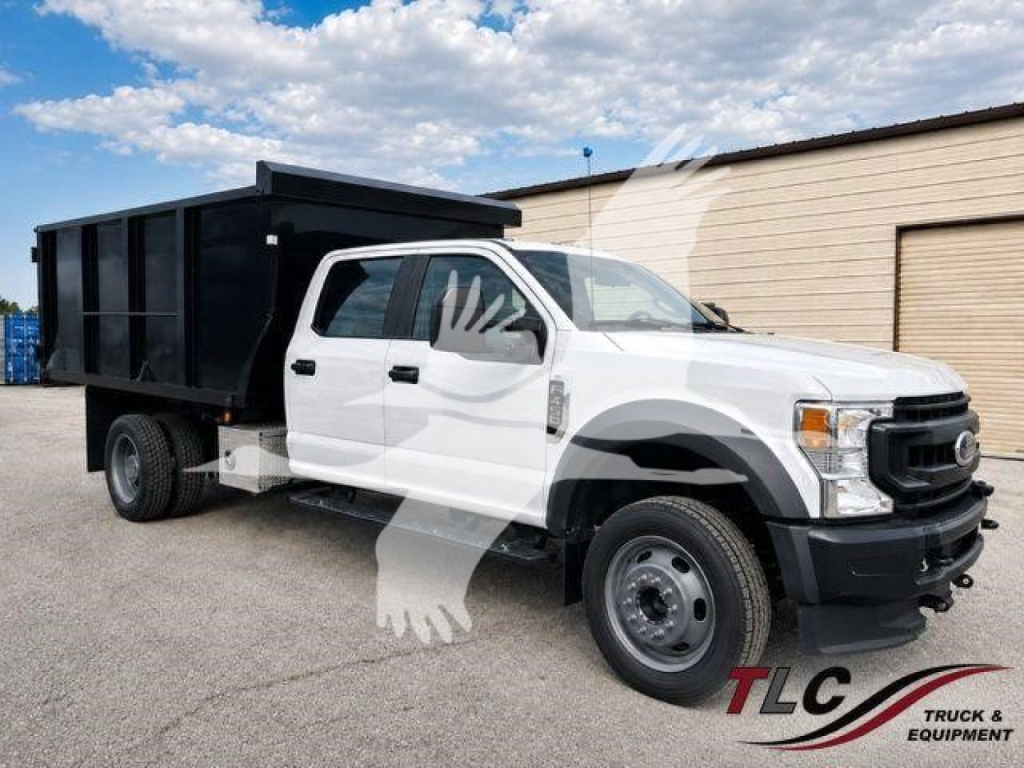
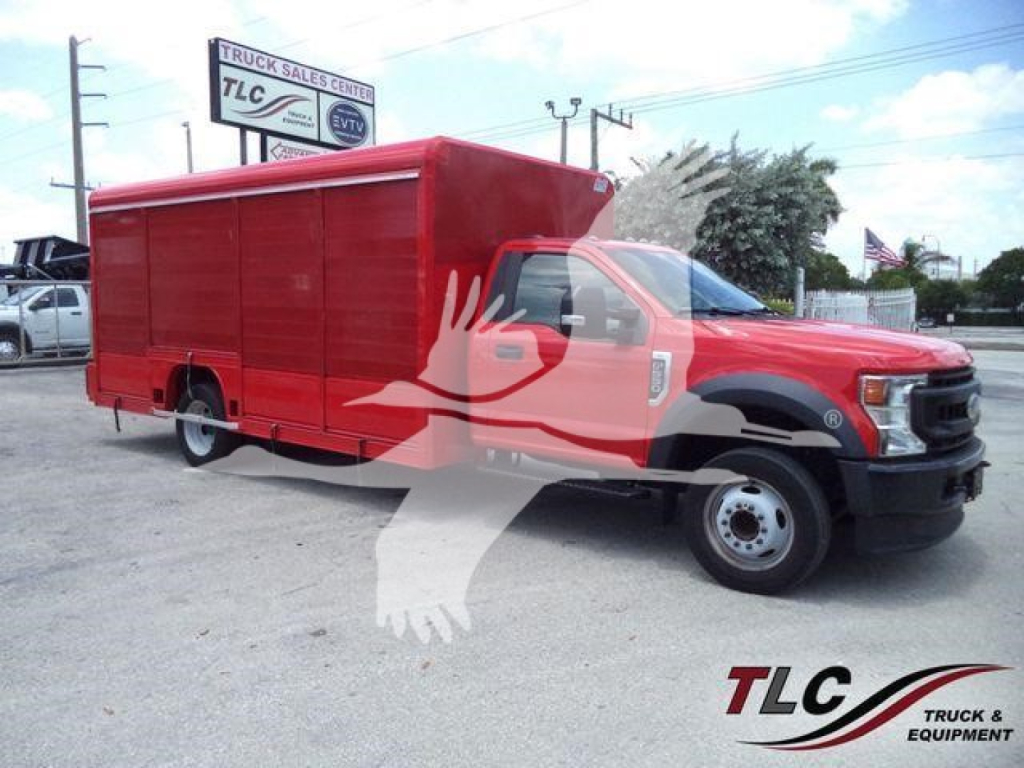
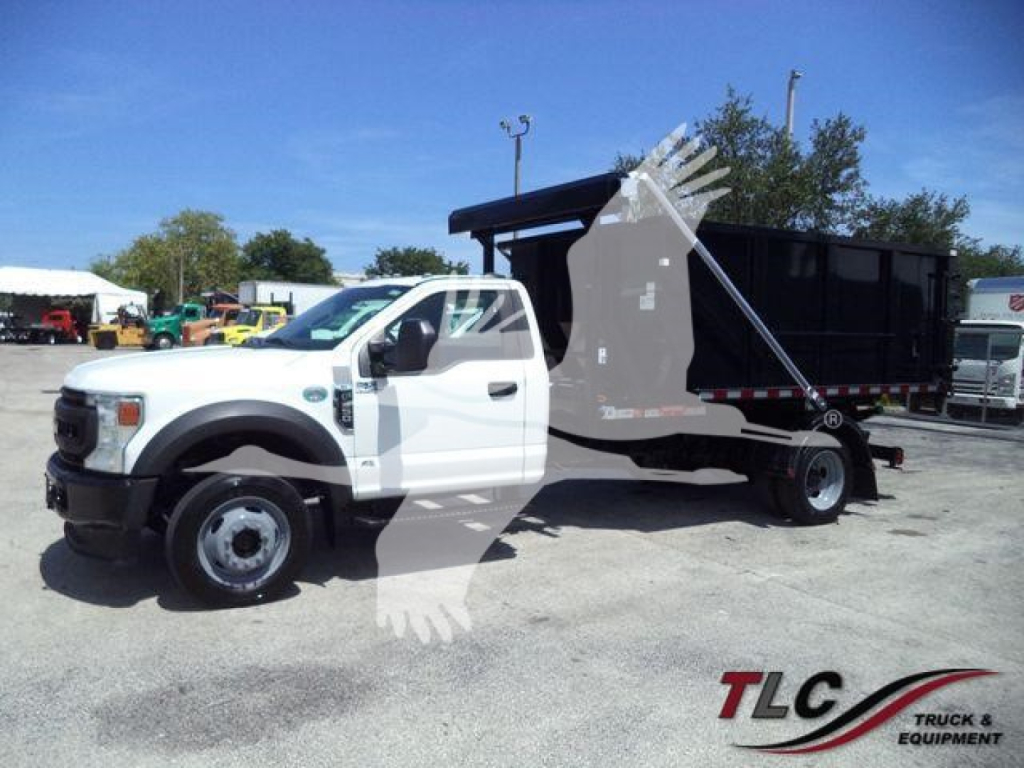
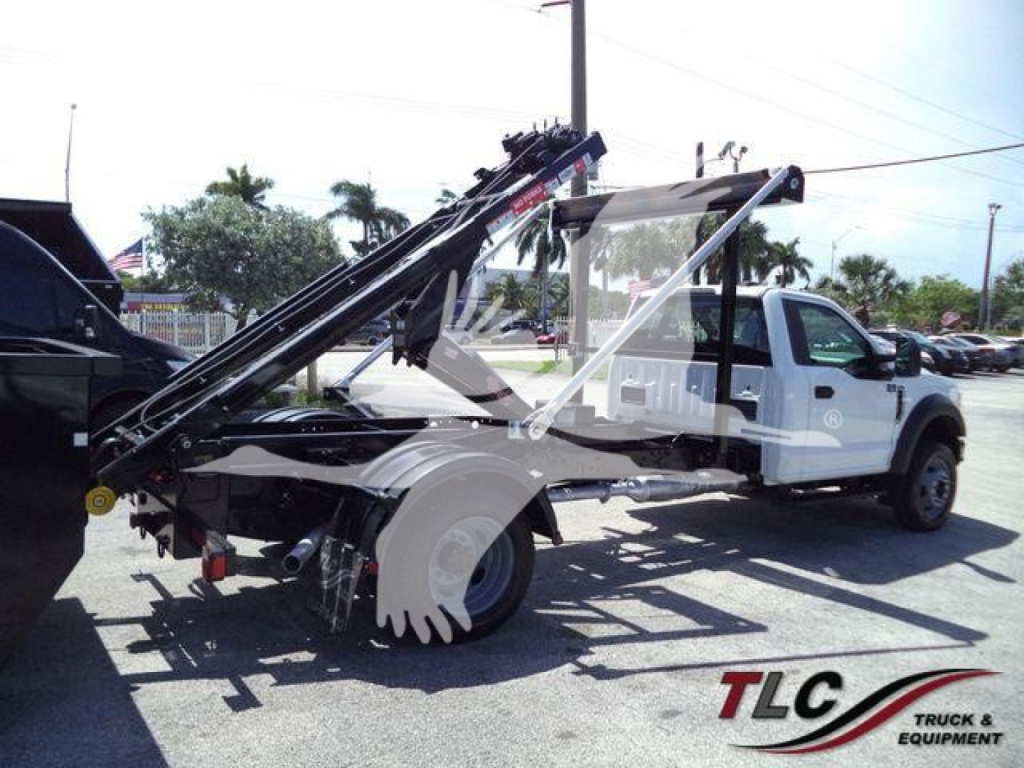
Selling a 2020 ford commercial truck? List your 2020 ford commercial truck for sale and reach thousands of commercial buyers.
2020 Ford Commercial Trucks in Florida
For buyers comparing 2020 Ford trucks, start with GVWR, axle ratings, wheelbase, and upfit compatibility before looking at trim level. A box truck, rollback, dump, chipper body, crane body, or utility body all place different demands on frame length, PTO provisions, rear axle ratio, and suspension setup. In Florida, corrosion is usually less of a problem than in northern states, but buyers should still inspect frame condition, body mounts, wiring, hydraulic lines, and any exposed steel on vocational units. If the truck has a completed upfit, pay attention to hoist brand, bed construction, side height, ramp capacity, wheel-lift rating, toolbox layout, and hitch equipment if those features matter to your operation.
Powertrain selection is a major decision in this category. On lighter 2020 Ford commercial trucks, the 7.3L gas V8 is a strong fit for fleets that want simpler maintenance, lower upfront cost, and solid performance for local routes or stop-and-go work. On diesel-equipped models such as certain Super Duty or medium-duty configurations, buyers often prioritize torque, higher GCWR, and heavier towing capability. Transmission type, PTO access, cooling package, and rear-end gearing all affect real-world performance more than badge alone. Cab configuration also matters. Regular cab trucks maximize body length, while SuperCab and Crew Cab layouts give more room for crews, tools, and municipal or contractor use.
The best 2020 Ford truck is the one matched closely to the job, not just the lowest-mile example. A delivery truck buyer may care most about cargo box length, door style, and liftgate condition. A dump or chipper buyer should focus on hoist performance, body floor thickness, and legal payload. A rollback or tow buyer needs to verify deck dimensions, winch rating, wheel-lift setup, and hydraulic function. Across the category, Ford remains popular because parts access, service familiarity, and body-builder support are strong, which can reduce downtime when a truck is working every day.
Frequently Asked Questions about 2020 Ford Commercial Trucks in Florida
What types of 2020 Ford trucks are common in commercial use?
Common 2020 Ford commercial truck configurations include E-Series cutaway box trucks, F-Series chassis cabs with flatbeds, dump bodies, utility bodies, and service bodies, plus heavier F-650 and F-750 vocational trucks. The exact application depends on GVWR, wheelbase, axle ratings, and the upfit installed on the chassis. Many buyers shop this year for delivery, towing, landscaping, construction, municipal, and contractor work.
Is a 2020 Ford gas engine or diesel engine better for work truck use?
A gas engine is often the better fit for lower annual mileage, shorter route work, frequent stops, and fleets that want simpler emissions-related maintenance. A diesel is typically preferred for heavier towing, higher torque demand, longer routes, and applications where GCWR matters more than upfront cost. The correct choice depends on payload, idle time, maintenance capabilities, and how the truck will be used day to day.
What should I inspect on a used 2020 Ford vocational truck?
Inspect the chassis and the upfit as two separate assets. On the truck itself, review engine hours, transmission operation, suspension condition, brake wear, tire wear patterns, frame integrity, and any signs of electrical repairs. On the body or equipment side, inspect hoists, PTO operation, hydraulic cylinders, hoses, bed floors, ramp pivots, winches, wheel-lifts, liftgates, and body mounts. A truck with a clean cab and drivetrain can still need expensive body or hydraulic work if the vocational equipment was not maintained.
Why does GVWR matter so much when buying a 2020 Ford truck?
GVWR determines the legal weight class of the truck and directly affects payload, registration, bridge compliance, CDL implications in some combinations, and the type of work the truck can do safely. Buyers should also compare front and rear axle ratings, not just the total GVWR, because body design and load placement can overload one axle before the truck reaches its gross rating. Matching the body and job to the chassis rating is one of the most important buying decisions.
Are 2020 Ford trucks a good choice for Florida fleets?
They are a strong fit for many Florida operations because Ford commercial trucks are widely supported for service, parts, and body-builder integration. That matters for contractors, municipalities, delivery operators, and towing companies trying to minimize downtime. Florida buyers should still inspect for sun exposure, interior wear, moisture intrusion, and rust on exposed body components, especially on trucks that have worked near the coast or on landscaping and dump applications.