
2020 Refrigerated Trucks For Sale in Florida
Browse 2020 refrigerated trucks in Florida, including reefer box trucks with Thermo King or Carrier units, liftgates, ramps, and CDL-friendly GVWRs.
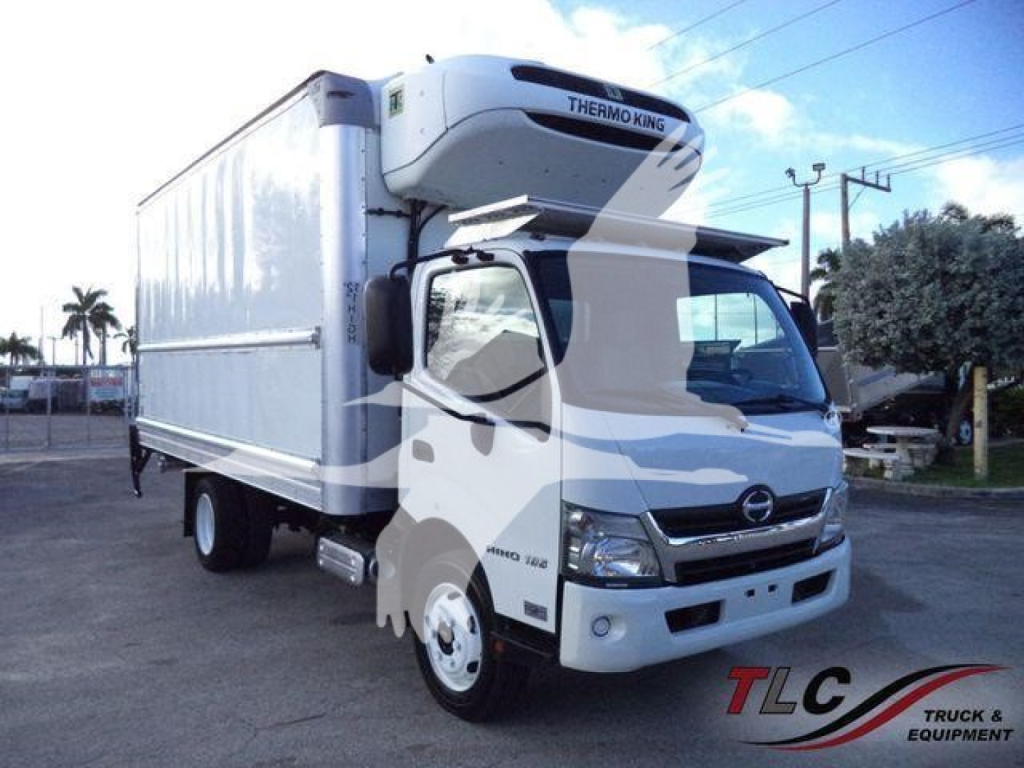
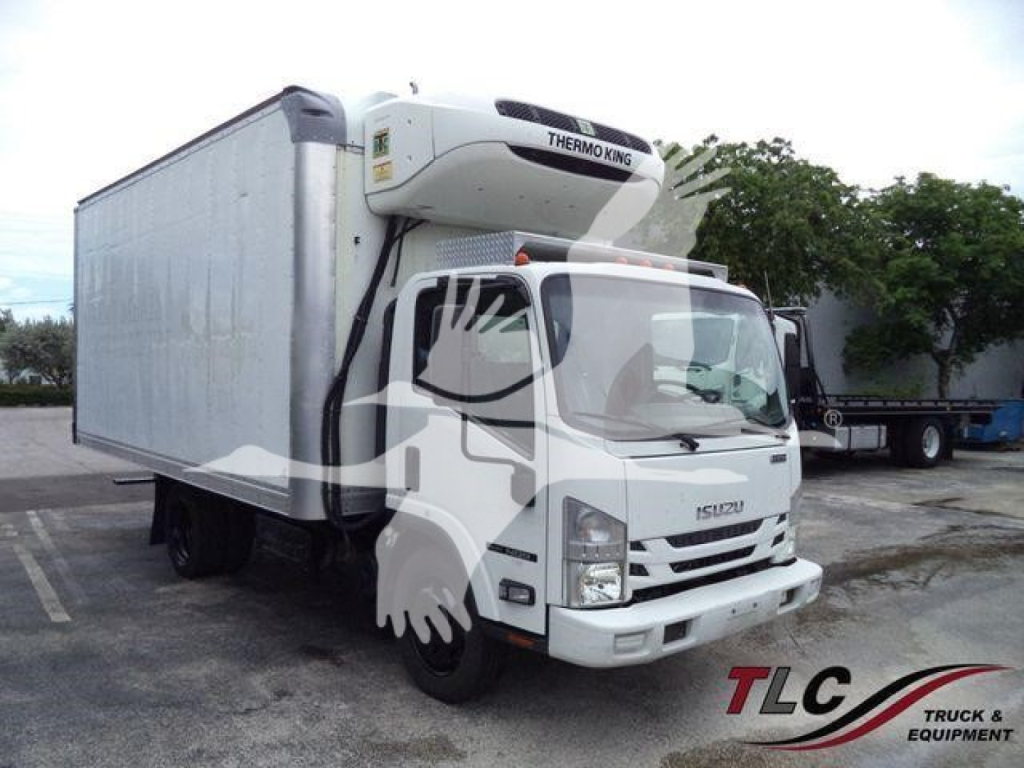
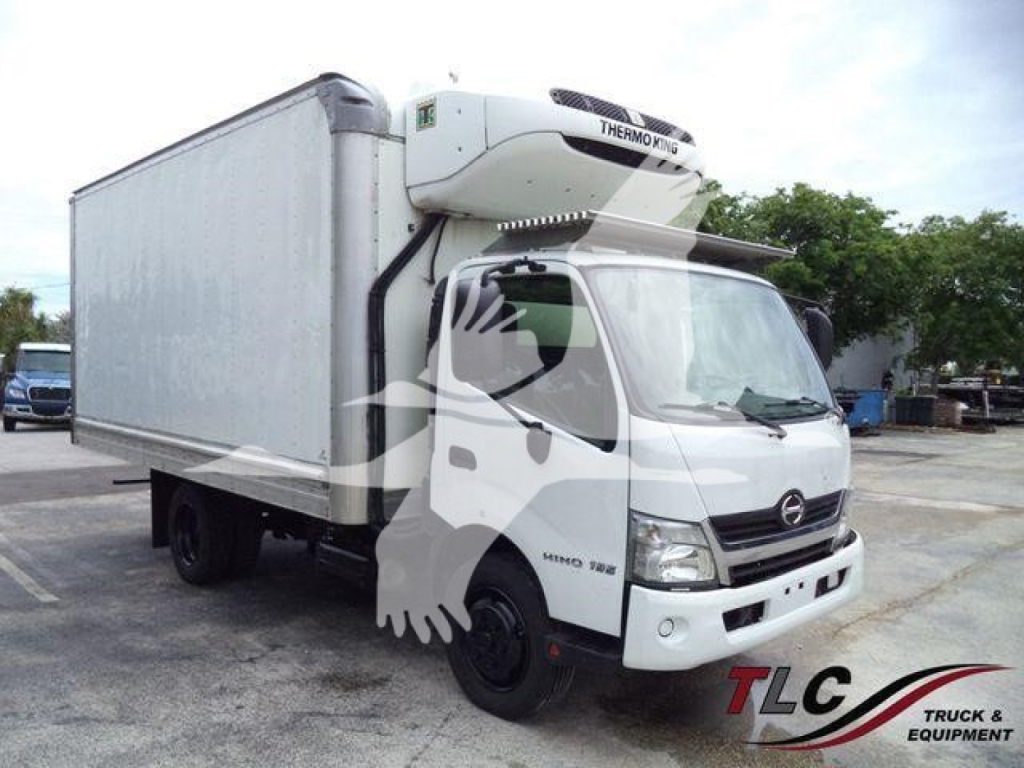
Selling a 2020 refrigerated truck? List your 2020 refrigerated truck for sale and reach thousands of commercial buyers.
2020 Refrigerated Trucks in Florida
The reefer unit matters as much as the truck. Thermo King and Carrier systems are the most common in this class, and buyers should pay close attention to reefer hours, service history, fuel source, and temperature control capability. A truck moving frozen product needs different performance than one handling chilled beverages or fresh-cut produce. Look closely at insulation integrity, evaporator condition, floor type, door seals, and how quickly the box recovers temperature after repeated stops. In Florida, high ambient temperatures and humidity expose weak insulation, worn seals, and marginal unit capacity fast. Multi-drop delivery operations also benefit from features like bulkheads, standby electric, and well-maintained drain systems to manage condensation and washdowns.
Body and access layout have a direct effect on daily productivity. Roll-up rear doors are common, while pull-out ramps and tuck-under liftgates can make a major difference for hand-cart and palletized freight. Interior e-track, scuff liners, curbside doors, and durable insulated liners are worth attention if the truck is going into foodservice or route delivery. Box length should match stop density and freight profile, not just maximum cube. A 16-foot reefer can be easier to maneuver in tight urban delivery zones, while a 24-foot or 26-foot body makes more sense for higher-volume routes with dock access. Buyers should also confirm axle ratings, brake type, suspension setup, and tire size, especially if the truck will see heavier payloads or regular highway mileage.
For a used 2020 refrigerated truck, the best value usually comes from matching the refrigeration package, body size, and GVWR to the actual lane and product mix. Review engine hours versus reefer hours, not just odometer miles, because many reefers spend their lives idling at delivery stops or running the unit independently. Maintenance records for the refrigeration unit, liftgate, and body are just as important as engine and transmission history. A clean reefer truck with solid insulation, consistent temperature performance, and the right access equipment will usually outperform a newer-looking truck with poor box condition or an overworked unit.
Frequently Asked Questions about 2020 Refrigerated Trucks in Florida
What GVWR is most common for a 2020 refrigerated truck?
Most 2020 refrigerated trucks in this class fall between 19,500 and 26,000 GVWR. Trucks around 25,950 to 26,000 GVWR are common for 24-foot to 26-foot reefer bodies and give a good balance of payload and cargo space. Lighter 19,500 GVWR models are often seen with 16-foot bodies and are popular for local delivery where maneuverability matters more than maximum cube.
What should I check first on a used refrigerated truck?
Start with the refrigeration unit hours, maintenance records, and temperature performance. After that, inspect the box itself for insulation damage, soft spots in the floor, worn door seals, corrosion, evaporator condition, and evidence of poor repairs. A reefer truck can have a solid engine and transmission but still be a weak cold-chain asset if the box leaks temperature or the unit has inconsistent pull-down and recovery.
Are Thermo King and Carrier both common on 2020 reefer trucks?
Yes. Thermo King and Carrier are the two brands most buyers will see in this category. Both are widely supported and common on medium-duty refrigerated box trucks. The better choice usually comes down to local service access, the unit's maintenance history, parts support in your operating area, and whether the unit is spec'd for fresh, chilled, or frozen applications.
Is a liftgate better than a pull-out ramp on a reefer truck?
It depends on the freight and stop type. A pull-out ramp works well for hand trucks and lighter route delivery, especially when drivers are unloading into stores without docks. A liftgate is usually the better option for palletized freight, heavier product, and operations that need faster unloading with electric pallet jacks or carts. Many buyers prioritize the liftgate on larger 24-foot to 26-foot reefer bodies because it improves versatility.
Why does Florida usage matter when buying a refrigerated truck?
Florida puts extra stress on refrigerated trucks because of heat, humidity, and frequent stop-and-go delivery cycles. High ambient temperatures make weak insulation, failing door seals, and underperforming reefer units show up quickly. Trucks used in Florida should be evaluated closely for box integrity, condenser condition, drainage, and overall refrigeration performance under load, not just basic startup operation.