
2020 Refrigerated Trucks For Sale
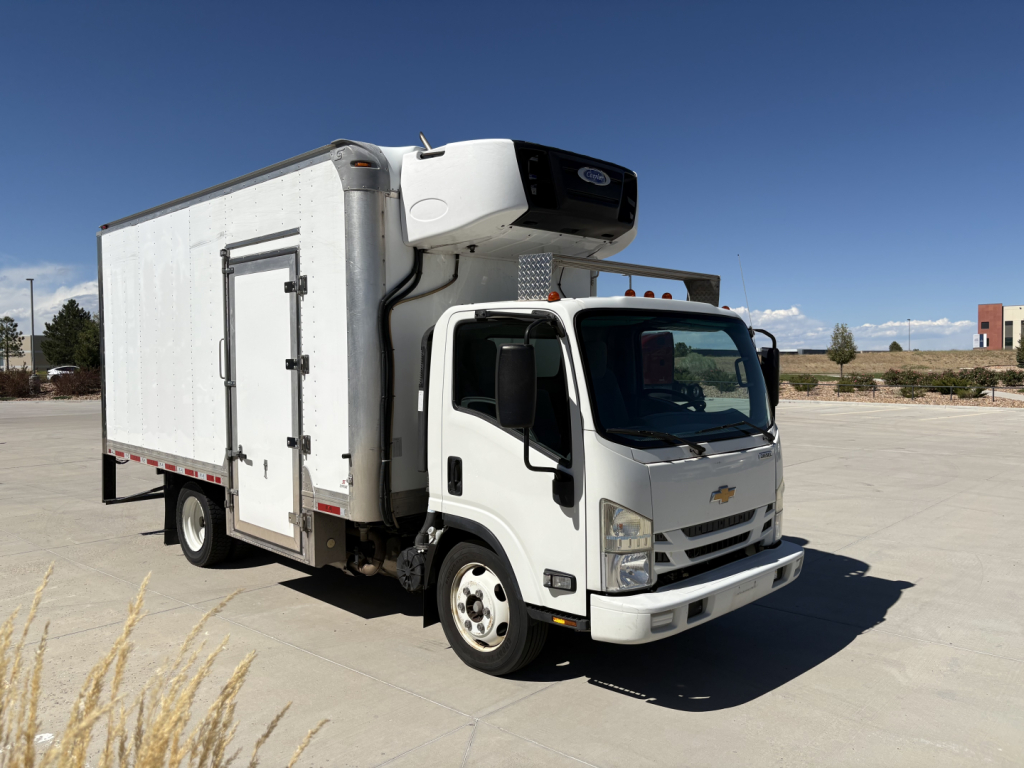
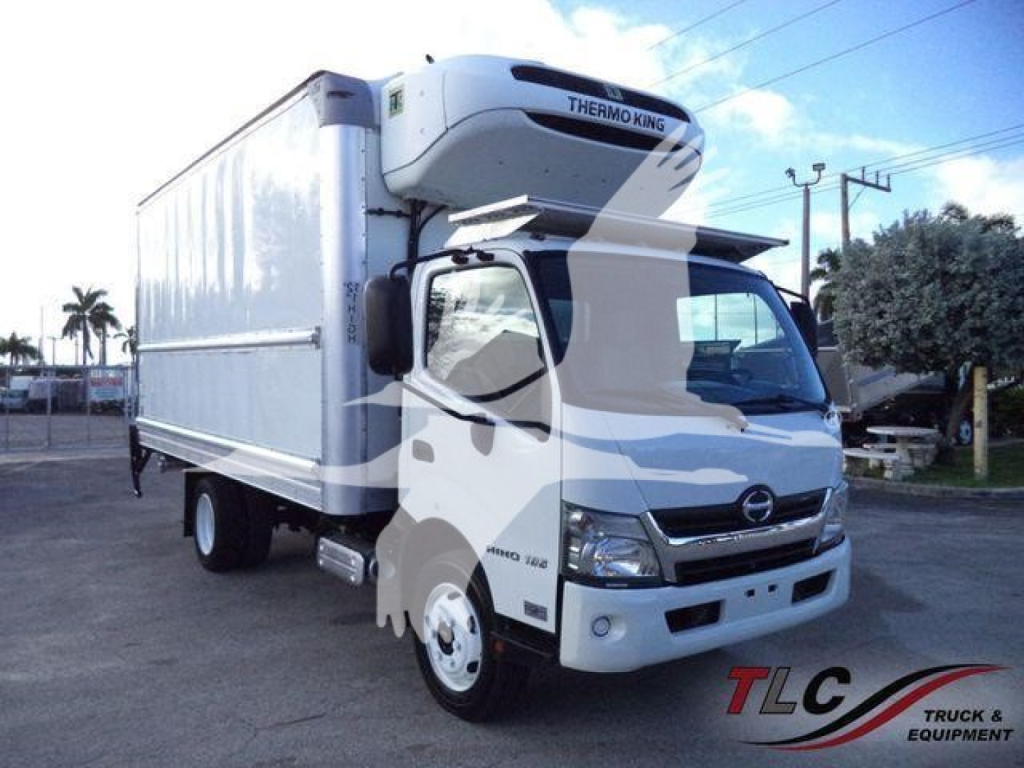
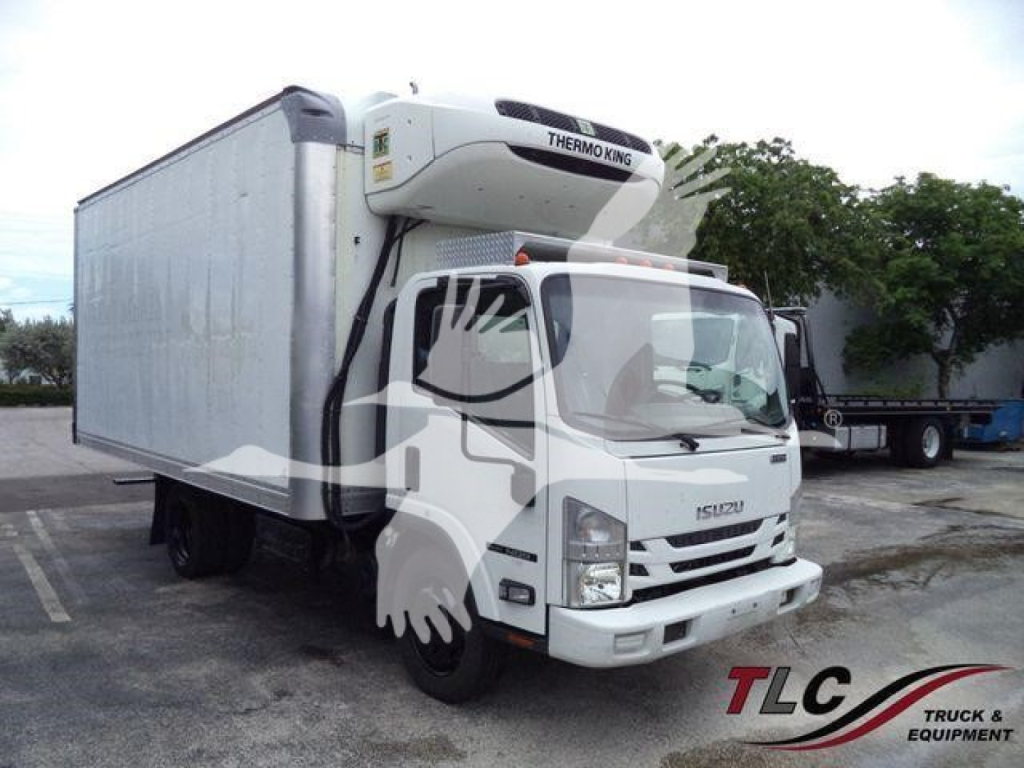
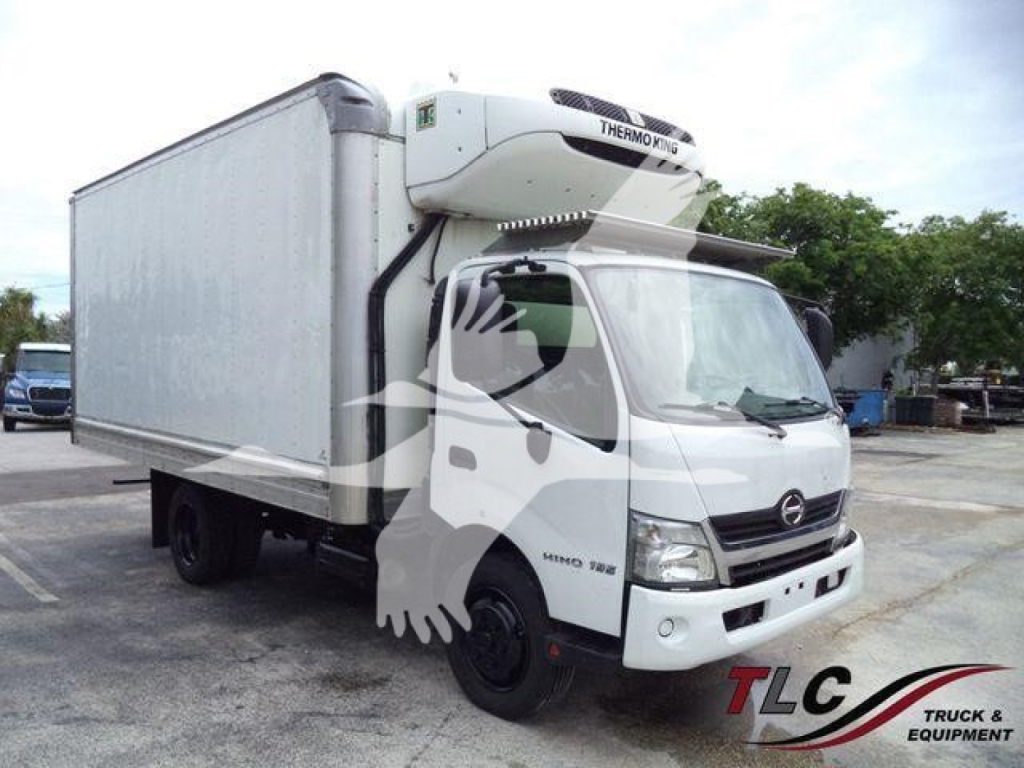
Shop 2020 refrigerated trucks with insulated bodies, liftgates, and Thermo King or Carrier reefers for cold chain delivery work.
Selling a 2020 refrigerated truck? List your 2020 refrigerated truck for sale and reach thousands of commercial buyers.
2020 Refrigerated Trucks
The refrigeration unit matters as much as the chassis. Buyers should look closely at unit model, engine hours, pull-down performance, temperature hold, and service history. A truck that starts easily and drives well can still become expensive if the reefer has poor maintenance records, weak insulation performance, or evaporator and condenser issues. Common features in this category include ducted ceilings for better air circulation, insulated side doors, aluminum or heavy-duty reefer floors, and liftgates rated around 2,500 to 3,000 pounds. If the route includes frequent stops, the condition of door seals, hinges, and rear frame structure is especially important because air loss at every delivery adds operating cost and strain on the refrigeration system.
Chassis specs on 2020 refrigerated trucks often include automatic transmissions, diesel engines in the 200 to 300 horsepower range, and air brakes on larger models. Under-CDL configurations are popular because they widen the driver pool and work well for city delivery routes, but payload can tighten quickly once you account for the insulated body, refrigeration unit, fuel, pallet jack, and liftgate. Buyers moving denser product should verify actual payload capacity rather than shopping by GVWR alone. Wheelbase, body length, and turning radius also matter in urban work, while larger 26-foot refrigerated trucks are better suited to higher cube routes and multi-stop delivery schedules.
A good 2020 reefer truck, also known as a refrigerated box truck or reefer truck, should be evaluated as a complete cold chain package. Check reefer run hours against truck miles, confirm the unit reaches and maintains the required temperature range, and inspect insulation integrity, floor condition, bulkheads, and scuff liners. Review maintenance records for the truck and the refrigeration unit separately, since they follow different service intervals. For many operations, the best value is not the lowest-mile truck. It is the one with the cleanest temperature-control history, the right body length, and the chassis rating that matches the route and payload.
Frequently Asked Questions about 2020 Refrigerated Trucks
What should I check first on a 2020 refrigerated truck?
Start with the refrigeration unit, not just the truck chassis. Confirm the reefer starts properly, pulls down to target temperature, holds that temperature under load, and has documented service history. Then inspect box insulation, door seals, floor condition, and any signs of moisture intrusion or previous panel repair. Reefer hours, body condition, and temperature performance usually tell you more about future operating cost than odometer miles alone.
Are many 2020 refrigerated trucks under CDL?
Yes, many 2020 refrigerated trucks were built on under-CDL chassis, especially in the 19,500-pound to 25,950-pound GVWR range. These are common in local delivery because they can simplify hiring and training. The tradeoff is payload capacity. Refrigerated bodies, liftgates, and diesel reefer units add significant weight, so buyers should verify the actual payload sticker or scale weight before assigning the truck to dense product routes.
Which is more important on a reefer truck, mileage or reefer hours?
Both matter, but reefer hours are critical because the refrigeration unit can accumulate heavy use even on lower-mile delivery trucks. A truck with moderate chassis miles and very high reefer hours may need more near-term refrigeration service than expected. Buyers should compare chassis condition, reefer hours, maintenance records, and real-world cooling performance together. A well-maintained truck with higher miles can still be the better buy if the reefer system has been serviced consistently and the insulated body is still tight.
What body features are most useful on a 2020 refrigerated box truck?
The most useful body features depend on the route, but common high-value items include a curbside door for multi-stop delivery, a tuck-under liftgate for palletized freight, a ducted ceiling for even airflow, and a durable reefer floor that handles hand trucks and pallet jacks. Scuff liners and solid door seals also matter because they protect the insulated box and help maintain temperature control. On urban routes, these details affect delivery speed and long-term body repair cost.
What products are 2020 refrigerated trucks commonly used to haul?
They are commonly used for fresh and frozen food, dairy, produce, meat, bakery goods, beverages, floral product, and certain medical or pharmaceutical shipments that require temperature control. Some fleets run multi-temperature setups with bulkheads, but many straight trucks in this class are single-zone units designed for consistent local and regional cold chain delivery. The right truck depends on the required temperature range, stop frequency, payload, and dock or street-delivery environment.