
2020 Tow Trucks For Sale in Florida
Have 2020 tow truck to sell? List it here to reach thousands of buyers.
2020 Tow Trucks in Florida
Frequently Asked Questions about 2020 Tow Trucks in Florida
What should I look for first when buying a 2020 tow truck?
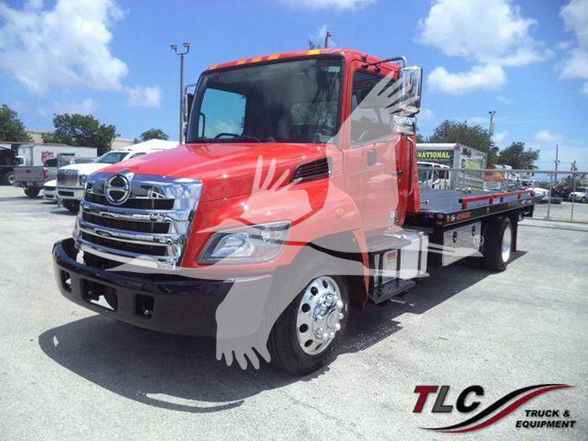
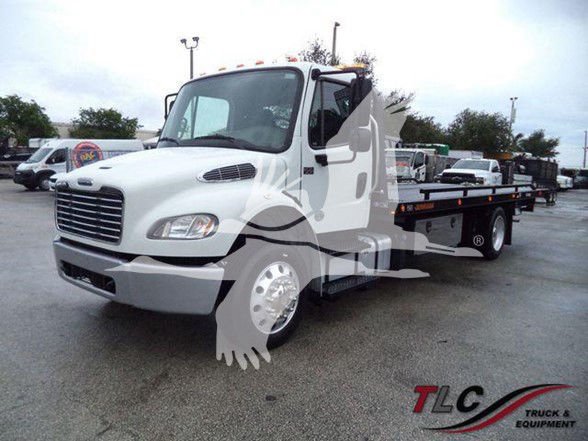
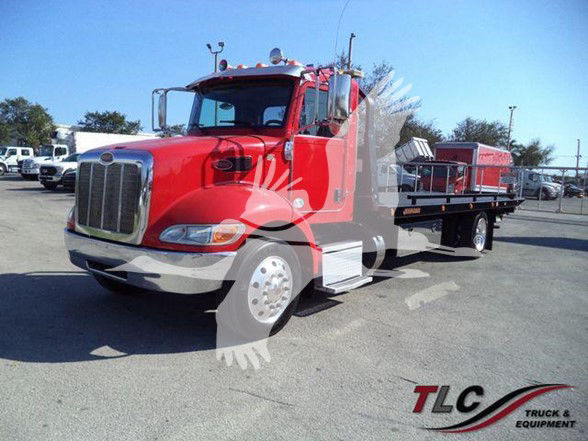
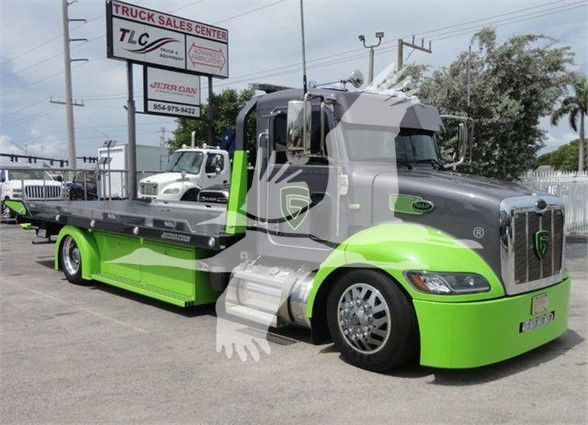
Start with the body style and the actual work the truck will do. A rollback or carrier is usually the right choice for vehicle transport, low-clearance cars, and general light-duty towing, while a self-loader wrecker is better suited to fast hook-and-go calls. After that, verify deck length, bed width, wheel-lift rating, winch capacity, and chassis GVWR. Buyers should also inspect PTO operation, hydraulic response, bed cylinders, subframe condition, remote controls, frame corrosion, and signs of hard recovery use.
Is a 2020 rollback tow truck better than a wrecker for general service?
For many mixed-use light-duty operations, a 2020 rollback tow truck is the more versatile choice because it can haul inoperable vehicles, all-wheel-drive vehicles, and specialty or lower-clearance cars with less risk of damage. A self-loader wrecker is typically faster on short urban calls and parking enforcement work because hookup time is shorter. The better option depends on call mix, but rollback carriers usually offer broader utility and stronger resale demand in the light-duty market.
What engine and transmission setup is common on 2020 tow trucks?
Many 2020 tow trucks in the light- and medium-duty classes use diesel engines paired with automatic transmissions, often from Allison in medium-duty applications. Buyers will commonly find engines in the 6.6L to 6.7L range on carrier chassis, with horsepower and torque calibrated for stop-and-go commercial use rather than long-haul duty. The important part is less about peak output and more about service history, cooling performance, PTO compatibility, and how well the drivetrain matches the truck’s rated payload and towing equipment.
Do Florida buyers need to pay special attention to rust and corrosion on a 2020 tow truck?
Yes. Florida trucks may avoid heavy road salt exposure, but coastal humidity, salt air, and constant weather exposure can still affect bed hardware, electrical connectors, light wiring, hydraulic fittings, wheel-lift components, and toolboxes. A good inspection should include the rollback deck structure, crossmembers, tie-down points, winch line condition, underbody corrosion, and all lighting and control functions. Corrosion on fasteners and electrical systems is especially important on tow equipment because reliability on service calls matters as much as appearance.
What are the most useful options on a 2020 tow truck?
The most valuable options depend on use, but many buyers prioritize a low-profile or XLP deck, dual-angle loading capability, removable rails, wireless remote controls, LED work lights, backup cameras, and well-designed toolbox storage. For carrier units, a 3,500 lb wheel lift with L-arms adds versatility on secondary tows. For wreckers, dual winches, tow dollies, and clear scene lighting can improve productivity. In Florida, operators also tend to value clean electrical systems, strong air conditioning, and easy-to-clean deck and body materials due to year-round use.