
2020 Tow Trucks For Sale
Shop 2020 tow trucks for sale, including rollback carriers and wreckers with key specs, body options, towing capacity, and buyer tips.
Learn more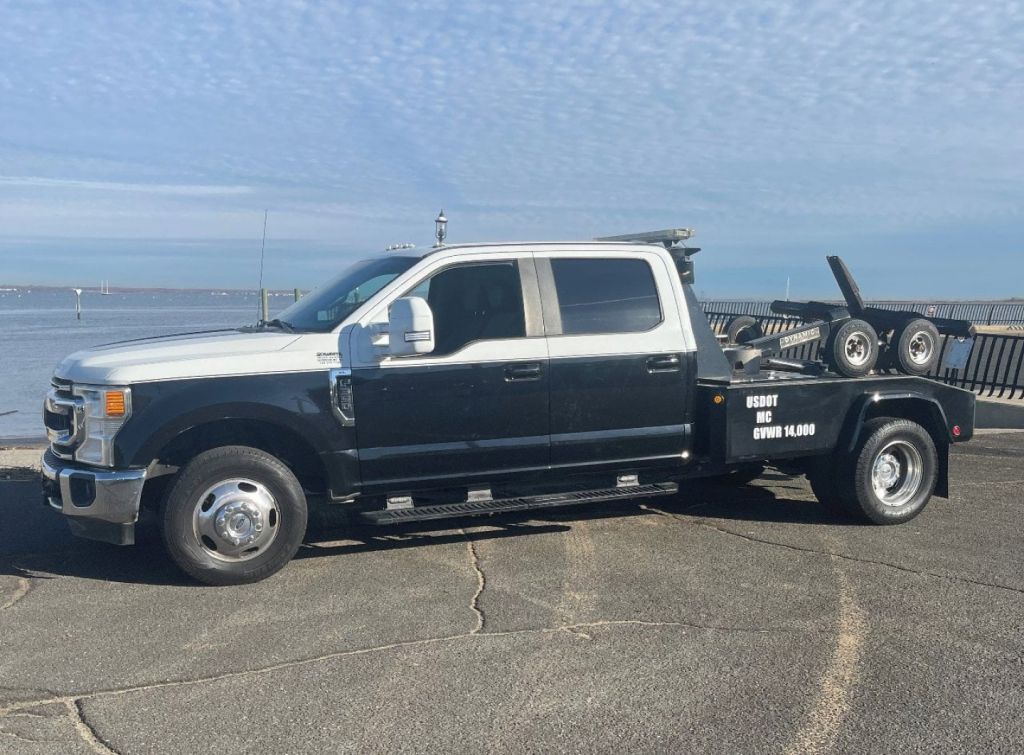
Have 2020 tow truck to sell? List it here to reach thousands of buyers.
About 2020 Tow Trucks
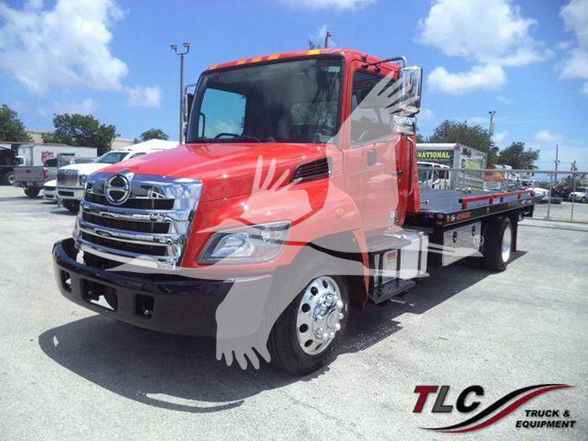
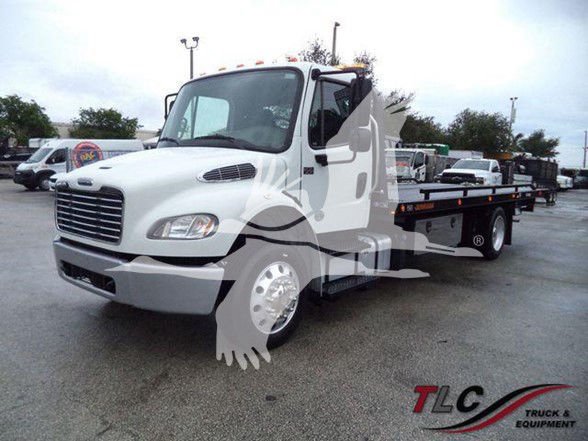
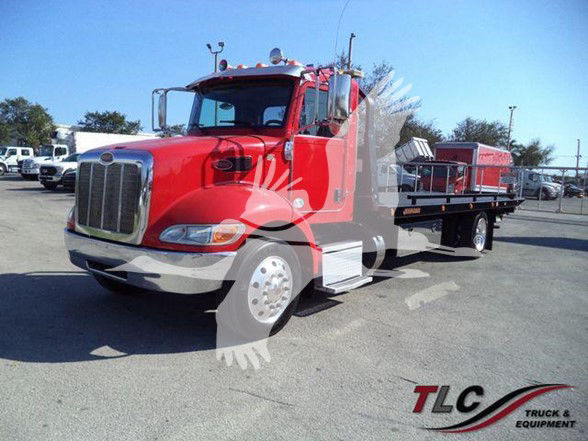
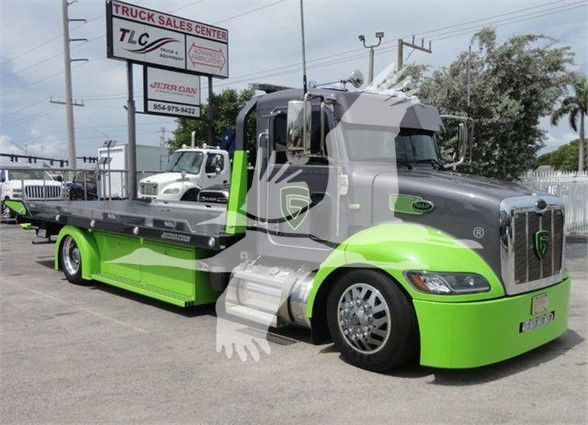
The first decision is usually carrier versus wrecker. A 2020 rollback tow truck, also called a carrier or flatbed tow truck, is the go-to choice for moving all-wheel-drive vehicles, low-clearance cars, and damaged units that should not be pulled on the road by two wheels. Many 2020 carriers use low-profile or LCG-style decks with steel or aluminum construction, 6-ton bed ratings, 8,000 lb winches, and 3,500 lb wheel lifts with L-arms. Buyers should compare bed material, deck angle, side rail design, toolbox layout, and whether the truck includes dual winch free spool, wireless remote controls, work lights, and air hose reels. Aluminum decks help reduce curb weight and corrosion, while steel decks usually cost less and can be easier to repair.
On the chassis side, 2020 tow trucks commonly feature Cummins diesel engines paired with Allison automatic transmissions, plus air brakes and air ride suspension on medium-duty builds. For a buyer, the important numbers are GVWR, front and rear axle ratings, wheelbase, and actual payload left after the body and equipment are installed. A 26,000 lb GVWR truck is attractive because it can deliver serious capability while staying below CDL thresholds in some operations, depending on local rules and how the truck is used. It is also smart to check tire size, suspension condition, PTO and hydraulic performance, winch function, wheel-lift wear, and the condition of bed pins, pivot points, cylinders, hoses, and controls. On a used 2020 unit, service records matter, especially for transmission maintenance, DEF and aftertreatment history, and any body or frame repairs.
A well-spec'd 2020 tow truck should match the mix of vehicles you recover most often. Urban operators may prefer a low deck angle, compact wheelbase, and easy-loading carrier body for parking garages and tight streets. Highway and police rotation work may place more value on stronger lighting packages, larger tool storage, recovery accessories, and fast hydraulic cycle times. If your work includes pickups, vans, crossovers, and occasional medium-duty units, pay close attention to wheel-lift capacity, deck length, and how the truck is balanced with a vehicle loaded. The best 2020 tow trucks are the ones spec'd for your route density, clearance needs, and service calls, not just the highest advertised capacity.
Frequently Asked Questions
What is the most common 2020 tow truck configuration?
The most common 2020 tow truck setup in the light- to medium-duty market is a 22-foot rollback carrier on a Class 6 or Class 7 chassis with a 26,000 lb GVWR. Many are equipped with a diesel engine, Allison automatic transmission, air brakes, an 8,000 lb winch, and a 3,500 lb wheel lift. This configuration handles everyday vehicle transport, accident recovery, dealer moves, and general service work with good versatility.
Is a 2020 rollback better than a wheel-lift wrecker?
A 2020 rollback is usually the better choice for transporting all-wheel-drive vehicles, low-clearance cars, and damaged vehicles that should be fully loaded off the ground. A wheel-lift wrecker can be faster for short tows, recoveries, and tight urban pickups, but it is not ideal for every vehicle type. Buyers should choose based on the percentage of transport work versus quick-hook towing in their operation.
What should I inspect on a used 2020 tow truck?
Start with the chassis and body as separate systems. Inspect engine and aftertreatment service history, transmission maintenance, brake condition, suspension wear, tire condition, and any signs of frame damage or corrosion. Then inspect the carrier or wrecker body, including hydraulic cylinders, hoses, PTO operation, winch performance, deck or boom structure, wheel-lift condition, L-arms, controls, lighting, and toolbox integrity. Uneven deck wear, hydraulic leaks, and sloppy pivot points can indicate heavy-use service.
Why do many 2020 tow trucks have a 26,000 lb GVWR?
A 26,000 lb GVWR is popular because it gives a tow truck enough chassis capacity for a substantial carrier body, wheel lift, tools, and recovery gear while remaining in a weight class that works well for many light- and medium-duty applications. In some situations, that rating can also help operators avoid moving into a higher licensing threshold, though buyers should always verify state and federal requirements for their exact use case.
Are aluminum carrier beds worth it on a 2020 tow truck?
Aluminum beds are attractive because they save weight and resist corrosion, which can improve usable payload and long-term appearance. Steel beds usually cost less up front and can be more straightforward to repair after hard use. The better choice depends on climate, operating conditions, expected payload, and how long the truck will stay in service.