
2020 Commercial Trucks For Sale in Oklahoma
Browse 2020 trucks for sale in Oklahoma, including day cabs, sleepers, dump trucks, and vocational units with modern emissions and safety tech.
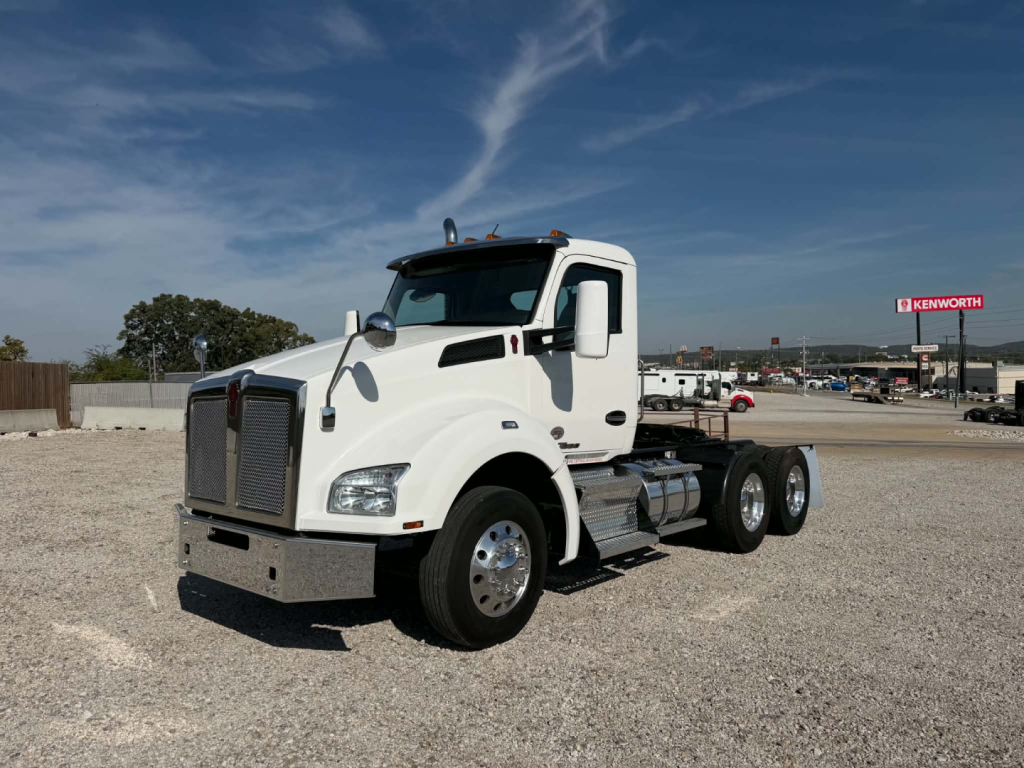
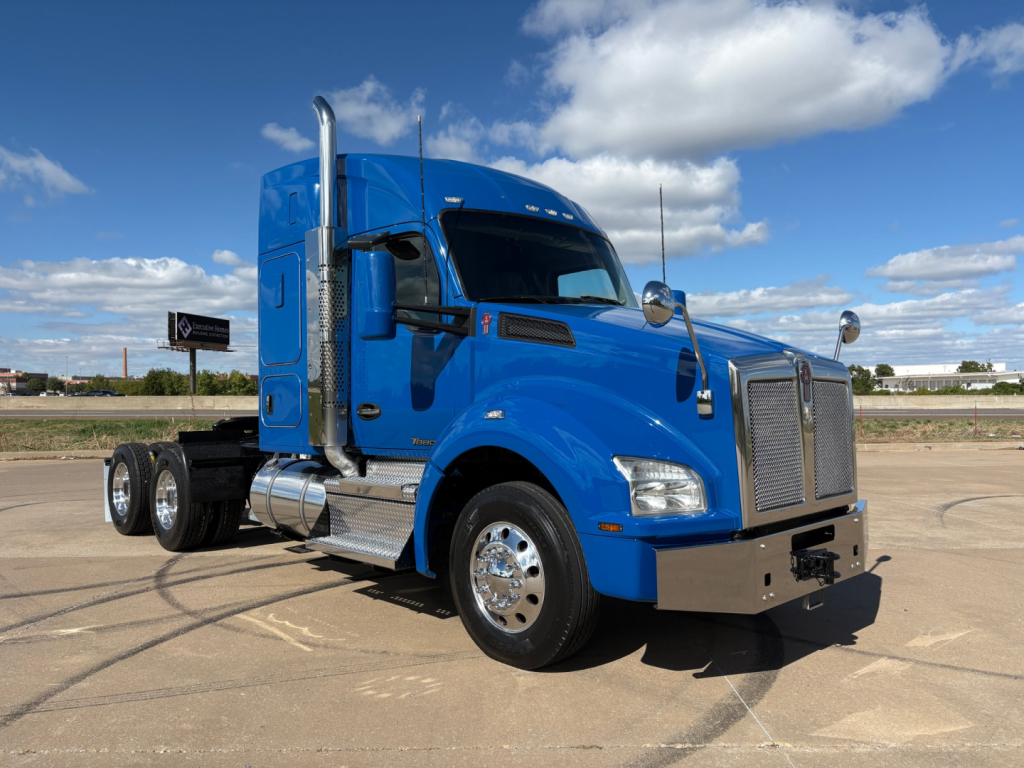
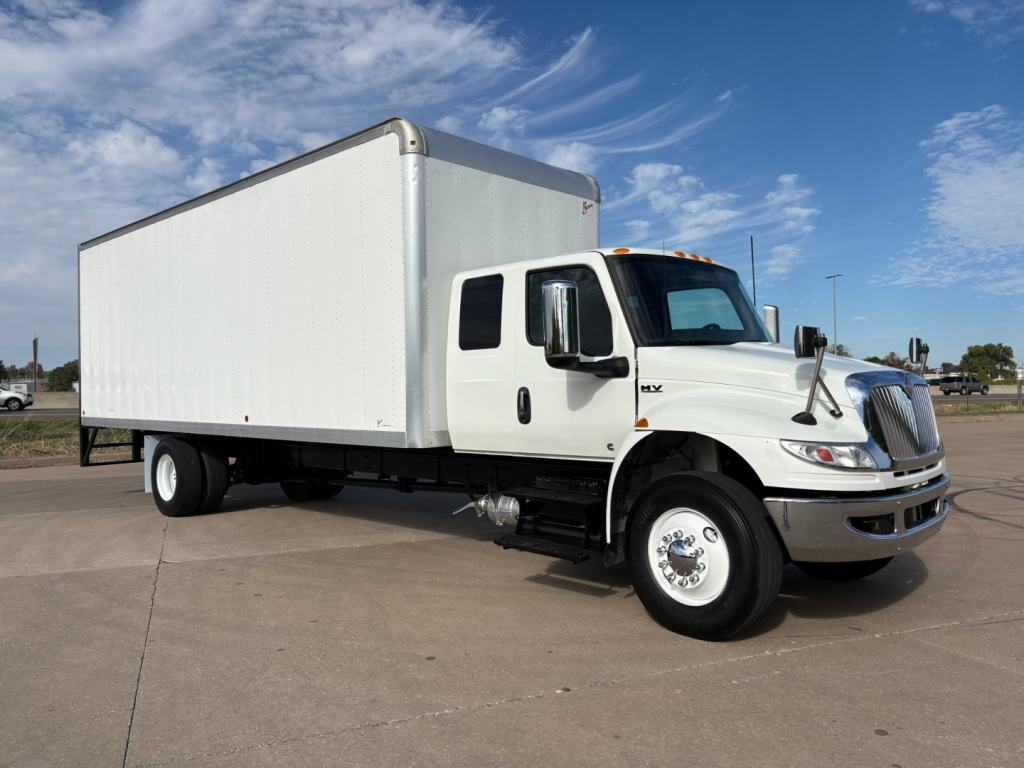
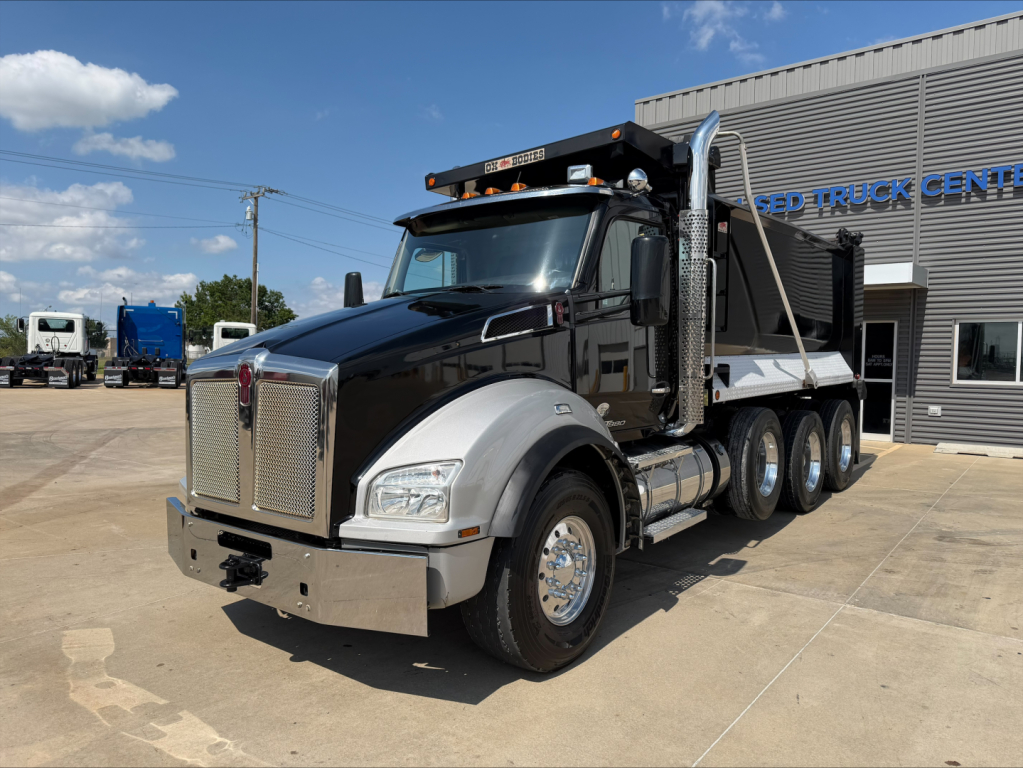
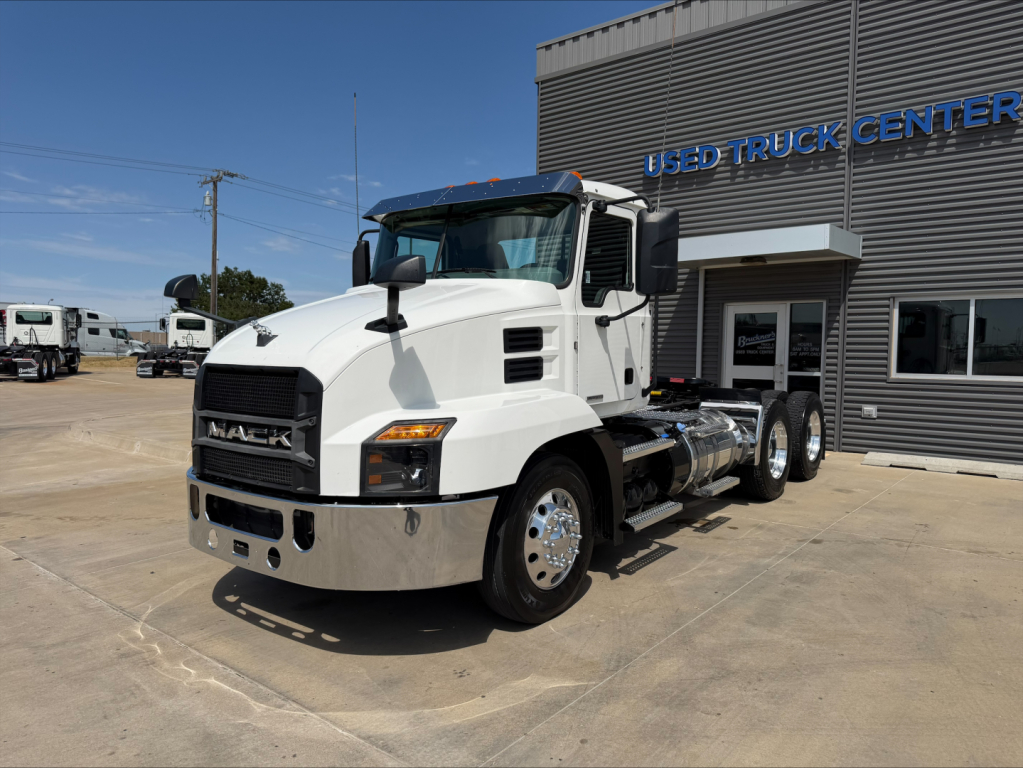
2020 Mack PI64T
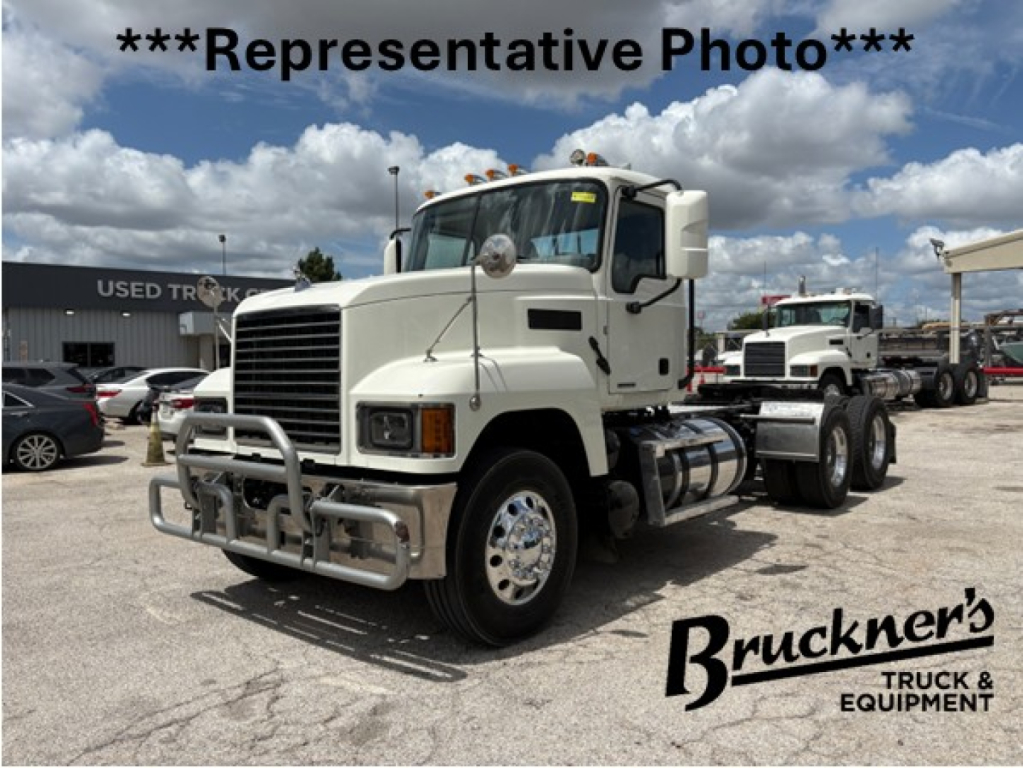
2020 Mack PI64T
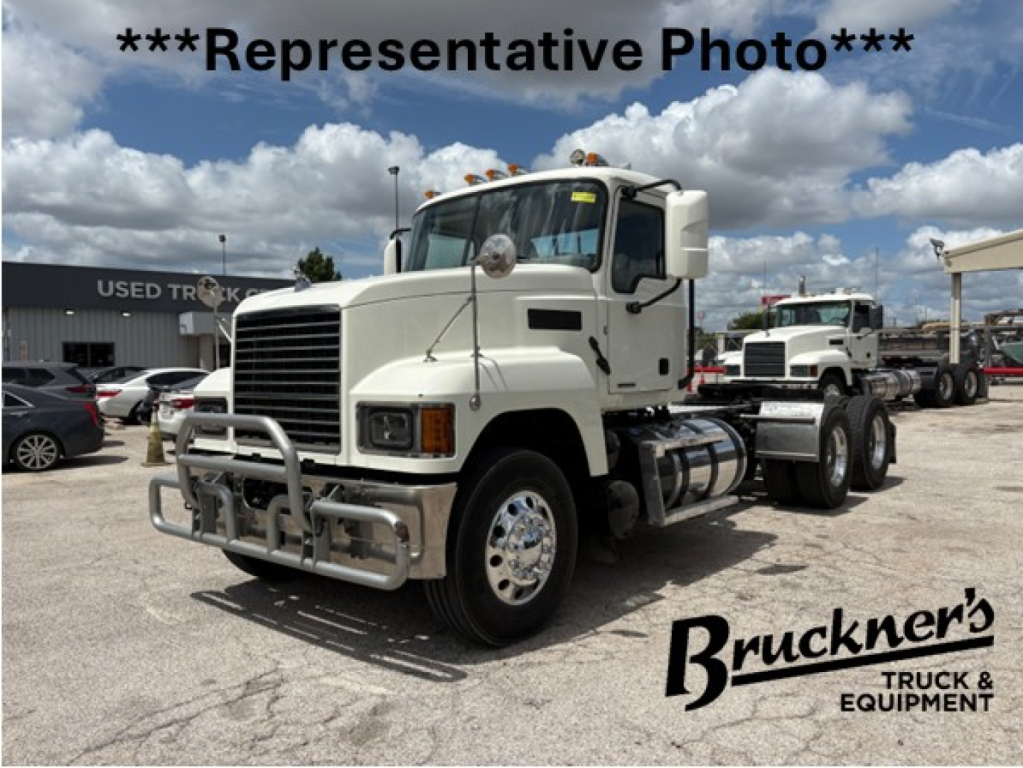
2020 Mack PI64T
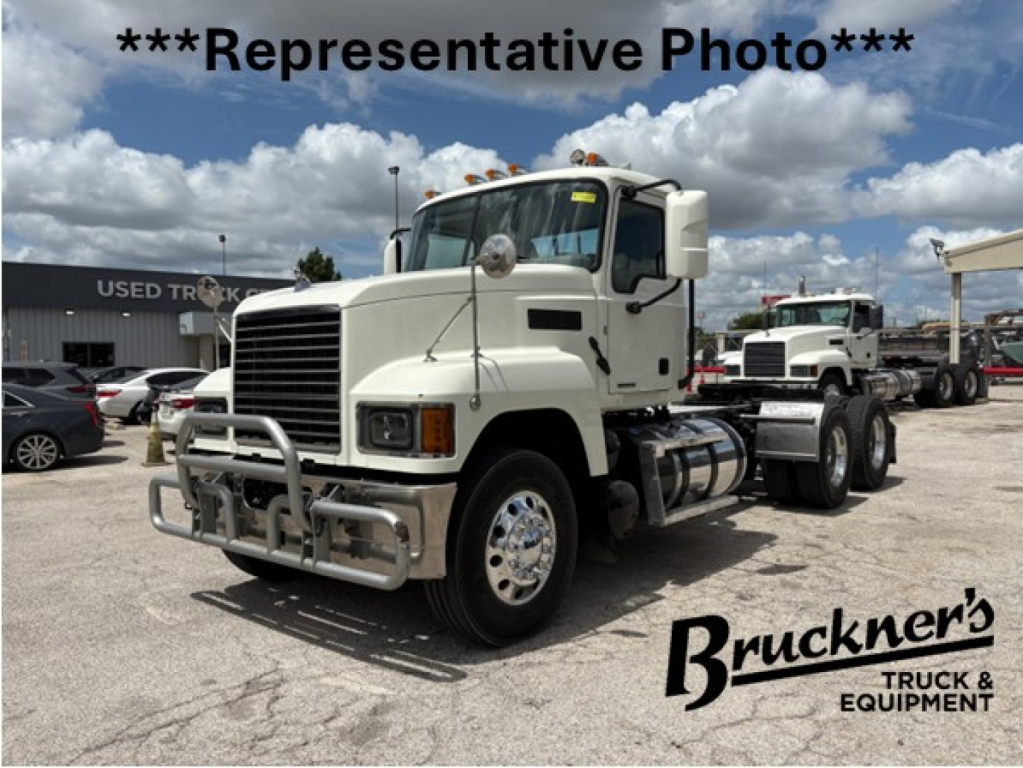
2020 Mack PI64T
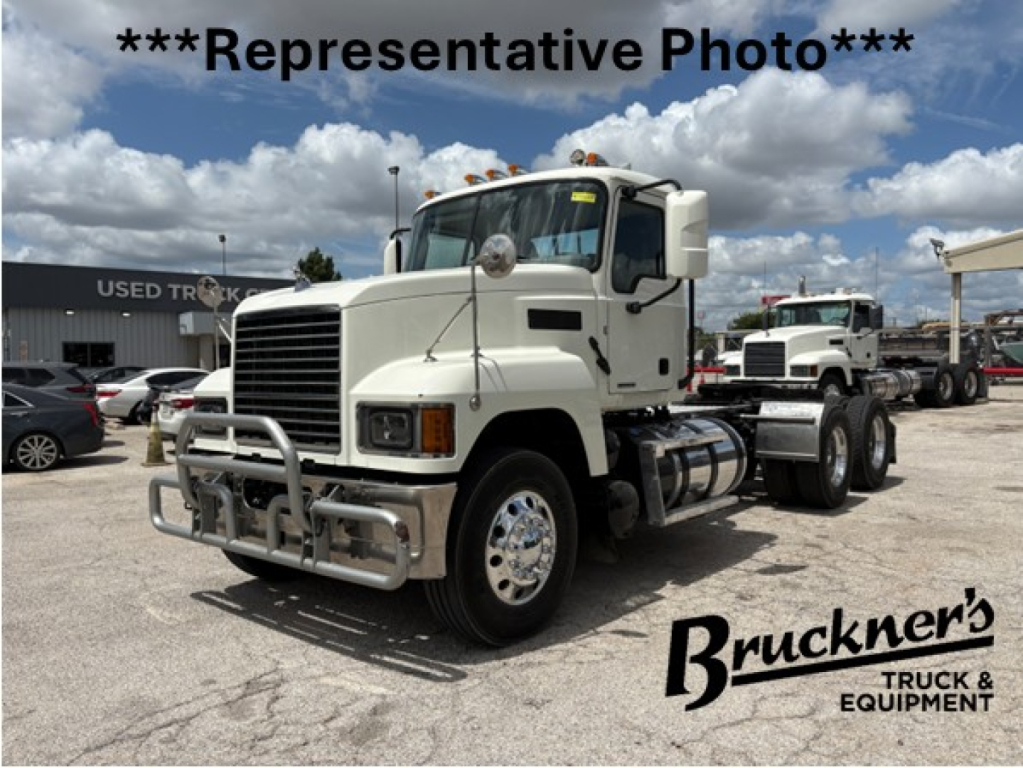
2020 Mack PI64T
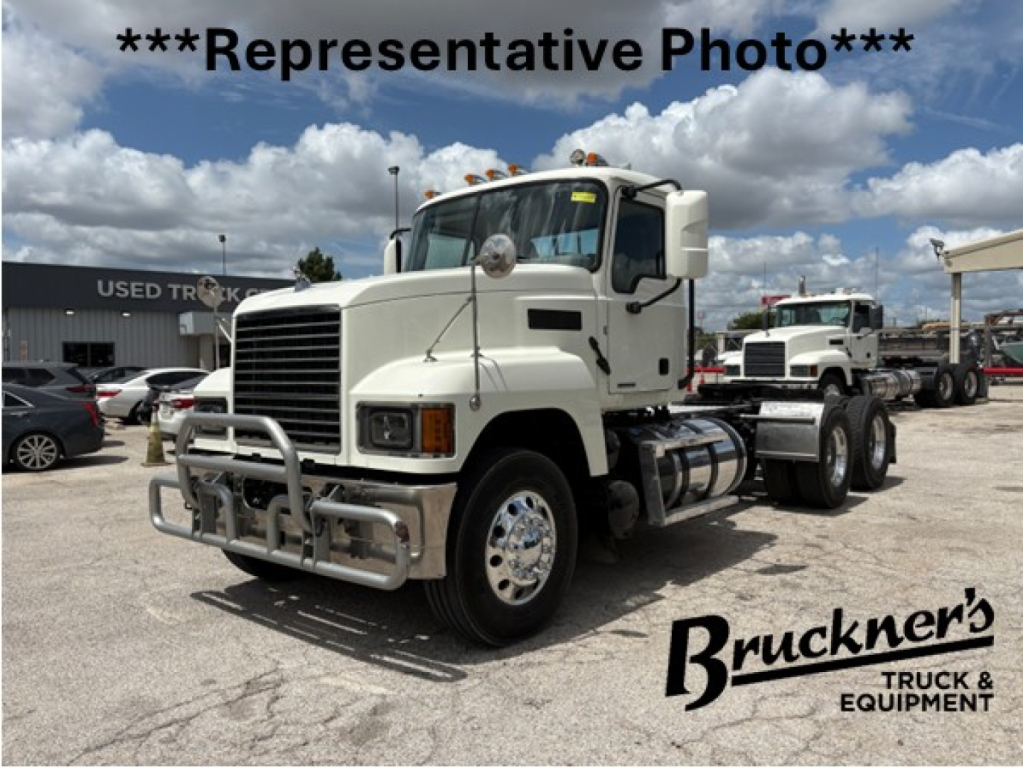
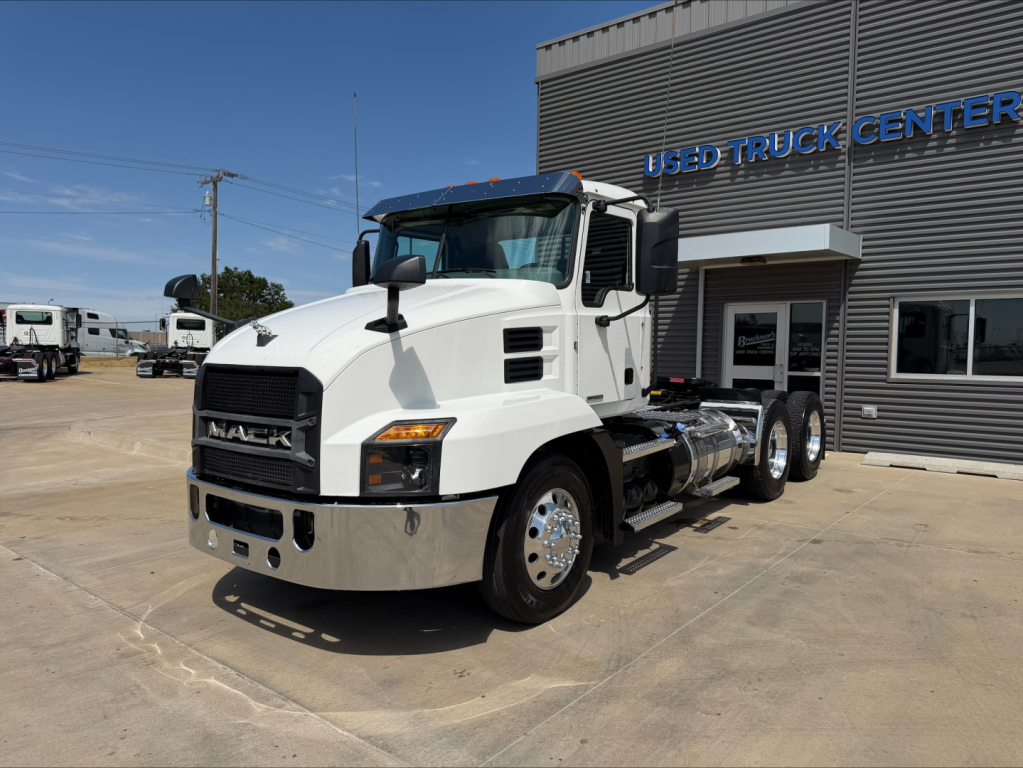
Selling a 2020 commercial truck? List your 2020 commercial truck for sale and reach thousands of commercial buyers.
2020 Commercial Trucks in Oklahoma
The first spec decision is usually application. A 2020 sleeper tractor is commonly set up for long-haul or irregular route work, with tandem drive axles, aerodynamic fairings, and engines in the 400 to 500 horsepower range. A 2020 day cab is more often chosen for local or regional hauling, port work, dedicated routes, or tanker and flatbed operations where cab access and wheelbase matter more than bunk space. Vocational 2020 trucks such as dump trucks or severe-duty configurations are built around axle ratings, frame strength, suspension spec, PTO compatibility, and body integration. Buyers comparing trucks in this year range should pay close attention to wheelbase, front axle weight, rear axle rating, suspension type, rear ratio, and gross vehicle weight rating because those numbers tell you more about real-world fit than the badge on the hood.
For highway use, many 2020 trucks were spec'd with engines like a Volvo D13, Mack MP8, Cummins X15, Detroit DD13 or DD15, and Paccar MX-series platforms, often paired with automated transmissions such as I-Shift, mDRIVE, Endurant, or DT12, along with some 10-speed and 13-speed manual transmissions still in service. Rear axle ratios commonly ranged from fuel-economy focused highway gearing to more versatile regional specs. On vocational trucks, higher axle capacities, heavier suspensions, locking differentials, and body-ready chassis specs are more important than aerodynamic packages. Buyers in Oklahoma also tend to care about cooling performance, suspension durability on rough roads and lease roads, and emissions system service history, especially on trucks that have spent time idling or running short duty cycles.
A strong 2020 truck purchase usually comes down to matching the spec to the lane and confirming how the truck was used. Mileage matters, but maintenance records, engine hours, aftertreatment history, clutch and transmission calibration history, tire wear, brake condition, and any signs of frame or suspension stress matter just as much. If the truck is a fifth-wheel tractor, check wheelbase and axle placement for trailer compatibility and bridge law needs. If it is a dump or other vocational truck, inspect hoist setup, body condition, liner wear, PTO operation, and axle spread. The 2020 model year remains attractive because it can offer a modern cab, current powertrain options, and better parts and service familiarity across major OEMs, while still serving as a practical ownership choice for fleets and owner-operators who need capability more than novelty.
Frequently Asked Questions about 2020 Commercial Trucks in Oklahoma
What are the main advantages of buying a 2020 truck in Oklahoma?
A 2020 truck often gives buyers a good balance of modern technology, usable service life, and lower acquisition cost than a new truck. Many 2020 models include mature automated transmissions, improved fuel-efficiency packages, and more developed emissions systems compared with older trucks. For Oklahoma operations, that can make a 2020 truck a strong fit for regional freight, oilfield support, agriculture, and construction work where reliability and parts support matter as much as purchase price.
What should I check first when comparing 2020 sleeper trucks, day cabs, and vocational trucks?
Start with the application and chassis specification. For a sleeper or day cab, review horsepower, torque, transmission type, wheelbase, axle ratings, rear ratio, and suspension setup to make sure the truck matches the trailer, payload, and route profile. For vocational trucks, focus first on front and rear axle capacity, frame spec, PTO capability, suspension, body configuration, and gross vehicle weight rating. The correct chassis spec is more important than model name alone.
Are 2020 trucks likely to have automated manual transmissions?
Yes. By 2020, automated manual transmissions were common across many highway and regional truck specs. Systems such as Volvo I-Shift, Mack mDRIVE, Detroit DT12, and Eaton Endurant were widely adopted because they help with fuel economy, driver consistency, and reduced clutch wear. Manual transmissions still exist in 2020 trucks, especially in certain vocational or fleet applications, but a buyer should expect many listings from this model year to be equipped with an AMT.
What engine and emissions issues should I look for on a 2020 truck?
Review maintenance history for the aftertreatment system, including diesel particulate filter service, DEF system repairs, sensors, dosers, and any repeated fault history. Also look at idle hours, engine hours versus miles, coolant condition, and signs of poor regeneration performance. A 2020 truck can be a solid emissions-era purchase, but trucks that ran short routes, idled heavily, or missed preventive maintenance can develop more frequent aftertreatment problems than trucks with steady operating cycles and documented service.
Is a 2020 truck still a good choice for an owner-operator or small fleet?
A 2020 truck can be a very practical choice for an owner-operator or small fleet if the spec matches the intended work and the truck has a strong maintenance background. This model year is new enough to offer modern cab comfort, current powertrain options, and broad dealership support, but old enough to avoid the highest new-equipment cost. Buyers should still evaluate total operating cost carefully, including tires, brakes, emissions components, financing, and expected downtime, rather than focusing only on the purchase price.