
2020 Cab and Chassis Trucks For Sale
Browse 2020 cab and chassis trucks built for box, flatbed, dump, service, and vocational upfits with diesel power and flexible wheelbases.
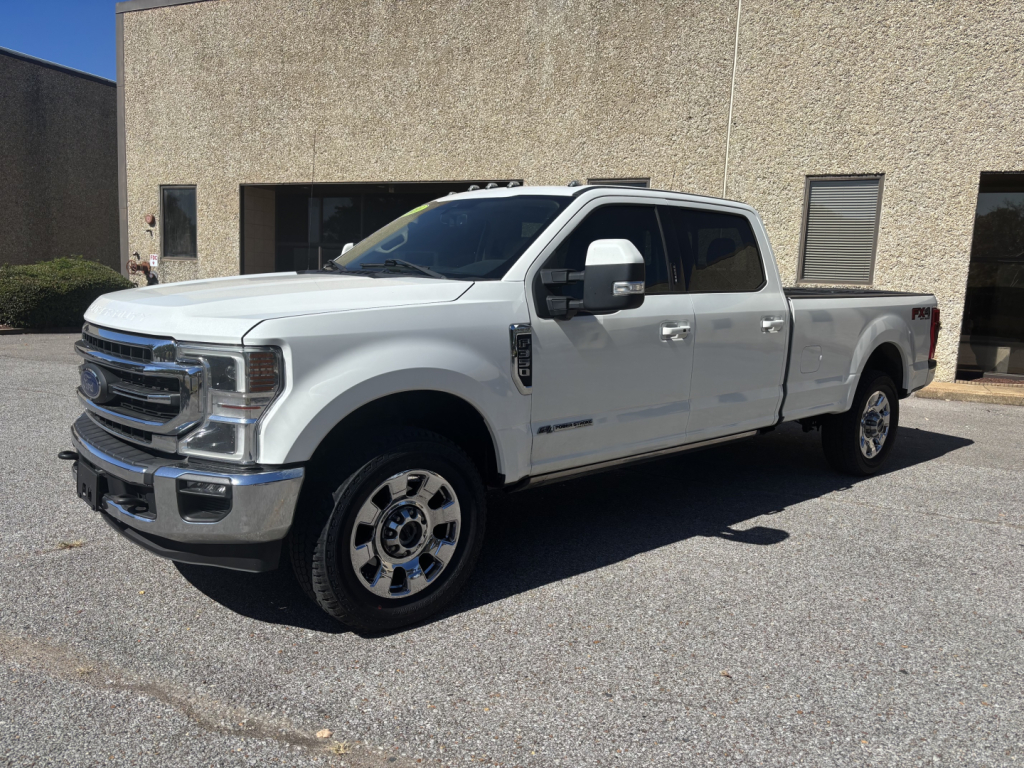
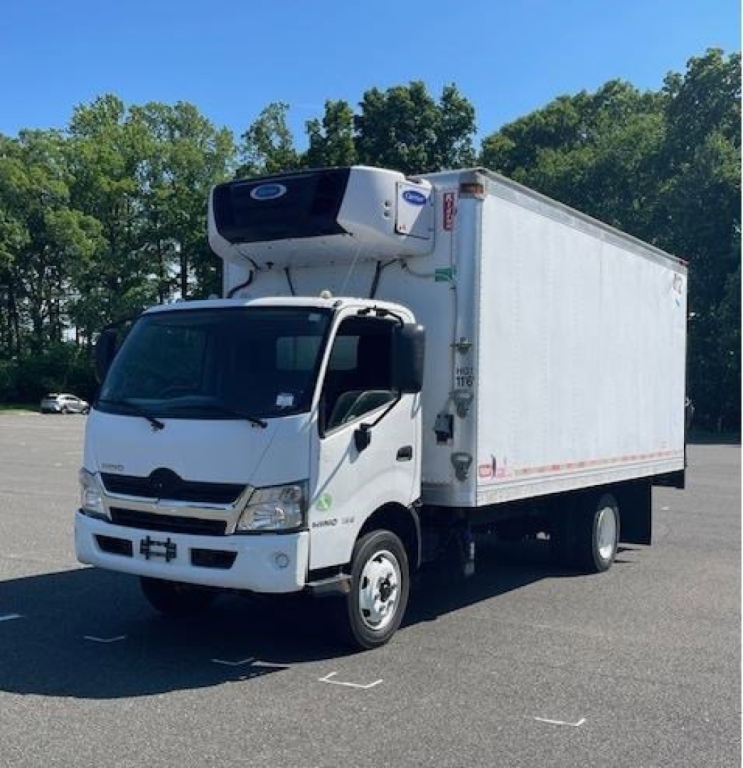
Selling a 2020 cab and chassis truck? List your 2020 cab and chassis truck for sale and reach thousands of commercial buyers.
2020 Cab and Chassis Trucks
In the 2020 model year, the market includes a wide spread of classes, from lighter Class 4 and 5 trucks up through heavier Class 7 and 8 chassis. Common engines include medium-duty diesel platforms from Cummins, Hino, Isuzu, PACCAR, and Detroit depending on make and GVWR. Transmissions are often Allison automatics in medium-duty applications, while heavier spec chassis may use automated manuals or full manual transmissions. Front axle ratings, rear axle ratios, suspension type, and brake configuration matter as much as horsepower because these trucks are usually purchased for route work, municipal duty, towing, delivery, or contractor applications where payload, body integration, and stop-and-go durability drive operating cost.
A serious buyer should look closely at wheelbase, cab-to-axle, and frame rail dimensions before planning any body installation. PTO provisions, upfitter switches, fuel tank placement, exhaust routing, and aftertreatment packaging can all affect how easily a body or equipment package can be installed. If the truck is intended for a van body or reefer body, verify axle spread, rear overhang, and body compatibility. For dump, crane, or service body work, pay attention to frame reinforcement, suspension capacity, and whether the truck is already prepped for hydraulic or electric PTO operation. On CDL-sensitive applications, GVWR and body choice need to be evaluated together, especially when a non-CDL target is part of the business model.
For a used 2020 cab and chassis truck, condition is more than miles. Idle hours, prior body removal, frame drilling, corrosion around mounting points, and wiring quality all matter. Check for signs of vocational use such as uneven tire wear, suspension fatigue, and repaired frame sections. Emissions system health is important on 2020 diesel trucks, especially for trucks that spent their life in short-route service. A well-matched 2020 chassis cab can still be a strong platform for a new upfit, but the best value comes from buying a truck whose axle ratings, wheelbase, and frame spec already fit the body and job cycle you plan to run.
Frequently Asked Questions about 2020 Cab and Chassis Trucks
What is a 2020 cab and chassis truck used for?
A 2020 cab and chassis truck is used as a base vehicle for installing a commercial body or vocational upfit. Common applications include dry van bodies, refrigerated bodies, flatbeds, dump bodies, rollback wreckers, utility bodies, mechanic service bodies, and stake beds. The truck is purchased for its frame, axle ratings, and wheelbase so it can be configured for a specific job instead of remaining in a finished pickup or tractor configuration.
What specs matter most when buying a 2020 cab and chassis truck?
The most important specs are GVWR, front and rear axle ratings, wheelbase, cab-to-axle measurement, frame rail dimensions, suspension type, and engine-transmission pairing. These determine payload capacity, body compatibility, turning radius, and overall operating suitability. PTO capability, fuel tank location, exhaust routing, and electrical upfitter provisions are also important because they affect how easily the chassis can accept the intended body.
Can a 2020 cab and chassis truck be set up for non-CDL operation?
Yes, many 2020 cab and chassis trucks can be configured for non-CDL work if the final GVWR stays within the legal threshold and the completed body does not push the truck into CDL territory. This is common in Class 5 and some Class 6 applications such as 24-foot to 26-foot van bodies, flatbeds, and certain reefer builds. Buyers need to evaluate the completed truck, not just the bare chassis, because body weight, liftgates, cargo, and equipment all affect the final rating and legal use case.
What should I inspect on a used 2020 cab and chassis truck before upfitting it?
Inspect the frame for extra holes, cracks, corrosion, prior body mount repairs, and any signs of reinforcement or modification that could affect a new installation. Check suspension wear, brake condition, tire wear patterns, driveline condition, and any evidence of overloading. Review idle hours and engine hours if available, and confirm emissions system performance because repeated short-trip duty can be hard on modern diesel aftertreatment systems. Wiring integrity is also critical, especially if previous upfit equipment was removed.
Are 2020 cab and chassis trucks only medium-duty trucks?
No, cab and chassis trucks are available across several weight classes. Many are medium-duty models used for delivery and vocational work, but heavier Class 7 and Class 8 chassis are also common for dumps, tow operations, heavy service bodies, and specialized equipment. The term cab and chassis describes the incomplete truck configuration rather than a single weight class, so buyers should shop by intended body, GVWR, and axle capacity first.