
2020 Hino Trucks For Sale
Shop 2020 Hino trucks including box, cab chassis, reefer, and straight truck configurations with diesel power and medium-duty specs.
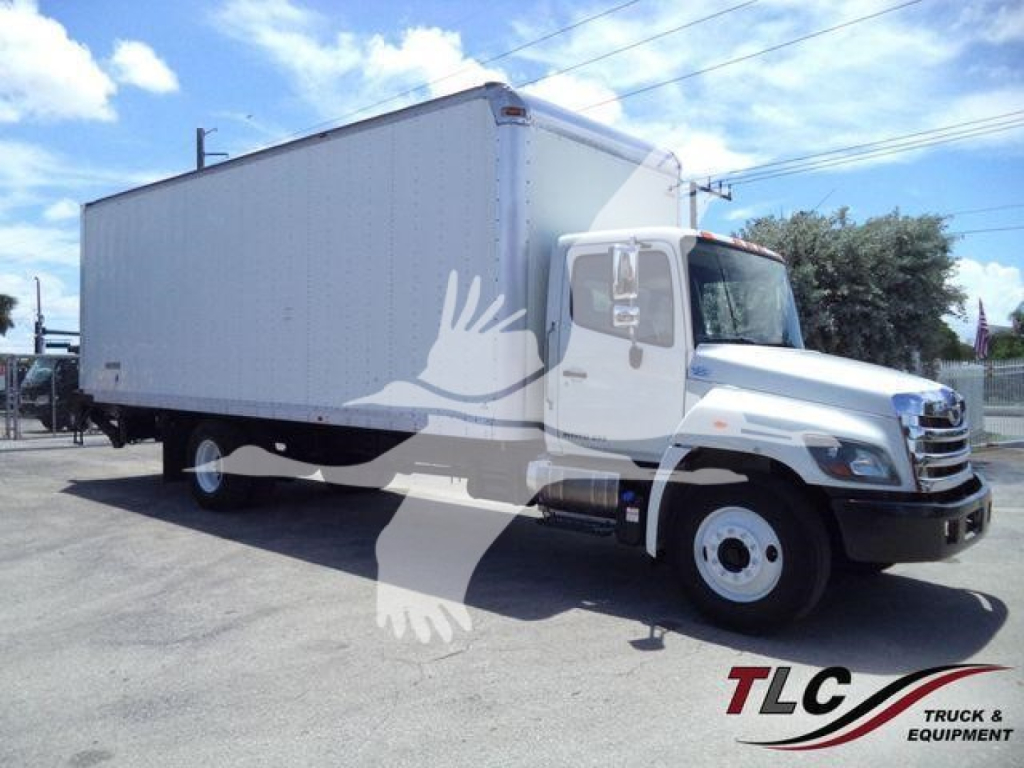
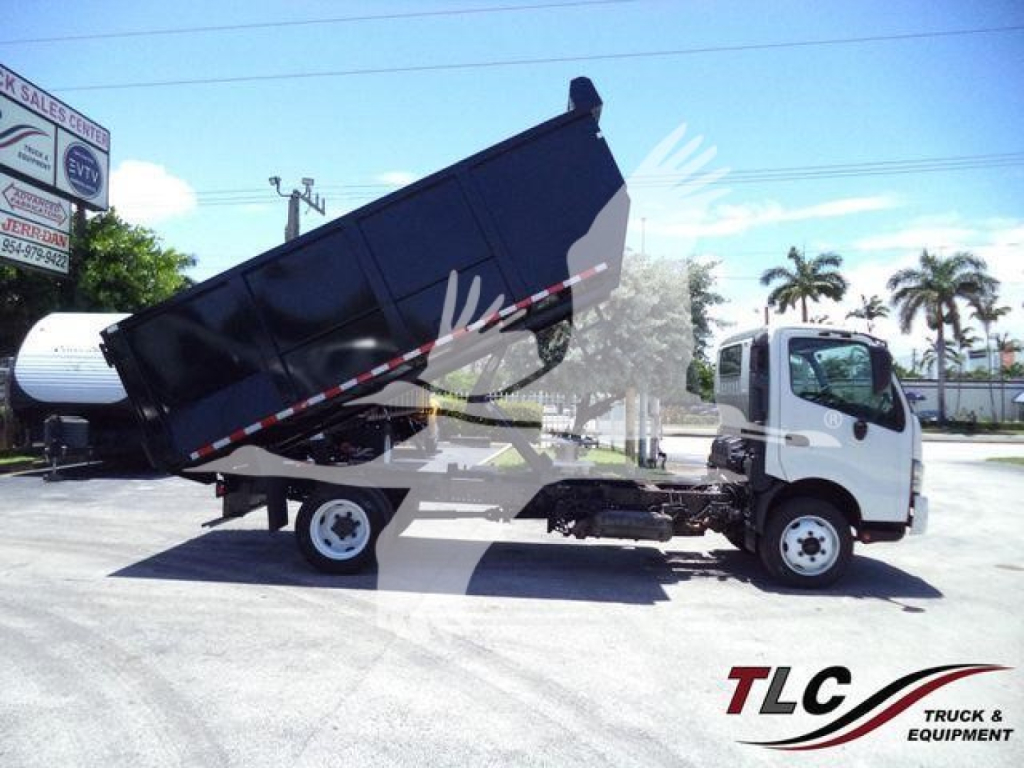
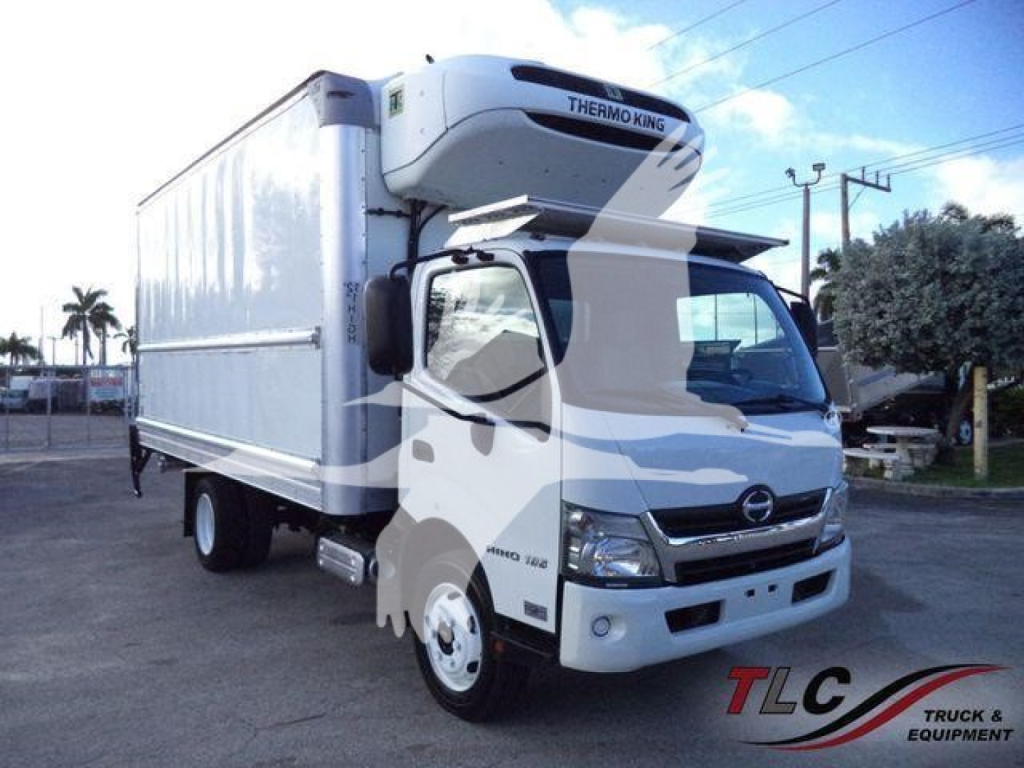
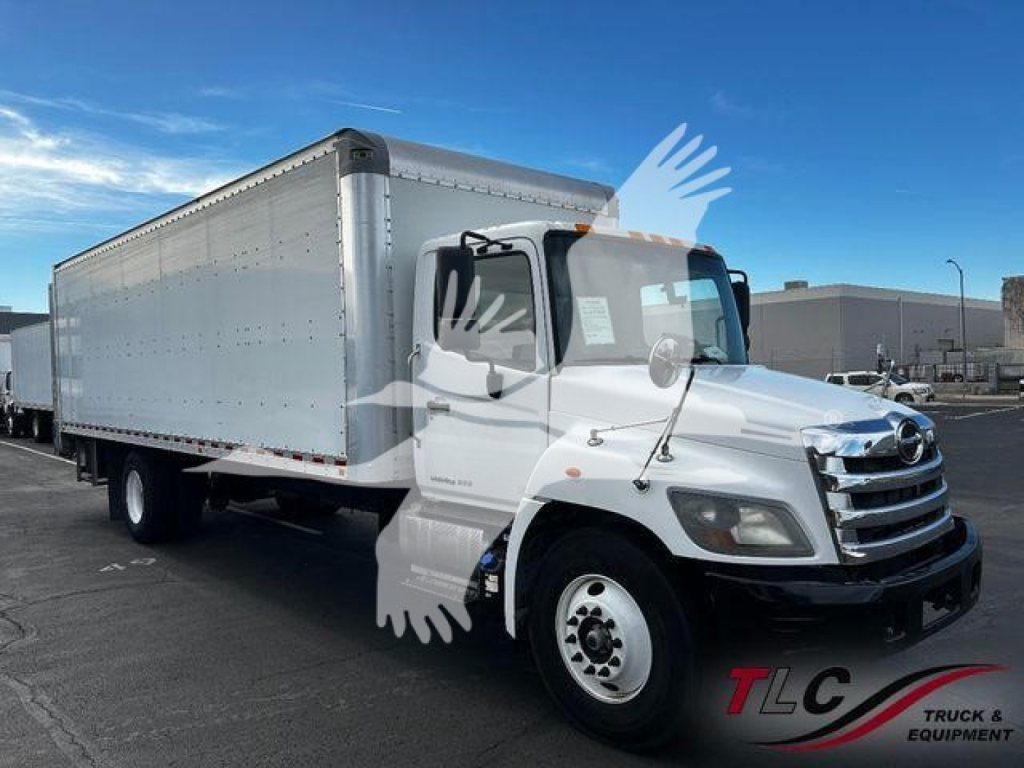
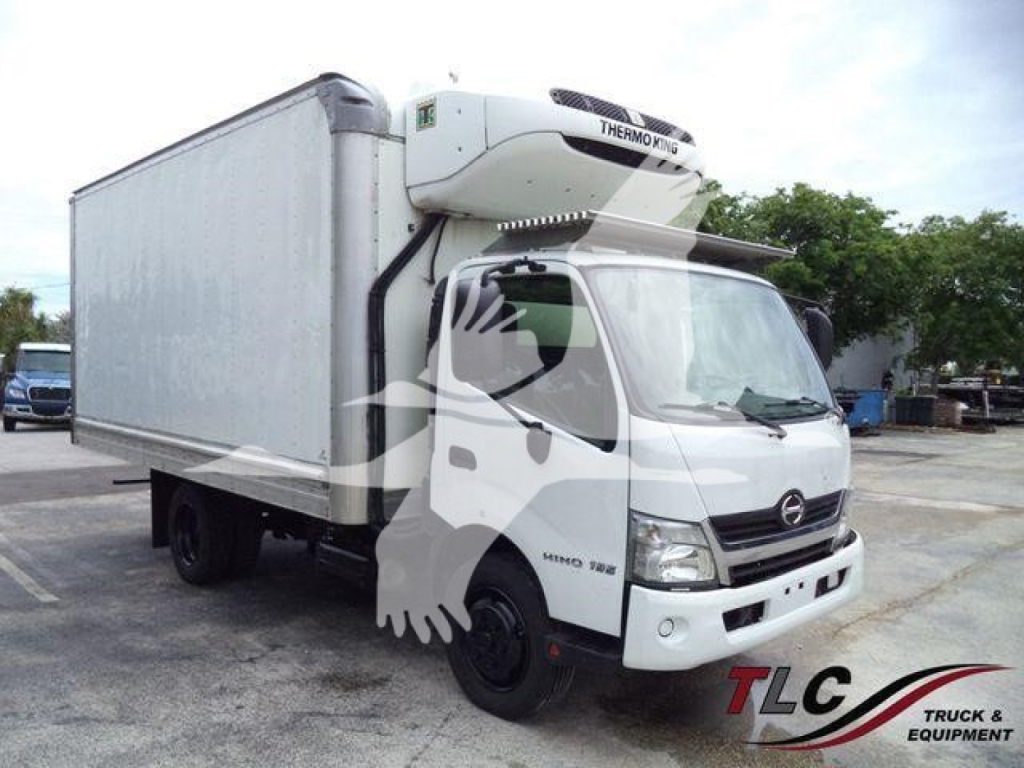
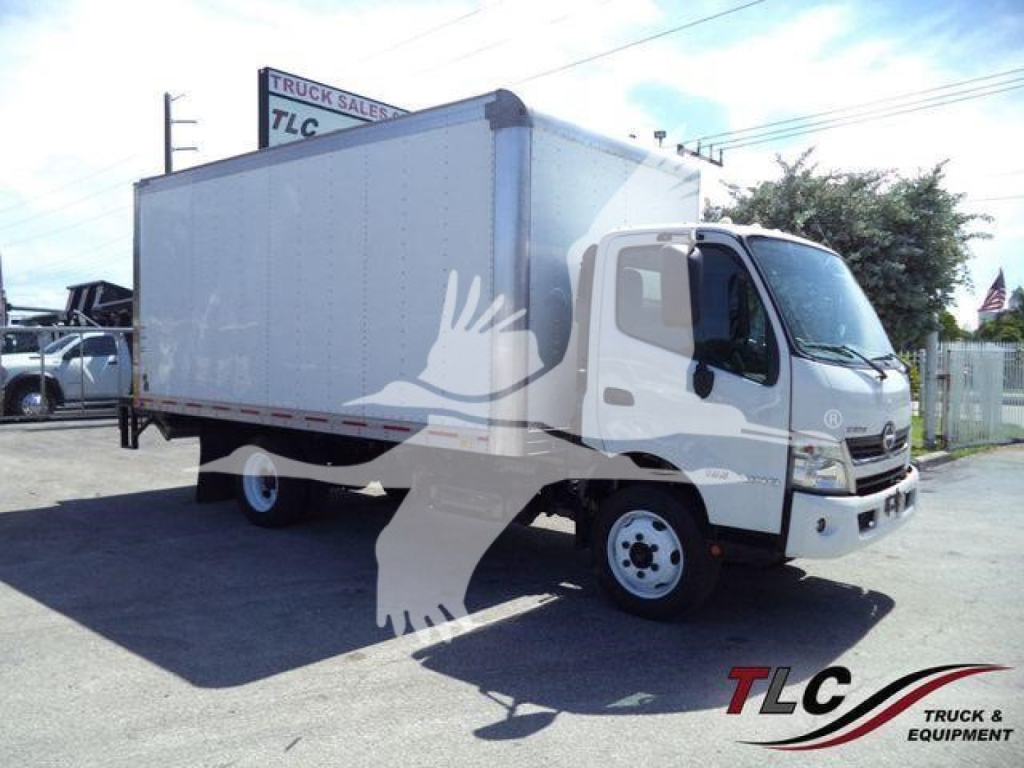
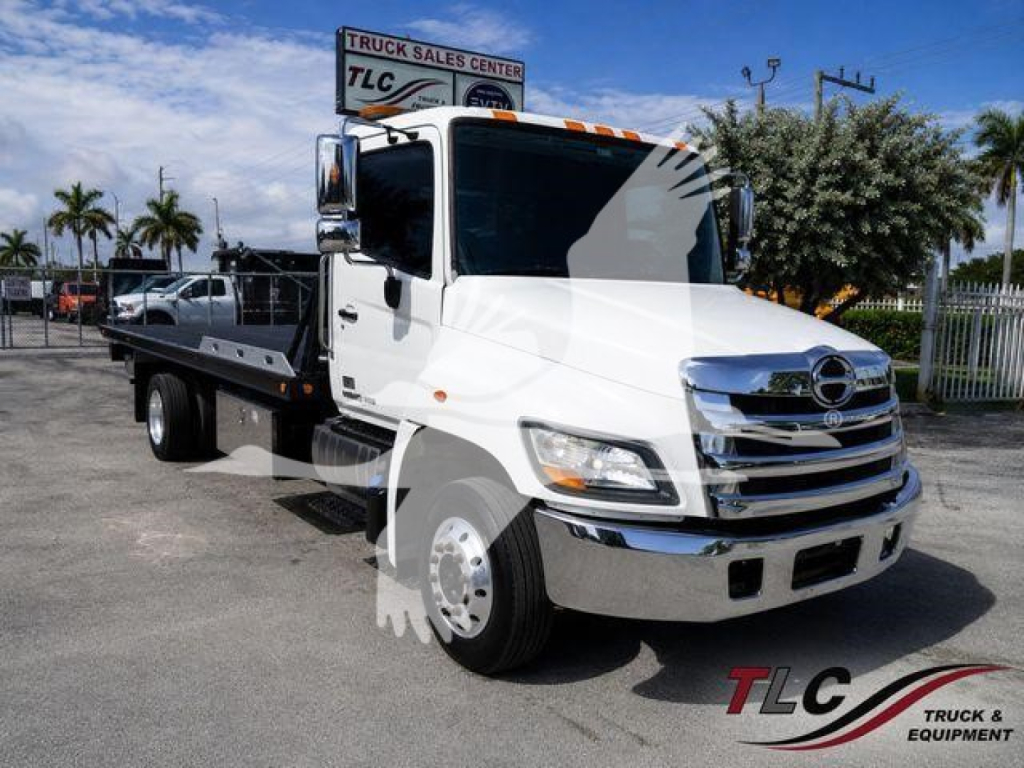
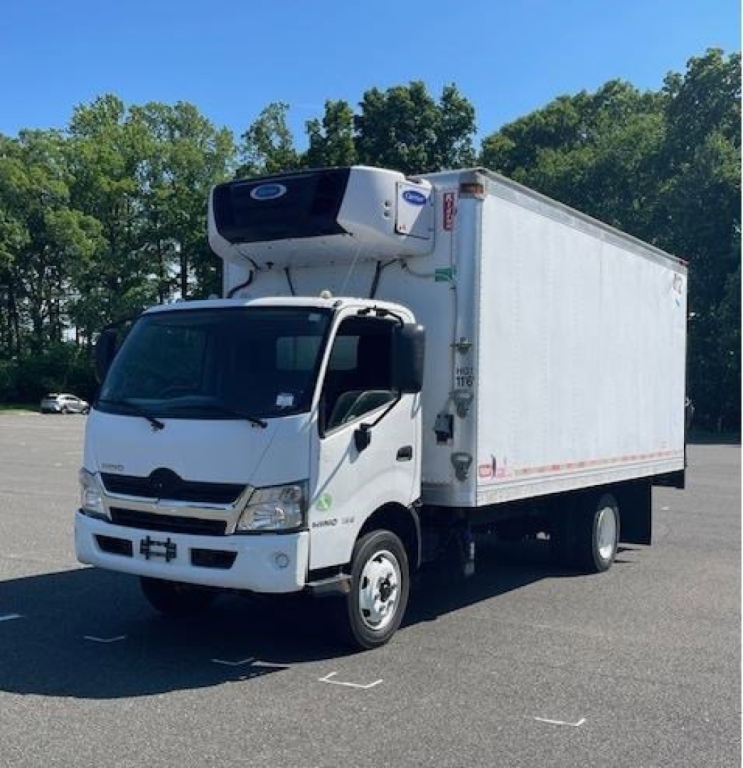
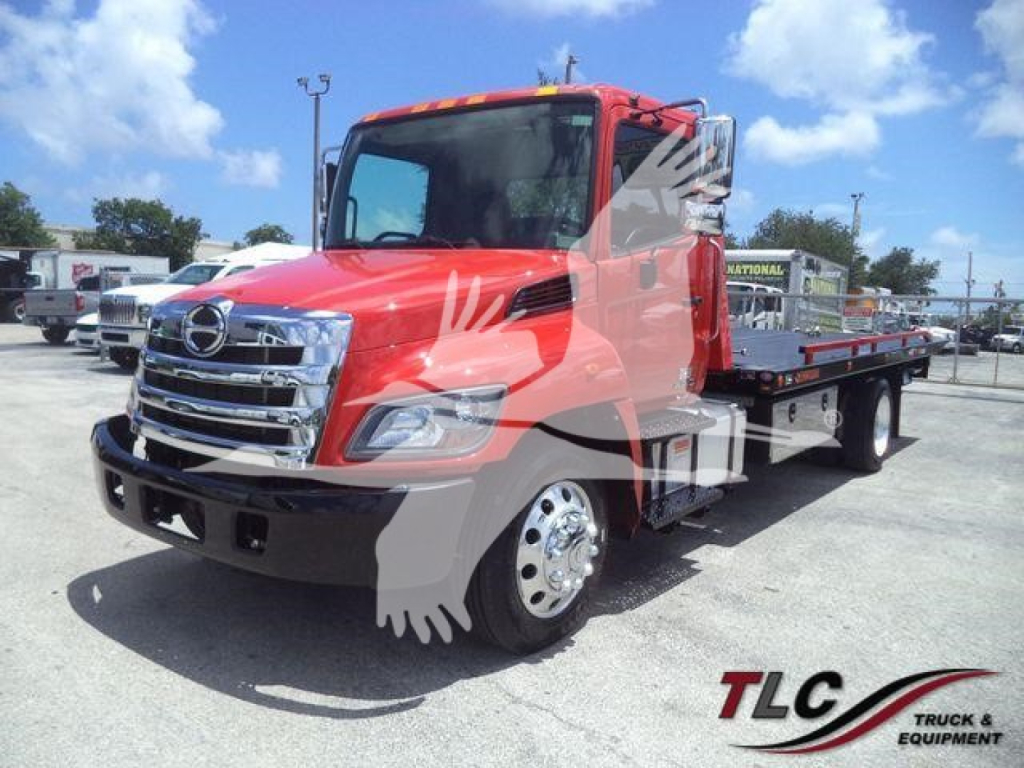
2020 Hino 268A
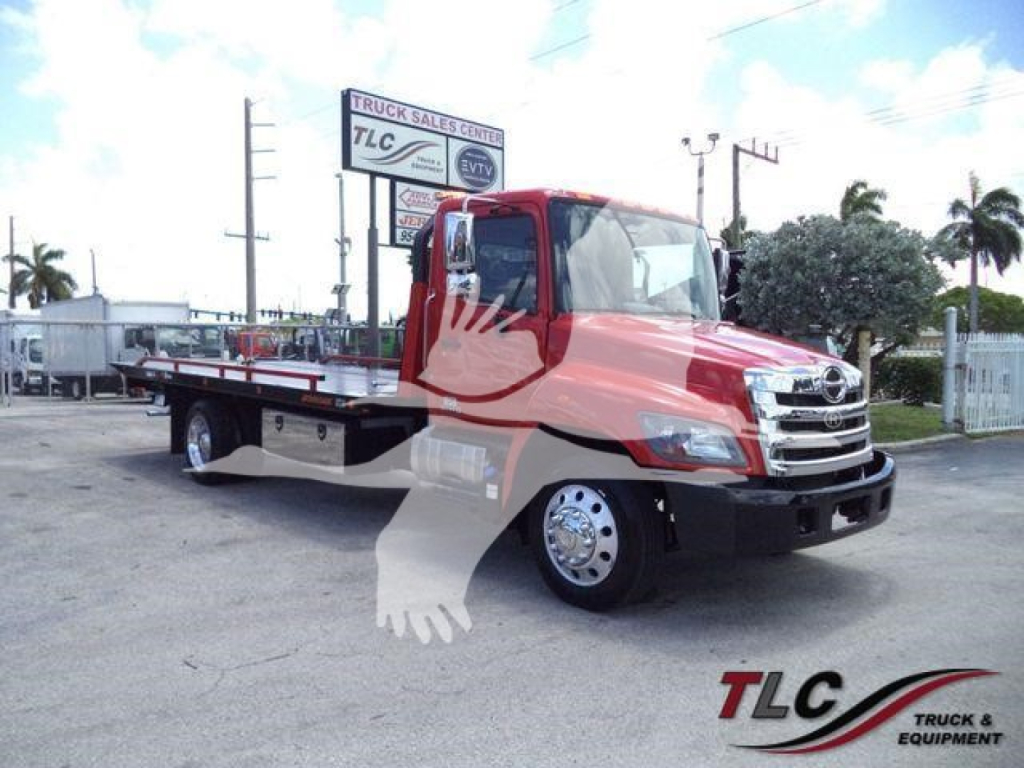

Selling a 2020 hino truck? List your 2020 hino truck for sale and reach thousands of commercial buyers.
2020 Hino Trucks
The powertrain matters on 2020 Hino trucks because this is where operating cost and route suitability show up fast. Many units in this year range use Hino diesel engines such as the J05E or J08E, depending on class and application, paired with automatic transmissions from Aisin or Allison. Expect horsepower in the low-200 to 260 hp range on common medium-duty specs. Single-axle configurations dominate, and suspension choices usually lean toward spring setups for durability, though some specialty bodies may vary. Wheelbase is especially important if you are matching the truck to a van body, reefer box, rollback, stake body, or dry freight body, since axle placement directly affects turning radius, bridge law compliance, and body compatibility.
For buyers comparing 2020 Hino box trucks or straight trucks, cab ergonomics and service access are part of the value. Hino has long been favored in pickup and delivery fleets for a comfortable cab, good visibility, straightforward controls, and automatic transmission availability that reduces driver fatigue in stop-and-go work. Common specs include hydraulic steering, air conditioning, cruise control, tilt and telescoping wheel adjustment, aluminum fuel tanks, and 19.5-inch or 22.5-inch wheel and tire packages depending on the chassis class. If the truck already carries a body, inspect door type, floor construction, liftgate compatibility, reefer unit hours if equipped, and body manufacturer support just as closely as the chassis itself.
A smart 2020 Hino purchase comes down to matching GVWR, rear axle rating, and body configuration to the route. Urban delivery buyers usually prioritize maneuverability, lower step-in height, and non-CDL operation. Regional operators tend to focus more on payload capacity, body length, fuel range, and drivetrain durability. For reefer service, confirm the refrigeration unit spec, insulation condition, and floor design. For cab and chassis trucks, verify wheelbase, frame length, PTO needs, and upfit clearance before committing. The best 2020 Hino trucks are the ones with a spec that fits the work without forcing overload, excess idle time, or an underpowered body combination.
Frequently Asked Questions about 2020 Hino Trucks
What are the most common applications for a 2020 Hino truck?
The most common applications are box truck delivery, refrigerated delivery, dry freight, moving, municipal service, landscaping, and cab-and-chassis upfits for specialized bodies. In the 2020 model year, Hino medium-duty trucks were widely used in local and regional routes where automatic transmissions, tight turning capability, and reliable diesel power are important. The exact application depends on GVWR, wheelbase, and whether the truck is configured as a factory chassis or already carries a body.
Is a 2020 Hino truck usually a CDL or non-CDL truck?
It can be either, depending on the model and GVWR. Lighter Hino models such as the 155 are often spec'd under the 26,001-pound threshold for non-CDL work, while larger trucks like the 268A are commonly built closer to or above that line depending on body and axle ratings. Buyers should confirm the door sticker GVWR and the finished body weight, not just the model name, because two trucks in the same series can fall into different licensing and payload categories.
What engines and transmissions are common in 2020 Hino trucks?
Common 2020 Hino trucks in the medium-duty market often use Hino J05E or J08E diesel engines, depending on truck class, with automatic transmissions from Aisin or Allison. Smaller delivery trucks generally use lower-displacement engines suited for urban routes, while larger straight trucks use higher-output engines for added payload and body capacity. Transmission choice affects serviceability, drivability, and PTO compatibility, so it is worth confirming the exact model when comparing trucks.
What should I check on a 2020 Hino box truck or reefer truck before buying?
Start with GVWR, wheelbase, axle ratings, and actual body dimensions to make sure the truck matches your route and freight. Then inspect maintenance history, engine hours, transmission operation, brake condition, tire size and wear, suspension type, and any signs of frame corrosion or body damage. On box trucks, pay attention to floor condition, roof leaks, roll-up door function, and liftgate integration. On reefer trucks, also verify refrigeration unit hours, temperature pull-down performance, insulation integrity, and evaporator and condenser condition.
Are 2020 Hino trucks good for local delivery fleets?
Yes. A 2020 Hino truck is generally well suited for local delivery fleets because the platform is designed around medium-duty urban and regional work. Buyers often choose them for their automatic transmission availability, comfortable cab layout, good visibility, and body upfit flexibility. They are especially common in pickup-and-delivery operations where driver comfort, maneuverability, and predictable operating costs matter more than long-haul sleeper features.