
2020 Commercial Trucks For Sale in California
Browse 2020 trucks for sale in California, including highway tractors, box trucks, cab and chassis, and vocational units for regional or long-haul work.
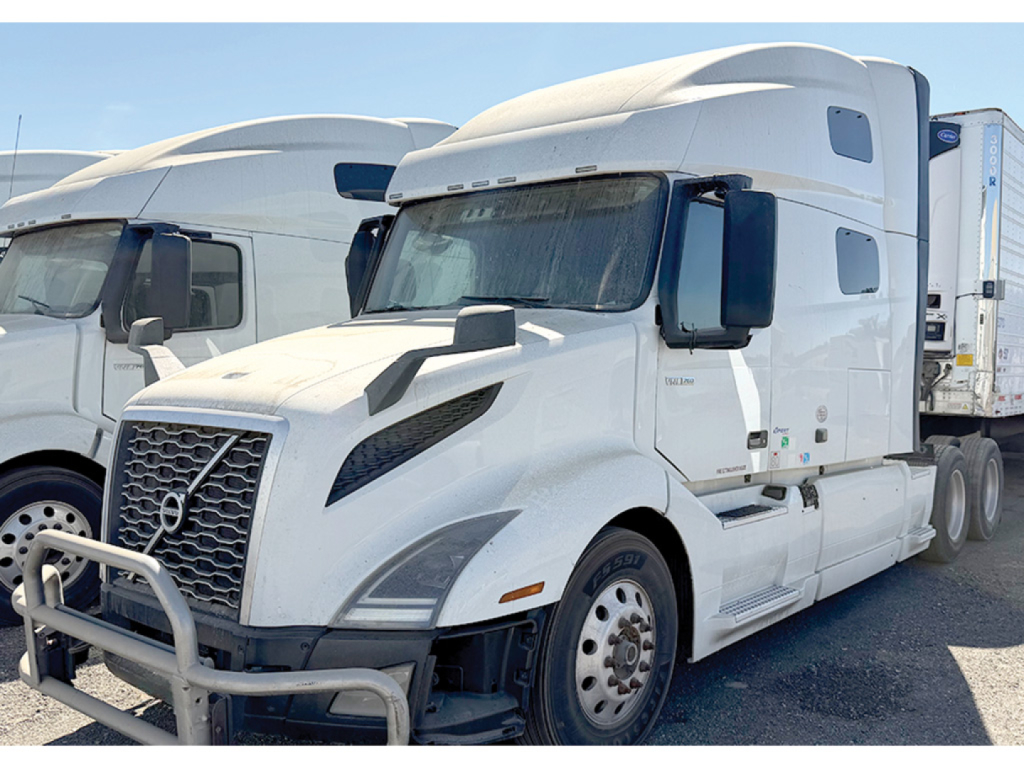
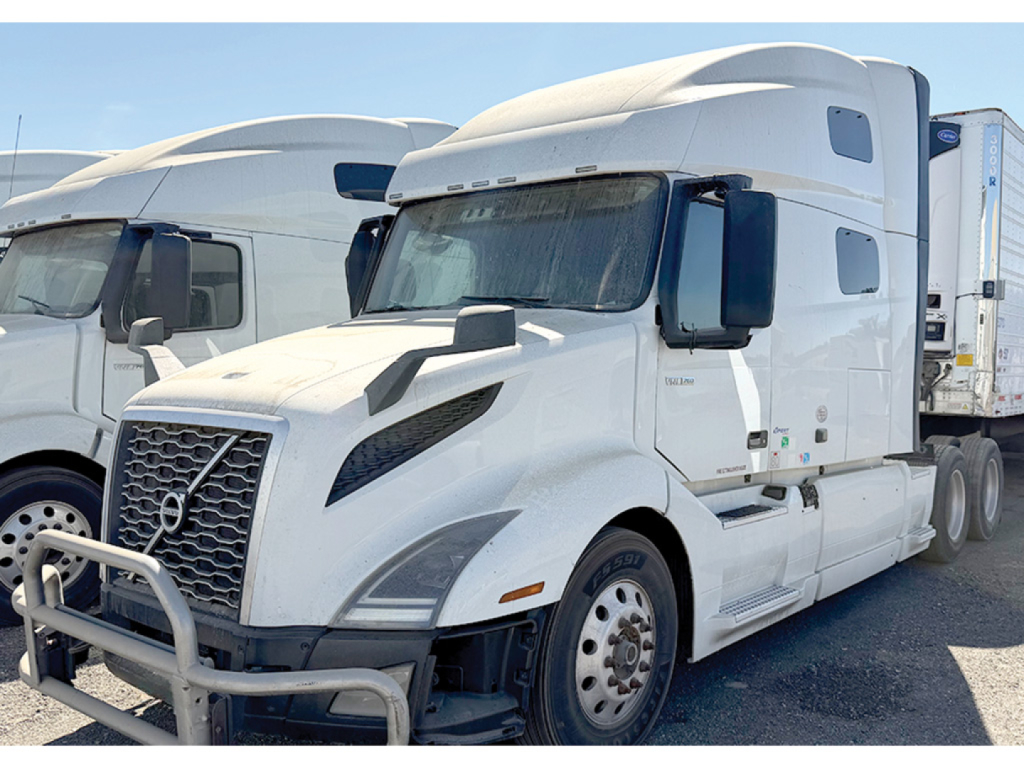
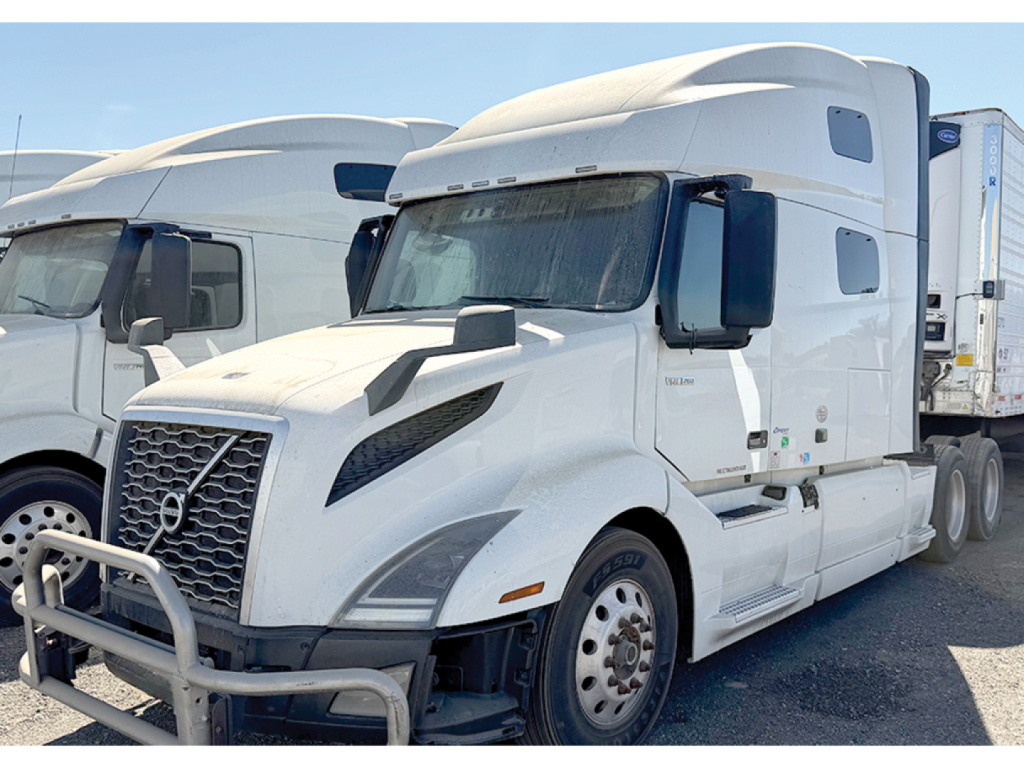
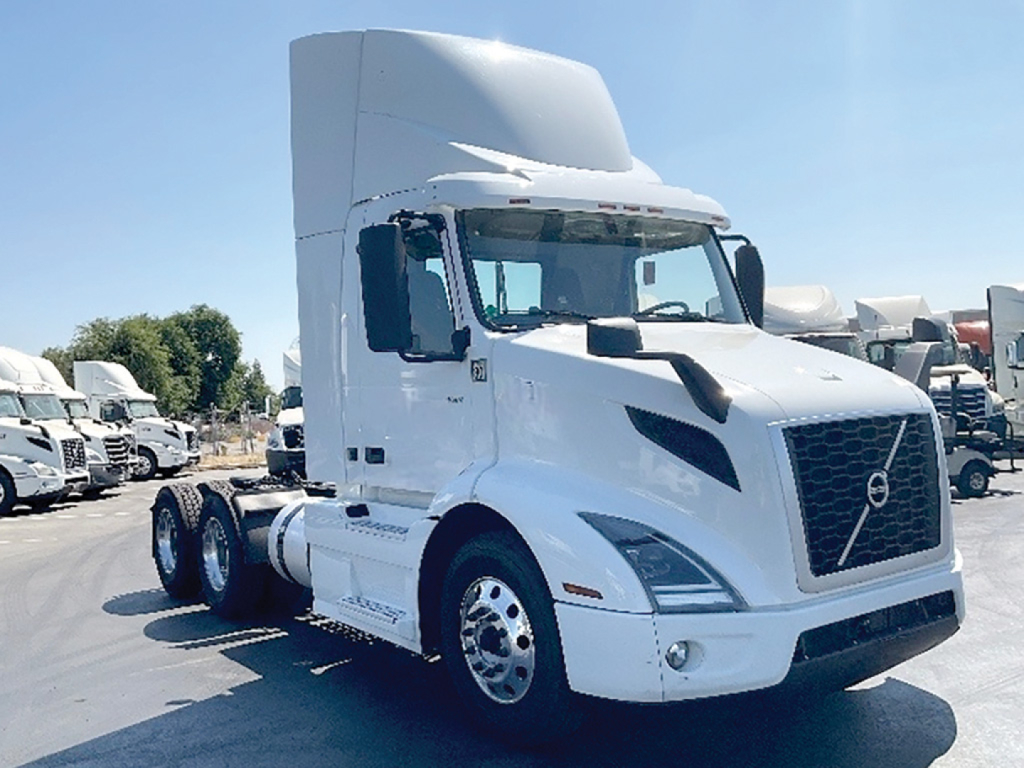

Selling a 2020 commercial truck? List your 2020 commercial truck for sale and reach thousands of commercial buyers.
2020 Commercial Trucks in California
For Class 8 highway trucks from 2020, common specs include 12.8 to 15-liter diesel engines, automated manual or fully automatic transmissions, 6x4 tandem rears, air ride suspension, and rear axle ratings around 40,000 pounds. Popular long-haul setups often pair engines in the 400 to 505 HP range with fuel-efficient ratios such as 2.47, 2.64, or 2.85 depending on tire size and intended cruise speed. Buyers comparing sleeper and day cab models should look closely at wheelbase, fifth wheel travel, fairing package, fuel capacity, and idle-management equipment such as an APU or bunk heater. On California routes, aerodynamics, idle restrictions, and stop-and-go duty cycles can all affect the right spec.
Medium-duty and vocational 2020 trucks deserve a different checklist. A 2020 cab and chassis may be ideal for a flatbed, service body, dump, utility body, refrigerated box, or tow setup, but the frame dimensions, axle spacing, PTO capability, and GVWR have to match the intended body. For box trucks and delivery equipment, pay attention to door opening height, liftgate specs, body length, cargo cube, and front axle capacity if the truck sees dense urban work. If the truck will operate across Southern California, the Central Valley, or mountain corridors, cooling capacity, brake condition, and transmission calibration matter just as much as mileage.
The best 2020 trucks for sale are usually the ones with a clear maintenance history, the right axle and suspension package, and a spec built for the freight or body they carry. Look beyond the badge and compare engine hours, idle hours, tire wear pattern, brake life, DPF and SCR service records, and signs of previous body modifications. A well-matched 2020 truck can still offer strong uptime, driver-friendly interiors, and predictable operating costs, especially when the drivetrain, wheelbase, and application are aligned from the start.
Frequently Asked Questions about 2020 Commercial Trucks in California
What should I look for when buying a 2020 truck in California?
California buyers should verify emissions compliance, registration eligibility, and the truck’s actual operating history before focusing on cosmetic condition. Service records for the DPF, SCR system, EGR components, and any engine or aftertreatment fault history are especially important on a 2020 diesel truck. It also helps to confirm axle ratings, wheelbase, and intended application so the truck fits local delivery, highway freight, construction, or body-upfit work without expensive changes later.
Is a 2020 truck a good year for long-haul and regional hauling?
A 2020 truck is often a practical choice for both long-haul and regional operations because it typically offers newer powertrain technology, driver-assist features, and improved aerodynamics compared with older equipment. Many 2020 highway tractors were spec'd with fuel-efficient rear axle ratios, automated transmissions, and integrated idle-management options. The better choice depends on the exact spec, since a regional truck may have a different wheelbase, gearing, and fuel capacity than a true over-the-road sleeper.
What are common specs on 2020 Class 8 trucks?
Common 2020 Class 8 truck specs include 12.8 to 15-liter diesel engines, horsepower ratings from roughly 400 to 505 HP, automated manual transmissions, and tandem rear axles rated around 40,000 pounds. Many are configured with air ride suspension, aerodynamic fairings, and 22.5-inch wheels for highway use. Sleeper models may include 60-inch to 80-inch sleepers, APUs, bunk heaters, and sliding fifth wheels depending on the original fleet or owner-operator spec.
How do I choose between a 2020 sleeper, day cab, box truck, or cab and chassis?
The right 2020 truck type depends on route length, payload, and what body or trailer the truck needs to handle. A sleeper is built for overnight and long-haul use, while a day cab is usually better for local and regional runs with more frequent turns and lower tare weight. A box truck fits pickup-and-delivery freight, and a cab and chassis is the better option when you need to install a dump body, flatbed, service body, reefer body, or another vocational upfit.
Does mileage matter more than engine hours on a 2020 truck?
Mileage is important, but engine hours and idle hours often tell a more complete story. A 2020 truck with moderate miles and very high idle time may show more wear in emissions components, engine systems, and cab equipment than a higher-mile truck that spent more time running steady highway routes. Buyers should review both figures together, then compare them with maintenance records, fault code history, and overall condition.