
2020 Commercial Trucks For Sale in Pennsylvania
Browse 2020 trucks for sale in Pennsylvania, including medium-duty and heavy-duty models for hauling, towing, delivery, and regional work.
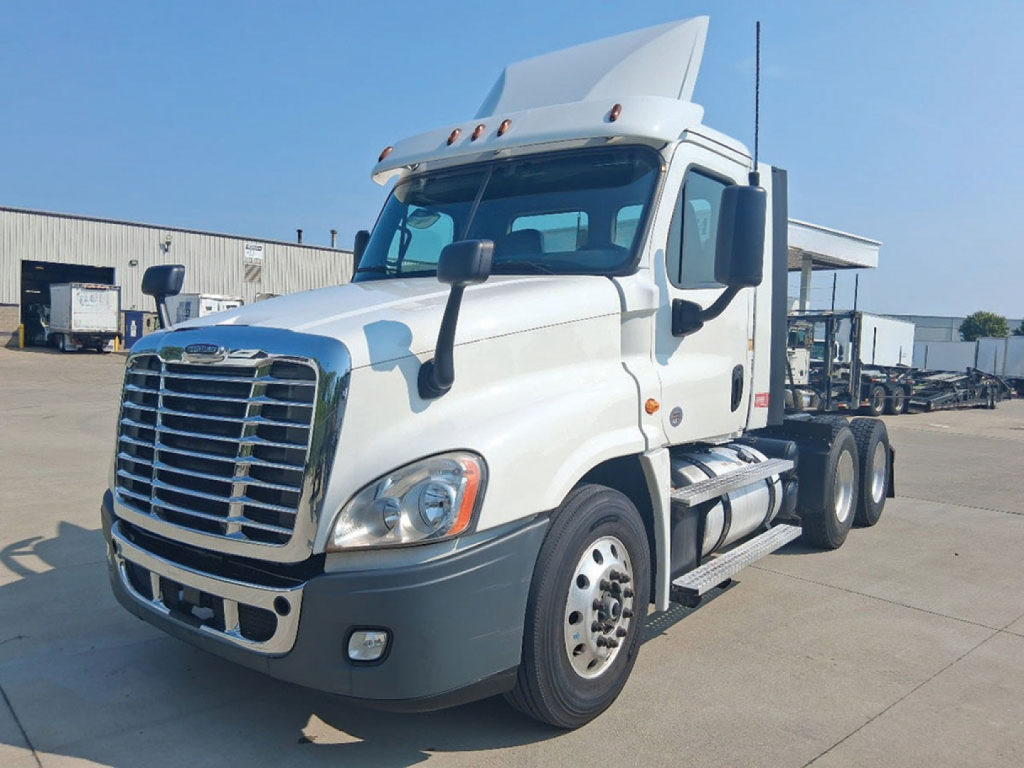
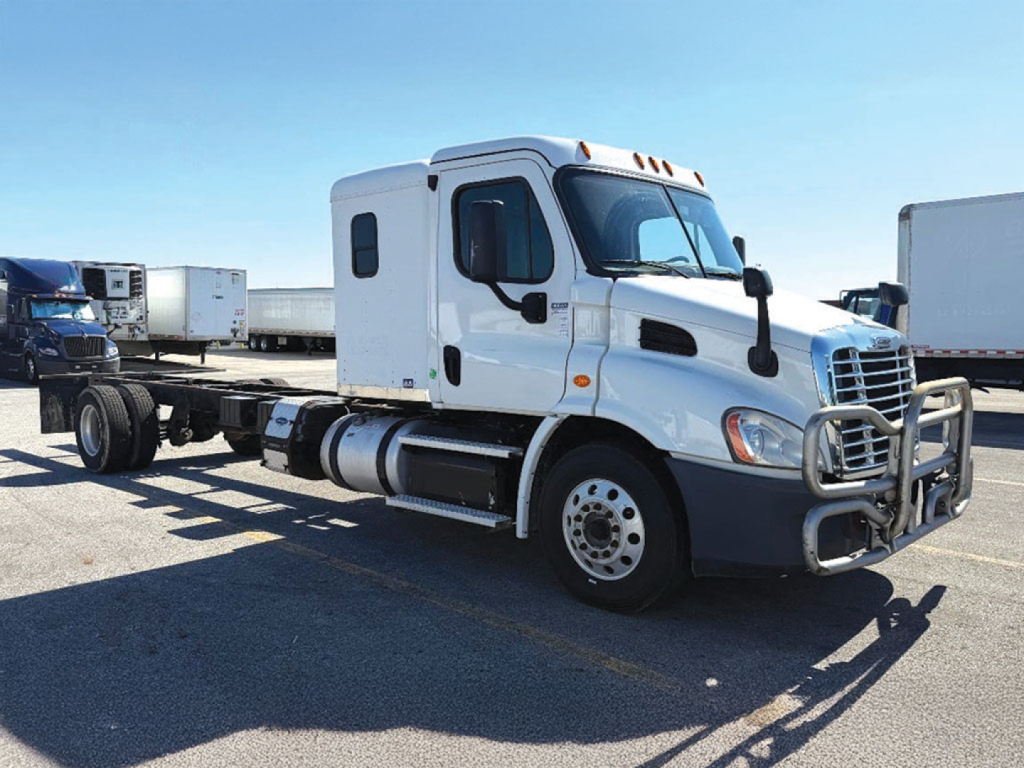
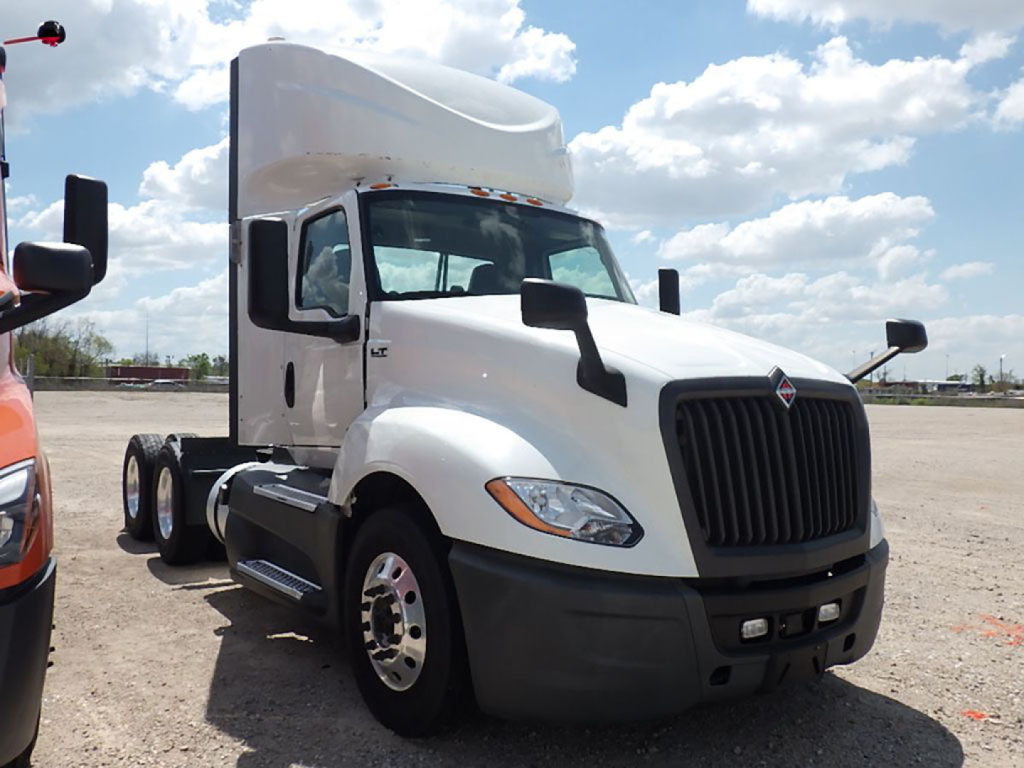
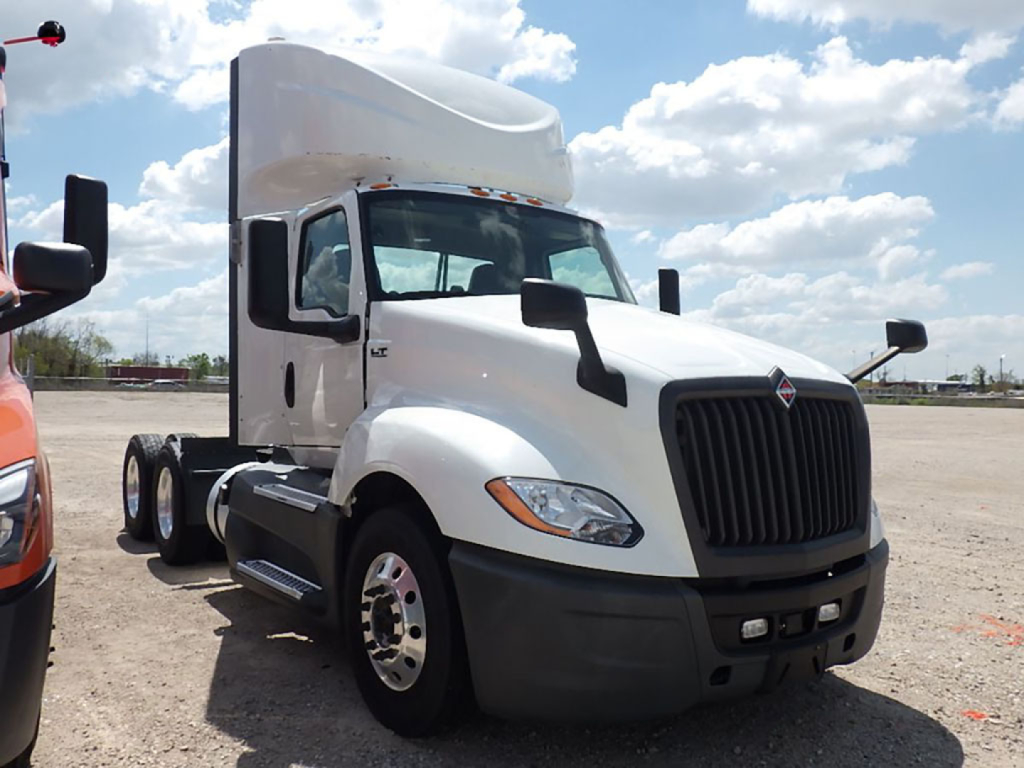
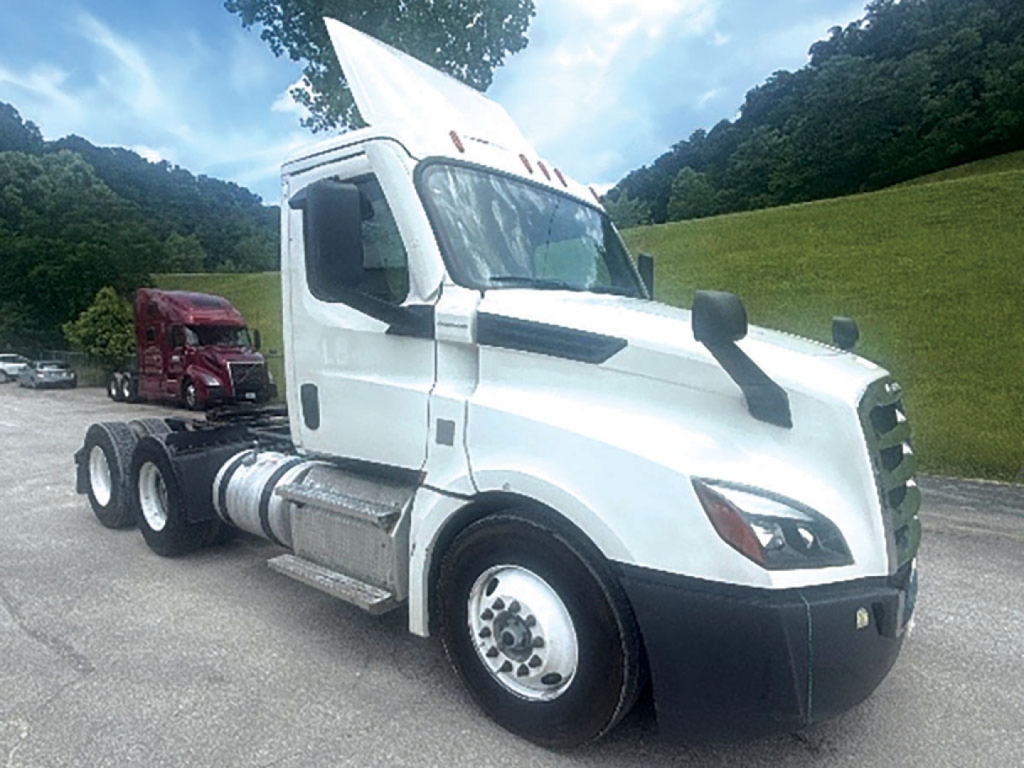
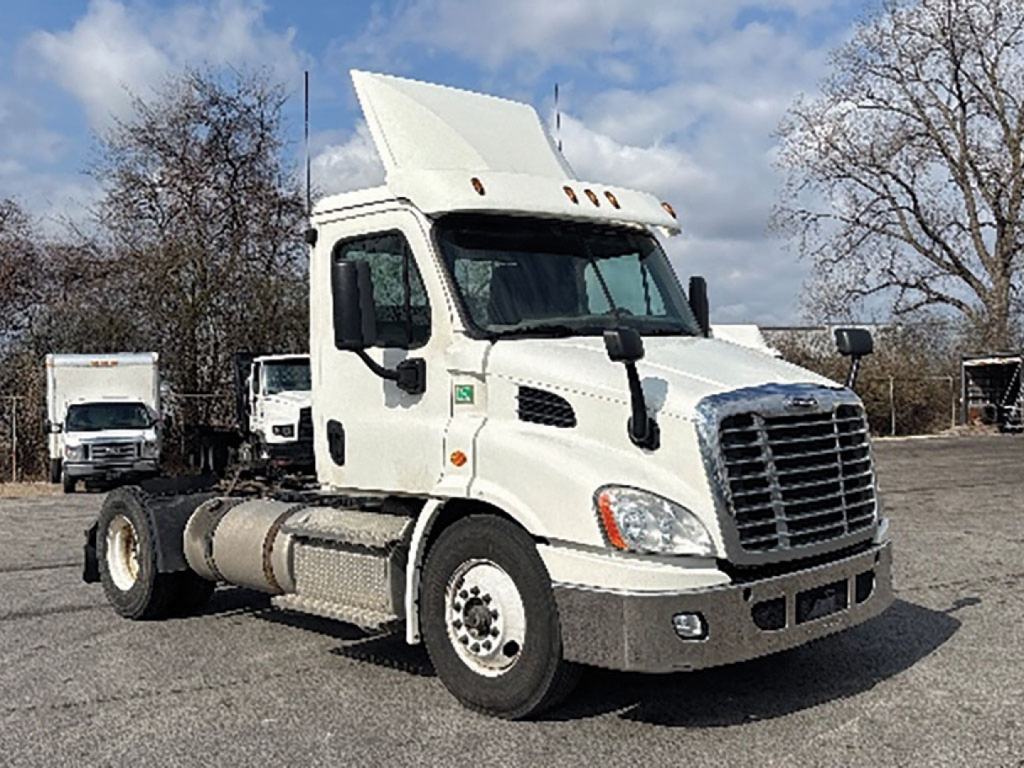
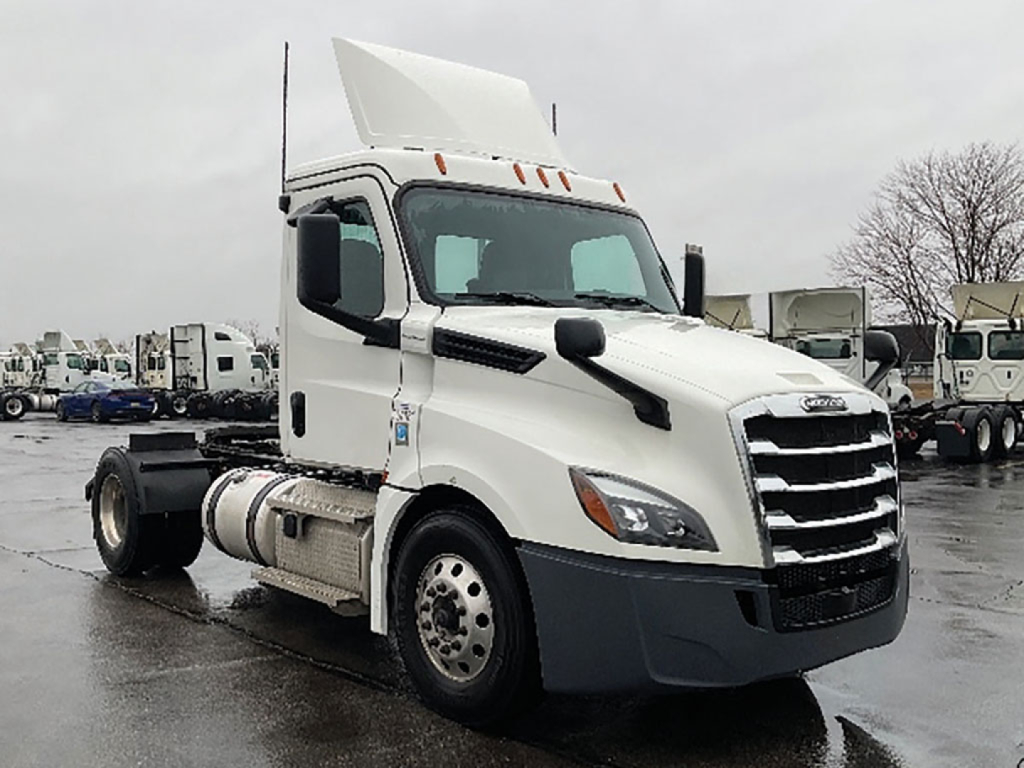
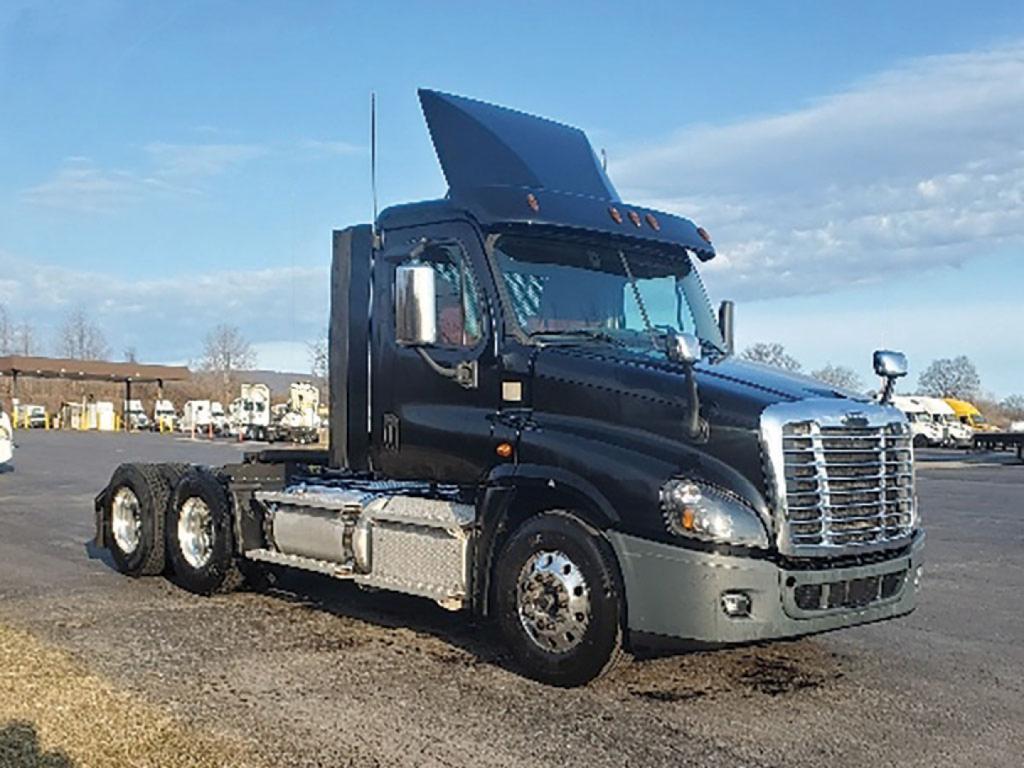
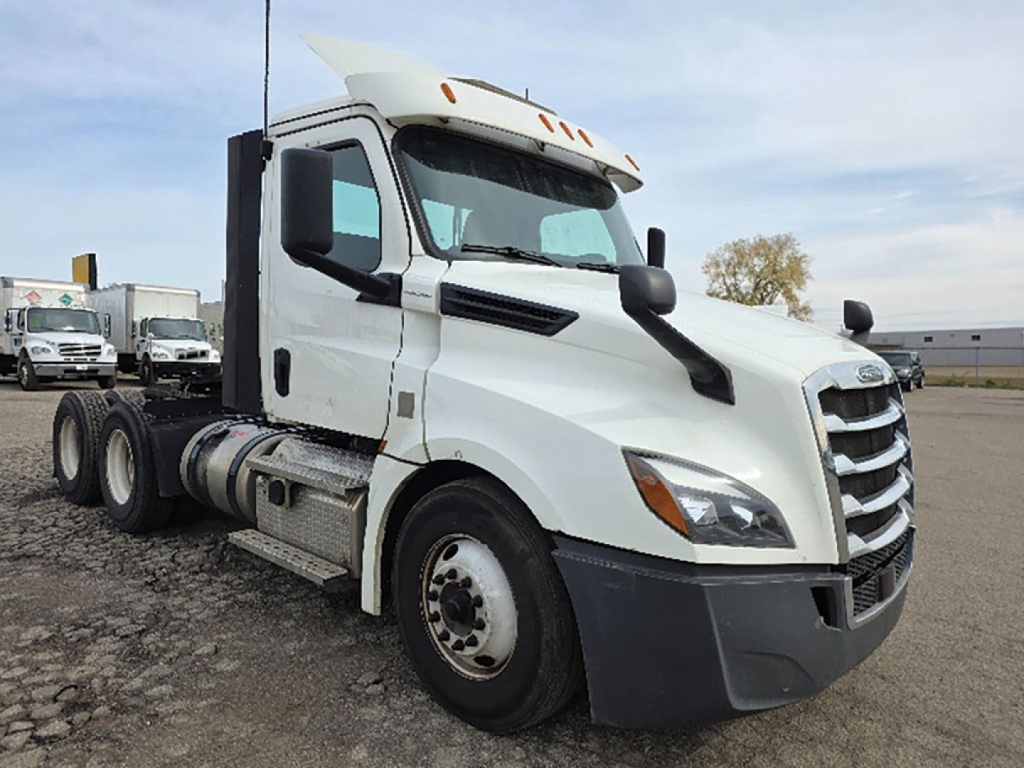
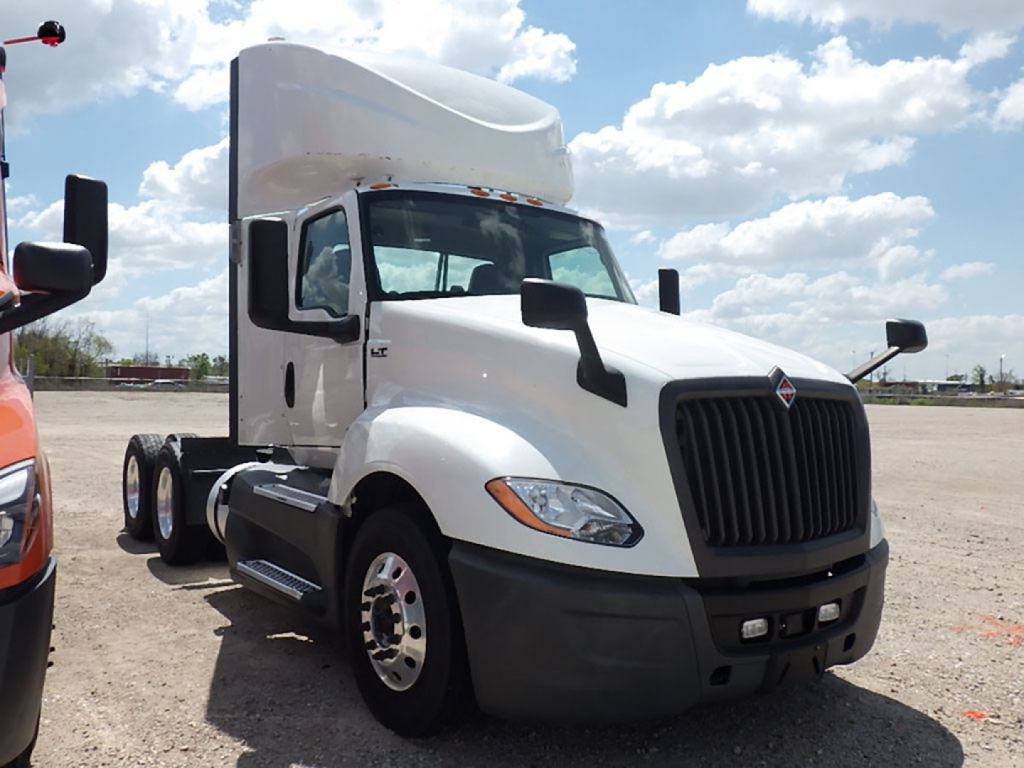
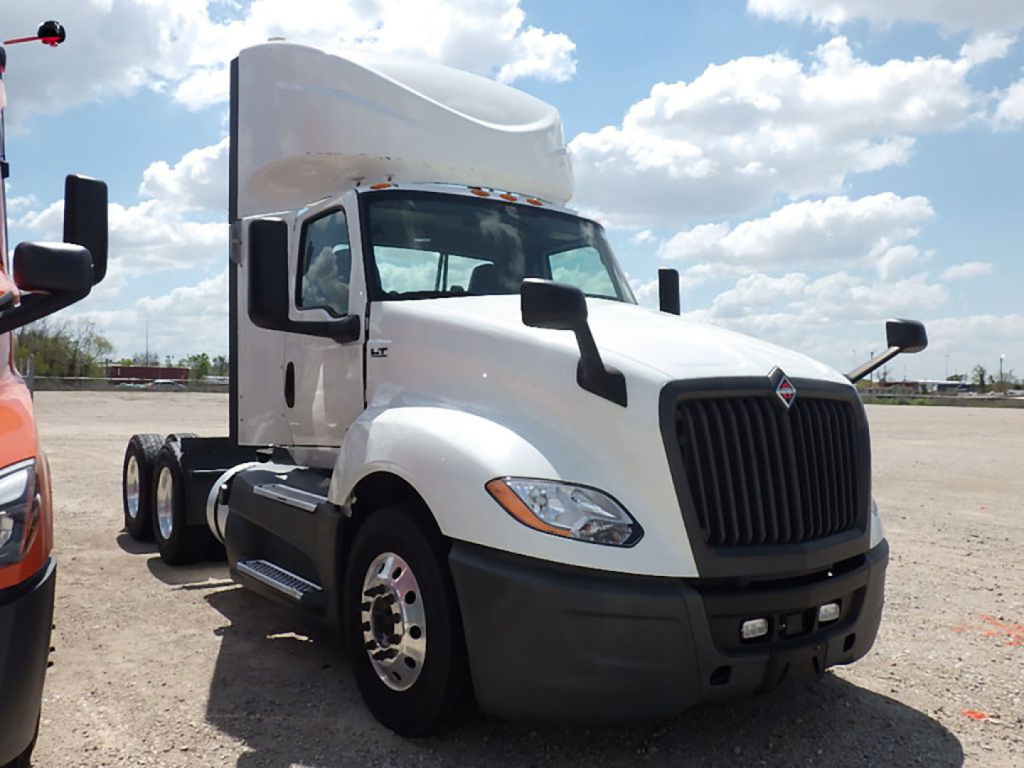
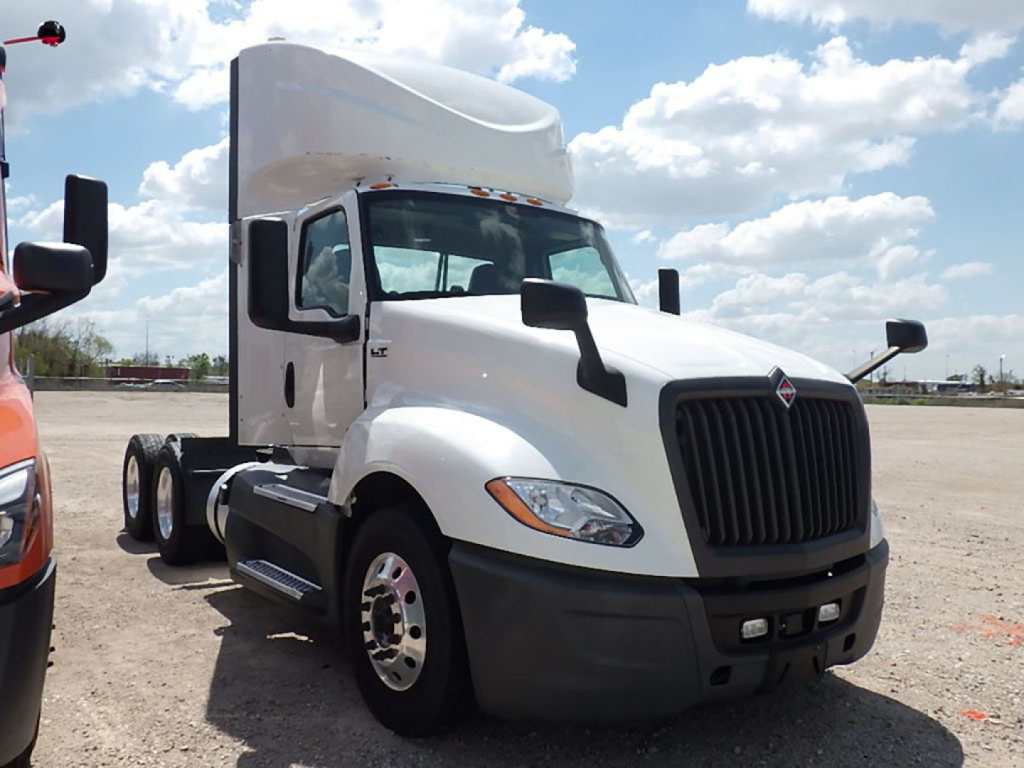
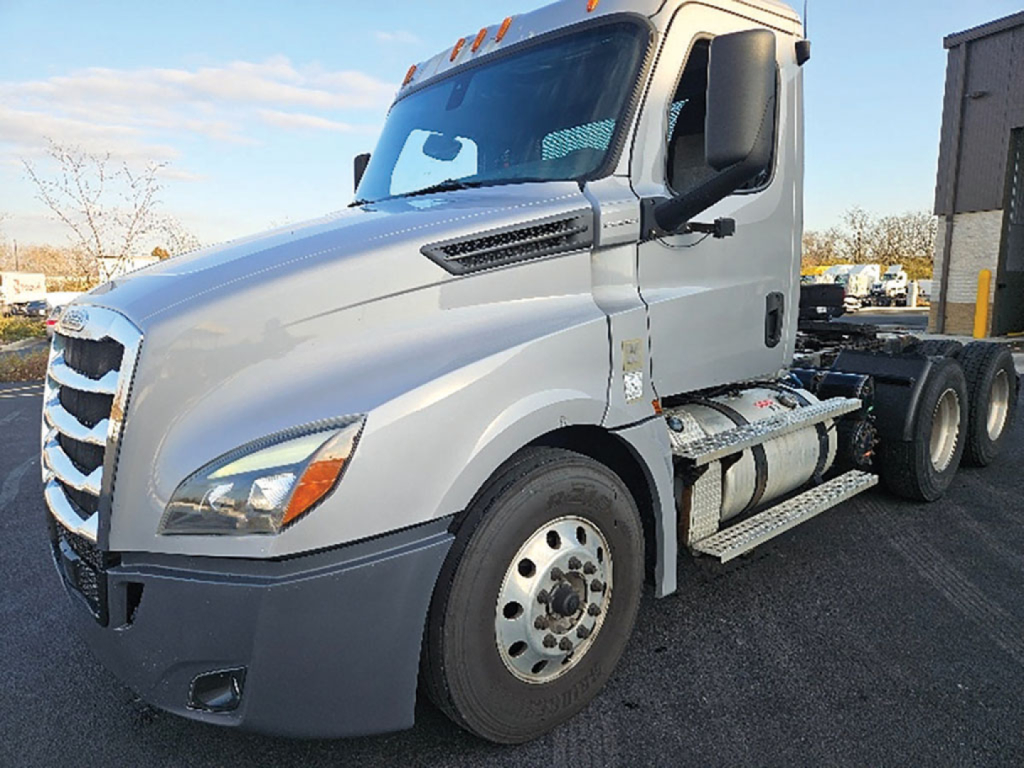
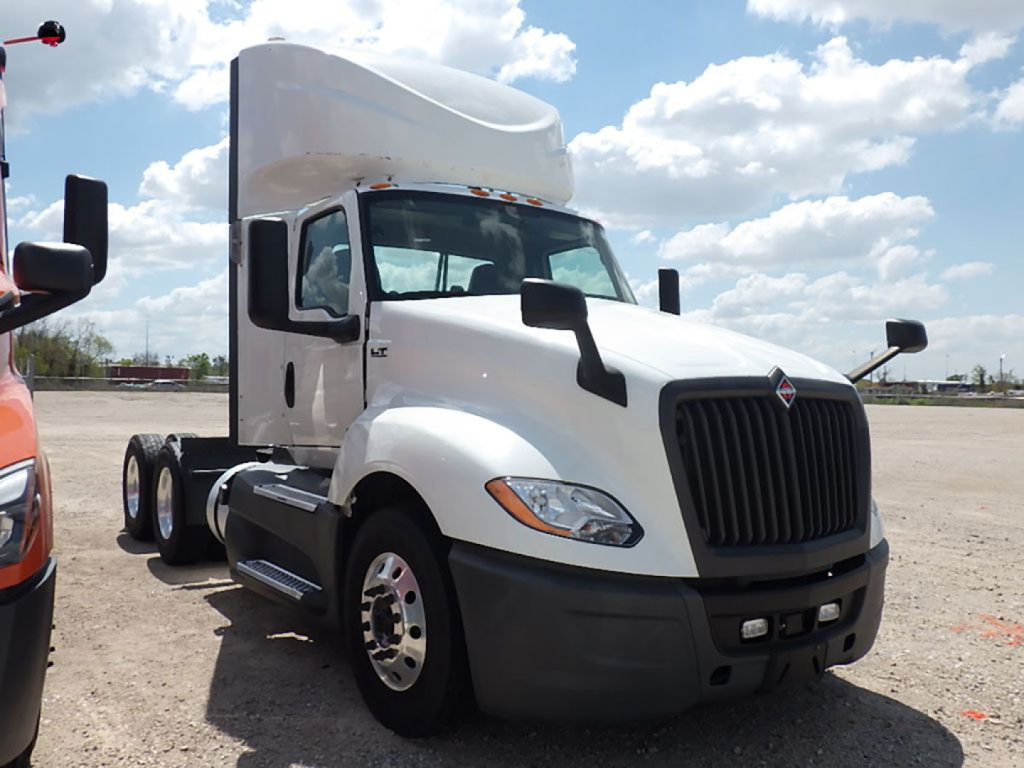
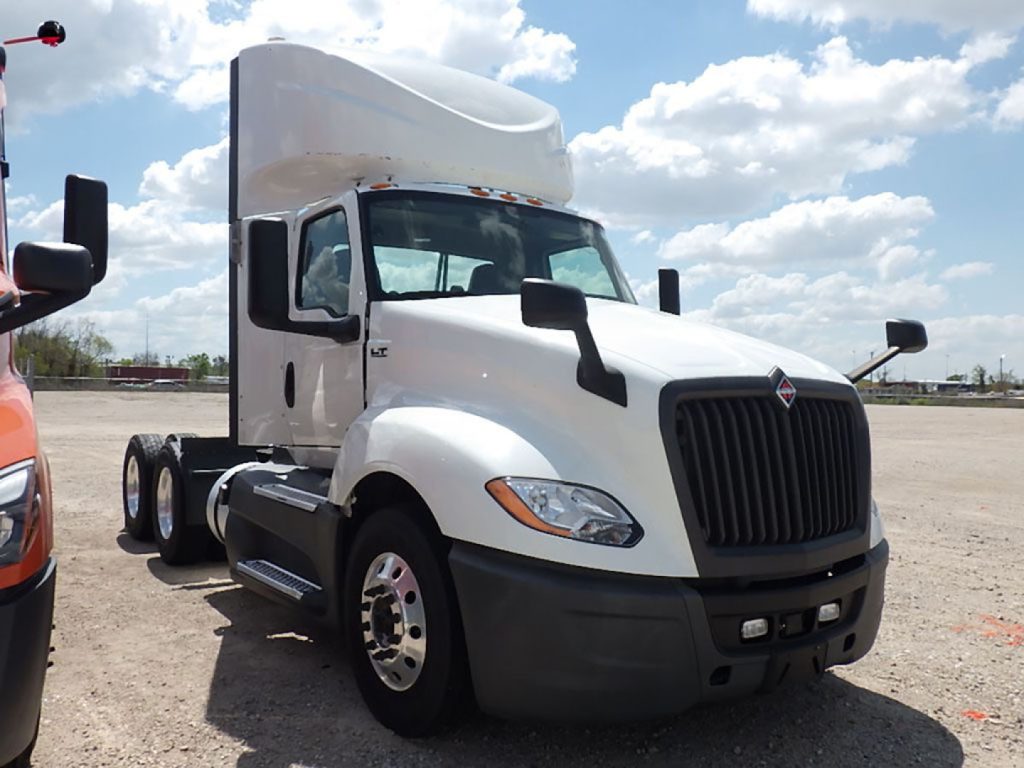

Have 2020 commercial truck to sell? List it here to reach thousands of buyers.
2020 Commercial Trucks in Pennsylvania
Frequently Asked Questions about 2020 Commercial Trucks in Pennsylvania
What should I look for first when buying a 2020 truck in Pennsylvania?
Start with the truck’s intended job and match the chassis to that workload. For local delivery or vocational use, check GVWR, axle ratings, wheelbase, body length compatibility, PTO capability, and whether the truck is set up for a flatbed, service body, wrecker, or box. For highway tractors, focus on engine horsepower and torque, transmission type, rear ratio, wheelbase, and suspension. In Pennsylvania, buyers should also pay close attention to current inspection status, rust on cab mounts and frames, and signs of corrosion from winter road treatment.
Are 2020 trucks a good balance between price and technology?
Yes. Many 2020 trucks offer a useful middle ground between older pre-emissions-era equipment and much newer premium-priced units. Buyers can often find modern driver-assist features, improved telematics capability, better cab ergonomics, and efficient automated or automatic transmission options in this year range. At the same time, 2020 models are old enough that operating history, maintenance records, and component condition can usually be evaluated more clearly than on very new trucks with limited service data.
What engine and transmission combinations are common on 2020 trucks?
The mix depends on truck class and application. Medium-duty 2020 trucks commonly use diesel engines in roughly the 220 to 300 horsepower range with Allison automatic transmissions, especially in delivery, flatbed, rollback, and utility work. Heavy-duty 2020 highway trucks are more likely to be spec’d with engines such as the Cummins X15, Detroit DD13 or DD15, PACCAR MX series, or similar platforms, paired with automated manual or manual transmissions. Rear axle ratios and horsepower ratings should be matched to route profile, payload, and expected cruising speed.
What matters most on a 2020 used truck besides mileage?
Mileage matters, but maintenance history and spec matter more. A lower-mile truck with poor service records, heavy idle time, rust, or the wrong drivetrain can cost more to operate than a higher-mile truck that was maintained correctly. Review engine hours, fault history if available, brake and tire condition, suspension wear, emissions system service history, and any body or frame modifications. On vocational trucks, inspect PTO operation, hydraulics, hoists, winches, liftgates, and body mounting points. On tractors, check fifth wheel wear, air system condition, and signs of overloading or poor alignment.
Are 2020 trucks suitable for both regional and vocational applications?
Yes. The 2020 model year covers a wide range of configurations. Regional buyers can find aerodynamic day cabs and sleeper tractors spec’d for fuel economy, driver comfort, and highway gearing. Vocational buyers can also find chassis designed for towing, construction, municipal service, utility work, and flatbed hauling, often with heavier front axles, vocational suspensions, and PTO-friendly transmissions. The key is to confirm the existing spec supports the job so the truck does not require costly rework after purchase.