
2020 Conventional Sleeper Trucks For Sale in Pennsylvania
Browse 2020 conventional sleeper trucks in Pennsylvania. Compare specs, sleeper sizes, powertrains, wheelbases, and long-haul features.
Learn more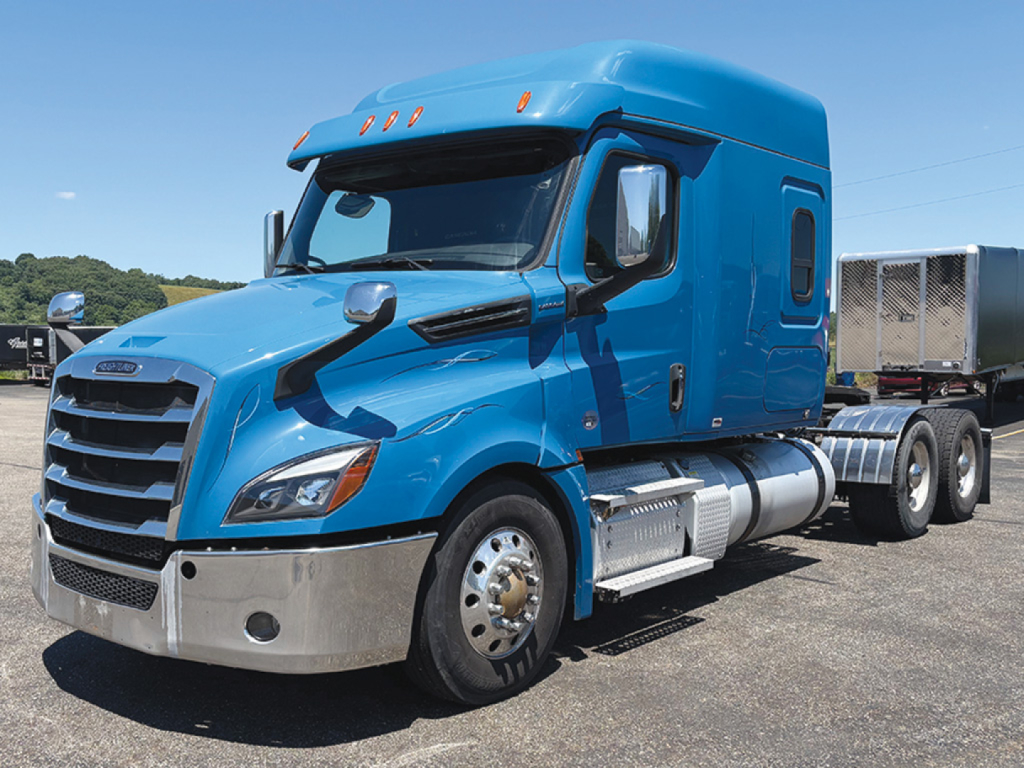
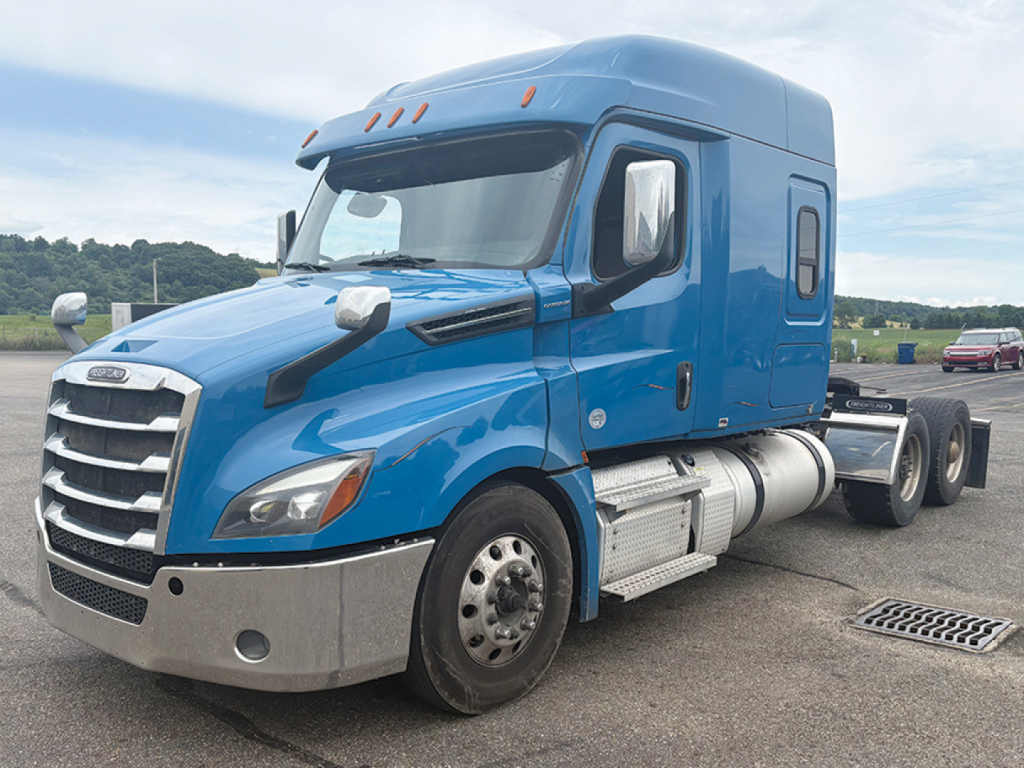
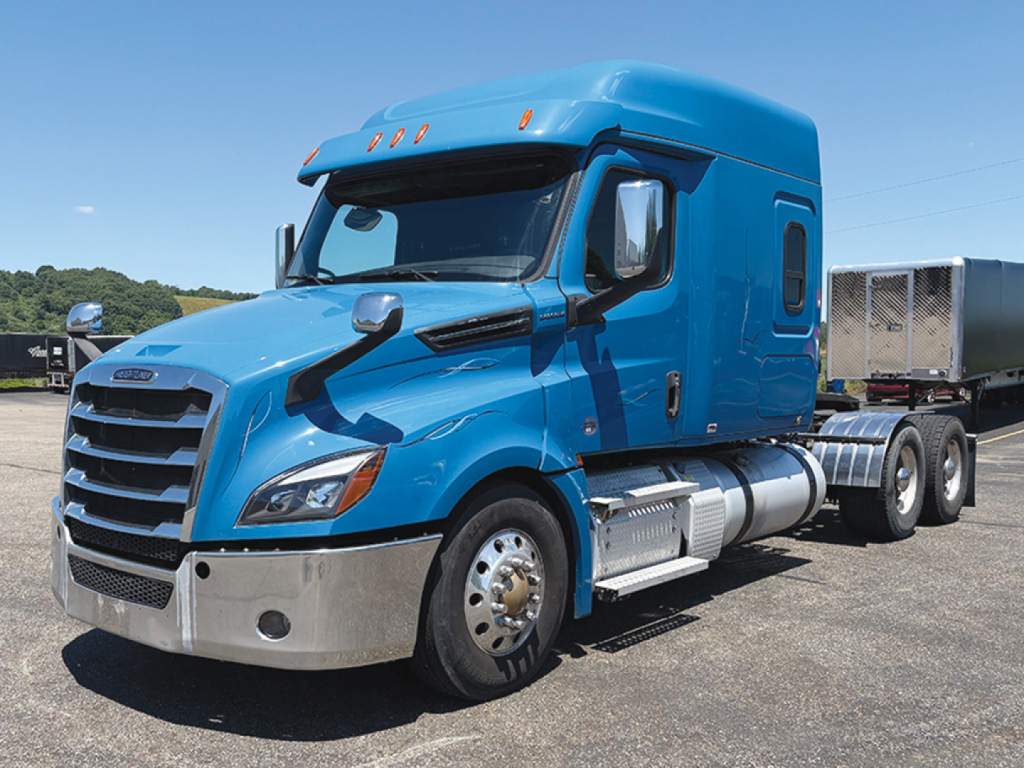

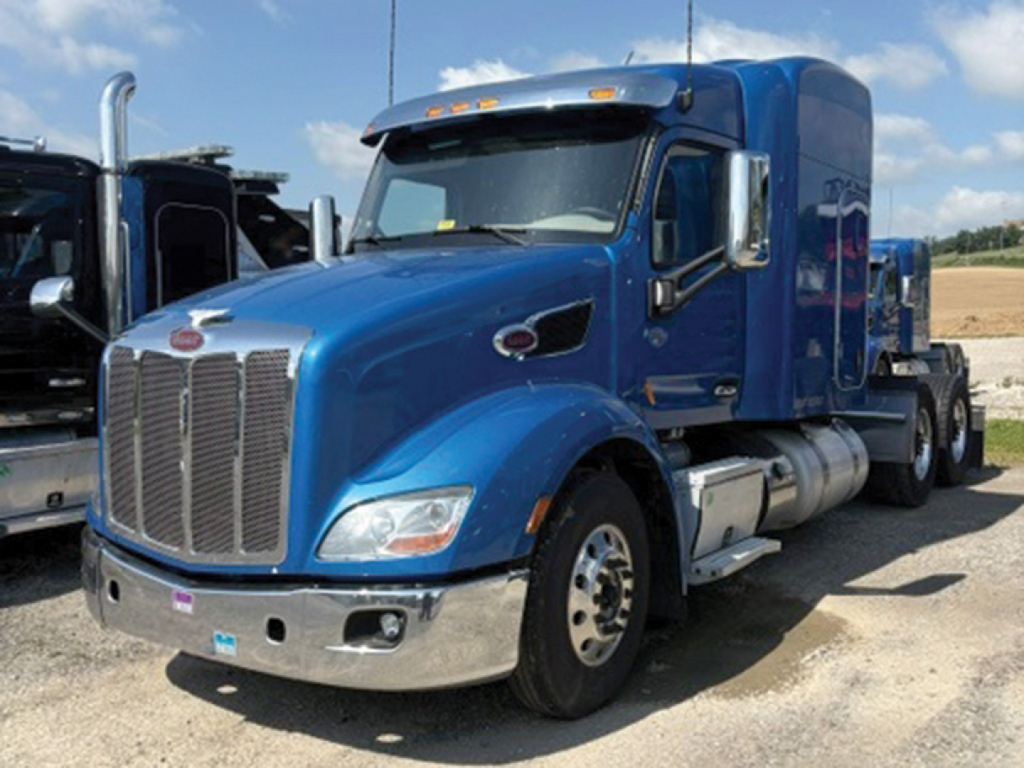
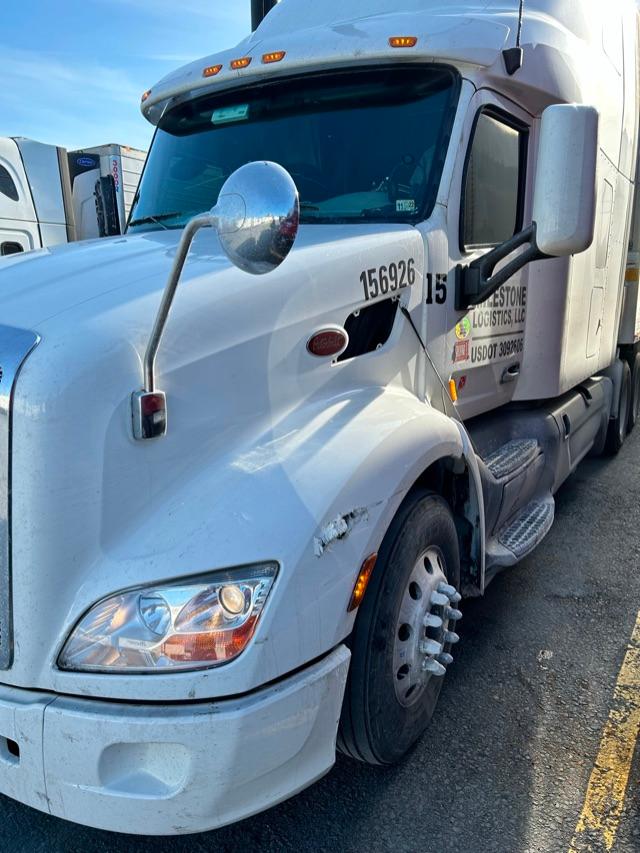
Have 2020 conventional sleeper truck to sell? List it here to reach thousands of buyers.
About 2020 Conventional Sleeper Trucks in Pennsylvania
The biggest buying decisions usually come down to sleeper size, powertrain, and rear axle ratio. A 2020 conventional sleeper may have a mid-roof or high-roof sleeper in the 60-inch to 80-inch range, with one or two bunks depending on team or solo use. Common engines include the Detroit DD15, Cummins X15, Paccar MX-13, and Volvo D13, typically rated from about 400 to 505 horsepower with torque tuned for fuel economy or heavier gross weights. Transmissions in this year range are often automated manuals, though some trucks still carry 10-speed, 13-speed, or 18-speed manuals. For Pennsylvania buyers running mixed terrain, axle ratio deserves close attention. A fast ratio can improve cruise efficiency, while a deeper ratio may be the better choice for mountain grades, heavier van or flatbed work, and lower-speed regional lanes.
Chassis spec matters just as much as engine badge. Look closely at wheelbase, fifth wheel travel, fuel capacity, suspension type, and tire setup. A longer wheelbase with larger dual tanks supports long-haul range and a smoother ride, but it can limit maneuverability in tighter docks and older Northeast yards. Air ride suspension is standard in most fleet and owner-operator specs, and disc brakes, collision mitigation, adaptive cruise, and lane departure warning became much more common by 2020. Inside the sleeper, buyers should compare bunk layout, storage, inverter prep, refrigerator space, APU or parked HVAC provisions, and insulation quality. These details have a direct effect on driver retention and on how practical the truck is for multi-day runs.
For used 2020 conventional sleepers, condition review should focus on emissions history, maintenance records, idle hours, transmission calibration, and signs of hard fleet cycling or poor preventive service. Check aftertreatment service history for DPF, DOC, and SCR work, inspect for coolant or oil seepage around common engine service points, and verify any telematics or safety system faults are resolved. Tire wear, alignment, kingpin and fifth wheel condition, and suspension bushing wear can tell you a lot about how the truck was run. A well-spec'd 2020 sleeper can fit dry van, reefer, flatbed, and dedicated route work, but the right truck is the one whose horsepower, gearing, sleeper package, and chassis layout match the freight instead of forcing a compromise every week.
Frequently Asked Questions
What is a 2020 conventional sleeper truck best suited for?
A 2020 conventional sleeper truck is primarily built for over-the-road freight that requires overnight or multi-day operation. It is a strong fit for dry van, reefer, flatbed, and dedicated contract lanes where driver comfort, fuel range, and highway efficiency matter. Compared with a day cab, the sleeper adds bunk space, storage, and living amenities that make longer dispatches practical and compliant.
Which specs matter most when comparing used 2020 conventional sleepers?
The most important specs are engine model and horsepower, transmission type, rear axle ratio, sleeper size, wheelbase, and fuel capacity. Buyers should also compare suspension, brake type, axle ratings, and fifth wheel setup. These choices affect fuel economy, gradeability, maneuverability, driver comfort, and how well the truck matches the trailer and freight you plan to pull.
Are 2020 sleeper trucks likely to have newer safety and driver-assist features?
Yes. Many 2020 conventional sleeper tractors came with collision mitigation, adaptive cruise control, lane departure warning, and improved braking systems compared with older trucks. Availability varies by make and fleet spec, so buyers should confirm which systems are installed and functioning. These features can improve highway safety, reduce driver fatigue, and in some cases help with fleet insurance and risk management.
Is an automated manual transmission a better choice than a manual in a 2020 sleeper?
For many buyers, an automated manual is the more practical choice because it improves driver accessibility, supports fuel-efficient shift strategies, and reduces fatigue in heavy traffic. A manual transmission can still make sense for specialized applications, driver preference, or certain vocational crossover uses. The right choice depends on route profile, driver pool, maintenance support, and how much control you want over gear selection on grades and in poor weather.
What should I inspect first on a used 2020 conventional sleeper in Pennsylvania?
Start with maintenance records, engine hours, and emissions system service history. Then inspect tires, brakes, suspension, alignment wear, and the condition of the sleeper interior. In Pennsylvania and the broader Northeast, road conditions and winter exposure make it especially important to check for corrosion, frame and crossmember condition, fairing damage, and wear around steering and suspension components.