
2020 Freightliner Conventional Sleeper Trucks For Sale in Pennsylvania
Browse 2020 Freightliner conventional sleeper trucks in Pennsylvania. Compare Cascadia specs, sleeper sizes, engine options, and drivetrain setups.
Learn more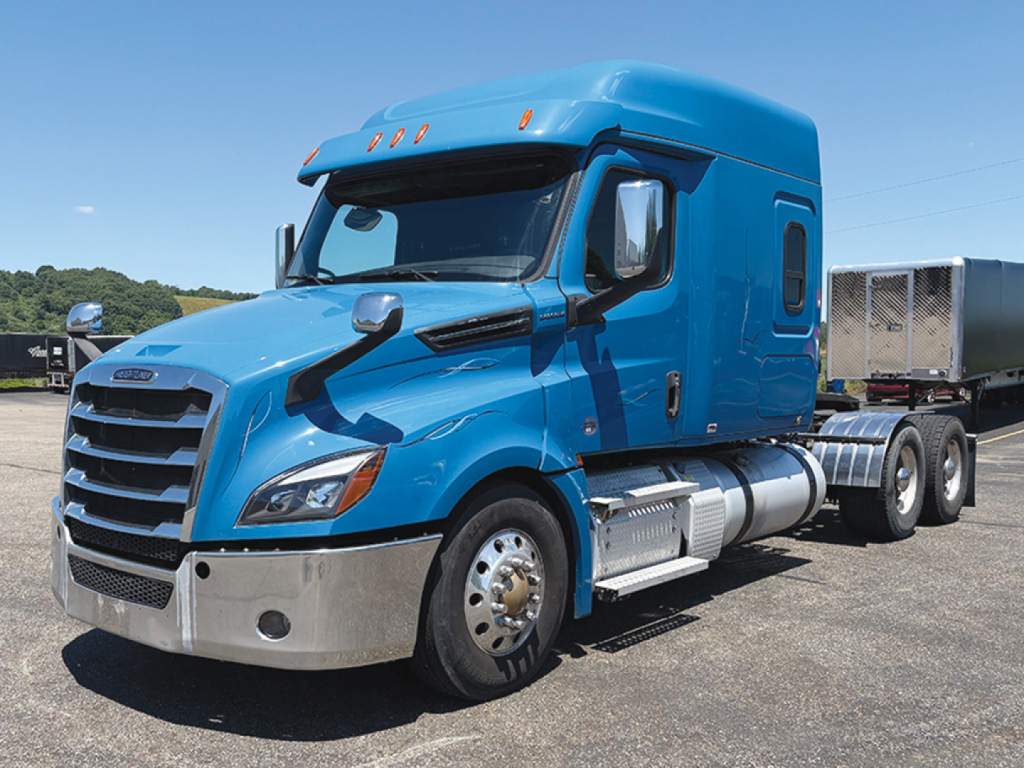
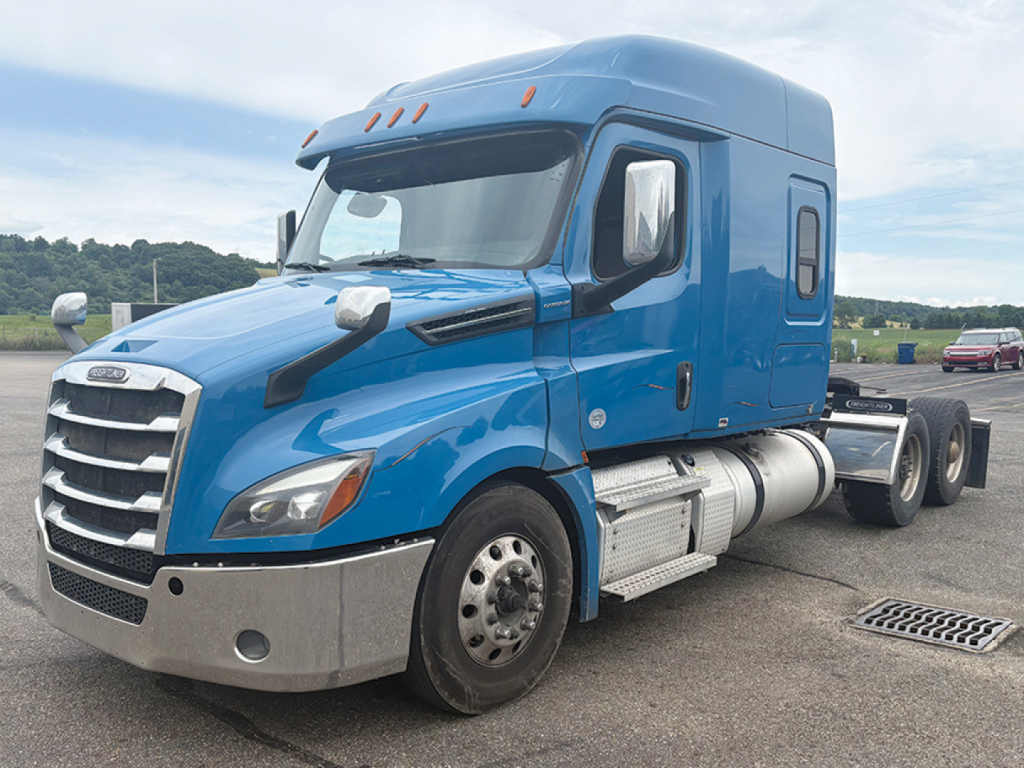
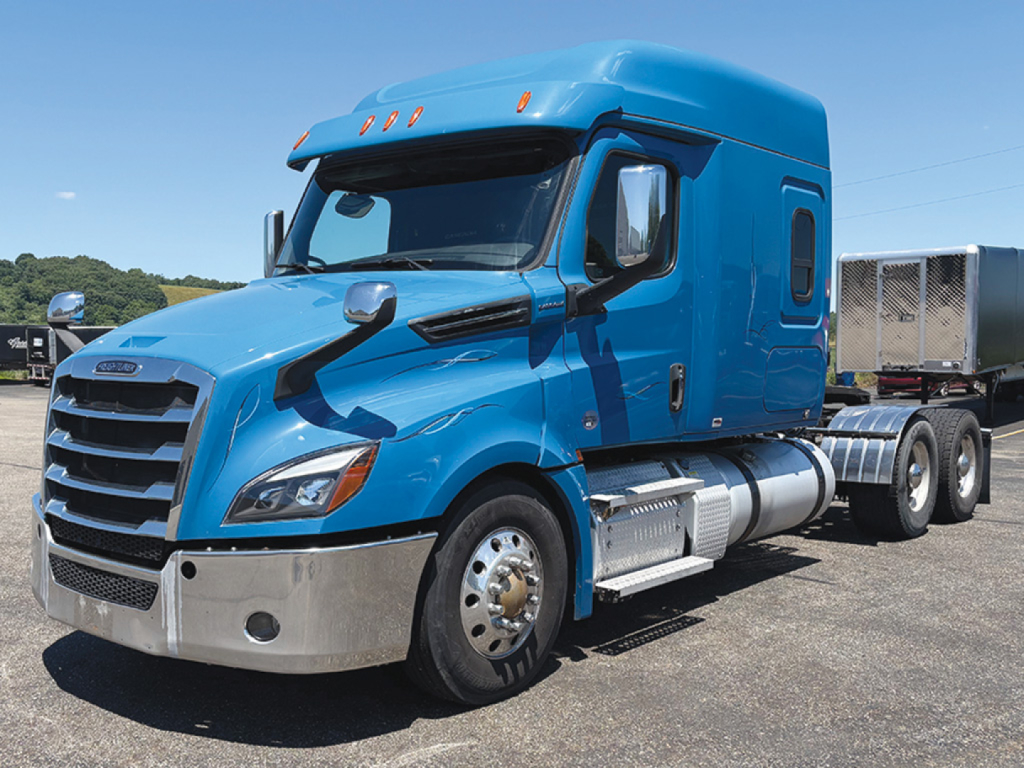

Have 2020 freightliner conventional sleeper truck to sell? List it here to reach thousands of buyers.
About 2020 Freightliner Conventional Sleeper Trucks in Pennsylvania
Powertrain choice is one of the biggest buying decisions in this category. Many 2020 Freightliner sleeper trucks are spec'd with Detroit DD15 or Cummins X15 engines, generally in the 450 to 500 horsepower range, paired with either the Detroit DT12 automated manual transmission or a traditional 13-speed manual. Rear axle ratings around 40,000 pounds are common, along with ratios such as 2.28, 3.08, or 3.36 depending on the intended lane and cruise speed. Lower numerical ratios usually favor fuel mileage on flat interstate runs, while deeper ratios can make more sense for heavier loads, hill country, or buyers who want stronger startability.
A buyer should also pay close attention to wheelbase, fifth wheel setup, tire configuration, and cab equipment. Wheelbases in the 225-inch to 243-inch range are common on highway sleepers and can affect trailer swing clearance, ride quality, and bridge law flexibility. Air slide fifth wheels add versatility for changing kingpin settings and trailer lengths. Dual aluminum fuel tanks, air ride suspension, disc brakes, low-profile 22.5 tires, and aluminum wheels are all common specs in this class. Some 2020 trucks also include safety and driver-assist equipment such as collision mitigation systems, which can be an important consideration for larger fleets and insurance compliance.
In Pennsylvania, spec choices often reflect a mix of turnpike miles, regional freight, winter operation, and warehouse delivery conditions. That makes practical details important, including engine brake performance, bunk heat, fairings and cab extenders, and the condition of emissions components on a used diesel sleeper. A 2020 Freightliner conventional sleeper should be evaluated for idle hours, service history, transmission calibration, aftertreatment performance, and signs of uneven tire wear or suspension neglect. For many buyers, the value in this category comes from finding the right balance of sleeper comfort, fuel economy, drivetrain simplicity, and a spec that matches the freight instead of paying for features that do not improve revenue.
Frequently Asked Questions
What engine and transmission combinations are common in a 2020 Freightliner conventional sleeper truck?
The most common combinations in this category are Detroit DD15 or Cummins X15 diesel engines paired with either a Detroit DT12 automated manual transmission or a manual 13-speed. Horsepower ratings often fall between 450 and 500 horsepower. The best choice depends on the application. Automated manuals are popular for fuel economy, driver recruitment, and fleet standardization, while manual transmissions still appeal to some owner-operators running specialized lanes or heavier terrain.
What sleeper size is typical on a 2020 Freightliner Cascadia conventional sleeper?
A 72-inch sleeper is one of the most common configurations on a 2020 Freightliner Cascadia conventional sleeper, usually in either mid-roof or raised-roof form. Raised-roof sleepers provide more stand-up room and typically suit long-haul operations better. Mid-roof sleepers can still offer strong comfort while keeping overall height and weight slightly more conservative. Interior equipment such as upper bunks, refrigerators, bunk heaters, and storage layout matters just as much as sleeper height for driver usability.
How do rear axle ratios affect a 2020 Freightliner sleeper truck?
Rear axle ratio has a direct effect on cruise RPM, startability, grade performance, and fuel economy. Ratios like 2.28 are generally selected for fuel-efficient highway use with lighter to moderate linehaul demands. Ratios such as 3.08 or 3.36 can be a better fit for mixed terrain, heavier gross weights, or operations that need stronger pulling power at lower speeds. A buyer should match the ratio to trailer weight, typical route profile, and transmission gearing instead of assuming one ratio is best for every lane.
What should buyers inspect on a used 2020 Freightliner conventional sleeper in Pennsylvania?
Priority items include engine hours, idle time, aftertreatment history, transmission service records, brake condition, suspension wear, and tire wear patterns. In Pennsylvania, winter exposure makes corrosion, frame condition, electrical connections, and air system health especially important. Buyers should also inspect the sleeper HVAC, bunk heater, fifth wheel operation, and any safety systems such as collision mitigation. A complete maintenance file and a diagnostic scan are often more valuable than cosmetic appearance alone.
Is a 2020 Freightliner conventional sleeper good for regional haul or only long-haul work?
This category works well for both, depending on the spec. A raised-roof sleeper with larger fuel capacity and a fuel-mileage drivetrain is usually better suited to long-haul over-the-road use. A mid-roof sleeper with the right wheelbase, axle ratio, and cab equipment can perform very well in regional haul where drivers still need overnight accommodations. The key is matching the truck's powertrain, wheelbase, and sleeper layout to route length, freight weight, and loading conditions.